Growing a sustainable DTC startup brand to £££ 9 figures - Freddy Ward | Midnight Podcast Episode 47
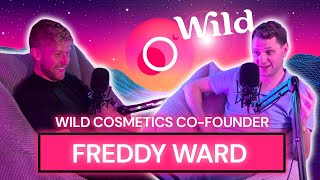
Podcast interview (Midnight Podcast Ep.47) with Freddy Ward (co-founder, Wild Cosmetics). Ward recounts his non-linear career (history degree → early startups → six years at HelloFresh rising to head of marketing), then co-founding Wild in mid‑2019 with Charlie to make refillable, plastic‑reducing personal care products (initial MVP deodorant). They validated demand with ~£100k in early sales via paid social, raised an angel round (~£0.5M), rebuilt product after manufacturing/3PL issues, relaunched April 2020 (COVID), raised further funding (£2M later in 2020 and ~£7.5M total reported), scaled to ~30 employees, expanded into retail (Sainsbury's) and Europe, and focused on lean operations, retention, CRO, and profitability. Major themes: keep SKUs simple, prioritize unit economics before large raises, diversify channels (D2C → retail → international), hire sparingly and culture/communication as headcount grows.
Chapters
We sat down in a Pizza Express and similar like, why don't we do sustainable fashion? And then I was like, there's only one person that dresses worse than me in the world and that was Charlie, my co founder. I was like, we, we literally cannot do fashion. You know, quickly you're looking at where people are using products on a regular basis and where there's a lot of plastic and a lot of opportunity in the bathroom was quite kind of obvious to us. We didn't know how big that opportunity was going to be. You know, when we first met every vc, they all said, yeah, like this is ridiculously niche. This is never going to foreign.
You probably heard a few months ago I dropped an E comm course. A very guru of me. But it's not that. I promise you, 0 to 1 how to start a brand from scratch with no budget. Some budget, a bit of budget. Take your idea from a bedroom to reality to potentially 7, 8 figures in sales like I've done a few times based on my seven years of experience in the trenches and my current experience building my current brand space goods. It's no, no frills. We've had like 75 people go through so far. Not a single person has asked for a refund. Plenty of people have actually built some serious aggressive shit. Covers every aspect of the business, not just the front end stuff like Most gurus on YouTube and Twitter are talking about. Not just product market and all that shit, but the real shit, the logistics, the back end, the supply chain, the customer service, the finances as well. This covers the whole spectrum, every part, 12 hours of video. If you're interested in scaling a brand zero to one, actually turning your idea finally into a reality, then click the link below, go check out Learn Real Commerce course and let me know what you think. I'd be glad to have you in there. Let's fucking go. Right then, we're back with the Midnight Pod, I think episode 47 and we have someone that I probably messaged ages ago to try and get on the pod. But because I had no views and wasn't really doing anything interesting at the time, I probably didn't get a reply. We have Freddy Ward from Wild Cosmetics, which is actually a brand I know quite a lot about because I always often joke that I come on here and get founders that I haven't done any research and I basically let them speak to me for 90 minutes, filling me in. But I've kind of followed your brand. Probably not since the start, but certainly for about 18 months because just being Entrepreneur myself, founder myself, obsessed with D2C. I actually nearly tried to kind of rip off your brand when I was thinking about the next thing to do, not rip it off but go into that like vegan bathroom stuff, end up pivoting and going to mushrooms instead. As everyone knows it washes the pod. But you've probably got an interesting story because you didn't come from always being a founder. You were at HelloFresh for a few years I think. And then obviously I built a brand to 50 employees, raised like 8 million plus in funding at least from what Crunchbase says. And I assume that means it's going pretty well and you launched a little over three years ago and I guess you are what I would like to be in three years time in terms of founding a D2C brand and doing cool shit. So it's going to be an interesting chat I think and like with every guest the first question really is just a bit about your background. Where did it start? Like I guess maybe from like school, university age and we'll go kind of chronologically through and probably dive into a load of stuff like DTC specific and a lot of stuff I want to know because this is the great thing about the pod is that I get to pick the brains of people that I want to actually speak to on a Tuesday night for free. So hopefully I can learn a lot as well as everyone else watching.
Cool. Well yeah, thanks, thanks for having me on. And yeah, don't believe everything you read on Crunchbase but I think we're about 30 employees now so but have raised about yeah, seven and a half million and also just I love DTC. It's all I've ever done in my career and really passionate about it, find it super interesting so kind of enjoying, enjoy, enjoy talking about it and also just big fan of entrepreneurship and you know, trying these things and kind of sharing any, any kind of learnings we can talk about wild and what that journey's been like and you know, and, but I always think to you know the start like these things from the outside look it's going so well and things are, you know, you're so successful but like the day to day grind doesn't change much and the feeling of like you challenges and things going wrong, you know, keep, keep scaling. So it's been, it's been a super interesting challenge and super, super enjoyable but yeah if, if I take you back. So basically how I fell into entrepreneur or like a more entrepreneurial environment, did history at university which not that useful for like a career and then tried to get onto all these kind of grad schemes and kind of don't have that traditional sort of particularly academic background or not. Not what any of these sort of tests and things were kind of looking for. So a little bit by force had to go down a less kind of conventional route. And, and also kind of, you know, had some things that I was interested in. So I was really interested in food and I enjoyed talking to people. That was kind of my two things that I was like, ah, those are two sort of vague things that I enjoyed doing in my life. And so to actually started for working for a company called Fire Tonics which was a premium sort of non alcoholic drinks business and literally it wasn't particularly glamorous. I would fill my rucksack with these drinks and some ice packs and I would go around London trying to sell into like small.
This is. As a grad.
It was just like as a grad.
Yeah, okay.
Yeah. And so that was my. And but that was my first like proper job in London. Did okay like sold a few of these drinks. So that was, that was quite good. And this company had this really cool office actually in, in Bishop's park in Fulham. I was like this is like what an amazing place to, to kind of work. I obviously never got to go into the office because I was like trudging around trying to flog these, these drinks that never quite kind of made it, but gave me a real taste for a smaller company and what that could be like and felt like a place that I could be a lot happier. So started looking for other food and drink startups in London and applied for like a internship with this company called HelloFresh which at the time was like a couple of employees and no one had ever heard of what a recipe box was. And, and I told my family, they're like that's never going to work. It's a terrible idea. And one of the great things about startups when they're first launched and no one knows about them is no one can find their jobs and they don't have much of a budget to promote their jobs. So if you're lucky enough to find them and find something there, you've got a very good chance of getting in. So that's kind of how I got into Hellofresh and that was in 2020, kind of 2012ish.
They're like multi billion pound valuation now.
I think they're doing German company. German company, yeah. So they, the, they're doing about 4 billion in revenue?
Oh, shit.
And I think valued around 6, 7 billion, but have been in excess or close to 10 billion. I think at the height of the pandemic. It's a rocket Internet company. So what Rocket did is they find business models that were successful and kind of took them to countries that they weren't in. And normally that would be like finding Americans. So, like, they copied Airbnb, they copied ebay, which is the original model that they made a lot of money from. But HelloFresh was a bit different. It was a big model in Sweden, so accommodated for about 2 1/2% of the grocery market in Sweden. And they were like, oh, this is like quite an interesting concept. Let's see if we can take it to more countries. So they launched in Berlin, so London and Amsterdam pretty much simultaneously. And then they set up small satellite teams in. In those three kind of markets. And yes, I was one of the. The kind of early guys in the. In. In the London office.
Was that like, with equity and stuff like that? But then are you literally just so.
So to begin with no equity? No, no, no. Kind of. It was literally just a job, but, you know, with time.
But did you choose that? I guess because you. You were smart enough to think that might be the case in the future, and it's a great way to learn more than being in a bigger company.
I didn't think that hard about it. I just thought, like, look, I like food. I. I want to get into this sort of world. I will think I can learn a bit and, you know, I'll go move on to the next company or do the next thing when the timing is kind of right. So, you know, you didn't. I definitely didn't overthink it. And I never thought that, you know, where my career ended up going would. Would kind of happen. That just all happened kind of naturally. And I learned a lot more about startups and, you know, I probably didn't have a clue what equity was or how that worked or what that even means. And, you know, on my journey through that, I've kind of obviously learned a bit more about that side of things.
Yeah. How long do you spend there, then?
Six years.
Going from like, relatively junior to. But where did you end up when you left? And I guess what was the thought process with leaving as well?
Yeah, so I think roughly the marketing budget. So I was the first kind of marketing sales and marketing hire, and we probably spent like 100 grand in our first year on marketing. And then by the time we left, I think we spent about 25 million on. On marketing and I was running a team of about 25 people. And yeah, it was just an amazing, amazing kind of journey. And the business that IPO'd, you know, it had actually hit a bit of a plateau in the UK and it sort of became clear that I didn't have the energy and perhaps the business needed a new bit of fresh blood and the guys who've come in have done and have made it a lot, lot bigger than it was when I, when I left. So I think it was, it was a good time for a change and, you know, it was at that stage a billion over, north of a billion by that point. So it's a big company, you know, thousands and thousands of employees and, you know, you're basically working for the equivalent of like a Unilever or png. You know, it's like it is a big corporate. And that became an environment where I'm not the, like, I'm not. Wasn't the best person to be in those roles and I was ready to like go and try and take what I'd learned and apply that somewhere.
25 million on marketing. Is that primarily like social ads like you might assume now, is that different by then, even though it was only a few years ago?
No, that was, that was. It didn't start out as a social at all. So social media sort of exploded halfway through my time there. But, you know, when you're spending that much, it's across like quite a lot of different channels. I think we probably had like 30 channels, but a lot of that is, you know, paid social. Paid social spend and like scaling that so you probably, you know, you're spending a decent amount on, on those channels, as we agree.
And how long were you thinking about doing your own thing or was that always planned to be the next step? Like, would you have considered yourself an entrepreneur before you even started at hellofresh?
No, I never, I was never like, I'm just going to be, you know, some people are like, I'm an entrepreneur.
Yeah.
No, we don't work someone. And for me, I didn't, I didn't have that sense at all. I was just. I kind of have ended up there through what I've done and I, I think, you know, I'd seen a lot of companies that had gone through and been successful and then, you know, they're those people who've been part of that had gone into the ecosystem and set up their own. So like innocent. Who are the guys are now investors in. In Wild as Part of Jam Jar, their fund. But yeah, you know, a lot of the guys who went on that innocent journey, you know, first 10, 20 employees, they went to set up some amazing like brands in the food and beverage space. And they're, they're like all over that ecosystem now and then. Similarly, if you look at D2C, a lot of the great D2C guys started at Love Film. They then went on to graze, they then went on to Tails, then went on to Skin and me. It's all a lot more connected than you, than you, than you think. And what, what I kind of, from an outsider's view, I was like, well, look what these guys have been able to learn through those experiences, have then put them in quite good stead to go and set up their own kind of companies.
Yeah, I mean, that's definitely a lot to be said for that because I always joke that the first six years of me being an entrepreneur, some wins and plenty of losses, was kind of like my equipment, I guess, my own equivalent of maybe working, not working in a bigger company. But now I feel like I finally kind of know what I'm doing a little bit more. I'm still figuring it out. But yeah, I think it's maybe a bit of a unicorn story where you get a first time founder that, you know, is 19 and makes something work. Which is obviously the story everyone wants to read about. Yeah, I mean, maybe B, but it's probably less realistic.
The great thing about my time at HelloFresh was that they allowed me to make like they gave me a lot of responsibility and they allowed me to make a lot of mistakes, but they kind of would overlook those as long as I had the right attitude and the right hunger and that I was trying to make things happen. And you know, I was terrible at hiring throughout my six years and you know, time and time again got that wrong. And just been chatting to a like young founder today actually. And he, you know, he's sort of trying to grow and he's hired a couple of people and they're all wrong and he's had to get rid of them. And I was. The amount of time I'm terrible at.
Hiring, I don't know what I'm doing.
Yeah, but the time that costs you and the, you know, that is, that's really. And it's actually one of those skills that is really hard to like do unless you start doing more and more of it and you make those mistakes and then you're like, okay, well why did I make that mistake with that person and what can, what would I do differently and how should I think about this? And you're never going to be perfect at it, but you can get a lot better at it. And it's actually a skill that is probably as a founder, when you start scaling quickly, like being able to hire good people and bring them on the journey is probably one of the most important things you're gonna, you're gonna kind of do.
Yeah, definitely feels like the single biggest challenge for me. I mean it's something I moan about every day to fortunate now to have kind of mentor slash investors that help me a lot. But yes, it's so hard because I've always felt like obviously when you start you do everything yourself, but then it's like do I hire to grow or do I hire once I've grown? It's kind of that debate in my head. And it's a little bit different now because have more funding and stuff. But yeah, definitely something I need to, need to work on.
Yeah. I mean I'm a big believer in trying to keep things as lean as possible and only hiring when you really feel you kind of need it. My team would say that that puts them under quite a lot of pressure sometimes because we're slightly always behind the curve. But I think one of my big things in D2C is, you know, a lot of the, a lot of where people go wrong I think is they hire far too many people far too early. And the advantage of the D2C model is you can be incredibly lean or on a like full time headcount basis, you can be incredibly lean. You can use a lot of outsourced partners that you can dial up and down depending on how your performance is going, a lot of, you know, freelancers, etc. And you can, you can really manage that risk with the, with the ups and downs of your business. And before you know a lot of people, you see successful consumer businesses, they go and raise like 10 million and they're like, they're doing, you know, the businesses that are doing like 5 million in revenue and they've got teams of like 50, 60 people just like, you.
Know, revenue per head's tiny.
What year, what are they all doing? And like you just, you don't like D2C isn't that complicated like you, in my view, you know, why would you have your own tech team and in house tech team? Because, you know, everything for our types of products are like pretty much, you know, they're all out there, they've all been made and There are people much better at making them than we are, so don't try and reinvent the wheel on that. And then. Yeah, so, I mean, I suppose one of the interesting things we look at Wild, one of the big inspirations was a company called Native.
Yeah, I've read a lot about them.
Yes. He's, he, when he sold to P and g, he had eight full time.
People and he was like two years old, right?
Two and a half years old. He was doing 30 million in revenue, eight full time people. Million million a month in EBITDA. Crazy. And you know, you kind of look at that and you're like, I basically wake up every morning and go, well, we're not doing as well as it was doing. And so like, you know, he had half the team, half the resources and was doing, you know, more revenue and he didn't need all this funding. And I think it's amazing when you dig into people like that and companies like that, how they, how they've built. And if you look back at the last 10, 15 years of D2C now you see that most of the like, really successful companies, like genuinely successful companies, have been very lean and very financially, consciously run. And a lot of these, like big ones that you would think of, Warby Parker, Harry's Casper Allbirds, they've all just been like flush with cash.
Manscaped Rings a bell as well, that one. Massively over those 300 mils.
Something massively over, over built their teams and I think Manscape didn't lose. I think that was actually, I think Manscape is, is. It does make money. But they had a stock compensation thing that means their, their first year as a public company makes them look like they lost 300 million. But they're not sure, you know, they would, they would get away with that. But yeah, it's like, it's super interesting.
So starting Wild, then like, was that a case of, I mean for me, certainly starting Money brand, it was literally I went back to drawing board and sat with a blank piece of paper and thought, what am I going to do next? Which is why I mentioned at one point I considered doing something similar to Wild, but it just, the passion for me wasn't there. Where did that come about for you? Is it like, did you just look at an opportunity and think, well, I know, to run a DT brand, what ticks certain boxes? Or was it more opportunistic?
Yeah. So just for the listeners, Wild's mission is to remove single use plastic and create high performing natural products for your everyday personal care routines and we started by launching a refillable deer. You get like an aluminium case and then biodegradable bamboo pulp refills. So and, and I'm a co founder, My co founder Charlie and I started the business in kind of mid-2019 as an MVP. And then properly in 2020 we, you know, I once I decided I was going to leave hellofresh, I went and met a whole load of founders and interviewed for head of growth or CMO type roles and I wasn't that impressed by their caliber and I certainly didn't want to take instructions from any of them. And none of them really understood like I don't think any of them would have hired me anyway because they didn't really understand the space in the way or they didn't look at it in the way I, I thought about it. So that quickly came to the conclusion, well, I can't work for any of these people so I'm going to have to start my own business. Charlie at the time was doing a little side hustle, was running a business called Climate Cups which is like reusable coffee cups online. And you know, we go to his house at the weekend and slowly, you know, be packing more and more boxes and doing quite well. And you know, what we kind of picked up from that experience was these kind of brands in the sustainability space were very well catered for social growth just in the way that people are looking to like share, comment and interact with those kind of brands. And that sustainability is like a macro consumer trend that is only going in one direction and there's only going to be more demand and that large companies are inherently like really badly set up to, to be able to move at the pace that consumers are going to want. And you know, we, we need to do so. We, we, we quickly were like, okay, we want to play somewhere in the, in the sustainability landscape. We want a brand that is like future proof and that is going to you know, do in some small way, you know, make a difference. But also felt like a lot of the brands out there were very like patronizing and forceful with their messaging and kind of save the world kind of stuff and that that was not where we wanted to play. We just like, we think we can do something but just like have a bit more fun with it and make it a bit more light hearted and kind of inspire people to make small changes rather than kind of force them. But initially we sat down in a pizza express and similar like we're like oh well why don't we do Sustainable fashion. And then I was like, there's only one person that dresses worse than me in the world, and that was Charlie, my co founder. So we. We literally cannot do fashion. Like, it's not gonna. It's not gonna work. And, you know, quickly you come to the, like, you're looking at where people are using products on a regular basis and where there's a lot of plastic and a lot of opportunity in the bathroom was quite kind of obvious to us. And we originally started with like, okay, maybe shower gel, and then came across native and were like, actually deodorant from a differentiation perspective and a, like, way into people's bathrooms is much more interesting than shower gel was at the time. So that's kind of how we landed on. On Natural Dio. And we, we didn't. We kind of said, okay, what we're going to do, we're gonna boot. We're going to bootstrap and do an mvp. We're going to buy some natural do, but off the shelf, basically package it up, brand it, and sell it on a Shopify site and just see whether it. It kind of works. And what we learned there is like, the, the demand was there and it. You could make the numbers work. But we had like, the worst natural deodorant you could imagine.
Yeah.
So we had to, like, cut that quite, quite short. But we had at least a. A kind of validation that we could, if. If we figured out how to create a good product in this space, there was going to be an opportunity. We didn't know how big that opportunity was going to be. Like, Natural Dios as a category was like 1 to 2 million in the UK total, like, sales. So, you know, when we first met every vc, they all said, yeah, like, this is ridiculously niche. This is never going to work. And. But we managed to raise, like, similar to you, we kind of got together an angel, an angel round and raised kind of half a million.
How much proof of concept had you had up to that point? So in terms of sales and stuff?
So you've done about 100 grand of.
Sales, like Facebook ads.
Facebook ads, yeah.
In terms of actually sourcing the product, though, like, where were you making that? Was it like a garage job or was it. Did you actually have a proper manufacturing? And how much money did you put into that for a start?
It was like a bad experience basically where I thought, like, how hard can it be? I'm like, you know, deodorant, you know, must be loads of people, but basically sticks deodorants don't really kind of happen. And everyone was telling me like nine to 12 months before they could get us a product. If you wanted to make your own products, like, I don't have nine to 12 months. This is ridiculous. Like, how can it take that long? And I was just a bit naive coming into the cosmetics world. There's like a lot of regulation and there's a lot of a process and a lot of these, like, manufacturers just move incredibly slowly.
Yeah.
Anyway, you know, after a couple of weeks of like not getting anywhere, I managed to get through to this kind of company who said, yeah, we know what you want, we can do it for you. And you know, they just, they weren't the best. They weren't one great people to work with and ended up causing us a lot of problems. But in, you know, we got. We had some products we shipped out and we proved the concept and we, you know, the main thing we wanted to understand is what, what, what is going to be the cost of acquiring a customer and what is the, like, what is the customer going to come and buy? You know, what are they willing to pay for this product? Yeah, and we got those dynamics and we were like, we're pretty happy with those numbers. Um, and we really thought if we could find a way to, as I said, get that product right, then we could, we could grow it.
Yeah. I saw some pictures of the original one. Was it like a paper circular tube, wasn't it? It was a bit more kind of B tech version of what you've now got, which is a lot glossier because like I was saying, I bought it like 18 months ago and yeah, it's cool. Is that something that. So you go back, get proof of concepts, 100 grand in sales, all that. What was the time period between that? Then raising the money and then relaunching effectively. Is that how you did it or you constantly selling?
We had to stop selling because we just, we. We actually found out they. One of the biggest mistakes that no one should ever make is don't have your manufacturer and your 3 PL is the same thing because then you have no visibility of where the stock is and how much stock they had. So they were telling us they were sending the stock out, but they weren't. So they were like clicking fulfilled, but they just. So for a month they didn't send any orders out. So it's like some bad stuff like that that just, you know, really good lessons to learn. And you know, I did some. But we made a lot of mistakes and I was pretty naive from an operational perspective in those early, early kind of months. But it was kind of a six month process. So we, we launched that in kind of August. We were out raising and we ended up closing in kind of late Jan. We'd stop the MVP by the beginning of the year. And then we had this kind of horrible wait where we weren't selling, and then we had to wait for the new product to kind of land. And that landed in like April, April 2020, as the world went into.
Yeah, perfect timing, arguably. Yeah, the COVID boom is certainly something I experienced in 2020.
Well, we launched. We launched like the day it all happened. So we never had anything. We never had any view of what world would have been like before that. Yeah, but you know, those first few months when you look back at them were just insane, you know. Two. Two pancakes. Yeah.
Jesus Christ.
You know, it was. It was just a glorious time to, to be. To be a D2C business. But I think, you know, again, a lot of businesses, in a funny way, it's done more harm than good because a lot of people have built that infrastructure and built that growth curve and. And then as demand has dropped off and CACs have risen, it's like it's created some like, hard realities to.
Oh, yeah.
To kind of face.
Definitely. I was one of those people in a way. I mean, that went to shit for supply chain reason more than. Yeah, I mean the rest is history. But yeah, I guess at the start of 2020, mid-2020, I felt pretty invincible, spending like a million a month on Instagram, laughing. And then, yeah, later part of the year, kind of reality check. And it definitely feels different having launched my brand in the past three months. I mean, it still works, but I was very conscious about, you know, this needs to be a subscription business for the big LTV to work, I think in like 2022 and beyond. So, yeah, I guess I learned in that respect. In terms of raising the money, do you think? Because so many people have asked me off the back of, kind of publicly documented a bit about the building in public process. Because it took me. I basically came up with this idea in November 21st and then it took me five months to, you know, get the money together and make it happen, basically to launch it and then obviously launch nearly four months ago. Did you find that fundraising process was largely reliant on like your experience previously? Because so many people ask me like, oh, like, how did you raise money? I mean, for me it was off mates and angels. I didn't go to any funds or Anything. Just fortunately I had a good network. But how was that for you?
Yeah, so, yeah, I was lucky that you had a bit of a network from HelloFresh and some of those guys had done quite well. And then a few people who I'd been. So I did some kind of freelancing between the two and you know, again met some like, interesting people who were just kind of involved in the startup space and we, but it was hard work. It took us like, took us six months to, to raise no funds were interested at all. And you know, we, we were lucky. Like a, a lot of it came through introductions and, and, and you know, you find one and then they recommend you to another. But we, we had a stage where we had 500K committed. You know, probably, let's say two months into the process, we had one big angel and then a, a small VC fund and they said the big angel was going to do 250 in the. And the fund we're going to do 250. And then the fund pulled out at the last minute and then the big angel was like, well, why have they pulled out? I'm pulling out as well. So we literally went from having the money pretty much all done to back to zero. And then we just grind out a lot of people like 10K20, you know, it's kind of. And we, we kind of tried to avoid, you know, we didn't really want to get too many friends involved because we weren't like, we just didn't really want to lose our friends money and we thought it was like pretty high risk. So we, we tried to find, you know, people within the, the ecosystem and yeah, it's when your network, when you, you've been in the space for six years and you know, the fact like a lot of the founders and then you go to them and like, you know, a lot of them are like, nice and they'll introduce you to people who were angels. And then the angel world is actually quite small and you know, there are little pockets of people who all invest together and once you find a couple of those, then you get a bit of momentum.
Yeah, yeah, definitely. That's kind of what I found as well.
But it's a slog and luck. Right?
Yeah. I was gonna say I had two, two investors of mine now I met through the pod. So one of them quite literally invested the next day.
There you go.
So. And now he's, yeah, a great friend and mentor of mine as well. So the POD pays off in other ways, I guess. This little passion project So I think one thing a lot of people are interested in and it's the stage. I'm kind of out and I'm still trying to figure it out, which I mentioned before we start recording. It's like, so you got that money. You obviously have experience scaling a business. Like, how did that look in the first few months in terms of like, physically your setup? Were you working from home? Like I am currently. And hating it because I'm so sick of it. Like, what was the team like, obviously mentioned you think D2C can be very lean? I guess, yeah. In many ways. How did it look? Kind of first three to six months?
Yeah, so there were four of us. We had a tiny office in. In Vauxhall. Again, just thought it was important to have somewhere. You know, you're making so many decisions and you're also. You're building the culture subconsciously. You don't even realize it, but you're building that culture in those first few months. Yeah, but I kind of lie a little bit because obviously Covid happened and, and everything when we did have a small office, but it went remote pretty quickly. So we ended up moving to being a remote company for. For most of COVID But yeah, we had four people. One guy who worked for me at LA Fresh was like, called me up and was like, I'm moving back from Dublin. I'm, you know, I want like a new sales role. And I was like, wow, I've heard there's this really great deodorant startup that you should definitely. You could, you should, you should join. And so that was. That was our first hire guy called Harry and just someone. We'd worked together for six months. He worked for me at HelloFresh as an intern and just someone I knew we could rely on. And he would. He was up for anything and just like, you know, someone. Someone just super. He would do customer service tickets, he'd go out selling, he would, you know, take. Take to anything and just help us get it off the ground. And yeah, he's been. He's basically been a third co founder for us. And then Emily, who again was just a grad, just brilliant attitude, you know, she's now doing a, you know, amazing job for us running kind of brand and marketing. And she just, she did like again, customer service, emails, social media, etc. And we kind of built from there.
Yeah, I think you need everyone to be willing to get their hands dirty. Which is probably why I'm terrible at hiring because I assume that people that come in might not understand that, you know, maybe they come from a bigger company. Because I did hire a few people previously, like pay employees in the past, and it didn't end very well because I was overpaying them and didn't know how to manage people at all basically. And I think part of the problem was they came from bigger companies. Suddenly there's like five people and a bunch of outsourced customer service agents in the Philippines at the time. And yeah, it's just bit of a culture shock because a startup is chaos, as you know, but a lot of people just aren't used to that.
It's total chaos. And it's a very set type of person who is going to enjoy that and thrive in it and want to be in the trenches with you.
Yeah.
And probably they have limited experience, so they don't really. They never learn anything else. And that was certainly my experience. La fresh. Like I never knew anything else. And I was like young in my 20s, and I was just like desperate to learn and just wanted to get stuck in and try and you know, I was so eager to try and please and do whatever and. And I think, you know, experience counts for nothing in those early months because what you're going, it's kind of more like a roller coaster where you've no idea what's coming the next day. And all. All you've got to be as a team is like super reactive, ready to like pivot or adapt or kind of fight the next fire that. That kind of comes at you. And you know, I think naivety actually a lot of the time is better because you don't have any preconceptions of who your customer is or what your product should be or. And the whole way of learning and developing is, you know, really being close to your customer and then kind of figuring out everything that goes around that. But putting them at the center of how you build your company.
Yeah. And how quick did you think? Well, did you think this is going well? I mean, you said you're getting 2 pound cacs, which is pretty good. I've never seen that before.
Yeah, it was good. Like, it was good. But I was in charge of operations, so I didn't have much of the, like, pleasure of low marketing cash. I was just getting abused for not ordering enough stock.
Yeah.
And Covid was great for marketing, but it was really tough for supply chain.
How many SKUs you launched with?
So we had about three. We had like three cases and then five fragrances, I suppose. Eight. Eight products in total.
Yeah.
But. And, and again, one of the things I'd kind of learn is like keeping it simple is just, you know, to begin with, if you, if you, if your product is going to work, it's going to work with the, with, with a small amount of choice and then you can. Choice will build growth. But yeah, you know, having loads of choice to begin with. Again, if you look at the recipe box company, they all started and you got three meals and you didn't choose and that was enough to get them to like 10 million and then they needed to. So we were lucky. We kept it pretty simple. It was one product, you know, and I, I think we're on like the fifth iteration of the DA now. So we, we kind of, we never went in with that concept of like, this is our final product. And we, you know, this is what it is. It's like, okay, again, what we, what you learn in a food business was like we, we would learn about what, what people liked, what their preferences are, how they, you know, what time they wanted to cook, what meats they liked, what, you know, and it turned out hellofresh was basically how to cook a chicken breast a hundred different ways. But that's what people wanted. And we use data and insights and you know, one of the reasons the recipe box companies that have been successful, the founders aren't that foodie. They're, they're more like data driven, like methodical thinkers. So they never put themselves. Then a lot of businesses are like, well, I'm the customer, so I'm going to create the product the way I would like it. Whereas I think being able to remove yourself from that and be like, I'm not the customer, but I'm objectively understanding what our customer wants is incredibly powerful.
Do you think you were a customer right the start? Because certainly the way I built the first product was I literally made it for me. And I guess now I'm learning what people actually want, which is kind of why I've made but different versions. But how is that for you? Like, were you a user of the product or were you literally, like, this is an opportunity.
We know we're users. Like, I've worn more deodorants than you can imagine. You know, I test it. But ultimately Wild as a female brand, like, it's a female market. So men are much less attuned to what we're trying to do. So I've had to be objective and I've had to use, you know, people around me who I, I think are in our customer groups and, and use those to, to Drive early feedback.
Yeah. And in terms of, like, initial scale, how are you growing? Because for me It's Instagram and TikTok ads. What's 90 Instagram, to be fair.
Yeah. Still, it was just that. Was it? Yeah, that was all you needed to do in Covid, just flick on Facebook and just sit back and relax as my Charlie, my co founder, the easiest job in the world. So, you know, it's got. It's got tougher since then. But, yeah, to begin with, it was all. It was all social, paid social and TikTok didn't exist, so it wasn't. Wasn't even a knot.
That's changed very rapidly.
Yeah, yeah, change pretty quickly.
So, like, first year, 2020, get to the end of 2020, how did that look in terms of team size, like scale relatively to where you were at the start?
So I think we're like 10, maybe 10 people by the end of the year, like maybe a little less eight people. We raised 2 million at the end of that year off the back of COVID numbers. We. Yeah, we. We did it like 2 million raise with kind of small venture. And. Yeah, you know, I think you're talking like sort of 5,600k a month type. Type revenues, I suppose, by the end of that first year.
That's exactly what I'm trying to do, basically. Yeah, it seems to make sense in terms of fundraising, because this is. Again, it's a question. I get so much and something I'm more in tune with now, having done it, the first bit of it and kind of having a rough roadmap for what I might try and do. In your mind, what was the primary logic for that? Was it to. Was it because you needed to, or is it because you want it to grow quicker and potentially, you know, position it to raise money at a bigger valuation in the future? Because everyone says to me, why are you raising money? Why don't you just be profitable? And it's like, well, actually, we pretty much break even already, to be fair, but obviously more money, I guess, just means you can go a bit quicker. That's my logic at this stage at least.
So slightly different for Wildware, when you create a bespoke product, like we had done the unit economics, because you're doing it all, you're the only people making that and buying it, they don't really stack up. So scale is absolutely critical to getting your margin profile to work, otherwise you have to charge a way higher price for the product. So for us, it was quite obvious that it needed to get to a certain scale for it to be like a brand that you know, could deliver both the size we wanted to build it into and the size and, and the price point that we thought we needed to do to, to kind of build that. So and our margins were like they started really low and they've. What scale has enabled us to do is really become a lot more kind of efficient and you know we probably more than halved our cost now. So I think for us there was a very clear reason to raise that money to get to that scale to then drive the, the overall health of the business. I would say like we, we never intended. Our hope was you know, ultimately again when I look back I was like well Moaz Ali managed to do it off 500k and he owned 90 of the business. You know, even if you sell for 10 million let's say that's you're still going to be okay. He sold for 100 million so take 90 million away. So I'm, I'm like a big believer that you if possible you shouldn't need loads of cat. Like try and, try and avoid taking loads of capital on board and particularly again to like hire big teams before you've got the revenue to, to like fund, fund that yourself. I think that's when, when you're like building the team for like 18 months time revenue then you've got to be like well that's, that's a big risk. So for us and, and then you know we, we're really like growth that was all about grow, help us grow, you know the unit economics. Work with a subscription business as you'll know if you put more money in and your CACs. CAC's going to increase over time. That's just the nature of it. You still, you're going to get a payback window and so that's when they become relatively cash hungry as, as kind of businesses. And you'll need a bit of capital to support that. Yeah, you know, payback window wherever it is.
Yeah, I mean my plan and I've already taken out a bit of it so I've worked awayflyer before. I mean I think you have as well. Yeah, yeah, I mean loads of brands there. You obviously got solutions like Pipe as well now for subscription businesses. My logic was initially I wanted to, I actually wanted to raise money because I wanted to get experience on board because I knew where I up last time. So now I feel like it's a win win. I've been given capital to have people that are financially invested and Emotionally invested because they know me and it puts pressure on my back, which is a good thing because I think I need that because in the past I'd chopped and changed between different brands I'd built online. Now it's like, all right, cool. I need to focus for three to five years to actually achieve what I want to achieve. But yeah, I do agree because I think I probably could have raised a little bit more money. But then it's kind of like you start looking at the cap table and thinking, well, I'm already chopping off a big chunk here and it's like, where's, where's that balance? I suppose.
Yeah. And I think for listeners, like, it's definitely not a sign of success raising money. And some of the least successful businesses I know in the DTC space have raised the most amount of money. And a lot of people you think are super successful because they've raised all this money. Like they're in all sorts of problems right now because the market's like come back to, to, to kind of normal. And you know, last year there was crazy amounts of money running around. There were huge valuations and it was really tempting to like go and play that game and you know, to we. I was quite cautious and was like, I really wouldn't want to go and raise 10, 20 million, like let's say 7, 8x revenue kind of multiple and then have to, you know, if you do the numbers to like, think about how you're going to make everyone happy with an exit, you have to like knock the lights out continually for like five years in a row. And even then, even then it's like, it's kind of hard. So, you know, for us, definitely we're ambitious, we back ourselves. But I try and look at everything of like, ultimately, you know, I want to build a business that hopefully if we do a decent job, everyone will go away and be like, they'll be relatively happy. And when things are like you're overhyped or you're, you know, people are pushing too much money around, I think you've, you know, actually being disciplined and trying not to get too involved in that. And, and I think as you grow as a DTC business, becoming financially responsible is, is like a core part of, of being successful. And yeah, as like a, you know, a lot of companies now have got really high burn rates and they're totally reliant on that next round. And suddenly the, the herd mentality has changed the view on consumer companies from, you know, peak covert. Everyone thinking it's the future to now everyone's saying well DTC's like is dead. And neither of those points are true. Like the sunlight, the, the it'll end up somewhere in the middle. But you know, you've got to be careful that the winds can change quite quickly and I suppose I'd seen that. Hellofresh. There have been moments where we were like the future of food and this was like the most incredible thing and like incredible growth. And then there were times where everyone was like recipe boxes are never going to work. These are terrible businesses. They're never going to work. And ultimately you know, when you look at that over a seven, eight year period you, you kind of realize that those ex, both of those extremes, you know, they net out in the end but you don't want to be, you know it's like playing musical chairs and the music stops and like there's not, there's not many chairs at the moment. So it's, it's a bit of a rough game if you, if you're dependent on that cash. I think the best thing is with, with you, if you're like break even and you're just using the capital to grow but that's discretionary marketing spend, you know that you can pull back if it, if, if, if you want to and you can use Wayflower and things to, to keep you going. I think that's good. And for me, you know, not having too much money so I have to think about the bottom line and always like pushing towards profitability. You know the biggest thing we can do this year Wild is, is is is because starts become profitable and that you know, I've been really clear with everyone about that and if that means that we have to pull back some of our growth. I was like I'm really before all of this has got as bad as it has really, really believe.
Yeah, A lot of people telling me.
That like I really want Wild to be able to generate, you know, show that it can generate some money.
Yeah. One of my other investors and mates, guy called James Hill, he sold his business Hair Burst to JD Group back in December and yeah he's just drilled that into me. Profitability because they were always profitable from 2013 up until now and that's why they got a very big exit. Whereas it's funny I speak to Alex who sold a business called Content Cal which is a SaaS business and needs a bit more that needs to be proper. We just need to grow the, grow the subscriber base.
Yeah but DTC isn't SaaS and that's the big thing, like SaaS.
But it feels kind of somewhere in between with a subscription offering I guess to an extent.
Well that's what people have thought. But subscription D2C subscription businesses rarely scale in a way in, in the, they're more finite than SaaS businesses.
Yeah.
And you know, SaaS businesses and like what you, what you. If you look at most D2C subscriptions, so graze is one of the like most extreme examples. Right. So they built a D2C subscription business to 60 million in five, six years. I think that business is basically dead now. But they'd gone through 6,7 million customers. Everyone had tried to freeze Grace Box and the churn eventually caught up with them and they, they couldn't build it. So I think whereas SaaS businesses, you know, a lot of those customers, you know, don't churn and they, they're very high value and you don't need, you don't need millions of them to like generate that revenue at scale. These DTC businesses, you know, subscription businesses, if they're going to get SaaS multiples, they need to like, they need to have incredible retention and that is, that's super hard.
Yeah, I'm only just starting to see kind of realistic chat I guess three and a bit months. I probably need six months to really tell. But yeah, it is interesting because I'm already thinking kind of oh, I thought we had more subscribers than we did. Obviously a certain chunk of them. It's about 25% chance so far.
But that's pretty good.
Is that.
Yeah, it's pretty good.
I mean I haven't done anything to kind of improve retention at all yet. It's just like the website shit, we don't have any follow up email kind of stuff and people canceling. So it seems all right because the product reviews have been good, which is obviously the most critical thing ultimately one thing on like profitability and subscription etc. I noticed you are in retail or in, is it Tesco or Sainsbury's?
Sainsbury's, yeah.
Yeah, because that's something again I've been advised to look at and I have been speaking to a few retailers that emailed me. I mean I've never done it before. I probably get screwed on everything if I was to jump into it blindly. But how much of the business is that for you? If you can say, is it. I would imagine it's not as big as D2C.
It's a small percentage at the moment.
But do you see that growing Yeah, I do.
Yeah. And I think, I think one of the best things about DC is you can learn your customer, you can craft your product, you can improve everything about it. But ultimately, let's say deodorant, which is the category I'm in at the moment, like 90% of people buy their deodorant in the supermarket as part of their, you know, monthly shop. And I really do buy that. Like, not everyone's going to want to come to like every different D2C branded site and have all these different customer journeys buying all these products that say, like, hellofresh, Harry's Wild Pack Coffee. You know, there probably is a point where you're like, you can't, you can't expect consumers to manage to 20 subscriptions for, you know, that they're like more going to congregate around Amazon and, and other, you know, and, and offline retail where they're, they're already kind of buying this and that like, specifically for like basic commodity products which, which we fit into. So my view is D2C is a phenomenal way to build, build a brand in a very cash efficient way. And a lot of people are like, well, the margin. So you get lower margin in retail, so why would you do that? But I think they make the mistake of looking at a contribution at the wrong level of contribution margin. So, you know, for us, my view is you either pay your taxes to Facebook and Google or you pay your taxes to Sainsbury's. And if you, if you, if you look at the bottom line after acquisition costs where you end up, it's probably more profitable to do retail than it is to do detail.
I'm starting to think.
Yeah, and you can, and they can work together and you can do cool stuff that makes people feel exclusive. And you definitely, your best customers are always going to want to buy directly from you and you can look and nurture them, but some of the ones are like, yeah, I like Wild. But like, can I really be bothered to remember to like, log, go on and log in and manage my subscription just to get my deodorant? You know, probably not. But if it's just there in Sainsbury's as part of my, you know, usual pickup of deodorant, then I'm, I'm gonna buy it. And my vision for Wild is we should be available wherever anyone wants to buy us. And I don't care where people buy us.
Yeah. What the is this? Space goods spacegoods.com Rainbow Dust version 1. My newest entrepreneurial econ brand venture. I spent six months in the trenches building this from scratch. We launched six weeks ago. What's it all about? The next generation wellness brand with a long term vision to essentially consumerize the pending psychedelic consumer goods market. Which might sound absolutely ridiculous, we're not quite there yet. The market's massively illegal. But what is this? Rainbow dust version 1 is an all in one mushroom and adaptogenic blend designed to unlock your supernatural self. Essentially experience a sharper focus, sustained energy, zen like calm throughout the day. It's an all in one powder. Tastes like fucking hot chocolate. Tastes delicious, works great, looks great, feels amazing. Essentially the broader concept here was to legally imitate a psychedelic microdose and like I said, experience those symptoms. You can mix it with anything, brownies, bake brownies with it, mix it with your coffee, have it without coffee, replace your coffee, put it into a protein shake. It's super fucking versatile. It tastes great. It replaced the stack of supplements I was previously taking. But you need to try this shit. It would definitely change the way you work, get you into that deep workflow. I obviously think that myself. Plenty of a thousand plus first customers think the exact same shit. It's not just a pretty packaging, it actually works really fucking well. Keto, vegan, all that good shit. Trust me, you need to try it for yourself. Let's scale this shit to the moon. Spacegoods.com get on your rainbow Dust subscription and see how you fucking feel. Let's do it for the boys. Spacegoods.com. Yeah, I think my approach now, well, what I'm trying to do, and again, like I said, the advice I've had is probably just to diversify a bit. Like I'm launching on Amazon next week, which is only four months in. I think it's probably worth trying. I've never done it before. It feels, you know, when Instagram accounts can get disabled like mine did, twice in the first month, it's just kind of a, like that was pretty unusual and it's kind of, I hope is resolved for the long term. But I just think, yeah, having retail, other channels, not being reliant on any single channel, whether it's sales or ads, basically that seems to make sense.
That's what I think. And it's about de risking and you know, just building your business. Like we've all learned building a business purely on Facebook ads is like, probably not a very like fun place to be right now. But you know, it goes for every channel and the, the channels are always changing and developing and you're always Going to have one channel that you're just, you know, that's your best and is going well. But I think the more you can have a diversified mix and you can have different, you know, when you look, when I look ahead, you know, it's like, what levers have I got to pull for growth? And if it's just like, put more money into this narrow bucket and hope for the best, or like, well, I've got these three buckets and this is performing best right now. So let's, let's go for that over that, then. That, that's kind of helpful. I, I do think, you know, my view is slightly, you know, I would probably say three months in, you're going well. Don't, don't take your energy away from, you know, if your cacs are good, things are looking good. I would, I would be going all in on D2C right now if I was you. And I would, I think, for the first year, keep your product simple, keep your proposition simple. And if you're growing and you're happy with that and you're around, break even, like, just do everything you can to like, make the most of that moment and build those direct relationships. So for us, it was kind of 12 months before we went into Sainsbury's and then, you know, we're not even on Amazon yet. But I think we, you know, we will kind of get there and, and I think one of the challenges you'll find is like, there are so many things as a founder that can, like, drag you in when you're a lean team and this, you know, there's only so much you can do. The other thing with something like Amazon is you've just got to make sure your operations are like, they're running really well because D2C is a bit more forgiving. You can control, you know, the narrative there, but if you outstock or you run into problems, which you're probably going to do in your first year, most DTC startups who are doing better than they expect will, you know, you can really damage your reputation on these platforms and it's a lot harder to come back. So I'm a little bit long term, completely aligned, diversify de risk, be have many different options for growth. International is very underestimated as well. You know, if you're just in the UK and again, we saw this, it's like at some point, if you're doing well, you're in the UK market, someone is going to come and do something very similar to you because they're going to be like, hey, they're really successful. I quite like this space. I'm going to, you know, similar to like you were thinking about vegan products in the bathroom. You know, there'll be other people thinking about what you want to do. And for me that's where if you're, if you, if you're not stuck in one market and you have a couple of markets that are working well, some competitors is coming at you in the UK and they're, you know, it's a bit of a dog fight. You've got other areas of the, the world that you can push that spend and not get too reliant on having to just win this one market. And that was a big thing I learned at HelloFresh.
Right?
We were in 10 markets by the time I left and if you look at the six years I was there, every year one market would, would, would be having a shocker like, and it would change every year. And you know, and, and what they were able to do is there were also markets that were like, would find growth hacks or like channels or things that would suddenly start working for them. And you know, what saved us a number of times was that there was enough markets to like, overall get that performance up and not just be reliant on one market or one competitor.
I'm very bullish on the EU now because there's quite a lot of very big brands in my space in America, like Mud Water, Everyday Dose. There's not many in the uk, at least not good ones in my opinion. The eu, there's barely any. So like Germany, the CPA is a third of the UK and that's without localizing anything. Yeah, obviously the slight problem is it's kind of complicated to ship into EU right now, which I'm finding a lot of delays at customs and the odd one star review coming in. But that can be fixed.
You can fix that. And again, people are like, they're super. Everyone thinks like, you have to have this perfect website and this perfect customer experience. It's like Facebook is this brilliant tool where you can just turn on English ads, turn them on in Europe and let it optimize for which country it goes through. And as you say, you know, couple of parcels don't make it there. It's not, you know, couple of customers aren't super happy. Few things with customs a lot harder after Brexit, but just kind of at least trying it and seeing what happens and understanding what those CPAs are. And you see Germany, you know, that's Quite rare by the way. Like Germany typically, arguably is much higher CPA market than in D2C but you know, it's still. And these markets are harder but for us we saw enough potential and we're like, okay, if we do X, Y and Z and we get the language and we, you know, put get fulfillment center in Europe and figure all these things out, then we can start to build something that's much harder to rep. Like I think our European businesses are much prouder of because it's been a lot harder to do than our UK business, which has been relatively straightforward.
Have you just localized the website and fulfillment then? Basically, yeah, yeah. At what scale? Because that's already something. I'm thinking this probably makes sense definitely for Europe broadly. You know, just moving to a fulfillment center in Amsterdam which I use James and James little plug, which are way too expensive, but they have the network already there and I use them. In the past, at what scale did you do that when you saw a previous concept in another country?
No, we like again, you know, stock, stock management, if you're growing fast, multiple warehouses. Particularly the way our product is set up, it caused a lot of headaches. So yeah, you want to avoid it as long as possible and you can ship really cost effectively from the UK into Europe and you can, can figure it out. So you know, for us we had more than proof of concept. They were like quite substantial markets. So like definitely north of, you know, 100 grand a month in revenue before we were like, okay, we need to, yeah, we need to kind of. It made sense to like go and set up that operation in Europe and have a fulfillment center there.
Yeah, definitely, definitely. Be way too much hassle right now and like you said, just focusing on what works. It's kind of the 8020 rule with everything, isn't it? Particularly at the start.
Just like a lot of people over complicate things and they'd like, you know, as an entrepreneur you don't want to let your customers down and you want it to be, be perfect. But sometimes as you say, like if it's 80, good enough and you know that when it becomes a meaningful part of the business, you're going to make get it to 100, you should, you should go for it. But you know, who knows like what can happen in the UK and like they could change the laws or they could, you know, or you could have a like bad press thing or you know, all these things can happen and if you have a couple of different countries where you can navigate through that crisis, you can kind of take pressure off that market and, and figure stuff out and have other markets where, you know, Germans aren't reading what's going on in the UK that will make you more resilient longer term. And it costs like Wild has been in the UK like a profitable business probably for the last 18 months and we've had to subsidize Europe because it's been more expensive for us. There's been bigger problems. But I've really thought that like, long term, if we want to be the business that we set out to be, we have to crack more than the uk so Europe has to be something that we persevere with and that's beginning to pay off now.
Yeah. Do you have, and did you have a specific goal where you wanted to get to right at the start and how has that changed? If it has changed? Certainly for me, I feel like my goal was probably bigger at the start. And then I think, fuck me, this is hard, isn't it? Only three, only three months in.
I think ours was more modest actually. We were like, look, we could build like a 10 million pound business and not raise too much money and you know, and kind of. But I didn't overthink it, you know, I, I didn't have this big like, you know, again, neither way, like I wasn't like, I'm going to build a billion dollar business and like I'm gonna go, you know.
That's good to say that.
Yeah, it does sound good. But I, I honestly, I've seen the sacrifices that it requires to do that. And the, the guys at HelloFresh who were at the top, you know, that is like incredible. The, the amount of that they've had to give to building that business. And for me it was like, you know, I was, I was a dad, just became a dad when I started. So it was more like, I want something where I'm going to learn, you know, I'm going to learn if I'm good enough, I'm going to learn if I can run my own business and then it has to work for the life I want as well as, you know, growing, growing, growing the company. So like a balanced, you know, a more balanced approach maybe than, than I had in my 20s where hello fresh. I was like in my 20s and just going for it and you know, there was not much else going on so I could do that. So yeah, I think for us, I now kind of, you know, we built HelloFresh to being 100 million in the UK and, and profitable by the time I left and that's like, that's the benchmark now in six years I'd love to beat that. That's like what I say now.
Just in the UK or worldwide?
Worldwide, yeah.
That'll do, isn't it? You mentioned the sacrifices to get to like that billion level. What are they? Because you've seen them firsthand. And, and how do you, and how, and why do you think that differs to you know, only getting to say, you know, 10, 20 million, which is statistically much more achievable.
I just think as a founder, you know, the, the pressure you're under, the, the like intensity of building a business of that scale, the, the like resilience. You have to have the vision, you have to have the like. There are moments where if you're trying to build a billion dollar business, like people are going to write you off, people are going to come after you. You know, your employees aren't going to be happy. Like it's not natural to build a billion dollar business in eight years. Like BrewDog's a great example where you know, they've grown unnaturally fast and there's been some consequences for, you know, some of their staff and people but I honestly don't think it is like feasible to create those size of businesses at that speed without like collateral damage. And as a founder you have to be like pretty single minded and pretty clear of like, wow, there's like some bad stuff going on or like some people not happy or you know, things going wrong all the time. And, but I'm like still super focused on my goal and what I'm going to do and how I'm going to get the company there and I'm going to like drag it through these periods and I'm going to, you know, basically make it kind of happen. And, and, and I think, you know, that that's incredibly draining and a huge amount of pressure. And I think if you want to build like 10, 20, 30 million pound business and do that over like 5, 10 year time horizon, you can do that and still have a, you know, a healthy life outside. Of course, you know, most entrepreneurs, they're thinking about their business every day and they're super passionate about it, but you're not on that same, you're not on that same like growth path and that same like pressure and like, you know, again it's like, like we talked about funding and who you've got money from and what you're promising to them and what, what success looks like for everyone. And for some people they Want to go and like build that, you know, massive game changing, you know, billion dollar or bust. For me that's, that was, that was like, I'm not sure I'm capable of it. I didn't, you know, who knows? But I don't think, I'm not sure I'm like a strong enough character to go and, to go and do that particularly in like a 10 year time horizon. I think it's super difficult.
Interesting. Yeah. Everyone that's probably never started a business or it's very early stages, I feel like says yeah, I want to build a billion pound brand, you know, whatever. And then Christ, building 10 million pound in revenue is hard enough.
And yeah, I also think like take it step by step, you know, just, you don't get too far ahead of yourself and like that is more important than us forever. Like we can, you know, when things are going well, you start dreaming. You know, you, you got to stop yourself and be like, what do we need to do next month? And how do we like just go step by step by step. And it's incredibly like, you know, it's ultimately a game of snakes and adders is how I see the startup world. And you get a bit cocky when you roll a few doubles and you get a few ladders and you're like ahead of everyone on the board and then you like get, get on a snake and you're like backed behind the pack and you know you're having to clamber back up again and, and so you've got to try and keep level headed and you know, and, and I think the other dangerous thing is the cult of the founder these days where a lot of people become intertwined with their business, their, you know, who they are and their personalities. And I think a lot of people who build that PR story and become kind of that famous figurehead, I think. You know, I was reading a really interesting article from the founder of Monza and he was like, everyone wanted me to succeed and I was in all the papers and, and everyone idolized Monzo. And then suddenly Monzo became like quite big and quite successful and a bit of a target in the press. And it changed from like people wanting to encourage them and support them to like people like trying to dig and find out what was going wrong or talk to like disaffected employees or you know, write sensationalist pieces bringing these people down. And you know, that like, that definitely for me is, you know, there are lots of things of potentially being a CEO where you're the face of the business and you're part of the brand is it like looks great from the outside but it's kind of, you know, it's like becoming a modern day sort of celebrity and all the problems that come with that.
Yeah, I guess, I guess I've been kind of publicly building my brand. Well, on the YouTube and Twitter a little bit. So I mean, yeah, I mean like, like for example, their brand Instagram follows me and the podcast. So I'm very publicly the founder, which I don't know if that's. Yeah, it's probably got good thing good elements and bad elements.
I mean you're supporting the entrepreneurial community and you're, you're kind of, you're, you're, you're trying to share people in your learnings and your lessons and you're very open and I think in the like business community that's all kind of fine. It's when it starts to like move beyond the, the business world and move into, you know, the wider public domain.
Yeah.
You know, look at, look at the Brew Dog. I had like a BBC1 panorama on him. He's just like, he's a, he's a fan.
Do I have the Daily Mail at my door about that two years ago, but that was like not, they weren't asking good questions. So yes, I kind of seen like a glimpse of how that, that could go. Brew Dogs, obviously. Another level. Do you think the PR behind a startup though, like being that kind of that spoken about D2C Darling brand if you like. Surely that has benefits because I saw what I mean, obviously I'm entrepreneur so obsessively look at every startup like in London and the uk, particularly dtc and I saw Wild as kind of a poster boy startup, like start a brand, I guess. But that is that just because I'm looking at that stuff. Maybe, but there's no intention behind the pr.
I mean we have PR agencies. But the more I look back on this and stuff, it's like you don't really want to be the poster boy. You want to be the best under the radar people who no one even knows about. But it's like who's just killing it and, and, and doesn't, you know, not even needing to raise money and you know, though, like a lot of the businesses that I now look up to, you know, are businesses that a lot of people haven't heard of. It's like when I was going around talking about Native, no venture capital firm had ever heard of Native, but it's, it's literally like, the founder is in the top five founder exits ever in dtc, but no one in the DC space has heard of him because he didn't raise any venture capital money. And, and for me it's like, yeah, like, most of the, like, great operators and the, the people who are really good are, are brands that you've like, are not so aware of or you, you don't realize quite how well they are. They are kind of doing.
He's, he's got one of those brands, Jack behind us.
That's the thing. And you're like, and, and, and, and they don't want to tell lots of people because it's like, you know, it's a bit competition. Yeah, yeah, it's a bit of a secret. It's like we're doing really well. We don't want lots of people to know about it. And you know, I, I, I think for me, I love, you know, podcasts and stuff are kind of fun and you share your story and, and all that kind of thing. But I think pr, you also can get ahead of yourself and you start believing your own. You're like, yeah, I'm like, we're just killing it. And we're the, we're the poster, poster boy of it. And like, things like the mattress world is, was like a really good lesson for me. And one of the best podcasts I've listened to is the founder of Eve Sleep.
I've got an EVE mattress.
Yeah. If you hear his story, though, crazy story, like, naught to 10 million in 18 months. And they're like, we're going to be the earliest business ever to IPO. We're going to IPO 150 million, you know, and the founder was going to be worth, you know, huge amounts of money. Huge, huge, huge amounts money. The ipo, the business and all starts going to complete shit. And you know, both founders have to leave the business. Their shares are worth nothing. The company is one of the worst IPOs ever to have happened in the UK and you've gone from like, being this darling and incredible company and like all these records being broken and all this hype and excitement and all this kind of, you're going to be the next big thing to like, brutally kind of ripped out of your own company and like, kicked out on the street with nothing to show for it. And you know that it's like such an important lesson, I think, for founders that you can't get too far ahead of yourself and you never know what's around the corner. And I think you yeah, if you need to be careful how you build your profile and how you want to be perceived and, and I think you, you know, a lot of people are getting that now and they're more vulnerable and they're more sharing their mistakes. But you know, for me we, we don't. We share our milestones because we're like, want to keep investors and whoever like on the radar and, and maybe that, you know, we are creating slightly false narrative of wild. But I don't, it's not my style to be like sharing everything openly. I just, that's not how I want to build the business.
Yeah, definitely a fine line. What do you think is the biggest lever you're pulling now then to get to that next level? Or is there a few, like, what's the main focus point for me at the moment?
It's, it's like having the right people in place, the right teams and then, you know, a lot of the next phase of scale for us will come from like still obsessing with our customers. So like NPS score really driving up that customer satisfaction, trying to, you know, basically over. There are two things that happen in subscription businesses. CACs go up, LTV drops over time. That's just like those are the two trends that everyone is going to face whether they think it or not. And any naive D2C founder will put in their business model that CACS will come down and LTV will improve. That does like, I've never seen that happen. So if you do make it happen, then you know, within reason if you're looking over like a five year time. So yeah, you know, I'm thinking like, okay, how can I tolerate higher cacs and how can I find ways to, you know, make more money from these customers who are not as core as those initial customers? Because basically how your business works right in that first couple of months, the algorithms and the way things work, you find your like best, best customers and then they get slightly worse the bigger you kind of get. And you've got to like change your product and alter it to try and reach that wider audience and cater for like a group that's just not that cool customer. So think a lot about the product, I think a lot about the website. Website optimization is just the secret source of like most D.C. businesses that are going from, you know, 10, 20 million to like 50 million. A lot of it comes from getting really, really good at CRO and learning how to convert and make more money from the customers landing on the site. So I think that's a, that's a huge area for us. And then kind of looking at new levers and new avenues for growth for the, for the future and then finally team like have the right team in place product wise.
Are you moving outside the ocean? You've got soaps now.
I think soaps isn't. And then beyond that I don't count soaps as like a product. That's more like an add on for us just to like, you know, if you're buying Wild and you want some soap, you can, you can have some soap but it's not like a, it's not a special product or something. We, we kind of done say definitely the long term vision for Wild is to move into more products but you're not going to see wild create like 10 products in a year. It's probably going to be two maximum and they're all going to be focused on that kind of element of creating something permanent and beautiful in your bathroom and then something that's super easy to get rid of and you know, which means you don't have to compromise on your like current routines.
Yeah, interesting. I very intentionally launch with like I said before, literally one sku. I'm trying to be careful not to over complicate it too much yet. So I've got, I've got the Dream Dust product coming then kind of. Yeah, a bunch of add ons like accessory stuff. I've got gradient mugs that look the same as that. You know, just upsell like buy three months up front, get a mug. All this sort of it.
Yeah to kind of move, play around with, play around with acquisition. But I would say one of the biggest mistakes most people make is they like they, they create too many products and they create too much, too much complexity going on and you definitely need it but you probably always need it a little less than you think. Particularly if things are going well. It's like try and maximize and then have some things in the background that are kind of ready to go. So you can move quite quickly but you know, only pull the trigger when you kind of, when you kind of really need them. Having said that, that's not why I haven't launched another product. I've just fucked up the MPD. So we're running a. I'm about 12 months late on my products and mental launch. But again what it's highlighted is we're doing okay on deodorant and, and the focus that the rest of the business has had on growing that side of the business. Business has actually been a plus point. Yeah.
Because I look at athletic greens and I just think they've basically got one product and I would imagine they're doing nine figures in revenue, if not more. And it's like. And I take that shit every day now because I started to. I wanted to buy that stuff to see how simple it was. I was like, well, it's very simple, but it's very good. And it's just. Yeah, being good at few things rather than okay at a lot of things.
Yeah.
Seems to be the approach.
Yeah, that's the what I believe. Like, again, it's kind of a food analogy that I kind of learned in the food world of famous. People were saying, like, one of the best restaurants they went to is like a restaurant that served eggs and chips. And you're like, how can that be one of the best restaurants? But, like, it was the best fucking eggs and chips you could ever imagine. And like, they would have miles and miles of queues of people to get.
To this deep rather than wide to.
Get to this restaurant. And, and, and, but they create, like a huge cult following. And for, for me, that, like, that story always sits in my, in my brain of like, just do one thing well to begin with and then the rest, you know, if people trust and believe in that and they like that, the rest will kind of come. And there are so many advantages in D2C to being simple SKUs. Simple setup that scales fast and, like, gets to market and grows without sapping too much capital and means you can invest all your money into growth, which is what you want to do. Like, you want to get to like 600k a million a month that, like, it's all about. You're not. You don't need loads of products to do that. You just need to be super focused on acquisition.
Yeah. I mean, I always said from the start, I reckon I could get to a million a month just in the UK with one skew. Like, hypothetically. I mean, I think the biggest problem now is stock. I keep selling out.
Yeah.
So I've got 20,000 units on the way now, which, I mean. Yeah, that was a bit of a. Arguably a risk buying that much stock, but if it's selling, it makes sense just to double down.
Yeah. And you're only having to buy 20,000 of one SKU, you know, that, you know, sells.
And.
Yeah, like, you're probably not putting all the levers, if you had to discover, discount it or whatever, to push it. And like, you know, if you'd had four SKUs, you'd have to buy 5,000 of each and then.
Exactly.
You wouldn't, you know, and one wouldn't sell and one is selling and. But you can't sell more of the.
Good one because that's why I don't do any flavors. It's just chocolate. If you don't like chocolate, go away. Yeah, for now.
Yeah. And then the future, you know, the future, it's a like also when investors are talking to you or people are interested in your business, you're like, yeah, I mean this is what we're doing with one skew. Like, yeah, think of where we can get to in the future. And having that scissor, like having that we got everything. Then they're like, well, where's the growth gonna come from?
Yeah, interesting. That is very, very, very true. Yeah. Because there's so many categories and products I've kind of sampled already that I'm like, oh, I would love to do this. But it's like now, just keep it in the arsenal for later. Prove the concept and then, yeah, horizontally, vertically scale the scale. So many things. I want to change topic slightly then. How does your day to day look as a founder at this stage then now? Because again, I think a lot of these conversations, me trying to figure out how to best spend my time, obviously we're at very different stages. And how has that changed over the past three years? Like primarily.
You probably become just inherently a little bit more hands off because you just can't be on top of of all the detail of all the time. Like, you know, for the first year I was doing the operation, so I was, you know, ordering the stock, talking to all our suppliers, you know, building the forecasting tools, managing, you know, managing new partners, looking for ways to kind of scale, you know, now I'm probably a little bit zoomed out on that. And what's weird is like my background's in growth and then my co founder is actually the CMO and the business, he's better at it than I am. So, you know, we're both quite growth minded and that's kind of what we enjoy doing. And then I happen to end up on more the operations and finance side. But yeah, you know, I think I still try and stay quite hands on. I still trying to think of like the levers we have in the business and what we need to do to like deliver the data today. But then there's probably more time now zooming out of like six months. Where do we, where have we got to go? What do we need to believe to kind of get there? And what are the things that are on track and what are the things that are not and who do we need to hire or what do we need to do to like figure that, that out? And like, what are these like, threats coming in or things that others in the business won't see or don't understand that I can prepare ourselves for and do things proactively so it's a bit longer term. And then, you know, I really try and articulate vision, values and strategy, you know, as much as I can to the team. I, I try and create like a simple set of those. And then really all the top, any opportunity I have to like talk to the team about those, how they're living the values, what those values mean, how that helps us to ladder up to our vision and where that all plays into what we're trying to deliver. I think that the hardest point at like 30 to 50 employees, which we're going through now, is that everything becomes more siloed and everything that's obvious in a small business. No one knows what's going on anymore. So, like, for me, you know, one of my things that I'm good at is communication. And one of the things I enjoy is communication. And so I spend a lot of time communicating what we're trying to do and what different departments are working on and where we're going. And then people become less happy because they've been in the company a longer time. You know, they kind of get burnt out or, you know, they don't see their progression or so, you know, thinking about the people and how we incentivize them and how, and how we, you know, are respectful to those who've brought us this far, but also realize what we need to get to the next level. That takes a lot of our time and focus.
Yeah, just sounds like people management, which is what I need to get better at fundamentally.
Yeah, but you still gotta like, you know, last week, customer service over, you know, in the trenches, you still gotta get on customer service and you still, you know, you still gotta find, you know, I'm still trying to like get people to do things that I think are going to move the business forward. I'm not just like a high level strategist, but the problem is, is like, it's like not always helpful if I half do a topic and then hand it over. So I kind of have to be a bit more conscious about what I take on and who manages that. And then there are some projects where I'm like, I don't want anyone else to Be just like distracted by this. I'm gonna take that on and no one else needs to know about it until it's at a point where it's ready for the rest of the company to, to come on board.
Yeah, interesting. Hopefully have all of this ahead of me at a larger scale over the next few years. Did you have a like personal goal going into this business? I mean, I kind of do, I guess, like financially and obviously I want to build cool shit like in terms, like a hierarchy of needs in terms of, you know, in a certain timeline. Obviously. You said you'd like to get to 100 million in six years. I think you said like again, was there like a personal exit plan I guess at the start and is there now? And also like what is driving you the most? Is it, you know, the idea of changing an industry? Is it realizing, you know, personal gains from selling the business potentially? Or is it both? And where, where do they, where do those different ambitions and goals sit? Something I think about a lot. So I'm like, oh yeah, I want to get really rich as an entrepreneur. Don't we all? But I also want to do something that potentially impacts the world positively. Depending on what time of day. You ask me, those philanthropic goals are probably higher or lower on the pecking order. But how about you?
I think for me, so like when I started it was like, well, if it goes well then, you know, we all make money and we have a good time and, and that's great. And if it doesn't go well, you know, I'll learn a lot from it and I'll figure out that I'm not really a founder or I'm not part of it. I think, you know, I become more aware now of like just enjoying the process and not getting too focused about the, like that outcome at the end. So like I'm running a business with one of my best mates. It's going pretty well and it's good. Like I'm super lucky to, to be able to come into work and enjoy what I do and bring people along the way and, and kind of create jobs and all that kind of stuff. So, and, and you know, again, I look back at hellofresh and I just had the most amazing time and the like made loads of really great friends and really enjoyed that. So I think part of me is just like, you know, enjoy the ride, enjoy the, you know, enjoy the day to day, enjoy the moments where it doesn't even, you know, realize that the like moments where it's going disastrously wrong are the stories that you'll tell on the podcast in, you know, 12, 18 months time and you'll look back on it and you know, even if it all collapses, like you kind of can look back and go, hey, that I didn't waste those years of my life doing this. I, it was really worth it and really enjoyable because the problem with like a financial outcome is, you know, as, as we've seen, it's so that there's so many factors that play into it and some that you can control and some that you can't. And if you, if you're too focused on, on just that, then I think, you know, it can get super stressful because there are things sometimes you just can't make it happen or it's, it's not going to work for you or, or things are not going in, in that kind of right direction. And I think probably longer term it's not like the idea of loads of money is, is like I don't think about it that, that much, but I more think about being able to prove that I, you know, I can do it. I can build, you know, we can build a business and we can do something cool and, and yeah, you know, now I'm a dad. It's about being able to say to my children, you know, look, we, we built something that in some small way, you know, was moving things in the right direction towards some of the problems we have. And you know, we tried to do some innovation that was, that was moving, moving that forward. And then, you know, there's probably another thing of like now there's a bit more like it's less about making loads of money but making enough money to, to look after your family and to support them and to be able to give them the opportunities that I've had is like, is important and it's, it probably you, you lose some of that like super high risk. Go big or go home. Yeah, and it's more like, you know, let's build something that is sustainable in, in, in. In. In. In financially as well as in its like output of what it's delivering.
Yeah, interesting. I definitely, yeah, it's a fine line of between go big and go home. And actually, you know, if someone said to me you can 20% chance of building a billion pound brand or 90% chance of building a 20 million pound brand, probably going for the latter. When I was 18, maybe I'd have said the first one. But when you've been in the trenches for a few years, you realize that.
It ain't easy yeah, and there's a thing of like, you know, they can be equally satisfying and you can get a lot of enjoyment from both and, and neither is right or wrong. And different points in your life, you'll probably have different views on, on where you want to fit on that scale. But I think when you start a business and you go through like, who your investors are, who the people you're bringing on the journey, who you're hiring, like, for me, it's all geared towards, you know, the sort of company I want to build, which, which is kind of, you know, is more around that kind of sustainable growth, getting profitable early in our, you know, relatively early in our life cycle and having our destiny in our own hands and doing all we can to like, get the best outcome possible, but not having to like, as I said, knock the lights out every single month that, that, you know, and get into this kind of funding frenzy is, you know, I've been lucky so far that we haven't had to, to, to go down that route and, and that that's been a good thing.
Interesting final few questions because I could pee your brain all night probably. If you had one bit of advice for me, then at this early stage, I've gotten solid proof of concept. I guess probably arguably the most potentially stressful bit is over because, well, not over but like, people want to buy the product, something's working, you know, in the next two years or even year to scale up to maybe equivalent of where you were and beyond. You know, what's the one thing largely I should focus on knowing what you know about the business, which is relatively little. But based on this conversation, yeah, I.
Can, I can have a good idea of the space. You know, I, I think what I've hopefully tried to articulate throughout our chat is like, keep things simple and then, you know, build your growth loops. Don't, you know, build things that scale. And if you can, if you can build a growth engine, then all of that stuff will start to just, you create a flywheel that, that will start to, to run and build. And you've, you've done the hard part, which is you've created a product that people like and people want and the, the like secret sauce to the next phase is just do figure out those growth loops that allow that to go viral, to, to create that virality. And your role should be like, how do I get this into more people's hands at the, you know, what is that cost that I can pay and how do I spend as much as possible? And like every Month it should be. How can I spend more on marketing but keeping that efficient.
Yeah, very true. Yeah, it is simple. Life's simpler. We just make it complicated. And I guess the trenches feel complicated. A lot of time I've got 25 Internet tabs open trying to fucking and get through my list, which is never ending. What do you think's been the hardest thing about scaling a D2C brand to what statistically is very successful compared to most, I would imagine, broadly speaking, you know, in my kid, I think the.
Operational side of growing fast is really tough. And there are just moments where, you know, particularly in the last 12 months, stuff stuck on boats, you know, like, yeah, I mean, look like felixstowe is shutting down for a week next week. Royal Mail is striking the week after. You know, all of these things are, like, completely out of your control. And suddenly you're like, you know, we're not going to have any stock, we're not gonna have any products we're not gonna be able to fulfill for our customers. Like, those moments where you just feel helpless and, you know, there are external factors that you can't control that are like, bringing, bringing your business down or like, really putting your business under a lot of. In a lot of jeopardy is the hardest thing to. To learn to deal with. And you have to learn to focus on what you can control and not worry about, you know, we buy quite a lot of stuff in dollars. That was a very good way to be buying things six months ago. It's a very bad way to be buying things now. And, you know, we probably lost 10 percentage points margin from, from that swing from where dollar was to where it is. And that's super stressful. But it's like, there's nothing I can do about it. And so, like, I can either get upset about it or I can just focus on what we can do and what, what I am in control of and try and, you know, just forget about those external factors and, and realize that's a way of life. Sometimes they're going to be good for you, and sometimes they're not. And, you know, if you're going to be a successful business over 10 years, you're going to have moments where there's a recession, there's, like, there's logistics problems. There's, like, probably a couple of, like, things that nearly kill your business. And you, you just gotta, like, live through those moments and try and do whatever you can to survive.
Yeah, definitely. It's a bumpy road. All right, final question, which I ask everyone on the pod now, which is very cliche but maybe quite introspective and interesting. If you could give three bits of advice to your 18 year old self, you know, knowing what you know now along the journey, which is I guess still relatively early stages in life. But what would they be, you know, covering every area of life potentially not just specifically D2C I think you know.
Definitely in your 20s just kind of enjoy that freedom and you know, both in your career and in your personal life, you, you have a lot of energy, you have a lot of time that like you don't have a huge amount to lose, you don't have a lot depending on you. And that's incredibly freeing when you look back on it and at the time certain things stress you out that just shouldn't stress you and you know, so I think your 20s is all about. I'd be like, look Fred, it's all about learning. Don't worry about what you're getting paid and what your mates in banking are getting paid or you know, how successful this person is and they, that person. It's like life is a long, you know, hopefully a long race and, and like patience is actually super, super important and, and kind of enjoying the moment and living that. And then you know, one of the things is like take, take risks. Like you know, maybe they work out, some will, some won't, but you'll never regret taking risks and you'll learn from the failures and you're for the rest that like pay off, you know, those can like change your life and that's, that's super exciting. And you know, I've never regretted doing things that have felt uncomfortable at the time when I now look back on them, I'm like those were good things to do. And maybe I think the one thing is I probably would have liked to have done a year or two years outside of somewhere abroad, somewhere where you could just. It's a different culture. Like you're just a bit out of your comfort zone.
Yeah.
But you can, you know, you again you have to like dig deep and find something. So that wasn't to be but I look back and, and feel like that would have been something cool to do to where I am now.
Definitely sick again. I could probably ask you a billion other questions but that's been an hour and 40, 40 minutes and I feel like we should probably wrap up soon. Yeah, it's been super interesting. I've definitely learned a lot which I'm gonna go away and think about. I think Keep it simple is definitely a Good message at this stage for me and probably for a lot of founders watching and people that want to be founders. But, yeah, it's a fucking hard road. I think we said at the start about things maybe seeming like everything's perfect and easy from the outset, which probably a lot of people do to a lot of fans, but then you actually hear it from the horse's mouth and it's still the trenches. Lots. Lots of ups and downs, regardless of scale.
Yeah. And it's like, in some ways there's more. Like, there's just. There's like you've got more suppliers relying on you, you've got more people relying on you. There's, you know, the. The pressure changes and it's different, but it. It's like, it's a different intensity and, you know, it doesn't. It's. No, it's not like, it's not any easier than it is now. And the risks are still, you know, everything remains on a knife edge for a long period of time and you. You got to get comfortable with that at every part of the journey, but keep taking those risks and keep, you know, wanting to push things forward and. And you, you know, you will get there and, like, I think sounds like you've got off to an amazing start and you've got, as I said, if you have a good product that people want people like, then the rest is relatively just, like, mechanical and figuring out how to get that to a wider audience.
Yeah, definitely. Simple but hard. Probably like the closing message. Yeah, super interesting chat as usual. If you're liking the pod, subscribe, recommend to a friend. This is very D2C focused ones. People should love this. I've been getting complaints about speaking about, like, philosophy and shit and stoicism, so we kept this pretty focused. I think people could definitely learn. Lockmare. I certainly did, as usual. Cheers for watching. We'll see you in the next episode. Peace.
Sam.









