Making Millions £££ from Agency & Brand Building at 25 - Arsalan Khan | Midnight Podcast Episode 19
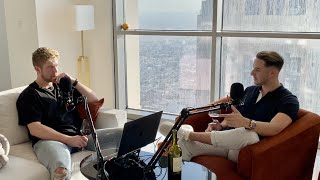
This content was created by Matthew Kelly. This content was uploaded by Matthew Kelly. This is a YouTube video titled "Making Millions £££ from Agency & Brand Building at 25 - Arsalan Khan | Midnight Podcast Episode 19". It features a conversation between Matthew Kelly and Arsalan Khan, recorded on January 16, 2022. The discussion revolves around Arsalan Khan's journey in building an e-commerce agency and brand, his experiences in business, and insights into the agency model. The podcast episode is part of the Midnight Podcast series hosted by Matthew Kelly.
Chapters
Right then we're back with episode 19 now of the Midnight Pod. Again you'll notice different location as usual in our guests. Arsalan's beautiful flat in Dubai. I think we got the lighting slightly better than the previous episode. Trying to bash out a few parties while out here. Another interesting guest. I think this one will be super relevant to a lot of viewers.
Obviously we had a few episodes like.
In the past few weeks that people were complaining about because they weren't like E Com agency specific and I think that's very much the audience that's currently watching stuff. So. Point noted on the feedback there. So yeah, Arsalan is another guest that's like I guess part of my network and I'd actually never met him before I came here. We'd like spoke briefly on Instagram a few times that kind of knew of him, didn't really know him, kind of knew what he did. Still only kind of know before we dive into it. But yeah, super interesting story I think just from the brief chats we've had off camera and stuff and yeah, yeah, I think it'd be a very interesting episode. And like usual the first question really is just who the fuck are you? What do you do? What's your background? And then we can dive into a lot of different things because I think it'd be interesting.
Yeah, I mean, you know, like the more, the more and more I get asked this question, especially like as I've moved out here to Dubai and I've met like higher and higher sort of net worth people, the more sort of tame this question, like the answer to this question becomes. Before it'd be like, oh, I have a E commerce agency and we do ads and then, then I have an E commerce brand and it's clothing and it does well now I'm just like, I just do business. That's my answer to most people these days. Unless they really ask about it.
I'm really asking about it.
Yeah, no, I mean my journey started about I would say six, seven years ago, probably before that. But I'd say like when I really started taking business seriously was probably when I was like 18, 17 going on to 18. I started trying to do like Amazon, FBA. I had like a little graphics agency that I was doing for YouTubers, just creating like banner work and stuff like that. Probably making like 1k a month from that which was good money for like a 16, 17 year old. But I always had this dream in my head of like, you know, this is the lifestyle that I want. The kind of apartment, the kind of car, kind of spending. And then I was like, how can I reverse engineer that? And that number to me at the time was like 12k a month. So I was like, what the hell can I do to make 12k a month? So I started Amazon. FBA did decent. It was like 2,3k a month. Gave up on it. Just wasn't passionate about it when the logistics issues came in. So I was just like, I don't need this headache. Went to uni to try to be a doctor, to kind of follow my grandfather's footsteps, which I was passionate about for about two months. Got into medicine, which is huge in the first place. But then the moment I started it, I realized this isn't what I wanted to do. Didn't want to study for like 20 years. Started a marketing agency focused in the restaurant niche. Was working with like about 18, 20 restaurants and around Stoke on Trent and London back to back. So I was always traveling between Stoke on Trent and London and then one day just decided to switch to E commerce through one of my mentors at the time because he kind of forced me to switch from the restaurant niche. Marketing. Marketing agency was sort of born from there about three and a half years ago when we switched to E commerce, the team grew from like five people to 25 people now. And then I started my own E commerce brands, which was the clothing lines here when I moved to Dubai.
Yeah.
So in a very short nutshell, yeah, that's who I am. I'm the guy who has E commerce knowledge and then his own E commerce brand now.
So, yeah, yeah, that's me going back to before that then because like your, like childhood and where you're from and because I was trying to work out where you were from before we met.
Oh, yeah.
And then where are you from then? I told you it's a mix, right?
It's half Russian, half Pakistani.
All right, that's an interesting mix, I guess.
Yeah.
And then you grew up in London or what?
So I was born in Russia, lived there for about three and a half years. Then I lived in Pakistan with my grandparents for about one year whilst my dad moved to the uk and then after one year we all moved to the uk, so pretty much raised in London. Yeah, Southeast.
Yeah.
Sick.
Whereabouts in London?
It was in Greenwich. So I went to school in Greenwich Secondary Primary, then I went to university in Keel up in Stoke on Trent. Wanted to escape the parents.
Stoke on Trent. I don't put medicine and Stoke on Trent together. I didn't know you could do medicine.
It's one of the uni. So Keel University is, like. Because I frankly, like, I'll just be honest, right? My grades were not good enough, right. To get into medicine in, like, Oxford or, like, in. What was it, King's College or anything like that turned me down. So I went into clearing on the day I got my results and then basically caught up a bunch of unis on the day was panicking, shitting myself. That was it. My life was over. Kiel called me back, and they were like, hey, we'll give you a place of medicine here. So I was like, yeah, okay, cool. Done.
Yeah.
And then that was it.
Just.
Just went there without. Without, like, thinking about it. Didn't even visit the uni. Just literally just went.
Did you want to be a doctor or is it just, like, family pressure?
I did for a while because there was this period where after I did my Amazon FBA and then it went from, like, 3K down to, like, nothing again, because I just gave up. I was thinking, like, what do I really want to do with my life? Like, where do I see myself when I'm 25, when I'm 30, 35. And at the time, I was pretty good at science. Like, I, like, biology, hated chemistry. So that probably wasn't a good. That was probably a red flag right there. But, yeah, didn't really pay attention to it. And I just enjoyed, like, the whole idea of, like, saving someone's life. So I wanted to be a surgeon. That was my goal. Like a heart surgeon. So, yeah, for, like, I would say a year. That was my, like, vision. I was like, I'm gonna be a heart surgeon. Worked really hard towards that. And then. Then I realized it wasn't for me. Yeah.
So did you take a break from, like, entrepreneurship after the FBA stuff and then went to uni? You finished uni, right?
I finished uni. I switched to biomedical science. So I finished that in 2020.
Oh, shit.
Yeah, Pretty recently.
So that the agency overlapped uni, then.
Yeah. Yeah. So I'll go into that. So after Amazon fba, I started uni. I decided just to focus on uni only. So my first year of uni, I just did the uni experience. Right? Freshers, drinking, studying from when I. When I could make it to lectures. Right. But there was a lot of drinking, basically. And then after that, like, towards the end of that first year, that's when it hit me that I didn't want to be a doctor. I didn't want to work for somebody else. I wanted my Own thing. And the Amazon FBA thing was like a foot into that door of like, making money on your own and just sort of being free.
Yeah.
And I was like, I want that. But, like, times 20. So that's when I just started the. Well, I just started, like, looking online. I remember the moment so vividly, actually. I was in my dorm room. It was like 4am in the morning. I felt like shit. Like, men. Like, emotionally, I felt like shit.
Yeah.
And I was just like, scrolling through YouTube, like, the weird side of the Internet. And then somehow I got recommended a video of a killer Tai Lopez at the time.
Like, yeah, classic.
Yeah. I was just like, how I made like 20k a month or something through social media marketing. And I thought, okay. Like, because the way I operate in business is. And the way I've always been is if somebody's already done it, then there's no reason why I can't do it.
Yeah, right.
So at that point I was like, okay, if he's done it, there's no reason I can't do it. So then I just started kind of educating myself on this space for about, like, three, four weeks. Or just getting obsessed with like, SMMA videos. Any courses that were available for free, I'd pirate them. You know, I was just like, check them all out. And then at that point I was like, okay, I've done about like a month worth of, like, theory. Now I need to put this shit into action, otherwise I'm not gonna do anything.
Yeah.
So I just start cold calling. That was that. That was my intro to it. I would just cold call restaurants, and I'm like, hey, social media page is, you know, not the best. How about I come in and meet you guys, give you some free advice, and then maybe we can collaborate. I probably called about a thousand restaurants, got turned down by maybe 900. And then 100 I had probably meetings with. And then out of those hundred, maybe I closed like 30, 40 of them at the time.
Yeah, it's quite a lot.
Yeah. Yeah. Like, I scaled very quickly. Like, I was every day, my routine was wake up at like 5am, go to the gym at uni, come home, call about like 50 places, then, like, start uni work. If I had to start uni work or go lectures.
Yeah.
Come back, eat, work on the agency, or, like, service deliveries and things and then sleep. And that was like a good, like, one year of my life.
And for those restaurants was this, like, paid ads or literally just running their organic.
It was just organic, like old school. It was organic. And then like sometimes delve it. Like, I started delving into paid ads with. Through that. So like, they'll. They'll be like, hey, we have. The bigger restaurants are like, hey, we have a budget of like 5k for the next two months. Divide that and like, you know, boost the post or start ads for like this new event that we're launching or something like that. So that was sort of my intro into the paid side of things. Before that, it was just all organic. I even like had this university student friend of mine who I'd use as like a photographer for some of the restaurants. So I'd upsell them that as a service and then we'd do like photography and like all that for their.
Just food and stuff, just you and them. Then I was like a team at this point.
It was just me at that point. And then he was just like there when I needed photographs, like as a freelancer sort of thing. And then I had like a VA from the Philippines.
Yeah, that was it. And how much are they paying you, like, per restaurant on average? If there's 30 of them, it was.
About 500 pounds to about 1,000 pounds. Thousand five hundred.
So you're making significant money like in the first year.
Yeah, I went from like 0 to like 20, 25k a month. Like very, very quickly. Yeah, probably within about six months I hit, I think, 20, 20K. Yeah. And then I got to like 25, 26K. Then I lost a lot of clients just because I was so, like, I had scaled so quickly and not hired or had systems for it.
Yeah.
So I would just get unorganized or if I didn't have time because of uni or whatever, going nights out, some shit would go down.
And then just forget to do the job.
Yeah, just forget to do the job. That was really bad, like, like looking about it. I apologize to those clients if they ever see this. Yeah, Like, I really do because I probably give them the worst service ever. But. Yeah, and then at one point I had like lost probably about like 10 grand worth of like monthly recurring income within like two nights.
Yeah.
And then that's when it really hit me that I was like, I wasn't running this seriously enough.
Yeah.
Because I just watched it go from like 24, 25k down to like 14k. And then I was so petrified that it might go down even lower. And then at the time, that's when I started, you know, like, systemizing. I hired like, more VAs to kind of help me. I had like a guy to Post and organize and schedule posts. Um, and then, yeah, that's sort of like when I really started taking it seriously. But that was about like a year into the whole agency thing. Yeah, before that I was just kind of get as many clients in as possible. Not really care about what happens afterwards.
Yeah, just fucking winging it.
Yeah.
And how long was that left of uni? When you're a year into every year left of uni.
So if I'm a year. So a year into uni, like medicine is six years. At that point I decided.
Yo fellas, quick one. First bit of promo for the pod. You may or may not have heard I released a fucking E Commerce a few months ago. Basically spent like six months making it because I was in between businesses. As you probably know. If you follow my shit, I must say, 12 hours long. It's fucking quality content. I was gonna drop it at like 1500 quid with some bullshit guru y webinar and all that rubbish. But as you know, it's not my main thing. I'm working on a new brand right now. Very, very fucking much in the trenches. Which is why I think it's actually a better course than everything else out there. Cause it's built on real experience of my brands in the past and my current one. I think it's super. If you're interested in E Com, you're already in E Comm and you wanted to get into E Com 0 to 1. Starting a brand from scratch, then definitely worth investing in. Link is in the bio of this video or podcast, Spotify, Apple, Music, wherever the fuck you're listening or watching and enjoy the rest of the pod.
There's no point in me doing medicine for six years because there's no way I'm going to last that long. So I spoke to my dad about it and he was like, why don't you just switch courses to a three year course? So I switched to biomedical science. Just listened to his advice on that one and now I was pretty much like halfway through. It was like January or February when I had this conversation with my dad. So I'd already done like the September, October, November of the second year.
Yeah.
And then at that point I was like. But I don't see myself like lasting another year and a half. Like especially the way business is going. Like my dreams were up here and uni was like down here. It felt. So he was like, just hire someone. And I did. So I went to these two medical students who. These two girls who I used to study with, good friends of Mine. And I just said, look, I'll pay you guys like a thousand pound each if you just do my assignments.
Oh, I thought you meant hire someone with the business. Your dad was telling you to hire someone to do your work.
To do my uni work? Yeah. So they did all my assignments. I got them to sign an NDA and everything. And. Yeah. No. So then at that point, they just did all my assignments and my job was just focus on the uni. And the only thing I had to do was come back at the end of each semester and just study and sit the exam, pass, hopefully, and then that was it. So then that's how I finished my diploma. I would literally just have people do my work throughout the year. I would come back for the last week, study and cram as much as I could and pass the exam.
Did you not just think I'd be better off just sacking this off entirely at this point, or was it more like a pressure thing?
I did think it, but my dad, I mean, he made a good point. He was like, there's a year and a half left. You've already wasted, like, of something like 10 or 12 grand.
Yeah.
On uni already, and you've got another 10 or 12 grand to go. It's a year and a half, technically, not even a year and a half because you finish in July, you come back in, like, October.
Yeah.
And then you finish again in, like, March or, like, May.
Yeah.
Or even. I don't even know when it was, but, like, early into the year. So I was like, fair enough. I was like, there's no point just throwing this out the window now. I'll just get that piece of paper, make, you know, make it look good on paper if supposedly, if I ever have to have a cv. And then that was it.
So, yeah, I never got my degree. I wasted like, two and a half years and I think I'm still paying back fucking student debt.
That's crazy.
I don't really look at it, but, yeah, I always thought, like, could I not just effectively charge that back because I didn't feel like I got any value from it. Like, not as described, just striped payments.
Charge that.
That's probably why they don't accept fucking card payments for you. Maybe they do, I don't know. But, yeah, that's cool. And then what was the next step for the agency then? So you get to a pretty solid level straight away, figure out some early lessons.
Yeah. So there was one restaurant owner that I used to work with in Hampstead in London, and he had like I think two or three of these restaurants around Europe. So there was the only one in London. And then he had another, I think in Turkey and another one in Greece or something like that. And he. I don't know what he was into business wise, but I'm sure he had a lot more than just restaurant money from somewhere.
Yeah.
So he was experienced for sure, like in the world of business. But I really got on with him and I would see him maybe like once every two months because he was just always traveling out the country here and there. And he sat me down when he came back in summer and he was like, look, you're killing it for us, but I want you to switch industries. And I was like a shock to me because I was there for like a catch up meeting on the reports, etc. Just catch up with him briefly. I didn't expect him to say, hey, here's a, here's a career change sort of thing. So I was very like taken back by the fact that he just came out with that and he was like, he was like, I like you a lot. I've been thinking about you a lot, like in terms of what you do and how you do it, but I think you could do a lot better in other industries. So he's like, just go home, think about it. Next time we meet in like a month or so, I want you to tell me what your industry is going to be and, and I want you to go after that instead of restaurants. And I was like, okay. So I respected the guy a lot at the time. He was kind of like my father figure in terms of business. And I went back, I thought about it and at the time like there was this whole, you know, E commerce boom in the UK happening of like every business sort of switching to online, closing down their retails.
Yeah.
So that kind of caught my. And I thought this 2019 or 2020, this was now 20, like 2019. Yeah, yeah, 2019. Like early, early March, maybe 2019. So yeah, at that point I was like, e commerce. And then I went back, I met him, I think it was in May. And I just said to him like, e commerce, that's, that's what I'm gonna do. I was like, what do you think? And he was like, good choice. And that's all he said? Yeah, he didn't comment on it. I expected him to have like this whole monologue about like, great choice, well done, I'm proud of you. He just said, good choice. And that was it. And I didn't Question him. I didn't ask him like, you know, aren't you going to say more or anything? Because frankly, the guy just intimidated me a lot.
Yeah.
And I was like, okay. And at that point I just started looking for ways to get E commerce clients through, you know, LinkedIn, through email, scraping through, finding brands through Google. Amazon was a big directory for us as well because a lot of brands are on Amazon but they don't really have their own thing going. Or if they do, it's not the best. They're still relying on Amazon for most of the sales. So that's when the E Commerce agency sort of like kicked off. And then I hired my sister at the time for like a summer job. Just thought she might want some extra cash, like help out with like finding leads and like contacting them. And then I kind of noticed that she had this really sort of surprising talent for knowing how to systemize. And like I was sort of like the big visionary of like, this is where I want to get to. But she was like, but how are you going to do A, B, C, D, E, F, G together? So it ended up being a really good like, sort of like we really complemented each other in that sense of business. And plus she was my sister, so I was like, you know, if there's anyone I can trust, it's probably you. Right. And then she started taking on more responsibility.
She older or younger?
She's younger, all right. She's just turned 20. I'm 24. Turning 25 in like three weeks, four weeks. So yeah, she just started taking on more responsibility. She started hiring a bunch of people and I was like, do we really need this? But she was like, yes. And then we just started expanding the team and it went from like five people to like 12 people in like a few months.
Yeah.
And then from there she became the CEO, eventually started handling clients and like operations, communications and then. Yeah.
Did you sack off all the restaurant clients overnight then? Basically?
No, no, it was more of like a gradual like getting rid of sort of thing. So like at one point I said to them like, look, retain is now gonna go from like, you know, you're paying us a thousand pound or like 800 pound, 900amonth. We're gonna have to take it to 1.5, otherwise we're gonna have to like get rid of you after like a 30 day notice period.
Yeah, right.
Because I wanted to just focus on like higher, higher retainers, less clients, but just sort of like within E commerce now is my focus. So I just said look, if you can't pay that fee, then enough to let you go. So then over time, like as we got more and more E commerce clients on, like the restaurants sort of got less and less.
Yeah. And how did you get the first E Comm clients? Was that different approach or was it literally cold calling, emailing?
I think it was just emailing. I don't actually remember who the first E commerce client was. No, it was Upwork. It was through Upwork.com.
Oh really?
Yeah, yeah. So like I had like a YouTube video that I saw, like how Upwork is a great place for agencies. So we tried out Upwork and then it was an American client in la, which is the reason I went to la. What we were talking about earlier, off camera. So he was looking for. It was an info product and he was looking for like someone to advertise his courses. And then he also had like a product to upsell, which was an E commerce product. So we just took him on. And that was like my biggest ever retainer at the time. It was like 2.6 K a month.
Yeah.
And he had like a spend of I think like 12, 15k a month. And I was like, wow, this is a whole new tier of like, you know, from restaurants who pay £800 and now 2.6k with one client. So I was like, this, this is it. And then. Yeah, and then slowly just we expanded that way.
Do you think this is going slightly building on the topic? Because I feel like agencies, I feel like genuinely people are getting into online business, entrepreneurship now, even within the past five years, but even more so now they generally either go like E Com, whether that's drop shipping, building a brand, whatever, or they start an agency. And I think I spoke about a previous podcast. I think agency is definitely a better like cash flow model. And for a lot of people it's probably easier to start like lower cost at least, but now probably more than ever. I don't know if you've observed it. I feel like fucking everyone has now got an agency to the point where like I must get any. At least an email a day, just cold email off an agency. And like everyone claims to be an expert when they probably got zero experience, you know.
I agree.
Has that made it harder or is it just meant that people that are actually good at what they do because of experience most likely have it even easier now.
Like even easier.
I fucking.
I find it even easier to be honest. And I'm glad you asked this question because I actually really love answering this question. It's that I feel like as this sort of like gold rush of agency hype and like you know, with all these info product gurus saying agencies this best and easiest business model to generate 10k a month and 20k a month.
I think it is to be fair.
I think it is too. And I still think that I don't.
Have an agency and I'm saying that for an outside.
Exactly. Having gone the ecommerce E commerce is definitely a lot harder with like the logistics side of things and like now having my own brand like I really.
Yeah, we can come on to that as well.
I really see like the difficulties of that. But with the agency I feel like it's such a not volatile business model. I'm trying to find the word for it. It's such like expansive business model because not only do you get to sort of build on your own personal network, if you meet the right business owners and you learn from them and you kind of take the positive side of working with another business, right. Instead of just like hey you pay me and I do this. Not only that side but you learn so many different skill sets from like HR to managing people's expectations, business negotiations, sales, the actual service delivery side of it, whatever it is, knowing what motivates people, knowing how to handle really difficult situations, how to like avoid lawsuits and all that shit when things go wrong, right. People don't talk about that side of the agency. Like we had a lawsuit for like 200k at one point, another lawsuit for 150k, another lawsuit for like another 300k.
They surroundings and like people not paying.
Fees, chargebacks, they just wanted to charge back because they wouldn't fulfill their responsibilities as a client. Right. So even though the we won by the way, for the the record, we won all those lawsuits, right. Because the contract was very clear of what was our job as an agency and what was their job as a client in terms of what they had to provide, etc. The issue that I found was as I was working with these brands and we would do a good job for them ads wise. So they'd be scaling right. As they scaled the cracks in their back end of their business operations would start to come alight.
And the issue with my own brands.
And the issue with like these, the lawsuits that happen at least with those clients, which is a minority by the way, I don't want people in the agency model to think that like every big client you're going to get is just going to give you a lawsuit, right? It's just with those clients, they were very poorly managed brands. And when the cracks came through, instead of kind of taking that leadership role of this is my business, it's my ship, it's my responsibility and my fault. Right. They just wanted to play the blame game of oh, you guys are the ones who spent this much money and scaled us to this level, so it's your fault. Right. And then when we would fight back and say like, here's the facts, it's not our fault, they would escalate it. Ego was a big thing involved with these, a lot of these business owners. So they would just try to push it to the maximum and then eventually they'd lose anyway because the contract was very clear, the evidence on our side was very clear. And the way I've always operated my agency is a very transparent approach. Because a lot of these agencies, like as you said, more and more are coming about. They're just like, hey, go, we work for you. Has a report every week or every month by sort of thing.
Right.
But I've always wanted to kind of build and facilitate this long term relationship. So even if we don't end up working together after six months or nine months, I'm still going to be really high in your mind in terms of respect, in terms of how we worked with you, that if you see another business owner, you're going to refer me or if you have a conversation, you're going to talk about me when it's ad related or whatever it is, or you know, we're going to speak very, very highly of each other until the day we die sort of thing. So that's the way I've always wanted to build like the principles of the agency. But going back to what you said on the question of has it been harder? I think it's been easier, man, because all these agencies coming about and talking the talk, not really walking the walk. Yeah, it's made it even easier for us as like a what? So we're a premium partner agency with Facebook now. So we have like the official premium agency badge with Facebook and like direct support with Facebook and the reps. So one, we leverage that a lot because you've got that status sort of thing. And then two, it helps us out when a client says to me, you know, we got burned before by this agency, or they said they did this and this and this. It's very easy for us to then be like, okay, let's look at the ad account, let's analyze it for a day or two and then come back to you with like the actual points. If you agree with these points, let's work together. If you don't, by all means take this free advice, go implement it in house if you wish to. Right, so business owners have loved that approach of like I'm not just trying to sell them. I'm literally saying I'm not going to work with you until I see your ad account, until I see what was done, the issues. And I know that we can actually make an impact here because if I see an ad account and I think there's genuinely nothing we can do here, I'm not going to take on the client. I'm just going to say, look, not much we can do here. Here's my free advice on it. But you seem to be okay as it is or like, you know, unless you change to a different product to have better profit margins, not much can be done ads wise. So yeah, it's been easier.
Yeah. Interesting. I've worked with like seven agencies in the past. Literally seven. Which is probably not. I was probably a terrible client because I came from it. I'd run millions of pound of Facebook spend, not Google but Facebook spend myself previously. So when I then outsourced it to an agency I was probably on my case way more than other clients because I was like right or wrong, I was just like fuck, this is how I used to do it. I feel uneasy about you doing a different way or whatever. But yeah, I've worked with some good agencies. Yeah I've worked with my mates agency a lot who have referred loads of people to. Still waiting for a fucking referral fee. But yeah, next question, leading on that like obviously I've referred him a lot of work. Do you find that you get more like, do more clients now come from like referrals or otherwise or. And how do you get clients in general? What's the approach?
So there's a few systems that we sort of rely on for clients now. It's definitely evolved as time has gone on in the agency. Now a lot of it is referrals for sure. The second being through my sales team which I have like a separate division in the agency which we qualify the right kind of E commerce clients. We see the gaps in the ads that they're already running. So like through ads library we'll be able to see what ads they're running, what kind of, you know, creatives, what, where they're running it to, etc. And we have a vague idea of like, okay, this is what's going on in the back end and Then we'll reach out to them with a personalized video, which is a loom, basically. Yeah, for like three, four minutes. And that works really, really well. So that's how we've managed to get some really big clients. Just by sending these personalized videos through email or through LinkedIn.
Yeah.
Talking to the business owner directly and. Yeah, that's pretty much it, to be honest. Those are the two main ways that we get now, as of, like, speaking of today, like, how it's going down.
And how do you decide then? Because I've had experience in the past with agencies where it's been clear that they've taken on too many clients because they want more money, and then they haven't, the service has gone down, contact time has been too slow, all this sort of shit, and I ended up not working with them. How do you get that balance right between you want more clients, more revenue growth, but also actually serving the current clients, giving them the contact time, all that.
I think it's just systems, to be honest, man. I think a lot of people fail in the systemization of the businesses a lot of the time. And even when they do have systems, they could be way better or way more efficient. So I have, like, my team send me a morning message every single day at 10am to buy time. I get a rundown of every single client. What happened yesterday in terms of spend, in terms of roas, in terms of any changes, any red flags for me to know about or like, any queries or like, you know, if my team's confused about anything for each and every single client, and it takes me maybe like 10 minutes to read through, but it tells me everything I need to know, right? So at that point in the morning, I mean that I have the power of information where I can make a decision of like, okay, client, you know, see, this seems a bit off to me. Check it out, look into it, ask them questions, ask them if they need more clarification on anything. You know, make sure that communication is always there. And another thing is, I've always found that even when you do deliver great results for clients, if you're not communicating them, if you're not communicating it to them on a daily basis or a very regular basis, they still ask questions and they still get concerns, even if you're getting the best results for them. Right? So now, like, I have this very strict sort of SOP of like, communication is key. I want clients to message us if they have a weekend plan. I want clients to, like, you know, feel free to ask Any question at any point and they know they'll get an answer within a few hours. Yeah, sort of thing. So having that day to day communication of, you know, hey, how's it going? Just wanted to let you know that this is what happened yesterday. If you have any questions or anything, let us know. Right. Pretty much every like two or three days that is asked in a Slack chat with every single client. You know, I'm paraphrasing here, but one way or another it's like phrase like that and then. Yeah. And then just having that key communication. So when things are down or if they are slow, when you have like, you know, iOS 14 inconsistencies or you have like just instability issues or you have a bad day or whatever, people's behavior in the buying market is not as high as it was during Black Friday, for example. At least clients are aware of and they're sort of, you know, we've affirmed it to them enough times that they understand why it's down and they're not like hating on us for it and they're in a very good position emotionally as well and psychologically, not just in business wise.
Yeah, I think communication is so important like in life. Yeah. Like how many cases like business in this case obviously. But like how many times relationships socially, like whatever. Have you, I don't know, maybe misinterpreted a text for example, or not how to reply to a text. You thought this is what they're thinking then actually a few hours later or a day later you've had an answer in whatever context.
Yeah.
You'd be like, oh, right, I was completely wrong. If they just told me that originally.
I would have been fine all the.
Time because like I don't know if that's like it. Yeah. I don't know if social media and like the Internet is probably made that because obviously by default people aren't in offices and stuff as much. So if you don't send a message, people can't read your mind.
Yeah, yeah.
But yeah, I've experienced that with agencies in good and bad ways. But communication is so important. You don't want to feel like as a client you're having to ask all the time. It's better if they can just tell you. Like you were saying, like a daily.
Update, that proactive approach.
Yeah. So yeah, if anyone's got an agency, listen to that. I think it's a good point in terms of the team then. So how did that. I guess start was obviously just you. But then how has that evolved over the Past few years to now. And. And what does it look like now?
So in the beginning it was just me. Then it was just me and some VA's. Then it was me, like I said, with my photographer friend at one point.
Yeah.
Then I switched to E Commerce, so that kind of became irrelevant anyways. But then, yeah, it was just me vas. I was doing all the ads. I was learning about how to do ads. And then I had my first media buyer. Probably maybe like eight to 12, I don't know, eight, nine months in, I had my first media buyer for ads. And then at that point I started like getting more information of like, okay, this is what they're doing differently from what I would have done then. You know, fired, hired a bunch of people over the next, like sort of year or so. Things really changed once I hired my sister, I would say, because I think she brought in the organizational structure that I desperately needed, but just didn't have the patience or sort of ability to do at the time. Like, I knew it had to be done. It just didn't do anything about it. Yeah, it was a very bad place as an agency to be in because you know that it's the one thing that's probably going to scare you long term, but you don't want to do it because it's a lot of hard work and it's a bitch to do.
Yeah, right.
So part of my language. Am I allowed to swear?
I swear all the fucking time. We're not monetizing this at any point.
So yeah, when I hired my sister, that was. That was it. She started like systemizing everything. I remember sitting down with her at like 1am at night, and then we would just be on like a whiteboard, like doodling like, this is what we want as a goal. This is how many things we need to like send out in order to attract this many clients or how many how to land this many meetings per month. And it all just became like a numbers game, right? And yeah, it just became like it became gamified. Yeah, essentially. And then she started like hiring people for it. I started like posting on my Instagram stories and on job websites, et cetera. I'm looking for this, I'm looking for that. So over time, we just went through like a bunch of different talent. Some good, some bad, some that was great, but just didn't want to stay long term or just weren't serious enough for the long term vision. Some that were really bad that we learned a lot of lessons from and slowly went from, like me My sister, a few VAs to me, my sister, media buyer to two media buyers to three media buyers to more VA's assistance, you know, organic social media, posting person, copywriter, etc. And it just sort of expanded that way over the last, I would say two and a half years. And then now we're at 20, 25 people. Now we just hired like another five people for the sales side of things, for more outreach and more numbers.
Yeah.
So yeah, that's sort of how it's evolved. So I would say the main people in my team now is me, my sister, who handles like pretty much 90% of what I used to previously do. So that's a big load of my blitz. Now I actually have time to focus on the E commerce brands and other things.
Yeah.
And then I have my CMO Joy, who's a genius when it comes to ads. I've literally never met anyone more impressive when it comes to the knowledge of ads in my life, which is insane. And I've spoken to some very big agency owners and their teams as well, so speak very highly of him, but it's for a reason. Like that guy is a genius. So they're like my three, like we're like the top three people. And then after that we have like secondary media buyers, VAs, assistants, social media managers, copywriters, and then the sales team.
Yeah. On the media buying side, because I've always debated this a few times and do you think that if media buyers are so good at media buying, why don't they start their own agency for a start? Or why don't they go freelance, whatever it is, or potentially start a brand? But I think that that's a different issue. Which we'll get on to. Yeah, I mean, or do you think it just comes down to, ultimately some people prefer to work under an organization rather than have the pressure of finding their own.
Yeah, I think, I think it just comes down to responsibility and how much you can take. Right. Because I think a lot of people forget that when you're, when you're a business owner, when you're, when you're the top, you know, the top honcho or like, you know, the leader of the pack, when shit goes wrong, it's on you.
Yeah, tell me about it.
It doesn't matter. My life really, like, it doesn't matter if your media buyer did up or if your copyright up or if, you know, my sister, the CEO fucked up or like whoever fucked up. Yeah, right. Ultimately it's on me. Like I'm the leader of the company, I'm the CEO. I'm the one who's managing everything. Technically, even if I'm not in the day to day all the time, the responsibility falls on me. And when goes wrong, it can go very wrong. And it can be a lot like mentally the stress of it there is like, you know, the repercussions of it. It might be financial repercussions or it might be emotional repercussions, but it's a lot. And I don't think everybody, I think everybody can handle that. I just don't think everybody is in the position to handle it, you know?
Yeah, I want to ultimately.
Yeah. Because I feel like ultimately everybody can be like the best version of themselves. Right. But yeah, 99% of society is always going to choose to be in a very comfortable place.
Yeah.
Because if you look at you, if you look at me, if you look at most of our circle and the people I know, you know, we're not in the 99%.
Right.
We're in the percent of. We've done more with our lives because we wanted to do more. But as a result we also have a lot more responsibility. So when things go wrong and you know, you've talked about it as well, it's like it can go very wrong.
Right, Very wrong.
No, like, no average employee is going to have to deal with that. But you did.
Yeah.
You know, so I think it's, it's mainly that, like people, like, even my media buyer, I've actually asked him this question, I've said to him, like, you know, what's your goal? Do you want to leave one day? Do you want to start your own thing? And he just said to me straight up, he was like, look, I love what I do. Because he wanted to be a data analyst when he was like studying. So his job was all about the data, the numbers, seeing the patterns and the trends. And that's why he's such a good media buyer. Um, but he's like, I love this, but I get to not only do the data analysis side of things in this job, I get to help other companies grow, I get to have all of this great company culture with you, etc, and build something great. But I'm not responsible if things go wrong. Yeah. And he said that to me very openly and honestly and I respect him for that.
Right.
And I think it just, it just comes back to that. It's the responsibility side of things, you know.
Yeah.
Not everyone can handle it.
Yeah. I think that point about people just generally, because I think the problem entrepreneurs have, and I've discussed this actually. Is that this whole like 99.1percent, I mean, that's just like bitching cheek. But like, you forget that to be in the 1%, there has to be a 99% by default. Whether that's financially. Whatever. Whatever it is. But just in terms of like responsibility. Yeah. I think most, most people, probably sane people, are just happier and more content, whether they're the fucking excellent or not or something.
More money, more problems.
Yeah. Just working in a secure job and like, I guess if you're an actual entrepreneur, like I am. You are like people we know are.
You just.
You can't really relate to that. So it seems a bit strange. But then it's like actually, wait a minute. Oh, yeah, that is normal. I'm just the weird one.
Yeah.
No, that like chooses this painful path.
It's interesting because my. So my friend Tim, a good friend of mine, Tim, just moved from France to Dubai I think like two, two months ago now. And obviously I'm kind of numb to Dubai now, like with, with like, you know, the lavish sort of luxuries of it and supercars, etc. And the people I meet. But to him it's like a brand new thing because he went from like 0 to like 80k in his bedroom with his parents. And then now for the first time, he's moved like from Paris, from like a small village in like France to like Dubai. It's a massive culture shock to him. But this whole like, thing about it becoming normal for us, but then you sit down and then you know, like, obviously money's not everything but like the ability to go out and like spend 1k or 2k on a dinner and not think twice, or to be able to go somewhere and spend, you know, crazy amounts of money on whatever it is, even though, you know it's stupid. But to be able to have that freedom of doing that, it's a great reward for the stress and the responsibility that does come with the role as well.
Yeah.
Because there's definitely times where like, I have stressful days, I have like anxiety days. And I'm not perfect by any means. I'm not just a robot who's like, yes, I'm successful, I'm doing great, nothing goes wrong in my life.
Right.
Like, goes wrong all the time, every other day. And there's a lot of stress to do with it. But in those moments, there's been moments where like really stressful shit has happened. And you. I just think like, maybe I. A normal, secure job would Be great right now.
Yeah. Get turned to the dark side. Yeah, yeah, I know you mean. Or you have a really stressful year and lose. And lose loads of money like me, which is a fucking lose lose situation. But that's another issue. But yeah, like, yeah, it's. I think you just have to be self aware.
We.
Which is. I think that's an important conversation to be fair because like social media has firstly, like obviously, but it's still the case. No one shares any of the downside of anything, whether it's entrepreneurship, fucking any other facet of life, which is a problem. But then it's also like everyone's pretending they want to be an entrepreneur because it's fucking cooler than ever. Like agency, crypto, ecom, whatever it is.
I think it's also because of the idea of money as well, if you know what I mean, like money. I feel like over the last like few years would like start a business, start an agency, E Commerce, drop shipping. It's all been focused on this goal of make money, right? Make Money Quick, make 10k. Like 10k has become like the golden number, right? Like make 10k a month. And I think people have forgotten that instead of like they're chasing the money instead of chasing the goal itself. And, and I feel like definitely with social media promoting and all these gurus and info products, yeah, it has shifted the mindset of what it means to own an E Commerce brand or a drop shipping brand. Right. Because people have now started to chase the bag of money instead of chasing the goal, which is make a successful brand or you know, help a brand go from 10k to 100k in a month or 100k to a million in a month.
Yeah.
Because if they do that by default they'll get the bags of money anyways.
Yeah.
Right. Money is just like an attribute of the goal. And I think people make money the goal which is where shit has gone wrong, I feel.
Yeah. I also think like pre social media and like Internet and shit, people like got into a career because like that's what they enjoyed and like obviously there's way less options and stuff. Whereas now it feels like every young lad wants to make a load of money so they don't have to work again.
Whereas actually like yo fellas, quick one. You may or may not have noticed there's been a bit of merch, so to speak. In recent episodes we've got two different things. We've got some of the retro style OG neon beach posters that designed like four years ago. You may have seen that on my Instagra. And then we've got some of the best selling OG viral style neon signs that basically did start that entire craze about two years ago now. So yeah, if you want to add something to your home, office, your living room, just anywhere sick basically that you want to add that extra thing to and support the channel, then you can check that out. Link is in the bio midnight Co shop. And yeah, just an aesthetic item to compliment the process, I suppose. Cheers for watching and enjoy the rest of the pod.
I imagine that most people would get to that position and then realize, oh wait, yeah, what do I do for the rest of my life? And I should probably do something I enjoy and if I actually just started doing something I enjoy and I'm good at in the first place, granted in a position that can make money like E Com, whatever it is, probably not crypto because I feel like that's not really a career.
Yeah. It's more of just like a.
It's very hot right now, but I wouldn't recommend it. I don't know. I don't know enough about crypto.
We could talk about it for sure later on. Yeah, I have a lot to say on that.
Whereas like. Yeah, I feel like people have like stopped talking about the skills and like actual interests and things you have to like be good at and build to make money. They've just been like, how can I make money so I don't have to do the things to make money almost.
I feel like the goal is not to not be able to do anything and to retire. The goal should be to be able.
To do what you want.
Yeah. How can I get to the position where if I wanted to not do anything, I can do that sort of thing.
Yeah. You know, but also just like it's funny because I think I spoke about before people forget that there is actually a skill set required to do anything to. Well, a good enough level that actually makes money.
Yeah.
Whether that's building an econ brand or like running an agency. People seem more interested in like how it looks on their social media. But then if you ask them, all right, cool, I don't know, go and fucking set up this website or run these ads. Then they're like, oh yeah, I haven't, I don't know, don't know how to do that shit. They just want to look a certain way.
I mean, I think it's just. That's always going to be how it is, isn't it, with social media? They want the end goal.
Yeah.
They don't want the. The ugly stuff in between.
Yeah.
You know, the not so sexy stuff.
And everyone's guilty of it because I was definitely guilty of it when I was a bit younger. But as you get older and experience just more elements of life and, like, ups and downs in entrepreneurship, I don't know, you just get a more. A clearer perspective on what's bullshit and what's not, I suppose. And, like, who's bullshitting and who's not.
I think also, like, failing is a big part of that, you know, like, when you failed enough times, that's where most of the experiences come from. In my. My personal experience, like, I fuck up really badly. Oh, okay. I've learned from that now. Fuck up really badly a hundred times. You learn a lot from that.
Yeah.
You get to a place of, like, wisdom and then you speak to somebody else about it who hasn't done as much. How do you know so much? Like, I could never get to that level or like, I wish I could be at your level. And it's like, well, be prepared to fail 100 times really badly and go through a lot of stress and have that responsibility on your shoulders, and then, yeah, you probably will be successful. I always say this like, I'm not a genius by any means. Right. I'd like, because I started that ebook I, like, over two years ago, I released an ebook on just how to sort of like, start an agency. But I wanted to get rid of these, like, 997 course prices. And I released it for 15 pounds.
Right.
And I released it and all these people were saying, like, oh, you're so amazing. And I was like, no, I'm really not. Like, I'm not a genius by any means. I barely passed school when I did, like, academically, I'm probably average at best.
Yeah.
All I did was just try, try fail a bunch of times. Learn from that sometimes not learn from it, fail again. Learn from it eventually.
Yeah.
And then if you do that enough times, you'll be in a better position than you were when you started. But a lot of people just aren't prepared to fail. It's a very scary thing.
Yeah. Playing devil's advocate because I think it's an interesting question. Do you think there's an element of survivorship bias for people that do well and then say, I'm just like you to the masses. Do you know what I mean?
Oh, as in, like, just to try appeal?
Well, as in, like, it's a horrible argument and I don't agree with it because I Actually think people that do well, like, I think the general argument around survivorship bias, I think it's called, is that people that have done well, inverted commas because they got lucky, then tell people that haven't done well, like, I worked harder, I. I didn't give up, etc, etc, when actually they're just the 0.1% that things align for them at the right time.
Oh, right, right.
It's quite. It's quite a cynical concept. Yeah.
Yeah. I get.
And I think a lot of people on the Internet, like trolls and stuff, they love it because they're like, I read about, I think, like, Grace Beverly, you know, she runs like, tallow and stuff. She's like a big influencer. She's like a complete beast. She's like 25, just this girl. And loads people comment on her shit saying, I've seen it on, like, YouTube and stuff, saying, oh, you went to a private school, you had money to start with. If you hadn't, you wouldn't have done this, you just got lucky, et cetera, et cetera. That's classic. Like, people saying, she has survivorship bias. In other words, you got lucky. So now you're forgetting that you got lucky and everyone else doesn't have it the same.
Got it.
I'm making it sound super complicated.
I get what you mean. I get. No, I think it's a really bad.
Way of looking at things and I don't agree with it. I think people that do well have actually just gone through more generally and.
Have tried harder because I've also met people who are, like, in very fortunate positions when they, like when they're raised and born, like wealthy families.
Yeah.
That don't do that well on their own. Right. They just sort of rely on it. And then I've met people who have had that resources that other people don't and have done extremely well with it. You know, like taking like a family business of like, let's say 1, 2 million a year to 500 million.
Yeah, right.
So they did that. And yes, they might have had the extra resources, but there was still the same level of hard work and failures and sacrifices and lessons and all that to get to that level. I do get pissed off, though, when people who genuinely did have a very sort of comfortable lifestyle, but they portray it as if they had the hardest lifestyle in the world and they came from nothing and all this stuff. Because I've come across a few of those. Yeah, same like, they go to private school, they had incredible resources.
Parents, don't get me started. On that. There's a lot of that around where I live, as you know. And then they'll come up, they'll come.
Up with an info product or a YouTube video and just say, like, you know, I came from nothing. I came from like, no money. We were starving and all this stuff. And when you look at the facts, it's like they weren't actually that worse off. You know what I mean? Like, they were in an okay place. I just respect people a lot more when they just say, look, I had a fortunate childhood or I had like extra access to things that maybe other people didn't. And that's a privilege to some people, but I still did ABCDEFG to get to where I am.
Yeah, yeah, yeah. People say that about Drake because he started from the bottom and apparently I.
Think he came from the class family.
It wasn't like the hood and shit, like Future and other rappers.
But the thing is, Drake has never come out and said, like, I came from nothing.
And yeah, it was just that one song. I think people started from the bottom. It's an absolute slap, obviously.
But yeah, it just depends, like if the person who's actually in the shoes of that story is saying it's a different story, if it's just other people saying that you didn't actually start at the bottom, then it just comes down to like perspective and opinion and, you know, people chatting shit and wasting time.
Yeah, very true, very true. I want to come on to the Econ brand then. So yeah, I knew a little bit, a little bit about this, but what is it? When did you start it? And then I want to ask a load of different things.
So it's called Marble. So we. So basically I came out to Dubai last October and then my girlfriend now had start. At the time, she was one of the very few people I knew in Dubai and she had just started a brand called Marvel for women. And it was like silk pieces and it was very, very small. It was like literally like selling in the DMS and like posting a few pictures. And I got a lot of people like, tell me, like, oh, I started a business or I have an E Commerce brand and I don't really. I take it with a grain of salt these days just because I've come across so many E Commerce brands and you know, I kind of know what's a real potential E Commerce brand that can like develop into something great. Yeah, it's something that's just a bit like in like two months, this is gonna die out sort of thing. Yeah, So I don't really take it too seriously. But I remember I asked her to show me her pieces once when I was over at her place. And she showed me the, like, the clothing, and I was blown away. I was like, this is not like, this is not like a $20 product or like a $10. This could sell for like hundreds. And I saw the potential in it. And I think I even saw the potential in it before she saw the potential in it. And I said that this is going to be like the next Zara. I literally remember saying that to her and she didn't believe me. So I was like, look, obviously, you know, my company does Facebook ads, Instagram ads. What you're doing in the DMs is a bunch of BS, right? This is not how you should be selling or scaling a brand. So I was like, I'll do it for free. We'll do it for free. You just pay the ad budget, whatever it is, we'll scale you up slowly. Right? So we started doing the ads about a month in. It was at 10x rose, and this was probably about maybe,500, $2,000 spend, right?
Just in the UAE.
In the UAE and Saudi.
Yeah.
Right. And that's when I saw the numbers and I saw the CPMs, the click through rates, all these figures. I was like, holy shit, this area is a gold fucking mine.
Yeah, right.
So I invested in the brand immediately, got shares in it. Then the next thing I did was like, I want to start a men's line. So I was like, I'm gonna start Marble Man. I'm gonna franchise this.
Right? Yeah.
So then like, she already had like the logistics in place. Like somewhat like the delivery was already there, the shipping was already there, the fulfillment, the packaging, the tailors, etc. So I was like, I pretty much already have access to all these resources. I would be stupid with my knowledge not to jump on this and at least try to see what it could do, right? Plus, I'm a big, like, I love fashion. Like, when I see a nice piece of clothing, I really appreciate it. I'm not like super into fashion where I'd go to like fashion shows or anything, but I appreciate a nice, nice outfit when I see it. So I was like, it'd be interesting to make my own designs, something minimal, timeless, that can like go with anything. And I looked into like different angles and I thought, hey, sustainability is huge right now. The whole recycled brand, you know, recycled fabrics, brand sustainable, eco friendly. So I was like, I'm going to jump on that wagon. So sourced the fabrics, finalized some designs after like six or seven attempts. Originally, I just honestly made it for myself. I just thought I'd test it out.
Just shirts.
It was just shirts. We started with, like, I started off with, like silk shirts and then linen shirts. And then I started going to a lot of house parties because I was new to Dubai. So I was like, meeting new people, networking. And almost every time I wore these shirts, I would always get compliments of, oh, where did you get that?
Yeah, right?
And he was like, oh, is that like, Zara? Is that Balmain? Is that this? And I was like, no, it's mine. And they're like, what? No way. You have to make me a few.
Right?
I'll come by, take my measurements, make me a few. And I was like, icba to do that. I'm not going to take your measurements, make your shirt right. Fuck off. So what I just did was like, all right, it's time to actually make some stock and test this out in the market. So I made about like three designs in linen, two designs in silk, and I was like, let me try this. And I started off with like, almost nothing. Maybe like 3k spend a month or like 4k spend a month just to see what it would do.
Yeah.
First month, 8X ray sold out.
Mad, right?
So I was like, holy, right, let's do this again. So I did it again. Again, seven, eight extras. Sold out pretty much. I had to keep ordering more production. Then I was like, okay, we need to really make this a brand. So this was like towards the, say, like February now of this year.
Yeah.
And I started like, you know, up in production, making the logistics better on the back end. Delivery, bringing down the bottom line costs as much as possible to make it a really profitable business. And then from there, just new stock customers start coming in. The ads started to perform better, both for women and men. And from there we started scaling up. And then about three months ago, one of the head acquisition team members from Dubai Mall here in Dubai contacted us through DMs and they said, we found you guys through an ad. We really like you. We want to start introducing more like UAE handmade local brands into Dubai.
More?
Yeah, as like a test experiment for the next six months. Do you want to be part of that? And I was like, yes. So, yeah, that's. That's pretty much how it's gone from start to finish. It scaled really quickly. Still haven't expected it to scale this quickly, but it's just one of those, like, blessings. I Guess. Yeah, that's happened.
I have so many questions. So to start with then, is marble that your girlfriend started, is that a separate company now to the marble man's thing, are you. So you're not co owners on both of them?
No. So marble man is like 100% mine. Marble women is like hers. Like she's the owner. And then I part on it.
Yeah. And then where's everything made here? All in the uae.
All in Dubai.
Oh, literally in Dubai.
Yeah. Which is great because for lead times it's like, it's like that, like I said, like the samples that just came in when you walked in.
Yeah.
Like that was made like this morning. Then they just sent it to me to look at and then I just look at it, test it out, you know, wear it a few times.
Interesting. And it's all. You only sell in the UAE and.
Saudi and GCC countries like Qatar, Kuwait.
But not outside at all.
We can still do worldwide shipping. Like we've had like orders every now and then coming through random places. I don't know how.
So you do ship there, you just don't advertise there?
Yeah, we just don't advertise there because I want to really dominate this market. Like we had like an order from us somehow we had one from the UK or from like Geneva and it's just random places. I don't know how they found us.
I'm gonna have to have a look after this because, yeah, there's a lot of talk over the past few years with like, obviously ad costs in like tier one countries like uk, us, whatever. Europe are getting super expensive. Which they fucking are.
Yeah.
And then I've heard of people like starting brands that are aimed at like maybe Germany specifically, which is like obviously a bit more like out of the usual. But then I've never heard people doing like uae. I don't know. That's because I just don't know anyone.
To be fair, neither do I.
But do you think that's helped like the roas and stuff? Because it's just, well, this competition.
Thousand percent man, like running any brands.
That run ads here. Or at least not specific.
The thing is that like it's really shocking because there's a lot of brands who run ads here, but they do them really poorly. But I think they continue to do them poorly, but just because the roas that they get justifies it.
Yeah.
So they're just comfortable with really bad ads because they're just making their profit or their, you know, the break even or whatever. It Is so it's a really interesting market. Like the way I see it's like E commerce just hasn't boomed here yet. Right. So yeah, like you like one of the most common questions we get is yous know, where's your store? That is a really common question.
Yeah.
And I have to be like, oh, you know, we're not, we don't have a store yet. We're only online. We're opening in Dubai more soon. And then people are oh, okay, right. And then like that's about like 50%. So 50% are just okay ordering online. But the majority are still, where's your store? I want to come in, I want to try it on. And then what I see that is it's like 2015, 2016, UK, where it was before the online craze, before the retailers had sort of plummeted down. And I think that's where like Saudi, uae, gcc, countries like Qatar, Kuwait are at right now. And my goal is I want to be the brand that's generating like 10 mil rev a year. So then when that boom to online does happen and that other 50 or 60% now switches to online and they don't, you know, second guess it or double take ordering online, I want to be part of that boom that takes me from 10 mil to like 100 mil.
And do you think you can do that just in the uae?
I think so.
I think you could.
Because I think, I think there's brands that are like above us that have done it in the last two years. They've scaled to like ridiculous numbers and like company evaluations and revenues.
Yeah.
And like I said, right. I'm a person who's always been, if it's already done, there's no reason why I can't do it.
So yeah, that's interesting. So I've always just thought, start in the uk, US like probably everyone else.
I've debated starting an E Commerce brand multiple times over the last like two years just because like I'm in the E Commerce ads, I know how to do them well. So I've always thought like, hey, why don't I just have my own brand? And I had my own little like dropshipping stuff that I was doing, which was like, okay, but there was nothing that I was really passionate about. And I feel like when you have a brand like that's yours, you have to be like obsessed with it, right?
Oh yeah.
You have to be. Otherwise it's not really gonna get to the level that you, you want it to. So when this like, the synergies just kind of aligned. Right. Like, I never planned to start the brand. I just came here, starting helping out my girlfriend.
And then an interesting story.
The rest happened.
Are the ads in English then? Or are they in local language and shit? Is it a mix?
Both. Yeah, both. So like, we run like Arabic ads and then we run English. Yes.
I forgot what Arabic is called then.
But the English ones actually perform better, surprisingly.
Because everyone can speak English here generally.
Yeah, everyone. Everyone, yeah.
Yeah, that's cool. When would you start running ads outside of here? Or do you reckon just focus on here? Or is that ever a plan? Or do you reckon just focus?
No, it definitely is planned. Definitely is planned. But I'm not sure when, man. Can't answer that. I'm not sure.
Yeah, I think it makes sense to focus on one. Like, I really wanted working as well.
I want to milk as much as possible in the uae, in Saudi, in qa, in Qatar, all these, like, countries that surround us now, once that's really been, like, dominated, where, like, you know, everybody knows our name on the streets or, you know, I see, like, there's like, there's one brand that I like. I'm pretty much like, basing my model off now in terms of scaling and, like, I probably see like a person wearing their piece of clothing like two times, three times a week when I'm out, like, in the malls, in restaurants, etc. Once I get to that level, that's when I'll start thinking of, like, okay, should we start now focusing on other regions?
Yeah, just saturate, then expand. Yeah, yeah, if that makes sense. You have quite an interesting perspective then, because you have done the agency stuff, then had a brand. Like, I haven't come across anyone else. I mean, I'm sure there are a few. But how do you think the two models compare? As a business owner, generally speaking, broadly. And then I want to dive into some specifics.
So it's like what I was saying earlier. Like, I feel like the agency teaches you, like, a really big skill set, Like a really big range of skill sets. So it almost makes you like the jack of all trades.
Yeah.
That is, if you get into the agency and you decide to sort of really meticulously learn different verticals of the agency. There are some people I know that just get into the agency model and they just outsource everything. So they don't really learn, like, you know, different verticals of it. But then at the same time, those agencies, in my opinion, don't tend to scale to, like, the biggest levels, like the biggest agencies in the world aren't run by people that have just outsourced everything.
Yeah.
You know, they're run by people who know every role inside and out meticulously, with such detail that if shit went wrong, they could replace it temporarily if they needed to sort of thing. So I feel like the agency gives you that with E Commerce, it's like a different, like I see E Commerce as a lot of fun. Right. Like E Commerce is really fun to me. Like, you wake up, you have like orders coming in, you've made, you know what your profits are from it. You made money and you're like, oh, I've made money while sleeping sort of thing. Right. And it's more passive and it's more, it gives you that more sort of reward aspect. I feel like they're way more scalable. E Commerce brands, you can exit for crazy, crazy prices. Agencies, yes, you can scale them, but can you sell them off? Can you exit? Not really.
Right. Yeah, I was gonna ask that, you know, that is, you know, you can.
I mean, I know a few people who have sold their agencies wondered how you would.
Because my outside view is, well, where's that? Where's the brand? There's no brand value because obviously the business is the deck of clients and the clients could cancel.
Exactly. So I, I don't know. Like, I know one person who has sold his agency for I think like a mil or like 1.5 mil. Yes. The. But I think the person who bought it off him was just buying it for more of the relationships with the brands rather than the agency aspect of it itself.
Yeah, right.
Because an agency can like evolve like so many times throughout the year in terms of its clientele basis, in terms of its team, in terms of the, you know, the services that deliver. But I guess if you have like really big clients on board or big names and you have good relationships with them, maybe that's what's worth.
I can see, yeah, I can see where the value would be, but less so compared.
Yeah, me too, me too. Like, I don't really see myself setting off the agency. My goal with the agency is to, to become the best agency in the world. Right. Like, I want to get to a position where in like three, four years time or like by the time I hit 30, I want to be in a position where, you know, brands, like big, big name brands look at me when they think of marketing. That's where I want to position myself in like the next five years. So that's my goal. With the agency. And I don't really see myself exiting from that. If anything, I see myself exiting from the CEO position, passing it on to my sister and then who knows, maybe she'll hire a CEO full time or whatever it is. But the agency will still be mine. I'll still be getting the cash flow from it. And like the networks it opens up is pretty interesting as well. So you meet some really good business owners and you get, you know, you can leverage that in terms of other aspects of life with E Commerce or let's say if I decided to start a new brand tomorrow, I have a lot of clients with a lot of capital that probably would invest if I asked them to.
Yeah, right.
If I presented them the right model and it made sense for them, they probably would.
Yeah.
So I'd have like that network to leverage as well. But with. What was the question again?
I guess it was kind of broad. How do they compare?
Yeah. And then like, so with the E Commerce side of things, I just see it more of as like a much more scalable thing, much more fun thing. But at the same time it also teaches you a lot more about the. I think an E Commerce brand has definitely taught me more about the finances of a brand.
Yeah.
Versus the agency. Because you don't really have to focus on that as much. You know, like with profit margins, gross profit.
That's the point I was gonna make to be fair. And another question off the back of that. But like I found it frustrating sometimes in the past where I feel like agencies, because they're obviously serving brands and you're the brand client, I'm the brand client. But because they don't have their own brand. They don't. It's almost like they don't really understand because like agencies, you know, obviously like you have effectively the team costs, which is the overhead, but then it's. Other than that, it's profit. There's no cost of goods.
Yeah.
There's no lead time. There's less cash flow challenges. Generally speaking. There's less scale of customer service. Granted there's clients, but there's not thousands or tens of thousands, 100,000 of customers. There's no social media reputation in the same way that needs to be managed. So yeah, I find it frustrating sometimes where it feels like agencies don't understand that because ultimately they're just getting the fee. So has running the brand made you a better agency owner, do you think? Because you understand elements of what clients are dealing with more in a physical product business?
I think def. I mean I always tried to consider it anyways in the past, even before the, the brand was sort of started. But I think it's given me a more fresh pair of lenses like on it because I understand that like, you know, if we make them like a 5x ROAS, that 5x isn't really 5x exactly.
You know, that's what I mean.
Because they've got the retainer, then they've got the whatever percentage profit that they actually make from product, the delivery, the fulfillment, their team, other aspects of their business and costs, maybe upfront stock delivery.
Yeah.
So their roas might differ from month to month. Right. It might like One month might be like a 2x real time, another month might be 1.8, another month might be 3.5. Even on the front end of ads you're doing well. So it definitely like gets me like thinking about it a lot more. But at the same time I feel like I've always like separated it well enough in terms of expectations. And I do say this to clients when I sign them on board. Like my responsibility is make sure that your paid marketing works and it's super profitable for you. Your responsibilities make sure that you have your shit and shit right on the back end. So that if we do scale and if we do really well, you're not going to come to me and say we need to scale down or this or that or that.
Yeah.
And as long as I have the expectations out clearly and they understand it, we tend to have great relationships.
Yeah, yeah, I agree. If you had to pick one right now that you could keep running, which one would it be?
Oh, oh.
And like, obviously there's factors that influence everything, but gut decision, you have to suck off one and focus on one, which one would it be? And I know there's pros and cons.
Agency, you keep the agency, keep the agency. Because I feel like with the E Comm brand, as I said, even though it's more scalable financially and you can exit for a bigger payout, I just, I just love the agency side of it as well, man. I would say I love it more, it's close, it's close. But I love it more. Like I love my team too much. It is like my first baby essentially. Right. I've built it from scratch to where it is now. It's a well oiled machine. But I like, I like it being there in terms of a scaling, in terms of growth, in terms of like the goals that I have for it as well. Over the next five years, like I see it Being more of like the rewarding work.
Yeah.
You know, with like, with the E Commerce agency, it's almost felt like play. It hasn't really felt like ecom brand. Yeah, yeah, sorry, the E Commerce brand. Yeah, there's an E Commerce agency. Yeah, sorry, with the ecom brand it's almost felt like play. Like it's just felt like, you know, we have everything in place on the back end. We launch ads, we make money sort of thing and like, you know, then we get repeat buyers and then we have good reviews, etc. And that's sort of it. There's not been really like a rewarding thing from it. Like me having an extra 20k or 30k a month in income doesn't give me anything of value to my life.
Yeah.
But me having clients that are super fulfilled, that are happy with us, that refer us, that grow their own things and like, you know, change their own lives on the back end, that gives me way more fulfillment than the E Commerce brand does.
Yeah. Interesting. Because I've sometimes looked at agencies and thought, fuck, that seems like less stressful in ways. I'm sure there's obviously ways it's more stressful. Like it's better cash flow. Because yeah, like you said, the way I look at an econ brand is ultimately, and people need to realize this from the outside looking in as well. You can have an econ brand, I've said it before, but you could have an econ brand making a million pound profit a year, which is 4 hard by the way, like 0.01% of brands probably doing that. Yeah. But even then as a founder you're probably not really seeing it realizing any of that value because if you want to grow it properly, you're reinvesting all of it into stock, team, ads, etc, so like really like the big potential win the brand is, is an exit like you said. And even that, you know, most brands probably never get there.
Yeah.
You know, either goes wrong beforehand like one of my brands, so. Or you just, you know, it fizzles out, you lose momentum, et cetera. But yeah, for me, I've always just building that brand because I've had like 10 brands over the years, which is my problem. I've chopped and changed. Like when I say 10, I mean like I'm including like every little fucking little thing I did when I was 18, but probably four brands that were seven figures in revenue. Three. And then. Yeah, my problem is not sticking to one thing long enough. But now it's like the next thing I'm like look, I'm doing one thing, one brand, pick one and just do it really well. Because yeah, like not gonna get to that 100 million exit doing something for 18 months. It's just not gonna happen. It's gotta be probably five years. Yeah, five years plus. @.
Least. I agree, I.
Agree. But I think within five years you can definitely do that with the right brand in the right market at the right.
Time. I agree. Timing is everything as well and then of course, what the market can actually give you back out of it. But yeah, it's interesting, man. Like I love the E Commerce brand. I love that it's growing, it's scaling, it's exciting, it's new for me. But if I had to choose, I would, I think I'll pick the agency because I feel like it just gives me more fulfillment, you know. Yeah, there's like, it's, it's, it's, it's fun. Like yes, it's more stressful in terms of the service delivery. You're dealing with people, so it's way more stressful while it's with the brand. Yes, you are dealing with people. But like you, you know, you get, there's.
More. Smaller.
Customers. Yeah, it's like customers and their issues are relatively smaller than like what clients can be. But when shit does go right and you get that momentum and you know, communication is clear, the direction is clear, there's no like silly objections or like silly obstacles in the way, then it can be like a life changing thing for, for like the actual client, you know, Like I've had clients that have like messaged me and said, you know, because of you I was able to pay off like my three daughters tuition fees for university and like get a new house and like start a new business and all this. I like that. Just like hearing that is a beautiful thing. The fact that I had somehow had an impact in paying off their daughters like university fees for life. All three done. They get a new house, done. The family's happy.
Secure. How much is that client spending? Those are pretty.
Big. Spend a lot. Yeah, they spend like I think like 200k a month, something like that. Yeah, so they spend a lot. But it's just that side of the business is like, like no one's gonna message me with the brand and say like your shirt changed my.
Life. Maybe.
Maybe. I mean like, I mean we've had like good reviews but no one's gonna be like, you know, I changed my life. I decided to start a business. Like I made millions from it just because I saw your shirt. So I think it's very, very unlikely. But with the agency, the work that we do, it's like directly impacting, you know, not just the client's lives, but they have teams that they support, their teams grow, the teams get better off, et cetera. So it's. Yeah, if I had to pick one, I'll pick.
That. Yeah. Yeah, cool. So coming away from the business specific side of things for a minute, I think a lot of people will look at you as with other people, but you in this case and think young guy, two businesses, it looks fucking great. And a lot of it is what has been the hardest part of going from, of developing from, you know, an 18 year old civilian as we all start, and I use that term all the time, some people fucking hate it, but it's.
Funny. No, I like.
It. To where you are now. Like, aside from business challenges, like, you know, mental, emotional, social challenges, relationship.
Challenges, I think, I think the biggest thing was like getting to a point where I stopped giving into like peer pressure and like the, the norms of society. That was definitely a big thing. Especially when I started in uni. When I decided to start the agency, it was like a polar opposite to what people are doing in uni. Yeah, like they're just partying, freshers, drinking every weekend, living for the weekend sort of thing. And when you switch, because I live that lifestyle, switching from that to let's stay in, let's work until 1am, let's plan.
This. Drinking at 4pm Right.
Let'S. I mean now, now we can do that. I couldn't do that before. Yeah, but it's like so switching to that and then seeing all the, you know, quote unquote friends sort of like disappear or judge or look down on you. That definitely was a tough part in the beginning because I realized entrepreneurship is, and I stand by this. I think entrepreneurship when you first begin is definitely a very lonely.
Journey.
Yeah. Fuck.
Yeah. Because it's very hard to find people, especially early on, before you've really matured, before you found the right circles and you know, you've developed yourself to have friends around you or a circle around you that understands it or gets it or can really relate to it. When you talk about your problems or your stresses, yes, you can tell family, but it's never going to be to the same extent that if I'm talking with like another E Commerce owner or another agency owner, they're not really going to understand the intricacies of the problems or the weight that they carry. So one Was sort of getting over that. I accept that this journey is going to be lonely and I need to push through because there's a better. There's a light at the end of this.
Tunnel.
Yeah. The second thing was money for me, man, like the importance of money used to be huge in my mind. Like it was the end of all things. Like I need money, I need money in my bank account. I have to save, I have to hold on to it. And I think a lot of that stemmed from my parents. Just because as I was growing up, when we moved here it was, you know, my parents were working like two, three jobs each. It was very rough for them in terms of raising me. I was home alone from like the ages of like six, taking care of my two year old sister and my parents would just be at work all day. But I'm grateful for that because it matured me a lot I feel having the extra responsibility. But, but anyways, going back to that, like they had this perspective of money, of we need to hold on to it, we need to save it, we can't invest it, you know, just don't do stupid shit with money. And like that definitely gets instilled on you as you're growing up. So when I started making money, even though looking back now it's like small sums of money, but for some people it's big. Like having 1k or 2k extra. Right. Like that was like precious. Like that was like you need to save that. I need to you know, make this one k last six months.
Somehow.
Yeah. Or stuff like that. Like don't spend here, don't spend that. And slowly as I started making more and more, I definitely hit this plateau. And I think that plateau came for me around like 20 ish k a month where I knew that to grow I had to spend.
Money.
Yeah. But it was very difficult for me to get over that programming of spending is okay and money will come. Even if I spend a lot of it now, like money will always come to get into that mindset of let go and it will come.
Back. Yeah, I know you.
Mean. But I remember reading this book called Reality Transurfing and they made a great example of like what's the difference between like a homeless man and then a person who has a good job and you give him $10,000 and you say go into Louis Vuitton right now and buy that 10,000, $10,000.
Bag.
Right. The person has probably got a great job and he's doing okay, he's going to go in, he's just going to buy the bag, he's not going to think twice. The person who's homeless is going to think a million times of, but this $10,000, I could spend it over here and I could save it and I don't need to spend it on a bag and all this and stuff. And they would second doubt themselves a thousand times over until they actually did the decision. And I remember reading that part of the book, I don't remember which chapter it was, but it hit me hard of I need to get out of this. Like I said this quote to Tyler the other night, actually, if it's not normal to you, it's not going to be yours.
Right?
Yeah. And that hit me hard at the time because I realized if I want this lifestyle where, you know, a Louis Vuitton handbag is like an everyday thing, I need to get into that mind frame where it is an everyday thing. It's.
Normal.
Right. Spending 5k on that bike, it's going to be normal for me. Getting driving nice cars is going to be normal for me. Driving a Toyota Corolla. Right. I had to get into that mindset and I think it took me a long time to like really condition myself to get out of this whole hoard money mind frame and get into this state of abundance where I know that, you know, money comes like this, it goes up, sometimes it's up, sometimes it's down, but it's always going to be there. And that was one of the biggest challenges for me, I would.
Say. Yeah, yeah. I mean, that's a good.
Quote. I like.
That. Because if it's not normal to me. Yeah, yeah, yeah. I still think 10k on a LV handbags. But yeah, I.
Agree. No, I agree. I'm not, I'm not like, I'm just using the LV handbag as like what the book was.
Staying.
Yeah. I still think spending 10k on an LV handbag is ridiculous. And yeah, they're not even that great. By the way, guys, you should spend it on my brand.
Instead. Yeah, I'll spend on your brand for that, but.
Myself. But it's like just getting into that mind frame of like, you know, it's okay to invest another 2k on an employee that's gonna save you so much more time. Or it's okay to sometimes splash out on a nice dinner that you can pay for and you have the means to do it. You don't need to feel guilty for doing it sort of thing. Because there was a lot of times where I'd spend money. And even though I knew I could spend it and I'd be okay if I spent it, I feel like shit for spending.
It. Yeah, I know you mean, you know, and.
I. It's just to ruin the fun of it for.
Me. Yeah. I think the one thing I've realized particularly in the past year and I've said it before, and it's because I lost a bit of money and blah, blah, whatever, but like, yeah, money comes and goes like, but the one thing, if you're smart and you're not a fucking cunt, you can't lose your experience, you can't lose your network, you can't lose, you can't lose the things that you fucking know that 99% of people don't know that haven't bothered going to war in a certain area. Do you know? I mean, so I agree. I think network particularly. And yeah, like I was speaking to Tyler again about this other day. It's like that's when I was thinking, Jesus Christ, like I reckon I'm lucky enough to have one of the best networks probably in, in the fucking country in the UK for my age. And just in terms of like the quality of people around me. Not only they're all doing similar things and we're on the same page, but they're also just good guys and, and girls in some cases, but mainly guys. So yeah, I think that's, that's super.
Important. I think so too. I think I definitely slept on network for a while as.
Well. Yeah, I think a lot of people do and I've had guests on which I disagree with and they definitely are sleep on network like they're living at home because they think that networking is a distraction. Networking is just the basic human interaction we are biologically wired for like network just makes it sound like some.
Fucking. For a while I thought that networking was this thing like, you know, like an event and you need to mingle with.
People.
Yeah. Transactional, like you know, conversations. But especially like moving to Dubai I think was the best decision I made in the last like five.
Years.
Yeah. I think genuinely moving here expanded my networks like 10x and like I'm proud to say that now I have the kind of friendships and the kind of value and the like minded people around me that if I ever did need help for whatever reason, I know I'd be okay. The best people around me to get me through the hardest of times, you know, and I think like to be able to say that is a rarity in today's society because There's a lot of people out there and I'm sure, like even maybe some people listening to this who will think like, if shit really did come down to it and I hit rock bottom, would my friends help me out? And I think a lot of people and I definitely used to be in the position where the answer probably would be.
No.
Yeah. Right now I feel like shit did hit rock bottom. I'm very confident with my experience and the network that I have, I'd bounce back faster than I've ever.
Grown. That's kind of where I've been the past few.
Months. Yeah. Yeah, that's an amazing place. It's a really like blessful place to be. And I would say, you.
Know. Yeah. Because yeah, if you have good people, you basically can't lose. I think. Yeah, that's kind of the way I look at.
It. I agree, I.
Agree. As long as you're a fucking smart, smart don as well. Like got. Got something there. Which if you're doing something right, you will. Another part then we were speaking about off camera and I've spoke about in a few episodes. I think it's quite relevant. Maybe I'm just like pining about it myself recently. Like relationships and like girls and shit. Well, yeah, it's probably just this is a therapy session for me. I might have to fucking fill up this one. One sec. Let's just pause it. Right, yeah. Relationships. As I was saying, we had another little quick break there. I don't know why I feel the need to keep speaking about this in recent episodes. Maybe it's because I went through a breakup four weeks ago and I'm very much not over it. And last night I drank too much on Five Palm, which is a strange location by the way. I think every single girl is a hooker by default. I don't think you can get in otherwise. And I nearly text my ex because I deleted her number so I can't text.
Her. Yeah, I know. You're.
Saying. Which is definitely a good move. I would have felt like a little simp if I'd done.
So. No contact.
Rule. No contact.
Yeah. Gotta follow it. You know, actually after my bad breakup, I bought a course on how to get back with your.
Ex. How to get back with your.
Ex. I bought a course on how to. Because she broke up with me and it completely blindsided me and it was how to get back with your ex. And I spent like 900 quid on.
It. Fuck.
Me. Like, the course I think taught me more on how to just be a man rather than anything else, rather than how to actually get her back. Because I learned that you should just be okay either way. Like, if your goal is to try get them back, you're probably not gonna.
Succeed.
Yeah. If your goal is to try be the best version of yourself as a byproduct, you'll probably get them back anyways. All things granted, if shit doesn't go wrong and there's, like, not unforeseen circumstances and, like, you had a healthy.
Relationship.
Yeah. Private, previously. If it's toxic, then, yeah, probably won't happen.
Anyways. Toxic.
Yeah. But, yeah, I just remember, man, like, I would definitely say, like, that bad breakup that I told you about off camera was one of the key motivators for me really succeeding with the agency in that first year because it happened during, like, literally, like two months after I had started it. And I think that really pushed me to get on. The routine, the discipline, the 50 cold calls a day, waking up at 5am going gym. All of that would not probably have happened if I was in a.
Relationship. Yeah, yeah. It's very true. Yeah. Because technically, like, I instigated my breakup, but ultimately she technically was the one that said, right, I'm breaking up with you. And that kind of pissed me off because I. For sake. We were living together and I basically kicked her out. I didn't view it as kicking her out at the time, but I basically said, I think we should try not living together. And then kind of looking back now, yeah, I basically kicked her out, which was a bad move, as in my mate moved in and she didn't really know what was going on. But she. I don't know. It all happened so fast. Maybe it was for the best. I think in many ways it was. But, yeah, it kind of pissed me off that she had the last say and was like, right, I'm breaking up with.
You. And I was like, that's just ego, though, isn't.
It? Well, yeah, it.
Is.
Yeah. And I think she was upset more at first and I wasn't, and then I got.
Upset. In hindsight, I think that always.
Happens. And I was like, fuck. And I'm still, like, having flashes of it where I'm like, oh, fuck's sake. But, I mean, even though I know I've never struggled with girls, I don't struggle with girls. That's not a problem. But it's just like, other girls aren't her. So, I mean, obviously, as fucking.
Gay as that sounds, that's deep. But, like, probably gonna watch.
This. I don't think she will watch it. Oh, I don't think she watches anything I put.
Out. I mean, maybe now. Maybe.
Now. Well, maybe. Maybe she. Well, it. Maybe she's watching. Yeah. I'll just be as honest as possible. But yeah, now I'm thinking, I don't know, maybe it could have. I don't know. I don't know. Maybe I'm just a romantic cunt. Like, I don't subscribe to the whole, like, I want to be a baller and like, just hate women and not hate women, but like, like not show emotion and stuff. Like, look down on them, have feelings for a girl. I just. It's fucking natural. I think it's a. It's a. Can be a creative, like it can push you to be more creative and stuff. And I don't know, I've always just been very in touch with my emotions and like romance and.
Shit. I mean, it comes down to like that feminine energy of guy. Right. Because the masculine energy is the whole, you know, tough, macho, responsible. But then the feminine energy is also like showing love, showing your emotions, being able to sympathize and compassion, all that stuff. Like, a lot of guys are out of tune of their. With their feminine inside, which lets them down a lot in a lot of relationships. But I think it's natural, man. Like, I think I agree with you. Like, I think that if you find the right girl and you have a healthy balance and they support you, you support them, you communicate, clearly you. And like, I think one of the most beautiful things is to grow together. Right. And it doesn't have to be with a person, like a romantic partner. It could even be with like a best.
Friend.
Yeah. Like, I think just growing together is like, it's almost like our innate human behavior. Like, if you look at how we survived through evolution, it was like through tribes and communities. Right. And people like, grew together and thrived together, or they would die.
Together.
Yeah. You know, or they die alone, which is even more miserable. But I think it's just that natural aspect. I think that's one of the most beautiful things. Like growing with somebody in one way or.
Another.
Yeah. It doesn't have to be business. It could be growing emotionally, could be finding love together. It could be starting a new adventure together or, you know, learning how to, I don't know, dealing with anger issues together or whatever. It is. Like, there's so many verticals of it. But yeah, I don't even. I don't even know where I was going with.
That. Yeah. No, it's just A.
Shakespearean. Good point to.
Make. Language. Yeah. So you have a girlfriend now though, one year, which you mentioned already anyway, because of the, the brand. How did that come about? Firstly and do you think, well, maybe you can't speak about it, but how did that come out? And secondly, do you think that is a net benefit? A net benefit now I feel you have to say is, but like, yeah, no, I get a lot of entrepreneurs. I feel like stereotypically like, oh, I can't have a girlfriend until I'm retired. Always bollocks. Which I don't necessarily agree with. So I want your views on.
It. My, my dad from a very young age, he repeated this a lot and I don't think I really understood it until maybe I hit my first or second year in business. But he always used to say everything in moderation. And I think that's like, that stands for a lot of my lifestyle today. I think like having a girlfriend, being in love, spending time with somebody, putting energy into something or somebody, you should always do it with moderation. Because I think like there's situations where when you don't, it can go very wrong. Like for example, you go head over heels with somebody. Right. And you lose yourself in the process. Yeah, that's very.
Dangerous. I feel like that kind of.
Happened to me and it's happened to me as well. Like I definitely was there with my previous relationships and the whole like net. But I think, yeah, definitely. But like network like net benefit, gross profit margin of my girlfriend has been very positive. But so I met her two years ago in Bali. I went there with my best friend at the time and we basically met a group of girls out there, like seven or eight of them. My girlfriend, my now girlfriend was one of them. But I actually dated another girl in that group at the time. Like this sort of friends. Yeah, that's funny. Like they like acceptable mutual friends I would say, not like close friends. So it's acceptable. Yeah, but I dated her for like three months or like four months and then we broke up. And then after that relationship I like, I had time to like we reflect on what I wanted versus what I didn't want. And I had this period going into like COVID 19 as well where I just dated a lot and I went, you know, week on week, new date, new girl, new date, new girl. And I met all kinds of women. I met really beautiful women with really shallow like shitty personalities. I met beautiful women who were incredibly smart. I met, you know, average looking women who had like the funniest personalities or, you know, I just met. I made a lot of friends throughout that.
Period.
Yeah. And it really showed me the different types of women out there, how to communicate with them. Taught me a lot about my masculine energy as well. Like the whole attraction aspect, how to attract a woman, what qualities I wanted to stand for as a man, like, what kind of man I wanted to be as well. Did I want to be like a fuck boy who's flexing to try get women, or did I want to be a man that genuinely could be understanding and listen to women and then they by default would be attracted to me and want me right for those reasons rather than just like, what watch I'm wearing or like how much I'm paying for dinner or whatever it is. So at that time, like, it really definitely was a, like, experimental, I would say, like, period where I saw many different people, different varieties and ranges of women from different parts of their lives, some younger, some a bit older, from different parts of the world, different cultures. And it made me so confident in what I wanted versus what I didn't want. Like, I really felt like after all of that, I knew exactly what it is that was good for me and what exactly would not be beneficial to me in a relationship. And when I moved to Dubai, my girlfriend, like my now girlfriend was living here already for the last like two years and she was with a few other girls that I'd met from Dubai. So I just hit them up and I was like, I'm moving to Dubai, show me around. And then came here. They showed me around, etc, started connecting with my girlfriend more and more. And then things just happened sort of very effortlessly and naturally, which came.
Around. Saw the 64th floor, three and a half thousand square foot.
Flat. No, no, it wasn't even that. It was. I wasn't even living here at the time. I was living with Adrian back in a different building. And yeah, I don't know, just things very. Just happened. Like that was the thing, like she was actually dating somebody when I moved.
Here.
Yeah. And I remember at one of the house parties, she seemed upset and I kept saying, like, you know, tell your boyfriend to come around, he's invited as well for the house party. They were just having some issues. And then it was like at 1am, like people were starting to like, slowly leave the house party. Like the peak of it had died.
Down.
Yeah. And then I remember just like talking to her for like 20 or 30 minutes, just giving her like some sort of drunk advice on, like, what I had learned from relationships. I had no Intentions. The crazy thing is I never had intentions of getting with her, which is like the first.
Time. That's probably the most organic in a.
Way. Yeah. Like. Like it was the first time in my life where I was very comfortable being alone. Like moving to Dubai. I was in a very good mental space where I didn't feel the need to try date girls or go on Tinder or like try find somebody for the weekend. Like, I was just okay living my best life, Right. And it took me a while to get to that place and I was like, I was just content like with my.
Life.
Right. So when I started like talking to her, we just started having these very in depth, sort of heart to heart conversations. And I never, in the back of my mind, I was never thinking, what's my ulterior agenda.
Here?
Right. It was just purely just I'm having a conversation for the sake of having a good.
Conversation.
Yeah. And one thing led to another. We just got more and more closer and then she ended up, like, not dating that guy anymore. And then we just were friends for a while and then things just naturally happened. So, yeah, just. Yeah, it's very interesting. Like, I can say, like, I'm in the healthiest relationship I have been in. Like, she really motivates me to wake up for the next day and do better and be a better version of.
Myself.
Yeah. And yes, we, like, I've had like, you know, every couple has arguments and like squabbles and all that, but it's the first time that no matter what, I know that we both have the capacity and maturity to communicate with each other. If we don't like something or if there's an issue that we'll be fine regardless. And I feel like there's just this huge level of respect for each other, which I don't think I ever experienced in previous relationships, which made me realize that this was the relationship I wanted to be in rather than getting into a relationship because you just sort of like, you know, craved a bit of more attention or you wanted more companionship or you wanted to fulfill like a different void in your life sort of.
Thing. Yeah. Yeah. I feel like with my ex, this is going out like two months after he broke up, probably, but recording like a month. Yeah, it happened very naturally and. But yeah, I reckon there was an element of maybe it was a bit too, like, went too quick and I probably like lost myself in the romance a little bit, which I don't think is that much of a problem at the end of the day. But she also Met me. Like a large chunk of our relationship was me going through this most stressful year my entire life, which I don't think helps. And now I'm like, literally since we broke up, like a lot of that has like finalized in many ways and that's kind of annoying. I think, oh fuck. Did that have a negative effect on the way that maybe I made her feel and shit? And it's kind of annoying because like she was, oh, you're always so stressed and shit. I mean everybody spoke about it and I was like, ah, well that's only temporary. But I feel like relationship, it's a lesson, you know, so if she's watching then I don't know. I feel like things are different.
Now. But it's just because I, I definitely catch myself out as well. Like I'm very lucky to have like a very sort of, I would say emotionally aware circle. Like in terms of the guy friends that I'm friends with, like good friends with as well. It's like they're very aware of the emotions and the feelings and I feel like that has rubbed off on me as well, especially my sister. Like my sister is probably like the most mature 20 year old I know.
Ever. Yeah.
Right. Like she, she's beyond me in terms of years in many, many ways. And I think one of those ways is the emotional side of things and the awareness side of things. Because there's times where like I'm aggie or I'm stressed and I would like, you know, lash out or react. Especially because we work in the same office.
Together.
Yeah. And we both have a lot of responsibility on our shoulders. So there's a lot of times where I lash out and she fights back. Right. But the way she fights back is never like out of ego, it's just out of facts. And it's like, no, you're just doing this because you're aggie about this and you're taking it out on me. And I feel like that constant reminder has sort of like taught me also in my relationships to be very aware that did this argument happen because of them or did this argument happen because of my thoughts and then how that mirrored out into reality sort of thing. And I feel like that's definitely made me a wiser man over the last year. And it helps because my girlfriend as well, she's very sort of on it with communication. So like if there is a time where like I upset her, she's not going to just hold it in for the next three months and then lash out on me. Like, four months down the line and be like, I don't like this. She'll just tell me, like, before we sleep, like, when I'm calm and I'm relaxed, she'll just like, tell me, like, I didn't like how you did this or how you said this. This is how it made me feel. And I just want you to know that, like, it kind of opens my eyes that, like, hey, maybe sometimes I do get angry for no reason or I get angry, but I take it out on the wrong people, even though I'm angry with my situation or my emotion at the time sort of thing. So it's definitely made me more of, like, an aware man, per se, in the last 12.
Months.
Yeah.
Yeah. Relationships are hard. It's like there's no handbook in.
It. Like, no, there's.
No. Especially when you're dealing with trying to grow a business and, like, your life isn't as stable as, like, just having a nine to five, whatever. Definitely.
Stresses.
Definitely. Yeah. I guess it just kind of pissed me off that, like, things ended with me, which was like, my doing ultimately. But then she kind of agreed it ended at such, like, a pinnacle point where just as things were, like, that issue was solved. And I don't know, maybe I just overthinking it. I'm getting too deep. After a glass of wine, I just. I was annoying. It was like.
Fuck. But I think. I think a lot of that. It's closure for you, isn't it? I feel. Is that. Is that it? The closure.
Aspect? Yeah, I feel like there's a lack of.
Closure.
Yeah. Because I feel like it. We kind of, in a way, probably both wanted to break up with each other at the pinnacle of, like, a stressful time, which is now, like, over. And it was. Looking back, maybe we overlooked a lot of good things. I don't know. I'm just being a fucking emotional soppy kind.
Of. But also, when you break up, you tend to remember only the good things as.
Well. Oh, that's very true. Of.
Course. You know, you always tend to remember the good things, not the bad things. But my piece of advice on the closure thing, though, because I went through a lot, a lot of that with my really bad breakup because I never got closure on it. It just sort of.
Happened. Yeah, I feel like I'd have had more closure had it happened from my end on hers in a. More. When I was in a better place. I was at a bad place, like, for a lot. For, like the past few months, because.
It. Because my advice on that Though, is closure comes from you.
Bro. And it took.
Me. It took me a long time to understand that saying closure doesn't come from the other person saying something to you or like a statement or a dialogue that's gonna be like, okay, I'm good now. Like, the feeling of closure is simply your thoughts and the reality that you create for yourself. So closure comes from you. So, like, what you're saying now, like, I would have got more closure if it had been in a more stable period of time.
Right? So I should just tell myself it's.
Closed. Yeah, because it is. Right? Like, the reality of the fact is you're broken up, you're single.
Now.
Right. And regardless of past or future, that's where it is now. And it's like that acceptance.
Of. Yeah, I guess it's always just.
This is where I.
Am. The noise, the annoying. Like, if this, then that potentially. Or, like, is it worth working on or is it a lost cause? That's kind of the annoying thing that gets in the back of my head when I get deeper by it, which is only sometimes, and I guess it's right.
Now. Well, if it's worth working on, then you'd work on.
It. Yeah, I guess it has to come from both sides, you know, just prop. That ship has probably sailed, but.
I don't think any ship sells, bro.
When it comes to watching this shit.
Anyway. Because when it comes to humans.
When it comes to human interest in.
The shit, I do, like, I don't think the ship has sailed unless, like, some really fucked up shit happened, right? Like, I feel like female psychology is, like, really counterintuitive and fucked up. But it's also fairly simple of, like, you're doing no contact right now. It's probably driving her crazy, right? It's probably driving her up the wall, like, she's going mad. But also, I think you need to ask yourself, like, if anyone's listening to this that can relate and you're going through a breakup is when you ask, like, in your case, when you asked her to move out, was it. Was it the beginning of the end for you? Was that your intention deep down.
Or. I don't really know. Maybe. Maybe it was. I think I did genuinely want to try it. I suppose you get a renewed perspective when it actually ends and then like, oh, fuck. But maybe at the time it was. But there's definitely an element of actually want to improve things. And I think this will help because, yeah, I think living with a girlfriend is actually a terrible idea when it's that.
Soon.
Yeah. I think if that never happened, we'd been fine, which is kind of the annoying part. Fucks sake. Why do we do.
That? But it's a lesson.
Right? Yeah.
Sure. Like, it always happens and then you add it to the next.
Thing.
Yeah. You know, I think if anything, you're going to come out of this wiser and, like, smarter and like, probably more conscious of love and, like, how you deal with.
It. Yeah. This is now a relationship podcast. Every lad watching, 299.9. Should we.
Cry? I don't have any tissues.
There. Yeah, geez. I probably struggle to cry to be fair about anything. Unless I'm like, really drunk. Actually, no, I did cry in front of her a few weeks ago to be fair, which is kind of deep. But I'm just saying that on camera for full.
Transparency. That's.
Okay. It's okay to cry for all these fucking kings. Chin up. Anyway, yeah, I felt this because. Relationship.
Podcast. No, it's good. I like these.
Topics. Yeah. I think it's a relevant section because life isn't all business and I feel like especially entrepreneurs probably feel like they are not allowed to fucking have relationships and.
Shit. But I also think, like, especially romantic relationships probably, like, affect us the most as men. Like, they. They mold us into like our next version of ourselves or future version of ourselves. They kind of like time travel us into the future almost. Because when you go through a relationship and then it ends, it really causes you to like, reflect on.
Yourself. Yeah, that's very.
True. You know, like, most. Most guys get a gym membership after a.
Breakup. That's.
Not. That's not a statistic for a.
Reason. Yeah. You know, I already had that, to be fair, but I've probably been going.
Harder. You know, most men start businesses after like, some sort of traumatic event that makes them, you know, like, so it's. It's like relationships, I feel like, really mold us as mental. They teach us a lot. Some lessons are painful, more painful than others for sure. But ultimately I think, like, they always happen for a reason. And, like, it's one thing I definitely want to touch on, like, before we end. This is one thing that I'm trying now to live more by is not force things in life. Like, there was a period where, like, if things didn't go the way I wanted it, I'd really try force it to be the way that I wanted it to.
Be.
Yeah. And I feel like the more I. The older I get, the more people I speak to, the more I learn one, the more I realize I don't know shit. Right. And two, the more I realize sometimes it's better just to let go and just go with the flow. Because if it's, if it's meant to be, I truly do think it will be yours. If you have to force it, then maybe it wasn't yours to begin with. Food for.
Thought. Yeah. Interesting. I suppose the question there is always like you need to make effort but not false it. I suppose so.
Yeah.
Yeah. Where's the line? But yeah, Christ could go down a fucking rabbit hole in that before I wrap up. Then I was able. I've got like two typical question ask people now at the end. Firstly, what is the goal with your life now over the next few.
Years and I guess longer term potentially world domination and.
Genocide. Yeah. I hope.
Not. World War.
Four.
Yeah. No, no. I'm not sure if I can speak about my end goal. My like my real, real like long term goal. Just.
Because. Would you have.
One? I do have one, but I don't know if like, if this gets out public, if it'll backfire on me in like four.
Years. But I'll speak, actually I'll speak any element of.
Go. No. So I would say like my short term goal over the next like five years is just to build something that I'm really proud of business wise with the agency, with the, with the econ brands and wherever that leads. I want to franchise the econ brands for sure as well. Like going to like kids, home accessories, who knows after that where maybe, maybe I build a car, who knows? Or a.
Phone.
Yeah. But my long term goal is to really reform like the leadership of the world because I feel like the way, the way that the world is being run now and you know, the dark masters that puppeteer the news and mainstream media and all these events like Covid and whatnot. I don't think it's in their benefit for the human race to sort of evolve or to get better or to start thinking for themselves. And that scares me a lot. Long term. Right. The whole control aspect. So my ultimate end goal is to make a dent in that system or that macro system where I can give freedom of choice back to the people somehow. Don't know how that looks like. I don't know if that's.
Politics.
Yeah. I don't know if that's me having like a massive following where you know, I can go like this and half of America does a dance when I say or like whatever. But that's like my end vision somehow to get.
There.
Yeah. I want to stop the corruption basically and the alternative agendas that go against the betterment of what society needs. Yeah, it's pretty deep, but that's the, that's pretty much the end.
Goal. Yeah. Cool. All right, final question. But kind of building off that, if you could. So cheesy. But I've started asking everyone if you could give advice, your 18 year old self or 17 year old self, whatever, when you get, when you're getting started, what would be the best piece of advice? Like one or two pieces of advice in culmination of everything, you.
Know. Now I would say. Be, get comfortable with the idea that not everyone is going to be happy with what you do. That's one. Like stop caring and putting importance on when people disagree with you or when they go against your ideas or if they seem stupid or too big. Right, yeah, fuck that shit because that affected me a lot and held me back. One and then two. Like just fucking try. And if you fail, doesn't matter. You're so young anyways, keep trying. That's it. That's the only piece of advice because like a lot of people, as easy as and cliche as that sounds, it's a lot harder to actually try something new. And people usually don't try or start because they get scared that it won't work. But my advice for anyone who's like 15, 17, 18, 20, 21, you're so fucking young, man. Like even when you're 40, you're still young. You have a lot of time to go. Yeah, people have changed their lives around after 50. Yeah, if you're 20, if you're 18 and you're thinking about it, do it. If you fuck up, so what, do it again, do it another time and just keep on doing it until you fucking succeed. So that's my advice for my younger self. Those two.
Things. Sick. Yeah, cool. And on that note, on that bombshell, we'll wrap it up. Yeah, it's been a super interesting episode, I think. I hope you viewers, listeners, thought the.
Same. It's been a.
Pleasure. That was episode 19 out of the 52 in a year that I'm going to try and do every week. If you're enjoying the pod, obviously subscribe, share it to a friend, whatever. Yeah, I think we're starting to build some momentum here, hopefully. And yeah, hope you enjoyed the episode. Cheers for watching, listening wherever you are and we'll see you in the next one.
Cheers. Take care, guys.









