Raising $22m to Buy & Build Future Brands - Laurence Booth-Clibborn | The Midnight Pod Episode 76
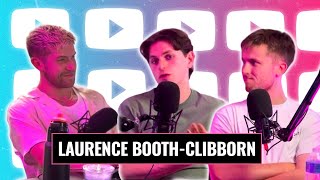
Podcast episode (Midnight Pod #76) interviewing Laurence Booth-Clibborn (co-founder at Mothership) about building an aggregator/brand house focused on direct-to-consumer (D2C) brands. Key points: Mothership started March 2021, initially bought Amazon businesses then pivoted to D2C; raised $22M (round referenced); targets acquisitions in the ~£2–10M revenue band with strong unit economics; prefers brands with ~15%+ EBITDA (or profitable within ~90 days for consumables); acquired five brands to date (largest revenue brand ~£8M; largest EBITDA ~£800k). Discussion covers buy vs build, team models (centralized shared functions vs separate brand teams), marketing channels (Meta, TikTok, OOH), operational risks (supply chain, account bans, CAC increases), diligence red flags (declining product quality, falling reviews), and founder wellbeing/leadership lessons.
Chapters
Foreign.
Fellas, another sponsor for the POD is probably something you're very familiar with if you're in the E Commerce space. It's certainly something I am. It's Wayflyr. Cashflow is the biggest killer of any fast growing econ brand, as I probably more than most know very fucking well. Go and watch episode one if you haven't already. Wayflyer is an E Commerce funding partner. Essentially they confront you the cash for a month or so worth of sales. You need a minimum of six months sales, minimum of 20 grand a month, I believe right now. Or if you've got a brand that you're super, super passionate about, you want to scale it quick. But cash is a problem to invest in inventory mainly marketing, overheads, team costs, whatever it is, you can get funded in as little as two to three days. It's literally that quick. No bullshit bank loans, no personal guarantees. I've worked with them personally in the past, took a six figure sum off them. Plenty of guys I know in my network and people have been on the POD and run massively successful brands have also used them as a funding partner. Because everyone knows at scale, cash flow is the biggest killer, even if you are profitable. If you think this could be a fit, potentially you could be a fit for them, then go click the link below, speak to the guys at waveflyer. It's a referral link. So we get a little fee, you save a little bit as well. Support the pod, support your business. Cash is king, especially in this market. Let's fucking go.
Right, we're back with episode 76 of the Midnight Pod. We have Lawrence Booth, Clibbon, have I said that correctly? And it's the hottest fucking POD we've ever filmed. I think it's probably actually the salt and Bali. 33 degrees. My aircon does not work, I'm teetotal, so I'm missing an ice cold GNT or something similar. But we're back at the table. We've got boom arms again. So hopefully this sounds and looks a lot better. And we have an interesting episode with someone who runs a pretty fucking relevant business to this podcast, I guess. Mothership AI. Is that part of the name? Is that just the domain?
No, it's just the domain name. I think actually we kind of got way ahead of the trend there with getting AI.
Couldn't afford the dot com.
Couldn't afford the dot com at the time. So. So now. So now we're probably going to raise a billion dollar round at this point with AI domain.
No.
Yeah, it's the mothership is the name, the Mothership group.
And you buy DTC brands and we.
We buy D2C brands and scale them. So we, we basically are. You might have seen the kind of E comm aggregation model kick off a little bit in the last couple of years with loads of people in the US and the UK starting to buy Amazon businesses. That's kind of where it all started. We do that, but really focused on direct to consumer businesses. So we buy big brands, probably about 2 to 10 million of revenue. So that kind of small to medium size and hopefully make them bigger really is the goal. Buy brands, make them bigger and then make a bigger company.
And you've been doing that two and a half years.
Yeah.
So founded in March 21st. We actually started initially doing Amazon. So we basically looked to the US said okay, loads of Amazon businesses, that makes sense. Scalable, the model looks amazing. And a group of us got together and said okay, let's do this now. In the UK we were slightly behind the curve I guess in terms of as we started the business to UK aggregators raised a lot of money. And partly due to that kind of being slightly behind the curve and actually partly due to kind of actually getting into buying businesses and realizing what Amazon businesses were like and actually the long term view of what an Amazon business is, we started to think actually D2C is a better play here. The reason for that is basically a. The first business we bought, 100% Amazon business. I mean in many ways a great business sells lots of useful things for not very much money but for a tiny margin. But it's not a brand, right? Like it's a product play. It's all about playing the game on Amazon in a really effective way. You can. It's about buying media in a really structured and strategic way. It's about positioning your imagery in a really good way to catch the eye in the search, in the kind of search results. But you're not creating value, you're not creating any connection with customers. You're not really creating a great product that people. Or rather you're not incentivized necessarily to create a product that people want to come back to your brand and buy another thing and buy another thing and really. Exactly. And there's a massive, massive issue with competitors and moat. And so I think the long term value for us really is in direct to consumer and that's kind of where we started to push towards. And yeah, that's what we did. So we bought our first 100% consumer brand in March 22nd. And that's the. That was the start of our kind of D2C journey.
How do you go from studying philosophy at Cambridge to buying D2C brands?
Right, yeah. God, education. I actually studied history of art, not philosophy.
But it's not philosophy. I was on your LinkedIn. My research is shit.
No, no, I think it might. I think the LinkedIn things.
Master of philosophy, MPhil art history. Okay.
That's a Master's. Yeah, yeah, I did. Yeah. I don't know. That's a weird story. I don't really understand. I kind of was worried you're going to ask, like, where I came from and the kind of life story and I really don't really understand how I ended up here from my degree. But the reality of the situation is that I actually was born into a family of entrepreneurs, really. So that's why I started. I like the idea of starting a business. I grew up. I've got three half brothers and one full brother, all of whom started businesses and my dad started multiple. And so mostly in the kind of culture and art space. So I kind of, like, the art history is kind of a big love of. So. Yeah, exactly.
I like, that makes more sense than jumping from there to econ.
Yeah, yeah. And then what. Basically what happened is that I. At the age of 16, you know, like, I was quite a. I guess I was quite. I'm still. Still probably am quite a stubborn person. Person?
I thought you'd say autistic. No. Because I feel like all entrepreneurs are autistic.
No, I was quite a stubborn person. And so I think at the age of 16, I basically declared, like, to my mum, I'm going to go to Cambridge and study history of art, and that's what I want to do. And she was like, that's the most unemployable degree you could possibly imagine. Why are you doing that? But it's Cambridge and that's kind of was my argument. And she was like, no, but it is unemployable, though, you know, But I. And I wanted to work in the art world and. And that's what I wanted to do. And then basically, I don't really understand why, but after, you know, four years of really intense studying, well, probably longer than that, from 16 to 21, really intensely doing it. Obviously loved. Absolutely loved my degree. I still really love art, so quite into art. But I got this point where I was like, actually, I don't know if I want to work in that thing. I want to kind of keep it as A passion, a love. But I wanted to do something totally different. I think a lot of my family kind of work in and around art. My dad publishes art books and stuff. So I felt like I wanted to do something totally different. And so after a little sojourn, deciding I wanted to be a professional singer full time, which is another story, I ended up going into marketing digital. So and then, you know, you go into digital marketing, then you're like in the startups ecosystem space and then it's. And then it was kind of jumping into different projects. One I started as a marketing company called MBF Global and then went, did like startup Y things and then someone called you up, called me up and said, hey, do you want to start a business together? And I was like, yeah, grand, why not?
Who do you currently, what's the structure of ownership for mothership?
In what sense? It's not just me. Yeah, no, there's a, there's a group of us. So there's, there's a group of six of us. So it's a big group of founders, which is an interesting.
There is six. Because I was looking at this article, I thought are they employees or founders?
No, no, it's six of us.
So what are their backgrounds?
It's a really interesting mix. So the, the guy, six co founders.
Is that, is that how you would describe it or is it six, six co founders. That's a lot of co founders.
Yep. And yeah, it's, it's a, it's an interesting style of business because you essentially instead of starting with like one or two people who are like, how do we work this stuff out? You kind of start with a. Well the idea was you start with a ready made team.
Yeah.
So my background was in performance and kind of growth in like growing businesses. So I was the growth person. We got another colleague of mine who was a big like PPC specialist. He would do a lot of the Amazon ppc we got data analytics specialist. So, so the idea was we kind of have, we had a design specialist. So we had like a group of people who could really hit the ground running as we bought our first business and the background. So the, the chairman, who's the guy kind of brought everyone together is a guy called Titus Sharp, amazing name. And he actually started the first business that I worked for. So that MBF Global business, he started that. So that's the connection really. And he actually brought all of us together in different ways. And then the CEO and him are, I think they're friends because their kids go to school Together. But the CEO is like a serial entrepreneur guy called Ben Fletcher. So the idea is we would bring together that entrepreneur entrepreneurial experience. People have done it before, people who know how to raise money, for example. Big, big piece of the puzzle and then the operational side and then we'd be able to sort of execute faster and better than a lot of people. And we'd have this angle in the market which is basically like a lot of people who raised a lot of money are from like PE backgrounds or.
Accountants that are really allocate capital in E Comm.
Yeah, they're like. They're not. I guess there's. There's that thing of like buy entrepreneurs for entrepreneurs. Like we can, we can speak to people about marketing in a useful way. Like I can have a call with a founder and talk about his Facebook ads and ad structure, or I can have a call with Ollie and feel like I can actually like have a useful conversation with an agency about how things work. And for founders, I think that gives. Gives us a bit of an edge in the market. That was the idea.
So was the idea was to buy brands? Was it to start brands?
Idea was always to buy brands. But it's an interesting conversation. We keep on coming back, we keep on circling back to this question of should we start a brand? And I have oscillated between where I am. I actually am in this point where I'm kind of against it.
Starting or buying starting.
The reason being that I think one of the biggest problems when you start to basically try and run 5, 6, 10, 50 businesses at once is. Is prioritization. If you imagine what it's like to try and prioritize for one brand, like doing that five times over is really, really difficult. And we need to understand what the trade offs are for our model versus a single brand model. And one of the trade offs is we can't be good at everything, so we should be good at fewer things that move the needle for a brand that's already got value. So I think the struggle of getting to product market fit shouldn't need to be our problem. Like I think we should be able to start good new products of high quality for the brands that we have. But the thing we want to buy is the really, really, really hard bit, because essentially you're kind of outsourcing that to entrepreneurs and then giving them that exit. But I think if we try and do that well, trying to do that well requires so much extra skill set and it's such a different style of skillset from people who probably just want to be doing it themselves. I don't know if that actually gives us the best opportunity to succeed in the kind of business we are. So I'd much prefer to.
Exact opposite. We're doing the exact opposite as you starting like one brand a quarter.
Yeah.
And doing the product because I think getting product market fit like it's not that hard like it is because you're not going to do it with every brand. Everything you launch isn't to do product market fit but you just pick one channel, make some good landing pages.
Well pick.
Make your products, pick meta, write out your angles, write out your hooks. You need to be very good at content performance market post click nothing else to get to product market fit and have good economics unit economics and a good economical setup either good LTV to CAC ratio which you. So you'll say you won't realize for a long period of time, but you can set up a business so it's got favorable economics from start and then get into product market fit. But then you are gonna find that not every idea you come up with is gonna work. So there's an element of trial and error still.
Yeah, I think this is the. I mean as I said, I've kind of jumped between the two and I think there is an. It's an active debate that continues in where we are. I don't think it's like settled. So I think a. What is clearly like you guys are both really good operators. Right. And we are learning how to be better operators. We really came with the idea. Yeah, of course. But like I don't, you know, I'm supposed to run the kind of growth function and I didn't have an econ background. Now I know how to run a Facebook account. But like the rude awakening of what it's like to run an E comm business digitally is. Has been a learning curve that has been amazing. Like amazing for me. But I definitely think as all business owners are, we were really naive when we started it. And. And I think the learning curve is massive to the point about like how many ideas are going to win. I think that's the other piece for us which is that we have to be really smart with our capital and if we've got a million pounds to spend on one thing and we could. Well, a million pounds is probably not enough. But if we could buy a million pounds of profit with £4 million. Right. Is it that? Or how many ideas would it take for that £4 million to generate a million pounds of profit? We don't know. And so there's that kind of certainty. We know what we're buying when you're buying a great brand versus that kind of constantly taking those bets. So I think it is a balance. And again it comes back to this key problem which we always have, which I think every business has. But you know, which is just there's this endless list of to do's which we're going to do. There's this endless opportunity list. What are we going to do?
I think choosing the right tasks with asymmetrical returns is probably one of the biggest differentiators for brands and businesses. Like people who spend time doing things that the wrong thing. Spending time on the wrong thing and not being able to.
We did a fucking direct mail campaign last week.
How'd it go?
Was not my idea.
One of my staff members received that.
Yeah.
And it's like we've been thinking about.
There's a lot. It was absolutely shit as I thought we should have spent 10 grand more on Instagram. I think so far the CAC is like 700 quid.
But is the attribution window not longer.
Like I'm sure it is but I.
Also think the attribution is probably really shit in general.
The way you'd. How did you do it? Did you do like an incrementality test in one region and then just measure.
That versus I wasn't the same way. You'd run a team. I guess it was but it was my idea.
I want to come back to the. So the way I would do that is like pick a town or city and do an incrementality test of I'm gonna keep everything the same across the country. This is the only way to really measure attribution.
That's how you do an out of home.
Do it like the same with tv. If you're gonna do it like maybe pick Newcastle, run it in Newcastle. Leave everything else the same and measure your lift on like a model. Let's see. That's for me. And then you can kind of apply it. Or you do like an incrementality test where you have like a BAU exclusion increase by 50% in the other region and then measure it off that I don't know. But yeah, it's hard to track out of home. You didn't need that was a waste of money for you at that stage.
I agree.
I'm a big proponent for econ brands of just do less better. Like do fake.
Yeah, I completely agree. Don't so much fluff going on right Now I agree.
But then this comes back to the question. It's like, oh, do you want to start a brand? Like that would be really cool. But also, you know, we've got to.
Do that, like do what you do, just run Facebook.
I still think we need to run.
Basically a bit of TikTok and obviously Facebook retention and then TikTok. TikTok's good for top of Funnel and raises you ceiling when you get saturation on Facebook Pretty well.
Yeah.
What do you reckon saturation point is on Facebook in terms of scale?
It depends on each brand.
Well, I've been thinking about this a lot recently because some people said to me, oh, you've hit the ceiling for UK one product, one channel. I think we're like 10 there.
You need just more angles. Depends on your total addressable market, how many angles your product can be marketed up, what you're like.
I spoke to True Classic this morning, the VP of Growth or some, and he said they're spending 450 grand a day on Meta.
Yeah.
I was like, they're spending a hundred times what we're spending.
Yeah, they do crazy stuff. They like optimize budget in day. They like look at what's going like there.
Yeah, it's really interesting. You can get.
You can.
It just made me think why the. Are we doing a diary? Which I thought was a waste of time and for the record, it is.
Yeah. That's the sort of thing you do to raise the ceiling on when you, when you're at like that.
That's.
So I think you get to a ceiling on Meta eventually where it becomes a middle of funnel channel. So it becomes. You need to have a more of a top of funnel above it. So you need to have like out of home TV TikTok influencer.
Right. Yeah.
And then it allows you to spend more on Meta over time because you've. You. There's more awareness around it.
Right.
I think there's a point at which you do reach that you can get a saturation report off your Meta reps, if you ask.
Yeah.
And you can get them off like other channels as well. We've just onboarded with a platform called phosphate for TeV.
Yeah.
We spend 450 grand a month on Meta for TeV and I still think we can spend.
Yeah. A month probably. Look at True Classic a day.
Yeah. That's ridiculous. They spend across like 150 regions though, don't they?
And they're profitable as well, right? They're Profitable, yeah.
Apparently 150 mil rail.
They went from.
He said they did 15, 40, 90, 150 and 40.
The way they did that was they aggressively localized across regions though, which is quite close. They just did. They did X Martin America uk, Australia just did. Ripped every country.
Yeah.
Apparently at one point they were advertising in like 190 countries. They were just doing everything.
But they also measure everything on a contribution margin per customer acquired. I think think that was how they measured like. Right. So they have. They understand.
Have a serious amount of data to be.
Yeah, they understand. So they've under the understatement. He did a limited supply podcast with Nick Schaerzer. They did like, they model the cost of sale down to like employee input. So like labor input, raw material input, time input. And then they're able to model that up to a cac.
Their margins can't be that massive.
Right.
Because it's T shirts.
Apparently they've got a pretty good aov though. I think the aov is over $100.
Yeah.
They send it in packs and that's just like simple funnel. And then they also have got a lot of diversification, but they got to 70 mil off one SKU. Yeah, six pack of T shirts. But they also did an absolutely banging YouTube ad. Their YouTube ads, like so, so iconic. I don't think I've seen that after send you. It is good. But yeah, I think TEV can like in terms of products, in terms of total addressable market is quite comparable to that. Psych. Just a stupidly broad product.
Yeah.
Yeah. That is the benefit of a massive market. Yeah.
Your ceilings are really high. And it also usually gives you more angles to advertise from. Like more, more. More pain points for more people. Like we've got women, men, attraction, genders, price saving. They've got like.
Yeah.
Similar thing. And as they bring out different products, they bring out more angles. But yeah, I think the ceiling's higher than most people think on there. I went to a. I went to their offices last week and it was like a AI day and they're. They're doing all sorts on. On it in AI.
Oh, he mentioned something today actually, which he said you should do language, something. Have you heard of it where it like automatically translates ads?
Yeah, they're starting Facebook. They're bringing out AI sandbox in Facebook where you basically. It's a bit like mid journey in platform, but it'll be learning off everybody else using it. So it'll understand more what's good.
Fuck. You get what you have to make graves.
Yeah, it'll just be really? That would be really nice. I'll be able to. Like, you've got. You need to resize for stories. You just ask it to do it and it just means it around.
Yeah, that's where it starts.
And like subtitles, like you say, moving like text to speech. So it goes to like, 14 different languages at the click of a button. But they're moving the whole platform towards, like high. Like AI. Just back asc, which is like big AI company. And that'll probably lift the ceiling further.
Yeah.
But anyway, bit of a tangent, but.
When you guys are. When you guys are looking at starting up one brand a quarter, how are you finding the products to start?
I ain't touching that.
We're so early in the process. So, like, a lot of them are what, like, we've got another two fragrance brands. Because it's what. What we've done.
Right.
We've got the supply chain logistics. We're niching into consumables. Right. Consumables have good.
You're starting a mushroom brand next.
Yeah. Space Foods, just like we chose consumables for me. Give you the best again, LTV to CAT ratio, which sets you up for success in today's.
Like, we've got three consumables brands. It's great.
Like having a mattress brand that people buy once every 15 years.
Yeah. It's like, that's why they all went 2016.
Yeah. Look at Casper. Like, just fuck having that. So. So I think that's where we start. And then it's. And then it's just like spotting opportunities. A couple of them. We've done one brand where we've seen a brand in America that haven't touched the uk, really. And we're just like, they can't because of some ingredients they have. And we're just like, let's just do that. Do that in the UK and Europe and do it to a slightly different usp. Stuff like that. Just like sporting opportunities.
So coming back to mothership, she raised $22 million.
Yeah.
Arguably before the global financial markets imploded.
Decent timing, I'd say.
Yeah.
On what grounds did you do that? Was that pre any acquisition and did you have any acquisitions lined up and that was the premise to raise the money or.
No. So we. We ran for about a year. Pretty much bootstrapped before raising money.
Quick one, fellas. You probably heard a few months ago I dropped an E Commerce. Very guru of me. But it's not that. I promise you, 0 to 1 how to start a brand from scratch with no budget. Some budget. A bit of budget. Take your idea from a bedroom to reality to potentially 7, 8 figures in sales like I've done a few times based on my seven years of experience in the trenches and my current experience building my current brand space goods is no, no frills. We've had like 75 people go through so far. Not a single person has asked for a refund. Plenty of people have actually built some seriously impressive shit. Covers every aspect of the business, not just the front end stuff like Most gurus on YouTube and Twitter are talking about. Not just product, market and all that shit, but the real shit, the logistics, the back end, the supply chain, the customer service, the finances as well. This covers the whole spectrum, every part. 12 hours of video. If you're interested in scaling a brand zero to one, actually turning our idea finally into reality, then click the link below, go check out Learn Real Commerce course and let me know what you think. I'll be glad to have you in there. Let's fucking go.
So we bought. We bought basically two brands with money that we raised kind of from the founders and so. But they were both, well, they were both predominantly Amazon brands. One was like 100% Amazon. The other one was the one we were kind of testing on the D2C side, which was a consumables brand, our pets brand. And we basically ran those for a year before raising. I think the reason to do that were kind of. I think actually looking back, we probably could have raised more money without. If we'd raised earlier. I think the timing of the raise also got complicated. But if we'd say, if we'd raised in March 21st with no brands and been like, hey guys, look at all this money being raised. We probably could have raised even more money. But weirdly, when you start to have proof points, people want to dig into them. You want to see what's good.
James said that, James Mishraki said that.
More due diligence.
Yeah.
So it's better to raise pre product.
Because there's nothing to dig into, there's nothing to see. Right.
So it's all about team.
It's all about team. And actually, like, I think definitely, you know, definitely a lot of senior people in the team have kind of good creds to say, like, we could do this.
So.
So I think we would have been a really good position, but we chose that to go the other way. And I think the benefit that that gave us is really experiencing what it's like to run an econ brand. And we didn't run an econ brand in a lean way where you're like how, how are we going to make money? What like how do we cut costs like making sure we're. We're. And basically what it's like to, to feel the pain of it. Like you're out of stocks. Where the hell is that thing? We're going to get taken down on Meta. Like, you know, we got, we started our Meta account and you know, because Meta, when you start spending a lot of money quite quickly you get flagged. So we got banned. Our account got deactivated like seven times in the first like four weeks of running. It was like that kind of thing where.
Straight into negative cash flow.
Yeah, exactly. It was just like a nightmare. So that kind of thing, it kind of gave us a bit of, a bit of the war wounds to say. When you get into the conversations with the kind of when future brands, when you've raised some money, when you're buying to buy, when you're hiring more people, you kind of know more what you want, you're less idealistic. I think and I think it set us up to be probably more resilient operators than have we not. Because I think that naivety plus a lot of money can, I mean often you can make an amazing business. Often there are amazing entrepreneurs who have just an idea, raise a bunch of money and then go. But I think a lot of times it's good to get the kind of. Especially when you don't know the market that well and especially when E commerce is as complicated and volatile as it can be. Supply chains are really volatile. You never know what's going to happen. You might get banned, you might get taken down, there might be a competitor comes in, there might just be problems of any kind. To really experience those, I think puts us in a good position. At least that's the hope.
And how was it set up day to day then? So you buy some brands at the start who was actively working? Was it just a team of six or higher? Team.
So at the beginning we hired a couple of people so we hired a kind of operational person to help us with like transitions and like because there's so much like crap to go, like all the legals and when you buy the business, you know, transferring over all the accounts, one runs on Zendesk, another one runs on Gorgeous. What are you gonna do with all of it? There's a lot of nightmarish stuff underneath the bonnet which is nothing to do with the business you buy. It's just to do with fitting that into the other businesses you have. If one's on Woocomm, we have a brand on Woocomm and it's. I don't know, but it's a great brand.
Right?
But it's a great brand. It's on Woocomm. It's like there's a massive risk here to move it off Woocomm, but everything else is on Shopify and we wanna be a Shopify specialist.
I was gonna say like you lose the roll up efficiency.
Exactly.
Don't move everything to the same thing.
So timing that, working out how that has to happen, what the risks are, all of that required some operational stuff. Financial person. So we've got an amazing CFO who is, yeah, just totally brilliant and he basically helped us with the. Because you have to imagine like part of our business is essentially. And not that I ever really knew I was getting into this, but essentially part of our business is like a micro PE firm. Right. So we have to be investors and therefore we have to do really like we have to think financially, we have to think about debt and leverage and we have to do the deals, we have to think about how the deal is going to be structured, what the earnouts are going to be, if there are going to be earn outs, what the sba, what the multiple, all of those things. So having a really good financial person was really important. And then we just hired a couple of really good grads basically. And thankfully we had a contact who was willing to do logistics. So we had about a team of nine, 10, I think in the first year running two businesses and then trying to raise money basically. So the CEO and the chairman were really off trying to raise money and it was kind of me and like yeah, that group of probably seven just running the businesses.
I want to dig into the running but I want to also ask first, what do you look for in an opportunity for acquiring a brand? Like what's what setups, like any like complete red flags.
And how did those first two come about? Did they come to you or vice versa?
Good question as well.
I'll ask. Answer your one first. The, the two first brands came at the time when we started the business. There were quite, it was quite a, quite a kind of frothy market of there are quite a lot of businesses out there. And we did our first deal in literally 16 days and we, the guy came to us, I think I've got to remember this, but I think, I think he came to us and yeah, we did the deal in 16 days. We did it For a kind of fair multiple, everyone was buying it. He had like three offers and we just.
So the start of 2021.
Start 2020. Just before I was 14, March 2021. Yeah, yeah.
That's when my previous business went into administration.
I've done deals as one flame.
Yeah.
Extinguished.
Yeah, that's.
Yeah.
Anyway, yeah, so. And then the next one, I can't remember. Basically our chairman was sort of one of the reasons why he was kind of excited by the idea and stuff is he really enjoys the process and buying businesses and likes to find deals. So he was off finding deals and ferreting around. And so I think the first one came to us and then we, I think reached out to the second one and we got put in touch with this manufacturer in Wales who manufactured supplements. They were manufacturing consumables, like protein powders. Yeah, supplements, various things. And they had a couple of brands and one of which they were looking to offload. So we bought that and that was pretty quickly. It was about three, four months after our first one. Is that the one I know of that. Well, that's vet. Well, not, not that one. No, that was our third brand. Okay, so. So that, that, yeah, and that was a pets pet supplement brand. And so. So, but, but like across the portfolio we've had a real balance, real mix. But actually our best leads generally are people who come to us either because they hear about us or they are actively shopping their brand. Like quite a lot of people are actively shopping their brand. There are a lot of brokers in the space, but we haven't, as far as I remember that night, we haven't had any, any deals come through. We had plenty of deals. We've looked at come through brokers. We haven't actually closed any, partly because the deals are a lot more competitive. It's hard to get a decent price. And obviously coming back to that thing about part of us is a, you know, we've got to be. Part of us is like, got to have a real financial head on. We need to make sure we're getting the right price for the brand that we're buying.
So.
And I think there were a lot of people in the space who raised lots of money and got very excited and just started buying a lot of things and didn't necessarily realize that at some point you're gonna have to realize you paid quite a lot of money for something that might not make all that money back. So you've got to be really careful, I think. And we work comparatively to other aggregators in the market. I think we've been really relatively cautious. I can't remember your question. What was it?
I just asked what do you look for in terms of buying a brand?
Oh right.
So I guess.
And how is that? Well, I keep adding on to it.
I'm gonna forget answer that.
I guess an easy way to approach my question is like what metrics do you look for? Are you looking for like first order profitability, 12 month profitability, like anything that's a big.
So I think when we first see a brand there are sort of two things that we look at. Two sides of the coin, right? The first side of the coin is the financials. And we start higher level than that. We start really about like what scale is it and what is the kind of. We generally look at ebitda. So we look at kind of net profitability and ebitda. What, what's the margin there? We look for something that hopefully is 15% plus on EBITDA margin. Strong, strong margin. And probably, you know, from a consumables point of view, like if it's not profitable on first purchase, then profitable within probably, definitely within six months, but probably 90 days. That's kind of where we, where we want to be. Then the, then obviously there's the scale point of view, there's the actual growth of the brand. Like a lot of what we're also looking for is how sustainable is that growth? Because you know, it could be that we take on that brand and it continues, but also like we might not be great and we might fuck up in various ways. So we want something that's got a good core and if the business is growing really naturally, well then, and in the financials it's showing that, that that's a really good sign for us. And obviously we pay a premium for growing brands. That kind of brings me to the other side of the coin, which is really about like product value of product reviews, brand equity, brand equity, moats, defensibility, like coverage in various countries, like all of the kind of other bits that are really important to us. We have a kind of stated a proportion of our company is owned by an environmental and social good foundation that we set up called the, the M Foundation that I don't even know if it's launched properly yet, but I don't know if I should say that. But yeah, a part of it is launched by. So we have a certain piece of our business. It's really looking for brands that do social good. The idea of the foundation is that as we grow we will give More because equity of the business is owned by the foundation. So they will have amount of cash. And it's kind of a way of saying look, E Comm isn't great for the planet, but if we can do better as we grow then that's a good thing. But it also means that when we're looking for brands, we want brands that we think have, we call it, we talk about lovability, something that people will really love or will. Will they? They will. It's good for the planet that people enjoy, vouch for I guess as well you get. Yeah, people will vouch for things. And there's one way of seeing, seeing that that's about like. And I think it is a real stated aim of ours and it's something about like not wanting to kind of leave a really horrible wake of stuff that we don't like in the world. But the other part is that yes, a lot of these brands also tend to have really strong unit economics, have strong brand equity, have products that people care about and that deliver on the promises that they make to people. And I think when you think about what the brands are that we would love to buy, it's brands that really deliver on their promises because that creates equity and that creates repeatable customer.
Imagine some of those have bigger moats as well. It's probably hard to make a sustainable version of a product and it is just a ripper.
I agree.
Harder to make like a sustainable plastic cup than a plastic cup.
I think, I think that's true and like. And I think, and I think it is also true that the stated, these stated aims and these wishes are also really challenging to execute when you're in the market. And for example right now where a lot of E Comm brands are really struggling and multiples in general in the market are down. So you're going to get less bang for your buck if you're, if you're a founder, you're like, well I could have solved for, I don't know, seven times, six times, five times and I'm going to sell for three times, four times, you know, that, that, that so really good businesses are like I'm not so sure. And the businesses that want to sell are often maybe having a more difficult time. So I think finding a really good business that we can do a deal that makes the founder happy and that we're really excited by the business has become is harder than it has been. But we're definitely, you know, we're still really excited about some of the businesses we're Looking at, we're always kind of actively looking for acquisitions. And I think we're still seeing some good brands out there, but the deals would be like, it takes longer. Right.
How many brands do you own now then? We have five originally.
We have five. And as I said, you know, it comes back to that piece where, you know, you could have had someone from an aggregator on this podcast, he's bought 50 brands. Right. And. And that would be a really interesting podcast. I can introduce those people, that cool people, but I think they are operating a really different business to where we are for various reasons. I think we've decided that A, we don't want to raise a lot of venture money. So our money, the money that we have raised has come from a group of amazing kind of angels and kind of family offices. And one of the reasons why that is, is that we don't want to be pushed into a game of growth at all costs. We want to be thinking about how we maintain our profitability, how we create a sustainable business for us and for our investors, and how, yes, how we grow, but also how we kind of maintain a good amount of shareholder value for the people who kind of really done a lot, a lot of the work. So we've been more conservative. And also we want to get good at operating. You know, I think that's the thing. Right.
Like, I feel like from your position, it'll probably be. You'll probably be acutely aware when it's the right time to buy another one.
Yeah.
And like, I feel like there's that point in every business. So when you're in it, you're like, now is the right time to try and actually grow again rather than being too forceful with it.
So with five brands, you might have been about to ask this. Do you have a team that works. You have separate teams in each brand, or do you have teams that work on marketing's covered by a team for five brands, Operations covered for five brands.
You know, I want to ask a quick prequel to that.
I've never understood what would be best.
See, I were in the. We're in the middle of deciding this as well for our group, but I want to ask a prerequisite to that. When you acquire a business, do the. The team come with it or has the team ever come with it? Yes.
Right.
Okay. So that's interesting itself as well.
So we, we have acquired businesses where none of no one comes. We required a business, and that's kind of usually how we did it. Like a lot of the brands we bought so far, some of the, most of the brands we bought so far have been relatively small. Which relates to your point, I'll come to it. And so they've been kind of one, two person teams or they've been like the founder and a group of his family and stuff who are like, I don't want to come and work for some random person. I don't know, I'm your mom. Like, I'm going to do it. Like, you know what I mean? It is amazing. I mean it's incredible to see what like the other thing is, it is incredibly humbling to see like what people have managed to make with like, you know, bootstrapping there, like finding an angle and like making an amazing product that really delivers. Right. And so, so I think. But, but we have bought, we also have bought businesses where we've come with a team. I think the max or we bought a business actually came with a warehouse which had a full team. So that was massive. And then they also had a full customer service team which we bought on because customer service is, you know, getting a good customer service team is really, really important. And they have a. Our customer service team are brilliant and they had a few people in, in places and skill sets that we needed. So I think we ended up bringing in total maybe 13, 14 people in with one brand, which was massive for us. That was a challenge, Massive, massive challenge. Especially when you're. Because some of those people were. So our warehouses in Scotland and some of our team are now in Ukraine. So there was a whole other set of complicated complications. Right, you're coming with some people in Algeria, some people in Canada, like. So it was a very different style of business. You're suddenly managing and that was a huge, huge challenge. But I think thanks to the amazing work that we kind of. Our operations team has done and kind of a lot of work we've done from the cultural point of view, I think we're in a really good place with it, but it's taken a long time. So yeah, in terms of how do you run five brands, each individual team versus one brand, I think that is a. That has been a challenge and a question that we have been asking ourselves since day one and I think we have literally just kind of adjusted. So for a while we were kind of running. We've never been five, five different teams deployed into five different brands for two reasons, really. For one reason which is essentially like the size of the P L, the size of the profit that we're buying for most of those brands does can't justify the cost of the team because if you buy, say, I don't know, say it's got a hundred grand of profit to make the maths easy, right? And you put 60k of cost in there, you just lost so much of your profit that it's crazy. So you have to get. And the model sort of relies. Does rely on essentially efficiencies of scale. Scale. So you have to be able to say like this one person can work on multiple brands and that's your efficiency and that's how the model starts to work. But for a while we were kind of working a bit more in silos in the sense that we had a couple of Amazon brands, we had some D2C brands and essentially the Amazon team were kind of working over here and the D2C team were working over here and they were all kind of doing their own thing. But there wasn't much kind of portfolio level management. And that meant that I think everyone was sort of not really knowing what the priority was because everything was a priority.
Yeah.
And the fear, right, the fear always from our point of view is that we'll come to an investor meeting and they'll look at your. So we've only got five brands. You've got 50 brands. It's kind of different if you've got two bad brands and 50 brands. Two brands, like things have gone wrong. They're like, oh, don't worry about it. If you've got five brands and one of them has gone wrong or two of them got wrong, that's like 20 to 40% of your portfolio that they're like, are you very good at this? I don't think you're very good at this, you know, and that could be in your control, it could be out of your control. Like E Comm. Things can change at any point and we definitely made mistakes and learned from them. But we're also definitely nowhere near the level of operating that we want to be. Like we need to be a hell of a lot better than we are. Right. But you know, we were so scared of that conversation of like, you know, you. This one brand is really bad, like get out kind of thing. That we were trying to make everything good. And when you're trying to make every brand a priority, then nothing becomes a priority and actually you're exacerbating the problems already there. So the decision we've just made is essentially to start to manage everything where essentially you have one marketing team. So we used to have these brand managers like each. There was one person who owned the P and L for each brand essentially. Although essentially it was like me and a couple of other people who own the P Ls for like five brands. But the idea is you'd have this kind of owner and they'd be entrepreneurial, they'd be finding opportunities and then essentially taking them to the teams and being like, hey, I've got this opportunity. And the team would be like, how does that rank in our priorities? And we'll do whatever that priority works. But in reality that didn't really work. It just meant that those brand managers were kind of trying to get people to do work but nothing was really happening. I think instead we've gone to this. Sorry, instead we've gone to this level where essentially we've got to have one marketing team, we're gonna have a commercial team, we're going to have a creative team and they'll sit under one kind of growth division. Then we're going to have logistics, finance, operations and then. Yeah, and then, and then we'll manage everything from a portfolio basis. And that at the very least means we can take advantage of the biggest opportunities in the business. And that's the most important thing.
That's, that's how we're going to do it.
I think.
Yeah, I think you get knowledge, efficiency at scale, then you get context efficiency, cross sectional efficiency. You learn from each brand. A media buyer managing. It's like a media buyer managing five accounts in an agency. Media buyer managing five of your own accounts.
I think that thinking about it more like an agency actually sort of helps because then you can maybe structure it.
Do you know the thing I'm struggling with recently, this is probably way too public and team members may be listening because like I know you can scale to a million a month basically as a one man brands, I've done it, it did break, but I've done it and like just a few freelancers. But then at the same time you hear people being like, our team is everything you got to build. Like everyone's got to be full time employee in an office. I'm constantly torn between I can scale to 3 million a month on a laptop with freelancers, so I think it's doable and no, we need an office. Everyone's got to be pay in the uk. I think I still can't decide. I literally depends when you ask me.
What I think I want the best.
Outcome for the business. I want to build the most valuable business. So that's the North Star, right, so then work back from that. I think Then this comes on to the interesting point as well, of like is the only value in a business. The P and L, on the face of it, maybe, yes, but then the potential longevity of it, the investability of it, say the like culture. And I know that seems like a.
Really buzzy word if you're like a.
Fucking bedroom brand, it probably is. But at what point do those things start to matter as much as like the P and L, do you know what I mean?
I think, I think, I don't think you should ever look at the businesses as any business is a pure P and L. And I think that is a lesson that we have learned and I think something that we really take seriously, which is that essentially a great product and a great brand is way, way more important in the long term than, than a sexy P and L right now. Like, I, I have seen, and this is no disrespect, but I've seen like businesses that are doing like 10 million a month selling like back scratches on Amazon, right? And, and, and like those people make a lot of money and fair play, right?
TikTok dropshippers.
But yeah, but, but like that brand probably isn't going to be around in, in five years, right? And, or TikTok. The challenge to keep that brand around in five years when there are 10 other people making exactly the same product at half the price is going to be really difficult because essentially I think every market goes through that period where you've got the first movers, it goes to premiumization and then suddenly people start to make it cheaper, they find more efficiencies and then you're in this massive race to the bottom. And we've had brands where like, you basically you survive. You see brands that survive basically on sales, like literally like promotion alone. And they're in this race to the bottom and they're making this product getting more and more commoditized and they've got nothing to fall back on. If you've got great brand, if you've got a wonderful product that has either something that's defensible in terms of IP or actually just something where design, from a design or manufacturing perspective, you've got an edge and you've got an engaged community with great social proof, those emotes that can last you a lot longer and that means when that price product, that moment starts in the market, I think you're in a much better position.
Yeah, I definitely agree. I think, yeah, I think more than P L unless you've literally, you've not got the cash like, if you've not got the cash, then it is just pure P and L, obviously. But that goes without saying. I think the. What you're talking about is like brand equity. What you're talking about is like team structure. Still though, it's like, how are you going to structure this? Like, how do you want? And like all that matters in that, in that naught to a mil a month for me is getting people who execute, execute quickly, execute well and. And also spend the time on the right things. That's what you've. You said, those brand managers, that brand manager position in your company, effectively, for me, from what you said, there is like, they're looking at the business and spot opportunities that becomes the most important person in your organization. Because if they spot the wrong opportunity at the wrong time and allocate resource to it and it's a waste of.
Money, like direct mail.
It's not even a waste of money. It's not only a waste of money, it's a waste of resource and time. Which is more important. If you spend six months doing something that's just fundamentally, you should have spent six months doing something else and another hundred grand somewhere else. Yeah, that's a really fucking hard thing to do. And I think, like, people try to do that from like a purely metrics perspective, but then you lack context and like without the context on opportunity, like an example that I really like of this is how Pure Sport have doubled down on Community. And that's probably been like their biggest route to market and scale. It's built their brand as an example.
But they're still a pretty small scale.
But they're still not massive. But without doing that, they wouldn't have ran up Instagram and Facebook ads to the same scale as doing that. But that was a very.
They'd be a great example of a brand that would command. Well, get your opinion on this. So say they'd got XP and L. Another Amazon brand's got the same P.
And L. They come on way more value. C brand. I think you see that in the market, right?
Because they've got Community and they've got actual brand.
They've got thousands of people turning up at running clubs every week. That's something you can't. That's a moat that you can't replicate.
And people will absolutely pay a premium for that. And I think that's reflected in the market. Right. Amazon bands are generally cheaper than D2C brands. I think the question relating to your point is it's sort of like, how easy is the pivot, like if you get to a million a month with your, with freelancers from a laptop, and then you go like, I want to go to 10 million a month, how is it, how easy is it, is it to pivot while still scaling into the thing which you probably need, where you have the team? And I think that's the question is like, what are you setting yourself up for? Yeah, from the beginning, if you're saying, actually the goal here is, I guess this is a silly way of putting it, but if it's like, you know, 100 mil or bust, then you set yourself up for 100 mil, or you set yourself with a goal to get to 100 mil, which probably means you'll need a great team.
Good people.
Yeah, you need really good people.
Really fucking good people. And no bad people either. No people.
People who trust you and will be there for a good amount of time. Whereas if you're like, actually I'd be okay if it was 12 mil and I was on my own, you know, that that would be okay, then maybe you're thinking a bit differently. And I think, I think there's, there's no right or wrong way. It just depends on what your goal is. But if you do one and then you want to pivot to the other, how easy is that?
And how about, how about the runs you're buying then now? So like, is the value add, like is your intention to buy them and increase the piano and sell them for a profit or is it to somehow build everything into this machine that becomes the mothership with in the future way more brands and that is valuable.
Yeah, going to take off and go into space. We're going to go and live on the moon. I think the honest answer to that question is sort of, we don't know. We had always intended the real intention was to build a brand house. So build a group of brands that we love and that we can work with and continue to grow and build a machine that gets to a point where we can plug any brand into it and we can grow it and we can add value to it and we can grow its gross profit effectively over a five to seven year period. And then beyond that doesn't mean that at different points we won't want to look at our portfolio and say, like, actually we really want to be good at this. You know, the active example is like, we have stated that we're going to be, we want to be good at direct to consumer. And by the way, I kind of buy into the whole direct to consumer is just a channel. We want to be doing more. You know, we want to be a hub of consumer brands, which means we want to be really good at Amazon, we want to be really good at D2C. We want to be really good at retail, we want to be really good at out of home, we want to do really good at everything. Right. But if, if we're spending too much time or one thing in the portfolio doesn't really fit that strategy for whatever reason, then I think we would obviously take a kind of educated decision to say actually, you know, this isn't the right thing for us and if we can sell it and we can get a good deal on it, then it's absolutely worthwhile doing. And I think we should, I don't think we should put ourselves into the box of saying, oh, we'll never sell a brand, because absolutely we should and we should be doing the right thing for the business. And I think that's, that's, that's kind of an active conversation for us.
Yeah, interesting.
What, what do you think as a business right now you're really good at in terms of. And what do you think your weaknesses. Where do you think your weaknesses lie? And if that's, if you're willing to share those. Because it's quite like a big question.
I think that's a. I, I wish that was a. Maybe not.
Probably not an easy question to answer. But like, I guess from a. That's a really hard question because you are. You've only just. I've only just learned that you learn own logistics, customer service. It's probably really hard when you've got all of that going on. But like. Well, I think, I think talking more market, I guess just.
Well, look, I think the thing we're good at, I think one of the things we're really good at, or at least we feel really confident in is of on the data analytical financial side, not because we're accountants. We have a brilliant CFO that really helps us and I think he, you know, he is. It really helps the business. But I think myself and a lot of our co founders and senior team are like very comfortable with the data part of everything. Can look at numbers, can find opportunities. That's a really good base and we're good at that. And I think we back ourselves on that and the kind of commercial aspects and finding good deals. Yes, I think the thing that we need to get better at is more on the marketing execution. So it's the bit above that, which is the stuff that I feel like I don't know, Matt. You're probably really good at, right, which is that, like, finding angles, testing stuff, creatives, like, thinking about how we can be really kind of interesting in the marketing, how we can grab attention, how we can continually, like, test great landing pages. I think there's that and I think there's also, like, from a technical point of view, just tech in general. Like, our data infrastructure is really bad. Like, we. Building a landing page just takes so much longer than we want. Like, unbelievably long replo. Is it?
But I still do it myself because I'm not paying some kind of three grand a page to do it when I can do it myself in two hours.
Got half a few. That's how you.
Pod.
Yeah, off the pod. Off the pod, yeah. So like tech. I think it's basically like, I think we've got a great marketing team and, you know, I think they're doing a great job. But I feel like that's the bit where I kind of feel like we need to move fast, that we need to be testing more angles, better angles. We need to know our customers better. Like, I think we also just.
I think that's.
I think we need to spend more time with our customers. Like, it's very easy to get into this position where you look around the office and you ask the question, like, who's talked to a customer in the last six months? And there's no one in the room who's talked to a customer and knows anything about customers.
We're, like, not productizing, but we're making a big sop around that to give away at the moment.
I think it's massive, right? And I think. So I think it's that, that part and the tech part. I'd say we. We aren't. We aren't so good at. And we need. We need to get better at. But as I said, there's that thing about startups, and we are still very much a startup. It's funny because you. You buy lots of revenue, right? So you've got lots of revenue and your P and L looks fat and you're like, oh, we're no longer a startup with 50 people. And then you're like, but we've only gone for two years. We've got no idea what we're doing. We're still like, hacking everything together. And I think one of the things is that kind of everything is in its own way broken, right? It's not. It's not working well enough. And if I don't think I don't think anyone's a good entrepreneur unless the natural instinct of an entrepreneur is to look at everything, be like, oh, that could be better, I could do better, we could do better. We want to do better, we want to constantly do better. So, so, so there's ever at any point the business, you could point out stuff that isn't good enough yet. But the most important thing is we are making real steps to get better. And I think the blessing in disguise is that we aren't. We didn't raise 100 million quid and we aren't a 50 brand business because actually we're really, really focusing on getting better at executing. And the business model is there and will continue to be there.
So on the website, it has a get evaluation button. Yeah, it's obviously like a lead form. How many goods, well, how many brands in general do you get filling that in? And how many do you speak to and how many become a viable acquisition prospect?
Well, I think it's also that versus you.
Outreaching to brands.
Yeah. So as I said before, like, a lot of our best leads have come from that form or kind of direct email intros. And generally that's because, as I said, people are shopping their brands or they hear about us, we're on kind of some lists or they hear a podcast, they see us at an event. I mean, we're not massively out there. And I think one of the things we need to do is get our names out a bit more. But generally people who come with a good amount of intent, they're more ready. A big part is a lot of things that aggregators say is get your numbers ready, know what you're trying to do. It's kind of, it's nice to feel like if someone's coming to you and say, hey, I'm thinking about doing this, they generally are more prepared for the conversations that then follow, which is like, can you send us your P and L? Can you send us some data about your company? What's, what's, what's going on? And those conversations generally are easier when that intro is warmer. I do also have to shout out our outreach, though, because you talk about direct mail. We really like direct mail for our reach, but we do it in a different way. So we do like handwritten letters, high personalization.
Yeah, I assisted an M and A firm doing that when I was 19 on a work placement. And they literally wrote letters to businesses they wanted to buy.
Well, you can do it, you can do it. You don't actually just have to do it yourself. You can do this thing called Roboquill.
I've got some more called Handy Written.
Same thing.
It's like an actual robot writes it. I've never used it yet. I need to use it.
It's cool justify for smaller transactions, but I think it could work. That could work really well for influencers at scale. For DC Ron's.
Oh, yeah. It's only three quid a pop, so just do 100amonth, say.
And we've done things like we've sent them chocolate, we send people chocolate. We say, like, we really love your brand. Like on Valentine's Day, we'll send them Valentine's chocolate and stuff like, that's that kind of thing where, like, we've done. We've done quite some fun things. We also did the best thing, actually, was went through a phase where when we closed the deal, we'd send brands a cake replica of their product. Thank you. I've got a product. I've got a photo on my phone at some point of someone getting, like, a massive jar of like. Like pet supplements as a cake. Yeah, kind of hilarious.
What's the biggest deal you've done?
Revenue business. About 8 million.
And did you pay. How much you pay for that?
No, I'm not gonna tell you that.
Can't say.
Can't say that.
What was Ebida, if you can say that?
I don't know if I can say that.
What multiple did you pay?
Can't say anything.
The multiple was strong. That was a very good deal, I'd say. Maybe that's a wrong. Like, that's the biggest. Biggest business we bought was that pure.
D2C, not Amazon, that.
They tried a bit of Amazon, but It was pure D2C business before that. I mean, the biggest EBITDA business we bought is about 800k, I think, somewhere on there.
Yeah.
Small business, I think anything doing 10 to 15% EBITDA.
15% in E commerce.
Very solid. Yeah, it's very solid, especially in this market.
And this is. And I think this is also the point, which is especially in this market. So coming to your point, which is like, the challenge for us is like, how much are we willing to move. Move down from that bit where you're like, oh, is this business, like. Because, okay, so aggregators, I think, have got a fair amount of flack. Because there was this thing that happened where, like, loads of businesses, especially Amazon businesses, are getting bought by aggregators and they were seeing their businesses drop off a cliff. Right?
Yeah.
Because aggregators essentially were Trying to run two in businesses at once and didn't know what to do. But there is a real risk that we buy business and we screw it up. And we've definitely bought business that we bought a business where, you know, CAC or CPA has. I mean, gone from like 18 quid when we bought it profitable first purchase to like 50 quid now.
Yeah.
And it.
And like an issue now.
Yeah, still an issue now. We've. We've put. I mean, I cannot tell you how many hours we put into that brand. Like, we've done. We've been trying as best we can. We've done.
You want to run our ads now, don't you?
Let me do free audit. Let me see if we can.
Yeah.
My account again, we're working on your account.
We've gone from 50 to 70 in the past month.
Right, exactly. These things can happen.
Right. Like Europe's most honest man.
Yeah, yeah, that's. Yeah.
This is a good forum to put your agency under pressure, Matt.
Like.
Yeah. Who's got equity in the brand.
Yeah, but that's, that's, that was. That's an angle issue as well. It is a content.
We know why it's just every few months just breaks and you have to start again.
It's an executional issue and actually not consistently executing at speed. I think a lot of the sort of what we just need to retain.
Yeah.
I do agree.
When stuff's going well. Well, evidently the people. Well, my, My fault ultimately, like, creatives just come up. Taking the foot off.
I guess that's what I mean.
Oh, it's going well. We don't need more creatives. All right. Now it's fucking.
And I think that's the thing, right. Like, and, and these things go in waves and you might, like, something might be going really badly. But yeah, it's just coming back to the point, like, we might fuck up. So we've got it. We've got to have like a bit of. A bit of an understanding of, like, if we're looking at business and it's like at 5% and it might be a strong business, what's the risk of that? Because, you know, it's not that we don't trust our team. It's like they've got loads of other stuff to do and suddenly the macro environment might change and people just stop buying it. Like. Yeah, we've definitely had problems with like consumer spending power, like one of our consumables brands. Like, suddenly people, like just people stopped, like, started unsubscribing massively. And that was basically too expensive. Right.
Is that the one?
I know, yeah.
Really interesting. I think we're benefiting from the opposite of that. Massive. Just like cheap product, same experience.
Right.
Perfect.
Which is a great angle.
Right.
You can do it.
I think it's closest to an irresistible offer you can get.
Yeah.
It's cheaper, same product, 10% of the price.
All right.
Sound like all you have to do is convince them to try it once. Yeah. And you've got, you've got your repeat. But yeah, there's a lot of that. It's impossible.
You just need a fat legal insurance policy.
Yeah.
It's just very, very fat.
I think it's hard.
100 million quid cover.
I think it's hard to price in. It's impossible to price in risk from so many angles and so many, like, platform privacy changes. It's almost like how, how, how much do you sweat it when it's more like, how do you spot? For me, if I was to buy a brand, it's that spot in leverage where you can apply time with high leverage and get big, big upside because you know you're better than the person who's selling it.
I think the thing is, like, when. I don't think I ever thought about this until quite recently, but if you think about an aggregator business, almost like a product business, I. E. If you're trying to get product market fit and you're trying to. You're having. Your product is essentially cash, but you need to get good at deploying it. Right.
Cash and time.
Cash and time. You need to get good at deploying it. It'll take you a few tries to get good at deploying it. The problem is each try for us is like millions of pounds and that's really, really expensive. So you can't actually have that many tries. So of course you're going to make mistakes. You're not going to know. You're going to look at a P and L and be like, that is amazing. And it turns out it's either wrong or you didn't realize that it was going to happen. Or like, next day something gets stuck in this Suez Canal and your stock. Also.
Do you think a lot of founders sell because they know they've peaked?
Because you hear, I mean, you hear.
So many stories about acquisitions, then a year later it's fucking worth 10% of what it was.
Well, or is that a sign they.
Sold it too late?
I think that was a sign. I think that's poor capital allocation on the. On the person buying the business. And I also think we won't see as many of those ever again. I don't think we'll ever see a period of econ where people who don't understand the business while allocating high amounts of capital to businesses they don't know what the. Like I think that's a really buying things.
I would have loved to have launched my brand in 2016.
Yeah.
I'd have exited for 500 million. Yeah.
I don't. From my perspective. I don't know. I think it may be your question for you, obviously for you but I think there's a lot of people who probably think the peaked in skill set perhaps.
Yeah. I think motivation to sell is like. Like you get the classics right. You get the I don't want to run this business anymore. But like the reason for that is often like completely different depending.
For example with the. With the biggest one you mentioned like. Or another example.
Yeah.
What typically have been the reasons even ones you haven't bought but when the founders have come to you, I imagine you've spoke to many more than five. Of course. What are the reasons typically and do certain reasons. Is that a red flag or.
I don't.
Is there something you prefer?
I think I. I think generally the reasons either go from I've had enough. Like I've been doing this for a while and I'm either bored or I'm exhausted and I don't want to do this anymore. And that is actually relatively common. Like people have life changes. Like the other thing is like linked to that but like people have life changes. They might have a kid or they might want to move abroad or they might, I don't know even like their kid is growing up and they want to spend more time with them kind of thing. Like and they've made quite a lot of money. You know they've been taking dividends out of that business for the last, I don't know, five years. They're going to sell it for a decent packet. Like they're fine.
They finish the journey with it basically.
They finish the journey with it. And so that's kind of probably the most common one. The other thing we had, we've had like I've got two other businesses and I need to run them and I don't have time for this one. That's. That's also been relatively like people have. Quite a few people have done that. So like people have like two or three brands or they have a services business and they. And a brand and they've decided they want to do the services business instead. Or so the people have that. I don't think there are any motivations from a founder that I would be like, that doesn't really make sense. I think the hope would be, you can see that in the numbers somewhere. And by the way, when we do due diligence and you know, the due diligence process is really important and the better we get it, get, get at it, the better deals will do. But we do go into all the accounts, like audit all of them, try and see what's going on. Like we got very close to a deal with another brand where. And we pulled out of deals as well. So we got really close to a deal where basically the brand was kind of running out of cash. They wanted to sell. We didn't necessarily realize we're running out of cash until a little bit later. But we quite quickly realized and we also saw, we started to see that essentially what they were doing is they were sort of changing their product to make it cheaper because they were trying to preserve cash. So their product quality was going down, down, down, down, down. And all of their trustpilot reviews, their trust pilot review, like it was like a really good average until like it started to just go down and suddenly everything was like two stars and, and you're like, okay, this is a big red flag for us because if the product quality isn't there and you're essentially like.
People are never going to return.
Well, and, and like you're kind of destroying your brand equity to try and preserve your Runway, which is understandable. Like anyone would do that, understandably.
What the Fuck is this? Spacegoods spacegoods.com Rainbow Dust version one. My newest entrepreneurial econ brand venture. I spent six months in the trenches building this from scratch. We launched six weeks ago. What's it all about? The next generation wellness brand with a long term vision to essentially consumerize the pending psychedelic consumer goods market. Which might sound absolutely ridiculous. We're not quite there yet. The market's massively illegal. But what is this? Rainbow dust version 1 is an all in one mushroom and adaptogenic blend designed to unlock your supernatural self. Essentially experience a sharp hyper focus, sustained energy, zen like calm throughout the day. It's an all in one powder. Tastes like fucking hot chocolate, tastes delicious, works great, looks great, feels amazing. Essentially the broader concept here was to legally imitate a psychedelic microdose and like I said, experience those symptoms. You can mix it with anything, brownies, baked brownies with it, mix it with your coffee have it without coffee, replace your coffee, put it into a protein shake. It's super fucking versatile. It tastes great. It replaced the stack of supplements I was previously taking. But you need to try this shit. It would definitely change the way you work, get you into that deep workflow. I obviously think that myself, plenty of a thousand plus first customers think the exact same shit. It's not just a pretty packaging, it actually works really fucking well. Keto, vegan, all that good shit. Trust me, you need to try it for yourself. Let's scale this shit to the moon. Spacegoods.com get on your rainbow Dust subscription and see how you fucking feel. Let's do it for the boys.
Spacegoods.com.
We're talking about basically, if there are motivations or things that we see in businesses that make us worried. I don't think, as I said, I don't think there are any. I think everyone has the right to want to sell their business for whatever reason. And part of that is like, I want to make some money now and that's okay. And like a big reason why we're in the market and why our market exists is essentially like econ brands. There's this weird gap where you're at like even like 2, probably up to like 20 million, where there aren't actually that many acquirers out there, right? And like when you get to scale p come in, like conglomerates get like bigger, bigger people come in. And when you're subscale, there are kind of people, chances who like there are people who just want to buy brands and see what happens, right? But like the middle bit where you've got a. Got good scale, good traction, but you maybe for whatever reason don't want to do it anymore, or you've reached a point where you feel sorry, you're at a plateau. And I think that's the other piece that people feel like a big part of the motivation, Sorry, just coming back to that, is that people feel like their brand has reached a point where either they have to commit a lot and hire a big team, get it to the us get it to all these different countries and do all this headache stuff they don't feel necessarily they want to do or they're prepared to do and they feel like they want someone to take it on and take it to the next step. And that's the really positive message. That's the kind of conversation you want, want to have with someone which is like, hey, I've got this thing and I. And those are the, those are the founders we're really excited to work with because those are the founders who want to stay involved, who really want to help us out, especially with the product side with really understanding the brand. Because we're never going to understand someone's brand as well as that person does. And it would be insanely arrogant of us to think that we could. I think, you know, anyone who puts their lifeblood into creating a product and then does, goes through the immense stress of trying to scale that product to a point where it's profitable in direct to consumer will know more about that market than a group of people who've raised some money and wanting to buy some brands. So working with founders who are really excited about working with us and want to partner with us. And we're not the big bad money people, we're the people who can then help them by either using our networks to get that business into the U.S. or like, you know, logistics networks or working with our specialists in TikTok or in Facebook or whatever. Like you know, all of those things where you might not have the specialism and you feel like actually I want to work with a partner, I want to work with someone I can sell my business to, someone who I think will really cherish it and take it on. That's the kind of conversation, that's the conversation where you're like oh my God, I want this business. That's the exciting one.
Have you ever looked at a loss making business and thought was an opportunity to bring in economies of scale, scale it up maybe and you just thought the founder didn't have the operational expertise etc etc or they just by default.
A no go particularly I think, I think financially it's more difficult. But we have looked at them, we will look at a lot of businesses. I think generally we try and avoid loss making businesses generally because we're buying businesses with debt, right. So we've got to pay the debt, step down somehow and we prefer that business to be able to wash its face. And so, and I think especially now when businesses need to be a little bit more conservative with their cash and be a bit more smart, I think we, we would struggle to look at it. But I don't think I'd ever look at a business and think oh this founder's crap. Because I think in order to go to that point where you'd have the scale for us to want to look at you at all, you've got to be good at doing something right. Right. And like I definitely think we look at lots of businesses and say there's opportunities. But yeah, like people are good at loads of different things and if you're really good at product but you don't really understand your marketing, that doesn't make mean. It just means that marketing is an opportunity but you're probably way better product than we would be. So. So like how can we harness that in the right way?
Makes sense. It's interesting. Yeah, I guess that's a good. I think that's a. Interesting point. I don't think I speak in today's market acquiring a loss making econ brands are very hard.
I think also when the headwinds are this strong. Right?
Yeah.
Like you can't look at the market and be like oh well you know, it's 2016 again and everyone's just gonna buy a money like yeah.
Unless you look into like the main acquisition channel. You're like this is just shit and we could do way better.
Yeah. I think the only problem is sometimes we've done that with profitable businesses. We've looked at an acquisition channel and been like this account is horrendous. Why on earth this happening? And we do it and we like restructure it and it just bombs and you're like how have we done that? But it's happened and you know, so, so I kind of feel like as I said it's been in a really. The humbling part of it has been. Has been of that journey has been massive for me because it's kind of set. It kind of has taught me that even if you think there's a right way that often is just not. There is just very. A lot, a lot of different ways and people do things and it works for them and that's okay. But the problem is getting to a point where you have to then scale that. If you've got five businesses that do that get wins in different ways, that means you're operationally completely screwed. Which comes back to that point of like would we buy a brand? Whatever. Build a brand. Sorry like what I prefer to do is actually know what we're good at, concentrate on what we're good at and say actually we know that this brand might be really good over here, but we think we're so good at this other thing that we're going to concentrate on this other thing even though this brand might not like I think, I think we have to be thinking more like that than trying to do horses for courses and try and adopt the methods of every different business in every different way because operationally that just can't work for Us, I don't think we just get really bloated. We had too many staff, we wouldn't get any of the economies of scale and then you're just a group of businesses and you've got no value add that gives you anything. When you, when you, eventually, if you, if you ever want to exit or you know, ipo, whatever, whatever the end game is for your business or for our business, like what that end game is, you want to be showing that you're adding value in some way.
Makes a lot of sense.
How does your day to day look so pretty niche to be the founder of A big roll up with five co founders buying pet brands amongst others.
Pet brands, nutrition brands, got a couple of vegan nutrition brands. Yeah. Day to day. So we've got, we're really lucky. We've got an office in London, an office in Barcelona but we're kind of hybrid team. So some in the office, some not. I'm generally, I really like the office as a space for me because I think I spent too much time in my flat during lockdown and I just was like I'm too much of an extrovert. Like I like people too much. I want to get out and be out and I can go to the gym and it's good. So a lot of my day to day is really about trying to understand that portfolio level question of what do we prioritize and what are the biggest opportunities across the portfolio and what are the areas that we really need to put resource into that will move the needle for us. And my job essentially at now is I'm kind of managing the marketing, commercial and creative side of the business. So the growth part of the business and understanding a. Yeah. What that prioritisation is, which brands are prioritized, what kind of channels are we prioritizing and then also how do we make sure that those three parts of the business work really well together. Because I think sometime before our creative team kind of sat outside of the structure and was a services, kind of a service team but, but that meant every team was sending them requests and that's like, that was a nightmare for them and they didn't really have very much visibility over the commercial stuff. What was going on, who, you know, what was, what was important. So actually bringing them in to those meetings, making sure they're really involved and they understand what's important and why. So that you know, X brand is more important than Y brand or I don't know, this, this kind of giveaway social post is actually less important than this paid ad, whatever it might be, is really important. So a lot of my time is spent, spent in that.
Yeah, that makes sense for creative understanding the feedback loop of what, what makes a good ad.
Yeah.
Like most people running creative don't know that.
Yeah. And then the other part of my day, really, other part of kind of where my brain is is often in the numbers. So I spend a lot of time looking at and like reviewing P Ls and marketing data and all the things you would spend a lot of your time looking at. Right. What's profitable, what's not, why is it not profitable? And working with one of my co founders who runs the commercial side of the business to think about like pricing, promotion, where we are, all of that. So, so I think that's a big part of what, what I do.
Where do you see the mothership landing in a few years?
Oh yeah, yeah, you got to get in the puns.
I think I need to know a timeline or end game at all.
So I think, I wanna, Let me answer this. I want to think about it. Yeah, no, no, I'm not media trained. Yeah, I'm not really, really should get better at podcasts. I talk too much. I think I, I think the mothership is on a probably a longer journey than we thought it would be. Basically. I think, I think again coming back to that classic founder naivety of like, this is going to be amazing in five years time, we're all going to be on the beach. Wow. I think this has gone from a, from this is becoming a long, a longer term business. Right. And I think that's for two reasons. I think firstly the market. So I think scale, scale, sustainable scale of D2C brands and businesses is way harder even than two years ago. And I think we want to be smart. Right. We don't want to get there fast because we don't want to believe that we can get there 10 times faster because someone's giving us a big check. I don't think we do believe that. I think we want to get there as fast as we can based on the skill sets that we're going to build. But we want to be really strong at what we do because I think that will make a more sustainable business and I think what we're focused on is creating a sustainable business for us. So yes, there are plenty of end goals that are possibilities and the benefit of having a business that's profitable and hopefully of scale is that we will have, hopefully there will always be options to exit at some point if you can get to that for us, probably to that 30, 50, 50 million pound range of revenue. I think there's always good options to exit if you've got strong economics. So I think that's really the focus for us. And at that point, yeah, okay, could ipo, could do a buyout, could actually keep the business and take dividends depending on where we are. But I think that that's really the focus. I don't think we're like IPO in five years time. That's what we care about. And I think that actually has been more of a journey for us of discovery over the last couple of years about what we're good at, or rather what we're, what we're not good at, what we need to get better at, and also kind of what we want as a group. Because obviously the kind of elephant in the room is that there's six people at the top of the company, all of which will have different desires and thoughts and questions and aims from the business. And so a big part, and I do not envy our CEO's job, a big part of that is kind of, kind of balancing all of those priorities and being really clear about how to communicate what we want and how. And I have massive respect for the amount of difficult conversations that he's had to have both with us and also all the way through the business. Right. About what does this look like. But I think we're massively concentrating really on creating value for us and creating value for the brands that we buy. And so I don't think if you put a five year timestamp on that, I think, I think you'll just try and do too much too quickly and then you'll end up maybe ruining those decisions a bit more than if you'd taken it a little bit slower but been really smart about where you put your resources.
Yeah. Everything takes longer than you think, right?
Yeah.
I think in when you're in E commerce, like almost, I think there's a lot of people, most of the people watching this podcast include me included.
You TikTok dropshippers.
Yeah.
Until last year, they'd never lived in any. Never really experienced an economic downturn they could remember. And they've lived through like a 15 year. 15.
Yeah.
10 to 15 year boom. So it's easy to think that that never changes when it's like, when you actually think about it, it's like a just macroeconomic cycle, isn't it? Like it happens for various reasons.
Yeah. Someone, someone, someone said to me the other day, if you're if you're still playing the game, you've got a chance of winning. And that kind of resonated with me a lot. Like if you can keep going, like. And I think you're right, everything takes longer than it than you think. Like my first, when I left my, my kind of proper job, went into my first startup, like the founder obviously sold me the dream. You know, like we're gonna, we're gonna raise all this money. It's gonna be incredible. And then like even getting an ad done took three weeks. You know, like these things just take longer. And then suddenly it's like quiet down, by the way.
So I want to put it in. If you're still playing the game, you got a chance.
I like that. It's good, isn't it?
It kind of sticks. Yeah, it sticks with you, you know, like, and I think that everything just takes longer. Like and, and that's okay. But you've got to be aware of that and make decisions because like to maximize the long term value as well, it's very, very, very, very easy. And I think especially in a world where literally you're looking at data on a day to day or hourly basis, it's so easy to get drawn into the. What do we have to do now? Like this month, this, this day. And sometimes that's a really good energy to have. You got to balance it with understanding what your long term vision is.
Yeah.
Especially in E commerce, I think it's super hard.
Right. Like there's definitely like.
Value and shit.
Yeah. I think also when, when you're trying to balance that with cash and someone's like, oh well what would be really lovely if, is if we did this like cool collaboration with this thing and you're like, well, why need to make revenue now?
I think that's prioritization though. That's prioritization.
Let's do direct mail campaign.
That's just prioritization and awareness of where you are as a journey. Like there's brands, there's some brands that shouldn't go and spend 100k among the. On YouTube right now. They should spend it all on Facebook.
I tell you, I tell you what, she's something about, tell you something. Something about Ollie that has always stuck in my mind is Ollie is probably one of the only agency people I've ever worked with. We worked there very briefly and very sadly very briefly. But that was more us than, than him. No content. But he. We were spending on some TikTok and we just were not ready for TikTok. At all. We had no idea what we're doing. We had terrible website with no landing pages and it was just a bit of a, you know, punt and see what happens. And Ollie was just like, he. We had a call and he was like, I'm not spending anymore. There's no point in you spending anymore. Just don't spend. And I was like, actually, fair play for that. Like, you know. You know, like there are a lot of people who'd be like, I think you should spend a 10 grand. You know, like, I think you should whack up the budget. And at the very least he was like, just don't do it. And I think that that was good. I think that was a. That, that, that to me told of someone who had seen a few things. Man of the people.
Well, yeah, there's also bronze. There's also bronze.
We don't get that right.
Really.
Folded himself into the boat, honestly.
He became one with it. There's also Brunswick. We haven't got that right. But yeah, it's like again.
Yeah. How's it going?
Yeah, I got a 50 quid purchase.
Yeah, it's starting. Okay.
That's our target.
50.
Just like awareness of what it is.
I do think it'll help.
It will.
I'd like to get it to release.
A thousand a day spent just ASAPs.
Just, just ASAP on that platform that.
Just like spread the problem.
The other problem with TikTok, not to dive into like too much like nitty gritty platform shit because a lot of people won't care is like the reason we always. I always say do matter first is because to do TikTok at 2 to 3k a day requires so much infrastructure.
Yeah.
So much content output. Meta requires three good single images and you can just spend 5k consistently for months.
Yeah.
And it's so in like producing 25 to 30 videos a month to do. To spend 2k a day. Not many businesses have. Not many businesses are in a position where that's the best use of that money.
Yeah.
And that money could just go and be spent somewhere else with higher. And I've just like sold loads of people off my own business there. But like, it's just like. And that's what I think.
That's why he's a man of the people. He doesn't want the money.
But that's what I think about those like brand managers is like, like what you were saying. Like, that's why that's the hard. There's very few people who have the, the cross section of like, when. Where's the right time? It's hard. It's really hard to do. I don't. Obviously I'm not the. I'm not great at it for every brand, but knowing exactly where to spend them. The next ten grand.
If you can just spending more on Instagram.
Even beyond that, though, it feels like.
That is really sticking with you.
With me on that. It's like, do I bring on another person? Do I like, is that what is this next decision like.
Or you just chad scale and your bedroom. Basically. What they're my roots. I'm trying to build a legitimate business this time around rather than just some freelance.
Yeah.
Ridiculous scale.
They also wonder whether like. And there'll be people smarter than me in this space who could do this. But like, I wonder if there's a point at which. And there will be. Again, I just don't know how it's calculated. But there'll be a point for every brand at which spending more money on advertising and trying to grow becomes like a net inefficient. I wonder what point that is. Yeah, there will be like, there'll be for. Even for a gym shark. There'll be a point at which trying to get. It depends who you're answering to, obviously. And you have to be in the luxury position of almost being bootstrapped to never have to chase more growth. But every brand will have like a sweet spot.
Isn't it? Because like you said about acquisitions getting interesting past like 20 million. Some people said 10 million in revenue.
Yeah, 10 million, right.
Like eight figures, basically is when. Yeah. You potentially get a revenue multiple from the right buyer. Like strategics come into the market rather than just selling to a chancer like you said, or like a small boutique. Well, not the mother.
Yeah, yeah, yeah, yeah. No, I think, I think PNG to.
Buy, you probably need to be doing.
50 million in revenue.
Yeah, yeah. But then that is the question.
Right.
Coming back to your point. Right. The, the. The. I think the incentives are set up really weirdly in the sense that actually the real dream is to be bootstrapped to that point and basically be in total. And like, you don't.
Destitute.
Yeah, exactly. Choose your own destiny and see what you want. But actually a vast majority of people aren't really in that. And they, and they say like, the only thing we have to do is exit. So you then see people going, okay, what do we do now? And they. I don't know, they go into brick and mortar or they do stuff which is like massively Cash intensive, that might be great, but it's a massive risk and actually could. Could hurt their business long term, which maybe is the wrong thing to do. Or they just start just spending even more and more and more.
But to be stressful as well turns.
A bit one out of life, isn't it?
Yeah.
Make a few million quid. Or do you want to.
It's interesting.
Be on the rich list and build a monster.
What do you want, Matt?
The latter.
Yeah.
I want to build a monster.
Bedroom brands may as well try and swing big this time.
Yeah, why not?
But I'll probably land somewhere in between, really. And It'll probably take 20 years.
I think it. Yeah. That universal truth of it always takes longer than you think is just so like. I don't think I realize that you guys are younger than me, but I felt pretty young when I started this. This thing and I. I never knew really what I wanted. I've never known what I wanted to do at all. You know, like, as I said, was going to be a singer for a while. I still am a singer actually, but not full time.
Yeah.
Choral singer. Choir singer, yeah. Is that the right term?
Chorister?
Not really. I don't know. You call me what you want. I don't mind chorister. Generally. When you say chorister, I generally think of like, little kids. Yeah.
Right.
I'm clearly not that. So. But I'm just a singer. I'm a choral singer.
Yeah.
But I was going to do that full time. I was going to do the art world thing. I don't know where my life's going to take me, but I definitely didn't realize. I kind of probably said it to people at the time, oh, this might be a 5 to 10 year, maybe longer thing, but I definitely didn't realize, realizing my, like, self, what I was actually signing up for in terms of how long, how. How fucking hard it is, how long term it is, what commitment it is, and kind of. And I also, like, also like the. A lot. A lot of. Where it is difficult is not what you think it's gonna be difficult. You kind of expect the, you know, you're gonna work quite hard and you're gonna be a bit stressed about stuff, but you didn't. Don't necessarily realize that, like the people part of stuff and like, making sure that everyone's kind of like aligned and how you have a really difficult conversation with someone. Like, I think I've got so much better at like having difficult conversations and like, like I have definitely being. Being Upfront with people being upfront about what I want. I still not great at talking about myself, but I'm getting better at that. You know, like those kind of like public speaking. Like all of those things you learn a bit more that you didn't think you were going to learn much about. But you, you do.
Yeah, yeah. I've basically been stressed since 2016.
Yeah.
Stress since 2016.
Definitely manage the higher stress tolerance.
It's difficult and I taking, I mean like the whole, you know, I, I think everyone struggles in their own way with, with, with the pressures it puts on you and if you've got personal stuff going on or whatever. Like I definitely am very bad at noticing when I've gone over that edge of like you're stressed and now you're like in the kind of burnout stage. And I'm really grateful for people around me being like, you really need break, like, and actually taking that break. I, I was saying, yeah, I just got, I just got back from my first ever two week holiday in my entire career and it was great.
I would recommend holiday with no laptop last year and it was just like.
I still haven't done one.
You have to do it. Jesus. You have, you have to do it. Like disagrees. I think it's like really, really important. I think when you go, it's the temptation is to go on holiday, take your laptop and work while she's there. And it's just like so, so, so limiting on like Reese. It doesn't, you don't reset, you don't get new creativity. It's. You might as well just not go. Like, you might literally might as well just not go.
I agree. And like even, even the small things, like, even if you're like, I'm gonna leave my laptop, I'm gonna take my phone or like I'm gonna have like slack on my phone or emails on my phone. Like I was literally like, I'm gonna switch off from pretty much everything, log.
Out and everything and tell give someone your WhatsApp number and be like the only.
If you, if it breaks, call me.
Like if you need me. Yeah, call me. Otherwise I'm not going to answer you. Basically, yeah.
Massive, massively important for me.
And you'll come back like, and your output will be 10x what it was before you left as well for the next like six months.
And things that seemed really big won't seem as big. They'll seem much more like those mountains you have to climb. We'll see a lot more. You'll be able to see like the first step a lot easier because sometimes when you're so tired and you're like worried about everything, you're looking at this thing being like, how on earth am I going to get. That feels impossible. We're never going to get there. And then you just feel like it's that one step, it feels easier to take.
I think that's. Yeah, that's what I get. Like when I'm. When I'm close to burnout, I'm like, I know what I need to do, but I just can't like bring myself to actually start doing it. So I'll be like, oh, I know I need to write like XYZ piece of content. I'm like, God, I just couldn't do anything worse. Worst. And doing that.
Yeah, yeah. You just like, you just.
And I'll just scroll and I'll just start like scrolling around my computer. I'll just start scrolling around my computer and just like doing stuff that literally makes me nervous. Very minimal impact. I'm like, right, I should probably just not be sat here.
Yeah. Twitter becomes your best friend at that point. I spent an hour on Twitter reading.
About DTC instead of our walks.
Yeah.
Walks is probably. I think walks is big. I think getting out in nature is big. I think walks is really good. I think that's when the most good. I never. My best ideas don't happen when I'm working.
Yeah.
I think some. A lot of good ones do. But the best ones are the points that, where I start like a better like a completely creative idea. I think more like logical, data driven ideas come. Yeah. When you start there. But like anything that's like creative.
I definitely think innovative. Taking time to think is like a real piece of work. Like as in it should be part of your rhythm of like sit and stare at a wall or go. Go for a walk or do something where you like that's the bit where. Or like go for a run or something. Like exercise is really important for like exercise is really important for me to just like get out of my head. But also sometimes just like think about stuff. It's like, yeah. Really important.
What like Bezos, Warren Buffett. It's like they make one good decision a month and it's massive leverage.
Spend more on Instagram.
Spend more Instagram. Don't do Twitter mail.
Yeah.
Yeah.
Final few questions. What's been the hardest thing in everything? Building this. Building the ship.
I'd say that this has been the single greatest test of my own self confidence I've ever Had imposter syndrome. But I have, I'm like, I've always been like, relatively like I had an anxious personality. I've always liked, had challenges with like, I guess I'm a classic insecure overachiever, right? Like, like educated, a, you know, ridiculous institution that, you know, you, you like always feel like you want to do more and like in competition, needing to be the best and all this stuff, right? Like I, I think that staring into the abyss of like, oh God, it's like this is a thing that my name's on and that I need to do and I don't know how to do any of these things. And like all of these amazing people are on Twitter talking about how amazing it is and how incredible they are. And like, you know, like it's like it's not, you know, you know, exactly.
But like, I think the same kind of insecurities.
But I think for me, like even, even just small things like getting up. It sounds really weird. Like my, my co founders and I were like a group of us were at our Christmas party, actually even more recently at our, like we had a meet, a whole company meet up in Edinburgh, right? Like 40 something people in a room in Edinburgh. And you're like, you know, this is terrifying. I'm supposed to be authoritative and I just, just, I'm just like, I, I, I think I regress, I behave like a child because I'm like so scared of like stepping into what that might mean for me as like a founder of a business and someone to be impressed by in some way. And it gets to a point where if someone asks you like, you know, what are you proud of in your life? You're like, I literally can't think of anything. I have no idea. You know, And I think that that's been, for me, that's been the biggest test and the hardest thing is like just managing myself and my understanding of myself during the process. Yeah.
My final question is very cliche, but I'd ask it to everyone. Now, if you give three bits of advice, your 18 year old self from reflection, what would they be? Oh, you should get some gems or you get some cliches. Regurgitated.
A mix of the two is great.
Yeah, Look, I think my, I think I was a bit of a dickhead when I was 18. Yeah. I'd say. Relax. Like, I think I was very uptight. And that's a really good one we've not had. Yeah, I think, I think there's something about like, it will take some time that's okay. And you know, you'll muddle through. I'd say listen. Like, learn how to really listen to people and sit in that moment where someone's telling you something that you want to, like, be like, no, absolutely not. Like, you feel really defensive or you're angry and learning how to listen and to sit and to, like, accept that someone else is saying something and you can really hear it before really feeling like you want to hear the sound of your own voice and jump in. That's really important. Third one.
Start an Ecom brand.
Don't do direct mail. Don't do direct mail. Is the third one, I think. I think the third one is, is this maybe sounds cliche, but, like, something like, remember to have fun. Or, like, keep it light sometimes. You know, Remember, light is okay. You know, I think sometimes you can take something really, really seriously. And I definitely am someone who, like, really commits and takes something really, really seriously and gets really deep into the thing where I'm like, everything is so important. And then actually you spend your time, like, all your mates are like, you're only talking about this thing, or you're only talking about how stressed you are or whatever. And we used to just, like, chat and talk about being choristers or, like, you know, like, like. Or football or, you know, cricket, whatever. Like, you know, you talk about all this. It's okay to also just. Just have a beer with some mates and not be in it all the time. Yeah. Yeah. I mean, I mean, like, maybe that makes me a bad entrepreneur, you know? Like, I think. I think maybe that doesn't. You know, maybe I'm not going to build a great personal brand off that, but, like, I will be a real one. But I do think it's just really important, like, actually laughing, having fun and realizing that at the end of the day, what we do is we sell shit online and that's okay. And, like, sometimes you can be like, I don't think that matters that much comparatively to what is in front of me right now. That's okay. So those are my three beautiful.
Anything to add?
No.
That was profound.
Yeah.
It's refreshing to have that perspective of things in hands, because money, Twitter is poisonous. Price, I think.
So about 4% of them do anything seriously successful.
So it's been a pleasure.
Thanks so much for having me.
Subscribe to the pod, as always. Yeah, we'll be back soon, and if you want to sell your business, go check out the.
Yeah, do it. Thanks. It.









