Raising £££ Millions to Start a Controversial Dating App - Vihan Patel | Midnight Podcast Episode 37
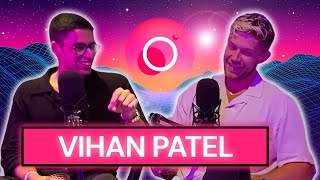
Vihan Patel raised millions for POM, a music-first dating app born from his events promotion days. His first launch failed because of outsourced tech, forcing a rebuild with in-house developers. He's now chasing viral growth on TikTok and building an algorithm that matches people through music.
Questions this video answers
23
£250,000 (raised within four weeks)
£1.5 million (raised in just over four weeks)
About 25,000 signups target hit (they exceeded the 25k target rapidly); London user count later reported as just under 90,000
Outsourced development teams quit days before launch; app crashed under ~11,500 concurrent arrivals and the team took the app offline for a month to rebuild in-house
Chapters
So I had no idea about much, but I knew that I needed money to build this and I kind of thought, where'd you get money? So I looked to the most formal place on the Internet. LinkedIn.
Yeah.
And I sat down and very much is locked down. So I was in my basement and, you know, loom. I sat down and recorded 220 video pictures.
Yeah.
And I sent it out to the investors. I think like 30 people replied. Of those, 13, nine invested.
That's pretty fucking good. Right then we're back with another episode of the Midnight Pod. Bit of a different one this time. Probably gonna get in trouble for getting someone on that isn't an E Commerce specific founder because I get that question all the time. I get more fucking E Commanders on. Stop getting agency owners on mixing it up. We have a dating app, founder Vian from POM Dating, which actually I'd seen, but I'd never used. I will admit I fucking use Hinge before. I've seen Thursday a lot. I'd seen POM and then you said that you're like the same size as Thursday and that's probably gonna. If certain person watches it, who I tried to get on the pod. It's probably gonna be controversial. But yeah, like with every episode. I don't fucking plan anything. I'm sure there's a load of interesting shit we can go into. But the first question really, who are you? What's your background? And kind of give us a, I guess a rundown from like. Because you're how old now?
23.
23, yeah. Fuck. So very fucking young. And yeah, just going back to like childhood, like school, uni, I guess, then up to kind of now because it's definitely a very different route to be like, fuck, let's start dating app.
Yeah.
I'm certainly interested in your story and I know we probably drunkenly spoke about a load of it like two weeks ago when we met through mutual friends because it's a very fucking small world. And then I was like, I need to get you on the pod.
So yeah, here we are.
Yeah, that's the first question, really. Who are you? What'd you do?
I mean, first caveat, I didn't say the same size as Thursday with the biggest competitor within the uk.
Right. I've already got you in trouble there.
So yeah. V.M. patel, 23 year old founder of POM Background, nothing too special. Fairly normal sort of childhood in school. School to uni. Had this idea of becoming like a. Like a consultant. One of the big Firms Get a grad scheme. Get a job.
PwC prison.
Yeah, exactly that exact style. I was on that grad scheme, so that was the plan. But when I kind of got to uni, I went to Cardiff uni. It was a bit weird because you hear so much about university and how it's meant to be, like, the funnest time of your lives, like, all these nights out. But I got to Cardiff and I was probably the shittest. Can I swear on this one?
Yeah, I fucking swear all the time.
The shittest night I've ever been on.
Yeah.
And this was in Freshers, and obviously, being from London, I'd obviously gone out quite a bit here, and I was kind of used to a lot more choice, a lot better music rather than, like. I think the opening night was the.
Wrong way to go.
It was like a meet and greet with the Chuckle Brothers, and I was like, what the fuck have I got into? So I kind of did some research after Freshers, and I was kind of like, who is running these events? And there's one major events company. So I thought, okay, how hard can I actually be to fill an event? Kind of booked. I booked a club and asked one of my friends to dj, because every third person you meet at university claims to be a dj.
Yeah.
But I kind of knew he was good, so he was my roommate at the time. And I was like, look, I'm gonna start this events company. Do you wanna give it a go? So I booked this venue, basically sold tickets through my friends. I sold it to my friends. I was like, look, if you sell a ticket, I'll give you a pound. Like classics or commission structure. And the first event did really, really well. And I was like, fuck, it's quite easy. I was wrong. But the first one did quite well. And I thought, kept doing that, kept doing that. And because there's only one other brand, it was like, either you go to this. This really, like, meet and greet, Chuckle Brothers vibe, or you come to an event where we're actually booking artists that people want to see and, like, booking artists that would never come through Cardiff.
Yeah.
So I did that for, like, my first year, kind of really scaled out in Cardiff alone. And then when I entered my second year, I was kind of thinking, okay, maybe this is what I want to do in my life. Become an events promoter. Hindsight.
You don't look like a promoter.
No, no, no. Hindsight. I was like, that's a good decision. I didn't do it. But at the time, I mean, it seemed perfect, right? It was all cash. In hand. It was really good money. Well, for a student. And I was just getting paid to party with my friends, seeing the DJs that I want to book. So second year, I thought, okay, let me take this outside of Cardiff. Leverage the school friends I had. So they all went to, like, you know, Edinburgh or whatever. I was like, if I can do this in card of my uni friends, I can go to their university, hold events there, get their friends, sell me tickets and just do that. So the peak of it was like three to four events a week. I was traveling a lot. Like, I was traveling across to see my school friends, different cities, running these, like, events. And I was like, this is it, this is what I want to do. Just scale that.
What were you doing at uni? Like, studying politics. Was there any interest in that at this point?
I was just good at A level, so I thought, fuck it, why not? So I kind of scaled to Edinburgh, Exeter, even London, Newcastle, Leeds. I was doing, like weekly events in every city. I was going fine. Like, the money was good and across three years, kind of scaled up six figures. But then towards the end of my third year, the pandemic hit and I was like, oh, God, now, Now what am I gonna do?
Yeah.
So I was left with this decision where they sent us back home. And I was like, okay, can I try and recover my exams at uni to try and get this degree and then go back onto this grad scheme vibe, or do I really think about it and just take these 10 weeks to actually try and start something else? So I wanted to follow in the event's footsteps. So originally I thought about online events, but I was like, who's actually going to turn up to an online event? I would never do that. It did work out for some, but for me, that was just not the route I wanted to go. But one thing that kind of stuck with me whilst running these events is that the people that came to each event were very different based on the music that I played at the event. So, for example, technique. I started with techno events and it was like people dressed in black, they would go, they would look at the stage, they wouldn't really interact with each other. They would own the world. And then compared to hip hop, chewing a lot. Yeah. Drinking water, like, yeah. Jaws going side to side. But when a hip hop event, I remember my first ever hip hop event is in this tiny club in Cardiff. And the first guy to walk in was wearing no T shirt and, like a long fur coat and a big gold chain. I was like, this is gonna be a very different event.
Yeah.
And then even the energy was different. Everyone was dancing with each other. No one really pay attention to the people on the stage, but they were just focusing with each other, like vibing off each other at the end of the night. I used to get percentage of bar take, so I was looking at what drinks were ordered and techno went from like vodka and lemonade, vodka sodas, and then at hip hop, it was like rum and cokes, Rum and ginger beer.
Yeah, interesting.
So I was like, this is a really stark difference. So I kind of thought, what can I do with that information? Originally it was going to be a sort of social network. And as soon as I thought I saw that, the first thing that came to mind, it says really cheesy. The first that came to my head was Power of Music. And that's where POM was born.
Oh, fuck. I didn't know that.
Yeah. So Palm Sounds the Power of Music. I was like, okay, what can I do with that? And then, like, as things kind of developed and progressed, dating seemed like a logical thing. It was an interesting market. Again, I didn't really. I didn't do any research into dating industry. I knew Bumble, Tinder, Hinge, and that was it. And I thought, you know, fuck it, why not? So, yeah, that's kind of how it started.
And when did you finish uni? Did you finish uni?
Yes, we. Well, I finished it in the pandemic, so.
2020. Yeah. And then you came straight out. What did you do then? Like, were you planning on getting a grad job? Did that even. So did you go down that route at all or was it straight into.
Straight into Palm? So within that lockdown, I kind of had the business model planned out. I've got the pitch deck ready and all that sort of stuff. Sat my exams. I still applied to jobs. Because you had to do that like two, three months in advance. I still applied to jobs. I got into two sort of grad schemes. One, I followed through with the interview and then they rejected me. And then the second one, you know, I didn't even tell my parents, but I rejected without even like going forward with it. I got past it. I was like, fuck it. So I was like, now I kind of have to do something. So then within the second lockdown, that within four weeks, we'd raised quarter of a million to get this going.
And how. How did you even. Did you have a clue what you were doing in that sense, going down?
No.
Well, firstly, starting a fucking software company, essentially.
Yeah. And I'm not a technical co founder.
So I've never been raising money to.
Do it, so I had no idea about much. But I knew that I needed money to build this and I kind of thought, where'd you get money? So I looked to the most formal place on the Internet. LinkedIn.
Yeah.
And I sat down and very much is locked down. So I was in my basement and, you know, loom. I sat down and recorded 220. Oh yeah, you said video pictures. Yeah. And I sent it out to the investors. I think like 30 people replied. Of those, 13, nine invested.
That's pretty good.
Yeah.
Five percent close rate.
Yeah. But I was doing that all day, every day.
So have you made a pitch deck at this point? So it was pretty.
I made a pitch deck on Canva, so I kind of had like 5, 10 slides by this point. So I kind of.
And like at that point, the idea was just a dating app that connects people via music based on what you'd learn in the events industry.
Exactly. And I had this huge vision. I had this huge vision about a dating app based on music, but also I had this emotional detection algorithm in my head that we use the music that you listen to to build out an emotional profile. Again, I'm not a technical co founder, so I had no fucking idea how I was going to do that. But that's what I was pitching. And everyone loved that. Everyone's like, wow, this is like first of its kind. Like no one's ever done this before. I was like, yeah, we're going to do it. Hadn't got a CTO at this point. Just brought on a co founder. That was it. So there's no tech in the company at this point. So we raised on this idea.
Yeah. Going back to uni for a minute then. And before that, did you like. Do you come from an entrepreneurial family? Like, had you thought about entrepreneurship? Obviously it's very different than a fucking PwC grad scheme.
Yeah.
Which a lot of people would do. Was it the events that opened your eyes? So, fuck, I can like make money myself for a start.
I wouldn't say I come from like an entrepreneurial family. Like, I've quite a big family and as cliche as it is, the doctors, lawyers, dentists, pharmacists. My dad's a pharmacist. I kind of got that sort of entrepreneur spot from him because he kind of came here with nothing.
Yeah.
And then build this pharmacy, whatever. But he loves the education system because of that. Because without that, he wouldn't be where he is.
Yeah.
My brother's a doctor. But I think the first kind of thing, the first moment is when I was like 7 years old and it was something time where like Martin Garrick's had just dropped his new trial animals or some shit, and I was like, shit, I want to be a dj.
That definitely wasn't that long ago.
It was ages ago, dude.
17 or seven?
Seven.
No animals. I swear. That was like 2015.
How does it.
Yeah, you may be like 14.
Yeah, okay, fine. So whenever that song came out, I was like, I want to be a dj.
Yeah.
So I kind of, I didn't get allowance, so I went to my parents. I look, I'm gonna be a DJ. Can I get some DJ decks? It was like 120 pounds. They're like, no, they're like, you're not gonna be a dj. Why would you even want to be a dj? All this sort of stuff.
Yeah.
So I was like, fuck, I really want these dj. So I tried to figure out how I could earn £120. I did random. Nothing really worked. And then when I kind of six form at school, started a clothing brand again, didn't really do much. Probably got the as peak a thousand pounds a month. Like, I was probably costing about 800.
Everyone has a clothing brand.
Exactly. And I was running the ads myself and I was just doing really badly. But that was kind of the first, the first step into it. But then as soon as I got to uni, it was like, that's when it was a real sort of business, I guess.
Yeah. And then, like, were you making enough money from the event stuff to not be at uni?
Yeah. At that point I was like, why.
Would you stay at uni? Because for me, I left uni the second I had enough income from not from not uni stuff that I was like, fuck this, I'm leaving.
Trying to pitch two brown parents, you know, leave uni to run events. That's a tough sell. Yeah.
No, I can imagine. I didn't even tell my parents I'd left. I just stopped going. And then like six months later told me I dropped out.
So I, I, I think is I enjoyed uni for the, I liked it for the social. Yeah, I enjoyed it, but it was, it was fun kind of running these events and dropping of uni. It's a risk, and I didn't take that risk. But I didn't follow through with anything. I learned from uni.
Yeah. And do you think if Covid hadn't happened, like, Covid hadn't happened and the events and she wasn't fucked. Would you have intended to keep running the events industry after uni? Like the events industry, the events company? Was it that. Was it big enough and viable enough to like scale it?
Probably, yeah, it probably would have done, but I don't think I would have lost it. Because there was a point in my second year where you can imagine if there's three or four events a week I'm seeing on trains for four hours at a time, stay up to 4am, coming back every night, and I think like, whatever the substance of the drink, it just, it did catch up. There's a point, there's a photo of me, the substance, there's a photo of me where you can like see the actual creases on my cheekbones. There's a bad point.
Yeah.
So I was like, this lifestyle is not sustainable. It was fun when you're uni, but can you imagine being 24, 25 and still living that lifestyle?
A lot of people do. Yeah. Because I used to be like intimidated, but I went to uni Newcastle. So classic big, like you probably had massive events there.
Yeah.
There's a load of promoters and I'd look up to them like, oh, they're the man. But then I'm pretty sure the same people are still, they're still promoting the same events.
The guy who owned that Chocolate Brothers agency is like a 40 year old guy.
Yeah.
I'm like, what are you doing?
Yeah, legit.
But when you were uni, like the promoters, you know, they skip to the front of the queue.
You're like a God in that small sphere of the world.
Yeah.
But yeah, no, I definitely agree it's not sustainable. So did you not feel pressure to, like, obviously said you didn't drop out of uni because your parents, but then when you finished uni, were you not pressured into getting a job while you were figuring this out?
I was. And I was telling them I was applying. At that point I had the, the balls to kind of just like lead them on a bit because I wasn't sure how long the pandemic was gone. There was always an excuse, like, the pandemic can get a job, whatever. And I, after the first lockdown, I had my eyes set on this dating app because then I started flying through and I started like looking into it. I was like, this. That could actually work. It's quite viable. I could tie events in there by like me on the app, go to one of events like bond over music. So I was just telling Them I'm gonna get this job. I keep applying, said I got applying. And then when I got this job I was almost like crap because then there was decision like, do I, do I tell them? And then I have to take this or, you know, be really strongly advised to take this. So I just said no and then. Still don't know about that.
Yo, fellas, quick one. First bit of promo for the pod. You may or may not have heard, I released a fucking E Comm course a few months ago. Basically spent like six months making it because I was in between businesses. As you probably know. If you follow my shit, I must say, 12 hours long. It's fucking quality content. I was gonna drop it at like 1500 quid with some bullshit guru y webinar and all that rubbish. But as you know, it's not my main thing. I'm working on a new brand right now. Very, very fucking much in the trenches. Which is why I think it's actually a better course than everything else out there. Just built on real experience of my brands in the past and my current one. I think it's super, super valuable. If you're interested in ecom, you're already in E Comm and you wanted to get into e comm 0 to 1 starting a brand from scratch, then definitely worth investing in. Link is in the bio of this video or podcast, Spotify, Apple Music, wherever the you're listening or watching and enjoy the rest of the pod. And then what was the process? So how quickly did you go from sending it out to getting the money in?
Because within four weeks.
Within four weeks?
Yeah.
And then what? So you're sat in a basement, you got an idea.
And then I was like, don't know.
How to make it.
Yeah, we've got to build this app.
Yeah.
So the first thing I did was I biggest mistake I think I've made today was not bring in a technical co founder or technical team in house at that point because as I'm sure we'll discuss later, the journey got very rocky because of my tech.
Yeah.
So I outsourced it to a an actually as an agency in England who did it well. But they were costing crazy amounts like, like literally 50%. That raise was going just to MVP of the app. So we kind of pulled out halfway through and then I found a cheaper alternative in South Africa, but he was registered. It's like a Russian company based in South Africa. They're out. They were outsourcing to Indians and it.
Was just like upwork spec or.
Yeah, literally, I Went on upwork to find these guys. Yeah. And for why I wanted to build. They can do it. They knew they couldn't do it, but they didn't want to tell me they couldn't do it.
Yeah.
So we stayed with them. Halfway through, left them, found a Polish company to take over and then left the Polish company, went back to those South Africans and bearing in my code. I'm not sure how many people know understand the code but for me I thought, I thought it was like plug and play, like here's a code base, add on top of it, remove shit. It's not, it's like, it's like everyone has their touch to it. Everyone can do it different ways and like so you can't just give someone a piece of code and like fix it. So at this point there's like four or five different people had touched this code base and like I looked at it, look, right. It's just not ozone right. But in reality it was a fuck code base and that's kind of what happened.
Where do you even build an app? I mean I literally know nothing about this market because obviously with an e commerce brand going to shopify build a website, it's like fairly plug and play to a basic level. Is there an equivalent of that for like building a SaaS offering or an app?
There is like no code solutions like Bubble I.O. which in hindsight I wish I explored more at this point I had 250k. I was just leaving like 21 and I felt like I was fucking Elon Musk at the time.
And I was like it's pretty fucking impressive to be fair.
But then I was just like, okay, let me just get this app ready. Because I'd promised the whole world, right. And I justified a stupid valuation for a first time founder with no tech team. So like they kind of assumed that I knew what I was doing here. I told them I had everything lined up. I didn't.
Yeah, I was gonna say because just going back on that, like how did you even. Where was your credibility coming from to even close these nine investors? Or was it just.
The thing that helped me was I took the time to prepare a pitch deck and a financial model. So I actually got in touch with the, the ex like financial director of you know, Velocity Black.
Don't know.
It's like a members club, like e members club in New York City. I got in touch with him through LinkedIn, through a connection and he helped me build out this financial model.
Yeah.
So when I send that to an investor to Them, they're like, he knows what he's talking about. Like, he can do this financial model and like, everything on it. And I understood it because he. I learned it. So if they ask me a question, like, what does sell C4 mean? I could pin it down. So I think the way I presented myself and the way I was doing stuff and like, plus, like, the experience of the events, and I think I'm connected back to events I've experienced in events. I know how to scale that. We can just do this with an app. That's where their trust came from.
Yeah. So basically you were smart and you worked enough on looking like you knew what you were doing.
Yeah. And I always believed I'd get there. It was just like, how do I make up a scare? But I knew I was gonna get there.
Yeah. Yeah.
But it was the tech problem. Everything else went fine. Right. Our marketing was great. Everything was doing well. We set a target to hit 25,000 signups in London over the course of four months. Did it within six weeks. And then that's where the problem started. Then we decided to raise more money.
Just going back slightly before that. Sorry, I'm trying to put the pieces together. Did you just. Did you start this because you thought. Because it was like a personal experience in, like, other dating apps haven't worked for me. This might work? Or was it purely based on the event experience and. And you just thought there must be a market for this?
I did a very basic test.
Like, you ever a customer for it in your mind, is what I'm saying? Kind of.
Yeah. I think. I never thought of it like that. But I think in my back of my head, like, I was like, yeah, like I'd love to meet someone. Same sort of music taste to me.
Yeah.
But I wasn't avid date user dating app use at the time. Personally, I don't like what's out there in terms of dating app solutions. I thought music would be a cool way because of the way I could integrate events. The way I could use this, like, emotional filtering that I had in my head to do this.
Yeah.
But I didn't do any research. That's the thing that I don't think that hurt me. I think it was a blessing because I think if I did the research and dating apps, I know now, why the fuck would you start dating? Apparently it's so saturated, every two days a new dating app comes out.
Yeah.
And it's like, it's a horrible industry to be in. Yeah.
The one thing that strikes me off about with dating apps, broadly speaking is. And we can get into the science of this, but like ultimately for the app to be successful, they have to lose users at some point.
Yeah.
So like they have to fucking find someone and not need the dating app. Right.
Yeah.
So it's like. But then, interesting caveat of that.
But that's also like, that's when you know you're doing something well.
Yeah.
But then you can like. Because like, realistically, if someone who meets in your app, obviously you hope they end up marrying them, but that chance is very fine. So you've got to be in the back of their head like every four months, send them an email, remind them that we're still here to look after them.
Yeah.
There's a lot of like stuff I've learned, like behavioral tactics that these companies do.
Yeah.
Now we're starting to implement, which is crazy.
Right? So four months. You got the money in. How long did it take to build these? Sorry, was it four months?
Four weeks?
Four weeks money and you start building mvp. How long did that take to get something that was usable, that decent level?
Can now travel the time in the back of my head. Okay, so it was towards the end of summer. We're at the end of summer 20. 2021.
Oh, sure.
Okay. 2021. End of summer. Yeah, yeah. So like last. Last. Yeah, yeah. Okay. This is where it goes wrong. So at that point, building the app. The app's looking good. Bearing in mind I still don't have an internal cto. I'm looking for one and I'm about to hire a part time one. But at the time it's just me, my co founder and my head of product who was a friend from uni. That is a horrible situation.
Where'd the co founder come from? Because we've missed that as well.
So when. Okay.
Were they there right from the start? No, I'm trying to put this together. Before you start. Yeah.
I think I did a really bad job explaining my timeline.
Yeah, it's terrible.
So. So okay, after, after I built the business idea, I was like, this is what I'll do. I then went to my friend Vlad and I was like, look, let's do this. Because he's very good operationally in terms of like boring stuff.
Yeah.
So I approached him then and then we raised the money and then we brought on a head of product.
And was he the technical co founder?
No, we, I. This. The head of product was. Neither of you were technical?
Neither of us were ie developers or whatever.
Yeah. So at this point we Brought on this head of product who we thought would be our technical co founder. He's a friend from uni. Was a friend from uni.
Was he technical?
He did a computer science degree.
Right, yeah.
Okay, we'll get onto that and what happened to him in a bit. Bob, let me create the timeline. So then we start Bones app. Everything seems to be going well. We then deploy the marketing. Get this pre sign up. Because with the day tense work, it needs to be a lot of people who in a concentrated area. So you need that critical mass. Otherwise you can go wider. But why would you want a mattress on from Algeria? Right?
Yeah.
So it's like we locked off London. You only can sign up if you're in London. So we did that. And obviously dating app with music, it's such an easy idea to get. It had the potential for like, it was less than 50p to get an email to build up this waitlist. We did it very quickly, very cheaply, so we had this traction. So I was like, okay, let's, let's launch, do another roundup.
But had you built the app at this point?
No, it's still being built, Right?
Okay, it's still being building pre launch.
Exactly. So at that point, the app's still being built. We have like maybe 50, 80k left in the bank. So let's raise another round again. Went for 1.5 mil. Did that within just over four weeks this time. We tried to beat four weeks. We did that over just over four weeks.
You didn't have like revenue at this point or users?
Nothing, just 25 sound very easy. This is not arrogant. I think the raising part was the easy part.
Mm.
I think if. I think money is always there if you need it. It's just, who do you know?
Yeah.
It's like, who do you know? How do you get there? So I didn't take money from friends of Emily. That's the conventional route. You go friends of family, then you get angels and visas.
I think that that's not the convention route. I think that's the London bubble route for people that come from money.
Yeah.
And a lot of people watching this will say, well, I couldn't do that. And I certainly didn't do that because I raised billions of money for my new thing. But it's kind of different because Ecom. But as in like revenue history, whatever. But yeah, I found it quite easy myself because I had a network. But the thing that's interesting about you is you did it at 21, having not started a business before. Whereas for me, I'd started to one successful and one that was successful that went wrong business before. So that was my credibility that made it relatively easy. But for you, it's like you never even started business before. So your credibility came from, I guess what your financial modeling, so on. But then doing it again, a much larger amount still pre launch.
Yeah. But it's a lot easier to raise before you launch product because the potential still amazing.
Yeah, it's.
As soon as I can put real numbers in there. Yeah. Then it's. Then they can model that. Yeah, they can predict that. At this point, I'm still pitching on like my idea.
Yeah.
And plus the investors from my last round, they, they were like, they, they loved the idea. So they were like introducing us to friends. We had a couple VCs who got in touch, but we didn't want any VC money at this point because we still angels. Pure angels.
Yeah.
So we're still figuring out what we want to do is we just kept bringing angel money. People, relevant angels that not just any sort. The first round, anyone want to give me money, I'll take the money.
Yeah.
This round it was like, okay, I want like experienced business people, startup people, I want people from the music industry. I wanted these tattoo investors. So we did that round. Okay. Now this is where it goes a bit wrong. So obviously we're building this product, we're promising this product and we've hit this 25k and we said we're gonna launch the app as soon as we hit the 25k, we hit it a lot sooner. And I got to point people like, can you just like launch the app already? Like just launch it.
And.
Oh, I missed out something I missed.
Tell me, go back.
So, okay, before, before raising the 1.5, when I was talking about this head of product, he left because we found a new cto. Yeah, he left in a not so nice way. A bit of a legal dispute. He sued us.
Did he have equity?
No. He never signed his employment contract.
Right.
We won't get into it. I'll take it off camera. But anyway, so he's gone. So this time we, we hired a part time CTO who's still our cto, Luke. Now today. Then he was in charge of every single development. We were charged with fundraising. He was just development. The market is fine. So he told me like maybe 10 days before we announced we're launched. He was like, dude, I don't think, I don't think it's ready. And I was like, literally, they're working out for like five months. How can it not be ready? It was just at this point, there's no man, there's no algorithm, there's no complicated algorithm. At this point it was just a dating app. Like just match with music, Connect, Spotify and Match. And he told me in his fantasies, like, I wouldn't do it, buy it. Announced that we're gonna do it.
Yeah.
And then four days before launch, these developers who bear my have been telling me that everything's going fine. They quit. All of them.
Why?
They decided we can't get it done. We did, we don't want to continue with this project. And they quit.
Yeah.
So again I'm like, so did it.
Work at that point? Was it usable?
We still launch. Yeah, we launch it. We announced it to this wait list in our fault. We probably should have staggered the waitlist. We just emailed everyone. Within the first two hours we had like eleven and a half thousand people trying to hit the app. They hit the app and it was fucked. Like the testing did not match what they deployed. So what I'd been seeing was like videos of them playing around in it. They're looking great. Like it works fine. Got into production and it was the worst thing. The app tanked and it got to that point where on launch day, this part time CTO was spending like 24 hours trying to fix these bugs, but when he's not been involved in building the code base. And like I was saying earlier, you can't just plug and play. So he sat, tried to fix this and he was just like, this is just not gonna work. So we kept dragging this like dead horse of an app for maybe two weeks. We lost like, you know, over 10, 15,000 followers. Like people are com. Our ratings still not recovering. Like people like constantly shitting on our, on our ratings and yeah, emails going through. We made it. We like, I brought everyone in to kind of like we had to respond to everyone to make sure everyone like knew that what was going on, that we're being fully transparent. And that was like. That was in November. I was like, this is just awful. So we took it offline for a month and we went dark and we hired, we got recruiters and we hired proper tech with this new money that. So we hired proper in house developers paying way above market rates just to get them in. And that showed me the difference in good development and bad development. These guys been working for five months, released that. These guys rebuilt my entire app within one month.
In house.
In house.
Yeah.
So I hired all of them, paid above market. I didn't care. I was like, I just need you to stay here. Rebuilt it and then we relaunched again end of November and it worked. And it worked. So from end of November to now we basically had to start again. So all the money that we had spent on marketing, on building this brand that people liked and all this like build this community. Yeah Was almost not wasted, but it was almost wasted.
How are you acquiring like emails in that initial period it was just like Facebook, Instagram.
Facebook, Instagram.
Standard shit.
Yeah, we did a couple.
You mentioned TikTok as well before, right?
That was post launch, right?
Yeah.
And now Tick Tock is our primary driver.
Yeah, cool. So you get to November, it works. How many people are on it like because obviously I guess the thing, the dating app and a lot of apps but ticket dating apps. If you don't fucking have people on it, it's hard to match with people. At least you were just in London which makes a lot of sense.
Yeah. But we still had this magic number of something like we needed 7,000 people to be on it for enough people to not run out of people essentially at the current rate of onboarding new users. So at this point we had like, I think we had four and a half thousand people actually respond to our second round of emails being like look, we're back, we promise we fixed it come back on. So I think four and a half thousand people jumped on and then that's when we started like hammering acquisition. Yeah, like 80, 90k a month just acquiring users.
Where was that mainly been spent? TikTok?
No, not yet. Facebook. Just Facebook, Instagram, Google.
What was the CPA like on a ganny user?
So Facebook it was about starts off like 12 pound 50 for complete registration and I think we got as low as like 4 pound 50. Google was consistently like 345. So we, we were like 3 provides us decent above industry average. Yeah, we were happy with that until TikTok came along. It was fucking destroying all that shit. How cheap TikTok now it's almost like a pound. A pound A complete registration.
So that's to get someone that makes a profile.
So there's like yeah, selling to the download the open the app, complete their profile and make a first action.
Yeah. And you outsourcing this to like agencies? Was this in house as well?
So I did outsource. That's, that's how I met.
That's an age old debate with like media buying.
Yeah. And it's still for me we outsourced initially and now we've got. I wouldn't say it's outsourced. He started in house, but does. I mean. Yeah, it has freelance because he does other clients. But he started exclusive with us.
Yeah.
So now he does it for us.
What sort of creative you running to get people on? Because obviously like creative, like particularly for my new brand is like the biggest thing now that I'm focused on because especially with one product and it's kind of similar to you. I've got one sku, you've got one app. Like the product is what it is.
Yeah.
So like create. It feels like the biggest variable in like acquiring customers. So like what's working for you?
See, but what I'm lucky with is I can. Cause mine's music. Right. I can tap into any genre.
Yeah.
So I can have goths, I can have rock stars, I can have your typical hip. I don't know what typical hip hop people look like, but your hip hop you. I can do everything. I can do live events, I can go into the really like heart wrenching romance. So we try a lot of stuff. Like a lot of actually what works is just phrases.
Yeah.
Like send playlists, not nudes.
Yeah. I've seen your Instagram. It's a lot of. Yeah, it's cool shit. It's very Pinteresty.
Yeah, exactly. That's just our new head of brand, Pippa. That's her.
Yeah. It's good.
Yeah. So we did a lot of that sort of stuff. Even. Even now that I wouldn't say we crack creative because at the end of the day what I'm learning, our paid media is our consistent. That will never, never get us to the numbers we need to get. Yeah. We need the organic and we need the spikes of activity. That's where the viral stuff. Yeah. That's where our stunts come into play. That's where our PR comes into play and that's what's important.
I know it's Thursday dating do a lot of stunts. They're kind of like famous for that.
Yeah.
I see it on LinkedIn all the time, which is kind of annoying because it's always there. But it clearly works.
It does.
Do you do a lot of that and are you doing more of that now? Because we're actually speaking about this from like an E comm perspective because I've never done it like the past like six, seven years I've been in E commerce. Always just been like paid ads for me. But now it's, I'm thinking kind of beyond that because everyone can do Paid ads. And it's more and more competitive, of course. So now it's like, yeah, viral, organic, gorilla stunts, whatever. Which is like more ballsy and risky in a way. It's risky, but it's more interesting.
Like you said Thursday, do it, and.
Can'T speak about that. But it's a Thursday today, so we're obviously not using the app.
But see that, you know how they started. They had a dating app beforehand.
Yeah.
And that's where they go started because they ran out of ad budget, whatever. And they helped the sign up and went viral and that's what they're known for. And like, say what you want about them. I'm not gonna make any comments, but they're great marketers.
Yeah, yeah, for sure they are.
They. They know what to do. They know how to layer everything in a way that you see it from my LinkedIn. I close my link and I go to my Instagram. I see it.
Yeah.
Then I see on some story and like, someone text me, oh, what do you see off? Like, you know what I mean? But, yeah, they get everywhere.
Very true.
So we were seeing this and we were like, is this a really obvious play that we're missing? So we just gave it a go. We just literally just thought, fuck it, why not give it a go? It works, like, really well.
What sort of stunts have worked?
So we, we rented a pink limo on Valentine's Day and spray painted Stop faking orgasms to shit music.
Yeah. Fucking hell. That's a good one.
Drove that around central London. That was fun. That got a lot of downloads. The most recent one we did was have you seen Kim Kardashian? And she's like, in that black and yellow Balenciaga tape.
Yeah.
So we did that and tied people to polls with like different messages. Like the stop faking or send playlist. Not news. Like all these different type of slogans.
Yeah.
That got 6,500 downloads overnight.
Oh, shit.
Because we were just taking photos of it and we didn't even brand it. Like, we didn't put POM on it.
How do you actually read downloads, downloads from a public stunt?
Because we know how much we get daily. Right. We know spends anything on top. We can roughly say this is because of this.
Yeah.
Because that's the thing with credit market. There's no way. Same with like out of home advertising. Like we did tube. Yeah.
Unless you do like a discount code. But I guess for you it doesn't work.
Yeah.
Or like. Yeah, some sort of link. The actual app then itself. How does that work? So obviously the basic principle because, like a few things I would initially ask is like, so do people even put images on their profile?
I didn't purely music taste, but they do now.
And the other thing that jumps to mind is that I have a very eclectic music taste. I would say I literally listen to every genre, like death metal, rap, like piano music, jazz, romantic fucking pop, rock.
That's the perfect.
That's just me.
That's the perfect sort of person we want. So.
So is it like. So it's not just defining people by hip hop, it's. It's like taking their mix.
Yes.
Somehow mixing that with other people.
Remember this emotional algorithm that I was telling you about that I said I wanted to happen?
Yeah.
That's happened. So we've got there in the end.
Yeah.
So from day one, though, you had to manually. We always connect to Spotify music. You don't input your own music because what we found is that. Exactly. If someone asked me who's my favorite artist, I'm going to say Drake. Drake, whatever. But in my shower I'm singing like Adele. You know, you don't tell people what you really like relate to. So we put Spotify music direct login. Now we're adding in more DSPs as well as you tied or whatever. And the first 12 and a half thousand people who signed up had to manually enter. We pick certain songs and genres and artists based on how frequently they listen to them. How often? Same thing. How frequently, like most recent, all these different time periods, plus like we could see certain times of day. They were listening to consistent tunes. So we would ask them these questions like, why are you listening to this song at this point? How does this make you feel? And we built up this database of emotional response. We did some other research. We launched a product which was unbranded, that 6,000 people went on, which is like a playlist generator where they'd say, I'm feeling happy. They log in with their Spotify and we would make an assumption of what's happy songs for them and they can adjust it so then we'd have that data as well. So it uses data to then fuel this algorithm that now looks at your Spotify and can be like, okay, based on all the music you listen to, we can say that your emotional profile is like, you have different attributes, that you're happy or sad, like whatever. And it's done into I the graphs called. But then we match you based on these emotional profiles. So it's not just you, like Beyonce, someone else Likes Beyonce. You're a perfect match.
But how does that emotional profile thing link to. I think she's fit. She's not.
But this is the whole point. We're not going for superficial metrics.
So if. But okay, so in layman's terms, if I log on to the account, I make a profile. I'm still putting my pictures of me, obviously.
Yes.
But then. So when I'm swiping, liking, whatever. Like, is it automatic? Is it automatically matching me with people based on.
It's sending you people who think are.
The best and then I pick people.
Yeah, that.
It sent me the. Based on my music taste.
So you can see through their profile. You can see what their songs, you can play their songs, you can save their songs, you can send them songs.
Yeah. And I need to try this app.
There's different prompts and everything. And we send you who we think is going to be your closest match.
And then say you send me 10 people, I can pick which ones that I want to speak to. Whatever.
Yeah. It's hinge style as opposed to Tinder. So you send them a Like.
Yeah. Ok. Do you find that, like, is there a way to see, for example, like, if there was a really fit girl that had a different music taste, would she just not come up? Because the whole premise is music taste.
Initially different music tastes, as in, like, it's a use very different, say different music tastes because they may have similar motion response. But different music taste to you.
Yeah. So if it's inspection, how is it like deciding if we're compatible or not? Then I guess is a better question.
Similarity of emotional profile, not music taste.
Right. And like, for example, someone that likes feeling reflective and like, someone that. Is that how it works or is it, like, is matching people that are always sad with each other?
No, we found that was a dangerous thing to do. We thought about, like, we went too specific and then like, one of our investors posed the questions, like, okay, but what if people are like listening to really sad music and they're generally just very depressed? Do you really want to be matching them together?
Yeah. So we do, like, highlight things, like an ethical debate.
Yeah, it's like, if it's like very sad, we can highlight with the one happy song and put emphasis on that. And like, if you think about. I don't know if it's gonna help. If you think about it, it's not a rigid. It's not rigid. It's a very soft thing. So it's kind of molds away. Because at the end of the day we put who we think is most relevant to you. There are other tricks on the app to keep you engaged. There's other stuff that makes you want to stay on the app.
Yeah.
No app delivers complete what they think is like, for example, Tinder. You will see the most attractive person on Tinder within your first five swipes. Then the next after your first top swipes. Yeah, because they base it like that. We don't do that in such a way like that. But we obviously have our ways of making sure that you just don't get your top 10 matches. Find someone and you're alpha.
So the big three that most people would know initially, like I said at the start, is like Tinder, Hinge, Bumble and in my mind, like the brand positioning of those three is that Tinder is like a hookup app. At least now it's like it's the oldest and like most grotty one in my opinion. Hinge feels like a mix of like hookups and people that are actually looking for relationships, which probably never actually become relationships. And then Bumble is like all the feminists go on there.
Bumble's just Tinder. But women go first.
Right. I don't really get Bumble because I.
Mean it works though, right?
I'm going to get cancelled for saying that. But yeah, I mean I've been on Bumble, but it's, it's a certain type. How do you position yourself as an app within those categories, like hookup, not somewhere in between relationships. Is that even something you think about or is that something that the data tells you?
No, no, no. We are we with a dating app. Right. Like you come in with a very clear brand position.
Yeah.
So we came in with this emotional connection, deep and meaningful connections on the relationship side. Yeah, we're very anti superficial. We're all about like actual connections. Like the most important thing in relationship is understanding emotions and understanding why your partner feels certain ways and whatever. And our brand positioning is very like, is exclusively inclusive. That's our little tagline. Because music everyone listens to. There's, there's no, there's no rules of music. Anyone from any Cree Color class background can listen to it. And that's what we are here for. We're here for everyone. So we, we don't like you get specific apps like Grindr or whatever. These like apps from like gay people or lesbian people. But we don't, we don't want to have to create separate apps. Everyone's working on our app. Obviously you can filter it down based on your sexual preference. But we don't see the need to make multiple apps for different sexual preferences.
Yeah. And do you have like, do you have enough data now? I mean, I'm sure you do, but like, can you see from certain data, like, do you have like a post purchase survey almost in terms of like, did you meet this person? What happened? Like, do you know what, what people actually doing in terms of is a lot of hookups going on the app. Is there a lot of two dates and then people fizzle out. Like, how would you even attribute that? I mean, can you.
So we have, when you delete the app, there's a server that comes up, like, why'd you leap on? Yeah, okay, so we have that. A lot of it is like we found someone that's our second highest. Our highest is not enough people in my area. But that's because they're like, I don't know if like Doncaster, whatever it is.
Like you're outside London now.
We're open. We made decisions go, we opened the barriers. But we still contract marketing in London. But obviously people find it. People go to uni, tell their friends and we want to see the organic pickup, right?
Yeah, yeah.
And like we did maybe one month of ads across nationwide, then reconstructed back to the uk, back to London and like Manchester, Bristol, Birmingham matches. Bristol, Birmingham, Leeds, all these major cities have got organic traffic. We haven't spent more than like, I don't know, two grand per city. But there's enough people to keep matching. So we're really trying to facilitate the virality and word of mouth there.
How many people are on it in London then now?
In London it'll be just under 90,000.
Yeah. So like Wembley Stadium, that's a decent chunk. Do you know how many are on something like Hinge in comparison?
Hinge have over like 500 million worldwide.
Obviously. Yeah, yeah. Fuck. Because the one problem I could see with dating apps and it's like, it's not controversial but it's like a taboo topic. It's like if there's a lot of people, but there's not like people that the other people are interested in, I. E. That they're attracted to like higher quality. How do you deal with that? And like, because for example, I actually downloaded Thursday because I saw some fucking viral app, like viral ad like months and months ago. And firstly I thought it was okay as an app but like for me the girls on it were just simply not as attractive as Hinge. Like just being real. There was, there was less girls that I would even be remotely interested. In fact, I don't think there's any that I was interested in. Whereas on Hinge, you can fucking swipe whatever. And there's definitely a decent amount of fit girls. Even though I just can't be asked using dating apps anymore because I'm too old. But.
But that is just basic numbers game. Right. Hinge obviously have more people on there. There's gonna be a more range of. More range of girls on there.
Yeah.
And then they can obviously see which girls get the most likes. And therefore they can be like, they're the most attractive. So they can pump them your way as a user. With Thursday with us, the. Our first adopters are people who actually can resonate with our idea. We can't control how attractive they are or what. Like, what. Who they are. We can't control that until we hit that scale where we're a household name. Everyone's on it. And then you could start filtering that. Obviously now we have, like, our most attractive people compared to, you know, at least attractive. Yeah, we know that data.
So how do you even determine that, though, if. If the whole premise is it's more about emotional connection because you're not even. You're obviously not giving every fit person, for example, to everyone because they might not filter through the emotional connection thing. So we can define that.
We can see per categories that we have the most like person.
Yeah.
And then buy it. Like, we don't sit there and just go through the profiles and be like, hey, you're hot. You're not hot. Yeah.
You do that as well privately.
I mean, we have very, very strict GDPR rules about this that we can't. We can't look through our profiles and stuff like this.
Yeah.
But we. We get. We can infer these decisions, and what we do with that is that we can pump them certain ways and push them. Certain users who have been active or come on for the first time, we can do all these little tricks other apps do. But we were discussing, like, when we met two weeks ago, we're discussing how the golden. The golden nugget for dating apps. Okay. How can you choose who you want in your app and get them? Like, what can you do? You can't specify an ad to a certain type of person in the sense of, like, attractiveness, for example.
Yeah. You can just hope that certain demographics or interests have attracted people, I guess.
Yeah. You hope your idea resonates with them.
Do you think it's harder to get attractive people, both guys and girls, onto a dating app? Because they have more options outside dating apps.
Depends how you look at it. Right.
I think so many like philosophical questions you could go down with this sort of business.
But I think it depends, right? Because there's. I hope my vessels don't see this. I think you can get like two different types of attractive people. Like the. Those who know they're attractive and then those who don't know they're attractive.
And the ones that don't know are always more attractive, by the way.
But they're harder to get on the app. Okay. Because for them, you know, they're. They're in their own little bubble. They don't. They think they're attractive, so they may not think they might do well on this app. Those who know they're attractive, I assume would love dating apps because then it's a, it's like dopamine. Dopamine attention. Because they're constantly getting like light.
Particularly girls, I would imagine.
So I think it's not that hard. I think the attractive girls and guys who know they're attractive girls and guys, what we use dating as, whether you intend to use it for the purpose of it, who knows?
Yeah. Do you notice like, do, do girls or guys use the app more? Like, I mean, obviously there's a difference. Like which one uses it more for a start and which one sends the first message most. I mean, I assume guys send more first messages.
So guys send more first messages. Girls send more first songs.
So interesting.
Because we can send a song to open a chat, it tends to be the girls who. If someone sends a song, it tends to be a girl who sends a song.
Yeah. Is that just like you send a song without any message and just like it's like a nudge.
Yeah. And they. That's how you open the conversation.
And who uses the app more in terms of like swipes, likes, whatever. Like the pure quantity of use by.
Nature of our audience sized girls. Because there's more girls on platform than men.
How many more currently?
I think the split is like 60, 40.
It's not too bad.
Yeah. But like for example, our. Why I didn't run to understand is before we hired any girls at the company, not because there wasn't like we didn't hire any, we didn't have any. Like there was nothing through. Yeah. We just based it on whatever. But before we had any girls in the company on our brands or team, our Instagram demographic was like 6040 men. So there's more men on our Instagram feed. They were the ones like our contact the content 4 months ago Bro and Pippa, our new head of brand our Instagram's 8020 it's women like make the difference that a woman's perspective can have on attracting other women. It's crazy.
That's interesting.
So that like that that's. That was interesting for us because now we can leverage that because ultimately every daytime wants to have more girls than men because where the girls go, the men follow.
Yeah, that's very true. Do you find like two part question. Can you. Is there a way to see like almost like order the profiles in terms of attraction and then based on that see if girls and guys are going for like equals or highers because there's an interesting concept or like a term that I heard on like Twitter called hypergamy. Don't know if you've heard of it. It's the idea. I don't know how like legit or like myth this is but it's the idea. Apparently it's true statistically that I think it's like 90% of women go for the top 10% of men just like in the world broadly speaking. Whereas men tend to go for women that are inverted commas on their level. Whether that's you know. Well visually mainly like attractive wise like can you see anything like that on the app?
I mean we have the data to make. Just look at that. Right. We could see that. We. I can't say we've ran those calculations into it.
I just think it's interesting.
But yeah, I'm sure we could definitely see that.
Yeah, I can ask. It's probably so much you have in terms of business model then like what is the key metric for you as an app? Because for example now I'm in the subscription e commerce game. The key thing is like LTV to CAC ratio. If that's good then you could probably raise loads of money and scale the shit out of it.
I mean because we, we old we don't charge right now.
Yeah, that's what I mean.
We're completely free but ultimately we'll have a premium subscription plan and then that that will same same application there.
Yeah.
LTV will still be our metric. But right now like I was what I was saying earlier, we are going this when it comes to like these like tech startups and raising VC funds there's two routes. There's the sort of the London route, the UK route, the European route or the States route. Yeah, UK European route revenue you raise off your revenue or the details about how much people are paying you in the state size, size and data. Yeah, there's two different plays. We're currently like at this crossroads where we're deciding where if we put revenue in now and it goes really well, great, we'll do another round which is gonna be great. But if it doesn't go as well as we think, that's gonna directly impact the size of our next round, the valuation we get. Because one thing I've been very precious on when we're raising money is our valuation. Like why wouldn't I want the highest valuation?
Yeah.
So I've like gone to extreme lens to make sure that we have a decent valuation at this point. But if we go down the states route, it's like we can just scale the company. We can just scale to millions and millions of users and not care if they pay or not. Obviously the a good business is there to make money. We're aware of that. We can make money through like our events, we make money through our partnerships, we can even do advertising. But as it stands right now, we are at a crossroads between putting in this premium feature or just going for the big size play.
What would premium be in your case? I mean obviously my hinge and stuff is unlimited likes.
So yeah, very similar stuff but it'd be like, you know, you can send more likes, all the standard stuff you can hinge. But then because the way we do our, we kind of cross over into the real world. Like our dating app is built to facilitate our real world events, not like Thursday where.
Yeah. So do those events exist now? Yeah, yeah. So I saw some like influencer event on, on Instagram for example.
Yeah. So we, we launched like a new type of event every month. But it started off with naturally like a club night, like an event. We rented nighttales had Shanty Celeste perform and just the vibe, I use it and that was like really fun. We did that. We've done a few of those. We've rented shops, the empty shops on the high street and just put a DJ in there. Just invited everyone the app and it's just like this really organic community. Like we're a community led brand. Like our followers, we don't have the highest follow count compared to Thursday. Right. We're on like 38k followers on like 200k. But our community engaged. They listen to us, they, they love what we do. They're passionate because music is like, like tribal. Right. It's, it's community based.
Yeah.
So that's our model. So we do these little unique experiences powered by music. So the one Last this month. This month was a dinner party.
Yeah.
We just rented a kitchen, invited like this to launch it. So we invited like 25 influencers. A couple of our users brought in partners like Zap and Moth to supply everything.
Yeah.
And just had a dinner party next month it's gonna be like a comedy show. The month after it'd be like a pop up gig. So we're doing these little experiences that it's just not as high pressure as a come to this bar, everyone's single. Because if you go in there it's extremely predatory. Right.
Yeah.
Can you imagine walking in there and just everyone's eyes are on you, looking like eyeing you up and down like we don't want that sort of thing. We want to make it like just a really good experience. If you find someone, that's a plus.
Yeah. So do you have revenue now from events and stuff?
Very, yeah.
Yeah. And in terms of like spend I guess churns the term for like this sort of company. Like how much you spending on unlike I guess is market in the biggest expense user acquisition.
It was but we're seeing a lot of good organic word of mouth sort of stuff now. So we've kind of, I think we're on like £5,000amonth right now.
Oh really?
Yeah. We really turned it down because we wanted to see we were growing quite fast. We're growing quite quickly. We nearly consider Series A this next. Well starting this month, raising a series A. But we have enough cash in the bank. We're like why just hold out, grab a big and then go for a big evaluation, go for a bit more.
Yeah. So on that then how do you go and raise even more money? I mean you sound like you're fucking great at it and I need to learn something from you. But if you obviously don't have revenue yet, like is there a point where investors whatever are saying well yeah, you're getting more users but when's it going to payback? Or is the play just raise, raise, raise and then get an exit hoping that some fund that will raise even more and keep growing it. You know it just pass the book along the way.
It's work so far. So throughout the whatever four or five months has been live. I'm very active on LinkedIn unfortunately or fortunately I don't know but I'm very active on LinkedIn. I keep, I do, I'm very strategic about my LinkedIn. I don't post stuff that like thought of the day or stuff. I post tactical stuff. I know, yeah. That's gonna, you know, intrigue investors. So throughout the past few months, I've gone over 2530 angels VCs in my DMs. Add them to a list every month. I'll send them a little update, what's going on? Yeah, they DM me, but hey, you're raising. I'm like, not right now, but let me see an email next month. So I've got these 2530 seeds. Yeah, exactly. So now there's a lot of VCS angels who are keen to get in. They, they like our numbers. They're all aware we not getting revenue right now. But if you don't have revenue, the immediate next thing is retention. Your daily active users, your monthly active users, if they're strong, then the likelihood that you're converting them to paying users, that's a no brainer.
Yeah. And on that, then how do those numbers look like, how long do most people stay on that? Because I know, for example, I mean, Hinge is the only one I've used in the past three years and probably a lot of people watching, they won't admit they use it, but I definitely used to use it more. But it's still on my phone. I'm probably still paying for it, which I didn't realize.
Yeah.
How does that look for you? Like how long do people stay on? And is there a difference between guys and girls?
I don't know. The guys, girls split off stat. But on average is like first of all, on your phone, the average person has like four and a half dating apps, right? That's half. That's the metric. Four and a half days you have on your phone. So the daily app stickiness is really like the industry average is 12% daily active users divided by month users. That's the metric. Dau of MAU.
What does that mean in layman's terms?
So data is number of people coming to your product every day. And then month after users, number people come back to you every month.
Right.
So you divide those two numbers and you get, and you get a number. And that percent? Yeah, 12% is the average. That's a good five for a dating app.
Does that mean like someone coming on, I don't know, seven days out of the month? Something like that? No less three days out of the month. Three and a half days out of the month, yeah, but that 12%, I'm trying to work out what that means.
It's just the number of people coming back every day divided by the number people come back every month.
Okay.
And then that As a percentage, that's 12%.
All right, sure.
So if you're above, you're good. If you're at that line, you're average. And if you're below, your problem. Yeah, so we're quite a bit above that. So that, that shows. Indicates that. Okay, people like a product. Product's sticky, they gain value from it. We see drop off. We, like, is. Again, we've been live four months, so.
Yeah, it's pretty new.
Yeah. So we, we still are learning the data, we're still learning what to do with it, but we. When we notice stuff coming down, all we do is, okay, think, why could we believe? And it's like, because of everything that happened, the tech. Our app till last month was very much an mvp. It was the bare bones on our roadmap. We should have been, you know, had a ticketing system in there, an event system in there, but because of the delays that happened and obviously it hurt our Runway, we had to think more long term and think, okay, what can we do cheaper? But also that would keep them interested. So four months isn't a long time. So we're still. Yeah, we just got out of mvp.
Yeah. There's so many fucking things I want to ask, but I want to keep it in order. One thing that I think is interesting is, and I've debated it with mates, is like, I feel like, I don't know if you notice this, and even just from a personal perspective, like, there's still like a bit of a tabooness about dating apps. Like, I don't know, I know plenty of people that met their girlfriend or boyfriend on a dating app. But it's almost like people always say, like, oh, I want to meet my girlfriend in a coffee shop. I mean, so do I, by the way.
Yeah.
But then it's like, realistically these days, if you're not on dating apps, you know, like, it's, It's. It's the same way that social events has become like social media and then everyone's on social media because if you're not, you basically missing out on, like, a portion of existence. And now dating apps, which probably used to be kind of taboo and, like, a bit weird, it just is normal now, isn't it?
Well, see, that, that's why our events are so good, because it's like, there's nothing awkward about saying you met at a dinner party.
Yeah, exactly.
Hosted by porn. But you don't say that. We, like, you met at comedy night. We facilitate the actual event. What's wrong with that? So you still have that taboo. Fair.
Fine. Very true. Yeah. I mean, I've been on plenty of dates from dating apps, but it always feels a bit awkward at the start because, like, we met on a dating app. But at least the intention's clear.
Yeah. You're not trying to guess, like, are you?
Some friends say, like, oh, I'd much rather meet a girl in, like, a night nightclub. But then my argument to that is that's way more sleazy than, like, a sober dating app, where there's, like, at least, like, clear intent.
Yeah.
And you're both on the same page, rather than like a nightclub where you're intoxicated. It might be a mistake in the morning or whatever. So it's an interesting debate, but, yeah, I kind of see both sides.
Like, I definitely think the stigma is going down there. Definitely go down.
Agreed. Because even a lot of people that I know didn't used to use apps are, like, still on apps now. I think probably Covid helped with that.
Because people are looking for a way to connect with people. Right. Because they weren't allowed to see them, so.
Yeah, exactly.
Data used to. During COVID We really messed up an opportunity there.
Yeah.
We should have launched.
Launch. Too late.
Yeah.
Do you use the app personally? And if so, can you play the algorithm to show all the best girls?
In theory, I could do that.
But you can't because of GDPR and xyz.
Well, I'm not. It's not allowed to use my app. My investors said they may pose an question of ethics, whether you should be using your own app.
Interesting.
Which kind of point is. I built this whole app. I was like, I might as well fucking use it.
So you do use it.
No, I respect it. Because if someone finds out, like, because they'll be saying, like, what'd you do? What would I write? Founder of Palm. It'd be weird. If you match with the person.
Yeah. You could definitely play the algorithm, couldn't you?
In theory you could then. But my CTO won't let me.
Yeah.
Not that I've asked them or tried to.
Do you use other dating apps?
Yeah, I use Hinge. I've used Hinge. I don't know active use of Hinge. But yeah, I've Tinder used it in the past, but not in the past, like four years.
Yeah. Interesting. Changing topics and slightly, because this is one thing that someone did ask me on. On that Instagram post. Most of the questions are crap, but what does your day to day look like running a dating app? Because I think A lot of people in general intrigued what successful entrepreneurs day to day looks like, but even from my perspective, I mean, I imagine it's similar to what I did in a day, fairly, but different. So we mentioned it briefly before we started recording. You've got the office set up. How does the business look, I suppose, in terms of like a physical presence and like team and what you do day to day and what your main focuses are or not?
I wish there was an easy answer. As in, like, it's very cliche, but every day is different. Right? Especially with a startup. Yeah, exactly. Very cliche. But a typical day. So I tend to wake up till 6 o', clock, go to gym and.
It started running as well, haven't you?
Yeah. After work.
Yeah. We need to speak about it. You need to get a lot quicker.
Yeah. You can't embarrass me in front of the whole podcast.
Quicker running now.
I. Yes. I get up, go to the gym and then depending on what day it is, I either go to the office or I work from home. Like I said earlier, I like to split my time either in the office or at home. Yeah. So I go to gym. If I'm going to the office, I'll head straight to the office, see the guys. Usually it's sort of the developers and the brand team will be there, kind of check in with them, have sort of different calls of different people in the meeting. So like every day I have a call with the heads of the department, source of the cto, head of brand, like acquisition. I'll check in with them, everything's going fine. And then my current, like, my current tasks is. Is quite. This shift happened recently and it's very weird when it did, but before I did everything, I used to be the one making the assets that go on social media.
I used to.
I never used to run the ads because I learned I'm very good at those. But I used to, you know, manage the new features coming to the app. I at least say, this is what I want, make this roadmap and put it all down. I used to do every aspect of this business and now, like, I've, like sometimes I don't see something go through, I'll see something. Oh, that's quite nice. It's because there's so many, like, it's good because we built so many good systems and processes and I trust everyone in my team to do it really well.
Yeah.
That's why they're hired. Right. And it's that point now where I'll have a Meeting with Pippa, I had a brand, I was like, I want this done. And then two days later we done and there's no need for me. So a lot of my day is thinking about how can we hit the next level. I was with our KPIs, we know what we need to do to get our series A. How do I get to that? As fast, as efficient as possible.
How many people are in the team then? Like in house and out. Out of house, I guess.
In and out.
Well that's not the right word, is it? Out of house. Third party.
So there's 12 full time.
Yeah.
At the company and then maybe eight third parties you work with.
So I assume team's the biggest expense then? By far.
Team burn rate is crazy.
Yeah. Shit.
Especially with those developers that we hired paying above market rates.
So like in terms of actually just on that quickly, how much like dev and product dev work are you doing? Like constantly, obviously if the apps there are you just fixing bugs or is it like adding new features? So if they're like one of the biggest expenses, team wise, we have a huge tech what they constantly working on.
So firstly, it's the algorithm. Right. Like when I said that when I was raising that money, I was not that much. I actually want that. And we did get that.
Yeah.
So we're constantly making that better. Because at the end of the day, what a lot of these day camps don't have is solid ip.
Yeah.
That is our ip. That's worth something. There's value in our algorithm because it's never been done before and it's worth its value to music labels. Spotify, Apple Music, Sony, whatever it is, it's worth it to them. So that's what we're constantly developing on. But then also features because of how firstly, short we've been alive.
Yeah. How we just got forgetting it's four months.
Yeah.
Because you raised all this money and have 12 people, I'm like, fucking hell. Sounds legit.
So we were constantly building features out. We've got loads of stuff planned. Like the devs are constantly working. So yeah, devs are always busy.
Yeah. One thing I'm really trying to get better at, particularly with this new business, is I'm fucking terrible at delegation because. And I'm 26, so I feel like I should have got better at it, but I just, I really like doing stuff myself. Every brand I've built I could do. I've done all the aesthetic, like the whole. All the design works. I enjoy doing that. And all the product dev as well, with this thing, for example. And I can do everything myself to an extent. Even like media buying. I've done that in the past, but now it's like I've had a bit of a switch just from like speaking to like, like mentors, investors, whatever.
Even.
Even just you. And it's like, I'm not going to build this billion pound brand, which is what I want to build if I'm the one fucking posting on Instagram. But there's a fine line between like, I don't know, like, where is the. Where is the point at which you're hiring too soon and you're spending too much money. And obviously it's different for, like, for you because the metrics are different or like, you know, higher to fucking grow. Because, yeah, I raised like seed funding for this. Whatever. Like, it's a bit different with Econ because I've got revenue from day one and I shouldn't really be burning much money because it should affect. It should be. And it, like, it will be within like two, three months. Be like, at least break even in terms of like the metrics, ad spend, product, etc. Etc. But I'm really trying to get better at that because I just find it hard to like, even with the podcast. So I hired an editor.
Yeah.
Again, it's separate to the business, but it like plays into each other. And I was like, fuck, I just really need to stop editing my fucking podcast because I'm not going to become a billionaire if I'm editing videos. Right. Like, broadly speaking, like, have you found that difficult? I mean, especially because, I mean, it's fucking impressive. But you're still a young founder dealing with a lot of shit. Like, has that ever been hard for you? Is it just me that struggles with that?
No, no, I think it's very nice.
And how have you got better? Right? Because Obviously you got 12 people.
Firstly, tech. Tech was never, I was never protected about tech. I didn't know what to do. I was begging for someone to come in and take that over.
Yeah.
But even when someone came over, I was very micromanaging. I was very much like, oh, can we do this? It's not possible. Just, can we just do it? And I kept pounding them and I got to the point where I was bottlenecking our production. And then with brand like, like you, I'm very creative. That's my thing. Like the way the, the brand looks. That was my vision.
Yeah.
And if it didn't match what was in my head, start again, do it again. So, yeah, it was very hard to let go. The big turnaround was firstly the tech, where Luke, my cto, is just like, look, you are why it's so slow right now, because you just keep adding these little things that don't mean much or don't like. You at least plan out and put in a structure. Don't just keep saying add, add, add. So then when I start out of tech, that wasn't as bad as. It wasn't as hard as when I had stepped back from brand. Because what happened is we took it to user testing, we took it to real people.
Yeah.
And it's the point where, like, then they sit back and like, we hired people who are better than me and what I'm doing for a reason. Like, we hired you because you're about others, what you're doing here. So you gotta trust that they're gonna do it better. Obviously, I still have my influence. Like, I obviously make it very clear that I want this vision done, and I see how they do it. And then I'll be like, I don't like this, don't like this. But it's all constructive feedback. That's the problem. I was never good at giving constructive feedback. I was like, this is. Or this is bad. This is not how it looks. Because if it doesn't match what's in my head. Yeah.
Do you. Have you found it hard hiring people? Because, I mean, I got to the point with the previous business, the Neon Sign, about a year and a half ago. Now, a year ago, you're in a bit where I did. I did actually hire, like, in house people and then didn't last very long because went tits up. Long story. But I found that process particularly because most of them are older than me. I got, like, massive imposter syndrome. I was like, how the fuck can I be telling these people what to do? Even though I'd obviously built the business and knew what I was doing to a degree. Like, have you. Is that. I mean, I would imagine most the team are certainly like tech team older than you.
Yeah, a lot of team older than me.
Have you ever had an issue with that? Maybe it's just. Maybe I'm just fucking insecure. I need to work on that shit.
I think I did. But maybe that's kind of why when we raised that first round, I had to be so fierce. And so this is what we're gonna do. And, like, because always age is gonna play into this thing. And, like, when I switch investors, right, these guys, I was on the zoom with them. They're gray haired, like, it's just like, why are we taking this kid seriously? So I had to play up then and with the team, it's like when they came in, I think there's, each founder has a very different way they lead their team or whatever, they direct the team. But one way I took it was like, get them to love the vision. So I really laid it out. I was quite vulnerable as laid out my vision for it. I was like, this is exactly what I want to happen. This is how, this is why we're going to be the best, the biggest. And I got them to buy into that. So then it almost became that. Of course there's arguments, there's friction about what should go and watch. I was working towards that same vision. I think imposter syndrome, it comes and goes. It's like, it's only when you stop and you think about stuff, you're like.
Yeah, shit start dipping, shit.
Yeah. But when you're in there and it's like, stuff just needs to get done and you know how to get done, then it doesn't matter who's the oldest and who's, it's just who's right and who's wrong.
Yeah, very true. What is the main thing you're focused on four months in then? Is it a growth?
I assume growth, Crazy, crazy growth.
Is that the main thing? You spend all day thinking about how the fuck can we grow to whatever.
How can I, how can I grow for the least amount of money? Like, I love this. I love the budget lifestyle. I love thinking about having raised millions.
He loves the budget lifestyle.
It's just like, what stupid shit can I do with like a tenor?
Yeah.
Oh, like how quickly can we turn something around? Like, that's the thing, that's, that is the thing that we need to get better at is from idea to execution. It should be 24 hours for us it's like two days. It should be like. Because the long you think about it, oh, this is a stupid idea. But if you just say, okay, we're gonna do this, we do it and then see what happens, right? Because we can try as many times. No one's gonna find out about that. They just need to find about the one that works. So we sort of keep going. So I spent my day ideating new sort of campaigns that we can be running, new strategy that we should be taking. TikTok's powerful. Because now I'm thinking if I do something in London, I can only be there for 20 minutes. All I need is a Photo of that and then that can go viral in Twitter. Not Twitter, TikTok. And if you look at our TikTok we've got a recipe for virality.
Yeah.
Everything we do, not everything we use viral, but everything we do gets at least 25, 30,000 views and we have 12 and a half thousand followers.
Yeah, TikTok's a mad one. Yeah. I've actually hired someone in America, it's like 19 to run the organic TikTok because there was some brand on Twitter that I saw that was doing a half a million a month in revenue, just purely organic from TikTok which is fucking unheard of. And then we're getting like tens of millions of views.
Is that, is this the incense one?
No, it's a brand called Tabs Chocolate. It's a sex chocolate which is like perfect sex and chocolate. Everyone likes and it just works. I don't know if the products any good, I never bought it but it looks good. And yeah, their market is mad. So yeah, TikTok Organic is fucked. Like it's something I feel, it's the first platform I feel too old to like natively understand.
Let be a user of.
Yeah. Like I use it, I can just like scroll on it but like in terms of like optimizing my like a brand profile, actually posting shit, I'm like fuck, I need to give to someone else.
Yeah.
Which is interesting cuz like Instagram, YouTube, Twitter, whatever. I've always like particularly Instagram. It just made sense.
I've never got Twitter.
I started using Twitter myself on my personal brand like seven months ago and it's a man platform.
I just don't. I, I used to.
Not even. I thought it was just what, what people spoke shit on but like money to it. Like entrepreneur side of Twitter is mad. Like the organic reach is crazy. I had a tweet get half a million impressions.
Crazy.
And I've got like 4,000 followers. That does not happen on Instagram.
Yeah, Instagram's pride. But even like you see, you know, you notice the power of tick tock when you see the prices rise on Facebook.
Yeah.
Like you can. It's evident that it's. People are stolen away to TikTok.
Yeah. 100%.
It's like. Yeah. So we, we've, we've actually. We're about to do a big push on digital but not a dime is going to matter. It's staying with TikTok.
Not a dime.
Not a dime.
That's interesting because I'm running paid on Google, Facebook and TikTok I mean, we're two weeks in, but Facebook's looking really good. TikTok doesn't look as good yet, but I'm experienced enough to know that two weeks is not enough data. We need like three months. But they all seem, they play into each other. That's the thing I find, at least from like an econ media buy perspective is if you switch one off, the rest perform worse because it's like multiple touch points. People might Google for me, like mushroom powder, not buy. But then they'll see an ad on TikTok, you know, again, not buy. And then they get hit with the retarget on Instagram. They're like, fuck it. But so it's like all three. Yeah, so it's like, it's like the whole media buying orchestra, if you will. And yeah, I feel like having everything just fucking helps. But tick tock. I'm just saying, like a lot of mates, brands, like a lot of people and it's just working like ridiculously well, like in paid and organic.
Yeah. We're just seeing like we, we looked the stats, right. We looked at our install rate and especially like the toughest install is women on iPhones. That's the hardest demographic lockdown. And Google, like that was costing like six pounds, like five pounds. Men were cheaper on Google. But then TikTok killing it, like just pumping money into that. That's what we're gonna double down.
One pound CPA compared to like six.
Yeah. For women on iOS.
That's mad. And how much are you planning on spending on TikTok?
To be decided. To be decided.
But a lot.
Not a lot. We won't do like, we won't go back to levels we were. But I'd be to like sort of 15, 20K.
Yeah. So. And if you're planning a series A more money, obviously, like are you gonna get VCs involved? Yeah, I know you're a bit more controlled. I guess to an extent we'll get.
VCs, but we'll get tactical institutions as well.
Yeah.
Big music players we'll get. Because again, my, my vision doesn't stop at dating. We're not, we're not going to use it.
Like, what, what is the vision? I guess you're four months in and you're already doing something.
Yeah. So we're not, we're not, we don't, we don't like to position ourselves as a dating. A dating app with music. It's ultimately we're a music app with dating. And that sounds stupid if you use the platform, what we're finding is people use it to discover music. People discovering a lot of new music.
Yeah.
And the way we've done is you can save music from profiles. Even in my. Not match with someone, you save that music. And because of all this, like, emotional data that we have on people, you find it's actually very valuable to record labels, it's very valuable to, like, music artists because they are understanding how their audience actually listens to their music, they're understanding why, why this their music. And they can see what artists are similar to them and what songs are doing well and how they can jump on trends.
Yeah.
This information and this use of the data that we have, that's interesting to me. Dating, it's fun, but the industry itself is horrible. Like, even in London alone, right. There's three major dating apps and if you look at the LinkedIn, it's just. Just bashing each other. We don't really partake in it. Maybe a couple slide comments there and then.
Yeah.
But we never started. It's just like we're doing very different things.
Yeah. How big do you have, like a clear end goal for this? And two. Two part. Well, two part question. Firstly, like, as the business and the brand, like, from day one, did you have a clear vision? Well, I guess actually answer that first, then I'll ask the next question.
Did I have a clear vision and.
Has that changed within four months? Because you've seen an element of. It's fucking working.
Yeah.
And then you think bigger, obviously. And you always think bigger because you. It's like a carrot on the end of a stick. You get to one thing and then you think, all right, let's do it. 10x.
Well, yeah, so from day one, I was like, got 100,000 downloads. That'd be fucking sick. We got there and I was like, fuck, I just want to add another zero to that now. Yeah, it was like. It was. It was almost like anti. It was actually anti. Climatic.
Always is.
Yeah. And even. Yeah, it was anti climate. Especially when you see, like other apps, like in the industry. Just saying, the same day we announced 100,000 downloads, another app in our field announced 250,000 downloads.
Yeah.
So this is like, there's always something more to chase. But again, these are eager numbers.
Right.
The number of downloads, it's interesting, but doesn't matter much. Right. Retention and then ultimately revenue. That's what's important.
What's the end goal then, in terms of size? Or maybe not end goal, but like the big goal that. Well, I Guess end goal in terms of size, brand, what you want it to be, and how long do you think that's going to take?
Size uncapped. Right. There's always gonna be single people in the world. We can as much. We can as much of the market we can capture.
Yeah.
But I think the end goal is I don't want to stay in dating. Even the events we're doing, they're more interesting than the actual dating app itself because the events we're doing is just really unique experiences which you don't see much. Like, of course you see like comedy nights, but you don't see it tied up in such a nice way. The way we do it and the way it's positioned. It's like. It's like experiences for individuals, but everyone's there on their own and it's like we're trying to make it comfortable to be on your own.
Yeah.
So that's interesting. But then also the music plays. Really interesting. I was born from the. I wasn't born, but, like the idea was born from the events industry.
Yeah.
So that in itself is really where the passion lies and that music industry and then working with artists, like, already we're like working with these, the most, like, amazing emerging artists, trying to give them a platform that we've got a stage at a festival in summer where it's purely going to be for artists that, like, won't be heard. Like the people who are actually really talented but just won't get that big break. So maybe there's an opportunity to kind of sign some of the artists or at least become like a. Yeah, like a sort of label in a sense.
Yeah, that's interesting. There's a lot of shit you could do. Yeah, I would really like to do, like, in person shit. With the brand I'm now building, I have this idea, the Pool Party Social club, which I've now made an Instagram account for. I don't know what the fuck it is yet, but I think it's cool because, yeah, I think just more and more people want to feel like, like digital world and social media has made like E comm brands, you know, SaaS, businesses, apps, whatever, be able to grow really quick when done correctly. But then there's always. There's more and more lack of actual human interaction. And like you're saying at the start, like, connection with someone, which ultimately is like, you can't get rid of biology just because there's like a technology to facilitate certain things. And yeah, like, in person shit is just great. Which is why I like doing the pod in person, because it's not the fucking same when you do it on zoom. And there's, like, a shitty connection.
Yeah.
Like, you can't really. The whole vibe's just different. So, yeah, I'm a big advocate of, like, real authentic shit, so I think that's cool. Do you have a goal, like, financially and as a founder in terms of, like, you know, obviously getting an exit or whatever? Like, for me, I guess, like, the. I mean, probably every founder is like, it'd be really fucking cool to exit, like, a billion quid and have a Forbes article and then fucking feel like a G for about a month and then be depressed and do the next thing. But, like, is. Is there a goal and I guess a plan to get there? And how do you think that looks as an app? Because I like. I think a lot about this as, like, an econ brand is like, you know, who could potentially. What's the whole strategic narrative, you know, as a startup econ brand? I think about that a lot more now as I'm a bit more experienced and shit. Like, but how do you. Do you think about that? Like, what is the plan there?
So I always had the idea for some reason, Hinge has always been in my, like, targets. Nothing I like. I think Hinge is the best dating app with the choice we got, aside from Palm. So Hinge has always been in my. In my targets. And I know that the founder got bought out for 400 million from tender.
Right?
Yeah. Match Group.
Yeah, Match it. Right.
So that's my minimum. That's ambitious.
That was a few years ago, right?
Yeah.
And how long had the app been around?
Yeah, Seven years.
So it took seven years together. Yeah. I mean, if. I guess if you divide it, that's like 70 million years. It's not bad.
It's not bad.
60 million. Yeah, whatever.
So as long as I beat that, I was fine again. It's not. It's not the fine. The thing is, it was. But I know it's not gonna. It's gonna be anticlimactic. Fine. It'll be nice to see 100, 400 million banker. But it'll be anticlimactic.
Yeah.
And I'm already anticipating the anticlimaction. And I don't know it's gonna happen, but in my head, it's gonna happen just like in my head, this dating app is gonna work, and we still don't know if it's gonna work. It's four months in. But just in my head, I know Something is gonna happen.
And usually I'm the same.
It's like, you got to go with your guard, what else you're doing.
It's like a deluded conviction that actually makes sense. And, like, people that actually have the balls to believe in their delusion usually actually make it happen, usually hear about.
The ones that make it happen.
Well, true. But, yeah, I guess there's that whole argument, like, survivorship bias, but I just don't buy into that because it's a negative way to look at things. But, yeah, it's interesting because I've spoke to a few people that have had, like, massive exits and some of which have been on the pod, and they basically said to me, yeah, it's cool, but then now I don't really have a purpose. It's quite, like, humbling and weird to hear that when a lot of the shit me and my mates will speak about is like, obviously I want to get filthy rich building something cool. And I still do. But then it's like, maybe the building something cool and the process of building something cool is actually the thing that should be the goal from the start and just continuing doing that.
So I'm discussing with my. My flatmate. He's also. He's run his own crypto project right now. But it was like, for example, like, if you do get this big exit or, you know, you get bought out, or finally you've hit this goal where then. So essentially, someone takes the business off your hands and you wake up, you're like, what do you do with the day? Like, when was the last time you woke up thinking, what am I gonna do today?
Not for a long time. Sometimes I wish that was the case. I guess you start the next thing.
Yeah.
But then it's like, fuck, you have to go back to the drawing board. But I guess if you're an entrepreneur, there'll always be a lot of ideas for that drawing board. And if you have a lot of money, you can probably make it happen quicker.
Exactly. So maybe it'll be fun to bootstrap become. I mean, the events company was bootstrapped, I guess, but it didn't hit crazy heights, right? Yeah, it just touched six figures. But if you bootstrap, like a. Like a tech company, for example, that'd be interesting.
I mean, bootstrapping with 400mil in the bank would be kind of a bend of the term. It would technically be true. You spend 100 mil on, like, tech and lose money. But, yeah, I mean, I do think about this quite a bit to be Fair, because I'm fortunate enough to know a lot of people that have been very successful and people that I believe are going to be. And yeah, it's an interesting, like, conversation. Because everyone wants more money. That's just like, a fucking fact. And people that say they don't are lying, but actually, like, what you want. And what I want is freedom, really, isn't it? It's options and freedom to do exactly what I want, when I want, with who I want. But it's like, even if you had a billion quid tomorrow, if you're not doing it with, if you're not around cool people that you can trust and appreciate and like or whatever, then that would be shit anyway. So that's why I'm so appreciative and a big advocate of, like, you need to have a good circle, otherwise it's all irrelevant anyway. And I would hate to be the guy that's like, I don't know, 40 years old, maybe, billion quid, but has, like, no relationships with anyone that you can actually trust. Do you know what I mean? So, I don't know, maybe I'm like, fairly woke for my age or some bullshit. But.
No, no, I agree.
Really rich doing something cool. But, yeah, I think I've built an awareness of the. That's important. Outside of that as well, maybe.
I think part of the fun is, like, you said, the circle, right. Having people around you who are killing it as well. Like, it's not only motivating for you, but it's like you're in this together, different journeys, but you're on the same thing together. You're aspiring for the same thing.
Yeah, it's like me and my mates always speak, but I just. Yeah, it'd be so cool to just get to the point where all the boys have fucking made it.
Yeah.
And then you build the next thing, whether that's together or separately or whatever. But yeah, just being on that journey together to an extent, coming from nothing to something, whether that's building an app or an econ brand or crypto. NFT rug pool idea. Not a rug, but yeah, it's interesting. Do you think, like, having, I guess, like, raising loads of money and having an access to a lot of capital at a young age, does that, like, change your perspective on money? Because it was interesting, you said that, like, the money's there, it's easy to get. Because I think a lot, and I agree to an extent, definitely. Um, but I think a lot of people watching or listening, whatever, will be like, yeah, but I Don't have the fucking skills to do it. And, like. And maybe they're starting with very, like, limiting beliefs that, you know, it's not possible. Whatever. I don't know what the question is. I suppose the question is, like, have you always thought that, or have you. Have you learned to think in that, like, unique, optimistic, entrepreneurial way?
So there's two things about. The first thing is, when I raise money for the first time, I didn't do the classic what I see every single startup person do. And I know they do it because they're messaging me. So I get a lot of, like, DMs on it on, like, LinkedIn or Instagram being like, hey, like, can you. Can we have a conversation like, how do you do this and this?
Yeah.
And that's already a point where I think they've done something wrong or, in my opinion, wrong. Sorry. When I started, I didn't Google anything. I didn't know. I didn't even know why Combinator was. I just thought I needed money and I went to LinkedIn because naturally, that's where all the people with rich people, like, with money would go.
Yeah.
And then I was on these conversations with these people, and they were, like, asking all these questions. I was like, just, if you want to be in it, you can be in it. It's your loss if you're not. I had that sort of blissful arrogance with me. And whether they thought it was a play or not, it wasn't. I just didn't know any better. And then what I see after knowing, like, the starter, what, A bit more research, a bit more. There's a way that they tell you to do it, like, always back out with numbers, have this set plan to do it. And when someone reached out to me asking, how do I raise money for me, you've already lost that. That, like, ignorance tool. Because you're asking, what's the routine?
You're not just doing it.
You're not just doing it like. Like, one of my investors who actually stood, who invested, and he said this to me the other day. He was like, when I first met you, I couldn't tell if you're an idiot or just super clever. And he's like, you're somewhere in between. But because of the conversation, he was like, oh. He said, oh, I'm not sure, like, I could do for. Like, it was giving me the equity. So I'm not sure I do for that evaluation. I was like, all right, cool. I'll go another call later. Like, but not in a Rude way. I just, I just. In my head, I just didn't comprehend.
The fact you hadn't been corrupted by failure at that point. It's probably to put it.
Yeah, but even if someone rejects me, I was like, in my head, it's like, your loss, I don't care. I have 20 meetings booked up. Like, so true.
Yeah. I get a lot of dms off the back of this pod, particularly about E commerce. Well, all about E commerce. And it's people asking me, like ridiculously, stupidly basic shit. Like, I literally had a don message me, can you edit this picture for me for my website? It's like, firstly, no. Secondly, do it yourself. Thirdly, if you can't do yourself, Google it. But the fact that people aren't even just doing something instead of asking someone else to do it for them, it's a bit alarming. But. Yeah, I know what you mean. I think you've just got to be. But I think with investors as well, fucking jump in.
People are really worried about. People think investors are. Hold the upper hand because they're the ones with the money. To like an extent they do. But if you have a good business, they're going to want to put their money in you. If they're invested, they're going to grow this money. So I think you've got to have this. It's not arrogance. You've got to have the confidence in. Like, if you think your business is great and you know that you can do it, you need the need to raise external funds because not everyone can bootstrap. Or your business model may not work like that. Yeah, just have total belief in it. Like, I don't think the model is that the investor is always right. You shouldn't bend over backwards for them. I think you can afford to be a bit, you know. No, sorry. Like, I stick it like staying firm here. This is my valuation, take or leave it. Yeah, I think that that's what. Without that mentality and if I was Benny and backwards for everyone, I'd be left with 10% of my own company in the first round.
Yeah, very true. What sort of percentage of ownership do you think you'd have at the end? Like, do you even think about that? Because I was. I say, like, now I'd rather have 50% of 500 million. I mean, that's a lot. But then fucking, you know, 100% of nothing or even 20% of 500 million.
I'd really. I'd rather have a tiny piece of a massive pie than a huge piece of A tiny pie.
Yeah.
Yeah, definitely. Right. Like, like I said throughout, valuation to me is everything. Even though it means fuck all. Right. It literally means fuck all. Yeah.
Until someone's willing to buy it.
Exactly. Because by default you can go into, like. It was like, recently, like my CTO when we closed that pass around. Not recently, but we closed the round before it was. Oh, you realize your net worth is like, yeah, over a few million. I'm like, yeah, but no one's going to pay that much money. Yeah. I still only have X in my bank account. There's definitely not a few million. It's like, yeah, it's that crazy thing. But I think for me, valuation is always, like, in the long run. That's how I'm going to play it. You want to hold off as long as you can because then someone buys it.
Yeah. There's like that Drake lyric I just thought of. What is it? Don't show me evaluation. Show me personal funds or some bullshit. Yeah, it's so true. But yeah, I guess, like, evaluation is obviously indicative of something. Like, people are willing to fucking back it. But yeah, it's interesting because, yeah, I was in an event last night and one of my investors is worth like, ridiculous money on paper. But he said himself, like, it's fucking on paper. Yeah, no one's paid me that yet.
Exactly.
Granted, he's done very well already, but. Yeah, like, not. Not the numbers that are on paper. But it's crazy. Yeah. It's a mad world. What do you think's been the hardest thing? Well, I guess you've only been. Well, how long you've been running the business for? Not, not since launch, but just like.
Total first lockdown, 2020.
It's like two years.
Two years.
Wait, so it took over a year to launch? Yeah, well over a year.
Yeah.
Fuck, that is quite. Well, actually. What's been the hardest thing?
Understanding why your products are important. Like, my. My thing is like, you know, I hold up my hands and the fact that it's 100% my fault that the product fucked on day one. I didn't take it seriously enough. I didn't do enough due diligence on the tech companies. I assumed it was very easy process. I should have hired a cto. I spent too much money on marketing. I'd really neglect my own product because again, like, the events and everything I'd done the past, regardless, it was all based on how the marketing looked. It was all about what you did to sell it.
Yeah.
And like, even though we smash that, there's two pieces involved here. The product needs to match that and you just look stupid. If your marketing is the same, but your product is actually dog shit. So the biggest lesson would be, I'd say focus on product and then worry about your marketing.
Yeah, interesting. I'll try and wrap things up soon. I mean, there's so many. So many things I want to ask. I probably haven't asked. I've already kind of asked you what the end goal is. I mean, that's always something I ask people. Well, I guess, actually, is there an end goal? I know we kind of alluded to certain things you might want to do, but, like, do you have a, I don't know, three to five year plan until X or right now, would you. Are you just trying to fucking grow it and enjoy the process? And if that happens now or in five years, in 10 years, then great.
Yeah. I think the opportunities off the back of this are crazy. I think there's loads of different things we can do with it, with the brand and the company as a whole. And I'm. I'm just here for the ride. Like, I have an idea of what I'm doing for the next few years at least, but after a point, it's just like, I'll see where it's like, even in four months, there's been like three opportunities to complete change the business that just pop out of nowhere. And you'd be tempted by them because they make sense. Like, there's a chance to like, dramatically increase our revenue by pivoting the business. But it was like three months in. I was. I'm not gonna do that now. Maybe I may regret that. We'll speak in a year's time and we may regret that. Yeah, but stuff changes on daily, so you don't really know.
Yeah, like, I just thought. The question actually is quite interesting. Like, how. How much do you subscribe to the idea that, like, you should, like, fucking work until you get a big exit and then enjoy life versus enjoy the process and find like a good balance? Because I'm always torn between the two. I mean, I definitely don't. I don't. I don't do this whole, like, monk mode at all. I mean, I find a balance which is kind of a bit of both for me. Like, I guess there's seasons to life. Like, there's certain months. And like last year I had a fucking terrible year. And I was in the trenches for many months, but obviously recently I was like, I'm traveling. Well, not traveling a lot, but I've Been traveling a fair amount in 2022 while also running the business. And I enjoy myself. I drink nice red wine probably twice a week. I like to go out for dinners and shit. So it's not all work. Like, where are you on that spectrum? Because I come across people on Twitter here, it almost seems fake, where they're like, I'm not gonna speak to girls, I'm not gonna drink alcohol, I'm not gonna smile until I'm rich. And then it's like, fucking hell. Well, I don't know. Is that healthy? Or maybe I'm deluded that I think you can do a bit of both. Like, where do you sit on that? And how do you find a balance, if there is one?
I think for me, it was very different. Right. I started in lockdown, so I had nothing else to do but work.
Yeah.
And I'll tell very much. I was very much in, in the trenches, as you said, like working crazy hours.
Yeah.
Because there's nothing else to do. And I, I, I actually enjoyed it. It's not like I'm. This is a part of the reason I never have a real job. A real job, like a proper job. It's because I would not enjoy that. Working for someone else.
No, same.
Putting in all these hours for someone else's dream to come true, not yours. So for me, I think balance is important. Like, I still got, like, we met each other on out, like we go out. It's. Yeah, it's that balance. And the biggest thing for me was managing, like, my friends who have these nine to fives, and then me, who does not have a 9 to 5, you know, like this, this Tuesday night after work, pines at a pub.
Like, is that a thing?
Apparently so. But like, with my, like, my friends, my good friends who do that, like, they know that this is the deal. I'll be there when it matters, but if I can't make a Tuesday night drinks, it's fine. So I find balance in the sense that the best part about what we do is the time. Freedom, though. I can choose what I do. If I want to work, I want to work. If I want to go for a partner Tuesday, I could go for a pie on Tuesday.
Yeah.
So I, I definitely believe balance. I don't think this whole lock yourself for six months, you know, no carbs, red meat only nothing. Just live like a primal king.
Don't have sex. Semen retention.
Yeah, exactly.
Therapy. That's an extreme example. But there's literally guys on Twitter that preach this shit. And it's Quite funny.
There's a lot of these crypto people as well.
Like in cell spec.
Yeah.
Of these nukes.
But I just don't think, I think it works for some but ultimately as well, like think about your productivity level. 24 hours a day you're not going to be productive. I think it's different. Hard work and smart work.
Yeah, agreed.
You find that balance, obviously you need to work hard to work smart, but it's not. Sitting at a laptop for 12 hours a day is not going to make you any richer than sitting out for five hours. Depends what you do in those hours.
Right, very true, very true. Right, final question. And I feel like for you it's interesting once you're still quite young but if you had to give three bits of advice to your, I guess call it 18 year old self, 16 year old self, whatever, younger self, knowing what you know now, what would it be? And this, this could be about everything. Life, business, You have to think on the spot.
Yeah. No, I think, good question.
Makes people think.
I think especially because like you know, you say I'm young, whatever, but if there's not, if there's time to trust yourself, it's when you're young. So I'll say back yourself until you're 30. You can consistently back yourself and you can fail and you can get back up.
Yeah.
I'd say keep backing yourself. I think back yourself is really important. Just because they're older doesn't mean they're right. That was another thing. Yeah. You're always taught that if you're older, respect you elders exactly like they're gonna know more and it's the same thing. I've been alive longer so I know more. What I know, I know you don't.
Very true.
Yeah, you, you know your path like great but it's different. And then the third one, There's a lot.
Pick one. A good one.
I think don't, don't focus on money so early in the sense that I think if you do, if you, if you do something different like a lot of the things if I told my friends, they're like oh, I don't want to start because I have this idea for a business but you know it's not going to earn me as much as working for KPMG in this grad scheme.
So yourself.
Yeah, I think there's a balance. Obviously don't do something that's just going to lose you money and just make you more broke. Whatever. I think there's a balance. But don't chase money first if you have like a passion for something.
Yeah.
Because I'm playing a long game here. Right. It's not like running hundred thousands.
Yeah. Playing the five year game until the next. Yeah. No, I agree. Good advice. Hell, that's an interesting episode. I feel like we could go down many, many rabbit holes, but we're 1 hour 42 in and I feel like people fall asleep after that, apparently, statistically. So with that said, I think we'll wrap up. That was, yeah, pretty unique episode. I think maybe I said some controversial things that get me canceled, as with every episode. But yeah, I enjoyed hearing about your journey. I'm fucking. I was impressive, to be fair, for 23. Very impressive. Especially four months in. I'm excited to see where you take it. And maybe I have to download PoM. You have to download My Future Wife. I actually, I'm gonna download it, to be fair, and give you my honest, brutal feedback. But everyone watching the POD should download it as well. If you're watching the pause, subscribe as usual, recommend it to a friend, and we'll see you in the next episode. Cheers for watching. Peace.









