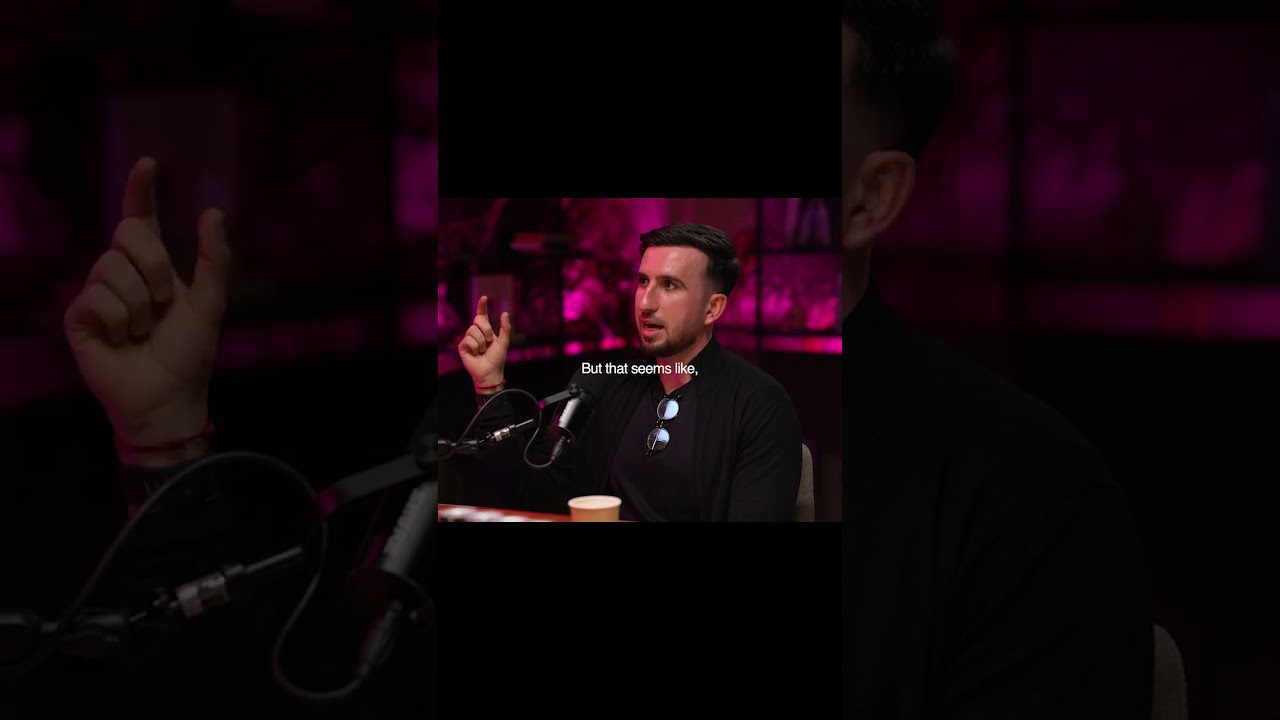
Reflecting on Many Lessons from the Past Two Years of Ups & Downs | The Midnight Pod *BONUS EP*
Matthew Kelly and Darren Lee discuss two years building a functional beverage brand after raising VC. They cover the pressure to exit, £100k monthly overheads from agencies and hiring bloat, launching a mushroom-based coffee upgrade, and the cost of competing against IP-copiers. Kelly shares lessons on simplifying, hiring carefully, and balancing authenticity with investor expectations.
Chapters
That's the other thing that I think changes significantly when you raise investment is that it becomes all about removing yourself as a founder. Because I'm the biggest risk. Lifestyle setup is very important and I've questioned recently why am I in central London when I don't need to be.
My focus is not only just this product. You have to go experiment. Ownership too, right?
Yeah.
Which is how you fuck up and basically go full circle in everything you're doing.
My level of self confidence relative to what I've done is probably the lowest in the whole space that I've known. The opposite being someone that's done nothing, that thinks of the shit.
Before we start this podcast, I have one little thing favor to ask you. Can you please hit the subscribe button down below so we can help more people every single week? Thank you. What do you think has been different in that regard? Like if you kind of don't enjoy it as much or like, let's say you're in the humdrum of it, like, how is that different for you from traditional?
Is it now raised money?
Yeah. Like, do you think that adds a level of like, intensity? And.
Yeah, I feel like my entire like entrepreneurial career is just one massive fucking experiment. And I'm probably just one of few people that is willing to put all that bullshit on the Internet instead of gloss up and pretend it's all perfect. As in like, I mean, anyone that watches my YouTube knows I feel like the tone of my YouTube, since I started the whole doc series after the pod, I've kind of transitioned to that. Which is me doing a weekly week. Yeah, maybe it's me doing the weekly process of building the brand. And it's actually, it's quite sentimental because I look back two years ago and I can watch the video and see how much more excited I looked. And now I watch back my own video sometimes and think and I get comments saying, fuck, you look depressed. And I'm like, oh shit. I kind of actually do in like some recent episodes. And it's just like, I don't know, the weight of putting pressure on yourself to build something and then by default, if you're going to document it, it can't be lost, it can't be filtered. Otherwise it would be, you know, some fucking curated edit.
Yeah.
Which isn't real.
A hormozy edit.
Yeah. But then also the dilemma of that now is now I've raised money off really like really good, respected investors. I'm a bit of two minds of how honest I should be on the YouTube, which is something I was saying the other day to someone. It's like, well, my entire, like, brand is I just document the shit I'm doing. But if that's talking about negative things or I feel like I'm losing interest right now, I don't want the wrong person to watch that and get the wrong idea.
Yeah. If you, if you thought about though, like a founder led brand, like, that's dependent on you. It's like, okay, that you need to be really honest. But it sounds like, you know, with the nature of your business, it's not really dependent on you because you run ads, you build a business around that people don't just buy space because of Matt Kelly. Do you get me?
Not at all. Yeah. I mean, yeah, it's not, it's not like a. An influencer brand.
Exactly.
It's more just I'm publicly the founder. If you were to be interested and want to find it. Yeah.
Why do you think you have that weight? You know, you said you feel like there's like an extra weight or it's more pressure. Why do you think you have that?
I think twofold or maybe threefold. Firstly, I just put a lot of pressure on myself in general. Always have, probably always will. Secondly, I've documented the process instead of from the start. I'm going to build a really big business.
Yeah.
So it's like, fuck, I better do that then.
Yeah.
And then thirdly, now I've taken like millions of pounds off investors, which is, I mean, in like the money Twitter dropshipping sphere. I've not seen anyone do that before or at least document it. Obviously founders have raised money before, but maybe it's quite controversial.
Yeah.
In a day to say business.
Well, you're doing it because you have the ambition of going much bigger. Right. It's not like you. It's not like you're just trying to get 10k and just sit on the beach. Right. And obviously, I know you're. You're very different from that regard, which puts you in a category of one.
Right.
Like when you say, you look at like the money Twitter space, like, how do you think that's going to play out? Like, do you think we think we need a massive recession in the online space?
Yeah. I do think it's got out of hand, like the whole money Twitter space. I mean, it's just. It's literally just people lying to such a degree that everyone is lying to keep up with the people that are also lying. And no one and all the genuine people aren't generally putting out content, which is kind of the problem. And I'm not saying I'm the most authentic person ever, but there's definitely less people that put authentic content out, especially in like the entrepreneurship specific like E Comm space, which is where most people in kind of money, Twitter, it's Ecom agency, whatever you made.
You had a good post on that the other day about like the more experience you are, the more time you spend in the, in the arena, the less like ego you have. Yeah, I think that's a really interesting observation like, because like you've been doing this many more years than me, but like I've just been in the content space for almost like half a decade and I've seen that as well being like the guys that are talk, the guys have the loudest voice, are actually the smallest. Right. And I don't know about you, but like what Every year I want to nearly voice my opinions almost like less because it's like I know nothing. You know, it's very interesting to see when people get into the space, especially in Bali, right. Like you've every high ticket fucking closer here who basically like loves to talk big numbers. But what's. What's funny here is it goes back to what you were saying about growing the brand. It's not like you say those things and make more money. You say those things just impress you, but don't care in the beginning, which is just a fucked up status driver a lot of people fall into.
Yeah, I think like I kind of mentioned, it's like people get insecure because they see some cap artists sharing screenshots without context or sharing a leased car without context. And then they think to keep up they have to do the same thing. And there are people doing well, but people that are doing really well don't flex almost without exceptions, unless they've got something to sell you, like an Andrew Tate type. And there's nothing necessarily wrong with that, but you have to just see it for what it is. And it's like people that are flexing lifestyle is usually to get you into that funnel to buy their course, which is how they pay for their lifestyle, not the business, which they claim is how they pay for their lifestyle. And it's just being aware of it because there is so much bullshit. Well, at the same time, I know people that are really flexy online. One or two examples, I won't name any names that both came on my podcast. And I actually thought before they came my podcast they were massive cunts. But then I Met them in person. I thought they're really genuine, nice guys. And I was like, okay, maybe they are just a brand online and that's fine.
Yeah. You interviewed Jordan, Jordan Platinum.
Yeah.
I had him on my show recently. And I always bring this up. I thought it was very interesting. Like he's helping people go zero to one with agencies. And I was kind of like, how do you distinguish yourself between Iman and he was like, market. He was like, I'm going after 21 to 25. Very interesting. Super, super interesting. Right. Because as a result, he positions himself slightly differently and he's super down to earth. Like he, he loves going to like warehouse project and shit.
Yeah.
He's like, he's a cool dude. You know, I thought it was this interesting positioning because I guess for someone like that, you know, he's been in the space for many years, he has a good awareness to be like, I don't want to like blow this up in my face. Whereas a lot of guys will just have no idea what they're looking at. And it's funny because a lot of guys would message me to come on the pod.
Right.
That's where a lot of this comes from. Myself. And I can, I can see it. You can see someone who's completely full of shit or someone who's working, working to actually get better.
Right.
Interesting.
I mean, I was the same when I was younger. I was very arrogant, probably thought I knew everything. And then. Yeah, just experience teaches you that you don't know anything. And all the people that are further ahead are generally the most humble. Or they're not online at all, so you can't even see them.
Yeah, well, everyone's telling you to go build a personal brand. Right. That's the difference. Like, it's like, it's just like another wave that's going to come and go and come and go, but you just kind of got to make sure that you don't blow yourself up in the meantime by saying something like absolutely retarded. Which is like the vast majority of people. Right?
Yeah. Although sometimes I think I should have just gone down the whole guru route like five years ago.
Yeah, I saw you mentioned a video. You're like, oh, wait a minute, a fucking agency?
Yeah.
You have a love hate relationship for agencies, man.
I just think there's too many agencies, not enough good agencies. I really, really believe that. And I've worked with many shit ones, some good ones as well.
Barriers aren't true.
Too long. Yeah. And there's 99 agencies to every brand. Because it's a lot easier to run an agency.
Yeah.
And that might be controversial to say, but the reason I say that is because objectively there is next to no risk in running an agency. I mean granted if you start hiring people and so on, but as a one man band, which is what most agencies are to begin with, you get paid for the service, the brand that's paying you. This one I'm working with right now, which is an example of this. I don't know if they listen to this. I'm paying them. They're not delivering almost anything they promised so I'm paying them. There's no risk on their half. They're getting paid regardless. I'm getting no results but I'm paying them. That's the difference with the branding agency.
Because you've put so much money with your own brand initially. Right. Like you're basically building the business first and then the customers come second.
Yeah. I also think agencies take way too much credit for brand growth. It really grates on me when you see some email marketing guys like generated 500 million for clients. It's like no, you just had access to that Klaviyo account which already existed and you added in a flow. You didn't do the product design, the finance, the customer service, the marketing, the logistics, any of that. You just, you're like taking credit for something which would have happened anyway. Yeah, I think some agencies are good. I work with some good ones but there's just, I think there's too many of them. I think it's time there was like an agency cull.
I call it the online business recession.
Yeah, exactly.
Like it is coming like for sure what's going to happen is like the squeeze will come on. Less companies are going to hire externally. They might just like, oh, this is costing too much.
Like brand owners. Assuming they're the people that hiring most of these agencies in this context, like me are going to realize, hold on, I'm paying this agency too much for something I can either just hire for or do myself.
How much would you be paying?
I'm working with like seven agencies right now. My business is way too bloated right now. It's fucked.
Do you think if you didn't have the investment you would have done that?
It's a good question because I was chatting about this the other day. I think it's very easy to increase costs and spend money quicker. When there's more money then that always be the case though.
Yeah.
It is a balance between hiring to grow and invest in growth versus just not. Not getting silly with overheads. I think I looked yesterday, business has like 100 grand a month fixed overheads now, which is fine. Like it's pretty healthy as a percentage. But to me, I was like, fucking, that's growing quick. Where does that come from? And I was breaking it down. Agencies, people, freelancers.
But the opposite. Is you hiring though, right? If you didn't use agency. The opposite. You hired.
Yes. So now I'm really trying to move away from agencies and hire more in house. The challenge with that is it then becomes like a HR problem. You've got to deal with people. The benefit of an agency and why it's good to start with, to use them, is you just slide in. Yeah, you're just paying for expertise provided that good. Whereas you hire someone. Like I hired someone in January, big salary, wrong person. Took me two months to fire them. Then it's two months trying to find the replacement. Static.
What do you think, like, is your focus going forward with actually scaling up? Like, do things change as you've brought in more investment or do you just do things better?
Yeah, it's an interesting topic. Probably one I've not spoken about that much on, on my pod, because, I don't know, I felt like maybe I shouldn't speak about it if these investors are going to watch it. I mean, I know one of them watches it. I don't think the others do. I suppose what's changed when you raise money, especially from VCs as opposed to angels, is the outcome. The only real good outcome is Exit now, which has pros and cons. I mean, for me, I kind of like that pressure because that's why I would want to shoot for. Anyway. I suppose the downside to that is that's plan A, plan B or plan C, which might just be a smaller exit. If you own the whole thing or just running the business profitably and just never selling it, aren't really options, or at least they're not good options because the people that have given you loads of money, one plan A, which is a big exit, I mean a big exit in Air eyes is like 300 million quid, which. So my lead investor is a fund called Five Seasons Ventures in the public domain. So it might be quite interesting to some people. So they've invested in brands like Yfood, which sold to Nestle last year for 500 million or something like that. Again, you can Google it, it's in the public domain, but not Box Big Pet food subscription brand in the uk, that Sold for hundreds of millions last year as well. Subscription business. What they got Dash Waters, another big one in the uk. This. That do that vegan meat brand, they do. Like, this isn't chicken, all that. Anyone's saying that. So I guess, yeah, that's like the North Star. That's also what I want. But there is a lot more pressure, I suppose, because, yeah, there's no free lunch. Like, you take money off people.
Yeah.
It'S to get to that next stage. Right, which is grow the business and eventually get a big outcome.
How do you think the past, like, year and a half since we last met have affected your health?
I don't know. I mean, I think running any startup is stressful. I'm definitely not in as good shape as I was. I feel like as the business has got more complicated, I definitely have a habit of slightly sacrificing my health to some extent, whether physically or mentally or both.
Where do you think that happens?
I think. I don't know if it's the same with everyone, but for me it's like, oh, if I'm spending three hours training every day, like I probably fucking used to, instead of one just getting it done, then that's less time I can spend on my laptop. That's also partly because I'm in this stage right now where I feel like every day that I'm not working is, like, genuinely detrimental, because I don't feel like I've got to the stage yet where I've built a good enough team where I could disappear, which is what I'm working on now. I don't know if it's ever realistic, but I'm trying to do that a bit more. That's the other thing that I think changes significantly when you raise investment, is that it becomes all about removing yourself as a founder. Because I'm the biggest risk, really.
Well, for an exit, of course.
Yeah, yeah. I mean, not remove myself entirely, but being less reliant on me. And to give a example of this, so I spoke to these guys the other week about another brand I won't mention, a really big supplement brand in the UK. Did about 30 million in revenue, doing like 15 EBITDA. Really profitable. The founders want to sell it, but they've barely built a team, so they're really struggling to sell it because it's like, well, the business is so profitable because you don't have a team. You hire a proper team, it's less profitable.
2%.
Yeah, exactly. That's just one example. So it goes from being, how can I be as profitable as possible and just hire freelancers, kind of chad scale dropshipping mindset, do everything on a laptop to how can I build like a legitimate, long term sustainable business that doesn't rely on me so much? Because I think most founders, if they're honest, including me right now, if you disappeared for a month, the business would probably disappear.
Yeah. And well, again, that's the opposite of what you see online. Right. So you know, you interviewed Sean. Right. Sean's been a big mentor for me for past like two months, three months. And he's huge on you can't remove yourself now, obviously. Different model, different business. Yeah, but he's like everyone telling you to, you know, do three hours a week, like they're not driving a huge business as a result. And he's like really, really dialed in with that. And he's been grilling me on that being like, yes, you can hire people and you hire better people than you actually. But like you need to be in the details.
Yeah, I think he's right. I guess. I mean like more you're not doing everything but, but you are still leading it, but it would still function without you for sure. His approach is whereas a lot of founders are literally running their fucking Facebook ads and it's like if you have a car accident, the business is going to disappear.
Exactly.
I'm not at that level, but I'm definitely still very much. I think it's also just a delegation thing. Like when you're the founder, I find it really hard to trust that anyone's going to do a job as good as me, to be honest. I've managed to delegate the back end of the business. So like finance, operations, customer service, but all the growth, marketing, brand stuff, I still, I still agonize over myself because I don't feel like anyone gives a enough.
What do you think that is?
Well, I think firstly because they don't give a as much as I do, but nor were they ever because it's not their business. But secondly, no one knows like the business as well as I do. Right. And it's the same for any founder.
Do you think you could fill that gap though? Like I give you an example. Like our company is, I have eight, I've eight full time now on the podcast. Yeah. So my company, so Kickoff Sessions is a podcast and the company is vox on a sep on a separate side. So we're doing like, we're running entrepreneurs podcasts, we're growing them, we're building it for bigger companies. So we're going after like 50 million a year companies. So like, let's say I don't know who would be example of like a.
Consumer good to make running podcasts for them.
For them.
I didn't know you did that.
Yeah, yeah, that's, that's the main.
I thought you were just on the podcast. No, no, no, no.
So the podcast was the, was the entry into like what it was. And the opportunity then is not running creators, even though there's a few creators that we still run, but it's mainly going after businesses. So we have about.
You should run my podcast. Get it going again. I think half the problem is I never hired anyone in the pod.
Well, see, that's the problem.
I can't be asked filming stuff myself.
That. That's the problem. Right. So it's, it's the execution layer which is getting it done. It's a strategic layer which is like improving like, you know, like how do you actually get. Go guess. And, and the last area is monetization. So plugging in the back end, like making foggy money out of it. I think that's where I've been like the strongest on the reason why I'm saying this is because. So that's obviously like retainer plus performance. So the bigger. The businesses, obviously there's bigger performance, but at the same time, the people that I've hired, they kind of want to learn from me and they want to learn from the companies and learn from the founders and entrepreneurs in those businesses. So they're very much in tune with the business. Yes, there are some people that just want to get paid, but for the most part they're there to kind of learn, probably because of age demographic, like 20 to 25. But it's interesting observation, right? Because of course you're not going to care for you as much, as much as you. But I think like when we're going from 20, 30, 40 customers, they're part of the journey, they want to be part of it. So it's maybe like hiring. I don't know. I'm thinking about this out loud.
I am really trying to just get better at hiring. It's really hard. I think it's really, really hard. I think I struggle with it as well because I think my management style is just way too. Maybe not way too, but like it's just anti corporate. Very friendly. I'll tell a new hire about my fucking ex girlfriend. And the first time we meet, like just very open book. That's maybe just like my severe autism, but. So I just hired Like a head of growth who's starting next week. Hired the wrong person a few months ago in that role, but this guy I think would be good. And yeah, like he'll get a bit of equity in the business if he sticks around. So that's something I've done since this investment last year is there's like 10% of the business for future employees, which I think not all businesses do that. Most venture backed businesses do do that because it's just a way to incentivize people.
Do you want to launch a podcast for your business but you don't know where to start? Remove the stress, pressure and all the overwhelm that comes with it by working with Podcast University. If you're an ambitious individual who wants to build your influence online, grow your own podcast and also stand out from the crowd, Podcast University is for you. We help you with the strategy, equipment, the content, your guests, everything you need to create a top tier podcast. If you want to learn more, check out Podcast University and start your podcast journey today. Yeah, or it's like a bonus. Earn it. You're familiar with that. So you give someone like 50k, but it's paid out over three years basically. So it's like, it's like every December they get hit like 15, 20K. Basically it's incentivized. That's how VC companies really stick you in there. Yeah, so I got hung up a lot of companies, I was younger, I still have the equity, but that's actually how to get you to be there. Five years as an engineer or whatever. It's different way to view it. There's all different. These like sneaky, strategic ways, but fundamentally it's about like how do you get people who give a fuck about the business?
Yeah.
That will stick around for it.
Exactly.
What other aspects you think of taking a hit? Like you said about the physical side, the mental side, like what have you, you know, I saw you write about Brett work. What are things that you kind of using to help you in that journey?
I'm doing a breath work tomorrow actually with some. What's odora? Do you know Dura? That's not the person. That's the place.
Yes.
Like down the road somewhere.
Yeah. You know Ibrahim, you know Abraham? Yeah, yeah. He's huge into Brett Workman.
Yeah, he messaged me about that.
He's a great guy.
Yeah, I went on his pod before. Yeah, he's.
He's only liver in the corner. He's an awesome dude, man. Spent a lot of time together. He'd be A good guy to catch up with for yourself. I know you're leaving, like tomorrow, but he's working. He's worth really. He's done a lot of stuff on that side in terms of, like, Brett, work, meditation. Like, he was going to get me more involved in this because I have a mental health crisis half the time. But he's. He's an awesome guy.
Tell me about it.
Awesome guy, man. Because, like, I think he had a. He's finished his agency and he's kind of slowing it down and finishing it out. And they did well. And then he was kind of helping me, basically. And then as our company was growing, he kind of solved a lot of problems. He saw the problems in me that he had when he was younger and that's what put him down to Bret. Work, meditation, side of stuff. And it's been huge. I've done a couple of sessions with him too.
Yeah, I definitely need to prioritize that more. I mean, like, things like just even getting in the sun for me are massively beneficial, which is why I came to Bali for a month. And I'm sad. I'm going back to London in two days, but then I'm probably going to leave London. Been there five years. I think lifestyle setup is very important. And I've questioned recently why am I in central London when I don't need to be. And especially during the cold months, it's like, fuck me, why am I here?
Yeah.
Yeah. So that's something I look back on. I think I should have left London like two years ago. That would have been better for my mind.
Where would you have gone, though?
Not sure. I mean, I've got a lot of mates that moved to Dubai recently, for example. I'm not entirely sold on that, but I do think for me, like, just sun alone is a massive factor.
The problem with Dubai, though, is that you're actually not really in the sun because it's not like Bali. We're like wearing shorts.
Yeah.
You know, it's like you're in cars, you're at home.
Sure.
You know, I spend fucking most of my time just locked in my apartment there and just working, like 15 hour days. Because I wouldn't. I'd be out there on my own, my girlfriend would stay here, and I have nothing else to do.
Have you spent a lot of time there?
Just recording?
Yeah.
And there's always a question of, do we move the business there.
Right.
That question goes through my head like four times a day.
Yeah.
But basically it's just. I find it not conducive to like actually being like really healthy. Obviously gyms aren't good and network is good, but man, there's only so many stakes you can get with people. Right. Like you have to stop to do the work.
Yeah.
Which is why I think another reason why I'm kind of opposed to doing it even here. Like, you know, I don't.
Do you think Bali is distracting?
It depends. Like there's a lot of stuff going on, but if you have a good network of people, they kind of understand if you're going to be kind of locked in a while. Like a few of my mates and I would be like, oh, you want to come for here, whatever. I'm like, I can't, I'm working. You know, I've calls, I have meetings after this. And it's, it's a right community. But if you want to be flip flop 5k a month over there, it's a great place to live as a result. But there's a few guys here that are doing serious. Like I met James Kemp recently. He's running a, he's two kids, he's running a huge consulting business, 9% profit, 200K a month. He's in his mid-40s. Right. But some guys like that are just killers.
It's an interesting point this, because I know some guys, some guys have been on my pod, some that haven't, I won't name their names because they might not want to, but one of them is doing like 5 million a month with his brand, doing like a million a month profit. And he doesn't believe in offices, doesn't believe in living, living in one place. Which is funny because. So this is the benefit of having a YouTube channel, because I looked at my video I made a year ago when I was in Bali, maybe a year and a bit April last year, and I vlogged and said, I'm sick of the laptop lifestyle. I want to get back to London, get an office. And for anyone that watches my YouTube, I got an office in March, went in for literally a week and said, fuck this, I don't want to be in an office. And it's like, it's just funny how, I mean, I'm just very flip flop with decisions sometimes, which is maybe something I need to work on. And maybe the answer is somewhere in between. Doesn't have to be the cold office in central London or the beach in Bali. It could probably be somewhere in between, whatever that is, trying to work that one out. But also depends who you speak to because there's plenty of ways to skin a cat, so to speak. There is genuinely no one way to like, there's a million ways to make a million quid or whatever.
So that's why we go back to guys selling you hard, selling you, saying it's a certain way when it's not. It's. That's the way that they have in our course versus the reality is it's nuanced. Right. You can.
Everything is nuanced.
You can take it as you like, you know, and it's strong opinions loosely held. Like, there's so much things I've changed my opinion on the past four years and it's all, again, it's all documented through interviews to be fair, but lot of stuff I've like changed my opinion on, but I think there's nothing wrong with that. It just goes back to, what do you want? Now I'm nowhere near the scale you're at, but I would kind of be more on the aggressive side, like looking to just keep on going, keep on going, keep going, keep growing. That's what I really want. That's what I'm really pushing towards. And other people are different, but I think it's about understanding that then you can kind of have the trade offs. Right. And I think a lot of people that I, I know quite well would be aware of that for me. So they're kind of like, we don't need to try to pull them out to the pub. Right?
Yeah.
Have you just. Have you been able to kind of lock down as in terms of like what it is you actually really want? Have you been kind of thinking through that and seems like you think a lot mentally in terms of that stuff.
Yeah. I've got a document in my Google Drive called like Life Goals and it's split down between 15 and like 20 years or something, which I probably don't refer to enough. But like the headline is just freedom.
You probably have that note up.
Yeah. So this is something I've been thinking about as well before because, like I've been guilty in the past few years and I made a video about this like two weeks, two months ago in my car being like, hold on. I just realized I don't have to hate the process to be progressing, which is like a wild thing to maybe only just realize, but I don't know if it's like, because my last business fucked up three years ago. Ever since then it kind of got me like paranoid about, oh shit, if I'm enjoying myself, it could go wrong again. So now I need to be so locked in if I'm happy I'm not making progress. That's basically like the. The dark side of where my mind got to. And then I was like, hold on, why can't I enjoy my life and be making progress? Which is obviously, like, optimum. And then it's like, well, okay, so if I'm locked in and I want to hate my life because that's the only way I think I get to the end goal, which is whatever, build a big business, sell over loads of money and have freedom. But then it's like you just said, yeah, I already have freedom. I can come to Bali and run the business. What would I be doing different if I had 50 million quid? Probably the same thing. I just have 50 million quid. I'd still be running a brand.
I guarantee you spend it because you'll have gone through the evolution in your brain, like you might, I don't know, get a Ferrari or some, but you're not going to spend it aggressively and retardedly.
Yeah. So I don't know, it's just like.
You know the story of the. The fisherman.
Yes, the fisherman parable, whatever it's called. It's exactly that.
Yeah, it's exactly that. Right. But again, what is it that you enjoy is building. Right? You know, like all these founders, like, they enjoy that building process, the creation process. The building process might be 0 to 1, 1 to 10, but that's what you're chasing. Right. Like, I honestly want to be doing this and a variation of the business, or the business, whatever, till I'm like, 60, because I enjoy that creation process and building something, and it can be different versions and so on, but that's what you're looking after, right?
Yeah. And the other toxic belief I seem to have developed, I don't know if it's from the result of being in London two years longer than I should have been, and I don't know, I've just associated that place with grunt work, is thinking that, oh, this is all really hard, I'll be happy when I'm retired, and then I'll sit on a beach. But then it's like, I sit on a beach for one day and I'm fucking bored out of my mind. So it's like, hold on, you're already doing what you. Largely what you would do if you had unlimited resources anyway, to some extent. So why not just keep doing it and maybe just optimize the way I'm doing it a little bit more, maybe If I want to live somewhere that's more sunny, for example, because for me, that genuinely is a big factor.
Huge, man.
Maybe I want to live in a more optimum time zone. I don't know, maybe I enjoy having more time in the morning, so maybe being ahead of the UK time is better, for example. Yeah. I don't know. I'm trying to figure it out.
Yeah, It's a good thing to have. But it's chaos and order at the end of the day, right? Like we, our brains, like, seek the order, but then when it's too orderly, we turn into chaos, we ensue. And chaotic minds will lead to, like, you know, bad relationships, bad relationship with money as a result, because things are too orderly. Health as well, you know, so it's like we're always trying to optimize for that order, but then we need that element of chaos, Right? And I think chaos for a founder is a business. A lot of times, like, that's the pursuit what they're trying to build. This is all subconscious, though. None of this happens in the front mind. Right. But I think that's. That's a funny way to look at it because especially when I was in Body Factory. Body Factory has changed quite a lot. It's gotten a lot older because there's all the other fucking gyms now with all the only fans chicks.
Yeah, I've not been there since last year. I used to go years before I.
Stopped training there now, to be fair.
Since I moved out, but wrong gym's better.
Yeah, they're nice. Yeah, they're all the fucking same, man, you know? But I remember I've met a few people there that are like late 30s, sold their companies, and a lot of them are like, it's funny, they're always like, yeah, I'm getting my health in order now. It's an interesting thing to say. First thing to say when they say, I'm trying to get my health together. A lot of guys are very ordinary individuals, but I think that's an interesting observation, that you neglected that peace in pursuit of this goal. But now the entire goal was to go back to here, which is the health thing, which is just funny. Right then that's not for everyone. I just think it's an interesting observation, though. See how it pans out?
Yeah, I definitely feel, even at the ripe old age of 28 now, which is old.
Same age as me.
Yeah. 96, 95. End of night, 5.
When's your birthday?
October. Nice. Yeah.
How about you come back to Bali? March. Yeah.
Yeah, I definitely feel like health. I already notice more like I don't train, I feel like shit. And just little things like that or if I drink too much, it's like, is it worth it? No. And I always have this idea in the back of my mind, I should become like an athlete first, entrepreneur second because then the business will feel easy anyway. But then I end up getting into the habit of like recently I was saying like I was in like elite shape like a year ago. Now I'm in like okay shape but I've probably put on a few kilos. Well, I have and it's because I've not. It's been like an afterthought, like I used to enjoy. Well, there's been periods in my life where I've, where I used to like be a rower when I was younger. So that was like my life. Then I got went through a fat phase, then I went through, went through like a marathon phase where I got in incredible shape and then I was like, ah. Then the business got too busy or more busy and I didn't have really a goal with my fitness or health. Yeah, it was just like ah, it go to the gym, do a half ass workout, run for 20 minutes instead of 60 like I used to do. You know, don't watch my diet as much as I used to. But it's like yeah, those things. Gradually I now realize why when I was 15, telling my dad that he should lose four stone. I now understand why it's probably quite hard to lose four sign when you're fucking 55 and you work a full time job. Unless you've built those habits earlier.
Yeah, it's like what are you optimizing for?
Yeah, exactly.
You know I call that like the infinite game. Right. Which is like, that's a problem with events like marathons. Bodybuilding shows is that it comes with a finite end.
Yeah.
So a lot of guys will do fucking go balls to the wall. And that's part of the training too. Right. Like I'm training for a marathon right now and like there's that periodic training you need to get to but when you finish it shouldn't be, oh my God, where's the donut? It should be okay, how can I recover from here? Get back to training again. And that's actually interesting as well for business.
Right.
Because like a finite game of business is exit, I need the fucking exit. Which means you're a failure until you're a success.
Exactly how I feel.
But that's wrong though. You know what I Mean, it's a, it's a, it's a wrong frame. If you flip, if you flip to being like, I've built this incredible business. 28, we're doing like a million a month. Or fuck it is at this point, I'm still building. And in comparison to everybody else, not the founders, but in comparison to the fucking general public, we're smashing it. You know, what do you think? You. You think like that from like a failure perspective?
I reckon I. I reckon like, objectively, my ratio of like self perception to like actual things I've done, the ups and downs, just general experience is like. I don't know what I'm trying to say. Like, my level of self confidence relative to what I've done is probably the lowest in the whole, like, space that I've known. The opposite. Being someone that's done nothing, that thinks of the shit. I genuinely think I've done nothing. But I've done some stuff. I think it comes from largely having outrageously successful friends, really.
But did you have that always growing up though, or just about.
Okay, no, I think comes from that. But also my perception of what was possible in my early 20s skewed so much because I met so many people. I went to Steve tan's event in 2017. Right. I was like this, like, funnily looking back, that was the moment I was in Singapore. Yeah. It's the first time I met other founders.
Have you spoken to them?
Never really. No such. Just at that event.
But such a funny guy.
Yeah. And I met loads of guys back then. And then my life in my early 20s was, I guess, statistically unusual in the sense that I just started traveling full time, was making good money, dropshipping at the time and all this. Met loads of guys that were doing cool shit. So then the threshold to what was normal and also went through like a cunt phase of having a finance Ferrari when I was 23 and all this sort of shit. So I had all the material things very quickly, in hindsight, too quickly, which meant anything below that was shit. Lived in the penthouse flat in London with two mates and all that shit, which isn't as cool as you think it is anyway. But at the time, it's like crack cocaine, like the first few weeks. And then I think Dan Bilzerian talks about it. It's like paraphrasing the more shit you experience. It raises the dopamine threshold to the point where anything cool is not cool anymore. It's a bit dangerous because. And yeah, what I'm saying is I experienced all that and then along that process met some really successful people. Like most of my best mates are objectively more successful than me, but they're not.
Well, you're not basing them as an individual based on how much they make, though. I know that it might be perceived like that, but like that's not the metric that they would view you on. So you're not sure. We view them on that metric.
Yeah, I suppose when I say successful with them, I'm talking about they're doing bigger numbers for sure.
But you know what I'm trying to say in terms of like, I know exactly how you feel. Right. Like, everyone that I interview every single week is making more money than me, but I'm not basing their value based on how much money they make. They're just fucking smart, interesting people that have a lot to share, other people. And as a result we might have a friendship or whatever that's developed as a result. But I think it's an interesting frame, right. Versus thinking like it's almost like a social credit score with your MRR above your head.
Yeah, yeah.
Walking around like in sims, you know, sims back in the day.
Yeah. It literally is the number above your.
Head how much money you're making.
Yeah. So the long short of is I have a terribly bad habit of comparing myself to people, especially in a monetary sense and especially people in E commerce, because I can relate to that. I can't really relate to someone who's done crypto or whatever because I've never been in that or is a footballer or something because I've never tried doing that. But in my game, and there's pros and cons to having successful mates. I mean, I still think it's net beneficial to be the smallest fish, the smallest fish in a big pond, whatever it is, than being, you know, go back home to York, where I'm from, everyone tells me how fucking amazing my business is or whatever. And it's. I think that that's a bad thing for your mind, at least for me. So, yeah, I think that's why it's interesting, man.
Yeah. But again, I think if you can look at it from perspective that like, you're not actually a failure and what you've done is like incredible, but you're just building up and you're continuously improving, getting better. And it's just that beginner mind that are familiar with Rick Rubin, his book Creative act, his entire section dedicated to having that beginner mind, which is like we're always going from zero every Day is a new day. We're trying to learn more. And he had an interesting conversation with Rory Sutherland about this. In terms of like everything you're testing is actually going from zero. That's the whole point of this. And then you have no hard opinions on things. You can adjust, you can get better, you can go into new markets, new territories or whatever. As a result that allows you to, I don't know, think more like holistically versus just looking at the numbers on the screen.
Yeah, I do always feel like a beginner, to be fair, which is probably a good thing.
What would you have done differently with the business? Like do you think you would have gone after like different products or different markets? Like what's your thinking looking back in.
Two years with this business? Yeah, yeah. A lot of valuable learnings in this business. I think the theme would be just focus more. And everyone thinks they're focused, including me. But then it's like stuff creeps up. So like I mentioned before, my overheads have crept up. There's too many fucking agencies, we're doing too many things, we're trying too many channels. That launched on TikTok shop last week and something that was a waste of time. Probably shouldn't launch into retail so soon. Probably shouldn't have done Amazon, probably should have just kept with one SKU which has always been 95% of the revenue anyway. Shouldn't have done the nighttime product. Probably shouldn't have launched the fucking gummy product which was semi half assed to be honest. So I would probably just do less things relentlessly. Well instead of a few things quite well. And it does depend on what space you're in, like you're in fashion. You're not going to launch a business with one SKU necessarily. And I would have just focused on bigger levers, for example, maybe would have launched in America right off the bat instead of the UK or as well, stuff like that. Yeah, I think you just complicate things gradually. I don't know if it happens to everyone, but it happens to me. Like you start with one thing, like one product on your website, then recently it was like 45 products on the website because loads of different versions, bundles, this, that and the other. And it's like, what the fuck are we actually doing? We're selling one thing, simplify it.
I don't know how this is described, but it's basically like when something is easy to you and you find it easy to like get the goal, there's an inclination to make it more difficult than it is to keep that goal going. There's like some sort of like framework with it, basically. So it's like you're doing the same thing but trying to make it more difficult so that it seems like you're working harder.
Yeah, definitely. That's very true.
It's an interesting observation. Right. Because that's when you start just rolling out like random fucking colors and stuff for no reason.
Yeah.
And that's what always has happens.
Yeah.
And that could be the demise of the business. At the end of the day that.
Yeah. I always beat myself up thinking shouldn't, shouldn't have done that, shouldn't have done that. But I guess at the same time you have to go through that arc of doing the stupid shit and complicating stuff to bring it back to baseline and be like, okay, I know objectively that was a bad idea. Now.
Yeah.
Rather than saying, I wish I'd never done that. But you can't think like that because at the time you didn't know.
And also part of the focus is being able to focus on just a business in general. Like obviously there's different components of it and you launch into new fucking products and stuff. But it doesn't need to be just solely focused on. Like, my focus is not only just this product. You have to go experiment. Other shit do. Right.
Yeah.
Which is how you fog up and basically go full circle and everything that you're doing. But it's usually. And Shannon actually describes this, it's like going off intuition to some degree. The stuff that really brought you 0 to 1, to some degree can bring you further on. You think you need to add in the bells and whistles. I was fucking same as me. Like we have a hiring us continuously. But honestly, the same that I'm doing in 2022 is what we're doing now in 2024. But after trying loads of different.
Yeah.
Which is like all this automation bollocks and all this kind of stuff, but we're honestly doing the exact same thing two years ago as we're doing right now. And it's working. So it's interesting. You don't need to. You don't always need to try recreate everything.
Yeah. There's a lot to be said for just simplicity.
Yeah. And that's mental head space too.
Exactly. Yeah. Just less shit to think about.
Yeah.
Just go deep instead of wide.
Yeah. Sam Ovens often says, like he's famous. He said, like, if you have like two offers, you have nothing. Right. Two businesses, no business. Because if you're Trying more shit.
Yeah.
Try to get something to work. Whereas if something actually worked, you could just do one thing. And that's why I think it's funny, a lot of guys in Bali have, like, seven different businesses.
Yeah. I also, like, genuinely don't trust people that I have seven businesses or B. Can't tell you what they do in, like, one sentence.
Yeah.
It's just like, what the fuck do you actually do?
Well, also, you know, I wouldn't want seven different things. You know, I want to fucking go to the gym, man. I want to go food, I want to go chill. I want to chill my dogs. Half the time. I don't want seven different things.
Yeah.
If one thing can make you, let's say a million or 2 million, why would you want 7 things that do 300k and then end up at the same point? It seems like, actually, like, stupid, basically.
Yeah. I mean, like, also, like, almost without exception, all the most successful people who are talking, like, financially in business have done one business. Yeah. For 10 years. Yep. Or 20 years. Or however long it takes.
And then you might split into, like, three different products. Like.
Yeah.
Apple literally have, like, four products at a stage.
Yeah.
Because they don't need anything else.
Yeah.
What kind of advice you have for people that are going, like, through that process right now, making things more complicated for themselves, doing retarded shit on the Internet, basically. Are you an entrepreneur who wants to build your influence and authority online? You may have tried some of the hacks and tricks, but none of it has worked. And it makes sense. 90% of podcasts don't make it to episode three. Of the 10% that are left, 90% of them don't make it to episode 20. That's where Voic comes in. VOIC creates, manages, and grows your podcast for you on your behalf. If you've not been getting leads, not been growing consistently, you haven't found your tribe and you don't know what to do. Voics is the answer. Don't just take our word for it. In the past couple of years, we've managed over 35 podcasts. We've also been able to generate over 55 million views with 500 episodes produced. And not only that, generating over $1 million for our clients in products, services and sponsorships. So if you want to learn more about how you can build a great podcast and have a fully managed for you, schedule a call with me at voic and we will help you achieve your podcast goals.
Well, I need that advice because I'm going through that process Right now, I think probably every few months you just got to take stock and cut the fluff. I think so much fluff comes in, comes into businesses. Like, examples of that is like software bloat. You start using 20 different fucking softwares that just cost more and more. You hire different agencies to try new shit. Like TikTok shop as an example of me right now. And yeah, I think you just got, got to get better at saying no because it's so easy to be. Especially when you're constantly getting barraged with like cold emails for, can I do this for you? Can we try this? Have you tried SEO? Have you tried this? Have you launched in fucking Romania? Like, and yeah, just got to say no. But I think it also comes down to what you, you need to be clear on what you're actually trying to achieve. Like, I've got like a, just an A4 piece of paper or document of what I'm trying to do this year. And then I noticed all the shit that feels like a waste of time now is because I've veered off that list. Like doing TikTok shop, for example, or launching different products that don't make sense or hiring people that weren't in the budget.
How is that misaligned to the goal? Because if the goal is like building the bigger business.
Well, the goal is building a bigger business.
But.
But the strategy was focus on one product, do it in the UK and Europe, for example. But I suppose at the same time you don't know if that strategy is right. And so you try stuff, but generally you kind of just have to pick a direction and stick to it. Like, if you don't have a clear plan to some extent, it's probably a lot easier to just go wrong.
Talk to me about, I saw your photo of like Neutronic and fucking lot of those other. Yeah. Drinks. What, like, what's your thoughts on like using like big influencers like that to body up with a brand, to grow the brand more? Something you consider.
Yes. My, my view on influencer brands, and I could be completely wrong and I'm sure lots of them doing really well is I think a lot of them will get to 3 million in revenue and then they'll struggle to get past that because and I've seen it before, and this isn't just my opinion, this is the opinions of wiser people and it could be wrong. But take Newtonic. I mean, I don't know Chris Williamson, but great podcast brands like that, I have a feeling they'll get to a few million because there's the hype of it's Chris Williamson's brand. But then because it's Chris Williamson's brand, they haven't built a marketing machine that's separate to him.
That's what Gen Floor are doing, though, right?
Yeah, but most of their brands are in that sort of 3 million a year range. There's not many doing 20, 30, 50 million, if any. I mean, I don't know the number, but that would be my perception, I guess. At the same time, though, you can build a really profitable business as a creator because if you don't need paid ads, which most of them don't to start with. Although some of them, like, obviously Tala with Grace Beverly, that's another. That's probably a better example of a bigger business. But it looks like they've built a business that's not entirely reliant on her now. She's just kind of the face of it. That'd be my perception. And then in terms of partnering with influencers, I have thought about, would it be a good idea to try and get a big influencer on, like an equity partnership? Haven't done it. I suppose the risk there is, does it work out? Are they the right person? Can you predict what they're. Are they going to get canceled, et cetera, et cetera? Again, like, with anything, there's nuances, there's cases where it has worked, cases where it hasn't worked. There's obviously influencer brands like prime that are fucking massive, and there's influencer brands that have probably completely flopped, and there's a lot in between.
There's two sides to it, right? There's the product being. Which is like prime, right? Which is like, you know, everyone's getting, like, heart attacks and ending up in the hospital now. So that's one side, which whoever White labeled this, you know, is going to be kind of. And the other side then is like, if the influencer gets super canceled. Like, one of my mates has a sake, you know, sake brand from Japan. He's based in Singapore and I know he was trying to find, like, big rappers in the US and they had huge conversations with, like, massive rappers, and it was 40 they were going to give them. And then it's a lot. But, like, you know, the brand was making no money, right. But it was very small, just tiny in Singapore and Japan. And they're still looking to do it, but I guess he's just looking to connect, blow up and then just sell. But that's kind of like what they were kind of looking to do just different. It's just a different approach to how you're doing it. Right. Like you're building an actual business, but with the influencer stuff, you're basically kind of. You got to put all your eggs into one basket and hope they don't get cancelled.
I mean, it's definitely a hack being an influencer with a big audience to launch a brand for sure. Like I said, I just, I question whether a lot of them can get past that first few million in revenue which comes from the influencers audience.
Do they give a though that's the big thing as well. Right. Like, can you bring that from 10 to 100 in terms of velocity? Because you're gonna have to get really involved in the business even if you have a grow partner, you know, like, can you do it for five, 10 years? Basically, that's kind of my concern with this stuff sometimes.
Yeah.
What you say is very different in your actions. Like, you know, a lot of these people out there. Yeah. Like, happy to grow the brand and look at his prime, but is he really going to be sitting there being like, all right, let's look at product development, let's look at how we can improve this. How can we bring it into different markets? No, that's not what he's looking after, you know, which I feel is like the. The reality of a lot of these creators who just like build audiences based off their ass or only fans.
Yeah, there's a lot of those.
You know, in the beginning it's just a. It seems like a more risky version. But is that new though? Like just those influencer brands or is that kind of always been around a different. In different ways.
Seems pretty new. There's definitely more of them.
Yeah. Because like I remember I interviewed Joe Fraser, Reebok founder, and he was telling me that he was doing these influencer campaigns in the 80s, but obviously true like magazine. So you'd go into the. When he bought Reebok from the UK to the States, some like triathlete or some shit just paid her a ton of money and then put into the magazine. That's actually what got them to blow up.
Well, I suppose that's influencer market now.
Right.
Whereas influencer brand with an influencer owns the brand. I think that's pretty new.
Okay.
Newer.
Yeah.
Is in like creators launching their own brand because they realize there's way more money in it potentially. Which is what Jempers obviously jumped on. Yeah. And it's a great idea. Yeah.
And like they're crushing it from that Perspective. But they're just, you know, they're picking really good people to work with. Like even like Iman and stuff that he works with, you know.
Yeah.
Who probably has. Obviously has the entrepreneur in him anyway to be like, oh, like I actually have other people connected to versus like a random influencer.
Yeah.
What do you think about your space? I see people ripping off your products, man. That's happened me, I wanted to bring that up.
I mean there's, there's always going to be competition.
Yeah.
Like I'm always at the view, like respect the competition but try and beat them. For example, like the biggest brands in my space in the uk, like brands like Dirty who are bigger than me for sure. I don't have a problem with them because we're not copying each other. We're in a similar space, but it was just competition. The thing that's annoying is when you get brands straight up ripping you off. Like the whole website's just clearly a copy and paste. The products are copy and paste.
So I need to protect that.
I mean I've just got a Google sheet of every brand that seems to be ripping me off, but I've never really done anything about it, to be honest. I do think generally if a brand is fully copying something, they're already a step behind. They won't be as well funded. They won't have, you know, the founders clearly not got many good ideas. It is annoying like. But I do think. I try not to obsess about competition sometimes hard because you see their ads all the time. It's like, ah, what are they doing? Again, it comes down to focus, just focus on making your product better.
It has. It leaves a really bad feeling though.
Right.
When someone like. I think it's. I think what's interesting is like if you see someone rip someone's content off, you're like, whatever, they're hooker. Who gives a. But when it's a business, I feel it's very personal. It's like when someone robs your phone, it's like they're taking.
Well. Yeah. Especially when you like done the whole building in public thing like me, which yeah, it definitely has pros and cons. More. More cons I've seen recently. I mean there's literally people that have messaged me like a few like a year ago and I've given advice to and they've launched a brand that's quite literally a copy and paste. There's a few of those, man.
This podcast that you've been on that those guys have taken My entire products. Entire as in like I have screenshots. They went into a learning Academy, they completed 100%, which podcast, I'll tell you afterwards, took all the product. I have, the completion of how much it went through. Recreated it in their own learning platform, which is a course, but we don't use it. Like it's just set there, it's low ticket, whatever, and rewrote the entire copy. And these are like friends and network.
Yeah.
So I just think people since, you know, sometimes behind closed doors, like, I don't know, I'm very. I have a very close fit wall with that kind of similar to you because I've just seen it happen over and over. Simon Bali People have gone. So the problem with my business is that people get on discovery calls, they find out the strategy and everything and for the most part it's fine. But then like some guys will take the strategy and then go build it. And that's what happens in a process business, you know?
Yeah, just interesting. Competition is annoying, but. Well, when they're ripping you off, when it's just competition, it's just there's always going to be competition, but there's always going to be brands that were earlier in the space or bigger or better in the space and just got to try and be one of those.
Yeah. What's your observation of like AG1 and shit? People that I've been trying to build partnerships with for a long time. Like, do you think, like, what was their unique mechanism that really hit home?
I think just being early, they were like the first all in one nutritional foundational supplement.
You think it works?
I think it works to an extent. I used to be subscribed to it, then I just thought something else that's standard. I took a lot of inspiration from them and Huell, especially at AG1. To be fair, I love the idea of a single SKU business. So when I launched, I had this idea of only ever having one skew. I then, like I said complicated things and launched new Skus. And actually it's like I want to come back to just having one skew and just doing it very well. Or like one product with multiple flavors. So a few SKUs but really just one product.
Hmm.
Yeah. I think they've just done it for 15 years, whatever it is. 15 years.
Something like that first landing page.
It's not like a new brand.
Have you seen that?
Yeah, it's really old. It looks different.
This is funny though. It's like fucking Microsoft of like 2004. Like so.
Yeah, it Is I do think people have a habit though of just thinking, oh, they're big, let's try and copy them. But then by default, and even me, to some extent, you take inspiration from bigger brands, but by default, if you're trying to do what they've done, it's not going to work for you to the same level because they were first. They did it their way.
Timing just in general, like, as in where the market is versus where it gets to.
Yeah.
Like, take a really stupid example. It's a crypto. Right. Like people who bought it at $10 versus $60,000. Yes, it's a similar product, but you just were in the wrong time zone.
Yeah. Yeah. I think timing's so important with a lot of things.
Do you think that's impacted you positively or negatively right now?
I think I was quite early in the space. I think generally it's been good timing. But they're brands in America that were in it five years ago.
How would you see your industry or niche developing? Is it more discretionary or do you think it's more. Coming into this is something that people are more interested in? Longevity, health, fitness.
Yeah, I think like wellness on the whole has clearly had a boom, like the past two, three years since COVID Yeah. Like. And I'm in the wellness category. Fundamentally, I think mushrooms. I think it's at risk of being a bit of a hype fad buzz, which is why I'm trying to build the brand not to be a mushroom brand. I'm trying to build it more as a coffee upgrade, functional beverage brand.
What about like longevity? Could you like spin it that regardless, some mud, water, do right or some shit.
I don't know. I tend not to with the current products. I just, I really view it as a coffee upgrade. Like that's fundamentally like our strongest marketing angle. And it's also just simplifying it. Like when I launched the brand, I was talking about psilocybin and that's. That's what got me interested in the first place. I wanted to build a magic mushroom alternative and like long term build a microdosing brand. That was where I started. It's not really that anymore because A, it's illegal, B, investors don't like it. See, it's illegal. So now it's really. I'm kind of just positioning it as a coffee upgrade because even mushrooms themselves, I think even just talking about mushrooms is still pretty new. Pretty alienating to a lot of people.
Yeah.
Other brands lean into mushrooms a lot more, whereas me, it's like yes, it's a mushroom based product, but we don't really talk about mushrooms that much. It's more about focus, energy, calm, flow, state kind of the outcome rather than the ingredients. It just so happens to be mushrooms plus, plus other stuff. But I'm still figuring that out, to be honest, because I just made this pink product in my kitchen two years ago and now we sell lots of it and it's like, ah, I don't really know how to position it. Having a bit of a brand identity crisis. Like, is it too pink? Is it too polarizing? Do I need to soften it to go more mass market? Probably to some extent.
I want to get your thoughts on this. So like in a supplement space is like booming. And the reason why is because it's like, you know, it's influencer brand crazy. High margins, all this kind of. Right. You see like every, you know, longevity guy or carnivore guy will come out.
Yeah, biohackers and yeah, because it's obviously.
Just like ridiculous high margin. Right. They make it for like a cent or whatever and it's easy to sell. Do you, have you done much research on your product to be like, oh, this is the data that comes back to the action, proves performance and stuff? Because I think a lot of these other supplements are just pissing in the wind right there. A lot of them have a like health warnings on them. Like you're like, oh, don't take this as like full health advice. You know, they never tested testosterone products is a perfect example. Yeah, like that stuff is. It's funny because in isolation the supplement might help testosterone for example, but if you take drugs all the time, drink, smoke, stop all night, it's not gonna have any effect. What'd be your thoughts?
Yeah, the honest answer is I haven't published any of that yet. We are working on some of that, I guess to start with. The only research we went off is kind of third party studies on the individual ingredients. We haven't done anything that's clinically sound on the product itself. What we have done is obviously interviewed customers, got stats, etc. Etc. Done mass surveys on like 100,000 people, the product works. That's objectively true. But I do think to go from where we're at now to being like a huge scale eventually. And I think the whole space, like the market as a whole, like mushrooms and these sort of blends, it does need more credibility. So I'm trying to figure out how to pivot the brand slightly to be more credible basically because I think we've done really well at being a challenger brand. Early adopters. It's pink, polarizing, different. Stands out really well. The margins make sense, all that. But to go mass market, which the mushroom space definitely isn't mass market yet, I think it needs to be more objectively, scientifically sound.
And that would just be mainly in the us, you think?
I mean, we're mainly UK now, but obviously America's a fucking massive market. Way bigger stuff tends to start in America in a wellness sense. Like trends, supplements, et cetera. Like mushroom coffee was over there five, six years ago. It's still relatively new in the UK and even more new in like Europe, Germany. We've launched in Germany now, so we've got warehouse there. I'm pretty bullish on Europe. There's less brands in there as well. Tends to be America, uk, Europe. In terms of like supplement trends.
Too.
Right.
Like Americans drop cash, they've just got.
A lot more money.
Yeah.
Like even GDP per capita is way higher.
Income's higher and it's just better buyers and stuff. I think American mindset, even though some of us kind of cringey and stuff at times, but they're interested in advancement no matter what it is, like tech, software, healthcare. They're looking to just like do like, you know, 10x health. Like I don't know how much it is, the blood panel stuff.
Like Gary Brooker. Yeah.
I don't know how much actual blood panel thing is. I imagine it's a lot. There's a 68 blood markers and they do the post analysis stuff stuff. But I remember someone, it was Frankie Lee actually is interviewing. I forget who it was, but they were saying like water, the equivalent in the uk, Europe and no one can name it, which is all I want to know.
Right.
No one knew what the big name was. I was doing a 68 blood panel, guys, because like it might cost a couple thousand dollars and Europeans are kind of stingy.
Right.
You know, they don't view it the same way.
Definitely higher purchasing power in America, but it's a lot more expensive to advertise, for example. Okay, so there's pros and cons to.
Every market, but that's why you have investors, right?
Yeah.
Because you couldn't do that yourself. You couldn't put it.
You know, we're not actually in America yet.
I know, but when you, when you plan that and roll it out. That's an interesting observation to see where that is.
Yeah, definitely.
Why do you think you said in the UK versus America though? Would it not have been a bit better?
Yeah, it's a good question. A lot of people have said to me, I don't know many people just in the UK doing the revenue. We're doing just in the UK because it's a very small market, relatively, and we're in a recession, arguably. I think consumer sentiment's pretty low, purchasing power's low. Launched in the UK because it was less competitive. And I was in the uk, didn't really think too much about it. I was like, fuck it, we just launch it in the uk. And that's what happened. Maybe in hindsight, should have tried to launch in America from day one, but that just wasn't the route I took.
Is any other, like, health trends and shit, you might want to go after, like, the drinks or something you were considering.
I think hydration is an interesting category. I know a lot of brands are popping up there and Iman obviously did an Electrolyte drink with GenFlow. I think it was electrolytes. There's not many brands in that space that I think are doing really cool stuff. So this is something I thought about with the brand. Do I stay doing largely just mushroom coffee, basically, and be a mushroom brand, or do we become a functional beverage brand and do hydration, potentially protein, potentially something else? Maybe it becomes a bit diluted and random at that point because then you just become nothing to anybody rather than something to some people. But I don't have the answer to that, so I'm not trying to figure out. But I do think there's a lot of categories that I think it's quite easy to do something unique because almost every. And maybe everyone knows something I don't, but, like, just going to Holland and Barrow boots, where we're in retail in the UK and it's a fucking sea of brown and then a pink packet. Just being pink makes you stand out 10 times more than anyone else. So has everyone got the same graphic design or something? I don't get it. Every brand looks the same, but literally some in America are quite cool. But in the uk, like, every brand looks the same. Yeah. And I'm not saying my brand's the coolest thing ever, but it's definitely more unique.
And you did all the logos yourself and shit?
Yeah, yeah. I don't know, maybe being brown, green, black and white is how you scale.
But maybe it's like the approved, like, health care look, you know, like, oh, like we're certified or some.
It's definitely controversial to be pink and purple and.
Yeah, but do you Find yourself, like, stuck with, like, a lot of, like, laws and, like, legislation of how you can market, obviously.
Yeah. We've had a few run ins with, like, trading standards and the asa, and I think every supplement brand this scaling has. But it's a real gray area, like, all that. I've had, like, professional advice on it, and the advice generally is it's a gray area. Like, how risky do you want to be?
Yeah. So, you know, like, influencer marketing or whatever you want to call it. We do the sponsorships with some big podcasts and I contacted a healthcare company in the US recently and they did a very, very big brand deal with, like, a huge influencer. And I mentioned it to them, being like, oh, like, I saw you sponsored them. Do you want, like, sponsor our podcast? And she comes, she came back with all this legislation, like, oh, it's illegal to do this, legal to do this. But they had done it with somebody else. And I was like, am I blind over here? Because you literally did this here. She said, no, no, that's not, like, fully endorsed and all this bollocks. So they're obviously, like, under a lot of scrutiny with it because what would.
Be the repercussions there without the asa? Like, we got a warning because one ad mentioned adhd and I tweeted about this because, like, the most passionate subset of customers for me is people that have adhd.
Interesting.
And I've definitely got adhd, even though I fucking hate jumping on the bandwagon, because everyone says they do these days, but I definitely do. And it really helps with that. It genuinely does. But we can't say it because it's like claiming to cure a medical condition. And that's fair enough, I get that. But it also does objectively work and a lot of our trust, pilot reviews say it fucking helps. So. So, like, the first step is a warning. The next step is you'll get, like, a mark or something published. Like, some of our competitors have had that. We haven't had that yet. The worst case, they could stop your advertising, which don't know that's going to happen. But you don't really want that because that could kill your business.
Jesus Christ. So it's just managing that risk.
Yeah. And also, like, it's a new space, so you can't be expected to know everything.
Yeah. Definitive terms when you're marketing, though, right? It's not going to get people to your way of thinking. Selling the course.
Yeah.
Selling the program. Right. That's the problem with fucking marketing, right, Is split the audience Create the Enemy Trollstones at the Enemy.
Yeah.
Which happens with all these brands.
So it's hard because, you know, certain claims will obviously convert better, but you can't say it.
Yeah, exactly.
So where's the line between like financial benefit and also just not saying anything about your product?
That fucking child scaling ad you had.
Yeah. With Kylie Jenner.
Did you have. Did you sell like a lot like PTSD from Neon Beach?
Yeah, probably.
You think so?
But it's like, fuck, it just hardens you up. Really.
Yeah. Is there any more repercussions from that or like you just move on Finished now.
It was like three and a half years ago. Yeah.
You can just kind of move on from it, basically. What would you say is like one thing you're doing differently though?
Not doing a custom £300 product because the supply chain was just a fucking nightmare. So I still think there's a massive opportunity to put a great brand in that space and I think it's a great. I still got the original product. It's a great product from five years ago. Still works, still looks cool. Yeah, I think just also having like a good finance person and not. Not Chad scaling, like actually scaling with a plan like Chad scaling is fine until it breaks.
What's your thoughts on a like fucking high ticket dropshipping thing of works?
Well, yeah. I know a guy drop shipping like thousand pound ice baths.
Yeah. The reason I asked is I had Brooke hitting on the podcast shortly after. Brooks, a real nice guy, he's based in Dubai, but yeah, he's selling saunas.
Saunas, like full on wood saunas.
Wood saunas. Five times. So it's 10,000 to buy roughly 5,000 the ship and then 5,000 fucking intermediary he's making. But it's so funny. Here's like a tweet that's like, you know what you see? It's like, oh, home sauna. It's like what I see like 10k for the sauna, 5k for fulfillment, basically.
Yeah.
But yeah, like he has like crushed it over the past couple years doing that and now, yeah, he's still fucking growing brands, you know, but he's doing that like very much behind closed doors. But it was saunas, iron stoves, you know, like fucking like barbecue stoves or some shit. But the huge cast iron ones that are like 10k product. And I spots. Yeah, all that kind of shit. I know a guy here as well as actually doing that. I spots to. How do you think about that though, in comparison to what you're doing? Is that longevity or is that just kind of.
Well, I think in the pan, I think in E commerce now, whether it's dropshipping or not, either needs to have a great like subscription ltv, like my sort of product, or it needs to be really high ticket. So there's so much margin, you don't need a subscription. The things I don't. That won't work now, generally stuff for the AAV is too low. I probably below 50 quid. And it doesn't have a subscription or consumable element because I just don't think you can make the CAC work on that, to be honest. Or it's high ticket but it's shit quality and then people are going to want refunds and so on. Yeah. Like neon signs was great back in the day because it was a 350 quid Aova, which is not as high ticket as a sauna, but still pretty high ticket. But the challenge was obviously the supply chain, so that was what broke that. I know a guy crushing with ice bath. Now it's kind of the sweet spot. So his airb is like 500 quid. The product quality is really good.
It's cheap for an ice bath.
It was like an inflatable one. Yeah.
Just something basic.
Yeah.
Because you could go, you could go up that 10k, right, that 10k for a sauna, send it to a few fucking millionaires in the States.
Yeah.
But yeah, like there seems to be a lot of demand for it. It's obviously like things that are super trending because like human and stuff. The health space is a super interesting observe. Right.
Yeah.
Because it's, it's always the hacks that almost sell the most stuff versus, like get your sleep, eat well and train. Right?
Yeah.
It's like whatever's like trending on Twitter can be sold at like high ticket or whatever.
Yeah.
Which is at odds to what you're doing.
10K drops, you're here. It's cool. I've never had anyone doing that. High ticket.
Yeah, it's awesome, man.
Maybe I should launch a side project, a new skew.
Feel like the entire mushroom.
Like develop pink SAA. 20k. I'll take our AOV, like 20x.