
Andrew Yang - Debate Analysis/Campaign Management?
In this YouTube commentary, the host (Speaker B) provides a detailed post‑debate analysis of Andrew Yang’s performance in the recent Democratic primary debate. The video opens with a personal anecdote about allergies before moving into a critique of the debate’s structure, noting that Yang received only two questions and that other candidates such as Marianne Williamson were similarly marginalized. The host argues that a single poor debate does not determine an election outcome, citing historical turn‑arounds like Obama’s rebound after the first Romney debate. The core of the analysis focuses on Yang’s campaign management: the speaker claims the campaign’s manager lacks the high‑level advisory experience of other candidates, which may have contributed to weak messaging, inadequate preparation for topics like global warming, and missed opportunities to leverage Yang’s strength—the Freedom Dividend (a universal basic income). The commentator stresses the need for a professional, well‑funded campaign team that can drill candidates, craft concise answers, and manage narrative control. Funding is highlighted as a systemic problem; the host decries money‑in‑politics, argues that candidates should not have to “beg” for money, and calls for billionaire tech leaders (Elon Musk, Mark Zuckerberg) to back Yang financially. Media bias is also addressed: the host claims NBC and other networks enforce unequal airtime rules that disadvantage outsider candidates, urging viewers to protest and boycott. Throughout, the speaker juxtaposes Yang’s data‑driven approach with the “feel‑based” tactics of other candidates, suggesting that Yang’s Asian identity may confer a perception of intelligence that can be leveraged. The video concludes with a plug for a blockchain‑based universal basic income project (BitcoinNYK.com) and a call to action for viewers to like, subscribe, and support the cause.
Chapters
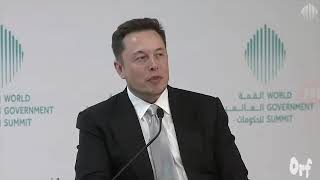
What to do about mass unemployment? This is going to be a massive social challenge, and I think ultimately we will have to have some kind of universal basic income. I don't think we're gonna have a choice. Universal basic income. Universal basic income. I think it's gonna be necessary. So it means that unemployed people will be paid across the globe? Yeah. Because there is no job, machine, robot is taking over. Um, that's simply the— and I want to be clear that these, these are not, uh, things.
Hey, you all, welcome back to the channel. So today we're going to talk about the debate we got last night with Andrew Yang. And, um, has it been the best 24 hours for us? Uh, has it been the best 24 hours for me? I made a decision to— that I love nature and I love trees, and I moved out of the city to the country. And it's beautiful, it's lovely, but there's a lot of trees out here, and every so often I get hit really hard by allergens from certain trees more than, you know, others. And so I've had a rough I've had a rough 24 hours, and I had kind of hit right on the time when, um, uh, you know, uh, the debate was going on with, uh, Andrew. And, um, you know, many of us was looking for this to be a home run and for Andrew Yang to knock it out of the park. And we start to kind of see the machinations of, uh this process, you know, what happens, uh, with, uh, within the political structure of how things really work, right? So we're starting to, we're starting to get to the, uh, we're starting to see the beginning, the beginnings of this. So, you know, um, what I, what I want to focus on is I know a lot of people were upset about the debates that Andrew Yang only got 2 questions and that it just wasn't fair at all to him during the debate. And other candidates like Marianne Williamson also got shut out. A lot of people who have really great policies going forward that didn't, you know, didn't get the real opportunity to bring their message home like, like we would have wanted. So what I want to say to that is, I know a lot of people kind of feel like they want to change up, they don't feel like it's going to be possible. But what I want to say to this is that one, one bad debate, you know, doesn't, doesn't lose an election, right? Uh, there, there are many cases of of candidates who've had the first debate's been really bad. We can go down history and they've come back and won big time. So don't let that break and shake your faith yet. But we learn from everything that comes before us, or at least it's good if we do. And You know, so what, how we need to learn from this, and I know Andrew Yang is gonna adapt and he's gonna, he's gonna learn from this. But, you know, Andrew Yang is part of a team, right? And, you know, we, we need to have Andrew Yang in a capacity where he can have good people around him. And, you know, so it brings the question to me now that campaign management, and as bad as the structure was with NBC in the debate, I did see some other things I didn't like. And I think as part of the learning process, this is something we need to deal with. Now, I want to be fair in saying that campaigns cost a lot of money, a great deal of money. And, um, so Andrew Yang's been trying to raise money. We know that. We need to bring awareness to him raising lots of money because he's going to need lots and lots of money. Lots and lots of money. And I, you know, personally, I think the whole thing is ridiculous. Uh, there should never have been— and one candidate did bring it up on stage— but there should never have been money in politics the way it is. Everybody, every politician who qualifies to, through, through, it could be through petition, right, to run, needs to be fully funded. Uh, and not only fully funded, but every time, sure, everyone should receive the same airtime. Now, another thing is kind of confusing to me is that they have certain airtime rules, right? Uh, where you, you're limited to, to air times and networks, a variety of things like that throughout the process. But through these debates, that, uh, there is a great, uh, discrimination of the time, right? Because, you know, they're asking this person questions or spending hours on this person, this group, and not the other group. So these debates structure need to be changed. People need to complain to NBC. They need to complain to all these networks. Uh, and I know that's going to be difficult because we know they're privately owned and they're agenda-based. But remember, we still have power as viewers. You know, we can protest. We can protest these networks. And, you know, we have to start doing it. We have to start boycotting or sending them letters telling these debate these debate, um, uh, these are networks that look, uh, we need to change this political game. Uh, you know, obviously at the federal level we need to get rid of the, um, the money in politics. I mean, is that, that shouldn't be the burden of a candidate. Like a person like Andrew Yang and all these other candidates who have to focus on important things like running the country for us, right? Shouldn't have to be going around, uh, kissing up to people and begging for money. The whole thing is just ridiculous. I, I, you know, I don't know how this came about in politics. It's the most ridiculous concept where people with the most money could shift elections to their favor, right, by raising the money. It doesn't make sense because raising money is not a fair representation of the population. You know, you can go to one group of people who can raise billions of dollars for you, not representative of the rest of the country. And so in that way, it just makes no sense, right? It just, you know, for all we say as being Americans and how, um, you know, democratic we are, you know, it just doesn't make any sense, right? But that's only part of the problem, and it's It's a— it's— here's the problem. Here's the point I'm trying to get to with it, guys. I'm not discouraged by this because many times I've seen one bad debate get turned around, right? It's, you know, Andrew has a couple of more appearances. He's not going to do the same things he did in the last elections. Um, you know, we've seen this before. We saw a similar thing happen with Obama versus Romney. We saw, um, Mitt Romney On the first debate, just walked the dog on Obama, silenced him, controlled the whole conversation. And then we saw Obama turn it around and come back more forceful because Obama was kind of categorized in a similar way to Andrew Yang, but probably even worse because, or Andrew might even be a little worse than Obama was. But remember, Obama was the, was the too-nice president too, right? He was the president who didn't get out and, uh, who didn't, um, you know, who wasn't really confrontational, strike-back president. But he adjusted in the next debate with Mitt Romney. He had to be more forceful and he had to attack back, and he did that. And what's going to need to happen, you know, considering all we've said with how elections work in general. Getting back to the campaign itself, how Andrew Yang, uh, campaign— and we got to remember Andrew Yang is part of a team, you know, it's the Andrew Yang campaign, it's not just Andrew Yang. And within this campaign, excuse me, within this campaign there are campaign managers, there are, um, I structure of people who contribute to the campaign in many different ways— advisory, advisory groups, and a variety of things. So I did a little bit of research, and, you know, again, this could kind of go back to the money part of the situation, something we're gonna need to address, and which is why I kind of opened up with this video with Elon Musk. So we're gonna talk about that a little bit. So here's what I found. I took some time and I went on the Andrew Yang website and I got a little bit more deep in detail into his management, his campaign managers and his team. Something I never did before because, you know, a lot of us, you know, who, um, you know, uh, I kind of had a little bit experience with this because I've actually worked on local campaigns. And so I know the importance of the team. Um, and for many of us that goes overlooked, right? We, we send it, we tend to just focus on the candidate himself and we don't understand all of the mechanics that go on behind the scenes. But after working for several campaigns, well, actually two, I found out that what go— what actually goes on behind the scenes. And so What I found out through further investigation was that many of the, uh, candidates you saw on stage, they use highly professionalized advisory services that run their campaigns, right? That are experienced with campaigns, have run many other campaigns. And this is very important. And when I went on the Andrew Yang website under his campaign, you know what I found? I found his campaign manager, um, seemingly was some type of business person, some type of businessman, but he didn't have the same credentials as many of what the other candidates' services they use. Now, to be fair, and we have to be fair with this, and, and I want to be clear with this, those services are probably multi-million dollar services. They cost a lot of money, probably too expensive for Yang's campaign at the early stages. He's trying to get known and raise money. So, you know, not throwing blame at the management team. I'm sure they're hardworking and I'm sure they're doing the very best they can, but it does make a difference. And they may have lacked certain skills in advising Andrew Yang how to proceed with certain things. And this is very important. right? It is very important to have a team and play to your strengths, right? And what a lot of people wanted to see was they wanted to see Andrew Yang get up there and, and, um, be on an attack vector like the other candidates were. And, uh, you know, clawing, clawing and, and, and pulling and pushing for, for attention, um, and stepping over people. What I'm saying is, whereas a lot of people going that direction, I don't, I don't think Andrew Yang had to do that. But what I do think he, he should have done is played to his strength and powers, what he was confident and good on. And so, uh, I think with a good campaign team, uh, during the coaching process and the practice process for these debates that are so very important, as first impressions are very important right? It's not too late to pull back and fix all this. But if you can come out of the gate with a good impression, having a good lead is always— and just knocking people over the head, Americans over the head, like, whoa, where'd this guy come from? Which is what a lot of us were expecting and thought what would happen. That could have had a tremendous change to this entire process because the reality is what we listened to last night was nothing groundbreaking or earth-shattering. It was some of the ridiculous— some ridiculous ideas that most Americans weren't even interested in except those selected people who was in that, who was actually there at the debate. And I looked at that audience, it looked like it was mostly, mostly elderly people, you know. And, uh, you know, I don't even know if these people were picked or not. They probably were selected from— come over from somewhere and and they were supporters of many of these other candidates, right? But you know what, what, what I found was important was to— for Andrew to play to his strengths. And by way of that, I mean that the things he was confident about, stick to that. Be who you are, but be in full confidence of what you're doing and There's a few things I didn't like that I felt some coaching and a good management team could have fixed in certain areas where he did have an opportunity to respond. And we got to hear him respond because I know it's a big conspiracy about the mics being cut off. And I did see some of that. But the reality is that on the parts that he did get a chance to control certain amounts of minutes uninterrupted, you know, those parts were very— were not where they needed to be, and a good campaign management team could have fixed that. You know, for instance, like dealing with the global warming issue right now. Listen, you— a good campaign management team should break down every category of every issue, and you should be able to speak for, you know, uh, at length on on each issue. You know, when asked about global warming, as global warming has been made basically the flagship of the Democratic campaign, because see, and I don't want to get really deep into the politics of this, but I'm just going to say that we're kind of going on this false narrative that the economy is good. So when in reality Kamala Harris, and I mean, they addressed it in the beginning of the debate, that if you call it good, people got to work 2 or 3 jobs, right? You know, meaning the economy is bad. You got to work, you know, you got to work your finger to the bone to say you got a job. You got to make 2 or 3 jobs to have one and then just say the economy is good, you know, which is ridiculous. But, uh, she touched on that a little bit, but they quickly got off of that. And the reason they quickly got off of that is because due to the polling data that they're trying to say that the economy is good. But, you know, we know, we've done videos earlier prior You know, we can talk to people in our neighborhoods and communities and find out a lot of that is not accurate. Um, so she touched on that, right? But getting back to the global warming, that seems to be the flagship idea, right? And what the campaign team should have done is they should have treated each issue with a certain amount of importance to have a good story to go with that, right? And what happened when Andrew Yang got the global warming question, he immediately went to, if Americans get $1,000 per month first, then they can focus more clearly on global warming. Listen, that's not an effective answer. That answer doesn't speak directly to global warming, right? And that's what I mean by having a good campaign management team. They should have basically us, uh, work with Andrew to say, hey, look, you can't say this, you gotta have a policy about global warming. And so either they did have that, maybe Andrew choked, you know, maybe he got a little bit nervous because the format wasn't going like he wanted, and then he choked. Maybe he choked on that. So the next part is understanding what the objective was, and the objective was just to get known and get out the I'm going to give everybody $1,000 per month And it's a very simple, it's a good strategy because it's a very simple message that could resonate with a lot of people. And in theory it should have worked well, but the problem was people were just as confused as ever about that $1,000 per month. Like it was people after the debate going, what? He, this guy just wants to give us $1,000 one time, like a stimulus package because they were familiar with these one-time stimulus package. They didn't understand this was $12,000 a year or everybody in your household could get it. You know, all of these very intricate details was still not making that an effective message for the Americans to fully consider it because they didn't, they still didn't quite understand it. Right. And then when he gets his 45 seconds at the end, everybody gets their 45 seconds. The problem was then he chose not to mention the $1,000. Like the— if— and all through the night, even when it wasn't applicable to, you know, certain specific subjects that he should have showed versatility on. And again, that comes from a good campaign management team to be drilling him those questions and correcting him. But you could do a little bit of research on Andrew Yang's campaign manager, and, you know, we're going to have to get some professional— a professional campaign management team to come in with Andrew. And that's why I started off the video with Elon Musk, because people like Elon Musk that are multi-billionaires that champion universal basic income understand the importance of it and the, uh, you know, and the seriousness of it. And then even Mark Zuckerberg, who has the same exact speeches, right? These guys should be pulling behind Andrew Yang, and all of Silicon Valley's billionaires should be pulling behind Andrew Yang and financing his campaign. He shouldn't have to beg, uh, so much to get money from grassroots, right? If they believe as much in universal basic income and the seriousness of what we're getting with the technology that they're creating, then they should be backing people that speak their language, that understand. It's a lot of billions of dollars in the technology areas, right? So I hope that, you know, they're really sincere about this. And, you know, we need to— his— that's another thing. Andrew Yang's campaign needs to be reaching out to people like this, right? Because what that does is that can get him a better campaign manager too. And again, you know, I'm not attacking the hard work of the campaign management team Andrew Yang has. But we have to be, um, you know, realistic about this, that we're in the big leagues now. This is the big leagues. Andrew got on the stage with all of the main players that one of these people could be president, right? And he's a step away from that. What we need is we need a good campaign management team, and that's going to cost a lot of money. Because he needs the level of what the Kamala Harris's have. That she— I believe Kamala Harris has the same people that the Clintons had. And, um, you know, a lot of these, these big players, we need those people, and that's going to take money. And I think the reason we don't got them— this what Andrew Yang campaign seems like to me. And you got to understand, you got to understand, Andrew Yang is not a politician, he's a businessman, right? It's kind of like the idea of what happened with Donald Trump, where I'm not a politician, I'm just a businessman speaking my mind. But that played out and we saw that didn't work. And now people want experience. People, you know, let's just roll it back a little bit. Now, once people got to see that, you know, the idea was first, well, if we get a person in who is, um, just like us, he says just what's on his mind, he doesn't should, you know, try to lie, you know, or, uh, try to, uh, you know, tell us, uh, we're gonna be walking tiptoeing through the, through the, through the daisies. We got somebody like that, but we see how things are going, right? So American people are kind of, you know, not so much want to go with that narrative. Now we got to go with an effective narrative, uh, and Andrew has the, uh, the, the problem solving domestically of that down, but it's so much You know, this is the way that they're framing this and how American people— remember, the minds of American people are programmed by the media, right? All our information comes from there. So the media can warp and change our minds to a great degree. And the message that the media tries to put out there, you, you have to grab the narrative, but you have to make the narrative your own, right? And So Andrew's gonna need people who know how to, how to put him in a situation to do that. He cannot continue to just kind of make a case to the American people that are manipulated. Look, the American people voted for a dictator, right? You know, we, we gotta try to make a case to the American people, but at the same time, we got to understand how to work within the system, right? You gotta— that's just like when you get to Washington, D.C., in Congress, you can want to do all the great things in the world, but the procedures and the votes that you have to do and working with people across the aisle and the cooperation that you need to get— and it's kind of like that with Andrew Yang. He's going to have to understand and learn this process, and one of the easiest ways to do that is with a good campaign management team. You know, who's not gonna let him, uh, answer questions that way, right? You know, you can't answer questions, you can't run from the questions either, because if you try to avoid— you know, it went totally different than I thought. I thought what would be happening, I thought they would be attacking that it was no way this country could afford, uh, $1,000 per month for every citizen. And then we get into the inflation argument Which, you know, which again is, you know, people who don't study economics, that's a, that's a good way to try to shut down Andrew Yang's policies. Right. But the candidates on stage, that would have been over their heads. Right. They don't, they wouldn't have really understood. That's why many of them were silent and nobody ever lashed out at Andrew Yang. They did just like what the NBC, uh, uh, moderators did. They just avoided him. They just went, oh, that's over our heads. Best thing to do is ignore this guy and try to shut him down that way, right? So it went different than what I thought. I thought Andrew was going to be getting ahead of the pack, and I thought people like some of the more, you know, cent-centered candidates were going to attack him and go, well, there's no way this is affordable, as they see they were losing, and try to speak to the ridiculousness of the Freedom Dividend. And that would have been actually great. And that's what I was hoping. He could have gotten a tug of war with that. Now, the strategy was for Andrew Yang not to attack the other candidates, and I had no problem with that, right? Although in hindsight, uh, it probably would have made more sense for him to kind of just jump out trying to attack their policies just to get noticed more, right? And I know that's not in his character. But you know, we're fighting for the heart and soul of the American people. And, uh, you know, watch the politics. Is it going to get any cleaner? You know, the Mitch McConnell's of the world aren't going away. As soon as Mitch McConnell's out, there's going to be a new Mitch McConnell. So you gotta know how to play in Washington politics, right? You know, you gotta, you gotta know how to do it. And somebody like Donald Trump, even though he might've been an outsider to watch the politics, he still had— has that get-down-and-dirty attitude, you know, that kind of killer instinct where he's by proxy was, you know, was able to, to do that. Now again, you know, I'm just, you know, drawing out some of the things that need to be corrected and changed. This by no means is over, right? People are going to get more clarity as exactly what Andrew's saying. Uh, we also have to keep in mind that I think Andrew Yang is going to garner a lot of millennial votes because, um, you know, they're looking for a younger candidate and they were looking for Pete Buttigieg. Everybody wants people they can relate to, and so they, they tried to make it Pete Buttigieg, but— and Pete Buttigieg would have mopped the floor with everyone. I'm telling you right now, Pete Buttigieg would have been the standout person who won those debates, more than likely. But he had this dark cloud looming over his head. And even with that dark cloud looming over Pete Buttigieg's head, his, his, his whole, uh, campaign should have been over. What did he do? He appealed to the, uh, you know, to the American people that he's not perfect, right? And it worked. He got a reprieve. He kicked life back in his campaign. And that's what a good campaign management team could do. We don't really know if Pete Buttigieg came up with that or not. Whoever's running his campaign probably said, well, just own it. And that works because American people are feelers, right? Andrew Yang is a thinker. He's a thinker, but Americans don't think, they feel, right? Have you ever watched the debate where the loudest person wins the debate even though they're not saying anything to the public and the public's cheering because somebody told somebody off but didn't solve any other problems? It's, it's the circus of politics, and we've been in the circus. You, you— we've been programmed for this circus. For the last several years. And you can't just deprogram that by saying things that, uh, sound— are the right things or even sound good to people, you know. Um, and it can't— a good campaign management team can train Andrew Yang because Andrew Yang has all the tools he needs, right? He doesn't have to change who he is, but What a good campaign management team is. They need to set it up so he could play to the strengths of that. You know, I feel like Andrew Yang now is flying solo. I feel like he's by himself in this thing, right? You know, I feel like he's flying solo and he's just up there as Andrew Yang, but it shouldn't be that way. You know, he has it. He's supposed to have a good team and good strategy, a good strategy team, you know. Uh, and again, you know, we don't know the full workings of his campaign yet. You know, we gotta understand that Andrew Yang was just a regular guy, businessman, who saw this. And Andrew Yang was fine. He got— he, he can, he can take care of his family and support, you know, his, um, his, his family. He doesn't have to go out and go to bat for American people, but he did it because he knew somebody had to do it, right? And he probably put together the team the best he could. So that's, that's why You know, I don't— we shouldn't blame Andrew Yang or his team, but what we do need to do is we need to pull the Pete Buttigieg card and we need to be honest about the shortcomings of the election. And I think Andrew is learning he's going to do that. We need to be honest about we're not politicians, we're not prepared. We just see this as a big problem nobody else is addressing and we need help. We need help. We need Elon Musk. We need Mark Zuckerberg. We need people to come in and give a lot of money and hire great strategists, campaign teams that would never allow— like I said, I've worked on campaigns before. I've watched many campaign documentaries and a good campaign management team would never in a trillion years let Andrew Yang come out answer questions like that, right? And I'm not talking about the, the parts, you know, where he couldn't answer. I'm talking about the parts where he did get the questions and he did have the seconds to answer, the only seconds he was going to get. He had to make the most out of that. And you don't necessarily need a time— their job, his campaign management team job, should have been to, uh, condensed the best bit of information. Every issue that came up on that stage should have been, uh, fine-tuned and addressed because they weren't going to come up with any issues that didn't already exist in politics. We knew the global warming thing was coming up. We knew the China-Russia, uh, thing was coming up. When possibly Iran was coming up, everything that was coming up, we already knew all of that. And, you know, he— after he saw how people was taking a little extra time to make their points, uh, you know, it wouldn't have hurt a little bit just to go over that time. You know, you, you have to be adaptive in that manner. But Andrew needs training, and he needs people who are going to help him do that. And I'm concerned about who are these people, you know. And I've investigated some of them, and again I'm not blaming anybody. And, uh, you know, it is kind of ranting what I'm doing now because, you know, like many of you all, uh, this is, this is such an easy, this is such an easy win for Andrew because what, what we also got to see in last night's debates, and this is actually some of the good news, so let's talk about some of the good news. Let's get off the, let's get off the bad news. We've done that. Let's do a little good news now and let's wrap it up. So the good news is None of the candidates on the stage attacked Andrew Yang's policy. Why didn't they attack it? Because it was over their head. They don't understand enough about it. They don't understand enough about the Freedom Dividend. They've read all of his policies, but they either agree with his data or they don't know what to do about it. And what that does is that's gonna quiet them on a lot of things, right? Either that or they're waiting for him to break out and they were gonna come with a little attack vector to try to say, well, this doesn't work. But I'm under the assumption that they're not able to go toe to toe with Andrew Yang on the numbers and the data and things like that. That's not really their strength. See, their strength is being feelers, playing to the heart of America. And that's very important too, right? Because most people who don't think, what do they do? They feel. And that's a lot of America. That's why Andrew has the MATH, that math logo, Make America Think Harder, because Americans don't want to think hard. They want somebody else to think for them, you know. And so a good campaign management team would explain all this to Andrew Yang. But the good news is they can't go toe-to-toe with Andrew. So when he does get going on his policies well and the American people get to hear him, they're, they're not going to be able to really hand him off well. They— I saw that last night, that they can't really they're not going to be really be able to combat Andrew in that way. The next part is he did get some people to his side. He got some more people that we didn't have before, um, you know, and he's probably got a lot of young people. I think Pete Buttigieg has lost a lot of young people, probably lost definitely a lot of young Black people who are, um, you know, going to be concerned about his failure to act, uh, with his political— so, so a lot of these millennials that would have went to Pete Buttigieg, there's a better, better chance that they're going to go to Andrew Yang before this is all said and done. I think we got a lot of those people tonight. So those are some of the good things, uh, that happened with it. We know the machinations of this process. Remember what happened. It's going to get worse probably before it gets better. Remember what happened with the Democratic Convention? We know that how this process works. They're notorious for these things. They're notorious for ganging up with corporations, rigging the election, trying to, uh, uh, uh, uh, stonewall people. But again, guys, this is the point I'm trying to drive with this as I end this video. All of these things we know about the Democratic Party. Are things— if you and I know how the Democratic Party works and we're just citizens at home trying to get the candidate in that supports, that represents us, if we're smart enough to know about that, do you not feel that Andrew Yang and his campaign team on the trail every day doesn't know how these people operate? So either they know and they're just not experienced enough to deal with it, or they need people to come in to help them to strategize better on this. And that's kind of where I'm at with it, guys. But I can tell you this, in the net, here's the good news, here's the good news. It doesn't take much to sell this to the American people, you know, uh, The worst candidate could probably sell this. And the good news is Andrew Yang is an Asian man. You know, he's an Asian man. You know, people respect Asian people for their intelligence. So when an Asian man gets up there talking, in a lot of cases he won't look like a moron to people because, you know, what do we want to call it, a racial stigma? And if I guess if it's a racial stigma, it's a good one, right? It's a good one to be considered smarter than everybody else. But people respect and they listen to him and they believe that. So it's much easier for Andrew to sell. He just needs to be confident in it. And I didn't see that last night. Andrew stumbled and bumbled a few times. He was shocked. He seemed so ill-prepared. I don't know what happened, but that's what a campaign team does. They drill you. They should have— look, think of it this way. Think of an actor, right? Think of you were a Hollywood actor, right? Think about what a Hollywood actor does. They go to acting school. Right, they do Shakespeare and they wind up on some blockbuster movie with 2 lines to say, and you go, oh, anybody could have do that. Hey, get out of here. And then you look at these people resume and they've done all this acting in theater for years and years and years to say 2 lines that can make them or break them in a movie. And those 2 lines in some cases make them. And that's how important it was that Andrew Yang starts looking at this way. His campaign team looks at it that way, that even if you can't get off but two lines, even if you can't answer but two questions, you gotta make those two questions the most important, give the most important answer and make it the biggest issue of them all, right? The fact that over 45% of Americans jobs will be displaced by work in the next 10 years. It's up there right next to global warming. Those are the kind of cases you got to make in that little allotted amount of time, you know. It's not over. It's not over, guys. So for you all who— I saw some people saying, well, a lot of people have already jumped ship to Tulsi Gabbard and other people, Marianne Williamson. Some other people that, you know, usually people who support Andrew Yang will go over to because they seem to have that more, they would be more confrontational. And that's the thing about it. Trump is a very confrontational person. You can't run from him. You can't try to dodge away from him. Sometimes you're going to have to meet him. It's just like meeting a bully, right? When you meet a bully on a park, sometimes you just got to face that bully, right? Being a nice person, trying to do things your way, I'm not gonna go. Sometimes the only way you could get through to the bully and the rest of the schoolyard is you gotta face up to that bully. And that's what Andrew Yang is with this. And I just hope and pray that somebody comes up from his team and talks to him about this and tells him what he needs to do. It doesn't have to be the campaign manager. It could be anybody in his camp. Needs to have a sit down with him. And I hope he listens to him and pays attention to him. But I think as he watches these videos, because they're going on data after this, they're gonna, they're gonna look at the data and see what works and what doesn't work. Just like what they did with universal basic income. In the beginning, they used to say universal basic income all the time. People say, oh, this is crazy, it doesn't work, UBI doesn't work across the globe. And then they went, oh, but you know what does work? A dividend. A dividend that's been happening in the United States for years, the Alaskan dividend, and now the Freedom dividend. Those type things work, right? But anyway, that's my rant, guys. And I know, I hope it's, you know, because many of us was frustrated and just saying, going, we're going to get them next time. I know it wasn't going to be enough. So we had to go a little bit in depth with this, but we are going to get them next time. Andrew's going to do a lot better than this. A lot of people still in the dark about who he is. They didn't even probably hardly even notice him. So they aren't gone yet. It's still a chance to get them on his side. And we know people change up through elections. People turn elections around. That's why we have increases and decreases in the poll numbers. People who are down game, it's not too late. Don't be discouraged. But it's like one of my mentors always told me, he said, don't be sorry. Be careful. Don't be sorry. Be careful, right? And if the Andrew Yang campaign did anything wrong last night on that debate stage, you know, don't be— it's nothing to be sorry about, but be careful, you know? And in being careful, we learn from our mistakes and we move on. Real quick, let me plug this: BitcoinNYK.com, our project supplying universal business income to the globe. We should all be participating in this if you're a member of the Yang Gang, if you're watching this video, because what this is, is this is addressing the problem of automation and it's addressing the problem of robotics taking jobs from people, but on a global scale level. So this is for everybody. This is for our friends who support us here in America and support Andrew Yang. But even if Andrew Yang wins, they won't be able to partake in this opportunity for us in America that I still believe we're gonna get wholeheartedly. So help join our program, not just for yourselves, but for them as we are still a global community. And this is very important. This is a very important project, guys. I didn't put this project together just for myself. I did it for you all. And if you're a supporter of Universal Basic Income, you should as well be a supporter of this project, uh, that can grow and become something viable, uh, using blockchain technology. Doesn't cost you a dime. You don't have to spend any money. You have to spend $1, uh, you can join free today, and I'll leave a link for it in the description. But that's all I want to say in this video. If you like content like this, don't forget to like, subscribe, and until next time, take care.
More from Michael







UBI - CIA Agent Explains Why Americans Will Never Get Universal Basic Income?



