
Andrew Yang - Most Progressive Democrat?/Polls
Andrew Yang's Freedom Dividend, a $1,000 monthly universal basic income with no strings attached, is more progressive than means-tested programs because it gives people capital to work or start businesses. Yang polled around 4% in New Hampshire and top 7 nationally, but the Democratic establishment dismissed his ideas as elitist, despite their appeal across political lines.
Chapters
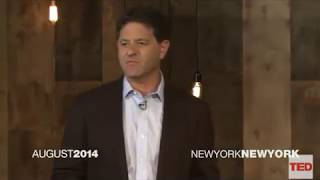
You probably don't know me, but I am one of those 0.01 percenters that you hear about, read about, and I am by any reasonable definition a plutocrat. And tonight what I would like to do is speak directly to other plutocrats, to my people, because it feels like it's time for us all to to have a chat. Like most plutocrats, I too am a proud and unapologetic capitalist. I have founded, co-founded, or funded over 30 companies across a range of industries. I was the first non-family investor in Amazon.com. I co-founded a company called Quantive that we sold to Microsoft for $6.4 billion. My friends and I, we own a bank. I tell you this— unbelievable, right? I tell you this to show that my life is like most plutocrats. I have a broad perspective on capitalism and business, and I have been rewarded obscenely for that with a life that most of y'all can't even imagine. Multiple homes, a yacht, my own plane, etc., etc., etc. But let's be honest. I am not the smartest person you've ever met. I am certainly not the hardest working. I was a mediocre student. I'm not technical at all. I can't write a word of code. Truly, my success is the consequence of spectacular luck, of birth, of circumstance, and of timing. But I am actually pretty good at a couple of things. One, I have an unusually high tolerance for risk. And the other is I have a good sense, a good intuition about what will happen in the future. And I think that that intuition about the future is the essence of good entrepreneurship. So what do I see in our future today, you ask? I see pitchforks, as in angry mobs with pitchforks. Because people like us plutocrats, because while people like us plutocrats are living beyond the dreams of avarice, the other 99% of our fellow citizens are falling farther and farther behind. In 1980, the top 1% of Americans shared about 8% of national wealth. While the bottom 50% of Americans shared 18%. 30 years later today, the top 1% shares over 20% of national wealth, while the bottom 50% of Americans share 12 or 13. If the trend continues, the top 1% will share over 30% of national wealth in another 30 years, while the bottom 50% of Americans share just 6%. You see, the problem isn't that we have some inequality. Some inequality is necessary for a high-functioning capitalist democracy. The problem is that inequality is at historic highs today, and it's getting worse every day. And if wealth, power, and income continue to concentrate at the very tippy top our society will change from a capitalist democracy to a neo-feudalist rentier society like 18th century France. That was—
Hey you, welcome back to the channel. And I felt that introduction was, uh, very important. Uh, that is an excerpt from a TED Talk done by, I believe his name is Nick Hanauer. Um, and, um, it's just so very interesting, um, that as a plutocrat, you know, there's a person who has immense wealth, and then the wealth translates into our political system, uh, to a point where the very structure of the wealth itself starts to control the entire system, diminishing the democracy aspect more and more. And that is part of the problem, that more and more every day people like this are arguing against their own best interests. Not because they're good people necessarily, but because they understand that the way that the system is going, uh, it's going to be destructive for their system as well as our own. right, in a very negative way. So he's talking about how due to this imbalance, where you're getting, uh, this great, um, imbalance in not only the economics and wealth but the political structure as well, uh, you're heading into a type of neo-feudalism, right, as he, as he describes it. Um, and so this is all very important because, uh, part of the problem is in democracy, sometimes democracies themselves, uh, have been shown to be some of the most horrible systems of governing a people, uh, in existence, right? And that's how come in the United States we don't really have a true democracy but more of a republic. It is quite dangerous sometimes when a democracy is fully in control of a political system, is what we can see, what we've seen with the election of Donald Trump, um, and what's happening now with Donald Trump, where all the people, so much of the people support somebody like Donald Trump against their own best interest, when so many wealthy people like this gentleman here are noble enough to speak out against the negative effects of what this bad idea of capitalism is doing to us. Not capitalism, but type of capitalism we practice, which is this less democratic capitalism, right? It is a plutocracy, as he's describing. Um, and this is a, this is a big problem because many of us, you know, as I covered in some earlier videos, are not only defending this type of capitalism and saying that anything alternative to that won't work, uh, we're, you know, we're, we're, we're defending it against our own best interests. And wealthy people like the gentleman here who have a, a very good handle of the economy and our political system is explaining to us what the dangers of this is going to happen because it's not going to be a prosperous economic and political system, right? It's going to be one more akin to feudalism as he's describing, because what's happening is these very small groups of wealthy people, as he describes it, this the 1%, uh, are taking so much of the value of the wealth through the system. It's more or less democratic, right, in that way. It's, it's no capitalist democracy anymore, right? It's not even capitalism, uh, at this extreme point where it's heading when you start to get these numbers like this very small group owning, uh, over half the wealth in the country, right? These things, uh, work against our, um, economic prosperity. And the, and the very intelligent wealthy people, they understand it's not that they are people who are, uh, um, in a type of, uh, moral conundrum where they feel like it's just the right thing to do. It's— we went beyond that. It's beyond just, is this the right thing to do? It's more, what do we need to do to save our economy on the brink of certain ruin where it will eventually become something like the, like the French Revolution? And, and so that's where we're at with that. And so I thought that was important to start the video off with, but want to also talk a little bit about, uh, progressive candidates. You know, we hear that term tossed around a lot. Who's the most progressive, right? And, uh, at one point in time, uh, I think most of us were in the idea that when we thought about most progressive, we thought about people like Bernie Sanders. Um, and, uh, strangely enough, funny enough, you know, Biden was, uh, several weeks ago professing to be the most progressive candidate out there. And, uh, shortly thereafter, he's telling the rich people in the country that, uh, they don't— they need not worry because the circumstances for them will not change. So that's quite— that's quite very interesting. So Who is the most progressive? We're going to explore that a little bit today. I'm going to talk about like, uh, you know, when we really take everything apart, who seems to be the most progressive? Is the Freedom Dividend a progressive policy or is it something else? Is it something new or is it even more, even conservative? Or maybe that's why conservatives, uh, kind of latch on to it. So we're going to get into all that a little bit today in this video. Okay, so in the idea of progressives, I, I think the, the, there's 3 core binding ideas, and that is equality, change, uh, reform, ideas like that, and also using the government's power, political power to make sure everybody's playing by the rules, or in the case of big corporations, to level the playing field, make sure everybody's on the same page. So, um, does Andrew Yang achieve that with the Freedom Dividend? Uh, and, and does it work in that idea? Well, I, I think it does because for one thing Uh, we've never had a change in the country I think as dynamic as something like universal basic income or the Freedom Dividend. Um, and many of our most progressive candidates who generally want to do something like, uh, raise minimum wage or, uh, something like Medicare for All, these, you know, very universal platforms Making sure that people are, uh, have control and power over their individual freedom, liberties, and, and their personal property, their bodies and such. Um, all these things I think encompass Andrew Yang, but I, I would move a bit further in ideas like reform when it comes to something like the job market, what you get with minimum wage. An idea, minimum wage helps to solve, uh, an idea, problems with inequality, uh, in the workforce, etc. However, that, that's only contingent and based on the idea that you even have access to the job to begin with. What, what is a more progressive policy when it comes to reform and change, um, more so than something like the Freedom Dividend, which you get the $1,000, you get, um, some security, some improvement, some equality of being a human being within the United States, uh, regardless as to whether you can qualify for a certain job in the private sector given to you by people that the government can't control, as the government doesn't create jobs. So unless the government were able to create enough federal jobs to where everybody who applied for a job could have, uh, equal access to a job, um, then I wouldn't necessarily consider that more progressive than a stance or a policy like the Free Freedom Dividend, right? Because the Freedom Dividend is going to help and improve and solve all those problems, whether the private sector can supply American citizens with a job or not, right? Uh, as well, Andrew's for Medicare for All, right? And there are many other programs that Andrew Yang and his policies will pay for, for American citizens, such as, uh, uh, family counseling. We know that families and marriage, um, and family is the cornerstone of civilization and societies. Once the family system starts to break down, uh, you got less, uh, uh, um, you have less of a strong society, right? Um, the, uh, family earning capacity is reduced now, right? You have single-family homes. Single-family homes may even empty over into a crime war, right? So we carefully think this out and we really look at what's going to be more effective and what feels more progressive, right? I don't want to change the definition of, of, of what progressives are, but it's certainly when it comes to the result, um, I would say um, that the Freedom Dividend is definitely the most reformed, improved idea we've ever had in America that does so much good. You know, not only that, individuals get to move the money to the, to the, to the most, uh, severe, uh, instances and situations in their lives. They don't have to rely on qualifying for some government program, which is what's going to happen under many other progressive candidates' idea where they're going to have to qualify for that and go through certain stringent details to, to, uh, to, to, you know, to be, uh, uh, qualified for those certain programs and help in those certain areas. Whereas the Freedom Dividend, a lot easier, a lot more effective, has the better result. It gets to the end of the problem better. with people going out and having the money where they can fix those problems specifically. And that's gonna, uh, that's gonna untie their hands a lot better than, you know, applying to some government program that they may or may not qualify for to help them improve in some, some way or another, right? So that's kind of where I'm at with it, guys. But I'd love to hear you, your guys' opinions about it. Uh, clearly people who are saying they're the most progressive candidates aren't the most progressive candidates. I also really want to talk real quick about the polls. Some of the latest polls came out of New Hampshire with Andrew Yang. Uh, I believe he's polling around 4% now, uh, in, in, in certain areas like New Hampshire. Now to qualify for, uh, uh, other, uh, uh, for the, for debates, he's going to have to qualify for, um, several other polls. But what I wanted to, um, to, uh, also point out is that the Andrew Yang campaign, uh, where we really take a look at the, in its entirety, it's doing a really good job. Uh, look at all of the candidates who are falling by the wayside. Now look at how many candidates' numbers are dropping and Andrew Yang's on a rise, right? And he's on the rise with the most radical To some, remember, to some Andrew Yang's idea is still so far out there, guys. It's still so far out there that if we really take a step back and look at where the Andrew Yang campaign has gone, I'm starting to kind of get on board with his idea now. What he said during the first debate when he went, this is proof that democracy works. Uh, and that is because, uh, you know, for what many believe to be a ridiculous, far-fetched idea, and many still believe that way, still believe Andrew Yang will not win, look at, just take a look at the progress and where he's at right now. I'm seeing many polls. I saw, um, a CNN poll the other day that, um, you know, showed him as is in the top 7 of candidates, right? Uh, based on the polling data. And you just Think back when it was what was like 22, 23 candidates. And again, Andrew Yang being the candidate with the most far-fetched ridiculous idea, you're gonna give every American $1,000 per month, right? And so, you know, I think there's a, it's okay to feel good about that. Take a step back and give the campaign a hand clap because this is a very new radical, very radical idea to the American people. And to see it is moving along, you know, at a time when, or just looking back a few years ago, something like this, we just couldn't imagine something like this. I think is a testament to the great things that are happening with the Andrew Yang campaign. But I do think it's going to have this steadily rise up. I have predicted this some time now that it's going to have this steadily steady rise up, but it's going to keep chugging along forward. Uh, and I think the first person we're going to— that's going to be surpassed by Andrew Yang is going to be, um, uh, it's going to be, uh, well, of course it's going to be Beto O'Rourke first, but it is going to be Pete Buttigieg, I think, coming up here shortly. Somehow he managed to kick a little bit life back, a little bit more life back into his campaign. But, uh, it is quite clear that Buttigieg is suffering greatly with the, uh, with the, um, minority vote, the African American vote. And that is not going to work out well for him. Bernie has slipped quite a bit in the polls now. And, um, people like Kamala Harris and Elizabeth Warren are, you know, they have been the great benefactors of that. But we still got a while to go, and Andrew Yang's gonna keep moving along. And I believe, like I said in an earlier prediction, they're gonna all be in this, in this kind of tug of war, all grouped together, vying, vying against Biden there. So this is an interesting article I want to read a little bit of before I get out of here because it just shows that this article comes over from the Daily Beast and it just shows me that the Democrats have been the worst enemy to the Andrew Yang campaign. And that's, that's quite concerning. You know, the Democrats really got to get this, get their stuff together. Right, you know, really got to get their stuff together because they're doing more damage to their best interests than any right-wing conservative Republican could at this point in time. In fact, it's almost the opposite. It's almost like the, uh, conservatives, Republicans, uh, treat the campaign better. But I just want to read a little bit of this and, and try to understand where the Democrat where this article's coming from, right? And, and, and so after a surprising surge to make this— make his way to the debate stage, Andrew Yang didn't make much of an impression during just 3 minutes of speaking time, as leading Democrats with a lot in common tried to make the most of their distinctions. But Yang was only there at all because he raised money and registered in the polls by packing the policies of elite technocrats, and a coating of Clinton-esque pain-feeling paternalism. He's already made the list for the next Democratic debate, and his rise is an early warning about how, no matter how bad our politics may seem right now, they could be far worse if parties and voters don't police themselves and defend their values. Wow. And so this is Democrats attacking, you know what I— so they talk about here about, um, where was it, about Andrew Yang being this technocrat, um, in a, in a, um, uh, how did they phrase it exactly, uh, uh, but Yang was only there at all because he raised money and registered in the polls by packing the policies of elite technocrats and according to Clinton's pain-feeling paternalism. You know, that kind of talk and rhetoric like that, I just don't understand why Democrats see these type policies as negative to the Andrew Yang campaign, right? When it's clearly more so to me one of the best, most democratic, uh, uh, issues, right? Or policies, rather. What can be more democratic than, um, making sure all your citizens are treated fairly, have right to at least their basic needs and sustenance being, uh, accounted for? And so the way this is written, with the vitriol that is written with Uh, it is very hard for me to understand it, but let me read a little bit more of it. And so we maybe understand where they're coming from. Yang cut his teeth in test prep, an industry that sorts students based on abilities for a nifty profit. That sort of course privileges the wealthy who have more access to the resources the prep industry offers. He became a millionaire when he sold his company Manhattan Prep to Kaplan. The test prep industry leader, and found— founded Venture for America to create economic opportunity in American cities by mobilizing the next generation of entrepreneurs and equipping them with the skills and resources they need to create jobs. That is to hack the Rust Belt with venture funding. Now Yang is running for president to fulfill the tech oligarchs' dream of a universal basic income intended to pacify the poor as a substitute for actually dealing with income inequality. It is politics as philanthropy that smacks of a 19th century noblesse, uh, obligée. Uh, so, okay, um, yeah, this is just— it's just weird to me. Um, but it says that this would substitute or pacify the poor as a substitute for actually dealing with income inequality. So, so, so let's take that apart a little bit. Okay. How does the Freedom Dividend, uh, uh, hurt any income inequality? Right. I, I would think something like, uh, a type of, uh, welfare state where you have, um, uh, political systems that, uh, lock you into a certain form of pacifying and, uh, certain means of incomes. That, that would fall more into that category. But the Freedom Dividend doesn't do that. You, you get the $1,000 anyway, and you're free to go out and pursue whatever job or profession you like, or create whichever job you like, right? So if you're making $100,000 a year, you go out and make $200,000 a year, you're still getting that $1,000 per month. Now the, the problem when we, when you, when you talk about ideas like pacifying the poor, propping up the poor, and this idea is to kind of keep them locked in, uh, in, in that type idea where you're not allowed to earn any more money and things like that, that seems to be more already what the Democratic process or the Democratic Party is more promoting, right? If that makes sense. So if the Democratic Party is more promoting ideas like that, isn't it more so that it's their policies doing that, right? Because when the government has mandates and ideas like, well, you're only going to get this money if you need it, and then the other people don't get it, right? Well, those people who get those certain, uh, um, uh, those certain funds or what have you, those people are then locked into receiving those funds like that or risking losing those funds, right? So the transition for them is going to be more difficult, you know, based on the, the, the, the ideas that, uh, or, or the, or the requirements, uh, that are necessary in, in, in those type of, uh, programs. So I don't see where that, where the Freedom Dividend does that, uh, you know, with this attack on Andrew Yang. This is a brand of politics intended to neuter a muscular liberalism based on moral guidelines defined as an attempt to civilize the economy and empower people. It is an approach not only opposed to the democratic socialism of Bernie Sanders, but to the core philosophies of the Democratic Party. Yang's prescription stands against the notion that the state, through policies and legislation, needs to play a more muscular role in social and economic life. So again, I don't— I fail to understand this as well. I don't understand how the Freedom Dividend is disturbing any of the state's role under Andrew Yang's platform in that Andrew Yang supports many other social programs along with the Freedom Dividend, right? You know, he's for Medicare for All, uh, he's for several other programs, um, that, uh, uh, that give money back to the people or help them in, in some other way. So I don't, I don't think he falls under this, um, under this umbrella that The Daily Beast is trying to put him under. Uh, excuse me. Instead, he is providing Silicon Valley venture capitalist vision, one that acknowledges inequality and injustice but then seems to treat only as symptoms rather than its cause. Just give money to the poor and let them figure it out. Well, the thing is though, isn't that probably, uh, one of the best things you can do though? If, if you have certain unique situations to the situation you're in, right? Maybe, uh, or, or you're, you're in some type of poverty situation. The reason that you're in a poverty state may vary and may differ from that of your neighbors or other citizens, right? So trying to set up all this bureaucracy and all these separate programs that address separate issues, isn't it easier to just have the, the most important thing for people is going to be having access to capital? Because with the capital, they can go out and then figure out what they need to do, right? And then have the resources to do that. As long as they got the resources to do that, it's no problem. The problem is they don't have the resources to do it. And then there are certain, uh, certain rules and regulations they have to follow under certain programs that restrict them from ever being able to get out of certain social groups and social classes. And so they're kind of stuck in motion in those certain situations. So I don't think that that's what Andrew Yang's policy is doing at all. I don't think it's saying, here's the money, now figure it out for yourself. Uh, I think it's supplying people with capital and the resources necessary to make the proper moves. I, I think to suggest that they can't, uh, you know, it's almost like saying that, well, you know, we have to spend the money for you all because you don't know how to spend it. I don't, I don't think that's how it works at all. I think it's more give people the resources and capital they need. They will know what to do with it. They will be able to make something work. In fact, I would, I would say that they will know what to do with it more so better than the government, right? Does that, does that make sense? Perhaps unsurprisingly, his approach, shorn of emotion, passion or sensitivity has drawn Never Trumpers, libertarians, and members of the alt-right to his Yang Gang. His campaign picked up momentum from appearances with Tucker Carlson on Fox and Joe Rogan on his podcast, as he's called for, along with a $12,000 a year freedom dividend for every adult American, a massive reduction of the federal workforce, a 10% slice of the military budget for a legion of builders and destroyers, that would be able to overrule state and local governments to get new stuff built. And of course, an outside consultant who supposedly make all of this work. So now the, the problem is that this, this is where I differ from a lot of the— and this is something I think is very dangerous for Democrats to do, uh, and that is, um make assumptions that just because, uh, there is— there are policies that benefit the whole more so than just the few, uh, you know, that— and those, and those, um, good policies draw people in, that that means it's a bad policy, right? Now, if, if you're looking at people like the alt-right, the racist people, and a variety of things them being racist has nothing to do with them benefiting from a good policy that all Americans benefit from, right? Um, you know, there's the scriptures in the biblical text that speak about, uh, uh, it raining on the, the, the, the good and the wicked, right? I'm, you know, my quoting of the Bible is not great, but I think that's the basic idea of it, that, you know, it rains on the good and bad alike, right? So we benefit, uh, you know, under good policies as a whole. Now, uh, to somehow construe that to mean that because other groups of people can benefit, that these are bad policies, or these are policies that uplift the those particular people. I think it's a ridiculous, uh, uh, way to frame it, right? It's just a good policy that helps the American people. And yes, it— by the— it, it also helps people who are in bad— who are the bad actors in our society. But you can't condemn good policies that do the right thing because of that. Um, then it talks about Tucker Carlson and Joe Rogan, and I, you know, they're trying again, you know, trying to say, well, hey, because they're accepted by these particular people who aren't Democrats, uh, in their viewpoint, you know. I'm not sure what Joe Rogan is. He's probably not a Democrat, and we certainly know Tucker Carlson's not. But again, I would I would say these are just good policies that affect all Americans, uh, at the end of the day. And we can't punish Andrew Yang's campaign, uh, you know, uh, his policies just because it helps people. You know, we can't divvy this up in a way that these policies can only help Democrats only. It's just, that's ridiculous to, to even try to frame this disinformation that way. We know exactly what they're trying to do. And the problem is, is it's the Democrats that are the most dangerous people when the Democrats should be more united in trying to make sure that people like Donald Trump aren't in office, you know, in 2020. But, you know, this type of thing this type of framing of Andrew Yang's policies, you know, is shameful. It's very, very much so. And then they go on and say, if this sounds crazy, that's because it is crazy. It is disruption of tech companies keep peddling and that consumers keep ending up with buyer's remorse about the remorse about, but for our entire nation, you Yanis' politics masquerades as a new form of liberalism, but they are something entirely different as he aims to put the federal government while handing unfair federal power to tech executives and real estate developers with a measly $1,000 a month for the rest of us, uh, for the rest of us as this happens. But, but again, um, you know, that's not what the Freedom Dividend is doing. It's not just giving you a measly $1,000 a month. Point, right? It's giving you capitalism that doesn't start at zero. It's giving you a much more reformed, equal starting point than we've had before, and much more so than any other, uh, democratic policy I'm aware of. Unless, um, someone could present me with a policy that they, they believe is more equal than the Freedom Dividend, because in fact what we hear a lot is not that it's problem of the Freedom Dividend not being equal. It's more so goes back to how do we pay for it. And then up here, it— in the article, they talk about making the tech executives the winners. But how are the tech executives the winner on one end when we're saying the VAT will target the big companies like Amazon and all these tech people? So it's a lot of double talking going here. And you know, this article to me, definitely feels like not only a smear campaign, but it's just misinformation and disinformation to attack the Andrew Yang campaign. And again, it's a real shame when it's misconstrued in this way to try to stop people from getting on board with Andrew Yang because they know that Andrew Yang's approach, uh, is one of the greatest reformations that not only just existing in, uh, progressive politics, but in all politics in our human history. And so again, very shameful that, you know, that this is the approach of some Democratic groups in an effort to push forth their, you know, their candidates. Um, and, uh, you know, it's, it's just, it's quite disappointing. It's quite disappointing. It, it makes me in a way wish that Andrew Yang could have run as some type of independent, you know, but we know, uh, the way that our political system is set up is still, this is very much a bicameral government, right? It's run by the Republicans and the Democrats. And, uh, so to, to really have a fighting chance it would seem that this has been the only way for, for us to go. But when we really break it down and look at the full results, and I think there's something that, uh, take a step back and really look at all of the pros of this. Is the Freedom Dividend— do you believe this is the most progressive of policies out there? And if you don't feel it is, give me one that is, and give me some Democratic policies that are more progressive. I know a lot of people mention, you know, ideas like the minimum wage and a variety of things like that. But, um, you know, again, with the minimum wage, remember that's only affecting people who, uh, have jobs already. You know, what about the guy— I heard one guy in a thread say something to the effect of, well, what about me? I'm already making like $15.10, you know, and I'm still struggling. So minimum wage is not going to help me. But under Freedom Dividend, think about this, that same guy, that same person would get $15.10 plus his extra $1,000 per month. So clearly there are many ideas in the progressive policies that are out there right now that aren't going to be as effective as the Freedom Dividend, right? But the Freedom Dividends gonna cover all those things and create a great deal more reformation in the process. But that's all I want to say in this video. I'd love to hear you guys' opinions on the more progressive candidates and, uh, you know, just how you feel about, um, you know, which one of those policies really hit home for you or which one of the policies you hear out there amongst all, not just Andrew Yang, but amongst other candidates. In the Democratic Party that, you know, really speak to reform and equality in a way that is going to be really beneficial to all of us. Because, you know, the reform, for it to really be reformation on the level I think we need to be, needs to be something that's going to affect a lot of people, a lot of working poor people, middle— suffering middle class people, poor people, right? Not just one group of people. But that's all I want to say in this video real quick. Don't forget to visit our website, BitcoinNYK.com, our own universal basic income project that's global, where we take our own value through advanced technology like blockchain technology and move this value to and fro from each other, in which case we can redeem it in our own local currencies. For money to pay for our basic needs and support things that, you know, make our society better, make us live better and healthier and happier. But that's all I want to say in this video. If you like content like this, don't forget to like, subscribe, and until next time, take care.
More from Michael







UBI - CIA Agent Explains Why Americans Will Never Get Universal Basic Income?



