
Andrew Yang - War With Iran - Great Historical Figures
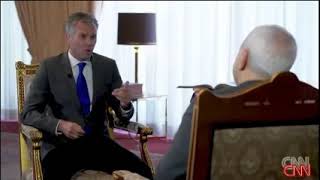
Andrew Yang discusses whether U.S. strikes on Iran amount to war, linking the conflict to the 2020 election. The conversation covers the Trump administration's foreign policy record, historical U.S. war deceptions like the Gulf of Tonkin, and Yang's Freedom Dividend as an alternative to GDP-focused governance.
Chapters
—has made against Iran, accusing you of an act of war. Are you not surprised that these number of days on, there has not been some sort of military strike against Iran? Well, I think they know that, first of all, this is a deception. This is not an act of war. This is agitation for war. But I don't know why they want to agitate for war. The last war that they started in this region 4 years ago, and they thought it would be over, uh, in a couple of weeks. It's still dragging on. Uh, many people have been killed.
Welcome back to the channel, and I hope you all are having a great evening. So want to talk about the tensions that are building up in Iran, um, and Saudi Arabia, um, looking at this administration, uh, Trump during his campaign run talked a lot about trouble in Saudi Arabia and Saudi Arabia taking care of his own problems. Um, and so, uh, it seems that we've kind of come back to this place where, um, we're kind of involved in tensions that are going on around the world. A lot of Americans don't want to be in a situation where they're— they find themselves back in endless wars, still having problems getting out of Afghanistan. Uh, and, um, you know, nobody wants war. So how is it that we keep ending up back to this place? Uh, it's kind of interesting with the Trump administration. It seems that Trump himself has done all he could to stay out of war. He's had to, uh, fire, um, John Bolton recently, uh, because he felt some decisions John Bolton, um, made, known as a war hawk, hasn't been in the best interest of his administration. But the kind of ongoing joke too, we're hearing quite a bit around the internet is that it's always, we're on the verge of the war when we have the Republican presidents in, right leading up to their second term always seems like Hey, we're possibly in this war, we get involved in these wars. And so, what does this mean for Andrew Yang's campaign? Well, this has been something I've been quite concerned about because the thing about during an election and coming up on tensions and war and uncertainty and things like that, that is going to bring the conversation a great deal back to how does the future candidate, the future president deal with a possible wartime situation. And what it seems to be is that a lot of voters don't like to disrupt the system. If we're caught in a complicated geopolitical situation, if we're caught in a war, they probably don't want to elect other presidents. But we're also at a very significant time in our history where people are so much more well-informed about the deceptions that have been created by war. If you think back to, uh, the early 2000s when we first got into Iraq and Afghanistan, we were quite still naive Americans when it came to uh, uh, the, uh, sophistication of the political system, right? Uh, many of us were hyped up after the bombings, uh, of the World Trade Centers. A lot of people want to enlist, go to war. A lot of people want to fight war. And it was only later when it was discovered that it was all a big lie, uh, that we really start to get on the, um, on the bandwagon of, you know, we have a country that potentially gives us wrong information. And although this had been going on years prior, uh, the Gulf of Tonkin incident and a variety of things, a lot— I think Americans were still very much in the dark with that idea of that the information provided by our country doesn't have to be legitimate information. But what it, what it does seem to be is it seems to be repeating the past. We find ourselves back in this situation now. The foreign minister of Iran, he seems to be— and this is very, uh, interesting, uh, situation we have with Iran. I think one time we had a situation with Iran where Iran made it their business to come to the United States and speak to the United States directly, speak to the people, so that we get the information firsthand and not be in a situation of deception. And American people are a lot smarter now. So whereas I have found this to be a tactic for some presidential candidates to win or presidents or sitting presidents to stay the president. 'Cause again, you don't really wanna disrupt, excuse me, you don't really wanna disrupt the presidency when you're at war. If this becomes a big drawn out thing, which it possibly could, because let's just think, just like this foreign minister saying, you think you're gonna go in an area for a week or two, you think it's gonna be over, 20 years later, you're still there, right? So nothing we do is probably going to have a good result in that region. I'm pretty convinced of that. Uh, and so once we start to get involved, we're going to get more and more involved. And I think as this election goes on, you're going to find that we're deeply involved in what's going on in Saudi Arabia and Iran. Uh, and it might work in Trump's best interest for it to be that way. He has a much better chance of remaining president. Now it is true Trump has seemingly avoided wars up until this point, but we just don't know if that's going to continue. So that's something for the Andrew Yang campaign to be aware of. Although I think Americans are smarter now and they might not want to make the same decisions as they did before. If they see a president that's going down that route, it could very well be that we're going to be more prone to elect someone else and let that, let that person pull us out of there, um, right away, right? Withdraw right away so we don't have this problem and try to correct it. Because there's never going to be a good way to get out of a country. We found that out, uh, historically, that there's never going to be a proper time. It's never going to be a, a good time to draw down. It's not going to be a good drawdown period. We're just going to be stuck there for decades and people dying and the numbers going up and up. The only, the only thing you can do is just withdraw right? For the most part. Um, in my opinion, I'm not a military strategist though, so don't listen to me. But one thing is clear, we don't want these endless wars and best to stop them as early as possible. Right? Longer you go with it, the worst is probably going to get. But anyway, let's talk about great Americans. Right? So I was thinking about Mr. Andrew Yang and I was thinking about, we've never had a situation in in governments in history where the value of the citizens were put above the government for the most part, at least I can't think of one. And a lot of times when we talk about the Freedom Dividend and we speak about how it's gonna impact the country and Americans, you know, what comes up a lot now, and I think what many of us are starting to understand is it's just not about the money, right? The money is, is, is good for our economic health, right? But it is something about when a country values its citizens that it just basically goes and said, look, you're a citizen of this country. Your basic needs are going to be met. Uh, we're going to make sure that you're healthy. We're going to cover your Medicare costs. We're going to have a program for you because you're a citizen of this country. That the amount of value that goes into a system like that being put on the people. Those are— that is what makes people really want to be a part of a nation and really want to build that into a strong nation. When people come up with ideas like, uh, you should be a person who supports your country and builds your country and loves your country and asks not what your country can do for you but what you could do for it, you know, when you know your country has your back, I think those type ideas are more prone to happen, right? Uh, and so, uh, Andrew Yang is looking like when he becomes president, he's going to be the first person in history, but, but also just, uh, probably the first government in all of history that really put his citizens first and created a value system, uh, more than just what we get with the GDP, right? Where it actually, where the government actually cared more about its people than numbers, right? And I don't think we will ever, we've ever had that before. I think it's only one country in the world right now that might fit that bill. I believe it's called the nation of Bhutan, and they value the quality of their country based on happiness of their citizens, right? You can look that up. Bhutan is quite interesting. Now there are some problems with Bhutan, the way that Bhutan Butan is situated and its lack of natural resources and the like. I believe that they could— they worry a great deal about sustainability of Bhutan, and I believe they have foreign aid from, from other nations, right? So that is a problem in speaking of sustainability. But as far as the core idea and concept, I think it's fantastic. And I think Andrew Yang might be the first person ever in history to be able to pull this off. In a way where, um, uh, we'll have people that are valued to that level. And I just, uh, would love to see what that looks like and what that means. This could be just a whole new shift and change in governmental systems unlike we've never seen before. But it's gonna be all very interesting to watch. Um, and that's all I guess I got to say in this video. If you all like content like this, Don't forget to like and subscribe, uh, and until next time, take care.
More from Michael







UBI - CIA Agent Explains Why Americans Will Never Get Universal Basic Income?



