
Black Mirror - Bandersnatch Review -Spoilers -Easter Eggs - 5/6 endings
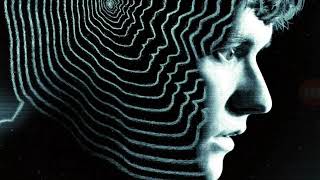
In this solo YouTube review, the host—normally focused on finance, investing, and cryptocurrency—takes a detour to discuss Netflix’s interactive Black Mirror episode Bandersnatch. He introduces the episode’s premise, compares its interactive format to Telltale Games, and walks through the 1980s setting, the protagonist’s role as a game‑programmer, and the nostalgic references to era‑specific media. The review then delves into the episode’s core themes: reality vs. simulation, parallel‑universe theory, and a mind‑control subplot (the PAC program) that ties back to the White Bear episode. A substantial portion is devoted to cataloguing Easter eggs that link Bandersnatch to the wider Black Mirror anthology, such as the recurring Tucker corporation and other inter‑episode nods. The host enumerates the five‑to‑six possible endings, describing each outcome (father’s death, jail, child‑time loop, etc.) and explains why he favors the “mom‑death” ending as thematically resonant with Buddhist ideas of breaking the cycle. He also draws parallels between the episode’s interactive mechanics, virtual‑reality gaming, and drug‑induced experiences (referencing Snow Crash and DMT). Finally, he speculates that Bandersnatch represents a future direction for storytelling, ranks it highly among Black Mirror episodes, and ends with a call‑to‑action for viewers.
Chapters
Hey you, welcome back to the channel. And guys, today I want to take a bit of a detour from my normal content, which mostly about over 90% deals with anything from investments to passive income, cryptocurrency, which is mostly about these days. But in our, in our early travels, early beginnings, Uh, we, uh, did do— have a lot of more entertainment value into the content. So that was anything for my passions like cinema, um, and various things like that, with a few, uh, hobbyish things I did on the side. So we kind of mix it up. For you guys who, um, mostly subscribe for the, the, um, crypto and the financial information, please just bear with us through this, um, These are just special content I do from time to time, uh, in certain series that I believe are of a high cinematography quality and good storytelling angle. I cover some of those things. But anyway, for the Black Mirror watchers, I want to get into this, uh, latest episode, Bandersnatch, which we didn't even know— which I didn't even know was, was coming. Uh, so many of us had been waiting since the season end of Black Mirror on its next move, the next production that was going to be coming forward. And, um, uh, and so, uh, I wasn't aware. I just found this out a few days ago and got a chance to try to watch, uh, this. And, um, again, of course, Black Mirror, we know the story, the mind-warping stories that they bring to us per episode. And Bandersnatch was no exception. Now, Bandersnatch was marketed as this interactive experience through Netflix, where it's aired at, where it's in production with. And the first thing came to mind, I think, for me has been the Telltale Games. I think they've done it just the best. And There are other properties that have attempted this as well, but I can tell you that using the Black Mirror series as a way to use this type of platform was a great idea. I was a little bit iffy about in the beginning how this would work, but due to the open-ended nature of Black Mirror, as many of the episodes have in, uh, this interactive, uh, technology approach, it works excellent for, um, because it does give you this, uh, this, this, uh, situation where you can choose, uh, how the different endings and, and, and affect the different, uh, uh, directions of where the story goes. And, uh, many of us know from just watching normal Black Mirror episodes, all through the episode, many of us are constructing a path to how Black Mirror ends and how it goes on. And so, um, I thought, wow, this is, this is genius, this is good marketing. I didn't know how it was going to pan out against the other Black Mirror episodes. I tend to try to rank them and figure out which are the most, the, the favorites for me. But I soon figured out that Bandersnatch is a— is basically a, um, on its own level, right? It's, it's just, it's so good and it's, it's just next level. It's just next level. And I remember as a child, uh, and probably many of you as well, uh, thought about— especially like pre-internet, pre-internet, uh, you know, Bandersnatch, you know, obviously takes place in the 1980s. And I got to grow up in the '80s, and so, uh, it was very pre-internet era. So, uh, you know, some of the things that we're doing now, I don't think we could imagine quite doing, uh, some of the things that, uh, we're doing, right? And so, um, you know, basically, uh, I would dream that in a television production, uh, you know, that it would be interesting if somehow I could get into those, those productions and affect it in some way, right? That I could be a part of it, I could interact with it in some way. And I, and I never thought about it would be possible, but we got to see it, I think, done the best in, in this Black Mirror episode. Uh, speaking of the '80s, The Black Mirror show has seemed to hit home runs going into the '80s era, very reminiscent of San Junipero, and using these great soundtracks, ones I remember from in the '80s. And it just kind of gives you that nostalgia when you think about— sometimes what comes to mind is where I was when I would hear these songs. And so he's our character, he's on the bus, he's, uh, waking up to this '80s music. And, uh, you know, it's just, um, uh, was just— I just thought it was great. I thought it went great with it being this period piece. Um, so we moved from that to getting into our character, what he's all about. And he's basically, you know, as we got to see, he's working on, uh, he's a, he's a, he's a programmer, right? He's a computer programmer, game programmer. Um, You know, and he's also into books, make your own adventure books, I think they were called. Now this was apparently big in the '80s as well, where you get these make your own adventure type books. And I don't even remember these guys, and probably I don't remember them because I was, I don't even remember reading one. I don't even remember being introduced to these books. Only thing I remember a great deal of is exploring Dungeons and Dragons. Like, it was like Dungeons and Dragons. You'd have to use your own imagination to roleplay. There was no, uh, really good video games to, to, to, um, to, um, to show that. But our character here, he's, uh, actually working on a video game of that era that can put you in these Adventure Time books. Uh, I was deeply into the Atari games, ColecoVision, all the, you know. And so that really brings back something when I'm looking at how he's working on these games, how they looked. And, uh, wow, they were— I, I remember when we would get some good graphics on a game, it would be like the best thing in the world. But, uh, anyway, he's combining these elements as we got to see. So now they can kind of— he's kind of making this, I guess, kind of first interactive video game where you're, you're able to, to do that. Um, so in a true Black Mirror fashion, what starts to happen is we start to doubt his reality, right? He starts to doubt his own reality and he think he's, you know, he think he's going mad. He doesn't know what's happening. He feels he's being controlled by outside forces. And this happens mostly as a result of or as a result of him reading the diaries of Jeffrey— I believe his name was Jeffrey, uh, Davies or something to that effect. And he was the basically the author of Bandersnatch, the, the book. Uh, but he went crazy. It drove him crazy. Um, and he actually ended up decapitating his wife's, uh, head. Now, um, it— the game, because you have all these different channels to how something can end when we reflect back in our own time now, in a lot of scientific discovery, it brings into the picture parallel universes, right? And so we have all these alternate possibilities and choices, which is what you get in the, in quantum physics now quite a bit, in the parallel universe theories where there are options. There's every possible option that could have been taken, a version of you took it. So it's the version of you who went out the door, it's the version of you who stayed in the house, it's the version of you who got the job, it's the version of you who didn't get the job. And so this gets played out and it's very complicated and very interesting to watch, but he can go back and he can change the choices, right? So this is the part about I love so much is because in doing that, him and kind of dealing with in this, in this, uh, this multiple parallel universe type scenario. As this has been marketed as this interactive experience, we know that we have control over the character, but he does— he senses it. And so they combine all this together, and in some versions that we get to watch, he actually gets to interact with us. Making the choices for him. We're explaining to him we're from the 21st century and not the '80s. And of course, this even drives him more insane as he finds out. Uh, and then we get this frame out of frame out of frame experience, right? And going back, Black Mirror has always been this, uh, kind of, uh, uh, series of realities that kind of reflects on this parallel universe type thing where you're in a frame and somebody watches, is in another reality watching your reality. But who watches the watcher of the, of the other realities, right? So it gets real mind-boggling, like, okay, I'm watching him, who's watching me? And then what happens is it gets so crazy throughout, uh, one of the episodes or one of the possible, um paths he's taken is that he actually goes out of frame to Netflix where they're actually filming Black Mirror, and he questions that he doesn't believe that the actual actor who's portraying him in, in this production, he doesn't believe that he's him. He believes he's the character, right? And so the production, the Netflix production team thinks he's crazy, and they're, they're calling for, you know, somebody to get down there and, and see him. So guys, It just gets really, really mind-boggling. And I think we all kind of, especially if you're kind of like me, you're already, you overanalyze a lot and you, you look at these productions and you're looking for these complicated twists and things like that. Your mind just goes on and on and on and on with this. There's so many ways this can end. Um, and so what's come up quite a bit is people are talking about 5 to 6 different endings, and, uh, I'm pretty sure I've seen them all now, the 5 to 6 different versions of all the choices that could have been made. So we're going to talk about that a little bit as well. Um, but, um, what, what I found interesting, what I— what always excites me about Black Mirror productions is the Easter eggs, is the relation to the anthology of what's going on in the other Black Mirror episodes. And so what we got, uh, with our main character here is that he start to see all of these, uh, other Black Mirror episodes, uh, or Easter eggs that let us know that this was a shared universe. And so, uh, um, and so I was excited to see all these various things, these, uh these images and these throwbacks here to— and it just made me wonder again, like, his reality is he, and then is some of these other episodes, they must take place in a virtual reality, right? And when we think about virtual reality, here's another interesting thing I found kind of funny. As I have been involved in some virtual reality games, where you choose characters and you have a various— some of them are modeled after real life, like Second Life, and I'm sure as many others. And you kind of create a character. Some people create characters based identically on themselves or very similar. And I think I did a combination of a very similar person to me that looked like me, and he had his own life in this virtual world. But the thing was that What I found interesting about that is that the people would carry on and they would have these, um, these, uh, ideas about the kind of person they want to be. And what— and I would sometimes question, I would be like, well, this person I'm meeting in this virtual experience, is this really who they are, or is the life they're forced to live outside this world really who they are? So it starts to get— it gets— it starts to get really, really strange and interesting, and you will wonder is if these people had the power in these virtual, uh, interactions, right? It's talking about virtual world gaming now because I kind of see a similarity in that and what we get in these, these, uh, Black Mirror episodes. Would they then be that person? Like, if they could go into these worlds, like they, they go into these worlds, some of them get stuck in them and some of them come out but they come out only because they have to. They have to live and they have to eat and various things like that. But if they could stay in there, would they be that person? And it gets real chilling because then it becomes the, the, uh, existential crisis of are you that actual person in, in the real world? Are you, uh, pretending to be someone you're not? So I think Black Mirror kind of plays around with that a little bit. And I also make that comparison to say virtual realities, uh, are striking resemblance to alternate realities, right? Because in alternate realities, you're, you're yourself, but you're some different version of yourself that had an opportunity to take another path, or you didn't have the opportunity and you end up going down a certain ways. And this is the same thing with our character. The only difference is, as we get to see, he's able to roll back the choices via by us rolling him— rolling his choices back to do it again and, and to just like a video, like how you're able to start a video game over. And also even the scene where he decides to jump off the balcony, right? And he leaps. He's able to start that back over. You see the two monitors and he can now start that back over, just like what would be in a virtual reality world. You would have the ability to, to reset the gameplay, correct? So just, uh, wow, just mind-boggling stuff. I love how they were able to include all of this into the, um, into the episode and with the interactive options that was available through Netflix. Now let's get into the Easter eggs and let's get into the, um, the, uh, the, these, the several alternate endings or choices that we could have made. A bit. And, uh, guys, I just want to say this: if you haven't seen them all, you want to watch them all first before you spoil, uh, this is a spoiler, uh, video. So you can, you know, you can, uh, stop it right here, come back later and watch those other episodes if you like. But we're going to talk about now the, um, the Easter eggs, and, and maybe not all of them, but just the— I'm going to talk about the most important ones I felt. And so There was a program we got to see because as our main character didn't really know exactly what was going on here, we got— he— there was a, um, there, there was, um, a program, a mind control program, um, that we found out in, um, in one of the, um, the, uh, the, uh, possible realities for choices that was, uh, involved in controlling his mind. They call it the PAC program. And, um, made this reference to Pac-Man, right? The, um, the one of his, um, co-workers at the company. And, uh, his father was involved with the program. But the Easter egg there was, I noticed he saw this blinking signal, and I'm pretty sure, uh, or symbol, and I'm pretty sure that was the same symbol from the White Bear episode. Now, as we recall with the White Bear episode Um, for those of you all who've seen it, in the White Bear episode, the criminals would be mind controlled by, um, this, uh, some kind of mind control, uh, signal that came through their computers. And we saw that on his computer, like he was being mind controlled. So that was, you know, clearly alluding to he was being mind controlled in that episode. And, um, you know, that It's kind of interesting because this is 1984. I'm assuming it's actually 1984, and this looks like they were, uh, showing us how the program got started, this mind control program. And Whitebeard takes place in— well, it's— excuse me, it clearly seems like Whitebeard takes place after this. This seems like the founding of that mind control program. And I found that very, very interesting, guys. I, I really, I really liked how they threw that in there. Now, um, getting to some of the endings, the alternate endings, there were several. Some people say up to 5 to 6, and they go everywhere from him killing his father, as we got to see. His father was— he found out his father and some of them was behind the the program, the mind control program, and he kills him. And then we also find out his father is responsible for the mom dying by taking his rabbit and holding up the, uh, the travels on the train, and when she was caught the wrong train and was killed. Um, then we see one where he goes to jail, you know, he has answers to his crime because the dog's digging up the dead body. Uh, I think many of you probably saw that one. And then we get the one where he's, um, he's actually— he goes back and, uh, he's able to go back to when he was a child and, uh, in this reality, and he's able to, uh, basically go with his mom, uh, and die with his mom. And, and that's the— to me, that's the real ending. That I would go for. I'm not sure what's meant to be the real ending, if they had an idea what the real ending was, or if it was meant to be kept open-ended, right? But I think storytelling-wise, or maybe my personal bias, I think that makes for the best ending in the episode. And what you get there is you get him also kind of ending the cycle, right? The the cycle. And, and, uh, this kind of, if you will, virtual reality, uh, reincarnation cycle, uh, you know, kind of reminiscent and interesting to the, to the, uh, a lot of the teachings in Buddhism where you get people finally wanting to be out of the cycle of life and death. And so in a, in a very interesting way, he, he does that, right? And, uh, one Easter egg I meant to say in closing to talk about, but I skipped over, I forgot about it because I was focused on the Whitebeard, uh, Easter eggs. But the video game, uh, company was called Tucker. I think it's like Tucker Shop or Tucker something. But Tucker is, uh, very continual in the anthology. Tucker, it seems to have many evolutions as it goes from— we see the early days as it as it, uh, as this video company in like the '80s, and then it's— it maybe it gets some shareholders, it becomes this mega gaming company, and it's responsible for a lot of this virtual reality, which is— it's very interesting because virtual reality is kind of like both game and this alternate universe. So we kind of get that all the way mixed in into Tucker, all the way till you get up to, uh, maybe the San Junipero era, which I'm, I'm guessing is far future. We're talking some San Junipero and Black Museum era, uh, episodes, right? Far future where now you can upload people who are dying, or before people die they could be uploaded into the cloud, uh, and they can live out the rest of their lives in a virtual form although their physical bodies die. And so I found all that quite very, very interesting. Very, very interesting. Um, Also, I just want to make this a last point about it, um, um, in this, in this series. It's just so fantastic. But, uh, there are a lot of drug uses throughout the Black Mirror, uh, series and episodes. And this drug usage deals with ways to, um, amplify the use of this technology, um so you can have a more, uh, clear experience, more realistic experience, and various things like that. And we see this all through the anthology where there's a drug they have to take, or they have to be, um, pumped with some kind of fluid, or what have you. Now this is the '80s, so they don't— they don't have this, this technology. We see this, uh, this white fluid running through their brains and we see these various drugs being administered, administered. And that reminds me of a novel came out in the '90s that inspired the virtual world of Second Life called Snow Crash, which you would have to take this hallucinogen drug to be able to interact with what they call the metaverse. So this is all very interesting, and it all ties together the importance of the drug use to these experiences in these worlds. And if you hear about people who are on DMT and these very hallucinogen drugs, ayahuasca and the various things, they have this video game-like experience many of them report. And so that's very interesting. They're able to open up these portals in their brain, right? And so that moves me on to, uh, uh, um, uh, well, I think that was the point I wanted to make with the drug— the last one I wanted to make with the drugs to the, to the, to the episode. But anyway, guys, uh, that, that pretty much covered the ends. I think I only covered like 4 alternate endings though, but they said it was 5 or 6, and I thought I saw them all. I'm trying to think what that last one was. Uh, I think maybe it's only 5 because I'm pretty sure I saw them all, every possible solution, uh, or, or ending. But, uh, guys, uh, where does this rank on, on your Black Mirror episodes? I'm having difficulty ranking this because, uh, it's so next level. I do think it might end up being the future of how we watch movies and television. Uh, I think it's the precursor to when we'll be in the future watching movies. Let's say we just get so, um, uh, so tied up in a movie, so invested in a movie. I think it's good We're going to get to a technology where we can just jump in the movie and be both a character and a spectator in the movie, uh, in a very, uh, undistinguishable way from real life. So I think that's the next level with this. But guys, wow, it's just so much in this, uh, in this, uh, in this series. It's so much to, to consider, and it's so philosophical, and it's such an existential crisis that, uh, you know, your brain boggles, that you can go on and on for hours with this. So I'm gonna just stop there and say to you guys, I really enjoyed it. It ranks very high up there on my list until I can find a place to put it. Let me know what you thought about this episode. Thanks for watching, guys. Um, guys, if you like content like this, don't forget to like, subscribe, and until next time, take care.
More from Michael







UBI - CIA Agent Explains Why Americans Will Never Get Universal Basic Income?



