
Black Mirror Season 1 Ep.2 Review (Spoilers)
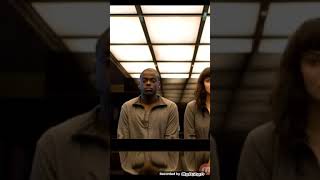
In this YouTube review, the host walks through Black Mirror’s first‑season episode “15 Million Merits,” summarising the plot and dissecting its social commentary. He contrasts the episode with the series’ opener, noting its more overt dystopian tone. The review outlines the episode’s world of perpetual exercise‑bike generators, a merit‑based economy, and a society saturated with intrusive advertising. It examines the class divide between bike‑riders (the merit‑earning majority) and the janitorial “yellow‑suit” workers, and how the talent‑show segment (a parody of American Idol/ X Factor with a Simon‑Cowell‑like judge) offers a false promise of escape. The host highlights the use of the compliance‑inducing drug “Cuppliance,” the sexualisation of the contestant Abby, and the protagonist Bing’s desperate attempt to free her, culminating in a violent, ambiguous climax. He praises Daniel Kaluuya’s performance, discusses the episode’s emotional impact, and reflects on broader parallels to modern media, ad‑saturation, reality‑TV exploitation, and the temptation to “sell out.” The review ends with speculation about the series’ pattern of open‑ended conclusions and invites viewer interaction.
Chapters
Hey you, welcome back to the channel. And guys, today we're going to review Black Mirror Season 1, Episode 2, 15 Million Merits. And guys, um, coming off the first episode of Black Mirror, National Anthem, um, this is, um, or this episode rather is more along the lines of kind of what I expect that Black Mirror to be like. This kind of tells this, uh, story from a, from a different world, uh, from what we have here. And, uh, I knew these were all going to be their own self-contained individual episodes, so we would do, you know, various things, we'll go back and forth. But I think the— my problems with the first episode was that Uh, it just seemed to me, uh, like a very plausible, uh, possible episode. Like, there was no— nothing bizarre, nothing out of the ordinary, nothing alternate from our reality. And I thought the story he told was just pretty much, uh, you know, something that could have actually happened. As crazy as it was, it you know, wasn't. But anyway, this episode I really did enjoy. Um, it was kind of how my thought process would have, you know, seen a show like this coming in. And of course, um, if you recognize this actor in the shot, uh, that is because that is Mr. Daniel Kaluuya from the Get Out movie that came out last year, was very popular. Um, was, uh, I believe it was like, uh, it had a real high score on Rotten Tomatoes. I'm not sure if it was number one in the country. It probably was for a great deal of time, but, uh, kind of changed the, the, uh, a bit of the horror genre. Uh, it was told from a horror perspective unlike we've ever seen before. So, um, you know, just a great film. I, I did do a review on it on the channel here, so be sure and check that out. But guys, let's talk about this episode, which I thought was a great episode. Uh, what Black Mirror has been able to achieve, it seems, is it is able to, in a very, uh, interesting way, grab you emotionally. Um, and, uh, in a disturbing way too. And, uh, so it's been able to to do that quite well. And I think that's what's, uh, the, the emotional, uh, uh, grasp it holds on you. Um, uh, you know, this is something that the show is good at doing. And what is paramount to achieving this is good actors. And what I, and what I notice about, uh, Black Mirror is that They have done a really good job of carefully and meticulously, uh, selecting the proper actors to play these parts, and they really pull you in. You're really convinced, uh, that what is going on in these, uh, kind of alternate reality worlds, you really believe it's real and actual, uh, and very relative to our world, you know, even though it's, you know, these very, uh, in this particular episode, it could appear very strange, very strange type world, yet very familiar, uh, and, uh, so that, that is just genius how they, they managed to do that, uh, you know, within this episode. But this is a type of dystopia world that's been created. You know, my thing that first came to mind when I seen the opening, you know, with the character here by the name of Bean, who's played by Daniel Kaluuya, going to the exercise bikes is immediately, immediately my mind switched to they're riding these bikes to create some type of energy. And, uh, that's because I've seen many dystopia films where they have, you know, done things like this before. So that was, you know, very familiar with me. Uh, this, uh, was actually done in a movie, book Soylent Green. Uh, and, you know, we get the scene, you know, with, uh, you know, bike riding, just the power light, you know, like the lights in the house, light bulb. You had to ride a bike to charge up the light bulb. But you know what, what was a little bit, uh, you know, uh, you know, what had my mind going a little bit was I seen these people riding these bikes. I'm like, just about how much energy can these bikes create? Because they're kind of— it's a lot of looks like sophisticated electronics and machines, um, that are, you know, being powered and they're just riding these bikes. So I'm like, is this the— what's so the significance of riding this bike? You know, is there a, you know, reason for it? So, uh, that came to mind. Also what came to mind was, uh, you know, what triggered that, I think too, is because, uh, had not too long ago been watching a, um, uh, science fiction— I'm sorry, not science fiction, uh, was watching a, uh, scientific discovery type show where they wanted to create sidewalks, like, you know, say in a place like New York, that the kinetic energy as people walked along these sidewalks would create energy that could be distributed to smaller cities around the world, you know, smaller, much smaller than New York, and that energy created in New York would be able to power these entire cities. And I say that's very interesting. So the idea of human power, you know, using human energy in a normal sense, whether it's through exercise or through just basically moving about, those concepts of energies are, you know, energy sources that are really being explored. So that's why my mind switched to that. But now with the bikes, how practical is that? I would think it wouldn't be very practical unless, you know, there's something else was going on. That I didn't know about. But, but that's the interesting thing about it too, because, uh, it's a lot of answers, a lot of questions are answered. They, they live in these small boxes. Everyone seems to live in these small boxes where there is a screen in like a cube, and these screens, uh, project images of, um, you know, even though in their small contained spaces they have like their screens and images, and they're within this box. And I don't know if that box is metaphor. Because what I found interesting about these, uh, these two episodes I've seen in the Black Mirror series is they seem to be telling the story, this, uh, story about technology. There's a lot of technology theme in these stories, a lot of new— which seems to relate to the media, the internet. And, uh, you know, throughout the episode, uh, every few seconds, these, uh uh, um, adult entertainment type, um, ads keep popping up. And of course, the first thing comes to mind is, uh, you know, all of the adult-themed material on the internet that you just can't avoid, that, you know, you gotta buy, uh, the various pop-up, um, blockers and things like that, uh, you know, and that— and, and then they would actually have to take the money earned from their activities as they produce this energy just to, you know, skip ads. And so that kind of made me think about social media sites like YouTube. And even going back to the first episode, there is a, you know, YouTube type of, you know, reference there. But that made me think about how, you know, even here on YouTube, you have to— if you don't want to, you know, be bombarded with ads and watch ads, you can actually pay to, you know, skip ads. And so they would have to do this, or they'd have to— then they were forced to watch. And I don't know if that was some type of metaphor. I'm not sure. I didn't— I never quite understood why they were forced to watch, uh, these things. Maybe they're— maybe they're kind of forced to watch, uh, because the, you know, whoever, uh, wants to promote this material is kind of like, uh, how we are forced to watch, right? The, the advertisements. So they're just like literally forced to watch though. So I found that quite, uh, quite interesting, uh, you know, how that was, how that was done. But anyway, all we get to see is, um, uh, two functions kind of in the beginning being performed. And these two functions are, um, either the bicycle riding or like these type of janitorial duties where people wear these yellow suits and they clean up the floor. And, uh, the first thing came to mind when I saw that, how that was being carried out, was I thought about classes of people in society. And so I was under the assumption that the bicycle riders were the top of the society, and, you know, obviously the janitorial, uh, and there was a name for me, the name slips my mind, but these particular people Uh, they, uh, the people on the bicycles, like Bean's character, they could tell them what to do to clean up after them. So I kind of came out to me like they were the lower class and the people in the bicycle were the higher class of society, because those are the people we had seen. And so it was under the assumption that, you know, that's how it worked. It was maybe like this dual type, you know, society. And I kind of was kind of feeling that, you know, kind of hit me that that was weird, that Uh, that would be the top of the society, just some people riding bicycles every day. But then I said, well, if they're producing all the energy, then maybe their value— maybe the people also— I noticed that the people in the yellow were, um, they didn't seem to be in the best shape, like maybe they wouldn't be able to ride the bicycles, right? So, uh, I was under the assumption that, you know, that's why they had to, you know, be janitors, because they couldn't ride the bikes. And so they was kind of like, you know, in some societies how you might have warrior class versus peasant class, or, um, uh, uh, you know, the, uh, right, the peasant class, the farm class, and then you had a warrior class, and maybe you have the politicians after that. But then there seems to actually be a kind of next level because, um, the other advertising that is playing is for shows that remind you of, um, American Idol. Or X Factor. And, uh, I kid you not, there's— oh, you know, as you got to see obviously in the, in the, you know, in the show, that the, the one main judge on these type panels making all decisions seemed to be a spitting image of Simon Cowell. And, uh, I don't, I don't know if that's just a, uh, a, uh, you know, pointing to the the— not just the popularity of those type of programs, but, you know, how our culture has become so engulfed in them. And there is truth to that. Uh, I remember there was a time when many of these shows— and still is, you know, if we turn our TVs today, there's several of these shows going at once. But, uh, you know, you can't hardly get through a week without, you know, hearing about, you know, something about the contestants on these shows and flipping the TV and you got these type shows on, uh, in some form or another that, um, you know, uh, it's pretty much, you know, you know, all over our airwaves. So can't pretty much escape it. And so in their society, it's actually a next level way to go, you know, to go if you can entertain or if you can sing, got some type of, uh talent that would, you know, be limited into this society. You can actually get off this bicycle and live a much better life. Um, and, uh, found all that very interesting. And, uh, you know, just trying to put everything together here, but Abby, Abby, our character here, uh, and, you know, Daniel, obviously, you know, obviously, or being develops, you know, an emotional connection to Abby, and he accidentally gets to hear her sing. He knows that she's very good and that she should audition for this show that could give her, put her in a better position. And she doesn't want to do it. She doesn't want to take his money he's earned. You know, he— Bing had become quite, you know, somewhat wealthy from the death of his brother and inheriting all of his, you know, credits and various things. And so Bing wanted something real, you know. He wanted Abby to be able to— well, he just for once, he wanted something to be real, not this artificial virtual dystopian society they were part of. So he convinces her to do that. But, you know, throughout this, this entire episode, we could see that each individual in a way were all kind of, uh, accepting and locked into their mode of life, and that this is the only thing that they, for the most part, uh, thought that they could ever be or ever achieve. So it's a story of a lot of people just being very, uh, not having really any hopes for the future, that really kind of being in their stations and staying there. Um, and you have— and, and it's almost like metaphorical to what we do see on shows like X Factor, where there are a few talented people that do break out and do become these great sensations. But for the most part, it's only like one winner, you know, for the X Factor shows and, and, you know, things like that. And so, uh, this is kind of how this world is, that the people are very much aware of that and they aren't trying to push to be anything else or, or believe that they can. And so Uh, Bing, he does convince her to do this, but you know, as we got to see, uh, the, the world of, uh, or, or the setting in this, um, American Idol type show, X Factor show, um, you know, they are trying to keep people in their place and in their stations, and they're doing this by using this type of suggestive drug and You know, although they like, um, Abby singing, they're more, uh, obsessed with the sexualization of Abby, uh, the adult entertainment. They want her to go into that. And so we got to see that, you know, they did get her to go into that, either by convincing her, you know, to drink this, uh, this suggestive drug, um, you know, which was, you know, a big part of it. To help them, you know, remain compliant. And I believe it was called Cuppliance. It's like a, a take on, you know, the cup, and it's almost like they're drinking a cup of compliance. So, uh, you know, so it was, it was very heartbreaking in a way because, uh, here it is, she could sing, she's, you know, finally got her chance to break out, and they just want to oversexualize her. Like, you know, we get to see in a lot of the music industry and a lot of entertainment industry where you've had, you know, really talented people, but they've been sexualized, you know, for profit, for money, things like that. And so their actual talent sometimes is overlooked because they, you know, become these sexual objects. And so that's basically what happens to Abby, and now she's part of, you know, this, uh, this adult entertainment uh, uh, you know, uh, set a plat— you know, situation. And, uh, so this, you know, just destroys— it just destroys Bing, you know. Bing, you know, that was the last thing he wanted. And so Bing's just going crazy and being forced to watch this because, again, you, you know, now he doesn't even have the money to skip past the, the ads, and they, you know, were forcing him to watch it. And so Bean becomes, uh, uh, you know, very, uh, proactive. He, he fights this thing, uh, as we got to see. And he earns enough merits to audition himself, uh, uses a, uh, this, uh, suggestion, you know, he was able to, uh, you know, fake his way through the suggestion, uh, drinking a compliance drink and get there with a shard of glass, you know, as we got to see, he had, you know, shattered earlier that he, you know had come in contact with earlier. He's, uh, uh, you know, basically able to give this great speech, uh, and it was a very well-acted speech. I, I, my, my thing is I, I'm looking at this and I'm going, well, you know, being played by Daniel Kaluuya, uh, when the movie Get Out, you know, when they were looking for casting, I'm quite sure that they, they— this performance and this had a very, uh, a great deal to do with getting him the part because it's a lot of emotion put into this. It's very convincing, and, uh, I thought it was— I thought it was well done. And I really felt— that's the thing about the Black Mirror show, they do a great job of, uh, you know, really making all this stuff convincing. It could be a different world, it could be a future world, uh, but whatever it is, they have a way in the writing and the setup to emotionally grab you, pull you in, and you're like, whoa, this, you know, this is, you know, even if the setting is, is artificial, these people are very much real. And Black Mirror has, you know, been able to achieve that quite well. So, uh, you know, of course we got to see Bean, you know, he's trying to kill himself, and, um, you know, he's just not gonna, you know, live that way anymore. But The, uh, the shocker, I guess, to everybody as we got to see is, uh, Bing does conform. He does conform. He takes the, the deal, you know, he takes the deal as they offer him, you know, the deal of, uh, you know, being a part of a streaming service. And, and, you know, uh, and that kind of, that kind of reminded me, guys, of, uh like what you get when you, uh, you know, in the entertainment business, when some artists, some entertainers sell out, uh, so to speak, and, uh, or they go mainstream and seemingly break away from their core audience, uh, for, you know, for money and big deals and commercialization, right? And I do believe, being in the scene, when they ask him what does he do, what's his talent, he just goes, well, I am in entertainer. And so that makes, you know, that gets me to thinking, well, you know, yeah, you know, that kind of has that feel of, you know, when entertainers are faced with these deals, these offers that they can't refuse. And so a lot of things just came to mind in these, in this episode that I thought was excellent. And so we, you know, we got to see, you know, finally being, uh, with the origami you know, what was an origami, it was an actual penguin statue he had now, because now he seems to be of means, whereas before they couldn't even have physical objects. He had to have like a paper origami that could be folded up into a 2D object. Now he has statues, he's eating well, he's drinking real orange juice, and he has a much better picturesque view, a much larger place, his quarters he's occupying, and he could see what appears to be the outside world world, and it looks like a, a well-done forest, but it's broken— it's broken up into a picturesque window. So you can't tell if it's just a screen with a really good high-resolution image or if it's really the, the outside world. And it's kind of, you know, an ambiguous ending, you know, uh, kind of just like the first one. So I don't know if all of these episodes are going to be this way where it's kind of left up to interpretation. Kind of like the last episode, uh, National Anthem. But in this episode, we're kind of left with, is there a real outside world that's healthy looking? And if so, why are they inside in these little small, tight, confined spaces? Uh, he has this penguin statue of Abby. Now, is that a— as— is this a reminder of, uh, you know, Abby, just, you know, the sense— in the sense of, you know, the situation? Or has he, uh, in a place now where him and Abby can be together in a better sense? Or, uh, is that possible or not possible? I have no idea. Maybe, maybe not. But it's kind of, you know, left up in the air, uh, you know, what's going on with this. Has he just all the way— you went back on all of his, uh you know, his, uh, his— what drove him to get to this point, to fight this world? Has he just point-blank given up and just accepted things, uh, like people do, uh, in our world today in some senses? So I found all that very, uh, very great show. Well done. I, I really like this one a lot better than the other one, guys. People have been telling me this is a great show. And, uh, I, I have to say it is. I'm looking forward to watching the next one. Uh, I do wonder if they're all going to play out the same though. Is, is this the idea of it? I'm assuming from the title it probably is, is to leave us with this black, dark, uh, negative type of copy reverse of our world. And, uh, you know, reflect the realities of it but in a negative copy of it, uh. And so maybe that's how it's going to play out. But they are, uh, interesting. Done. They— I, I do like that they leave these episodes open for interpretation. I really enjoyed it, guys. And tell me what you think. Tell me if you like this episode. Uh, I'm gonna continue to review. I'm gonna move on to the next, uh, episode. Guys, if you like content like this, don't forget to like, subscribe, and until next time, take care.
More from Michael







UBI - CIA Agent Explains Why Americans Will Never Get Universal Basic Income?



