
Blade Runner 2049 Review (Spoilers)
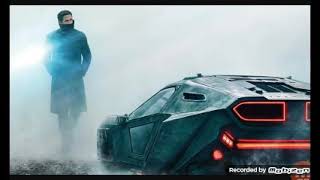
In this YouTube review, the host provides a detailed, spoiler‑filled analysis of Denis Villeneuve’s Blade Runner 2049. He begins by situating the sequel within the legacy of Ridley Scott’s 1982 Blade Runner and the Philip K. Dick source material, noting the original’s cult status and influence on later sci‑fi works. The reviewer praises the film’s visual achievements – its striking cinematography, effective blend of practical (analog) effects with CGI, and immersive world‑building – and argues that these elements are the strongest aspect of the sequel. He then critiques the narrative, arguing that the movie attempts to be overly philosophical, feels unnecessarily long (nearly three hours), and lacks the emotional depth of the original. The host questions whether Villeneuve, known for visually driven films, was the right director for this story, suggesting his strengths lie in more overtly philosophical projects like Dune. Casting is examined in depth: Ryan Gosling’s portrayal of a replicant Blade Runner is described as emotionally detached and hard to connect with, while Jared Leto’s Niander Wallace is called the most interesting but underutilized character. The reviewer laments the sequel’s limited fan‑service to the original, especially the handling of Deckard, Rachel, and the overall tone, and wishes the film had leaned more into the original’s aesthetic or become a standalone story. He concludes that while Blade Runner 2049 is a visual triumph and occasionally entertaining, its pacing, storytelling choices, and casting missteps prevent it from living up to the high expectations set by its predecessor.
Chapters
Hey you, welcome back to the channel. And guys, today we're going to review Blade Runner 2049. So for those of you who don't know, Blade Runner 2049 is the sequel to the original Blade Runner that came out in 1982, uh, starring Harrison Ford, directed by Ridley Scott. Uh, it became one of the greatest sci-fi movies according to a lot of sci-fi geeks and fans of all time. And it has made, I guess, somewhere in my top 10. And I was a big fan of, you know, Blade Runner. I used to catch it all the time growing up on HBO. And when the movie first came out, a lot of people thought it was a bomb. You had a flop, you know, at the box office. You know, they didn't really like Blade Runner much, but Blade Runner became one of these movies that became these cult classics over the years. You know, a lot of people start to look back, and it also influenced a lot of the science fiction, um, anime we see today— Akira, uh, Ghost in the Shell, and things like that. So, uh, it's been a very important part of the science fiction, uh, legacy. So what do we get in this movie? What, you know, what is it about? And I just want to say, this is going to be, you know, from the title you can see, it's going to be greatly spoiler-filled. So if you haven't seen Blade Runner 2049, this is a mystery film. This is a science fiction mystery. So you don't want to watch this, you're going to be spoiled on, you know, as he's playing detective and, you know, trying to figure out, you know, the plot of what's going on with the story. But watch the movie first and come back here later and convene with us and you can we can go through that. But, um, uh, for those of you who have seen the movie, still trying to figure out what it meant, um, or you may know what it meant and, uh, trying to figure out if you like it or not, or you love the film, uh, we're going to talk about that a little bit. So first, I just want to say, um, to me, this was a very— I looked at this as a very important science fiction movie coming out, uh, you know, being attached to what again many regard as one of the greatest science fiction movies of all time. Uh, it actually comes from a book written by Philip K. Dick called Do Let— I'm sorry, Do Androids Dream of Electric Sheep? And, uh, the title Blade Runner— Blade Runner is like an enforcement police officer that actually hunts down these synthetic human beings. They call them replicants. They're like these organic beings, uh, or robots, or, you know, what have you. But what I want to talk about is, um, uh, did they hit a home run with this? You know, did I feel they hit a home run with this movie? You know, in, in the, uh, the gravity and weight of it being connected to Blade Runner. Um, well, the director Denis Villeneuve, you know, this is the same director who did The Arrival. Uh, I believe he did Sicario. And, uh, Denis Villeneuve, he has a very special eye for cinematography and film. I mean, his movies are like moving art, right? When it comes to visual and art interpretation, Denis Villeneuve has excelled at that. And I'm very glad that, you know, he's in line to do Dune, the reboot of Dune. You know, people into science fiction probably know what Dune is, but the type of film Dune is, the type of book books Dune is. I think Denis Villeneuve is going to be able to do a great job with Dune. I think Dune kind of speaks to this philosophical interpretation type of movies that he creates. But, uh, after looking at this movie, I really don't— I really didn't feel this was the best movie for Denis Villeneuve. He's been hitting home runs. Uh, he's on a level Uh, with movies that I just don't think Blade Runner was really as deep as people try to make it sound. You know, people try to make it sound like it is a type of, uh, reflection of what is life. You know, we get that common theme throughout all these robot, uh, synthetic human being type movies, right? We know that. But even in the original Blade Runner there wasn't a whole lot of focus and philosophical direction in that. It was basically, to me, just a very well visually stunning done interpretation of what the future could be like. So I think Blade Runner for me was always about the cinematography. The wardrobe, the, uh, the basic— I, you know, in a very sim— a cinema style, uh, Blade Runner has been very good. And that's why I think it's influenced how the future worlds look that we see now a lot today. But as far as it being this, uh, detective story where they're figuring out different stuff. I never thought that even the original Blade Runner was that deep about exploring the relation between life. You know, I just don't— I think that's something that's come about by a lot of interpretive artists, you know, later on. And I think it more or less came into play here with Denis Villeneuve because he's a visual artist. You know, he's a visual artist. But one weakness I found with with many visual artists, uh, even, you know, looking at someone like Zack Snyder, is they don't— their stories, when it comes to directing and telling these stories from a character's perspective, um, I don't— to me, they just don't quite move me, um, and I just don't think they're as good as maybe people say they are, um, you know, like The Arrival. A lot of people think that's just a masterpiece, uh, I'm still mixed emotions about The Arrival, but I, I I think it was kind of overhyped about how great it was. And that's not taking anything away from Denis Villeneuve. I still think he's a great director, a lot better than a lot out there in Hollywood. But I think there is a certain type of movie he needs to do. He does need to do these really, really deep philosophical movies. And with the upcoming Dune movie, I think that's going to work well for him because that movie is that. And I don't think Blade Runner is, was ever that. I think Blade Runner was an entertaining, good science fiction, uh, movie, you know. I don't think it was like the greatest of all times. Like I said, it might be somewhere in my top 10, but I don't think it's the greatest one that ever, you know, uh, it's as many other science fiction, you know, shows that I think have, you know, did a whole lot great deal better than Blade Runner. But I did think it was a good film, and I think I would preferred that, uh, this would have been a more dumbed-down film, uh, in a way, in a more of a fun film. And that's very rare for me to, uh, you know, to, to think of it that way because I like a lot of thinking movies and I like a lot of character-driven movies more so than a lot of scenery, so in some cases in cinematography. And, um, you know, but in this case, I would have preferred this just been this moving work piece of art, work of art. You know, they were very attentive with this film. They didn't use a lot of CGI in a lot of shots. They, in some shots, used analog like what they did in the original. And you know, that's, I think, that's why we go back and we look at a lot of these science fiction movies down the '80s and '90s that use a lot of these various analog techniques and things like that. I think that's why they hold up and look so good, and they look so real to us, and they come out so well on film because they aren't CGI. And, you know, some CGI just, you know, doesn't look that great, but this movie does a great job of mixing them together. This is a visually stunning film, and this is a great world-building film, and I think that they would have been best just to stay there and make the film kind of— we, you know, we, we understood the original Blade Runner. I didn't mind them playing off of that. In fact, I think I would have preferred if they played off that more. And that's been some of the discussion across the internet where people were fine with Blade Runner 2049 not grabbing bits from the original and not just playing fan service to that. But I think, you know, Blade Runner was one of these movies where that's why I wanted to see the sequel. I wanted to— I wanted it to play fan service, you know, more towards, uh, the original. Uh, now, um, Ryan Gosling's character, uh, in this film, of course he plays a replicant Blade Runner. And, you know, he's hunting, you know, these, these synthetic beings now, and he's one of them. So he's, you know, he's like, he's killing his own species, if you will. And, you know, Ryan Gosling, it's always been a hard connection with me and him on film. You, we know that Ryan Gosling has always been this kind of this heartthrob type and You know, and I, and I, and I, that's, that doesn't mean that Ryan Gosling is not a great actor, uh, in certain roles. I don't know if this was the greatest role for him. He did, this was the best person to be cast to play this. I think he did all right. Um, and it might be some bias with me because I'm, you know, because I've always had a kind of disconnect with Ryan Gosling playing my action heroes because he's, you know, he's done so well and he's iconic. Romantic comedies or romantic films. You know, he's got— I've had this, you know, same issue with him as I've had with Brad Pitt, you know, which are both pretty manly guys, but sometimes the heartthrob, uh, thing kind of overshadows the, uh, the entire movie. And you kind of, you know, you're kind of in this place where, you know, uh, you know, I'm having a hard time connecting with him in this character, whereas I like Harrison Ford's character a little, a little bit better because he was the, he was the rugged, gritty detective that, uh, didn't care much about replicants. He just looked at them as machines, and we were looking at him from the perspective of being a human being. So this is a, there's a problem I found with this film is that they just go in reverse. Now Ryan Gosling is the admitted, uh, replicant detective. He doesn't have really have a normal human life. He's just really basically a robot. And he's a robot that when he's not being a detective, his downtime, his entire life revolves around this holographic artificial intelligence program. And she's like his girlfriend. I guess because he's an artificial being, it's no problem there. He's able to live this life with and see this artificial being as no different than himself. But that's— that's— it, it makes a very tough movie to digest because then he has to act like this synthetic robot, you know, for the entire film. And it's a very— emotionally, it's not a lot of emotions going on because they're not human beings. They're just doing what other human beings tell them like a robot. So there's not any elevation of, you know, there is no— nothing's really at stake. You know, I know he's a replicant or a robot, and then, you know, and then we, you know, we know that they're in that sense not human beings, you know, or we're kind of left, uh, they're trying to implant— this is where the movie's trying to be deep, trying to implant that, okay, maybe they really are human beings, and, you know, look how they're being treated, and, and various things like that. And, uh, so they play with that, and then they also play with, you know, of course we get to understand Ryan Gosling maybe being the child of Deckard, you know, played by Harrison Ford. And that's, um, you know, what a lot of us went in thinking, uh, and this is where the little spin, the tech spin, and then it kind of shows up like, okay, well, this is obvious what it is. He's gonna find out he's, uh, Rachel's and Decker's, uh, uh, child. And the way, uh, you know, uh, Deckard is going about it, it's like he had to leave him in that situation. And they're teasing around it, but you still, of course, as we got to see, we still don't know if, uh, uh, Ryan, you know, if, if Deckard is not talking about Ryan Gosling's character. You know, I believe his name was Detective Dax or something like that. I could be off. And, you know, again, I just had trouble connecting with Ryan Gosling in this, you know, in this film. Some of it he hit right on. And again, I think that just goes by how he was, you know, meant to act through the film to be this synthetic being and to act like one. Whereas in the original Blade Runner, of course, you know, the replicants just acted like normal humans. They had normal human desires. They were truly organic artificial people, and they didn't, uh, you know, try to be a robot, try to act like a robot, or in some cases act like a robot. But in this movie, I just felt like Ryan Gosling was a robot because he was, uh, the way that they had— and they explained it in the film, it's explained in a way where they had to change his programming to stop all these rebellions, kind of make him more like a robot that couldn't disobey orders. And that's why he's able to hunt all these various replicants and things like that. So, you know, again, I thought that the movie, it tried to be a lot deeper than the first one. I thought it was trying to suggest a lot of things that happened in the first one, and that the first one meant various things that I don't really think was the case. It didn't connect with me like that. And so I just— so throughout this movie, I just, you know, saw this, this, this art, this moving art on film that tried to be very philosophical, deep, I guess, in its own movie. But again, that was fine if it would have been its own movie, but it was under the Blade Runner tagline of Blade Runner 2049. So It's like this is the Blade Runner world in this, and we got Deckard in there. And I'm hoping, and I'm thinking that that's what we're gonna get. And we just get, you know, this is very— it's just another artificial intelligence, deep artificial intelligence movie about what it means to really be human. And I didn't catch that from Blade Runner in the first one. I caught in the first Blade Runner, I pretty much just caught that This is a detective story caught in the backdrop of a, uh, of a, of a science fiction world in the future. And it's just about this rugged detective, Harrison Ford, uh, and it's got humor in it. You know, Harrison Ford, you know, he, he has his natural charm, especially when he was a younger— back in those days, in his Han Solo days. And I really appreciated that. That's why I like the movie so much. I like how his character was and how he was this detective just trying to track down these people that didn't need to be on the streets, which were the replicants. And, and, you know, over the years, I think we kind of added our own philosophical tones to it that were quite heavy. And again, guys, I love movies where they're dealing with a lot of philosophical issues about what it means to be human, But I just felt like this movie went so deep with that, it hit me over the head with that. And, uh, you know, I didn't think that was necessary at all. I don't remember any of that in the original Blade Runner. And, uh, you know, at times the movie to me just felt kind of, um, uh, unnecessary in many ways. It was very long. It was almost 3 hours long. And there was nothing, nothing to do. But I did, I did like the, the, the scenery. Again, the cinematography is excellent. Denis Villeneuve, uh, when he does this with the upcoming Dune reboots, I think it's going to really work because Dune is about a lot of reflection, you know. It's not a detective story. Dune is this philosophical, uh, um, uh, science fiction space opera about man's journey to becoming a god and, and, you know, what that meant when he reached godhood, and if he's benevolent enough, or if he's, uh, the right thing for the people. So it's going to be a lot of reflection and dialogue and moving places. And I can already see from Denis Villeneuve, he's going to do a good job with the cinematography because Dune's gonna have a lot of Alien, uh, cinematography. And I just think he's gonna— yeah, I do think he's the right man for that job. I don't think he was— I wish he would have passed up this You know, in conclusion, I just want to address Jared Leto's character. And a lot of people complained about Jared Leto. They thought he was overacting or underacting or, you know, not doing something. And, and, and I, you know, I've never thought Jared Leto was a super great actor, but in this entire movie, he was the most interesting person for me in the movie. And I would have preferred that most of the movie dealt with him But, uh, you know, it's heading up the Tyrell Corporation and what it meant, uh, for the rest of the world. But, you know, it kind of plays around that, but then it's more of this— it's just more of this relationship movie between— if Ryan Gosling think he's a human or not, and, uh, Harrison Ford dealing with being the father of, um, you know, uh, this, uh, hybrid being, because it's teased that Deckard is maybe a replica, maybe not. And going back to Jared Leto's character, he's talking about, well, maybe you were created just to be able to procreate. And it's just the movie to me just does a lot of unnecessary things. It goes in a lot of unnecessary directions that, you know, I just didn't— from the storytelling point of view and and how they're going about it. None of that was really great to me or made me think they were doing something that was philosophically superior to anything I've seen thus far. And again, I'm a Blade Runner fan, but I think they should have stayed more close connected to the original. That's my opinion. And, uh, you know, I would have liked to see a lot more with Jared Leto. I would have liked to see him in half the movie and maybe Harrison Ford in the other half, because those to me, those were the most, uh, interesting and entertaining parts. And they did have the CGI, uh, you know, that's kind of like the big spoiler surprise, you know. They bring back a replicant version of Rachel to Harrison Ford from the original, still looking like she did in the original, but her, you know, she has the wrong eyes. They've got it wrong. I don't know how they got it wrong. Looked like they would have, you know, known that, but maybe they lost a copy of the model. They don't remember the blueprints, or they got lost, I don't know. But anyway, you know, Deckard is able to say, well, no, no, that's not her. Her eyes, that's not her eyes. That's not even, you know, that's— she's not the same. And, you know, the, the idea that she was irreplaceable, right? So I liked all that. Those are the parts about the storytelling part of the movie I did like. The rest of it, I love the cinematography. Again, didn't think Ryan Gosling was right for the film. Didn't think Denis Villeneuve was right for the film. He needs to do deep movies, but this movie, I don't think it was ever that deep. I think this movie was meant to be just a visual orgasm, if you will. You know, even the first one was spectacular in visuals, and this gritty detective off Star Wars, Han Solo, doing a version of his Han Solo, rugged tough guy detective, you know, acting. And that worked for me. I liked it. But, uh, you know, again, uh, to say even the first Blade Runner, like, one of the greatest science fiction movies of all time when it comes to how it looked on film, the cinematography, sure, it wins in that department. The wardrobe, how they mix this 1940s look with the future That all does well. That all wins. But, uh, you know, as far as the storytelling being that deep, like they tried to— no, uh, this was just a totally complete different movie with some references to existing in the Blade Runner universe. And if that was the case, why not just make it an entirely different movie not connected to Deckard? You know, just like they did with the Soldier movie. It existed in the Blade Runner universe, but you never even make it to Earth. They're dealing with some of the rebellions they talked about on Mars. So why not make Ryan Gosling just some other detective in another world, maybe even fighting the Tyrell Corporation to deal with something, but not necessarily dealing with this story? Anyway, guys, that's my review on Blade Runner 2049. I did find it a very visually stunning film, was entertained at some points, but just was too long for me. And I didn't, uh, uh, it didn't to me live up to the expectation of what I thought it was going to be. Let me know what you thought about it, if you thought it was this great masterpiece everyone's saying. Guys, if you like content like this, don't forget to like, subscribe, and until next time, take care.
More from Michael







UBI - CIA Agent Explains Why Americans Will Never Get Universal Basic Income?



