
Cynthia G - Black Women Always An After Thought? Response
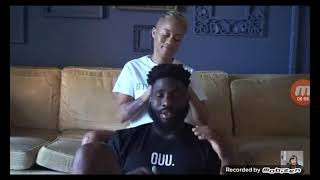
In this reaction video, Michael Joseph Presley (the uploader) responds to Cynthia G’s video titled “Black Women Always An After Thought?” By recounting a personal anecdote from a church setting, he illustrates a role‑reversal where a Black man explicitly rejects romantic interest, challenging the expectation that men must always pursue women. Through the dialogue between Speakers A and B, the video explores how Black church culture, masculinity, and social etiquette shape dating dynamics, and whether Black women are truly treated as an afterthought. Presley expands the anecdote into a broader critique of Cynthia G’s claim, discussing cultural influences (including Nigerian diaspora perspectives), the pressure on Black men to conform to traditional pursuit norms, and the nuanced ways Black women navigate affection, friendship, and rejection within religious and community contexts. The commentary balances conversational storytelling with analytical observations, ultimately questioning simplistic narratives about gender treatment in Black communities.
Chapters
I was live. I was, you know what I'm saying, I was walking in my purpose. I was doing my thing. I was like with God. I was low-key like Enoch, low-key just about to be transitioning into the heavens with my Lord and Savior. I'm just gonna be honest with y'all real quick while my hair ain't done. Fats said that her homegirl was like, oh, it's some daddies in the church out there.
That was after the church.
She definitely did say that.
He ended up inviting us to his, like, his nonprofit, uh, meeting. Like, I don't know if it was the next day or like a couple days after or whatever. So we ended up going, and, uh, he was up, he was like, you know, leading the meeting, like, you know, getting all the volunteers together and stuff like that. That's when I saw him. So then when I saw him, I was like, man, I could marry this man. Like, this is like— I felt like, you know, like he was for me. In that moment, I felt like he was for me. He was like—
I was like, stop. Not at all. I was like, you ever seen somebody when they look at you, they be literally like looking all the way into your mouth? Like they look like trying to see like what your tonsils are saying? Like, man, there's a vibration coming from the back of his neck. I'm trying to see what that is. All right, let me show you. Fat would like bend the corner and like come back around the corner like this. And I'll be like, hey, stop looking at me like this. All right, but continue.
So bottom line is she was like on like, you know how, you know how like boy meets girl, like boy find like things, like falls in love, like thinks girl is the one, like he knows instantly, all that stuff. Well, those roles were reversed. Absolutely, it was reversed. I was the one that was like, yo, like, you ready?
He wasn't thinking about it.
He wasn't like, he wasn't interested at all. He wasn't interested at all. Keep going, Faye.
Wait, wait, wait, wait. All right, what happened next?
So what happened next?
You had two choices. You could either leave from me.
So when he was like, you know, I'm not into you or whatever, he told you—
No, no, no. I said, I don't like you. Stop looking at me like that. I don't like you like that. You are, you know, when somebody look at you in church, you can't say like, hey, stop, like, get away from me. You got to say something like, hey sis, what up sis? Come on sister.
He made it clear.
What up family? What's going on family?
He made it clear that he did not look at me like in a romantic way.
Sister, oh, come on sister in Christ. Come on, all the colloquialisms. I gave it all to her. All right, keep going, Faye.
So I had a choice, right? He was very vocal, so I had to make a decision. I could either take his honesty and keep on moving with my life and just like not be affiliated with him at all, or I could take his advice, understand that that's not what he wants— a relationship is not what he wants— and I could become his friend.
It's not a relationship. And now I thoroughly wanted a relationship. I just did not want you.
Welcome back to the channel, and I hope you all are having a great day. So today we want to talk about— this is another Cynthia G video, and I, I just find her, her content, uh, just to kind of analyze it, I, I find it interesting. And, uh, and so, um, I didn't think I would be doing like another video from Cynthia G anytime soon. I thought maybe You know, but the topics are so interesting, and she posted a video last night, and this video involved, as you can see in the, you know, the opening, the video, uh, clip, it comes from an American rapper by the name of Toby Wingway and his wife Fat Wingway. Now, I'm not familiar with who these people are. But it would seem that they are— he's, he's like a conscious rapper who's worked with some, uh, big, uh, uh, you know, some, some, some big people in the music industry. And, uh, he does this kind of, uh, conscious music about some of the social ills that we have going on right now, you know, from like Breonna Taylor to— and various things. But the title of the video, Are Black Women an Afterthought, right? Uh, this is more like, I guess, uh, me analyzing, uh, what Cynthia G saw in this video and how she feels about it, uh, what she took from it and some of the, the imagery, I guess, in the, in the video, some of the, the mannerisms and the, and the ideas expressed in the video. I could kind of see, uh, how that can kind of look like it's belittling women, especially from a 21st century point of view, um, you know, where, uh, there's a strong advocacy for, uh, equality amongst women, right? And so, uh, I think from Cynthia G's perspective, what she kind of sees is this submissive, uh, Black woman. But it kind of seems like her husband here, he seems like in the video, as you can see, like, you know, he didn't really want her, that he's the catch. And, and, you know, and that, um, you know, she's kind of this desperate woman and he's not, you know, really concerned about, you know, uh, you know, he, he just doesn't share the same value of her that she has of him, right? And there are snippets in the video, there are parts of the video that were kind of concerning that I wish he kind of would have, you know, uh, addressed it a little bit. Like when he would say things like, you know, uh, I want to be in a relationship, I just didn't want you It kind of would have been, you know, uh, I, I think he— what he should have done, he should have went on to express, I don't— I didn't want you at that time, but throughout the course of the relationship, I got to find the treasure that was right underneath my nose, right? So I, so I figured— I don't want to put words in his mouth, and I'm not trying to clean it up, right? Like I said before, I see a lot of people attacking Cynthia G's videos and I want to just come in from a kind of non-biased, more analytical point of view, right? To see if there's something there. Obviously there's something wrong. She has a big following and there are a lot of women who share her concerns, right? But, you know, so it could kind of be, you know, you know, uh, looking at how he was handling the conversation, it, it looks like the value systems were a little bit imbalanced there, right? As far as how he valued her. Uh, but here's what I want to say to this, and I'm just gonna— I'm going to, to not try to present a viewpoint of this particular person in a relationship with his wife, because I don't fully know what's going on there. But let's take it a little bit more out general to what certain words can mean and expressions and ideas, especially coming from a Black man. I think in a case like that, I think I can kind of speak a little bit from that perspective, me being a Black man, right? So let's just say I, I got a little bit of, uh, uh, uh Oh, let's just say I have a little credibility, right, uh, in that area. Uh, maybe as time goes on I have a little bit more, but let me just express some, some, a few viewpoints. The first I want to express is that you got to be careful with what men say, right? What they mean and what they say and what they really mean, right? So in a, in a very— as a man, right, masculinity is very important. So you always want to look like you're handling a situation from a very masculine point of view, right? In a relationship, oftentimes that's what's ideal for a man. So it's an old expression I used to hear from growing up, you know, from Black role models of mine, and that was never fall in love, you got to stand up in love, right? So, you know, when you consider a lot of these ideas that have been expressed to young Black men, uh, coming up, the idea to appear weak in a relationship and vulnerable and appear less than masculine can, can make men kind of, at least in words, you know, have that projection of, you know, well, I'm a man, I can stand it, and if you walk out the door, uh, I'll go on and I'll move on, and so on and so forth. Now, of course, we know that in reality that's not always the case, that a lot of men, uh, they may say things like that but they don't really mean them, right? So I guess the point I'm trying to make in this, making this, is this could just be a kind of show of macho macho manism, right? Could just be a show of Oh, you know, I'm, you know, I'm this and that, and you're just kind of along for the ride. But if you really look at some of the, uh, you know, the, his actions and not look so much at his words, just from some of the videos and content I've been able to see on him, he seems to be very proud of his children. He seems to be very proud of his family, right? So this could just be in the media, right, that he's kind of You know, when they're home and things like that, you know what I mean? She seems very supportive of him and it's a very participatory family, right? She's in the video, she's right there with him. The children are in the videos. They have these very interesting color schemes, pastels, you know, in their videos and stuff. Kind of reminds me his, you know, his, uh, his art in a sense. Kind of reminiscent of like Kanye West because I guess they're both rappers, right? I don't know, I kind of get that element from— but I, he seems very proud of his children. And from what she was saying about him, uh, she was somebody he, she respected a lot and looked up to. And, and what he, you know, what she really wanted. So, you know, she got what she wanted, uh, it seems, right? Uh, at least I'm— it would seem so in the video. Here's another thing I caught about this video that I think is important to note. He went, when you were after me, I was walking in my purpose. And then he also spoke a great deal about, um, you know, at first when he, when he was saying like her friends in the beginning of the video, uh, were saying like there's some good men up in this church or good looking men up in this church or whatever. Uh, when he was saying church, at first I thought like, is this just the— um, I was thinking like he was using church as just like a, like a phrase, right? Uh, you know, and it was just something he was, you know, he was alluding to, you know, in this group, in this area, you know, in this group of selection of men, I'm one of the best, and so on and so forth. But he was talking about a literal church, you know. So here's a very important thing that you also have to keep in mind, um, when you're speaking about the church and walking in this purpose, you know, I think that a lot of that kind of can stem in the idea of people could— people who are unavailable emotionally and just unavailable in general can become very attractive to some people, right? And, uh, you know, in her case, maybe there was some, some of that there, right? Or maybe she just genuinely, uh, you know, uh, was, you know, really wanted to be with him. She saw him as her husband, right? Um, that could be it as well. But there does seem to be psychologically an attraction to people who are unavailable, right? I don't know, I think it has something to do with rarity, right? The, the the idea that this is something— when they think anytime something's rare or less than or less of, it can become more valuable to people in their value systems, right? So that might have something to do with it as well. But she really wanted him and he knew it, and so he expresses it throughout that, you know, the video, right? But it's kind of interesting because, uh, you know, anytime you might be dealing with a type of spirituality, religion, things like that, where, you know, what you have to understand with many religions is that there is a more value emphasized and placed on that thing that is kind of the source of your belief system, right? So that generally comes first, and then anything after that comes next. It's just like in the Christian church, right? And I, I look at somebody like Kevin Samuels, he uses many of these Judeo-Christian-like belief systems, uh, orders of men and women. And, uh, this could very well— this person here, Toby Wingway, right, he could be kind of in that same, uh, uh, mindset of where a man might be held to a higher uh, uh, um, role, right, so to speak, right, that he may be, uh, over his wife, right? And that's how it is with some religions, uh, so that's gonna change a lot of how he values his wife, uh, in, in a certain degree, whereas to maybe people outside of that belief system in order they might see it as degrading or demeaning. And whereas within the scope of his belief system, he might see it as love, right? He might just see it as he put his divine purpose first, and that's the reason her value can seem like it's less than. I, and I'm just trying to make that comparison. I'm not saying that's necessarily the case in his situation, right? But I'm just saying, uh, using a video like this to kind of say, well, look how these Black men treat this woman. I, I think there's a, uh, some type of spiritual religious connotation to it as well, um, you know, in the video. But I also want to say, from what I've seen in the video, uh, you know, we could also kind of consider that what he's doing is part of his image on stage, right? And so, like I said, when they're home, he's probably— it might— things might be a little bit different. Um, as well, if she understands that arrangement he's in to that degree, she may not view it as demeaning or degrading, right? She might see that as, um, you know, the way things are supposed to be. And she may or may not be in harmony with that. I don't know. But, um, uh, You know, is that going to work in every Black relationship? No, because they're going to have to be kind of evenly yoked in that, right? So, um, for instance, a person who doesn't have this type of belief structure, that's not going to work if their partner is different from that, right? So that may not be acceptable to, uh, certain, um, you know, couples and things like that. And this may be seen as disrespect and having less value for it. Um, I think the other thing I would say is that I don't think Tobey Winway would be representative of all Black men, you know, to The reality of the situation, a lot of my Black friends, right, um, who are in relationships with Black women, they, um, you know, oftentimes I, I think it's, uh, at least in my experience, it's been a very— a system where they value the Black women, uh, a great degree. I think to the point where— and oftentimes the Black woman has I would go so far as to say has a certain great amount of management over the home, right? And so, uh, in some cases, uh, pretty much the boss of the house, right? And so I think there's a whole different situation there with a lot— at least a lot of Black men I know. Um, although I have met— I've seen relationships like this and I've seen them work well provided that the people share the same cultural, uh, value system, right? It is certain arrangements, right, and, and belief systems, right, culturally, or, or what have you. I believe he's Nigerian-American. Uh, the culture in Nigeria, uh, you know, could be— I don't know a lot about it, but, uh, over in Africa, I know there are some, some certain cultures and things that are done in relationships that might be, you know, different than in the West. There might be polygamy allowed in certain areas of Nigeria and so on and so forth, right? So it might just be a different, uh, arrangement in that respect. Um, but I don't really think, you know, personally, to be honest with you, I don't think this video really says anything about, uh, Black women being an afterthought to Black men. Um, you know, I, I think that um, you know, if this was a standard Black relationship, right, with a Black man, a Black woman, uh, does every Black man want a Black woman to behave this way? I don't know. I don't, I don't know if that's the case, and I'm gonna tell you why. Because this, this woman here, right, um, and it could be different again because I'm not sure what their, their cultural system is, like, as far as their belief system is, what religions are involved in, you know, how they view men and women. But I can tell you that generally, psychology— psychologically, Black men, uh, a lot of times, if a woman is like very, very easy, like, you know, like— and I don't mean easy, that's the wrong term, but she was just very compliant, right, in a sense where she was chasing him and she was willing to do whatever, you know, it took to get him. And I'm not necessarily saying that's a bad thing. I don't think it is. I think amongst adults, uh, I think it's okay to come out and just tell people, you know. I think Cynthia G was saying she think it's, um, she don't think— she think it's, it's bad and not masculine for a woman to, you know, to come up, you know, or not masculine on the man And I'm gonna get to that in a bit, but she had a problem with the woman coming up. I don't think that's necessarily a problem for a woman to let you know she's interested, uh, provided that the man wants her. Because what, what happens in some cases, the woman comes up and say, I want you, and the man's like, hey, I'm for it, let's go, you know, and there's no problem there. In this particular case where he was, you know, preoccupied with walking in his purpose and maybe whatever his belief system, religious-wise or otherwise, was the main— his main, uh, most, you know, his— the source of his, uh, uh, uh, uh, uh, uh, and, you know, put first in his life, and everything kind of fell under that, uh, he would probably have a different value system to how he saw a woman in his life. Um, but, uh, you know, uh Uh, yeah, I don't think that's so much the issue that if a woman comes forward and she says this or that, but I do think if the man is, you know, letting her know that, which in their case they said they did, that would be different, you know, as far as the pursuit. But getting back to my original point, some, some men don't find it attractive if they, you know, they go after a woman and she's quickly to to, to be available to them, right? Uh, and it could go either way. Like, I don't want to make it like so all women just go, uh, you know, then I'm not gonna, you know, I'm not gonna even let them know. I, I think as adults, to be quite honest with you, it's probably a lot easier on everybody if people just let you know their, their true feelings and if they're interested. Just being adult and say, I'm interested in you this way blah, blah, blah, blah, blah. Do you feel the same? If not, uh, and then you give the person a chance to explain it. And if they're not interested in that way, then you know you're not going to be able to get that from them, right? And so you got to decide if they're worth it. Uh, it seems like in Cynthia G's, uh, view, she always wants the men to be doing it. And I think in many cases, how society is arranged, men are going to be doing it. But I think it's okay for it to go the other way sometimes. Like, I don't think it's written in stone. It has to go any certain way. I've had it work both ways. I've heard it where the woman come on to me and I liked her too, and it was fine. I've had it where she came on to me, I didn't like her, and I was uncomfortable. I've had it where I've went after her, right? And so it's worked many ways. I don't think it has to work in any particular direction. I know some people are very traditional in that sense. But also, you know, when you're talking about the respect and value systems of women and equalities and things like that in the 21st century, uh, you might have to let it be okay for women to be the pursuer sometimes, right? You know, uh, you know, if that's really what you're after. Because anytime you're gonna— it's gonna be conditional upon, oh, the man should always ask, the man should always take you out, man should always pay for things. Then it's always going to be that condition that makes you not equal, right? If that makes sense. So that's just something to think about. That's just my opinion on it. Let me all know what you all think about it. Uh, but anyway, if you like content like this, don't forget to like, subscribe. And until next time, as always, take care of yourselves and each other.
More from Michael







UBI - CIA Agent Explains Why Americans Will Never Get Universal Basic Income?



