
Facebook Cryptocurrency - Will Mass Adopt - How Did This Happen?
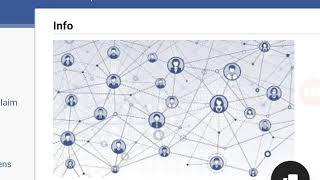
Facebook's WhatsApp stablecoin could reach billions of users instantly, dwarfing Bitcoin's scale through sheer network effect. A poll found 63% of crypto users don't think they need blockchain. The speaker argues social networks, not decentralization, drive adoption.
Chapters
Hey you, welcome back to the channel. And guys, today we're talking about the Facebook cryptocurrency. We have been hearing about this quite some time now, pretty much almost since I've been in the cryptocurrency space. We had been hearing about way back when that Facebook were hiring people from over at Coinbase and hiring blockchain developers. And so this had been stirring around for quite some time, what Facebook was going to do with on the blockchain. So we find out that they're creating a cryptocurrency which will be like a stablecoin for the, for WhatsApp. I'm not very familiar with WhatsApp. I think I've used it a few times at the um, you know, at the, uh, advice of some people. And, uh, so it's gonna affect a lot of the India market. That's where they're targeting. Um, and, uh, it's like over 200 million users, right? So here's the, here's the thing. Um, what that is pretty much going to add up to is From the jump, Facebook will be the dominant cryptocurrency in the world, right? Because it's gonna be out like 7 times the scale of Bitcoin just out the gate. So what does this mean and how did this happen? So it all comes from brand effect, right? Facebook has brand effect just like Bitcoin, but in this case, Facebook has more brand effect. Right? It's more, more users. And that's what gives any network value. But here's where I'm a bit confused with the cryptocurrency space. I have been talking with someone in business and I was telling them about the value in social media. And their response to me was something like, there is no value in social media. And they just had no understanding of the value of social media. And I pretty much had posed that same question very early days in the cryptocurrency space. And I didn't exactly get the same answer, but I got the same sentiment. I got the same behavior in that people were just pushing on and worried about other platforms and other projects. They didn't really settle in. So I kind of jumped on the Steemit bandwagon and Steemit In an effort to be so different from Facebook, created these complicated systems that now are problematic and don't work well. So here's the, here was, here's the, the problem I had. Now, when people demonize Facebook, the, the entire thing wasn't that social media was the problem, it was that decentralized control of our data was the problem, right? But the social media models worked. Uh, so all you needed to do was decentralize social media. But that was the only thing not working with the Facebook model was the, was the control of the data, was the people, uh, who took all the value from the contributors to social media for themselves. And we'd have people like Mark Zuckerberg ended up with billions upon billions of dollars and his top lieutenants and everybody else who contributed to the network with nothing. So my understanding was that the model worked, no reason to change the model, it was just those, those aspects that had to be removed from it. So somehow in the cryptocurrency space, we haven't seen value in the network of social media. It's It's all about networking, right? As we look at this diagram, this kind of 6 degrees of separation, if you will, it's kind of interesting, but this diagram, the way that it's presented looks like the Lightning Network, right? They're using networks of people you know, they're calling them payment channels, but Facebook moves value from— it may not be a unit of currency, but it's still value, social value, content from one person to the next. And they're all kind of connected through these 6 degrees of separation as you go, you know, you move through the network. That could just as easily be a payment channel, which is what Bitcoin Lightning is trying to incorporate now. But, uh, you know, it, it needs more cohesion with the social part aspect as well. And The brand effect of Facebook, that's why they'll be able to come in to this space immediately and, and overshadow it and dwarf it and be a great deal more valuable as a cryptocurrency and as what they've been doing all along through their branding. Uh, and, and I find that very problematic because I have proposed ideas like this before, way before these type things occur. Now, it's no question that BitcoinMYK has a very similar look and feel to Facebook. Why is that? Because BitcoinMYK is designed to be an identifiable user interface for people to adopt people to cryptocurrency through a means that they can understand it and digest it. And that's what social media does. That's what interfaces like Facebook does. That's why people will be able to come in and all Facebook is going to do is implement their cryptocurrency into their already designed applications. So there's probably going to be little to none to no learning curve for these people in this market that they're targeting in India. This 200 million plus wallets that are going to be able to transact this money back and forth, you know. And, uh, BitcoinMYK has been proposing this all along, um, using this approach to draw the people in, to get them using this, and at the same time give reason for them to want to use the currency, because there has to be a demand and reason for them to want to use it. Now here's a very interesting— some very interesting information that came out from a, from some statistics and polls across the cryptocurrency space, and it said that 63% of people don't feel they need to use blockchain technology. 63%, right? And so it was posed that, well, maybe they don't understand the banking industry and all the problems with their money in banking, and the answer is yes, they don't understand it. They don't, they don't understand it. And it's, it's, there isn't an easy way to deliver it to them so they can understand it. And they don't see the demand for it. So let's look at it this way. What makes more sense? Getting people involved in cryptocurrency through social media sites and transfers of value that they already do every day anyway. What makes more sense? Let— telling people that in over the next decade, many people are going to be out of work, and this is a unit of currency that gives everybody value in the, in the network. And that one day when everything is out of, um, is under automation and robotics and we're sitting at home on our computers, we can move and transact value still. Uh, through tokens that grant us a universal basic income, a salary, everyone will get about $1,000 per month, and there is enough money to achieve that. We've— many economists have looked into it and figured it out. Wouldn't that make more sense to people? And that 63% that's saying they don't need to use blockchain technology, there's no demand for it, thus they're not going to use it, or not if it's too difficult to learn, they certainly aren't going to use it. Wouldn't that move them to go, well, you know what, it is quite possible I could lose my job, or maybe they have a good job, but it's appealing to receive $1,000 per month, uh, to do whatever they wish with it, whether it's buy cryptocurrency or gamble with it or whatever. And some people I know will bring up the argument of socialism and various things like that. And in this video, I'm not going to get into how we pay for it and how this is possible. What I would do is direct you to look at many economists, well-renowned economists and very intellectually smart people who say that universal basic income should be delivered, it should be implemented, and that it can work. And this comes from the greatest conservative economists all the way to people like Elon Musk, and many others. But dealing with that 63% and trying to get them to want to use crypto is going to be a huge hurdle. And a lot of us, I think, are still stuck in that mindset of if you build it, they will come. But because of Facebook's giant network effect, they're already there, so they don't have to build it. So I don't believe in reinventing the wheel. If Facebook can come into this thing and have hundreds of millions of users and wallets already without an effort, just coming in, then— and it's taken us, uh, over decades to, to mass adoption, we haven't done it yet and we're still far from doing it— then don't you think it's time that we change the game plan? And, uh, that's what we're saying at BitcoinMYK. We're a Bitcoin fork. We're implementing structures of social media over the blockchain into, uh, a user interface that people can identify with easy. It's just like using their everyday social media, but they're gaining value and they do these tokens. So through their relationships, they can now transact money through aggregate form to various people. Like I said, even Bitcoin Lightning Network is set up just like a social network. That's the crazy thing about it. You can't even send money across the Bitcoin Lightning Network unless you have what they call a payment channel, meaning you have to be connected through somebody else who's connected through somebody else, almost like how Facebook has these channels of friends where when you connect to one friend, you can connect to their friends and so on and so forth. So this is what networks do, and this is how they're used, and this is a much easier way for people to process it and be able to use it. So if you're interested in helping this space grow bigger and mass adopt, and we're seeing it, we're gonna see that happen with Facebook, no question. And the good part about it is this— some of this will probably trickle down, even though Facebook, which is pretty much anti-crypto to everything many people on the blockchain believe, will probably get there first. It probably will be some good from it, you know, with, uh, the awareness now of cryptocurrency. People probably more accustomed to using it, and they'll be accustomed in using it in the way that Facebook develops it for them to use it, uh, which is probably going to be very easy, user-friendly. But some of that will trickle down to us. Now, you know, again, the problem is if Facebook does this right and it does it so well, then, you know, it's more likely that Facebook is going to be more mass adoptable, right? If people can use it and, and maybe achieve the same thing they can achieve with cryptocurrency Facebook, if you follow what I'm saying. So this is something we could have corrected a long time ago and fixed a long time ago, and I don't know why we didn't do it. I don't know why we weren't able to do it. I don't know exactly what the technological problems were because we've set this up and so far so good, and I don't see this being a huge issue down the road as far as delivering value. There were some things had to be put in place, I think, um, a Bitcoin fork was necessary. I think it's necessary that we keep value in, that we do not take value out of the cryptocurrency market. So that's why we thought the Bitcoin fork was necessary to achieve this. But we invite you all to take a look at this working prototype, experiment with this, and see the value you can get from this, because the Facebook token will arrive and it will do better then the entire cryptocurrency space is done. No doubt about it. They will do better. They have the resources and they're already going about it the right way through social media, something we haven't done, or if we've tried it, we haven't done a very good job at it. So guys, that's what I want to talk about today. Let me know what you think. Guys, if you like content like this, don't forget to like, subscribe, and until next time, take care.
More from Michael







UBI - CIA Agent Explains Why Americans Will Never Get Universal Basic Income?



