
Game Of Thrones - Season 8 Episode 4 - Best Episode In History
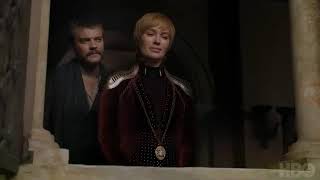
In this solo YouTube commentary, the host argues that Season 8 Episode 4 of Game of Thrones is the series’ best episode despite widespread fan criticism. He frames the episode’s strength around Jon Snow’s acceptance of his true identity as Aegon VI, a Targaryen heir, and how this character revelation drives the narrative more than the previously dominant White Walker threat. The speaker examines Jon’s journey—from bastard to Lord Commander, resurrected hero, King of the North, and finally to a self‑aware heir—highlighting how the episode centers on character development, a hallmark of the series. He also offers several theories: (1) the showrunners, David Benioff and D.B. Weiss, respect George R.R. Martin’s work and deliberately diverge from the books to craft a distinct ending; (2) Varys may be covertly undermining Daenerys by feeding false intelligence, positioning himself to eliminate her; (3) the adaptation process from novel to television demands talent beyond merely having source material. The host speculates on possible outcomes, such as Jon’s claim rallying the realm or leading to conflict, and imagines alternate endings where Jon and Daenerys survive and rule together, contrasting with a likely “Wars of the Roses”‑style conclusion in the books. Throughout, he emphasizes the episode’s focus on personal arcs over grand mythic battles, urging viewers to reconsider the episode’s merits.
Chapters
We have won the Great War. Now we will win the last war. Will rip her out root and stem. Hey you, welcome back to the channel. And you know, as you can tell by the title, I'm saying that this is the greatest Game of Thrones episode in Game of Thrones history. And I know some people are going, wait a minute, How is that possible? There have been many great Game of Thrones episodes, uh, and, uh, this episode to many was a disaster. Uh, so how can you pull that this is the greatest episode in Game of Thrones history, uh, after, uh, what we got and the many complaints across the internet? What is it that you see that we don't? So let's get into that a little bit and let's talk about why I think, um, uh, this is the greatest episode in Game of Thrones history. So what we have to do is we have to go back and we have to start back to, uh, what was like the main, uh, idea behind Game of Thrones. What was like the main thing, part of the story that we were always looking at? Now what I see from episode 3 of season 8, some of us, uh, got, uh, focused on the White Walkers, right? The White Walkers. But if we look at the White Walkers from the very beginning, they were always presented like a, like an event that was in the background, right? The, the White Walkers You know, in the beginning I thought they were going to serve as this MacGuffin, uh, the Night King. But, uh, it, you know, it got more part of the story and it became a, you know, a big, a big threat in the story as we went on. But then that threat was quickly removed as we got to see. Uh, but the, the thing in the story that was ongoing, I think, for many of us was Jon Snow coming into the knowledge that he was, uh, Aegon VI, that he was a Targaryen, right? He was the heir, uh, the offspring of Lyanna and Rhaegar Targaryen. Um, and in this episode, what was so, uh, um, uh, uh, great about it was Jon's— was Jon Snow accepting that he was not only a Targaryen Aegon, but wanting to act on it and really coming to that, this is who I am and this is what I want to be. Now, the story could have went several other ways, right? His reaction to that information, he could have just said, I don't want it and I'm going to remain Jon Snow and let it stay that way, like what Daenerys wanted him to do, right? Right? Daenerys wanted him to basically, uh, uh, you know, uh, disown all that information, just be with her as Jon Snow, right? Now if you go back to episode 1 of season 8, what you get is you get a Jon Snow, uh, coming into that, coming into that knowledge, right? And then telling Daenerys her finding out in the next episode, uh, that he is, uh, Aegon, right? But in all, in all of these things, even like when Sam told him, it wasn't that startling to him, right? It was like, you know, it was almost like he kind of knew, or he could accept it very easily, right? It was almost like he knew it was true and didn't really fight it much, right? And so in the next episode, when he tells Dany, he's already convinced that he's Aegon. He believes it, right? He believes it. And then by the time we get to episode 4, he believes it, but we get to see he doesn't want it in a sense, as he tells her. But I think he does kind of want it, right? Because he goes on to tell Sansa and Arya. And some people say it's because of his honor, But I think it was something more than that. I don't think it was about his honor this time. I think it was more about he's starting to embrace the destiny that he is Aegon VI, and all the events of his life have led up to that. Like everything that's happened to him, becoming the Lord Commander of the Night's Watch, right? From rising up from a bastard to the Lord Commander of the Night's Watch, then becoming uh, then coming back from the dead, then becoming King of the North, right? And then, uh, now these events, you know, uh, being in all these successful battles and being able to ride a dragon, it all just dawned on him and made sense that I am this person. It is my destiny to, to, to, to be this king. Right? And so I believe he knows that it's supposed to be that way. Now, when he goes and tells Arya and he tells Sansa, and, and, um, it— he— when he tells him that, it kind of harkens back to, interesting enough, why Ned Scott— uh, I'm sorry, Ned, um, Ned Stark didn't tell Ned Stark didn't tell Catelyn Stark, right? Because we now see what happens had he have told her. As Varys said, that once several people know, it's no longer a secret, it's information. And we're pretty sure that it would have got out, especially Catelyn, how Catelyn Stark felt about Jon Snow. You know, she would have told somebody and somebody would have told somebody. And eventually would have led to everybody knowing and wars and just a disaster. Robert Baratheon wanted to kill everybody and put everybody's head on a spike. And so for the people who go, why didn't he just tell Catelyn that Jon Snow was who he really was? And now we know the disaster that that could cause. So shaping this all up, trying to point to this was the most integral part of the story, right? This was the, the important part that they're dealing with now, and not so much the White Walkers and everything that's kind of got mixed up in the, in the background of prophecies and, and what have you. Focusing on that and then dealing with the— what Game of Thrones has always shined at, and that's been character development, right? This character-driven story and all the mythical things have always kind of been in the background. This episode focused more on that, and then it dealt with the pinnacle of the entire story— Jon Snow, um, you know, coming into the— well, others as well as him coming into the knowledge that, um, he is a Targaryen, right? Uh, now some people are saying that Dan and Dave are doing some bad writing, right, in, in this episode and all the episodes. A lot of people want to quit watching Game of Thrones. And now, just because I'm saying this is the greatest episode in history doesn't mean that Dan and Dave's writing didn't have a lot of problems and issues in it. But I got a little theory about that, uh, about why Dan and Dave might be doing this. I don't think it's due to lack of talent. I think Dan and Dave have shown a great ability to adapt the A Song of Ice and Fire story into television. And I know a lot of people say, well, he had the great writing of George R.R. Martin, so it was easy for him to put together. But I don't know if that's necessarily true though, because there are a lot of great books where they haven't been able to adapt them well into film or television. And I've seen and I've gone, wow, this is such a great book, but they can't seem to get it right on television or film. So just because you have a great story story doesn't necessarily mean that you can put it together as a great television show or movie. It's, it's, you have a good opportunity of doing, they have a good chance of doing it, but it doesn't necessarily mean you'll be able to do that. And there are a lot of other things that go on through this adaption. There are very subtle things that, uh, the story, a story can't capture that television can, such as gestures, movements, uh, characters making things their own being directed that way to do that, and, um, and all those variety of things. So there's still a great— it still requires a great amount of talent to be able to adapt Game of Thrones, A Song of Ice and Fire book, into a television show. So I think Dan and Dave do have the time to do that. Now what's been happening, uh, as we— you know, as they're running out of time and trying to get to the end of this thing and the mix between Game of Thrones being its own thing and A Song of Ice and Fire doing its own thing. Here's my theory about this, and I want you guys to listen carefully to this. Um, you know, George R.R. Martin makes it clear that the Game of Thrones television show is its own thing, and A Song of Ice and Fire is his series of books that he's continuing to write, and they're gonna they're going to diverge and they're going to go off, some of them, totally different ways. In fact, you know, of course we know in A Song of Ice and Fire there are characters alive that aren't alive in the show. Barristan Selmy, Stannis Baratheon, they're still very much alive. And the causality of events because they're alive, it's kind of interesting to watch because it makes you think about— it kind of makes you think about cause and effect, right? If certain characters are taken out of a story, what or out of a series of events, how those events unfold in different ways. Right now you got characters alive affecting the story, and it's changing. It totally changes from the television show for the books, right? So this is something totally different. But here's my theory too about it. I think Dan and Dave respect George R.R. Martin's writing so much, and they are so in tune with it, which is why we had such great such a great show up until the end there when the books ran out. But not because Dan and Dave, I don't think, could write— could do better shows. I don't think that was it at all. I think they had enough experience with Game of Thrones up until now to shape it into the recipe they had been going with all along and still make a great story. What I think happens is I think they become so much in sync with George R.R. Martin that they don't want to ruin his books. Right? Now I know that sounds weird, but I, I think it's, it's due to respect. And I think they're telling a totally different story than what could come out in A Song of Ice and Fire, because I think at this point they can almost— they're probably very familiar with the course of the book, so they could probably almost accurately predict how the, uh, how the books are gonna end to a great degree, right? Um, and, uh, they could have— I think they could have just as easily followed along a similar path. I think they I think they are trying to come into their own and trying to diverge from A Song of Ice and Fire to where we're going to have two separate endings to A Song of Ice and Fire and Game of Thrones. Now, a lot of people think it's going to be disastrous, that's going to be a terrible end to the Game of Thrones television show, right? But I'm gonna make a weird prediction. Because I, because I think Dan and Dave are deliberately trying to do their own thing now. I don't think that Dan and Dave is going to have that bittersweet ending that George R.R. Martin talks about. I think we might even have a fairy tale ending, you know, with, you know, it could possibly be that in their version of Game of Thrones, Daenerys and Jon Snow survive this thing and, and have children. We do get to see Dany in her dream vision walking around a burned-down King's Landing, right? A destroyed King's Landing. So that's probably going to come true, but it might just be that they survive because, uh, um, uh, in my, in my past theories, uh, the A Song of Ice and Fire would more likely have to end like the Wars of the Roses. If you're not familiar with the Wars of the Roses, this is where a, uh, basically it They represent— the Lannisters represent an English family called the Lancasters, and the Starks represent one called the House of Yorks. And these two houses combined to rule England. So that would mean it would probably more likely be like Tyrion and Sansa end up being married and ruling the Seven Kingdoms. And that's probably what will happen in George R.R. Martin's books, A Song of Ice and Fire. But now Dan and Dave, I think they will deliberately veer from that. They may just have Jon and Daenerys survive and, and, and, and be, uh, and marry one another, right? It could be something like that, but it's going to be— I think, I think they're going to deliberately make an unpredictable end so both of these, uh, diverge, right? So you have Game of Thrones with a totally separate ending, uh, and George R.R. Martin's story. So, and that's either for two reasons. That's either because they have come into the idea they want to make Game of Thrones its own thing, or they kind of respect George R.R. Martin so much to the point where they want to make sure his stories, uh, continue to become rich and go on and they're not predictable endings and things like that. That's just my idea about it looking at it. Uh, another thing people say, oh, what was silly, that Wright Riegel was, uh, hit with the arrows from Euron, right? And killed so easily. And I have another theory about that that you all should consider as well, that I think they were going for. And that is, we see a lot in that same episode Varys wanting to go to the point. If it gets to the point he has to have Daenerys killed, he's willing to go that far. We got to kind of see that. And what I believe Varys is doing now is firing warning shots, or at least trying to reduce Daenerys' ability to burn down King's Landing. So when a lot of people say things like, oh well, how could she— the dragons, how did they not scout ahead? A variety of things. Well, it's quite easy that Varys could have got to those parties or could have gave out false information that there is no one uh, uh, dear, uh, that the place is safe, right? That the grounds are safe and, uh, right, and giving way for that ambush. Uh, so that's very possible, seeing that we know who Varys is not in support of Daenerys, and he's, he's, he's become— it's become quite obvious to him from the earlier scenes in the celebration that Daenerys was very concerned about Jon Snow's rise, and now that Varys has put everything together and he knows that Jon Snow is Aegon VI, and he sees this, uh, concern with Daenerys, you know, it's, it's very likely Varys acted in some way. We know Varys will take action and he won't wait, so he's probably already set in motion the things to remove Daenerys. He's already— he, he's already convinced she is not the person that's going to be able to bring justice and, and to the Seven Kingdoms, right? Uh, he's afraid she's gonna become her father Aerys Targaryen, the Mad King. So, um, that's why I think that's— this was the greatest episode because it really brings full circle Everything about Jon Snow's movement into his identity, right? And the world knowing about it as they know about it now, and probably will be that the whole, you know, before this war is possible, or before this war really gets going, that information is going to be out now. Who knows? But, um, which would actually be kind of interesting because it kind of moves me to another theory. What happens If the world does know that Jon Snow is the true heir, the true Targaryen heir, do they— and that there's a good king— does the countryside now rally to his cause? Or is it worse than that? Do they not even accept him because he's a Targaryen, right? So that's all very interesting. To consider. But, uh, yeah, I, I thought it was the greatest episode. It was character-driven, right? Um, they spent a lot of time with that this episode, which is what Game of Thrones has always been about. Uh, it's always been about the character development and, you know, these battles, these long battles that some have been great. Um, uh, and, uh, this, this one we just got, the Long Night, I thought it was awesome. I thought it was great as well. Um, have always been, you know, one episode a season or something like that, or maybe two, which has been fine. I, I think that's been a just a great recipe for how they've done things up to this point. But yeah, guys, tell me what you think. Do you like some of the ideas or my vision on, on how I saw this, um, this episode? Let me know. Uh, if you like content like this, don't forget to like, subscribe.
More from Michael







UBI - CIA Agent Explains Why Americans Will Never Get Universal Basic Income?



