
3:45
Pull outer leaves from collard greens and they'll keep producing. A former commodities broker explains how crops lose nutrients during transport, making homegrown greens worth the effort. Store them in zip-lock bags or freeze for later.
Pull outer leaves from collard greens and they'll keep producing. A former commodities broker explains how crops lose nutrients during transport, making homegrown greens worth the effort. Store them in zip-lock bags or freeze for later.
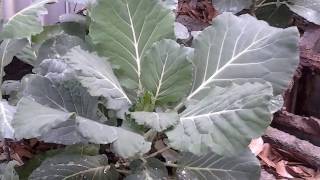
Guys, welcome back to the channel, and today we're gonna be doing a little bit of collard green harvesting. I remember, uh, some time back I did a video on raised beds and harvesting collard greens and things like that, and I know I normally do training videos, guys, but You know, a man can't live on trading alone. So sometimes what we got to do is we have to feed our body with things other than financial information, be concerned with things other than our financial health, like our physical health. And, you know, so where this kind of can relate to some of the trading videos we do is is that, um, you know, when I got my commodities broker's license, one thing we learned about was grades of agricultural products, and that has to relate a lot to how our products are transported from storage facility by truck and things like that. And during that period of time that, you know, the crops are, you know, in transit, they're losing a lot of nutritional value. So, you know, guys, that's, you know, something to think about when we go to the grocery stores and things like that, that, you know, we're not getting nearly as much nutrients from a lot of those crops. So, so basically did the other video on Growing certain crops in raised beds. It's the spring now, so you're going to get to see me do a lot of fun things with various crops and things like that. As well, I'm going to be having a large fish pond in the backyard with a waterfall under construction here, and I'm very excited about that. I'll be able to go back there and do some fishing too. And here on the ranch, it's already full of deer and turkeys, so pretty much everything I need, guys, and that's a good thing. But, you know, anyway, what I'm going to do now is I'm going to do— well, I'm going to do all new seeds now, so I can just pull these up. But I'll just demonstrate what they call cropping, you know, normally through your typical growth season. Let's see if I can get a hand around here. We simply just, well, you know, break the leaf over and pull up on it like that. I'm holding the camera here with one hand, and you can see I pulled that nice healthy leaf off of there. And you know, basically what we do is, you know, you can just keep pulling it off collard greens and letting the leaves grow back, and it can— a tree can just feed you for a long period of time, guys. So pretty cool thing with collard greens there. And I got my little Ziploc bags here. I'll be cutting them up, storing them in the freezer. And sometimes what's also fun to do, just, you know, eat them right off the tree. You can eat them raw and just get all those great nutritional gains to your system. But anyway, guys, I just want to check back in, let you see some of the growth of the collard greens. I'm going to be doing— I'm building, constructing a large greenhouse. It's going to be full of Different peppers, one of my favorite bell peppers, so I never have to go to the store and get a bell pepper again. Tomatoes, squashes. This is Georgia, this is rich soil.

UBI - CIA Agent Explains Why Americans Will Never Get Universal Basic Income?









