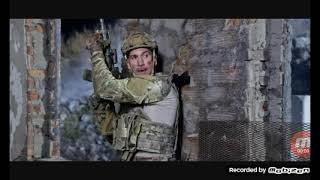
In this solo YouTube review, the host walks through Netflix’s The Punisher episode 3, “Kandahar.” He begins by outlining the episode’s opening scene where Frank Castle interrogates Micro, an NSA analyst who uncovered data on a covert black‑ops operation committing war crimes. The reviewer draws a strong parallel between Micro and Edward Snowden, noting Micro’s role as a whistle‑blower risking his family to expose the truth. He then examines the fractured relationship between Frank and Jigsaw, highlighting their shared military past, moral divergence, and the broader theme of veterans struggling with reintegration, PTSD, and the Veterans Administration. The analysis moves to the antagonists: Rawlings, the head of the illegal operation, and Rollins, a CIA‑type field agent, discussing how the show portrays private military contractors and a shadowy coalition of nations operating outside official government control. The reviewer interjects personal experience from his own security work at government installations, recalling similar stories of private armies and covert operations, which reinforces his engagement with the episode’s plot. He comments that the series prioritises character‑driven storytelling over pure action, finding the narrative more compelling than the fight scenes. Finally, he reflects on his viewing habits, considering whether to review each episode individually or in groups, and invites audience interaction. The tone is conversational and enthusiastic, with a critical yet appreciative stance toward the show’s handling of serious social issues.
Chapters
Hey you, welcome back to the channel. And guys, today we're going to continue on with our discussion of The Punisher. This is episode 3, this is known as Kandahar, and I really enjoyed this episode, guys. Uh, in this particular episode, we got to learn a lot more about Micro's background. And that's how the show opens up. It actually opens up with Frank interrogating Micro. And Micro is a very interesting character because he is one of these, as he basically tells Frank, he's an NSA analyst. And so he's got caught up into this entire situation by coming across the data. that showed this black ops operation doing these war crimes and illegal things. And I found that all very interesting. It seems like Michael bears a very striking resemblance character-wise to the personage of Edward Snowden. And that's what came to mind with his character and how he was acting as the patriot, jeopardizing the lives of his family because he wanted to do the right thing. And very interesting, you know, connections between him and Snowden. And him being in the idea of this patriot trying to let the American people know what was going on. But I also just found it all very interesting and a very well-done story and reflections back as we got to learn about the connection between Frank and Jigsaw and how they were all basically part of this unit, but also what happened with their friendship and the split and the splintering between the two characters and with their moral struggle with the entire operation. And, uh, you know, as they reflect back, uh, there is this talk about Frank going over to the dark side, and struggling, you know, with a lot of the issues that military persons have. And, uh, I thought that that tied in really well with a lot of the, uh, topics of today with how veterans have been treated, the Veterans Administration, and protecting veterans and dealing with, um, post-traumatic stress disorder. So I think the show does a really good job even though it has many dark elements, you know, dealing with violence, with weapons, and Frank's military background. But I think it did, it does bring a certain awareness and help me to reflect on how soldiers deal with coming back from wars, especially the most recent ones. And the difficult reintegration back into society after those times. So I think the show does a very excellent job of addressing that, and just a great character-driven show. The, the stories and the, uh, how the characters, uh, act in these situations, I think is is very— it draws me in a lot more so than the action, uh, interesting enough. So I'm, I'm actually more, uh, more caught into the story than the actual action scenes, which I, you know, which is kind of surprising to me. It comes kind of surprising, but, uh, Netflix Marvel has done a real good job of, uh, putting these superhero shows together and touching on a very, uh, serious nature and important issues that we have to face. So, um, liked all that. And we got to get into Rawlings' character quite a bit, uh, him being the head of this operation and the type of person he is and the conflict between him and Frank. Uh, from the beginning, we can see that him and Frank were in a lot of disagreement. They didn't, you know, Frank doesn't work well with, uh, you know, with the type of figure that Rawlings Represents, and I kind of see Rollins— to me, what comes to mind is he was one of these CIA-type field agents who's, you know, behind a lot of these illegal operations, activities. And from the comic books, I don't know— I believe his name is Rollins. I don't know a whole entire lot about him. I don't know if he was really CIA in the comic books, if he was CIA affiliated or what have you. But, um, you know, he does have that, that look and feel. But what we get to find out is the entire operation is a farce. So I don't know who's pulling the strings, but oddly enough, you know, in my personal life, uh, while doing, uh, different security, uh, functions at some government installations, I had met, you know, staff members who talked about very interesting operations that were not operated by any particular governments, but kind of like this coalition of nations that will work together, kind of have these private armies running around the Middle East. And looking at, you know, this story unfold, it kind of sent me back to that in my mind when I would have stories with a lot of military personnel who joined this security government installation that I had spent some time working with. And I just found it very, very interesting, you know, to see them go this route. I thought maybe that this operation was, you know, was tied to the government, but it seems like it doesn't have any connection at all. And somehow they were able to get these soldiers to go in work for them and basically become their own personal assassins and hitmen. So, uh, very interesting, very well done, uh, episode. Um, and have I been enjoying them? I don't know if I'm going to review every single episode in the series. Uh, I may skip ahead and do some in groups like I did the first two. Uh, but, uh, so far really, uh, enjoying this, uh, this story. Madani is getting more information as she's, uh, uh, you know, going about her case and, uh, you know, her relationship being in, uh, being a field agent who now being a superior officer, um, and, uh, you know, coming to terms with that. Uh, and just a very interesting— the Jigsaw character, I'm wanting to see more of him. I like his storyline. I like his character. And he seems to be kind of fit outside of the group. It's interesting casting for Jigsaw, and I don't know much about Jigsaw in the comic books. I don't know if he fits this character, but I just find him very interesting in how they're placing him in the story. He's definitely different from the rest of the soldiers. He seems to have got out in time, become that successful soldier who doesn't suffer much from the post-traumatic stress disorder, who everything seemed to work out for. And, you know, he still has his brotherhood camaraderie with the rest of the members. But I also found it interesting that for them to be in such a close relationship, it didn't seem that Frank trusted him enough to to let him know, uh, what was going on, uh, with him and him being still alive. Anyway, guys, that's my review on this episode. I enjoyed it very much. Let me know if you're enjoying The Punisher so far. If you like content like this, don't forget to like, subscribe, and until next time, guys, take care.