
Rittenhouse Aquittal - My Concerns
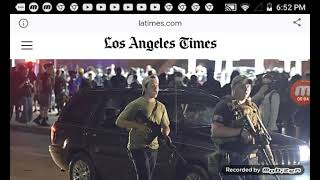
In this commentary, the speaker reflects on the Kyle Rittenhouse trial and acquittal, dissecting the legal framework of the Second Amendment and criminal versus civil liability, while emphasizing the moral complexities of responsibility without fault. He examines the age and accountability of the 17‑year‑old defendant, critiques the notion of private citizens defending property with firearms, and warns that the acquittal could encourage armed civilian groups or militia‑like formations to intervene in protests, potentially escalating violence. The speaker also discusses how such outcomes might be leveraged by political think‑tanks and the NRA, arguing that prioritizing property over human life is a dangerous precedent and that the societal solution lies elsewhere. He concludes by urging viewers to consider both legal innocence and moral responsibility, and to value lives above material possessions.
Chapters
Welcome back to the channel, and I hope you all are having a great day. So, um, I wasn't going to touch this, um, this topic. Uh, we, you know, we know that the Rittenhouse trial had been going on, um, and he was acquitted of the incident, uh, where, uh, two people were actually killed, and, and one, as we know, was was wounded, um, due to a confrontation, um, at a protest, um, uh, uh, you know, based around Jacob Blake. Um, so what I want to talk about— we know the details of the case, but I, I just— I was going to do this video earlier, but I just thought it was more, more important topics that were on the horizon, you know, more useful topics, I guess I could say. Uh, and, uh, I, I, I chose to avoid it up until now, but, um, I guess what I want to talk about was my concern with what happened in this, in this case. So I think first we have to understand that I'm just looking at an article here from the Los Angeles Times and it's entitled, will Rittenhouse acquittal lead to more armed confrontations at protests? And this is my concern. I had been saying this in my mind that I could see something like this becoming a big issue, a big problem. So first I want to consider the law itself, right? The legal framework that we have in the United States concerning guns. We know we had a right to bear arms under the Second Amendment. And so the, it's the legal framework of, of this case, and then I think it's all the moral issues with this case. And so let's first take it apart and look at the legal system. So what we get with the legal system, right, is we get sometimes an imperfect system, right? And that is because there are certain parts of the law that, uh, make sense, and there are some things that maybe don't make sense. Like, for example, uh, it's kind of crazy, but, um, there are— there, there have been— there's a case where, uh, you know, people who, uh, were, uh, you know, dealing with some kind of illegal substance or who failed to make child support payments were given like 9 years in prison, right? And then you have cases where people are actually responsible for the death of somebody, killed somebody in manslaughter, and they might get 9, 10 years in prison and might not do the whole thing under good behavior. And they've, they've murdered somebody, right? Um, and so you can see that this is an imperfect legal system, right? And that you can be right under the law in certain aspects, but in the, the moral court of law, right, in the, in the, in, in how society views things, um, you know, you could still be guilty or responsible. And then if it moves on to what we call civil court right? Um, you can still be, uh, found responsible for a crime, uh, even though you might have been proven innocent of it in criminal court, right? So then it could break down into two courts. I'm not an attorney, I'm not a lawyer, but, uh, this is how I understand how the law works, right? Um, So with the Rittenhouse case, you know, obviously it was this kind of, you know, it was a, it was a, uh, people on both sides of the issue, right? And a lot of the people who, uh, wanted to see justice for the men murdered, I guess you can, you can call it that. They were on the other side of that, uh, of, of, of the idea, but they were, I think more looking at a lot of circumstantial incidents related to Rittenhouse, right? Whereas the people who believe Rittenhouse acted in the most appropriate way under law he could, some people feel that he was in his full right to do what he did. Uh, me personally, I think the, uh, the truth of the matter and the, and the how to look at it lies somewhere in the middle right now. I think looking at somebody like Rittenhouse and his age when this happened, you know, this is a 17-year-old kid, right? Um, I think I wouldn't always have a soft spot just because of his age, because the thing about him being 17, um, I can see people making a lot of dumb mistakes at 17, right? And there's no excuse that you should be held responsible, you know, for your actions. Um, you know, but it's just something I think that when people look at a 17-year-old kid they're spending their life behind bars, you know, things like that. In a case where, uh, you know, it— there are some questionable things that were going on, you know, it could become quite difficult, right? So I, you know, I, I saw that he was going to be acquitted, you know, throughout the whole trial. Now, in saying that, that doesn't mean that, uh, I didn't feel Rittenhouse was was, uh, uh, um, wasn't responsible for what happened, right? So let me give you an example what I mean. There's a such thing and an idea of you can be responsible for something even though your actions themselves, uh, you know, you may not be the cause, right? You may not be at fault, so to speak, but you might still be responsible. For example, a parent that has children, right? Your child goes out and he breaks my windows, right? And, and, you know, my, my property or whatever, uh, you know, it's not you that did it, right? Uh, you didn't, you didn't do the act. The action wasn't committed by you, but the system still will hold you responsible, right? Even though you didn't do it, because, you know, through the— throughout the circumstances, you're responsible for your child as they are minors and so on and so forth, right? Um, so there's this idea of responsibility, although not necessarily being at fault. Um, Look at something like the Rittenhouse case, and many of us know the details of the case, um, you know, that, uh, and I'm not going to get into, you know, crossing state lines with weapons and guns. A lot of people say that didn't happen, that the weapon itself, uh, you know, was in Kenosha. Uh, a lot of people, you know, as it came out through the case as well, uh, that the, uh, that, uh Rittenhouse's father was a resident of Kenosha, and he considered himself part of that community. Um, so, uh, you know, the argument could be then per se it wasn't so much like he just hopped up and went down there, right? So I'm not going to get into that, but what I will say is that, um, there is a certain moral responsibility in the way that I think people approach a situation, specifically, uh, when it comes to protection of property, right? So, you know, in these particular cases, uh, what you have to understand is like, I kind of looked at protection of property, and especially if it's something in the— in relation to like a business or something like that, Right? It's different if you're at your home and you're protecting your livelihood at home. But in the idea of a business, let me try to relate it to a vehicle, right? Let's say that you're, you're in your car and somebody's trying to steal your car and you can get away while they're trying to steal your car. Uh, you're not in certain, you're not necessarily any danger per se, but you choose to stay and fight off a carjacker or something like that, right? Um, and what's happening in that case is that you're, you're, you're, you're under the idea you're protecting your property, but the thing about it is you're, you're protecting your property and you're creating a, a very unsafe situation for yourself and maybe people around you, right? So in a sense, you could be responsible for protecting your property for the endangerment of the people around you or even yourself, right? And, and I think in that case you have to kind of weigh the, the decision you're making as is replaceable property is probably insured as well, uh, you know, is that worth many of the outcomes that come about through it. And, um, you know, that's a personal question you have to answer. I, I don't know what everybody's value systems are, right? Some people might be willing to die over, you know, over a car, uh, uh, you know, uh, uh, or, or, you know, or some type of, uh, audio equipment, or whether it be, you know, whatever the case may be, uh, some inanimate object or whatever. Some people might in their value system be willing to risk, you know, those things. But my, my great concern in the, in the Kyle Rittenhouse case with all these circumstantial things about him going down there to protect property that, uh, my understanding was that the people who owned the property, you know, didn't, didn't directly ask him to come down and protect it. Um, and, uh, you know, in many cases, um, throughout some of the video evidence, it was people just protecting people's property that didn't ask for it. And they were on the streets with guns and at some points not even on the property, right? So what's happening when they're out in the streets with the protesters with these guns you're going to get a lot of intimidation and you're going to possibly get provocation, right? And that's what was going on, right? I think, you know, overall in those type incidents as well is there is a, I think, a certain, uh, uh, I think there's a certain outcome that could be expected in these situations, right? If you're going to a hotspot where there's been some big high-profile incident with, uh, you know, police accused of, um, you know, uh, uh, basically, uh, uh, harming citizens and, uh, you as in the Jacob Blake case, paralyzing him, gunning him down even though he was shown not to be a, create any danger in the situation. And the many other non-lethal means police officers had ample time to use to stop him from walking all the way to his car. Anytime you're you run into a hot spot like that, I have to believe that you are expecting a possible outcome where you're going to have to shoot somebody and, and people are probably going to die, right? I'm, I'm assuming that that's come up in your thought process, right? The, the big issue with the Rittenhouse case is that Whereas prior to this, maybe, um, you know, there was a such thing as the peaceful protester and they were out on the streets and, uh, maybe they were tearing up public property, right? But, but people weren't being injured and killed, uh, to the, you know, to the degree that it may become after this situation? Because I guess what I'm getting at here is that you're probably not going to see many of these protesters, uh, when they go out, they're going to be armed, right? And can you imagine, um, a situation with armed protesters ready to engage, uh, whether it be some type of self- Created militia groups to go and protect property that they haven't been invited to protect. That is creating a lot of confusion and can actually even stir a hornet's nest more, right? And these are my concerns. And so you can now have Whereas these incidents, you know, haven't went well. Innocent people have died. People protecting their property have died. Peaceful protesters have died. Now you could have a bloodbath of armed protesters shooting against these militia groups. And I call them militia groups. I don't really know what else to call them because, you know, these groups of people, they do organize and they go way across state lines to, to do things that, uh, the police department have to liaison with them to do. So, so, so if it was, uh, on the up and up— and let me just give this example as well— if they were going to do something like that and they called up the police, you know, department or the police force or, or, or some security force or whatever you want to call it And they said, well, we would like to liaison with you guys. And they had a, you know, some training for that as well. Like, you know, like the— and maybe the police could deputize them, or maybe they could just kind of work hand in hand as a security force with the police under certain guidelines. That would be one thing. And I think that could be looked at in a favorable way. But we know the reality of these situations is that some of these people in these groups to stir up the hornet's nest are going to be militia groups. They're going to be racist, you know. And I'm not saying Rittenhouse is any of that. It wasn't proven he was any of that. And, uh, um, you know, the, the jury, uh, acquitted him. And, you know, the bottom line is anytime you're pursuing somebody who has a gun. It's a bad idea. Never pursue someone who has a gun, right? They're going to think that it's going to look like you're endangering their lives, right, one way or the other. And so, uh, you know, these men lost their lives because they, they didn't heed that. But, you know, because of all this confusion that could go along with this You know, if it's going to result in more people being harmed, you know, than, um, was before, then we haven't really solved the issue, right? You know, protecting inanimate objects and property that can be replaced, um, and, you know, people being killed and on the streets and bloodbaths is not a solution for these type of issues, right? Uh, the last thing I'm going to say, I'm going to say about protesting in relation to this, um, is that like for people who say, well, you're in your right to protect your property, you're in your right to, to, um, um, you know, if it comes to it, you stand on your property, you got a gun in here, kill protesters that want to, you know, destroy property. The thing you have to understand, I think, about many of the minds of the protesters is that— and this is kind of a common sense to understand this part as well— but think about if the only, the only, um, um, um, thing in your arsenal, right? To try to change a situation, right, that you feel is unjust. And I'm not advocating violence. I'm not advocating destruction of property or anything like that. But what I am saying is throughout history, if protesting right, is the only thing in your arsenal to change a situation. Never in history has that really been an effective method, right, without the other, right? Now I know some people will bring up a lot of nonviolent people throughout history, right? But oftentimes what go along with them is that, is that other side, that, that counter group that is using violence in relation to, you know, in addition to what they're doing on the nonviolent side, right? Because what can happen if protesters didn't destroy property or wasn't the possibility they would, then, you know, how effective would that be really? Wouldn't people just, if you, if, if the system knows the most that can come about, um, from protesting is just people talking in the square, then, uh, that's probably not going to move the wheel much, right? And again, I'm not advocating, I'm just saying throughout history, it— all of these things have been part of the scenario. So when you got situations like people who are willing to go out and form, uh, you know, groups, uh, to combat, you know, protesters that, you know, whether they're protesting in a peaceful way or where they feel that is, is such a crucial issue that something needs to be done. Now, um, when you're destroying public property, like in the case of these protesters it— the dangers of that is people could be harmed, right? Uh, whether it's in a federal building or public building, right? But when you talk about federal property, it, it's, you know, in some sense— and again, I'm not condoning any of this. It's— when it's gotten to this point, I think it's already too bad. But with federal property, right, it's a little bit different because that property belongs to the people. When you're dealing with personal property, that's something else entirely as well, right? So I can see people being upset about that. But only thing I could say in, in, you know, in closing is just to say that, you know, your lives are more important than property, whether it's the protesters or whether it's the people who are out there to protect this private property of other people, right? That in many of these cases haven't even been their own. Um, you know, it's not worth it, right? To, to— and I don't think the, the precedence is being set and the message is being said is this article in the LA Times is bringing out. I don't think anything good is going to come out of that. I know there are conservative think tanks that want to— probably will want to make like Kyle Rittenhouse, uh, Kyle Rittenhouse the poster boy for the NRA and they might want to do those various things. And we know in the United States we have the right to bear arms. That is one of our constitutional rights. But all I'm saying is that I don't think the result we're going to get from this is going to be a solution base. I don't think overall it's going to be, uh, the, the, the best way we could have went about it. I think more people are going to end up dying. There's going to be a lot of more heartbreak and, and tragedy behind behind these type things. Um, and it's not going to be the type of solution, you know, that we as a society would want. That's, that's, I guess that's my overall message to the Kyle Rittenhouse case. And tell me all what you all think about it. Uh, I hope I, you know, I, I gave, uh, you know, a fair view of how the law works, you know, why I felt he was innocent under law, but why I felt he was, um, not, you know, more when it comes to morals. Um, I, I can see a lot of circumstantial things that created a lot of issues for Kyle Rittenhouse in his case. But that's all I want to say in this video. If you like content like this, don't forget to like, subscribe. Till next time, as always, take care of yourselves and each other.
More from Michael







UBI - CIA Agent Explains Why Americans Will Never Get Universal Basic Income?



