
Sam Altman - Anti UBI? Elon Musk?
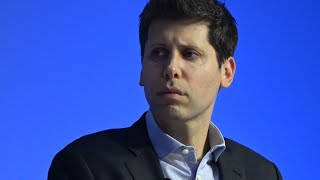
In this opinionated monologue, the presenter examines the positions of Sam Altman and Elon Musk on universal basic income (UBI), questioning their commitment and practical actions. He reflects on his own lingering enthusiasm for UBI while noting a perceived shift toward doubt, especially in Altman's recent comments and the direction of Worldcoin. The video critiques Musk’s lack of concrete UBI integration in his ventures and argues that both tech leaders risk offering only lip‑service. The presenter clarifies core UBI concepts—emphasizing it as supplemental, universal, and a catalyst for entrepreneurship—while warning against targeting only the poor. He then delves into the role of blockchain and cryptocurrency as low‑cost, global distribution mechanisms, addressing common misconceptions that label crypto‑based UBI projects as scams. Specific projects such as Worldcoin, BitcoinMYK, and RoyalCoin are evaluated: Worldcoin is seen as sidestepping its UBI promise in favor of identity and voting solutions, raising privacy concerns; BitcoinMYK is presented as a more focused UBI effort. The talk expands to broader societal priorities, arguing that AI safety and UBI should outrank entertainment media, citing potential AI‑driven existential threats. The presenter urges viewers to share the video, stay informed, and support genuine UBI initiatives, especially those leveraging blockchain responsibly.
Chapters
I will very quickly say, okay, we got to have some new economic model where we share that and distribute that to people. I used to be really excited about things like UBI. I still am excited, like universal basic income, where just give everybody money. I still am excited about that. Welcome back to the channel, guys. I hope you're having a great evening. So today I want to talk to you about Sam Altman, who was kind of a bit callous behind Royal Coin, and a little bit about Elon Musk. So in relation to universal basic income, so these are two gentlemen who have spoke out about or advocated for universal basic income as far as we could tell from a lot of their the information they've put out about universal basic income. Um, and so, uh, I was highly led to believe that Sam Altman, um, had been a big proponent of universal basic income. And, uh, as you can tell by the video title, I'm asking the question, are they anti-UBI? So, uh, I don't think they're anti-UBI, but here's the problem. Here's the problem. I don't like Sam's answer here about universal basic income. Uh, I used to be excited. So it's kind of a Freudian slip there, right? You have to pay attention to the language. Uh, I used to be. So, uh, to me that kind of denotes there is a, uh, some type of realization that universal basic income probably won't happen, at least anytime soon. And, um, you know, that it might just not, uh, it might be a long fight. Now the problem with, um, uh, Sam's answer is universal basic income requires a lot of energy, right? You, you got to be 100% in, uh, you got to be sure because it's going to be a long fight for universal basic income. Even when people are desperately in need of universal, universal basic income, we're going to see, uh, it be denied and people not getting the things they need, uh, even in a period like that. And we know that because we have certain situations similar to that now, uh, with, um, people getting the type of aid they need get any type of social system they need to deal with, whether it be problems in unemployment or what have you. So it's likely not going to be any different with universal basic income. So you got to be certain about, you know, where you stand with it. And although he kind of basically beefs up the answer a little bit with Yeah, it's a similar thing he says with, uh, that Elon Musk says where they're talking about, uh, not basic income but this highly rich wealthy distribution system. And the problem I have with that when I hear them speaking in terms like that is I tend to think more of a capitalist, uh, and I don't mean a good capitalism, I mean the I mean, more of the same of what we're getting now, uh, that this is an answer just to say that, oh, this gotta be more of the same system. We're just gonna create more profitable businesses and more profitable enterprises, and everybody's going to get rich, and you're going to get a share of that. Now, of course, the problem has always been— it's never been that we haven't been able to create enough wealth. In the country, the— or in the world, it's always been the issue of when the wealth's created, there have been regulations and legal parameters that have stopped people from getting the, uh, a share of these resources, right? And they find all types of excuses in order to keep these people from getting them. Uh, and so that's the problem with this answer. It's just like Elon Musk's answer, right? But it's— to me, it's just another way of saying that there's going to be more money produced, there are going to be more goods produced, um, but it's still going to be the issue of how you get them and who gets them, right? Uh, and that's a problem because that is going to probably translate back to pretty much the same what we got now, just more automation producing more stuff and a lot more people than now, or a lot less people than now, getting those things than they're getting now. Um, and so that's the problem with that. Um, Elon Musk— just gonna say a few things about Elon Musk. Uh, he was kind of on the train before Sam. Problem with Elon Musk is, and the problem I find with, uh, many, uh, people who talk about UBI is in their actions, right? So with Elon Musk, he's been gung-ho about everything he's pursued, uh, and done a fairly good job with it, right? Uh, but he had a lot to say about universal basic income, but he has incorporated no systems into any of his projects to make it possible. And, um, That's not hard to do. Like, um, there are ways that could be done with your companies and so on. And whereas, um, so, uh, Sam, I think, had a very good start with Worldcoin, you know, putting out Worldcoin, which— and one of the leading taglines for Worldcoin was, uh, the universal basic income part. He did a good job with that, but if this is a lack of enthusiasm, and it seems it very well could be, this is typically what happens with a lot of the people in the tech world, then that's not a good sign, right? It's not a good sign at all. And I would be concerned about the direction of Worldcoin, uh, headed up by people like this, uh, who don't have that passion and are ready to take, uh, which are going to be necessary actions, are going to be, uh, actions that are going to need to be strong actions, right? Not the kind of go with the flow, let's see how, you know, because that's, um, another thing he was saying, uh, about people being concerned about. And see, that's another thing I think that, uh, has me greatly concerned about, uh, Sam here, because he's using the same talking points that a lot of people use who don't understand UBI. So that either means to me that either means Sam doesn't understand, completely understand UBI, or that he is going down that other path of UBI is not going to be something that we're going to want to work with, uh, you know, we're not going to put any more energy and resources in it. Because anytime people say, oh, UBI is going to cause people not to work Right, it is the most ridiculous amateur answer in any UBI research, right? It is typically given by people who don't know anything about UBI, because if you understand how UBI works, the first thing you would know is that it is a supplemental income. It is for your basic needs, has nothing to do with, um, you know, paying for your, uh, all your entire life, paying for that house you're gonna live in, the car you're gonna drive, your kids' education, all that stuff has absolutely nothing to do with that. This is a kind of like a bit of a safety net to kind of help you along. That's what it fits the term better, supplemental income. We should maybe always include that in because there are people who are really convinced out here, people who live in places like California New York City that really believe that if they got like a universal basic income— a lot of numbers they throw out there, first at like $1,000 per month— these people really believe that there would be people trying to live off that, right? Basic needs, we're talking about the bare-bones minimum. We talk about you're not going to starve to death, you're going to be able to find a roof over your head, right? But at the same time Uh, that doesn't take away the desire for people to work, right? You know, uh, you have a lot of working poor people who work hard every day and struggle and can't pay their bills. You know, they would be able to do that and to drop the stigma, right, of, you know, a lot of times wealthy people who maybe don't need it. Uh, a lot of their problem has always been inclusion, right? So they'll go like, we're paying all these taxes. And, you know, to be fair, universal basic income would be everybody gets it. A lot of people don't like that. They want just people who need it to get it. But no, you have to— this has to be universal to everyone because those same wealthy people, shit, they fall on hard times, that universal basic income might be something very useful to them. And if they're already getting it, they're included. In the citizenry like everybody else. And, um, you know, so it dampens down that issue of why am I paying for the lives of these other people and I'm not getting anything, right? At the end of the day, we suffer the selfish gene, and many people want to know what's in it for them. That's just how we are. That's just the state of affairs. And so universal basic income, the truest form of it, I believe, uh, accounts for that. Um, so, you know, saying all that and looking at Raw Corn, uh, Sam's, uh, effort to solve the universal basic income problem, we want to just say a few things about that. So truly, I'm a believer in all types of universal basic income. I want to see them all succeed, right, to a great degree. But not all are equal to others, right? Not all are the same, and some are quite deficient in areas that it needs to address, right? Because Many of them operate on different parameters. Some of them feel more like straight-up welfare where they just target poor people, and that's not what we want to see. We want to see a great general audience of people because the improvements and the successes and the benefits of it spread across a multitude of demographics kind of creates a entire ecosystem that helps everybody, right? So in other words, uh, you might be doing fairly okay, you're able to take care of your bills, maybe you, you can survive without Universal Basic Income, but that extra money from UBI might allow you to take on endeavors you wouldn't have before, like creating jobs, right? Creating businesses, uh, pursuing some— that could have a big effect, a big impact on a lot of other people in the ecosystem, right? So that's why it needs to go all around. It can't just be to poor people, right? I don't think it would reach its maximum potential that way. But to speak on RoyalCoin a little bit, so my fear is then if Sam Altman is kind of feeling iffy about it, if that's what's happening here, And a lot of people who are into UBI are very passionate about it, they're very sure about it. Sam, to me, seems like he's more worried about the people who— and mind you, again, the people who are saying things like, oh, I don't want just people to give me money, I want to work for it, and things like that. Oh, okay. But the problem is a lot of times that's coming from— would be coming from people who are, I would say, people who don't quite understand technology and people who already have a bias, and it is a very, uh, about how they would want the world to be. Like, some people really feel that the world should work in a fair way where they get out, they get up, and the amount of labor they produce is exactly parallel to the share they take and how life functions. But we know none of that to be true. We know that we live in a system where the tax system benefits some, where it doesn't benefit others equally the same. We know that if a robot goes in and it can do the work of 100 men, that is not gonna be necessary to have people up there, you know, who maybe had those skills skills to do that but are no longer— those skills are no longer needed, and they don't have a desire to gain any more skills, or they're unable to, whatever the case may be. We're not ever going to live in a world where you're going to be able to fairly distribute labor out, put it in, and get it exactly back like you put— like you put in the work. And that goes as far as if you go to a place of work or a job and you don't feel like you're being compensated enough or paid enough, it's got to amount to the same thing. You're not going to receive, uh, you're not going to receive, uh, the exact amount you put in and get out. So number one, that no longer will work in a 21st century world. But the problem with Sam Altman, uh, if he's not going to be very enthusiastic about Worldcoin to that agree, um, with the universal basic income aspect, then is it going to be the, the type of project that we need it to be? Really quick, we gotta straighten out the universal basic income community who don't understand cryptocurrency, who tend to think of cryptocurrency as a scam. Because they've heard ideas like Bitcoin is a scam, right? You, in a universal basic income space, you got to get more educated about methods to solve this problem. And you also got to understand that cryptocurrency detect the underlying technology, uh, to distribute money globally is what UBI advocates in cryptocurrency are after. Right? It is almost, um, a miscategorization of, um, UBI projects and crypto being crypto projects, right? I would correct that and say UBI projects and crypto are just UBI projects that use cryptocurrency technology. There is a big difference. Let me say it again, or let me give you a better analogy. Let's say you have an illegal street racing car, right, that is built on a framework of a car engine, uh, exhaustion, and, uh, it has been rigged to run over 200 miles per hour, making it illegal on a road in certain areas, right, certain countries or what have you. You would not say that the car itself or the technology that powers the car is a scam, or is illegal, or is a danger, right? What you would say is the use of the technology, how people have modified that car, is what the problem is. And this is what UBI people don't understand. They gotta get on board with— because some of them are actually anti-crypto because they don't have the education to understand how powerful the blockchain technology is. The reason we need the blockchain technology is because on a global sphere, right, there are going to be a lot of people who are going to be denied universal basic income. You know, there are going to be a lot of governments who just aren't going to issue universal basic income. And if we're looking at this as a global community, as a global family, we're going to have to have means that are efficient and effective to deliver that to them at a value and at a price that is practical. Because any other systems would be quite expensive. If you look at our payment systems today or how we move money around the globe, whether it's a wire transfer or whether it's through banks or what have you, payment processes like PayPal and so on, they charge exorbitant high fees, whereas cryptocurrency— these technologies will be feeless in some cases, or as close to feeless as you can get. Uh, incredibly, incredibly inexpensive, yet as powerful as any payment system. So that's number one, what you need to understand with that. Uh, the other problem, uh, with RoyalCoin, if you're a RoyalCoin user We're on BitcoinMYK, and I would invite you all to look that up. There's a passionate project about universal basic income, is sure about what it wants to be. And with BitcoinMYK, not only is it doing all those things in UBI that we needed to do, um, it's leaving out the things that we don't want it to do. So if you look at something like RoyalCoin, you got to do this, the eyeball retina can, right? And government UBI is going to be the same. It's going to be a lot of red tape you got to go through, privacy concerns, concerns about the government's, uh, taking away these, uh, benefits and so on, right? So just be a lot to deal with, um, that projects like ours and many others that we help will be copycats and so on. Are going to help to alleviate the pressure. I think when you're looking at Worldcoin, it's done a lot of the negative things that we don't like, but it was a, it was a, it was a big effort nonetheless. The biggest we've seen in universal basic income thus far, probably the one that's more closer to working so far, but it's still still has many, many setbacks. And, uh, if Sam Altman's heart isn't in it, if he starts to become like Elon Musk about UBI, then we're gonna just get a lot of lip service and we're not going to get the effectiveness and the truly benefit it could be. The, the, um, the other problem with Worldcoin, or, you know, or these efforts with Sam would be, um, that in Worldcoin, if you don't see— because it seems to me what they're trying to do is Worldcoin, they kind of push UBI off to the side. It's like the most important thing, but they try to kind of sideline and say, okay, well, yeah, but you're gonna be able to do all these other things like a global identity, uh, you, you know, voting fraud could be reduced because you could vote using this technology. They can identify, you know, you as an actual person. They no longer have to worry about counterfeiting and things like that, right? All makes sense, and I understand that. But at the end of the day, really what drives Royal Coin is the UBI. Like, people aren't giving out their identity because they think any of those things are a good idea. Nobody's lining up to be ID'd digitally online and and be somewhat concerned about where their privacy and data goes. Uh, Worldcoin says it goes to a safe place and it's destroyed. Uh, but somewhere in between that handshake, many of us, uh, speculate there could be dangers of that information being intercepted, so on and so forth. Yeah, it can still be quite an undesirable situation in the minds of many, and thus that may not work out entirely well. So if you take away the UBI, or if you're not going to put all the energy into the UBI, you really got nothing, because that's why the people are signing up. So you need a good UBI program, right? And it needs to be the leading program. Let me remind everybody who's listening to this video who might just think it's frivolous information, um, There are— I'm on YouTube doing this video now. What we're seeing on video, we're seeing like billions of views of entertainment and, uh, what's going on in couples' relationship, what's going on with Bradley Cooper, what's going on with, uh, Brad Pitt and so on, right? All these celebrities' lives who don't even want you in their private lives talking about. And so there's nothing wrong with entertainment, don't get me wrong, we need entertainment. But there is a priority list. And when you talk about something like universal basic income, the dangers of AI, the grandfather of AI who just won a Nobel Prize, he gave an impassioned speech about the dangers of AI, right? AIs can accidentally launch nuclear weapons. AI can, you know, steal all your identity. AI can create robots, take your job, steal your jobs. You know what that means? That means that this should be a number one issue on the priority list. It means that videos I'm doing like here should be the ones that get billions of views and not celebrity gossip, right? Um, because these things are going to affect you and your families, right? Physically, health-wise, right? You know, uh, not having a job could be the difference between a meal, uh, a place to stay, And this technology is endangering all that. Not trying to fearmonger, these are just the facts. Um, so those things should be very, very important to you. You should take it very, very seriously, uh, because what is going to tend to happen is we might find ourselves in a situation like the global pandemic we got, uh, well, we had, and so on, where a lot of people became dependent on the government to support them and supply them with necessary needed things to survive. And, uh, some people not getting those things right and suffering greatly. Is that what you want? Because when your priorities get off track, these are the type of scenarios— it's not a matter of if it can happen, but it's more or less a matter of when. and when could be sooner than later. So that's why we do these things. That's why we're concerned about what we see happening around us, especially the comments from people who are leading the charge in efforts like this. Particularly, and unfortunately, Sam Altman is, is part the problem and part the solution. He's created ChatGPT. This is going to be the brain network that's going to be powering a lot of these AIs into the future. Remember, it's gonna be— it's a ChatGPT-5 now. It's gonna be a ChatGPT-50 and 100 and a billion. And these things are going to be, uh, more likely they're going to be off the chain, right? If people are belittling the progress of ChatGPT-5, a lot of people complain, oh, it's not that good, it's a puppet, and all that stuff. But ChatGPT-5 did introduce even more improvements than the last model. They might not be super impressive to you. Some people like 4 better, but combined with 4, and they're going to keep on improving this thing, it's just a matter of time before the genie is out the bottle, right? Or the demon. But that's all I want to say in this video. Make sure you share videos like this. They are important, guys. Make sure you take them serious. Maybe this might not affect you personally, but this could affect your family, your friends, your neighbors, and so on. And, you know, if you're in an ecosystem where there's so much of issues around you, whether it be crime-related or whether it be people having problems that trickle down to you, it's going to have an impact on all of us. So we need to take this seriously, share the videos, ask questions, learn about this stuff, uh, even if you are in the UBI community. Because again, a lot of you don't understand blockchain technology. You think that people are creating UBI projects to create scams. I'm in some, uh, rooms and groups now where UBI advocates and people who do UBI things think like that now. And only thing they talk about is trying to use the government to create solutions for UBI, a government that's going to control that UBI, and it's probably not going to be all the time in the people's best interest. So we need to really think about those things, guys. That's all I want to say in this particular video. If you like content like this, don't forget to like, subscribe. Till next time, as always, take care of yourselves and each other.
More from Michael







UBI - CIA Agent Explains Why Americans Will Never Get Universal Basic Income?



