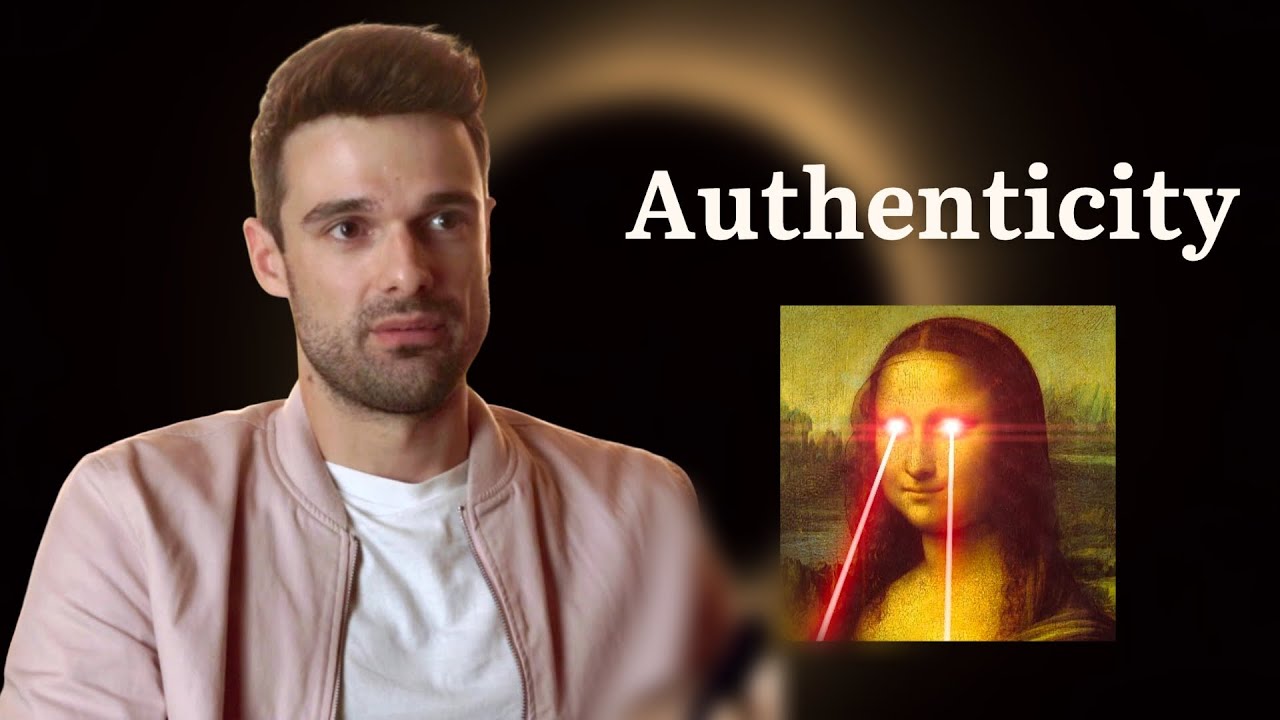
Sam Huber explains how blockchain proves which digital asset is the original when copies look identical. A screenshot of an NFT might look the same, but the blockchain records the authentic token. Scarcity alone doesn't create value; you need utility, demand, or provable provenance.
Chapters
Yeah, it's the blockchain does prove provenance of a specific asset, right? Right. Did you actually buy it? And you can then copy that asset, which is very easy to do in the digital world, right? Copying a picture, you know, you wouldn't be able to distinguish the copy from the original. But the blockchain says, the blockchain knows which one is the original. Yeah. And that's something that people really struggle to grasp, you know, that common joke like, oh, I screenshotted your NFTs. There you go. It doesn't make a difference. Like, it's literally the same. But, you know, they are counterfeit copies of the Mona Lisa that no one could— by looking at the 2, you know, paintings, you wouldn't be able to distinguish the difference. So a copy doesn't need— doesn't mean that the quality is less. There's just that one of them has been painted by Leonardo da Vinci and one of them hasn't. You know, that's the concept of which one is the real one and which one is not.
Yeah, so authenticity is a human attribute that we're like, ding, and it makes sense all of a sudden in real world. Why shouldn't we be able to apply it to digital? Maybe because digital is like so many copies. Everybody, like, it's very accessible to see the exact same thing because you're literally copying and pasting. And so it's like, But this is not natural, right?
If you think about the physical world, like it takes effort to replicate things. And so, you know, we're used to the fact that in the digital world everything can be copied, but actually it's not a natural thing. It doesn't happen in the physical world. And so the blockchain kind of returns back to the roots of saying, yes, maybe you can create a copy of this that looks exactly the same and has exactly the same function. But it's not the original. And so to me, that just makes sense that, you know, there is the concept of original. Now, you know, does it create value? Not necessarily, right? Scarcity itself doesn't create value. I can create something with a, you know, dirty napkin in my pocket and give it to you. It's unique, it's original, but it has no value. So there still needs to be like utility or, you know, whether it's a market for it or— a proof of provenance that actually confers value to the item. But I think the blockchain is a tool that we didn't have to, you know, create that concept of provenance and authenticity of digital goods without having to rely on a single third party that says, yes, this is an official item. This is all decentralized, basically, which means that this is something that is just very difficult to hack. Interesting.