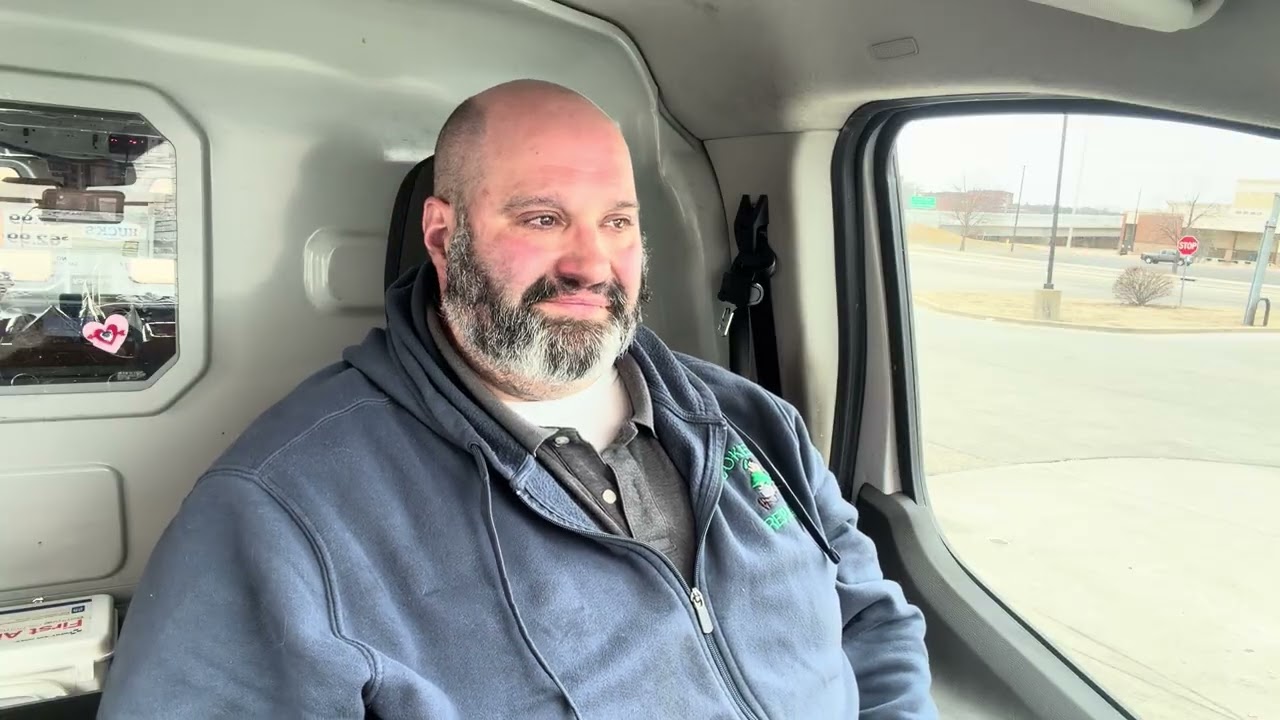
A service technician replaced a faulty thermocouple on a sorority house gas range, then found and fixed a sticky spark igniter on the other oven without being asked. His manager questioned the extra work, but he argues technicians should inspect whole systems during service calls to catch problems before they fail and show customers real value.
Chapters
Hey, what's up guys? Uh, just thought I'd get down here real quick and share a service call that I just went on. And, um, so the reason I want to share this is it's, uh, it's kind of— it kind of points out how important it is to look at the whole machine, like not the whole system, not just one problem. So Uh, went to a sorority house to work on a commercial gas range. Had, uh, basically pilot was having trouble staying lit. It was a simple thermocouple, right? Uh, so replaced that, and as I'm looking at the rest of the oven, you know, I'm checking every knob, turning everything, pushing every button, making sure that every burner burns, all the flames look good. Mm-hmm. Um, you know, just generally, you know, I'm not putting my manometer on every dang, you know, test, uh, port and everything. It's not going too crazy, but just, you know, generally, is this oven working? Does it look good? Are there any racks broken? Anything, you know, just staring at me that's saying something's not right? And as I'm going through it, I noticed, um, that on the Other oven. It's a double oven with 6 burners and about a 30-inch, uh, flat top. So thermocouple right oven. On the left oven, it's working just fine, but I'm trying to push the push-button spark igniter and it's just sticking like crazy. And, you know, I kind of— I was able to get it to finally go into spark and it technically worked, but I'm like, okay, so this is, uh, this is wearing out and eventually it's not gonna work. Um, so I went ahead and replaced that. Funny thing is that, um, later on that— that later on, uh, after my visit, I got a call from the, um, from the, uh, office. Um, basically the owner of my company was wondering— well, I mean, wondering, well, why was I looking at the left oven? That they said that the right oven was the problem. That was the what the service ticket was for, and it's true, but we had an NTE, not to exceed amount, and a thermocouple isn't going to be very expensive, nor is it going to require much labor. So, it is worth it to the customer, in my mind, to double-check that the whole entire range is working. You know, and we think about that with an HVAC system, or with a dishwashing system, Or, you know, any, any other type of commercial or residential machinery, uh, you know, I mean, even a drain system, an electrical system in a house, uh, whatever your trade is, um, you know, it makes sense while we're there to just go ahead and make sure that the entire thing is, is working right. Now, Now, it's not to say take, break the whole thing down and test everything. Um, you know, to the nth degree, but there is a balance. There's a point at which, you know, we, we kind of have a responsibility to make sure that, you know, we're checking the whole machine. So, here's the thing, you know, if she was— if the manager of that sorority house was a little, uh, you know, confused as to why I was— she thought I was looking at the wrong oven, Um, she would have been even more upset if 2 weeks later now they can't push the spark igniter in to get the Pilot to start. Well, your guy was just here. Why didn't he fix it then? I rest my case. So it's always okay to make sure that we're giving the customer our best possible service by letting them know that We're going to check the whole machine. We're going to make sure that the whole thing works. Uh, we're not going to deep dive into anything aside from what it is that, you know, we're specifically there for. But what we will do is let them know and let them make the decision. So one perfect example would be if you're a residential HVAC tech and you're there on an air conditioning call. And what happens if, you know, you get the AC unit up and running, everything's fine, And then you decide, you know what, I'm gonna just, you know, switch it over to heat mode real quick, see if that fires up okay, you know, do the customer a good service. It'll only take 2 seconds. And what if the heat doesn't come on? What if, you know, what if you hear the, the inducer come on and everything, and, you know, you hear the gas valve click, but nothing comes on? Now, are you going to go at that point and test the The hot surface igniter, and, you know, make sure that, uh, you did actually get voltage to the gas valve, and, um, you know, just gas pressure? No, because you're there for the air conditioning, and that's fixed. But it would be a good time to say, hey, to save you a service call when we get into heating season, um, just as a courtesy, I went ahead and tried to power on the heat, and I noticed that you You're not firing. So, would you like me to take maybe another half hour and check that out while I'm here on the same service call? And, you know, usually they would say yes. They'd be— it'd be silly not to say yes. Um, you know, the only reason would be maybe, maybe they're already planning on replacing the system, you know, later, you know, into the fall, and they don't care that the heat doesn't work. But, um, Yeah, we're out there not just to replace parts and not even really just to fix machines, but we're here to care for our customers. And looking at the whole machine as a system and making sure that all the, all the buttons push in right, all the burners burn, all the bells ding, and all the whistles whistle, that's just a part of providing good customer service. So that's really all that I have for today. Just, you know, again, it was just kind of funny to me that she called and was confused as to why I was looking at the whole oven. And really the answer is because that's what we do. We look at the whole machine, man. But oh yeah, I just thought I'd share that one with you. You all have a fantastic day. Be safe out there. Stay hydrated, and we'll talk to you next time. Bye for now.