Customer Service for HVAC technicians 1
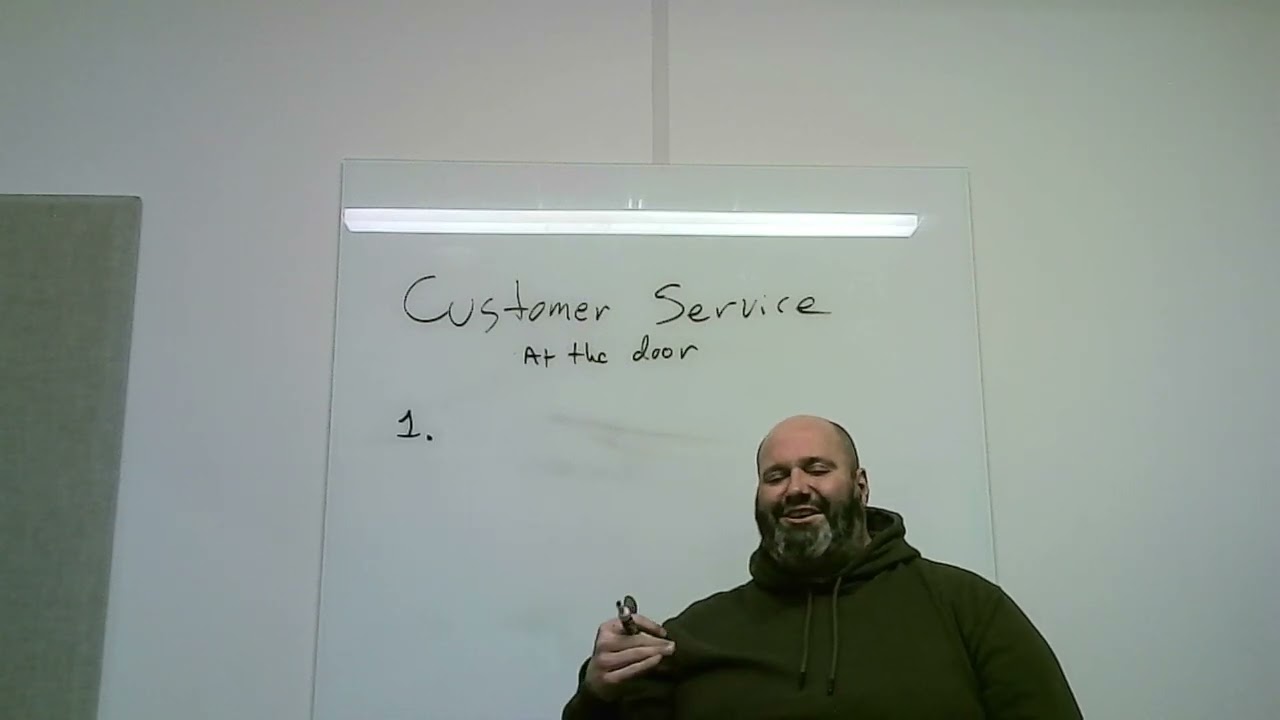
In this instructional video, HVAC veteran Mike Plezia shares a step‑by‑step guide to delivering professional customer service for newer technicians. He begins by stressing that customer‑service skills are rarely taught in the trade and explains why they matter. Mike outlines personal preparation—adequate sleep, proper nutrition, clean appearance, and hydration—as the foundation for confidence and positive interactions. He then details pre‑job preparation: reviewing work orders, checking inventory, and ensuring all tools and parts are in the van before leaving the shop. Upon arriving at a homeowner’s door, he recommends a clear introduction (name and company), confirming the appointment, asking permission to enter, and offering shoe covers to respect the property. Throughout, he emphasizes respect for the homeowner’s control of their home and positions the technician as a helper, not a commander. The video concludes with a preview of a follow‑up episode on maintaining a clean work environment and invites viewers to comment with questions or topic suggestions.
Chapters
What's up everybody? It's Mike coming back at you again with more topics for newer technicians. And if you have a newer technician in your life somewhere, be it your own apprentice or a family member, feel free to share this video. And I definitely appreciate your liking, subscribing, and comments, uh, there at the bottom of the page. So I am Mike and I'm here happy to share share with you just, uh, some tips on customer service. Uh, so customer service and communication are something that are typically, typically not, not taught directly as much or enough within the HVAC world. And in fact, mostly it's just, you know, watch my lead tech while, you know, he goes and does the thing, and I'm going to mimic what He or she does. But as you know, those of us who are mechanically inclined sometimes struggle with, you know, how to interact with others. In fact, one of the observations I've made over the years is that those who are best at the mechanical side of our business sometimes are also, you know, they just want to get in there, they just want to, you know, deal with the machinery and get it done. And sometimes they have a hard time with the customer service or the personal nature side of the business. So I want to spend the next few videos just kind of going over with you some helpful tips and hints of how to interact with customers in our business. So the first thing to think about is Having a successful interaction with your customer as a technician starts before you even get into your van in the morning. So it starts with being, you know, being dressed, being fed. Being fed. And being rested. I know it's, uh, they seem kind of basic and like, what does that have to do with, uh, you know, going and diagnosing someone's furnace or air conditioning system? Well, the truth of the matter is that if you start out your day, you know, in a clean set of clothes with, you know, teeth brushed, hair combed, you know, looking good, You're gonna feel better. And when you feel better, you're gonna be more confident. And, you know, that confidence is actually going to equate to a better interaction with your customer. So when you feel good about yourself, you tend to also kind of exude positivity. You kind of have a sense of confidence about you. And you feel more energized. And to that end, you know, skipping the Red Bulls and the, the, you know, 500 cups of coffee and the donuts in the morning and eating some nutritious food, being well hydrated, that's going to pay off in a long way. And you're going to have the energy to interact with your customer and to actually have a successful Um, visit. So, so we are dressed, we are clean, we're looking sharp, we've had a good solid breakfast, we've eaten some nutritious food, and, you know, we've had a little bit of coffee, maybe a Monster. But you know what, we're also drinking some water and sipping that throughout the day, staying hydrated. Um, the final thing is, you know, it even starts the night before, honestly. Like I said, it's before you even get your van to go to the customer's house. It starts the night before. You go to bed at a reasonable hour, you're gonna wake up feeling ready to conquer the day. And I know that can be hard. Some of us have trouble with going to bed at a reasonable hour or a consistent hour. But trust me, if you can get yourself in the habit of going to bed at an early enough time to where you can get 8 solid hours of sleep— Now I know what you're gonna say. You know, Mike, I feel fine after 4 hours. I feel fine after 6 hours. You know, fine. If that's what you need to be well-rested and alert and safe, by the way, then that's fine. Do that. But I'm telling you, if you set yourself up to go to bed at the same time every night, you're going to be set up for a more successful day with your customers. So now we're in our van and we're heading to the customer's house. What are we gonna do? So yes, we might be jamming out to some '80s hair bands because you should be, to be perfectly honest. But you know, maybe you're also listening to a podcast. Maybe you're also educating yourself on the trade. I certainly, I, when I was out in the field as a service tech, I like to start out my day, and even back in property maintenance, I like to look at what work orders I have for that day before I even go. Like, before I even leave the shop, I want to know what I have in store. I want to prep, you know, prep my inventory, make sure I have what I need to get through the day. You know, am I— do I have a furnace that's, that's, uh, not igniting? Well, maybe I want to get— make sure I have flame rods and You know, maybe a gas valve, maybe a board, and, you know, that kind of stuff. Make sure I have all my tools. Nothing frustrates me more than getting to a job and realizing, oh, I took a tool off my truck to use at home and I forgot to bring it back with me and put it back on the truck. You know, now, now I'm screwed for the day. Good job, Mike. Make sure that you have all of your stuff, which is gonna probably require you to get to work maybe a half hour early. But if you spend that half hour before you even clock in going through your van, going through your work orders, looking at what you have in store, you're going to be better prepared for a more successful day. Finally, what happens when we show up to the door? So these are the things that I want you to keep in mind, okay? This is the formula that I've devised, and it really sets my customers at ease, and it makes them feel good about my presence. There. Not presents like at Christmas, but my presence, my actual being there. So the first thing is they've probably set up an appointment. We don't tend to cold call, cold call our, our HVAC customers, right? So they know I'm coming. But we got to keep in mind that we don't know what happened 5 minutes before we pulled up. You know, maybe they got into an argument on the phone with their boss, maybe their mom, and Maybe their kids are just not cooperating this morning and they're just not in the mood. So the way you present yourself when you knock on that door is going to make a big difference as the— even just from— and it's going to make a big difference in how you create that first impression with your customer. So introduce yourself. Now it's very well possible that they have, especially with some technologies now, they may have gotten your name, your picture, even a picture of what service truck you're gonna be in. And they may know who's coming to the door. Even if it's a repeat business, or if it's a repeat visit, or if it's a first-time customer for you, I always like to introduce myself. Hi, I'm Mike. Okay, and the other thing with the introduction is I like to tell them where I'm from. Okay, so I'm Mike with ABC Heating and Cooling. All right, so yeah, I was expecting someone named Mike from ABC Heating and Cooling. So this already sets them up to understand that you are the person that they were expecting. So they— you are who they were anticipating. This, this, this, this part of their day is going according to plan because I was expecting someone named Mike from ABC to show up at my door. And here it is at the appointed time, Mike from ABC is at my door. I'm here about the furnace. Now, more than likely, they're going to already know that. In fact, they're again going to know all this information. This is not anything new to them. Again, We don't tend to cold call our customers. Hi, hey, your heating and cooling system working okay? You know, I'm an HVAC guy. No, we don't do that, okay? They're already expecting you, but this sets their mind at ease that, hey, this guy's communicating, right? This guy is affirming that the plan— everything is going according to plan, all right? And this guy seems personable. He wants to introduce himself to me. He wants to make himself known to me. So that's going to make me feel more comfortable. So the other thing to keep in mind is how are you going to enter the house? So I know what you're thinking. I'm going to use the door, Mike. Well, yeah, you are going to use the door. Very true. However, the way that you enter that door makes a big difference. So think about this. If I show up to your house and I see you and, you know, you're— maybe you're in the living room, maybe there's a clear line of sight, we're making eye contact, and I just open the door and walk right in. How's that going to make you feel? You know, maybe it won't be such a big deal because, you know, you saw me there, but, you know, there's going to be a part of your mind that's going to say, well, is this guy just walking into people's houses? Like, is this how— that's how it works? Always? No. So you've already introduced yourself, you've already stated your purpose for being there and who you're here with, but, you know, that next step, if at all possible, they need to open the door. Okay? They need to open the door or they need to specifically say, come on in. Now, sometimes you might get— again, you might get where the front door is open and the person standing there looking at you. At least ask, may I come in? Hi, it's Mike with ABC. I'm here about the furnace. May I come in? That didn't hurt, did it? No. No, it didn't. Um, at least I hope not. But by asking that question, you're leaving the power in their Court. You are saying you are the customer, this is your home, and I respect you. Okay? That's the one thing that people don't like about having a technician come to their house. They don't want to feel disrespected. They don't want to feel like somebody is going to come in and there is going to be tools and wiring and all kinds of a big mess and a big chaos, everything is in disorder. So already you have told them everything is going according to plan. Everything is exactly as it was supposed to be. You are respected and your home is being respected. So when you enter, you're not entering by your own volition. You are coming in because you've been invited. So that also unlocks a feeling within their mind that this is a person who I have permitted into my home. See, it's one thing to be allowed, like, yeah, you can come in, doesn't matter, whatever. But then now you've been permitted into the home, meaning that they have actually invited you willingly. They want you to come in because they want you to restore the heat to their cold house or the cool to their hot house. So when you enter their home, you want to make sure that you're respectful. So, you know, you want to ask them, and this is where we come to our 3rd step, and this is the part that I know makes a lot of you uncomfortable. I don't know how many people I've heard say, I'm not taking off my shoes. I don't care. Now, here's the thing. We're probably going to have to go outside. If not, we're more than likely also going to have to go into the basement. So that's why I recommend we keep some booties in shoe covers in our pocket at all times. That way when we walk into somebody's house, you know, we can step into the threshold and the first thing we say is, hey, Mrs. Brown, before I go in, do you prefer that I put shoe covers on? Now I know, I know, 99.997% of technicians hate shoe covers. And, you know, an even higher percentage will not take off their shoes. Me, I wear these Keen slip-ons and they're great because, um, you know, they're really easy to just slip off, walk in, slip back on when I'm ready to go outside. But I know some of you just don't want to walk on people's floors, and sometimes honestly their floor looks dirtier than the bottom of your shoe. Been there, done that. But I will tell you, By offering to cover your feet, that means I'm going to respect your property. I'm going to make sure that I don't damage anything. That's going to put their minds at ease about having you in their home. So when we go into a customer's house, we want to make sure that we are preparing before we go in, okay, even the night before, that we are getting ready to make sure we have everything that we need To have a successful day and a successful visit to their home. That we are introducing ourselves and stating our purpose for being there. That we're confirming our appointment and letting the customer know that they're in charge, that it is their home, and we respect them and we respect their property. We want them to know that we are going to do our best to not do any damage, to not leave any messes, and to make sure that everything is as if we were never there, except that now the furnace works. If you follow these few steps, I promise you most of your visits are going to be successful. Now, are you going to have just some that don't work? Yeah, sometimes you're not going to please everyone, and that's fine too. And are there other methods that might work better? Sure, maybe, you know, but this has been good for me. This is what's worked for me. Just what it boils down to at the end of the day is respect. And help— and letting the homeowner understand that they are in control. I'm not, I'm not commandeering control of your house while I'm fixing your, your HVAC system. You are in control and I am here to help. And that's the message we want to send when we walk into the customer's house. So next video, we're going to talk a little bit more about the visit itself, some tips for working in a clean work environment And again, conveying respect through our entire visit with our customer. So this is Mike. I'm happy to share these few tips that helped me out along the line. Hey, I don't have everything figured out, but, you know, I'm willing to help share what I do know. So if you have questions or thoughts or ideas for future topics and future videos, do not hesitate. Feel free to share those down below in the comments. And once again, thank you very much for joining me. Have a great day. No!









