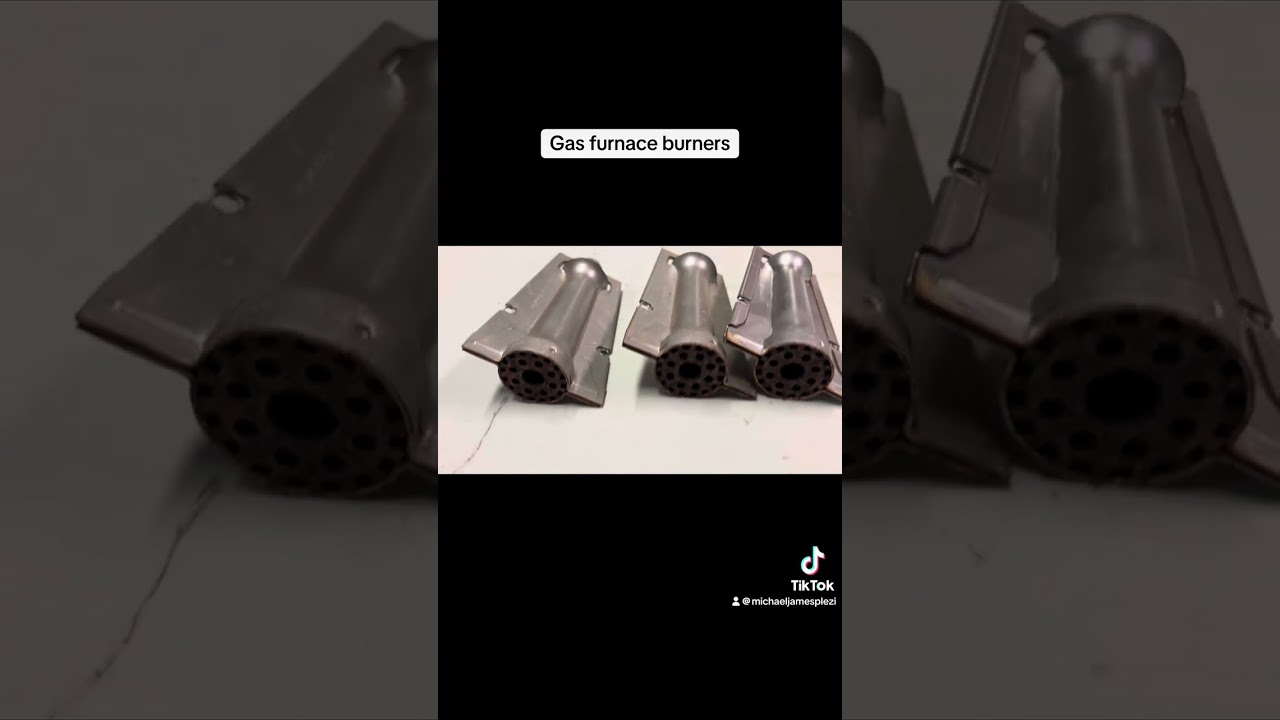
In this instructional video, HVAC veteran Mike Plezia walks new and experienced technicians through the importance of proper furnace burner maintenance. He explains how rust and debris build up on burners, creating turbulence that can send microscopic particles into the heat exchanger, leading to cracking and reduced efficiency. Mike demonstrates how to safely remove burners, wire‑brush both the top and bottom surfaces, and clean the surrounding venturi passages. He outlines visual cues that indicate when a burner should be replaced rather than merely cleaned, such as heavy char and deep rust penetration. The video also emphasizes the value of clear communication with customers—explaining the need for maintenance or replacement—to build trust and extend equipment life. Throughout, Mike encourages technicians to take pride in thorough workmanship, share questions in the comments, and suggest future topics.
What's going on everybody?
Hope you're having a great day out there in the HVAC universe. Uh, it's Mike once again coming to give you new techs, aspiring techs, and future techs a little bit of big brotherly advice.
So here on the table today we have 4 burners that I just replaced in a gas furnace.
Um, the reason that I want to talk about these today is that You know, most of you will start out doing maintenances, and when you take apart your furnace to do the maintenance, it's really important that we scrub any little bit of deposits or rust off the face of the burners. If these burners get neglected, that rust just builds up, and then eventually— I don't know how well you can see it, but eventually it gets to where You can't even find a surface that's free of rust. Usually it, it gets all down into the tubes. So what's happening here is this is causing turbulence as the gas flows through the burners and into the, uh, into the heat exchanger, and eventually little microscopic particles of rust break off and bounce around inside the heat exchanger, causing cracking and, um, and damage to your heat exchanger. So, what we want to do is take a wire brush on maintenance and clean these off. In order to do that, we're going to have to actually remove them from the furnace.
I've seen a lot of furnaces where it's obvious that nobody took the burners off for quite some time, and it's just one of those little things that's going to prolong the life of the furnace.
And keep things, keep things running a lot better.
The thing to remember is that sometimes, and these particular ones were rather a pain, you actually had to take off the whole box that these are attached to, detach that from the face of the furnace, and, you know, unwire, of course, your rollout switch and your pressure switch tube. And all that in order to get this out, but, but some of them will slip right out. There's like a little slot that they ride on. That's always nice, but sometimes you have to do a little bit of work to get to them, but it's worth it for our customers to make sure that, that their burners are putting out the cleanest flames possible. You really don't want to see much flicker or sparking on your flames when you're looking into your combustion chamber. Because that means that you've got contaminants, that means you've got turbulence, and that means you've got little pieces of rust and debris and dirt being blown into your heat exchanger, which is not good. So the other thing you want to look at is the little ventricles on either side of the actual burner. You want to make sure that you clean any rust or dirt out of them. Now one thing I'll do with my brush too is I'll clean off any little bit of rust and whatnot on the, on the top. And the bottom just to make sure that it's extra clean. Um, you just want to make sure that, that your furnace, or rather your customer's furnace, is going to stay running as, as strongly and cleanly as possible for as long as possible. You know, I know a lot of companies out there are going to urge you to, to condemn a furnace for every little hiccup, but, you know, I think it's in our customers' best interests, and they appreciate it and appreciate our quality of our workmanship if we keep their machines running. And And that starts with good solid maintenance. So next time you're out on a maintenance, newbies, make sure that you impress your boss with just how clean you can make the surface of those burners. We don't want them looking like this. Now, if you do get to a furnace and they're starting to look pretty charred like that, they won't come clean, there's rust down into the little holes in the burner, that's when you want to take the call— make the call and say, hey, you know— Uh, Mr. or Mrs. Customer, we should probably replace your burners. Um, so just a quick little moment here I wanted to share with you guys, a little thing that I found. And if you have any questions, of course, feel free to share those in the comments. Um, of course, also with suggestions on other tips that, that, uh, you know, might be helpful for new aspiring techs. And if you're a seasoned, you know, If you're a seasoned guy or gal out there, let me know if you have any thoughts on other topics you'd like to hear. So again, this is Mike. Have a great day. Talk to you later.