Loads vs. Control Devices: Know What You're Testing

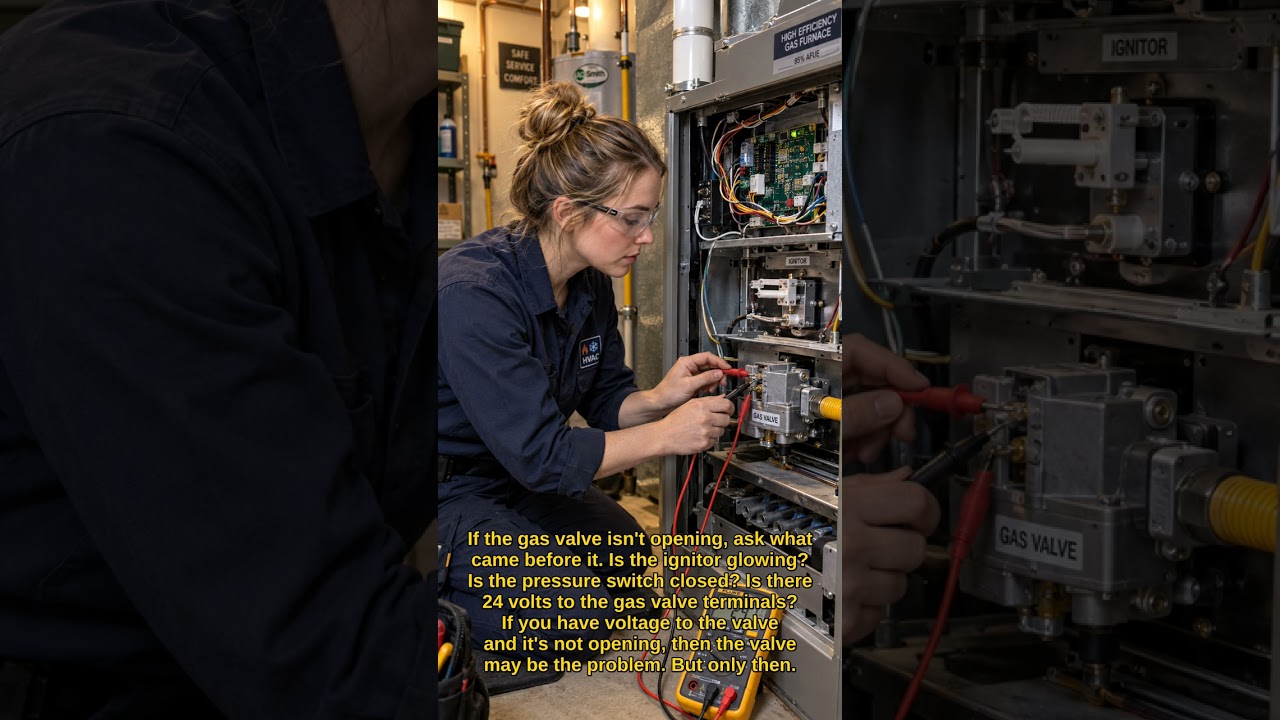
In this concise instructional segment, the speaker addresses newcomers to the electrical trades, explaining how to identify and differentiate electrical loads from control devices on wiring diagrams and during testing. A load is defined as any component that consumes electrical energy to perform work, with examples such as motors, heating elements, solenoid coils, and light bulbs. The speaker notes that loads appear on wiring diagrams as components connected between the hot leg and neutral, always wired in parallel with the power supply, receiving full line voltage when active. Conversely, components wired in series with the supply—such as switches, contactors, and safety devices—are identified as control devices that merely regulate power to the loads. The segment emphasizes interpreting voltage measurements: voltage across a load indicates it is operating, while voltage across a switch indicates the switch is open. The overarching message is that understanding these distinctions enables accurate testing and troubleshooting, empowering apprentices to confidently assess circuits and teach others.