In this instructional video, Max Randall explains that a single problematic behavior such as leash‑pulling can stem from four distinct underlying causes he calls “fires”: arousal, frustration, stress, and anxiety. He describes each fire in detail—arousal as a high‑energy, over‑stimulated state; frustration as a blocked desire for a specific activity; stress as chronic overload with insufficient recovery; and anxiety as a constant, non‑fear‑based worry. Randall emphasizes that misidentifying the cause can worsen the problem, for example, trying to exhaust a frustrated dog may actually increase its arousal. He then assigns a practical task: viewers should observe their dog over several days, guess which fire(s) are present, and comment with their reasoning. This observation exercise is positioned as the first step in a multi‑week series that will address each fire individually.
Chapters
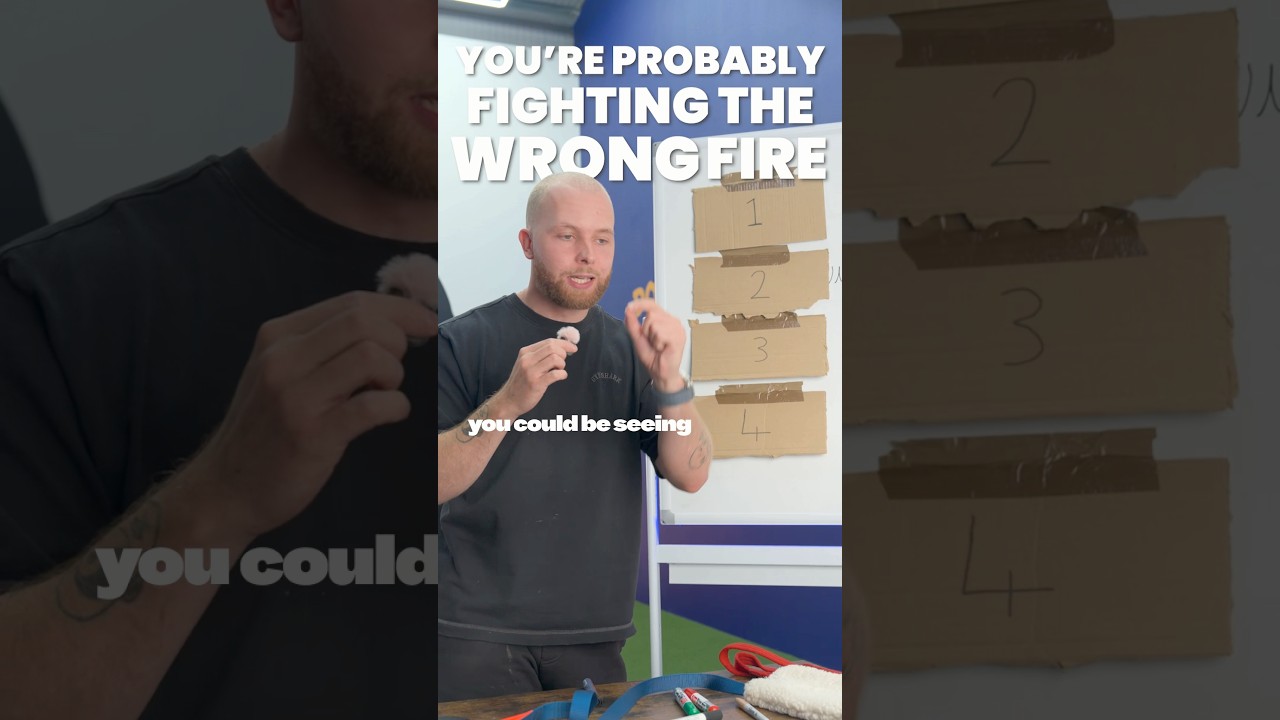
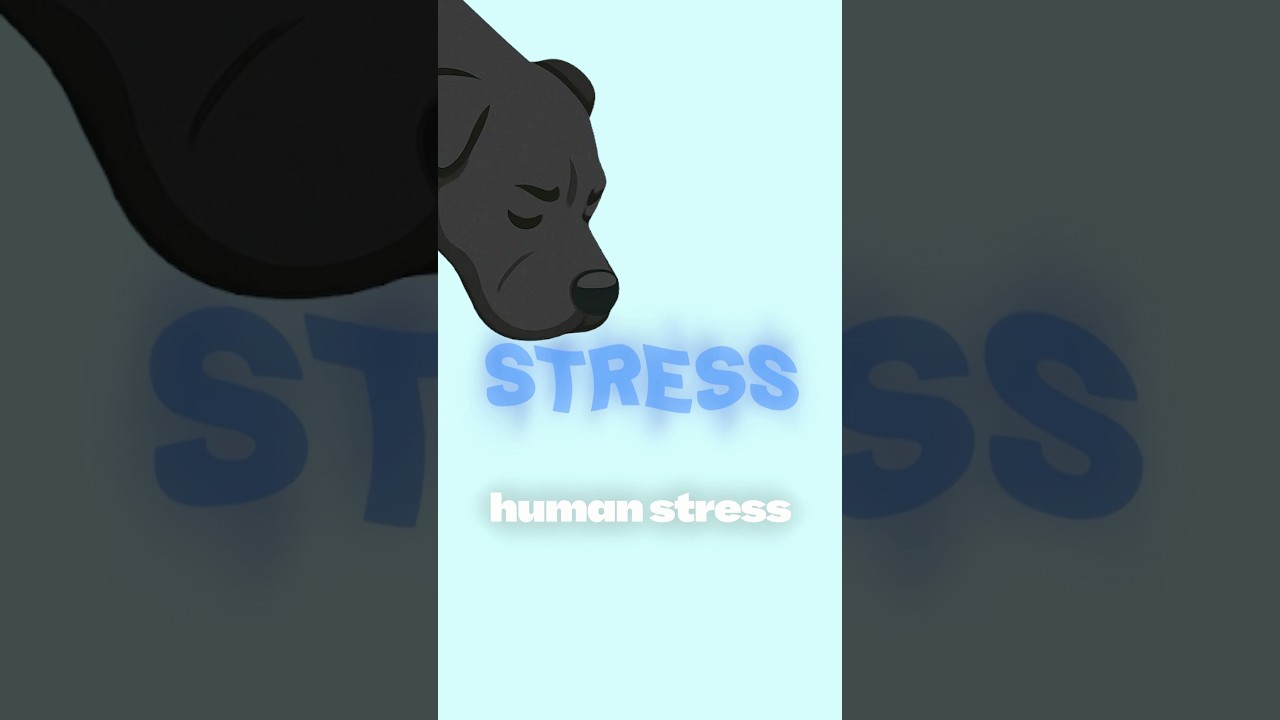
There are 4 huge reasons you could be seeing the exact same behavioral issue, like pulling on the lead, for example. 4 different reasons, and they change everything about how you actually fix it. So I'm going to use pulling on the lead as an example, but this goes for any behavior. When a dog's behavior gets really loud, the behavior— think about it as just some smoke. One of these 4 fires is burning underneath. So number 1, Arousal. You hear me go on about a lot. This dog is just revving really high. The body's flooded. The brain is offline. Everything is just go. This dog pulls because standing still or doing anything slowly is impossible. Now, reason number two is frustration. This is a dog that wants something, and they have no way of getting it. Maybe they're frustrated every day. They're bred for something, and no one's giving it to them. They want what's right in front of them, and this dog just pulls, and they always need to close that gap. Number 3, stress. Too much coming in, not enough recovery every day. This dog just pulls to get away or get to 2 things and just needs to do a million things as well. And then we have anxiety. This is a dog that is worried about everything, something that might happen next. It's not fear, it's a constant state of worry. And your dog might pull you towards home, might pull you away from things. So many things Can trigger this dog. Now, before I get to what I want you to do today, I just want you to understand that the reason why a little bit of education matters is because sometimes when people try and fix one, it makes other ones worse. So with a lot of frustrated dogs, people think, "Let's do more. Let's get it out of them." But a lot of the time, you end up really arousing the dog. Your dog actually rests less, even though you're stimulating them more. But this brings me on to the job this week, and honestly. It's the best possible way to start this series. I want you to look at the board out, and I want you to ask yourself, which one of these is my dog? It might be more than one, like I said, and don't worry if you can't confidently answer it yet. That's exactly what this whole series is for. I'm gonna be walking you through over the next coming weeks, one fire at a time. But I just want you to watch your dog for a few days. Have a guess. I want you to comment what fire you think you've got, but also why you think it's there. And if your first thought was, well, my dog isn't on the board, my dog's just disrespectful, I got a really good video for you soon.