The first thing I check on any dog has nothing to do with their behaviour.
6 Oct 2026 · 1 min
1:12
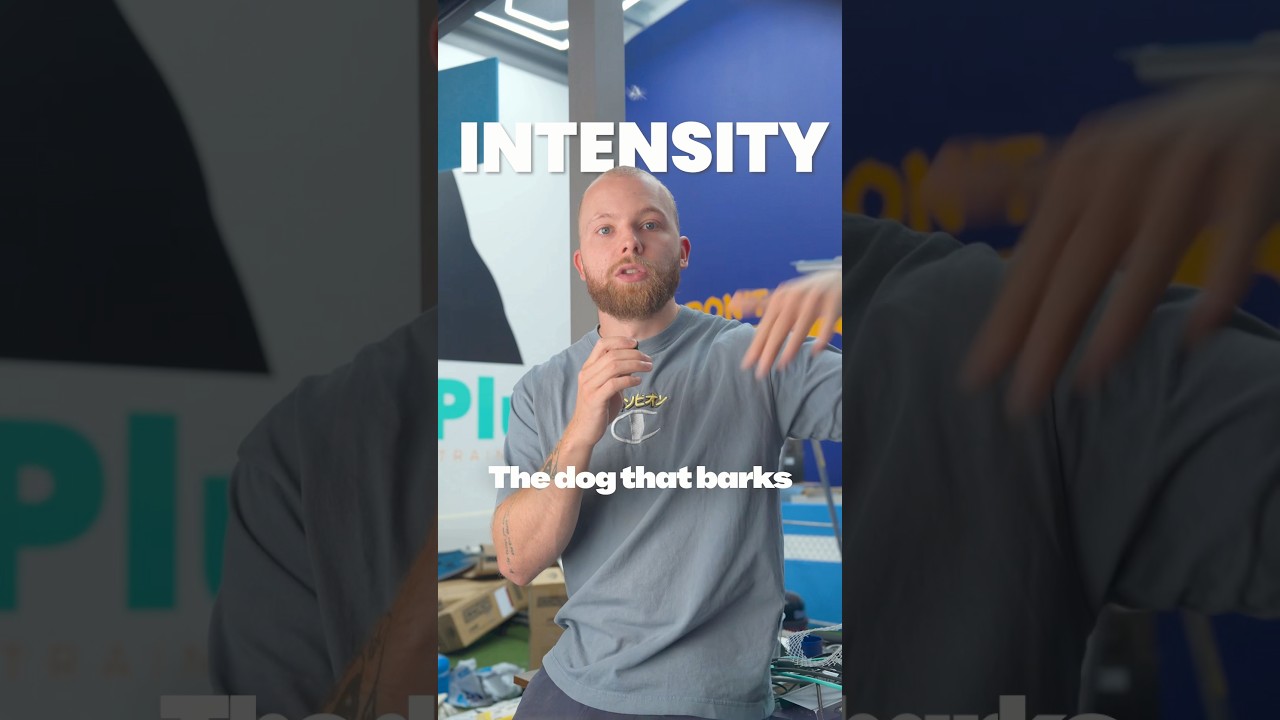
Max Randall says two dogs pulling on a leash might look the same but need different help: one is overloaded and wound up, the other is scared and trying to escape. Training the behavior without fixing what's underneath it won't work. Ask what's driving it, not how to stop it.
Chapters
More from Max



youtube.com
Both were trainers. Both knew more than I did at the time. I did everything they told me
1w ago

youtube.com
Nobody applies for this job. Thousands of you are already working it. Day 3 of Below the Surface.
1w ago
youtube.com
Everything my career taught me, handed over in the next 60 days.Day 1 of Below the Surface.
1w ago

See all content
