#105 Keegan Smith Experience | AI For Online Income | Jack Zuvalek
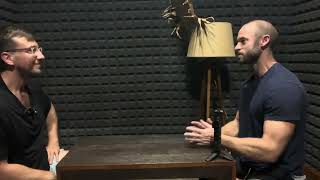
Jack Zuvalek interviews Keegan Smith about using AI to build online income. They cover automation tools, speed-to-lead bots, AI-generated content, Facebook ad strategy, and sales tactics for first-time founders. Smith shares lessons from running gyms and online agencies.
Questions this video answers
2013.
Within the first five minutes — increases chances about 8x.
Seven gyms by 23 (host statement).
Chapters
Jake Zuvalek, Keegan Smith. Thanks for joining me here in Bali. You've done a lot of interesting stuff as an adult man. You've had a lot of experiences building the gyms, seven gyms by 23, something around there, getting out just before COVID with that. Also being quite early to crypto, being quite early to Facebook ads. Now you're looking at the AI situation. What impact is AI having on business now?
Yeah, thanks for firstly. Thanks for having me at your house with your family. It's been a great week. Yeah. When I look at AI in the impacts of the business, it's like, where can things be done cheaper, better, faster? So that's the kind of ultimate triangle in a business generally speaking. You can pick two. So cheaper and better, it's not going to be done faster, better and faster, it's not going to be cheaper. Whereas I look at AI as kind of that great equalizer where it allows you to like, you just kind of replace jobs or replace like, just processes that are generally inefficient. So I kind of look at it as a, in like inefficiency, maximize up or just replacing things that are slow and a lot of human error, a lot of human input. And then, you know, if you can automate, say, you know, a lot of businesses still using paper, still using vector machine, you can get the data from the AI. Like one of my clients is doing more loan mortgage brokering and then they're kind of just replacing all their paper and all that kind of stuff. It can go into all the right categories. It can basically do the job of someone that gets paid 80, 100 grand a year in admin to just replace and automate that and just free up like the team members to do things that they can push the business forward and they actually enjoy. So when I look at it, it can be applied to anywhere where a human is making decision. So marketing, operations, delivery, sales, that you can apply it anywhere. And then so it's just like, hey, what's going to give us the best bang for the buck? And there's already hundreds of millions of tools out there and it's even more. It's kind of overwhelming to go, how am I going to use that? But I think it's like in a business, look at where it is like the most times being consumed and where like there's the most kind of operational drag or the most bottlenecks and then kind of okay, how can we build a system that's semi automated, uses AI, creates automation, creates a better throughput and then that's kind of where I see the big part of it. It's like, okay, where can it be making things better?
What level of what's possible that do we actually have access to? You know, some say the technology is actually much more advanced and they've just released parts of it. What do you think about that?
Yeah, great question. I think it comes back to having the insight on the problem and I wouldn't full language models and those guys that have been doing this stuff. Language models have been around for ages. The example I always use is Netflix gives recommendations based on what you click and that's all AI. So my Netflix and your Netflix both don't get really used, but they will be different. So when I check my families and you know, the images that they give you is all driven by. So I think, you know, big companies have been in it, using it, manipulating us with algorithms and all sorts of stuff for I say at least 10 years.
Yeah.
So what like you and I have access to, you know, you've got all the models, it's Chapit, jbt, Claude Gemini, all that kind of thing. But I think at the right now it's like, how well can you ask a the questions that's going to give you that output? But yeah, I think algorithms and machine learning and really what do you define as AI as well?
Yeah, yeah. If I have a learning platform, I'm using education material. I don't have access to what YouTube has in terms of that person keeps watching this stuff. Therefore when they open the app, it already shows them the stuff that they haven't watched yet. That's probably going to be most relevant to them. I don't have access to that and it doesn't seem like that's coming anytime soon in the learning platforms. So it's already much further ahead than what we're really accessing.
Basically saying yeah, and like, you know, in terms of like content creation and stuff like that. I was working with a couple of guys that have done like full photo shoots for brands with AI. So that's where I'm like, that's, you know, when you come back to the first question, it's going to disrupt everything, every thing that we know. And like I always look at it, there's going to be like the replaceable and the ones doing the replacing. They're basically the two job titles that, you know, if you don't have an understanding of the core processes of the business or like, you know, if you're just a part of that clog call it and you know, you're not innovating or making the process better then you know, models for an example, you're going to be able to get the perfect person based on all the sequences and all that kind of geometry and all that kind of thing. AI is going to be able to spit out all those perfect people. And it might not be there yet, but when billions and if not trillions of dollars are being poured into it, it's going to make things move at a very fast pace. So it's like, okay, how do you stay on top of that and how do you become indispensable to a business or your business innovate faster than the competition?
It's hard to get your head around the impact of that on an economic level, on a social level, like what that actually means. But the more you think about it, it doesn't seem like it's going to be more than 10 years until there's a significant shift in the economy. But then we always have the opportunity as humans to do stuff, make stuff, whatever that is. Whether it's, it's like you could say that the human isn't needed anymore, but the human always has the possibility to create whatever they want to create. And as long as they've got the resources to survive, then there's always going to be something cool and interesting to do. It almost seems like all the best stuff is off computers anyway. And it's not even like we've been juggling and doing handstands and playing with the kids and folding paper plates. Like that stuff's not even on the, on the technology. What do you think about like that shift and a lot of people are wanting to make to using less technology and not being as engaged with the digital world.
Yeah, I think that there'll be again like in like there'll be a split and you know, there'll be people that, you know, they're fully off grid, self sufficient. This kind of life and just you know, coming back to what we were before the industrial revolution and like I made a video about it a couple of months ago, like it is the AI revolution, like it is going to change. I think that the way that we're so connected and phones and Internet and how so many people go sit in an office cubicle all day and bang on a computer for some way or another, that is probably not going to change. But the, like the, and that's kind of where I see like the crypto and stuff like that, the central bank, digital currencies and all that. Kind of thing. There'll be people that are using Monero and pirate chain and all these kind of not hidden but you know, untraceable cryptocurrencies. But then you'll have like the central bank, digital currencies, the Euros and stuff like that. It'll just be a split and you know, there will be like the free markets where, you know, there is no interference by anyone and you get true supply and demand, whereas, you know, the most of the markets that we have. Yeah, it's a capitalist society, but it's quasi capitalism because there's government interference, there's government incentives, there's things that you can and can't do. Which is probably a bit deeper than this conversation. So the actual. Okay, you know, it's a capitalist society. Yeah, it is kind of. But you know, when tariffs and taxes and all that kind of thing come into it, it doesn't really apply fully. And then when I look at, you know, that move towards the more self sustaining, you know, make your own food, that kind of thing, I think it's amazing and I think it's, there's a lot of opportunity there. It's just, okay, where does the fall in society and how many people want that, like what we're saying, you know, people want to move and do the nomad, digital nomad life until it's time to do the digital nomad life. And then they're like, nah, I'm going back to my hometown.
Yeah, that's interesting. Interesting times I had with both of those things are seen to be strong trends. Like AI is a strong trend, but also going back to the land, homeschooling, all these things are trending really strongly. Kind of Aurelius type message. Yeah, yeah. So yeah. What do you think, like for those businesses that you're working with now, like what are those immediate steps that they can take to be able to do what you're talking about to be able to be more productive, not necessarily because they want to fire someone, but because they want to have that person do the most valuable thing and work into other roles. What are usually the low hanging fruits when you start working with business?
So the one on if anyone's running any sort of advertising and generating new leads. So they're kind of, I generally say north of about 5ish if you're just running leads, if you're generating leads online, like the speed to lead bot, Speed to lead AI is the lowest hanging fruit. All the research out of, I think it's Stanford basically. If you get it within the first five minutes, your chances of closing that deal 8x and then every 15 or whatever time period after that, your likelihood of closing the sale just decreases. So if you're generating leads and you're looking to grow just having some like instant message that's not like robotic and you know, we always just say, hey, it's like an assistant from this gym or it's an assistant from you know, one of my home theater clients, he does that. Hey, we just got your details for, you know, this home theater package can ask you a few questions. It's just like that qualifying question, like that's where I think there's so much value because it is someone that's there. And you know, if you get two leads at the same time and you call one then like then that you've fallen into that after that 5 minute period. Whereas like the big advantage of AI can have multiple conversations at one time. Yeah. So I think that is like a low hanging fruit. And then it's like, okay, what is you know if like data and automations, like if anyone's uploading data anywhere. But that's not really even AI, that's just like automation work. And I think there's that distinction. Yeah, like I was speaking to a lot of guys, there's people like five or six people in a mind site just uploading data that they've gotten from one spreadsheet into another. Like it's just an inefficient use of time that okay, you can upload that data just instead of having five people do it, have one. So it's like where is there a lot of human time? Moving data isn't necessarily producing value. And those people probably have the intellect to go and produce value inside the business in a different avenue. And that's what I'm really I guess cautious of and is like some roles can. It's just like that reallocation of time, like the human time. And like some people are like, oh you're anti human. No, no, no, no. I just think there's a lot of jobs that people don't really like doing and they fucking hate them to be really blunt. So it's like if you could go put that person instead of data management or you know, appointment setting, which I made like on another podcast recently, and they can go do something that really feels their purpose and like you know, really drives like it gives them a lot more job enjoyment and like honestly a better quality of life because they're not clicking through data and they're actually doing something that lights them up, you know, like graphic design and distribute, whatever it is. And you know, I think all of us have talents, so it's like exposing that. And I don't think anyone's like lifelong goal is to pull data from a spreadsheet.
No. In every business there's components that you don't really, really want to be doing that you'd rather would be more automated. And then there's parts that you really love and you think about all the time. So if that bot is messaging someone as soon as they enter the details, then the bot can also give them the calendly call link or if they're a good sort of fit for it and potentially know which salesperson it should go to or that kind of stuff. What are you like, what have you seen with. Is it able to book more calls, books calls consistently or make sales itself.
Or we've done it like the booking in the call booking orientation. So I had like a boxing gym and like they booked like four or five orientations. Everyone showed up. And you know, I look at most people don't like answering the phone. Yeah. Out of the States. I don't know if it was like 90 something. It wasn't very. In the 90s a calls that go. A guy named Ryan Stuman posted about it. I think it was even a few years ago, like more than 90% of calls go unanswered in the United States. I think it was an ATT stat. So. Okay, well like, you know, you can be rich or you can be right. You know, oh, everyone should answer the phones.
Yeah.
But they don't. And like, you know, even like the I'm not really good like millennials and all that kind of stuff. But most young people would just rather text.
Yeah.
You know, social anxieties or whatever it is, they'd rather text. So just play to that. Like if they're going to be your.
Buyers, you could even have them choose like would you like to watch a video series about this or would you like to book a call? We've been talking about the Google Doc and selling from Google Doc. Would you like to see a document that explains this or would you like to speak with the founder of the company? There are things that are worth testing and if you, if you have those possibilities to automate those processes, then especially if you go on holidays, you've got the other option. Like okay, we'll switch that one off for a bit and test these other processes. All those little efficiencies can make a big difference over time.
Yeah. And I look at it as like, no one likes to be sold to, but people like to buy. So let them buy in the channel or the medium that they want to buy in.
Yeah.
And that's what was one of my key breakthroughs this year is like, you know, when I was running the aigc, it's like, some people, oh, can we get on a call? Yeah, 100%. Some people like, yeah, cool. Like, what's, how do I sign up? Send them a link, they sign up. So, you know, I know I've closed big deals just over chat because, you know, we've had our call and then they've got questions and it's just a more, I guess, natural sales process and in however that person likes to be sold to and how they like to buy. You know, some people like, oh, no, I don't want to do a credit card over the phone. Send me a link. Some people like, yeah, send me a link. I don't want to say the digits over the phone. And they trust a encrypted link. So, you know, I'm not an absolutist in anything because I've had enough human interaction to go, some people like this, some people like this and some people kind of sit anywhere on that spectrum.
Yeah. And now you're working with other guys, helping them to make money online. Even when you have the gyms and you look at, oh, that's a bricks and mortar business. But the sales are being made, Facebook on the phone. Whether that product has online delivery or offline delivery, it's kind of irrelevant. Like you've effectively been making money online. Since when did you first start with the gyms?
2013. We ran a boot camp in 2013.
Yeah. So it's like 11 years. A lot of guys haven't made their first dollar off the Internet. Still. What does it actually take to make money? You've talking to these new guys coming into agencies. Some haven't made their first dollar. Who are the ones who win and who are the ones who struggle to get that first money in?
I think it's like it always comes down to that self belief. I'm very fortunate. Mum's always just been so, yeah, you can do it, you can do it. And I've had, like, I always say, if you can tie your shoes, you can be successful. Because, like, it's a process of, like, you know, there's a few steps in that and like, I just apply that to everything I do in life. I've not been wearing shoes last couple days, so don't offer.
I always use the juggling one, which is funny. That's why I was giggling, because you, you've done the three ball juggling. I'm like, look, if I just told someone on the street, look, you got it, you got to juggle. Or, you know, put a gun to the head, you got to juggle. If they haven't juggled before, there's nothing happened. If you say, look, someone who can three ball, look, you got a five ball right now, it's not going to happen. So it's like that when someone thinks they're just going to make money off the Internet, was like, no, no, let's just practice the thing. And it's like tying your shoes. It's like if you've done it before, then you can get to a point of unconscious competence where you really don't understand, like, oh, this person doesn't know how to tie their shoes. Or they don't know how to three ball juggle. It can get to a point for anyone where it's like, yeah, it's easy to make money on the Internet. You just ask people if they want stuff and then you help them get what they want and that's it. Like, you could do it with a physical product, you could do it with a digital product. Like, you could sell events, like anything. It's easy. But it's easy once you've done it so many times, like five, four, juggling, where I can do it, Talk at the same time, squat at the same time for the confidence of. I think it's that, that belief, suspending the disbelief for long enough to be like, yeah, I'm sure I can tie my shoelaces. Like, there's going to be a point where I can do these shoes or I can throw, I can throw these three balls. The suspending, that's. We went through that together. I'm just trying to get you to suspend your disbelief for a minute. We did the one. So we did the three ball throw with a clap. Like, 1, 2, 3, clap. And then, and then catch, catch, catch. And the first one, you can see that it seems like a long shot. It didn't go very close. And I'm like, give me 10. By the seventh one you did it. So you go from like, there's no freaking way to the seventh one, you nail it. And that's in the space of less than a minute. The learning curve to be making money online is not going to be a minute, but there's a curve and you just progress along the curve and that's it.
Yeah, yeah, I think there's. Because there's like no one way to do it. And that's kind of where I was getting at. Like with you tying shoes, you can do that under over, you can do the Mickey Mouse, you can do all that kind of stuff. So I think that's what stops a lot of people from making money online. They think there's one way and there's not. There's like so many ways. Like I could Amazon, ebay, ebooks, products, services, drop shipping, like you know, all.
The different types of funnels. You got your book funnel, you got your sell by chat, you got your sell by Google Doc, you sell by phone, you got like there's every aspect of it is creative and it's about finding the solution that fits with your price point, your personal skills, your preferences, customers that you kind of customers that you're working with. If it's boomers, it's probably going to be different to if it's 16 year olds that you're targeting, like all this stuff. But if the. It's getting past that mental rigidity. That's what my mentor often talks about. Like, we don't want a set mind, we want a flexible mind. And that's, that's why I love having these physical things that show more flexibility by, you know, we did the rope, rope flow stuff and it's like when you first do it, like, what am I doing here? Like standing here twisting a rope. But you can see that within a few minutes, within. And so it's gonna feel like that. Same weird thing with building online business. How do you help people to just like persist and be able to keep moving when they do get that discomfort of people laughing at me, people telling me I'm getting scammed, people telling me it's not gonna work?
Yeah. So I think it's like, I always like to call it the content creation paradox. And this is something. So it's like when you start posting content, you have no followers, you have like, no, no, like audience, whatever. So that's fine. So you can keep sucking. And then if you get an audience, that by definition means your content's good. So like that's all it is. And then like, I think the biggest thing that stops people is like fear of judgment from the people closest to them.
Yeah.
And that's what I've kind of. Oh, like what, what? These people don't actually care about you.
Not in the way you think anyway.
Yeah, yeah, yeah. So it's like, you know what? One of My friends and all that friends and all that kind of stuff gonna say, like, it doesn't matter if they don't support you. Are they, like, really your friend? And I've had. I've gone off at people. I'm like, why are you doing this? Like, why are you trying to take the piss out of me? Is it because, like, you can't follow your dreams? And, like, the looks on their faces, like, they shut up pretty quickly and I've copped it for 10 years. And then, oh, yeah, shit. Like, well done. Oh, I wish I could do that. And that's generally where it comes from. It's like, I believe in the message. I know I can help people. You know, I've helped thousands of people, literally in the gyms and online, all that kind of stuff. Hundreds of clients that I've worked with personally over the last 11 years. So I'm like, I have that belief in, like, what I do actually helps. Never scammed anyone, you know, never. I'm just being clients that I haven't got results for 100%. But it's like, okay, cool. Do you want your money back? Or, like, are you happy? And generally speaking, like, if you had, like, an agreement and expectations and like, these things haven't worked, or they want to change tack or that's not, you know, that's not how they want to do business, then that's fine. So, yeah, like, come back to, like, making your money online. I, like, it always comes down to, like, business is fundamentally problem solving and it's an exchange of value somewhere. So, like, that's where I come back to, like, you've got to believe in, like, what you're doing is valuable. Like, if you think, and some people do, like, this is shit, well, then, like, it might be shit, and you probably need to go work on that skill. But, you know, for people probably watching this, they have some level of talent in, you know, body comp or, like, any. Like, they've got skills, they're put in the work. They're on their pathway to mastery. So they've got something that people want. And I fundamentally believe that. And then it's like, okay, you know, it's like creating that invitation to work together and, like, do it for five bucks, do it for ten bucks. Like one of my mentors says, like, the best way to gauge intent is to make an offer. And so if you make an offer and they say yes, well, then they're a buyer. Not everyone's going to be a buyer, which is completely fine. But if you know, $10. Cool. That's it. You got to start somewhere. I started with free PT sessions. Three free PT sessions. It's good they signed up and you know, my first client, he signed up for four sessions a week back in 2012. And like we're still in contact to this day because he's oh, wow, this is like a really good service. So I'm like, you know, as much as people like don't, don't work for free and that kind of stuff, like it's. The answer is it depends. Like, you know, I'm not gonna work for free now, but I've probably put 30, 40,000 hours. But at the start I did.
But you're happy to get an ebook out or if someone wants to buy something off you for $5, that's a video tutorial that you've made that's an hour long. Like you're happy to sell that for five bucks or give it away for free because you're giving the value. You make an exchange. Like it's. Yeah, that thing of being too proud to work for not much money holds a lot of guys back where it's like just get reps, get the experience of exchange, make that first dollar, make the first hundred dollars and eventually it's a self affirming thing where it's like, okay, this guy liked it, he paid for four, four sessions. Therefore someone else is going to pay for that. And you feel more confident about offering the three free sessions to someone else. Because the easiest way to get the confidence is by doing the thing. I could tell you you're going to be able to three ball juggle. And we could do affirmations and dances and whatever to say you're going to three ball juggle. You can be writing it down in your diet every day or we can just juggle. And then you're like, no one can tell you now, oh, you can't three ball juggle. It's because of your eyesight. It's because you were born this way, that way. No, you already juggled now. So it's. No one's gonna shake your belief in yourself once you've done it.
Yeah.
That's why if you can sell it for a dollar, there's something else that you can sell for $100 or $1,000. Maybe they would paid that for the same, that price for the same thing.
But yeah, that's a really interesting thing. I think so many people have an aversion to sales. Yeah, like that, the doozy.
Yeah.
And it's like fear of. And that's why salespeople get paid so much, is they face rejection every day. And I think if you can overcome that and it's like, you know, it's like Grant Condo says, you either sell yourself or you're like, you're selling yourself to you, selling yourself. Not like we're in a sales kind of conversation every day. And that like, again, fear of rejection is one of our, like, primal fears, like getting rejected from the herd and like, you know, because we're mammals and herd animals and funny thing about the mammal milk that we spoke about the other day. So, yeah, that, that fear of rejection, I think that's probably what holds a lot of people back from making their first dollar online, is you can do it. But like, there is gonna be people that say no.
Yeah.
And that's the, you know, I've made hundreds, I've made thousands of offers to people and a lot of that said no. Few have said yes and made a lot of money on the way.
Yeah, yeah. Just about collecting no's at the start. Like, the more if you collect 100 no's, you'll probably be fine up at that point. But get into getting to 100 no's. A lot of people stop at 3 or 5 or 10 and then you have to work for a wage. Someone else asks a question and you just do the fulfillment, which is always going to be.
Yeah, the collecting no's. That's. I love that. Yeah. Getting as many no's because the good thing about no if you get no and feedback like that sell by chat conversation we've gone through yesterday, he was like, oh, I need, like, I don't want another group coaching thing. And I offered him one on one. He's like, yeah. He's like, no, I'm not interested. I was like, why not? He's like, ah, it doesn't. I don't want to do another group coaching program. I was like, why don't we work together one on one? He's like, yeah, so yeah, the nos. Cause no is good because no is a piece of feedback that you can use. And then like, you know, oh, like, why not? The worst thing you do is like no and don't ask a question.
Yeah, yeah, exactly, people. That's one of the things I think Mitch Potter Mike told me actually somewhere he picked it up, everyone says no three times before they say yes. So when you have the conversation like, oh, but how much time is it going to take? That's one way that they say, look, look, I Don't have enough time to do this thing or. Yeah, is it a contract? Am I going to be locked into paying this forever? They're always going to have these ways of saying no. And so I'll start in next year. That's another way of saying no. And if you stop at that, if you just accept, okay, well that's what they're saying. You won't make sense. But if you be like, okay, well this is. They just need more information. Let's discuss this further. Then eventually they want something or they're not going to be having the call. Everyone wants to get to that next level in life. Everyone wants that progression. If you know in your heart that you can support that, then. And it's gotta happen.
So, yeah, I was reading a really good book. Start like it's negotiating. Start with no.
Yeah.
And he's like, when you offer the other party the ability to say no, it brings him at ease. And it's kind of like Chris Voss's stuff as well. And like I really geek out on like negotiation and just like the framing of conversations, you know, between influence. Oren Claff, Chris Voss, like that stuff is Robert Cialdini stuff. It's so fascinating because like, you know, we live in this society where everyone's afraid to say no and it's yes, yes, yes. And like, you know, life's not lifestyle creep, but like, you know, people just saying yes to things that they don't really want to and then hating and being there and like, you know, whatever with the social commitments, family commitments and you know, it's okay to say no.
Was the one yesterday that you said with the objection handling that was really cool.
Oh yeah. So it was from a guy named name Kevin nations. And he's like. It was, I read it somewhere, one of his videos. He's like the ultimate objection handle is I. It appears, you know, thank you for letting me know. You're not going to become a client. That's it. And then they start qualifying themselves. And I, I think, yeah, there's power in that, in that frame. And then, you know, coming into the sales, it's like when you don't like not need them, but like you're not. People can feel neediness, you know, in personal relationships, in business relationships, when someone's needy and you can just feel it and you know, it's like on what we've been saying about the kids and you know, the little one about how like they're just their intuition and they can see that and you know, people don't listen to that as much as they potentially could. And you know that neediness in a sale is people like, yeah, I've really picked up on it as like, you know, when I've been working with like in, I've been buying stuff or how needy the buyers are and like, you know, as you go up like the luxury chains and that, you go into that higher end and you know, generally speaking an everyday retailer hasn't had sales training but like, you know, sales at luxury brands, it's like they take it away. I kind of, when I was in London I was trying to get a new watch and they'll ah, you can't get this. And I'm like, what more? So it's a. Yeah, I think you know, sales is everywhere and the more you can lean into it and know that it's gonna help you get what you want. I think coming back to the original is like the quicker you'll, you'll get there. Like that is the shortcut. Speaking with a guy who runs a hundred million dollar ASX listed company and he's like the shortcut to getting really wealthy is working really hard and just outwork everyone. And I was like, you know what, that's a banger. Really, really holds true.
Yeah.
And you know there's like nuances to that of like work smart, work, not work hard. But you know, I kind of look at like you, I just work so hard in the gyms for six or seven years and in fitness and that. And now I've kind of got that luxury of okay, I can see like what other people can't see in terms of automations or in terms of software or in terms of ads. But it came from, I think I did like 15,000 ad campaigns for like tests and duplications and I had to take 15,000 divided by seven, so that's probably 2,000. But I had to times them by seven because we had seven locations. But yeah, the ads manager. But now when I look at an ad I can kind of diagnose it instantly why it won't work, whether it's like the wrong messaging or you know, whatever. But that's come from all the reps and that was all manual. The only thing I kind of automated was duplicating campaigns. But you can kind of see like in higher socioeconomic markets these kinds of aspirations and you know, towards to or away from and like pain and interest and desire and all that kind of stuff. Those are the things that you kind of pick up. But there was no shortcut. To that I can shortcut stuff now, but over years and hours and hours in ads managers and going through all the iterations of that, now I'm okay, now I can kind of, yeah, that ad will work. Or that's not really clear what you're saying.
Yeah, what are the, what are some of the best ads have going for them?
Yeah, so like, and this is, I look at, you know, the long tail ads, the ones that don't seem like ads and they, you know, a lot of the markets like calling out the things that you don't have, which is that, that works. But like you know the one, the ads that I've run for the longest are like inviting people in. When you think of like Facebook or Instagram, like they're social media like networks. So that means like you know how to be social and I think, you know, the algorithms are advancing so far and like at like I did a course probably two, three years ago and the instructor was like, yeah, Facebook has 2 million data points on you at any one time. So Facebook probably knows you better than you, you know yourself, which is insane. But that's what happens when you're hundreds of billions of dollars company and you can spend that. So the best kind of ads I think are the ones that are inviting in and like the direct call out, direct response will work, but you'll also piss a lot of people off. So there's hey, you know, hey accountant or hey Jim owner or hey this person or hey whatever that will work. But you know, that will also, you know, get you negative scores, negative feedback which will make your cost per thousand impressions more expensive and like, you know, you could get your ad account shut down eventually. Whereas like if you invite people in, like one of the ads that I ran was like, here's how agency owners are landing five to $15,000 deals and like the click through rate was 15%. Like a photo of me smoking a cigar in Cuba and some okay, that's a good ad because people are just interested. And so when you look at the goal of Facebook, it's to keep people on the platform. So if you're like getting people that are like pissed off and that they're muting your ad and all that kind of thing, probably not gonna work over the long term. Whereas like if you give someone a bit of longer form copy in the newsfeed and give them something to read and they're actually interested and Facebook can tell like basically the front camera on your phone, they can tell where you look, which is pretty scary. But you know we, to use, to use their networks, we have to play their games. So when I look at like a good ad it's you know, it's relevant to the person and I find the, but the text does the targeting. So like the, you know I just rip broad now so you can just pick literally like males 25 to 45, Australia, America, UK and then just let Facebook do the. All the targeting and like the leads that I'm getting from that is like insane. Whereas before you had all this like intricate targeting and stuff like that. So yeah, good image that stops the scroll and like because it is disruption based marketing. So that's why you get like, you know you'll have people that use those like viral clips like the baseball coming into the screen and people like doing rolly polys and burnouts and all that kind of stuff and then it's like the relevance of the actual content to whoever you putting in front of.
Yeah, it's exciting, exciting time, exciting journey ahead. Yeah, I appreciate you coming to visit. Was sort of short notice invitation to come see the place up here. It's been fun training together, getting over to see the Bali time chamber, checking out the next phase of the development here. Yeah, really looking forward to the adventures ahead. I think this is still going to be the thing that's most valuable in all of this. As much as we leverage the AI and we kind of like that we can use certain technologies. It's always going to be the human side of interacting with customers, interacting with other business owners. That's the fun part of it. So yeah, appreciate you coming to do this and look forward to seeing all the developments with the technology and your business and, and I know there's always going to be innovation coming from your side so appreciate you.
Appreciate it mate. Thank you.










