The MISSING SKILL In Modern ATHLETIC TRAINING
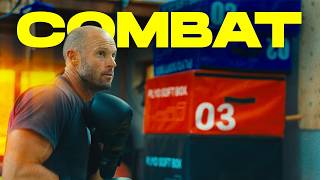
Combat-based movement like boxing, wrestling, and push-hands gives athletes a hidden edge most miss. Footwork, distance control, and emotional regulation from sparring translate directly to better performance in soccer, rugby, and basketball. Short drills and light contact build faster reflexes and resilience without the fight.
Chapters
All of the best athletes cheat by developing abilities that the others in the sport are not developing. If you do those three things for three months, do one session a week and just practice a little bit outside of that, when you do your weight training or at the soccer field, whatever, guaranteed you feel different on your feet. Try and do the same thing everyone else is doing and do it better than everybody else is more difficult than to do things that others aren't doing and to get yourself a competitive advantage. Coming from a rugby background, people kind of expect that. I played a lot of rugby, but I was always super intimidated by it and I didn't really like being around the physicality of it in a lot of ways. I wasn't comfortable with the contact when I went back and worked in rugby at 28, did a few wrestle sessions and a little bit of contact stuff and kind of got my nose busted and had a bit of whiplash another time. And the combat thing hasn't really been part of my physical experience. I value it from the outside. And then starting new athlete and looking at like, what, what is a complete athlete? What are components of someone's development that they should go through by the time they're 12 or 15, so that they have all options open to them. Which is one of the perspectives that I've built new athlete through is like, what are my sons going to be able to do? What. What's other people's children going to be able to do when they grow up? But it's been quite confronting. Like, when I put it in, I put it in as like combat dancer. And it sort of helped me not have to really face dancing and not have to really face combat and just be like, oh, there's some middle ground here where I don't actually do any. Not that I'm forced to do the new athlete, but like, this is the paradigm. And so now we do some combat every day and I want to discuss how this can fit. If you're listening to this and you haven't been punched in the face in a long time. You haven't been kicking, you haven't been wrestling, or if you have, but maybe you haven't faced the other ones, hopefully this video is going to help you to feel more confident and more excited about bringing combat into your athletic paradigm. I know for you as well, it's been a new journey. You want to share a bit of the vulnerable side of facing combat.
So for me, it's always intimidating because I don't really know if I hurt someone or not. If you're, for example, sparing. And I don't really throw punches, and I'm really careful to not touch or hurt someone. And that's why I decided to start bjj because I like, okay, I don't have to punch anyone. I don't have to hurt anyone. It's most about technique and less about the impact. But doing it here more often, I realized that I get more comfortable. And by practicing things like punching each other and doing the shoulder tap game and everything, I slowly begin to realize that I don't really hurt anyone and that it's just playful. You always talk about puppies or other animals when they play fight, and I think it's really like that. It's when you start to play with each other and not think about it as a fight, it is really valuable. And also it is connected to the dancing. I was fighting against Kari today. No, it was yesterday. I was fighting against Kari yesterday and I noticed the dancing footwork in my fighting. Unconsciously, I implemented the footwork and I was able to score a point against him.
Yeah.
And this, this was the moment where I realized, okay, wow, everything is connected in this, in this area.
Yeah.
And it's really exciting. I also feel more comfortable punching against the heavy back. Yeah, I can feel it. Be a little bit more powerful.
Yeah. Yep.
That's my journey so far.
Yeah. It hasn't been long. Even in Montenegro this summer, last summer, six months ago, I asked, I always ask everyone, like, have you. Have you sparred before? Have you worn the boxing gloves before? Have you punched in the face before? Have you been punched? And it's surprising how many people say no. And it was the same for me three years ago, I think, is when I first put the gloves on again. It was the J Top podcast documentary. Maybe we can put the link into it because it was really cool. They did a really good job in producing that. That podcast and a little documentary. But I was, I was super intimidated that day. We just, we did some running first. We did push ups and squats, and then we sprinted up this massive mud hill, you know, the, the long hill in. In the Monten village. But it was full of mud, so it was like you're spinning the wheels the whole time. And then we come down from that and we put the gloves on, and I'm like, oh, man, I'm. I already feel like I've just run, you know, 400 meter repeats and I'm already, like, out of it. And then Jay has a background. His father was a professional boxer. Like, Top five in the world. The other guy was a national level judo player, so he really like was, knew how to throw his body. And the other two guys were huge and younger. And so I was like, oh man, what am I doing here? This is like, this is not going to be a good day. But now I really love it and I really, like, I can't imagine training without it. Like, and it's great to have someone else there, but even without having someone else there, the feeling of just the lightness on the feet and distance, these things are really relevant to any athlete. Especially like team sports or, you know, table tennis, tennis, basketball defense, like rugby defense. And it gives you a chance to isolate your, your own body movement and positions. Practice being lighter on the feet. And it feels so good. It feels so much better. Like I really couldn't move like this at all, you know, a year ago, two years ago. It feels completely different to that first day when I was there with, with Jay. And I haven't done any boxing training with a boxer or, you know, boxing coach or Muay Thai or anything. But it doesn't have to be that like, it can just be this kind of playful, experimental journey we do practically, like if people are looking for things they can do with their brother or friends, training partner, even clients. We play shoulder taps, we play knee taps, play head pull as well. Sometimes like knee, knee tap and head pull. Standing on the other person's foot is. Although we haven't done much of it yet, but it's also a good one. And then like push, push hands, which comes from Tai chi, which Si Min Yang's done a bunch of videos about, maybe can link to as well. But just with this, it's already feels so good. And we do like, I'm going to kick you and you're going to go backwards, you're going to kick me, I'm going to go backwards or I'm going to punch you. And yeah, like we sometimes light contact, we, the other day we had the gloves and we did a bit more like longer and a bit more serious. But even just fitting it in as like 5, 10 minutes within the session. The structure that we have in New Athlete, we're always doing at least 20 minutes of skills. We touch on combat every session. And it just, it feels, yeah, it feels so great to have that as part of the paradigm. Now when we put the gloves on, it feels different as well. Like I don't get that massive burst of adrenaline of like, oh, this guy's trying to kill me. I have to Try and kill him. That's an important thing as well, to be able to compose yourself and for that not to be so foreign that your adrenaline just goes crazy through the roof. Obviously, if someone's attacking you or your family, like, there's going to be that big adrenaline, like, if it's real. But there's also something to being able to keep your head and see, okay, this guy's just trying to touch me in the head, but it's okay. And even realizing that getting punched in the face is not the end of your day, if it's just a little jab with the gloves on, it's like, oh, okay. That really doesn't matter too much. Yeah, they can hurt. And I've been, like, stung a little bit with the gloves, but it doesn't have to be like that. And getting away from that idea of, like, kill or be killed as the combat thing, like, that's not what it is. It's a skill development thing. It's something that puppies naturally do. We're also talking about the fencing side. Fencing is a sport where they practice. This game of distance is a huge part of combat, is just that game of distance. How close am I to you? Can I get into your space without you knowing that I'm going to come? The fencing is done without, usually without injury, low chance of injury. And so this is more how I think about it and how for the majority of people watching this, this is how you could get started with it. Relevant to every athlete, relevant to every father, son. Yeah. What else do you want to add with this?
Yeah, I think the. The best way to start us with the push hands, if you have someone else, because it really helps to feel human pressure on yourself and to be able to receive it and also redirect it. I think that's also the. The system, if you can call it behind Tai Chi, it's like receiving force, knowing where it's going, and then maybe using that force to get you out of balance. And I think that's the perfect way to start. And, yeah, I have a funny story, actually, with me and my brother, and we were doing some sparring, and we both didn't really know what we were doing. And then I got punched in the face by him. And looking back, it wasn't really that hard, but I was so shocked and scared. What are you doing? Like, why are you punching me so hard? I thought we just sparring a little bit, but in hindsight, I was just a little bitch in the. If you can say it like this, Maybe you have to beep it out. I was not prepared for this kind of stuff, but now I would handle it completely different because I know, okay, it's not, I survived. It's just a shock moment of like, okay, he's really punching me in the face right now. And I wasn't able to block it.
Yeah.
And yeah, once you get used to it and you know you're not dying, yeah, it's okay.
When you're a child, it's like the emotion of, oh, this person really tried to hurt me, then it kind of did hurt. And so you can. That emotion thing, especially if, like, if it's your parent hitting you, like, because you've done something wrong, or if it's your brother and he's bullying you, then. Then it's like that big emotional charge. But when you're with your friends here and they. The game is to play and you're just tagging each other, like, there's none of that energy, is there? It's also a good thing to be able to manage your emotions if, you know, if it is building up a bit. Intention. So many men lose their shit as soon as there's that pressure on. And so it's good practice for us as well. Of like, okay, yeah, this guy's coming at me hard. I went to Bali time chamber maybe a month ago, and there was a young Russian there, like 19. He's like, yeah, you know, I love boxing. Do you box? And I'm like, oh, I've been putting the gloves on a little bit. And there was another older Belgian guy there, and I had Joseph Suali with me. I was like, okay, yeah, let's. Let's play around a little bit. So we start, like, punching the bag a bit. And he's showing technique and he moves really well. This guy's like bouncing around. It's like, wow, this is nice. And he's like, okay, put the helmet on. Like, let's spar. I'm like, okay. Like, I wonder what this is going to be like. And he didn't. He couldn't really control himself, I think. Like, he was. I think he was just so excited. I don't think he was really wanting to kill me, but he, like, he definitely was much better boxer than me. And he was like, landing shots and it was good. Like, I'm really glad that I did it. Like, I was really proud of myself for just staying composed in the thing. I didn't try and kill him. I didn't really throw anything too hard at him. I just like, and it was like, yeah, this guy's way better than me, but, like, I'm here and it's okay. And we did, like, I don't know, three, four minutes or something, five minutes, and then just put them gloves. And that's what he. I think he just wanted to show me, like, how good he was. And he was good, but it was like, a cool experience to be able to jump in and do that. And I'm sure, like, so many guys in all of these things, kickboxer or wrestler, like, they could all destroy me. I'm not challenging the world to, like, I'm going to fight with you. I just want to be able to experience it and enjoy the experience with those who, you know, want to. Want to do that. And, yeah, I look forward to continuing to learn more. We even did a little bit of the rugby stuff in Montenegro, which has never been my thing to, like, coach the contact, the tackling. Like, I have almost no background in. I didn't say that to the guys. I was just like, yeah, let's just do it better. And it was fun. But, yeah, at 43, like, I'm. I'm excited to continue to progress this and not like, push it too hard, but to see. See where it goes, get into more wrestling. But, yeah, the invitation for. For my boys and for. For you and for your future children. Like, I love the paradigm that we're setting up with this. I think it's. It's really healthy to have it as one of the nine archetypes, for sure.
Ideally, when I'm a father, I can wrestle with them when they're old enough. Yeah, it's going to be huge fun.
Yeah, 100%.
And those who are looking for carryover for their sport. For example, I talked to Keegan, like, I started SOCCE before I came here in Germany. I overdid it. Too much volume, too fast. But in the first two games, I was noticing, okay, I haven't done it in a while, and my feet got very slow. And then I realized, okay, I need to do more dancing. Because all the footwork you do in all these field sports, especially on a tight space, they're very related to the dancing. And you have to think about the faster you can move your feet, the faster you're also able to move your feet on the field with the ball. You can receive the ball faster or pass it faster, shoot it faster. So there's a huge carryover if you can coordinate your feet well within the dancing steps.
Yeah. And it's kind of crazy. That I don't think, you know, soccer players you might see, use the speed ladders for foot speed, but there really aren't other drills that soccer players regularly do that move your legs as fast as you can. But then the game revolves around moving your legs really fast under pressure, like to make the big play. So the Kazakhstani boxing stuff, using the ladders, you see some of the footwork that they do. They produce great boxers, consistently going to the Olympics and professional fighters. And it just, it looks so majestic and so beautiful the way that they move through the ladders and they're fighting and they're practicing to fight. Even Usyk, the heavyweight champion, the Ukrainian, he can really dance, but it's not coming from like, oh, you know, we're going to go hit the disco. The Kazakhstani fighters, they're not thinking about this, but they're so smooth in their transitions and the feet are moving so fast. It's logical that the football player needs this. And then you see Zlatan, one of the most famous ever soccer players, huge Taekwondo background practice, moving his legs as fast as he could, scored goals that probably no other player could ever have scored.
Crazy bicycle kicks.
And still, like most players are not addressing this at all. And it doesn't make any sense. If you're a serious football player, go and spend a month doing Taekwondo, go and spend a month doing kickboxing and just pick up some feeling for how your legs move with that Muay Thai. If you do those three things for three months, do one session a week and just practice a little bit outside of that, when you do your weight training or at the soccer field, whatever, guaranteed you feel different on your feet. Try and do the same thing everyone else is doing and do it better than everybody else is more difficult than to do things that others aren't doing and to get yourself a competitive advantage. Lakhan cheated. All of the best athletes cheat by developing abilities that the others in the sport are not developing. So rugby league players started cheating. One team started to do BJJ and they got a coach in and they, you know, in their own way, but they start to wrestle really hard before all the other teams and they kept winning and they, they also cheated with the money at the same time to be, to be fair. But now every team has a wrestling coach and every team practices the wrestling. So that's how you get the competitive advantage when you do the stuff. Earlier with the roosters, we did some circus earlier than the others. We did some mobility earlier than the others. We did weightlifting more seriously than I've seen any other rugby league team take it. So we cheated and we were just better than all the other teams in a bunch of different things. But they never even tried to do them and they would ridicule them. Most of their coaches and athletes would be like, yeah, there's no way I'm going to do that. The combat can be a piece like that as well. You think, why do I need the combat? What's it going to do for me? Do it for a little bit and then you'll realize that it's a beautiful thing to have. Also a great way to exchange just doing weights with other people or just playing tennis or something. It's not the same as having that physical contact bit of threat. You both have to control energy and temperament. So yeah, it's for sure a cheat code and a hack that most are ignoring. The footwork is a fantastic place to start as well. And just getting to looking like it's basically a dance. You can look like a fighter without ever having thrown a punch at a person or ever having received a punch. If you just practice the dance of the fighting, then you're gonna have like, I don't know what percentage of it is like 60% of the thing just by doing that and that's going to have huge carryover as well. And then you do the same thing with your defensive stance in basketball or soccer or whatever it is. It's an adaptation of the same things that you're, that you're doing. So hope this helps to get you started. I want you to be the best athlete you can be. I want you to be able to help others if you're a coach. I would love your child to have a better experience of athleticism than you've had or than I've had because of having a better expanded paradigm. That's what we have with new athlete. You can get started using the link in the description. There is an opportunity there to get a call with me as well. If you want to tell me about your athletic dream, get some support from me to solve whatever challenge you have at the moment. If it's a part of your body that's not working well, if it's a body composition thing or you're ready to go all in on this whole paradigm of becoming a 9 archetype athlete, use the link in the description. Send this video to a friend if you want to spa with them a little bit and yeah, look forward to the next one.










