In this interview‑style audio, Nichole Briscoe and a co‑host (Speaker B) discuss practical tactics for operating group homes that house formerly incarcerated individuals. They begin by outlining a vetting framework—checking prison disciplinary records, medical history, work experience while incarcerated, and parole eligibility—to identify red‑flags and assess character. The conversation then shifts to the concept of "guaranteed income" for clients over 65, explaining how Supplemental Security Income (SSI) and Social Security retirement benefits work, the current 2026 SSI rate of $994, and how these funds can be leveraged in marketing to attract eligible residents. Nichole shares her personal cash‑flow model: investing $30k in a mobile‑home rehab, renting rooms at $875‑$1,600 each, and achieving a 5‑6× return, highlighting the challenges of title‑less mobile homes and the benefits of room‑rental income. Finally, they promote the paid community "Group Home Cash Flow Club," describing its weekly trainings, video‑document vault, and resources for onboarding, marketing, and day‑to‑day operations. The dialogue blends instructional advice, personal anecdote, and promotional content, offering a roadmap for entrepreneurs interested in the niche of group‑home housing for older, formerly incarcerated clients.
Chapters
Bet. I got it furnished, kept it cheap. What is the vetting process looking like? What are some red flags I should possibly look for when getting people in?
So when it comes to the prison system, some of the things that you can do is you can look and see if they've ever been written up, because they can catch new cases while incarcerated. They can get written up just with inside their system, so you can kind of see what their behaviors was like while incarcerated. You want to request their medical to see if they have any type of severe mental health challenges, some critical illnesses. You also want to see if they ever worked a job while incarcerated.
Mm-hmm.
And then one thing I always tell people, if somebody is going up for parole, you don't just get parole because it's your time to go up to speak to the board. A lot of them get denied on the first time. So understanding that if they met every qualification to actually make parole, Then that speaks to their character as well when making a determination. But definitely want to just see what their history was like, seeing if this was their first ride or did they get out and reoffend or anything like that. So you kind of get a picture of who they are.
So when you say they have guaranteed income, can you talk about how we got guaranteed income? Because they coming out of prison. They don't have money.
Mm-hmm.
So what do you mean when you say guaranteed income?
Yeah, so that's like, um, one of the things I be battling with people on the internet about because they don't know what they talking about.
Okay.
And if you are a US citizen,
okay,
over the age of 65, okay, you get guaranteed income. SSI, Supplemental Security Income, is, uh—
Even though I never worked a job? So guaranteed income is what?
I mean, taxpayers don't like it. You know, they pay their taxes. They don't really want people to be able to say that, oh, they committed certain crimes and I'm paying for it. But that's just the reality.
That's just the reality.
It is what it is.
Okay.
They go home, they go to prison, come out. As long as they over the age of 65, they got a disability or blind, they can qualify for SSI. So for me, when I'm marketing, if I know that all you got to be is 65, I'm going to start there. Anybody over the age of 65, because a lot of people incarcerated don't even know about this.
And what is the guaranteed rate currently for 2026?
$994. So that's where I get my $800 a month from.
It's the last time she gonna say it. Y'all not gonna keep going back and forth with her on the internet. It's $994.
Yes. So that's just one. Then we got Social Security retirement.
Okay.
People can, at the age of 62, draw early retirement or full age of 65. And so just because somebody's incarcerated don't mean they ain't Paying into Social Security, you only need 10 years worth of work credits, 40 quarters, to start paying into Medicare and Social Security. So if somebody is getting ready to come home from prison and I know that, okay, yeah, you went in when you was 40, but from 16 to 40 you worked a full-time job, that tells me all I need to know.
So that's the standard SSI and Social Security retirement. Mm-hmm. So that's 2 different things.
And people just make them together.
Oh, that's me. Ah, I can't even lie. I can't even lie. You see, I called you earlier this week and like— no, I texted you and was asking you about the guy that I just got. I didn't even know he was on parole. But he's in the house. He's doing just well. He told me, Nichole, this is the best house I've ever been in. I said, I'm glad you're so happy. He said, everything's just working out for me. I'm so glad you happy.
Mm-hmm.
Anyways, it's working out for him. And yeah, can I just say this a little bit unfiltered? Y'all got to understand too, the reason she does the 65+, And I mimic what she does is not only because they're older, but typically things that they've done in the past, they're no longer capable of doing said things. Mr. John probably was whooping beep back in the day, but he can barely stand up now. He not doing too much, okay?
Yeah.
Okay.
I say they one foot dragging the grave. Gas almost out the
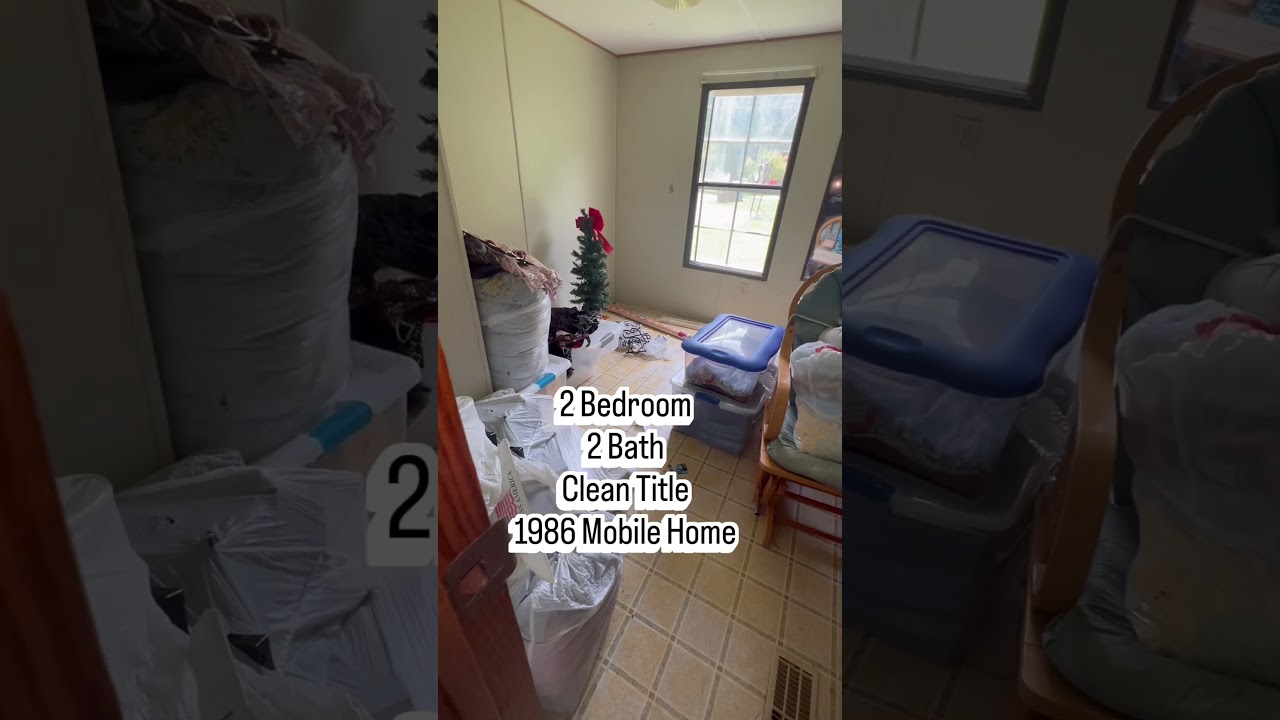
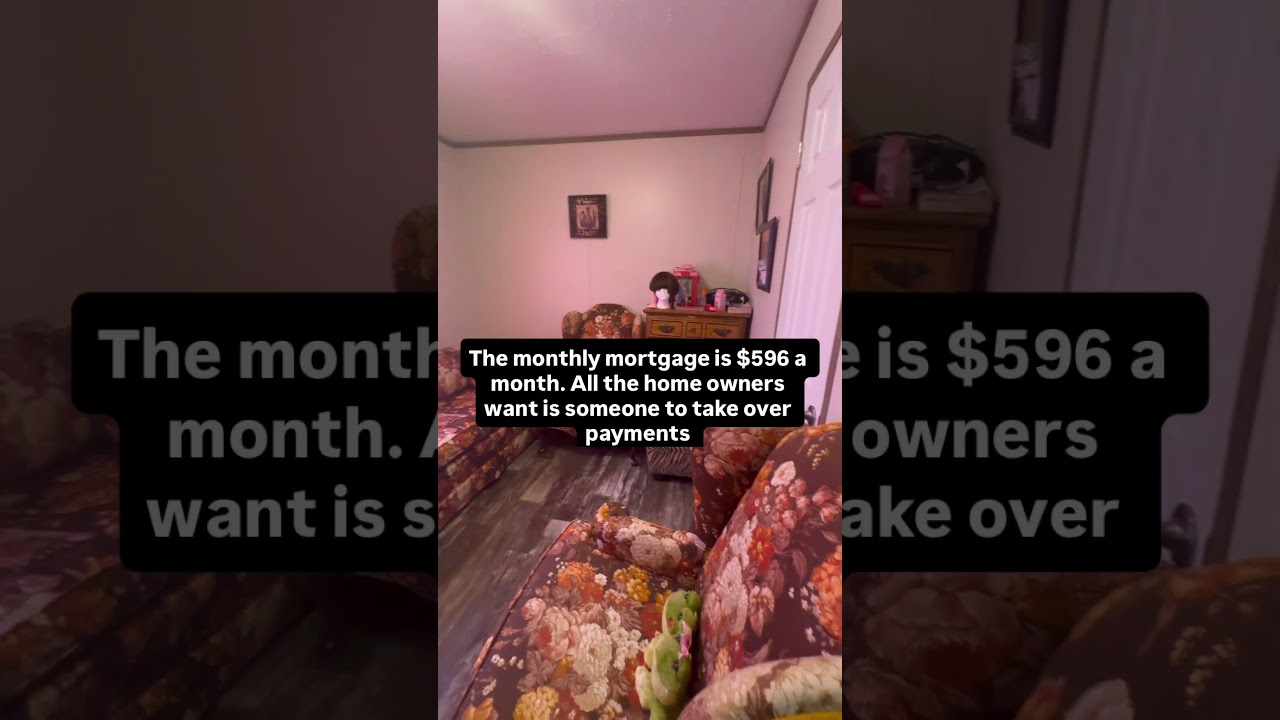
car. Okay. But they— some of them are very, very close to my heart. Yeah, that's it. I'm excited. I appreciate you sharing. People ask me all the time, like, how'd you do this strategy? Yeah. The reason me, I started was because I had a mobile home that I spent almost $30,000 in the rehab, and it was just way too much money. And so for me, I'm like, I done spent $30,000, how can I get my money back? All of my exit strategies that I was used to wasn't going to work, i.e., I couldn't do a rental, I couldn't do seller finance, I couldn't do Uh, rental, sell or find. I couldn't wholesale it. Keep it real, y'all. The mobile home ain't even have no title. Today it still don't have a title. So I couldn't sell that to nobody and try to get no $30,000. I should have only put about $12,000 into it. So I came up with the rental. I done had that mobile home. It was my 4th mobile home hopping into mobile home investing that I have received my money back times 5 this year. Next year will be times 6. I've made money over money all for that mobile home because I rent the rooms out. In that house, my rooms rate from $875 to— I have 2 gentlemen that have a private room. They pay me $1,600 apiece. Like, I love that strategy.
And people just would not believe that you can do that in a mobile home.
Yeah. And see, you argue. I don't. I don't. I just— I'll just post my deposit slip. I mean, it's right there. Yeah. And I can play the voicemail for my people. They love me. They love me. So anyways, Y'all, if you are interested in just strictly group homes and you're like, oh my gosh, how can I get started? My sister does have her own school community. It is called—
Group Home Cash Flow Club.
Group Home Cash Flow. I will drop the link below. She is very active in her community. What would they get in that community?
Yeah, so we have weekly trainings where I teach people because we have an influx of people coming in weekly. So we always go back to the basics to start teaching. Any previous trainings that I've done is left there in a vault for you to be able to go and discover. We have videos and we have documents, right? So you can pair the documents with the videos so that you can understand how to do your onboarding, your marketing, your day-to-day operation, and just some other miscellaneous documents that's going to help support you as a business owner, a business professional, so that you can get started on a good foot.
Group Home Cash Flow is the name of her group. I will have it linked below. I appreciate you all being here. Until next time.