
The Silent Stress That's Sabotaging Your Business (Even When Life Looks Fine) | Jen Yundt Coles
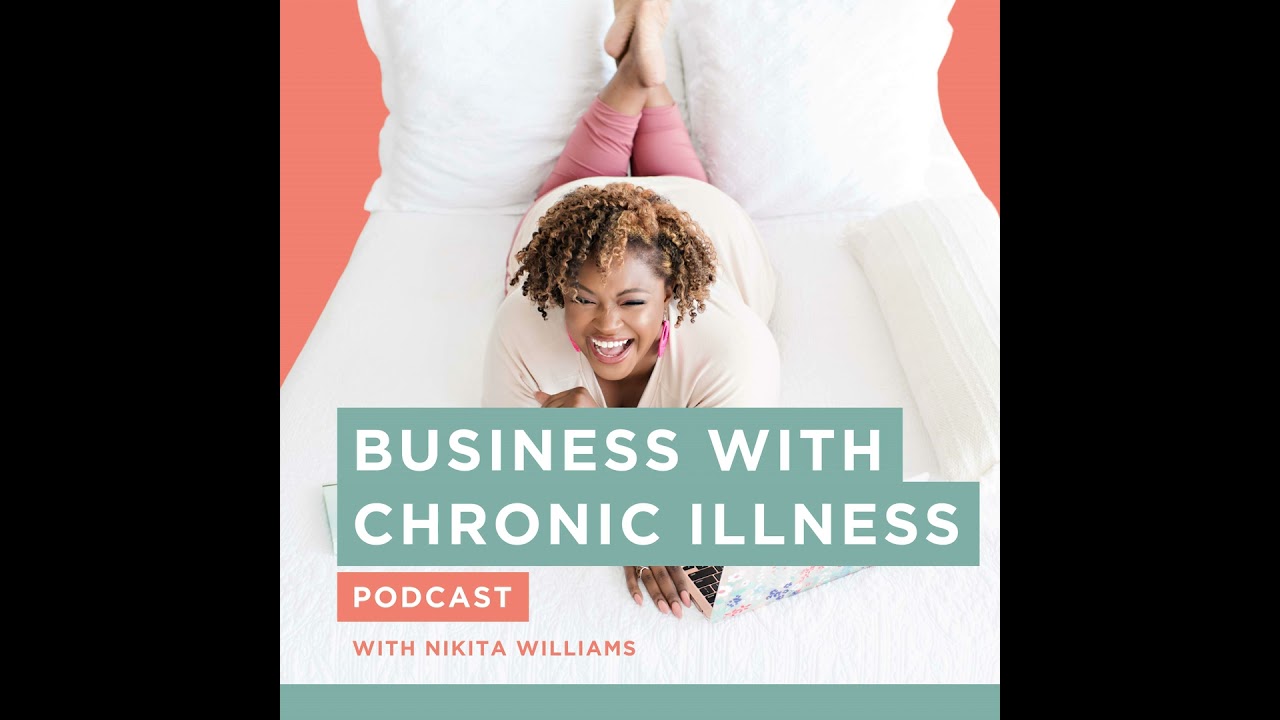
In this episode of the Business with Chronic Illness podcast, host Nikita Williams interviews functional‑medicine health coach and SIBO specialist Jen Yundt Coles. The conversation traces Jen’s personal health journey—from childhood constipation, car‑accident injuries, and broken‑heart syndrome to a diagnosis of small‑intestinal bacterial overgrowth (SIBO) and her subsequent training as a functional‑medicine practitioner. Jen explains how gut dysbiosis disrupts nutrient absorption, neurotransmitter production, and hormonal balance, creating a feedback loop that fuels stress, anxiety, and burnout, which in turn harms business performance. She shares how she shifted from a hustle‑centric, “always‑paddling” mindset to an ebb‑and‑flow approach aligned with her Human‑Design type (Projector), incorporating “joy activators” such as music, dancing, qigong, and intentional downtime to reset the parasympathetic nervous system. The dialogue covers practical self‑care rituals (sunlight, sleep, hydration, scheduled breaks), the importance of self‑advocacy and asking for help, and how to customize business systems (client spacing, marketing cadence, authentic branding) for chronic‑illness entrepreneurs. Jen also promotes her website (theSIBOcoach.com) with free SIBO quizzes and a VIP intensive program. The episode concludes with reflections on reframing perceived weaknesses (gut issues) into super‑powers that enhance empathy and client connection.
Chapters
And after all of these things that have, you know, literally hit me on the head to make me slow down, I finally realized even in the last few years that I don't have to hustle to prove my worthiness anymore. I can own my expertise. I can speak my truth, my real talk, tell it like it is. I don't have to be buffered or filtered, right?, and those people who get that are going to be the ones who are attracted to my business.
Welcome to Business with Chronic Illness, the globally ranked podcast for women living with chronic illness who want to start and grow a business online. I'm your host, Nikita Williams, and I went from living a normal life to all of a sudden being in constant pain with no answers, to being diagnosed with multiple chronic illnesses and trying to make a livable income. I faced the challenge of adapting traditional business advice to fit my unique circumstances with chronic illness, feeling frustrated and more burned out than I already was while managing my chronic illness, to becoming an award-winning coach with a flexible, sustainable online coaching business. I found the surprisingly simple steps to starting and growing a profitable business without compromising my health or my peace. Since then, I've helped dozens of women just like you learn how to do the same. If you're ready to create a thriving business that aligns with your lifestyle and well being, you're in the right place. Together, we're shifting the narrative of what's possible for women with chronic illness and how we make a living. This is Business with Chronic Illness. Hey everybody, I am really excited to have Jen on the show. We are going to talk about burnout, and we're going to talk about some other things and your health and your gut and all of that jazz. But Jen, before we get in, I'd love for you to like introduce yourself as if someone were to ask you like, what is it that you do? Yeah.
Hey, Nikita, I'm so glad to be here. And I'm glad that we finally connected after rescheduling a few times, which I think is the name of the game sometimes when you're dealing with business and chronic illness, by the way.
Absolutely.
So, so yeah, my name is Jenni Ant Coles. I am a functional medicine health coach. I'm also the SIBO coach. So I'm a gut health strategist and that's sort of like my do, right? But I also like to, you know, think about other things that I like to do that I don't put myself in that single box. Yeah. So not to just completely label myself, but I'm also an aspiring rocker. I'm a writer.
Cool.
I'm a home renovator. I'm a gluten-free baker. I'm a mama to two college kids, and I'm somebody who's just been on a personal mission to not only overcome my own chronic health issues, but to really inspire my fellow go-getter women to really internalize, internalize this idea of the gut-brain performance and creativity connection. So maybe we can talk about that today too, but that's just a little bit about me.
Well, that is— first of all, rocker, cool. One of my best friends, she's like— I feel like she's like a secret rocker, like in the sense of like, she's like very soft-spoken, but if you put some like real hardcore rock, rock music, '80s, she's like in it, right? And I feel like— I'm like, when you said that, I'm like, I kind of get the vibe. I kind of get the vibe.
Yeah, yeah. So I play guitar. That's kind of my sanity. That's awesome. And I've been writing my own songs for several years now. And who knows, maybe one day I'll be brave and sing them out to somebody. But for right now, I'm just— like I said, I'm kind of a secret rocker too, like in my bedroom.
I love that. I love that. How long have you been playing the guitar?
Oh gosh, well, probably since my late teens. I had a boyfriend in high school and we were in a band together, so that was really fun. And we just made all kinds of noise. And then years went by, I was having babies and all of that kind of stuff, how life changes. And my husband ended up actually buying me an acoustic guitar, so I started to write, you know, try to relearn, to actually learn how play instead of just making noise.
Yeah.
And also it just— I grew up with my dad playing guitar, so it was always something that I really admired and wanted to learn how to do too. So that's kind of where I'm at with that.
Yeah, that's so cool. I feel, to your point you were mentioning about creativity, and I feel like creativity is such a huge aspect of healing, of growing, of coping, exploring. Like, it's such a thing, uh, powerful tool, even if you're not like the traditional creative, I guess, whatever people would call traditional Yeah, but I'd love to hear more about how did you come to this? Like, how did being a SIBO coach— how did this love of what you do and finding those, those different nuances— they're very niche. So what led you to this path?
Yeah, yeah. So like I'm sure most of your guests, I got here from my own personal journey, right? And so that was a, you know, a lifelong, decades-long struggles with digestive health, digestive issues rather. And, you know, kind of first started off of like chronic constipation pretty much my whole childhood and teen years and continued into my first part of my marriage. I had been in a couple of car accidents, so really suffering from some chronic pain syndromes as well, and really sort of being dismissed or, you know, not fully seen by my medical practitioners and feeling frustrated and really sort of ending up feeling isolated and alone and really depressed, to tell you the truth.
Yeah, yeah.
And, you know, finally got to this place where it was so much stress on my body because, like I said, I'm kind of a go-getter and I've got all these things I want to get done. And at the time, I owned a gluten-free bakery and was really just like running myself ragged, like getting up before the sun and, and, you know, raising elementary school kids and all of that stuff that's goes with all, you know, being a mom and an entrepreneur and, and all that kind of chaos, right? Eventually all those health issues kind of compounded, and I ended up with broken heart syndrome, which is essentially like having a heart attack, a heart event, just from sheer stress. Usually it happens to like elderly people who have lost their spouse after a long time because it's just so heartbreaking, and you know traumatic. So that's what happened. And that was kind of my— one of my first wake-up calls. And after that was sort of my first taste of functional medicine. And that sort of led me to learning about SIBO. That was my first introduction to that. She's like, hey, why don't you test yourself for some SIBO here?
I was like, what's that?
Everyone just tells me I have IBS. Like, such a generic catch-all, you know, diagnosis. And so that was kind of my first dive into that whole world. And because I have sort of a science research geek-out type of brain, right? Yeah, I just kind of went down my own rabbit hole and tried to help myself because there'd be, you know, I got to a point where I was seeing my gastroenterologist and she was like, Jen, I think you know more about SIBO than I do at this point. I don't know how to help you. Here are some antidepressants. So I was like, no thank you, that's not what I need. Although obviously not passing judgment on anyone who's using those, you know, to get through their day. But that was not the answer for me personally. And that really motivated me to go back to school, to go to health coaching, go through a program. And then I said, you know what, I just need more science and I need more evidence and I need all the things. So I decided to put myself through functional medicine school while I was coaching. And, you know, eventually was able to help myself overcome the SIBO, which by the way, SIBO stands for small intestinal bacterial overgrowth. Which is very niche, like you said. And word got out that I was doing that, helping myself and other people in my practice. So I decided to rebrand as the SIBO Coach, and that's kind of where I'm at now. But to answer sort of the backdoor question that you asked me was kind of trying to implement or incorporate creativity and joy activators into my practice, teaching my clients, or, you know, helping guide them, I guess, rather on how to sort of uplevel their creativity. It doesn't, you know, we don't have to put a label on it. You don't have to be a painter or a musician, but there are so many ways that we can incorporate more ways of finding joy, resetting into our parasympathetic nervous system, and all of that, so that we can be more successful in our healing journey. Yeah. And more successful in like daily life, like, you know, whether that's being an entrepreneur or a mom or both or whatever. Did that answer your question?
Yeah, no, it did. I think, I think a lot of us start on this journey to discover what we are getting from wherever we're getting the support from is not enough, right?
Yeah.
And we know, especially if we're, we're researching, we're doing everything that we need to figure out in our own, in our own bodies, right? Which is honestly really our responsibility to do, but it is also a lot of time and it's a lot of like Some of us don't have that researchy brain. It's overwhelming. I think I'm thankful for AI these days for like helping that aspect of my health journey a little bit easier to like, okay, I'm researching this. Can you say this in like a 10th grade language? Because I don't know what this is saying to me right now. I knew when I got my aromatherapy certification, I was just like, it took me a while because it's just a different way of understanding words we just don't hear. And we're not taught about our bodies in this way, in such a detailed way. And And it really has helped me. So I'm curious, Jen, like in your journey of being like going through discovering you have SIBO, how I want to phrase this is kind of more around like how does that affect how you showed up in the world to support your family financially as well as like managing your health? Because that's like a full, I feel like sometimes it's a double full-time job of trying to figure out and learn and research and be a doctor basically for yourself. And you said you had a gluten-free bakery business, you have kids. Like, how did you manage that?
That's a really good question. And I think at the time I wasn't really managing it, and that's why— and that's why I ended up with broken heart syndrome, right? Yeah. But I think on the other side of that, I think what I would say was, or is— and this is what I do in my practice now— I'm always going to encourage you to be your own best advocate, which I'm sure you talk a lot about on your show.
Absolutely.
Especially when you do have chronic illness or do feel like you're being dismissed or unseen or unheard or unsupported, it's important for you to understand that, yes, that is your responsibility and it does feel quite heavy sometimes, but no one else is going to come save you. And once you kind of internalize that idea, which is easier said than done, I think that sort of plants that seed, right? And then you start doing little things that start watering that seed. So today I'm gonna make sure I go to bed on time. Tomorrow I'm gonna get up and get some sunshine in my eyeballs as soon as I wake up, right? Yeah, things like that. Honestly, it's just the really simple things, starting out with those, I think what began to make the difference for me when I sort of realized, okay, Jen the go, go, go is actually gonna kill you, so you better slow down. And I don't know if there have been episodes of self-sabotage or the universe just bonking me on the head and telling me, okay, slow down. But I've had so many accidents and brain injuries in the last, like, 10 years where I finally figured out, like, oh, I need to pause before I propel. So this is my thing now. I'm trying to teach this, trying to get this message out to the importance of getting quiet, which is something that we don't do very often in this crazy world, especially as women who are wearing multiple hats. Getting quiet so we can hear our intuition. I think we've gotten to a place, and hopefully I feel like we're sort of coming out of this now a little bit. There's a shift. But we've been in this place where we outsource our intuition.
Oh, yes. Mm-hmm.
Yeah, we do. And we defer to what other people say or do, or we take advice from like online support groups that really isn't customized for us in our, you know, unique situation or environment. And I think that's really the key. I think individualized medicine, personalized medicine is the way of the future. And I think dialing up that sort of feminine power that we have, understanding that we have an innate ability to heal ourselves, listening to what our symptoms are telling us— remember, that's information when we're having some sort of symptom. And, you know, sometimes I just start talking, Nikita, and I'm like, where am I going with this? But no, I love it. I think that's kind where my journey took me. I started off with little simple things and I'm still doing those simple things, by the way. You never really graduate from those. You have to keep doing them. They're foundational, like sunshine and going on a walk and drinking enough water and going to bed on time. All those boring things that we say, cuz it's not like a magic pill, but they work.
Yeah. No, I, I hear you. I think you're so right about the outsourcing our intuition. I, I think we all have at some point, and if If we're honest, have done it way more and we can probably pinpoint when we've done it and what the effects were and how it has— we're still dealing with the consequences of those things. I'm curious, cause you know, you mentioned, you know, experiencing or having heartbreak syndrome. Do you think it was a collective of choices or life, like a specific scenario that happened that really just impacted it or created that for you?
I don't know that it was one thing. I mean, I can kind of put my finger on a couple things. I think what I would say was— is— oh gosh, I don't know if I can put this in a nutshell, but that's such a juicy question. So I'll try really quickly off the top of my head. You know, one, like I said, I was just driving myself into the ground.
Can you tell me a little bit more about when you say driving yourself? Because I think we say— I didn't mean to interrupt, but I think we hear, oh, I think people say like, yeah, I burnt out. I just was doing so much and I drove myself and now I'm done and I'm better. And I'm like, but wait a minute. Like, can we name what it was? Because I think we all give ourselves like these little excuses. Like, well, everybody does that. And like, you can't not do it like that. Like, you know what I'm saying? So I'm curious too, like, okay, when you say drive, you were driving yourself. Then? What did that look like on a day-to-day?
Yeah, I can tell you very specifically. So like I said, I had two kids in elementary school and they were in a Montessori school, so I was trying to be active at school, like participating as a, you know, responsible parent.
I was also—
yeah, renovating my home at the time, doing updates, because that's just kind of like— I like to be creative that way and do that. I had started a new, a new business, which was my gluten-free bakery. And so I had taken on more clients, or, you know, businesses that would, you know, want to sell my products and all of that kind of stuff than I probably should have. I was getting up at like 3:30 every morning to bake and deliver. I was doing the deliveries myself. And then I would go to the gym and work out like crazy cardio, and then come home and get my kids ready for school. And then they'd be at school, and then I'd be back at the bakery baking for the next day. Then I would be off at 3 because I wanted to be the mom who was home when their kids were home, so that I'd speed home and go pick them up. And they were both involved in travel sports, and of course I was the mom who was like driving them all around and really holding that responsibility as well. Both of my kids have gone through emotional things at different points in their life, and at that time my older son was going through a depressive episode and tried to take his life even at 9 years old.
Oh my goodness, I'm so sorry.
So I held that as well, and at the very same time I was having relationship issues in my marriage and having, you know, some disrupted communication and and other things going on that I, you know, obviously don't need to talk about here. But I think all of that tied together with having these chronic digestive issues and anxiety and worry all the time. My microbes, my chemistry, my biology was out of whack. I wasn't making myself a priority at all. And, you know, my chemistry was off. And it's no wonder that I ended up with something like broken heart syndrome. So I hope that answers your question. Like, very specifically, that's what I was doing.
That's a lot, woman. I'm like, oh my goodness. I mean, just— I know there are people that get up early, but 3:00 AM, like, that is— I'm like— and I'm sure you weren't going to bed at like 5:00. So like, yeah, no, I wasn't.
And that's the thing. It's like, I think we think we can do it because for a while we can, our bodies will function for a while in that place, you know, in a survival mode to just keep going. But eventually we need to rest, you know, and I just didn't see that for myself. I had a really high standard of what I thought success meant or looked like. And I felt like I had to reach that expectation. Some of that was self, you know, self-inflicted and other, you know, some of it was also just put on me by other people, I think, or that I allowed to be put on me. And there was just a disconnect. I had kind of lost myself, you know. I was busy being a mom and an entrepreneur, and those were the labels I was wearing, and I forgot who Jen was. So I think that was the key.
Yeah, you mentioned chemistry was off.
Yeah.
Can you tell us a little bit more about what that means for you?
Yeah, so in my case, and this is the lens that I'm looking through as a gut health strategist, right? We have a diverse microbiome in our gut, and typically it's in the large colon. I'm going to geek out for a second here.
Nikita Williams, we can hang.
Yeah. So, so in our large colon, we typically have a diverse microbiome. It contains bacteria, viruses, fungi, can't, you know, viruses, all kinds of things. And when they're like hanging out and being friends and, you know, that kind of thing, it's not usually a problem. But when there becomes a bully on the playground, we start having like some symptoms and they may be those things that we hear as IBS, you know, constipation, diarrhea, gas, bloating, whatever. Here's the thing that I do in my practice. So there are a number of reasons which we could talk about if you want, but So many reasons why someone would end up with a small intestinal bacterial overgrowth. So the small colon is not sterile, but it's not really the party place for microbes to hang out, right? That's the place that we're supposed to be digesting and assimilating our nutrients. So when we do have a bacterial overgrowth there, for instance, or, you know, fungal overgrowth or whatever it is, it's causing inflammation, wear and tear on that system, and its mechanism of being able to give us the nutrients we need from our food is impaired. And so that includes things like minerals and certain types of vitamins that help us with our methylation and our detoxification. Those nutrients are required for neurotransmitters which affect our mood and our thinking patterns. Not to mention sex hormone production and all of that, right? Our drive, our get up and go, our cognitive clarity, all sorts of things. And it can lead to body pain syndromes, depression, anxiety, panic disorders, all sorts of things besides just the typical digestive issue type symptoms that we hear about. And so that's what I'm talking about— chemistry. When we aren't able to absorb and utilize those key nutrients from our food or our supplements because of some sort of dysbiotic environment in the colon, or the small colon rather, then we're putting ourselves in this place where we are becoming essentially malnourished. Because, you know, we can be eating all the right foods, but it doesn't matter because the bugs are eating our food before we are, right? And so that's, that's the kicker. People don't sometimes, like, you know, connect those dots. And so it's really important for us to understand that whatever's going on in your gut, that is your leadership right there. That is your CEO business mindset. It's inside your gut. If it's dysregulated or impaired or suboptimal in some way, everything else in your life could be impaired. That includes your focus at work. That includes your creativity. That includes your connection with other people because you don't feel like yourself. And the list goes on and on.
Yeah. I'm going to take it out of, out of the geeky moment.
Yeah.
Yeah. We can go back. Only for a second. Cause I think we actually have to go back to it because I'm thinking, I think when we hear terms like burnout and all of this kind of stuff, and I have had several episodes about burnout and just conversations around capacity and energy and all of these different kinds of things with chronic illness, not with chronic illness, running a business. I wonder if how your gut is functioning, like how you're feeling, what's going on with your gut, if you're paying attention to it enough, can give you clues as to the fact that you are on the, on the pathway to burnout. You do need to slow down. You do need to take more time and you need to just stop thinking, oh, this is just because I had a bad day or a bad couple of weeks. Because it's cumulative from what I've learned about the gut and how it operates as its own little brain down there. So like, if someone is experiencing burnout right now and they're physically experiencing it, is the gut a place they need to really pay attention to?
Yeah, and I think that's the obvious answer, right? Like, you knew that asking me the question. But I mean, of course, that's the lens I'm looking through. That's my training. That's functional medicine. Functional medicine will say, you know, 90-something percent of any kind of other issue in your body is probably, you know, rooted in the, in the gut. But it's true, things like, you know, if our microbes are imbalance, that's sending a constant signal through the vagus nerve to the brain that we are not safe, right? And I'm sure you've talked about this on your show as well. But, you know, your microbes are constantly surveying your environment, like, is this safe? Are we cool? You know, is everybody chill doing their thing? Or are we like in a chaotic state? Are there bullies on the playground? What's happening? And so that's sending a direct message to your brain, even if you don't intelligently comprehending.
You're not aware of that if you're not considering that, right? It's still happening.
Exactly.
Just because you don't see it doesn't mean it's not happening. Right.
Right. And so here's the thing, actually, I'll tell a little story. So I've had— well, clients say this a lot, but I'm thinking of one specific client. We were talking about stress and her stress level and her ability to manage it and what her capacity was and everything. And she says, you know, my life is really great. I love my husband, my kids are doing wonderful. I like my job, and my boss is pretty cool. And, you know, so I'm not stressed. You know, I meditate every day. And she tells me all this stuff. And I said, well, here's the real talk of it. If you have some sort of imbalance in your gut, that is a physiological stressor that your brain is interpreting as danger. So even if you don't see any stress on the outside of your life, it's going on in the inside. And that'll keep you stuck in that cycle of fight or flight, running from the tiger, all those things that we all know as chronic illness sufferers, right?
Yeah.
And that makes it really difficult for us to get out of that and reset ourselves. And so first, being aware of that is the key.
Yeah. I love that you shared that story because I think a lot of us think To her point, my life is good. Like, not— I don't hear a lot of people saying my life is great, nothing's wrong. But those who feel like I know how to manage my stress and da da da da da, something I've been doing a lot of research on is the allostatic load of stress. It's cumulative. And what happens to our body over time, even though you may have gotten through the thing, like you've gotten through the thing you got through, your body still hasn't dealt with that stress is still stored in your energy and you're like in your physical body and in your cells. So you could say all day long, I'm not stressed, but your body's yelling often through symptoms and things like that, that you're just trying to deal with the symptoms versus the root cause of this. But to your point, I'm sharing this to say, when I first started dealing with my chronic illness, no, I had no awareness of this. I had no knowledge of this. Like this was not something that you are told or talked It's talked about. We hear stress is bad for you, but we don't hear stress is killing you. Like, like, like, like in that, in that way, whether you see it or not. And I think I really started to understand the gut aspect of things when I started working with a functional medicine doctor. I mean, a practitioner who was also happened to be an MD, but that power of realizing that your gut is like telling you so much information. It's powerful. And I kind of want to switch this into like talking about business for a moment, because there's foundations in our business, just like there's foundations for our health and the energy and capacity we have in order to explore and heal our health are things we have to do in our businesses as well. There's foundations that we have to tweak to do differently for us that may not work for someone else. And so, Jen, I know you sharing like your experience as a coach supporting clients, but building a business, also experiencing your own health challenges, healing your own like issues going on, being a mom. What are some foundational things as a business owner that you had to tweak for your own customization to make this even possible for you to grow?
Yeah, yeah, that's such a dynamic question. And before I answer it, I'm gonna like reflect on something you just said. Yeah, I think it's really important, and I'm sure you've talked about this with other guests, but it's really important, and this is something I try to teach my clients, that there are so many different types of stress. I think it all just gets bundled into like work stress, but there's so many other kinds of stress, like environmental, what you're being exposed to. Like, maybe you're in a moldy home and you don't even know it because it's like lurking in the walls, you know? Yeah. Or like a conversation that you had with someone, like either it was your spouse or your coworker, those things are— or your parents, like, so those are exposures and they can be stressors to the body. So I just want to point that out, right? I know that that for me was also one huge thing that I had to internalize and become really aware of what that effect was on my body. I'm in a toxic environment, both because there's mold in here, but also because I can't have a conversation with my husband, right? So, like, thinking about it that way. Yeah. Okay, so now to go back to your other question.
No, that's a powerful— I mean, that's, that's very powerful. I think you're right, we don't put it into terms like that. There's multiple different kinds of stress.
And yeah, kinds of stress, right?
Awareness is everything when it comes to stress.
For sure, 100%. And to your point, yes, it is often stored in your cells, right? And interestingly, and of course you know this from studying the somatics and the gut health and everything, that, you know, grief and loss can be stored in the lungs and the large intestine, and sadness and loneliness and not being able to express yourself is stored in the heart and the small intestines, right? And so there's such a— there's a really interesting energetic connection there between all of those things. But anyway, okay, so things that I've done in my own practice while I'm continuing to heal, and I want to be clear on that, I'm what I call a recovering perfectionist.
I love that. Are we all trying to be that?
And so I've lived my life up until this point, right? So like just trying to show up and put my face on and be professional, that I have it all together, and I don't want anyone to see my dirty laundry and all of this kind of stuff, right?
Yes.
And I realized that sharing part of that is really important for people, not only to feel like I'm relatable, but also that, you know, I'm approachable. Right? So that's one thing. The other thing too is that— that I was going to say was, yes, I'm still going through my healing journey. Yes, I've overcome SIBO, but I'm still dealing with like chronic pain from car accident, you know, still like— you probably notice I trip up my words sometimes. I'm still healing from traumatic brain injury. And so, you know, I'm a real person going through my own thing, trying to navigate my business and help my fellow go-getters in the world do what they want to do. And so for me, I sort of— I guess I'll say technically that looks like I put more space between my clients now. I used to have them back to back to back to back to back.
Yeah.
So I schedule in extra time, whether that looks like prepping notes or, you know, sending notes, but also it looks like going outside for a minute It looks like doing some qigong and like releasing the energy that I just absorbed. It looks like playing fetch real quick with my dog before I have to come back in. And it looks like, you know, did we hit it? That's the beginning. I don't remember now talking about joy activators.
Yeah, we— I was going to talk about that a little bit more. I know you mentioned like rocking out, listening to music, you know, those kind of things. Yeah.
Yeah. So I mean, even the other night, no one was here. It was just me and my dog. And I was like, you know what, I'm going to put on my mix. I turned it way up and I just danced around for like an hour and I was totally exhausted and I slept like a baby that night.
I love that. Yes.
But just, it doesn't have to be crazy like that, right? It can be, I'm going to stare out the window for 5 minutes and reset my gaze and put myself into parasympathetic. I'm going to schedule some time for myself tonight to take a really hot bath because that's what I want. And I'm going to light my candle, right? It's something special. I'm gonna carve out some time this weekend to call my friend that I haven't talked to in a while because that is so nourishing for me. And sort of thinking about things like that. So every day now, Nikita, when I get up, I say, what do I need today and how am I going to get it? I learned this from one of my therapists a long time ago.
Yeah.
And that's the thing, every morning it's different because I never know how I'm gonna feel in the morning. As a result of some of these chronic conditions I have. Yeah. And so it's a little unpredictable. I mean, I can make plans and this is where that perfectionism came in. I have my plans and I have my calendar blocked off and it's all color-coded, but sometimes I have to realize, not today. I gotta push that till tomorrow. And so understanding that flexibility is key and having some grace for myself. And then really being an example of that to my clients.
Yeah, Jen, you said so much in that. I want to talk a little bit more about the— you call them joy motivators. Is that what you call them?
Joy activators.
Activators.
Yeah.
So I read a book by a coach who is a positive psychologist specialist. And so I did a whole 2 or 2 and a half years of like researching positive psychology. And this is one of those aspects. The way I learned it was like happiness triggers. But this has been such a huge thing that I don't think many of us think about because we're too busy trying— surviving. We're too busy trying to self-care it, if that makes sense. We're too busy like doing the checkbox of what everybody says self-care is versus finding those activators for ourselves. How did you discover what your happiness or your joy activators were for you? In the mix of honestly all of the things that you've shared with us with your experience? Like, how did you come back to them? Because it sounds like at some point they were not things you activated because they were forgotten and life happened and things happened to— now they're a very intentional part of your life.
Yeah. And that's such a good point too, because in my life I experienced this personally, but I see it in my in my practice a lot where someone who has chronic illness, they— well, I mean, they're kind of depressed, right? Yeah, we are.
Yeah, let's be real.
Let's stop like thinking and sort of like stuck in a body that's not working because I feel like we all have these really strong spirits and things that we want to do, right? And we have this drive and this passion, but we feel kind of stuck in a body that's not working properly. And so So understanding that and then understanding the connection of being able to reset ourselves every once in a while— it doesn't have to be 24/7, but the key is just little seeds here and there. And then, you know, eventually you start connecting some of those, and so they're in a chain. But the goal is to, you know, like in my case, I was like, what did I used to like to do? And the reason why I came came up with this idea is because my therapist told me. I didn't come up with it myself, right?
Yeah, you asked for help. Yeah, yeah, yeah. That's the first thing, y'all. If you didn't get that, ask for help, because you cannot— I think that's the thing, we cannot— we think we're doing it. I, I know with my therapist, she was like, that is not doing it. Like, she's like, that is not— that's not it. That's not— no, sorry, let's try that again. Let's rework this. Let's, you know. So I think That's a huge piece of it. Like, you have to admit that you're not going to be the perfectionist that unperfectionists yourself. Like, right?
That's exactly right. So that's so— that's so complicated right there, right? So you said— so first of all, we know we have to be our own best advocate, and we have to be willing to ask for help because, oh my gosh, some of us are just trying to freaking do all of it, right? Me included. And I just realized I cannot do this all by myself. I need to go ask for someone. If the person you're talking to isn't a good listener and cannot reflect back to you what you're saying so that you can hear yourself, or giving you some, you know, real actual tools to use on a daily basis to try to implement some of this for change, I would say find somebody else, right? You don't want someone who's just going to keep you in negativity, but you also don't want someone who's just going to gloss over everything. You want someone who's going to call you out. Like you just said, you're not doing it.
Yeah.
So she's like, what did you used to like to do? So I started thinking about that, and I said, well, you know, obviously I love baking, but I accidentally turned it into my business, and now I don't love it anymore.
So now I do it for fun.
Yeah. And music was huge. I kind of lost that for a little while, that ability to feel deeply a different frequency, and then connecting with other people who understand that about me, right? They don't have to be liking the same exact music, but they get, you know, they hear the beat, they get what you're saying when you're like, oh my gosh, this song, right? Or something like that. So you feel like someone sees you. For me, I figured out— so I study— started studying Human Design, and figured out that I was a projector. And two of my superpowers is my heart and my throat. Those are my centers where my power is held. And so it's really important for me to express things from my heart vocally, whether that's talking to myself all day long when there's no one here, or recording my voice, or singing, or humming, or doing whatever that's activating for me. So it's important for you to figure out, you know, what you used to like doing.
Yeah.
And then if it's changed, just kind of figure out, well, you know, I used to like painting, but now I like, you know, sewing. Or I used to like going outside, but now I like to walk down by the river. You know, if it needs to change, that's okay. It doesn't have to be what you were doing when you 12, right?
Right. You know, that's such a good point. I used to love to crochet when I was a kid. Like, I used to crochet like a crazy person. I don't know why. And then I, like, stopped, and I picked it back up a few years ago just to try to see. And I realized that for me, crocheting wasn't necessarily, like, a fun thing. It was an escape thing. It was a survival thing. And now, as an adult, and as I continue to grow and heal, it actually is not that thing that I would want to do. It's like not a thing that I find solace and excitement or creativity. And it feels like, like I'm going to have a panic attack if I start doing it. Right. And so I'm like, I used to beat myself up being like, well, that's the thing I used to be. And I had to really work through understanding, well, why was it a thing that I did before and why isn't it serving me now? And I think that's a huge part of it is like, creativity can change and how you view yourself will change. Don't hold yourself all the time to like this standard that you think you are. Be okay with it being different.
Yeah, 100%. And I will say this as someone who is about to turn 51 and heading into like the second half of my life, we can always be reinventing ourselves. There's no reason for us to stay stuck.
Yeah.
In some other story or label that either we put on ourselves or someone else did. There's no reason for that whatsoever. And I think sometimes when we are stuck in that chronic health— yeah, you know, cycle— it feels a little scary or a little risky or a little vulnerable to try something new or to revisit something old. You know, there's all kinds of fears wrapped around that. So really, like you said, being aware of where we are in that moment and what we need and how we can get it. So yeah, I love that you said that though. That's a really good point.
Yeah. And it's a work in progress. It's still something I think for me personally, and I'm sure you would probably agree, it's like, I think it's a narrative we hear so often about, especially with women, how we're— there's almost this expectations we're not allowed to change. We're not allowed to be different. We're not allowed to change our mind. Or if we, if we do, we're being flaky. We are being indecisive. We're being all of these things. And so it's a huge conditioning that we're working against. And I will say that when I say conditioning more so these days, I say stressor. It's a stressor that we're working against to really like be who we are. And I find that specifically in businesses, like I learned this aspect about myself because of being a business owner of realizing, oh man, I am holding myself to things that just don't even make sense. That's unrealistic, that it's not even possible for my life. And if it was, it has to look different than what I thought someone else said it should look like. So I'm curious, Jen, how— I know you mentioned earlier about like you run your, your client work a little differently as far as like you're giving yourself space and things like that when it comes to marketing and sales for your business. How does that look like for you in the scope of seeing everyone else and how they show up in market and sell?
Yeah, this is such a loaded question.
Oh my gosh, I keep asking all these loaded questions today. I'm going y'all too deep.
Okay, so I can really speak so deeply to this question.
Okay, good.
Something that I have struggled with and I'm just being honest and vulnerable here, right? I think when people see me out in the world or they go to my website, they're like, oh my gosh, she totally has it together. Well, maybe like 80% of the time I have it together, but like there's a good hefty 20% where I'm like, oh my gosh, what am I doing? And questioning, right? But here's the thing, I've hired numerous different business coaches and marketing, you know, teams, all this kind stuff. And after a while, I started to realize, wow, I'm spending so much money on all of this stuff for someone else to tell me how they would do it and not how it needs to be done for me. I'm unique, I'm special, and I have certain needs, right, as a person who's still going through a healing journey. And a lot of those typical stereotypical things out there that, you know, work or like help you be successful don't work for me. And after all of these things that have, you know, literally hit me on the head to make me slow down, I finally realized even in the last few years that I don't have to hustle to prove my worthiness anymore. I can own my expertise. I can speak my truth, my real talk, tell it like it is. I don't have to be buffered or filtered, right? And those people who get that are going to be the ones who are attracted to my business. Now, like I said, this has been a process and a long time coming for me. And so I'm trying to lean into that more and more. I used to have this whole thing like, oh my gosh, I have to batch all my content and I got to schedule it. And it's like every day I got to do this and make a reel. And it was It's too stressful. And I think the energy that was coming out was, like, not effective because, you know, I think in the frequency of all of that, I feel like people could feel that. Like, oh, is she stressed out?
Like, I don't want to go— I don't like the feeling of I don't want to be on that same roller coaster, if you will, of, like, I need to heal myself at this pace. Right, right. Yeah.
Yeah, and so now I'm just like, oh well, I feel called to post, so now I'm gonna do it. I kind of lean into that ebb and flow now. Also, like I said, with the understanding of being a projector in Human Design, I understand now. So here's an analogy: the majority of people in the world running a business are what we call generators. They're out on their surfboard and they're constantly paddling, looking for the next wave. Wave, and then they get up on the wave and they go and they start all over again. As a projector, I'm on my paddleboard, but I'm just chilling until the wave gets there, and then I get up on the wave and I do my thing and I'm super productive, and then it's time to rest again or reset or just maintain. And so now that I know that about myself, I run my business that way, I run my personal health that way. That's what my day looks like. I know that there has to be some sort of ebb flow. Like today I'm at a high and I did like 3 podcast interviews, right? But you know, next week probably not, right? So I have to be mindful of what that looks like for me and not compare myself anymore, that I'm not constantly paddling, because that doesn't, that doesn't work for me.
Yeah.
So to answer your question, I think that was the answer to your question.
What I heard you say is like Finding like marketing and sales and running your business, it used to feel like I'm following like the steps. I'm checking all the boxes. I'm doing all the things that they say I should do. And I'm following someone's blueprint that they said that I should follow. And now I'm like, yeah, I get the foundation of how this works, but I also know myself that how I'm going to do it, it's going to look different. And I'm going to give myself permission and the space and the capacity to do it the way that works for me. And that's just what it's going to work. And I have faith, and I believe, and I have evidence that people will find me because they have already.
Yeah, yeah. And here's the thing too, and it's so related, because I do this in my practice. When someone comes in, I don't have a blanket protocol ready to just hand them over. There's no magic pill. There's no, like, exact step that everyone is taking. And so I realized, oh my gosh, I'm teaching this every day to my clients about their health why am I not internalizing the same message for me and building my business and working my business every day? It has to be unique to me and feel good to me. So yeah, that has been the biggest change, I think, over the last few years. Yeah, yeah, it's sort of like a grand enlightenment.
It's all like clicking and making sense. And you know, I think as a person who, like, as myself starting a business and having a couple years like, what the heck is going on? I don't know what's happening, to like creating like a system and a framework that's literally based off of how I work with my body in the sense of living with chronic illness and giving it space and constantly, you know, adjusting and giving, you know, realizing it's not going to be always the same every single day or year. It's going to look different. I have had to take that approach in my business because my body dictated that, like, and so I found found with my clients too, that especially as a business coach, the idea that business is business is actually harming the business owner versus that business is personal in the context of how you choose to run your business has to work for you.
Yeah. Not the other way around.
Not the other way around. Right. And so I love hearing you say that too, especially when it comes to health, because I talk about this all the time. I'm like, the whole healthcare system, and we know this, but in general is so siloed that of course it's almost impossible to understand what is holistically happening to you. And so this is why we take on this responsibility that it is our own to take this holistic point of view. But holistic doesn't mean perfect. It doesn't mean there's not going to be bumps. It doesn't mean that you're going to like get it right the first, second, or even third time.
Yeah, exactly.
It's some tweaking that has to happen, especially if you're taking in all of this information and all of this data and trying to apply it to your specific circumstance. And so as a coach, as a, as a mom, as, you know, as an expert in the space, how are you facilitating that with your clients, helping them to feel more empowered by the fact that, hey, this success story is not going to look like yours?
Yeah, that's a really good question. I think that it just— I mean, gosh, this is such a vague answer, but like, I think it depends on who I'm talking to. So certain women are just looking for straight answers, right? They don't want to be asked any questions. They don't want to dive any deeper. Yeah, this is my challenge, right? This is kind of my superpower. I'm a total questioner and an investigator. I will leave no stone unturned. For one of my clients, right? I'm always going to try my best to be their best cheerleader and their advocate to help them, but I'm not doing the work, right? I'm the guide. And this has been a shift for me personally as well, understanding that quote unquote I'm not the fixer anymore. I'm the guide, I'm the educator, I'm the empowerment coach, right?
Coming from a recovering fixer who used to have a program called the Clarity fix. Like, I'm like, seriously, the recovering fixer. I get it.
And this is transformational, right? And so once you are starting to lead from that place as an entrepreneur, as a coach, or whatever you're doing, once you start leading from that place and embodying that idea and walking that talk yourself, sometimes just your presence for someone is enough. Right. And sometimes you have to dig a little deeper, peel away the layers of the onion, especially with gut health. There's lots of things that are hiding around in your body because of that. And, you know, emotionally, physically, all the things. I think maybe the biggest thing is just encouraging my clients to check in for themselves, listen to what they're saying. Don't just take my word for it. Yes, I might be a SIBO expert. Expertise, you know, but I don't know 100% about every— 100% of everything, right? And especially because you're a unique body, and so am I, and what works for me doesn't work for you. So I try to ingrain that idea in my clients. And like we talked about earlier, just understanding what kind of practices or rituals or habits can we change or rewire, and just really just have grace for yourself. I tell my clients up front, when we're gonna go on a SIBO journey together, girlfriend, this is gonna be a roller coaster. Hold on tight, right? Yeah, because nothing is linear. You know, I always say that we kind of spiral down and we get to the bottom, and that's when people are asking for help finally. But then the goal is to spiral back up, and it's not a— it's not a straight line, it's not even a diagonal, it's a spiral even upward. Yeah, that's important thing to remember that I try to teach my clients.
Yeah, that's a really, really good way of saying it's a spiral because it is. It really is. Like, you know, I used to get really frustrated with myself personally when I would— like, once you like found the thing, like with your health, you're like, oh, I figured out why it does this and why my body's doing this. And you're like, oh great,. And then a couple of years go by and then you're like, wait, this is, this is different. This is different. This is happening. What has changed? And then the thing that used to work doesn't work now. And I used to get so frustrated about that. And like, almost felt defeated. Like I thought I already went through this. It's the same thing you go through in therapy when you're like, I thought I already dealt with this. And then some new level of anxiety conversation happens. You're like, I'm not over this. It's the same thing with our body. And I also feel like it's the same thing with business. I think there are things you think you get and you understand, but things are constantly changing, constantly outside of you. And so to expect yourself to like know all there is to know and never have to learn something new or unlearn something that you learned that's not serving you anymore is a stress that takes away from your joy, that takes away from the things that you want to do. If someone's listening to this, Jen, right now, who's like, girl, I feel this conversation so much. First, happiness triggers or happiness activators, please tell me more. And two, I suspect maybe I have SIBO. I suspect that maybe there is a connection between what's happening in my life and in my business is happening in my stomach. So what is— where would you direct them to go or where to start?
Yeah, thank you for asking. And I just want to reflect back on something you said really quickly, was that it's so important to understand that in a healing journey, whether it's emotional, physical, in your business, lessons we're learning— so that spiral that's going upward, remember, we're always going to come around to like a similar point, but we're like a level higher. So yeah, there are things that we still need to sort out that will come back, but that doesn't mean that we're defeated or that we failed. It just means that we're on our way because we're slowly going up the next level. We just got to check in with that one thing real quick again and then keep going, right?
Yeah. Yes. So true. It's— and it happens. That transition is faster than if when you were spiraling down, right? Because for sure, when you're spiraling down, you have no idea what's happening.
Yeah.
And when you're going up, it's like going up and down stairs, right? Like going, you know, going upstairs is feels a little heavier because you're kind of— anyway, the idea is it's easier the opposite direction and it doesn't last as long.
Exactly, exactly. And because we are in a more elevated state, it's easier to process and have grace because we are expanding. Once you get to the top of the spiral, you are, you know, so much more expanded. Okay, so how people can find me? Well, you can check me out on my website. It's www.theseacoach.com, and that's where you can learn about my personal story, my programs. I have lots of free resources on there, including a quiz that's called Do I Have SIBO? There's also one on there that if you already know you have SIBO and you've been around this block a few times and you need next steps, that's a good quiz to take. And then I also have a VIP program where you just sign up for a day. It's like a super crazy intensive for those kind of go-getter women who are ready to just be like, sit down, let's get this done. And that's something I'm really excited about doing now, but that's the best way to find me. Yeah.
I love that. I've been asking everyone to wrap up the conversation this question, which is, if there is anything that you thought was true when you began in your business specifically, that you're like, this is 100% how it has to be or how it is. And now that you've been in it for a while, Yeah, that you're like, that ain't true, that is crazy, I can't believe I thought that. Like, what is that thing?
Oh gosh, well, I would say probably that I used to think my gut was the problem. It was the thing holding me back from being the person that I wanted to be professionally, right? Because I was like, oh, these freaking symptoms, you know. But what I realized now is that that sensitivity and that information was actually my superpower. It got me to where I am now, and it helps me be more empathetic and empowering to my clients. I think owning what we used to think is our weakness as our strength and kind of flipping the script a little bit is what will transform our business from feeling like we're stuck or we're playing small to really expanding into being the person that we want to be. Yeah, so good question. I don't know, that just kind of came off the top of my head.
That was like perfect. It's almost like you knew that I was gonna ask that question. That was Very well said.
That was a total surprise, but thank you.
You're welcome. Well, thank you so much for being on the show. I so appreciate you, ladies. If you're listening, or folks who are listening, be sure to check out the show notes to find all the links to connect with Jen.
Yes, thank you, Nikita. It's been such a pleasure. Thank you.
That's a wrap for this episode of Business with chronic illness, if you would like to start and grow an online coaching business with me, head to the show notes to click a link to book a sales call and learn how to make money with chronic illness. You can also check out our website at www.craftedtothrive.com for this episode's show notes and join our email list to get exclusive content where I coach you on how to chronically grow a profitable business while living with chronic illness. Until next time, remember, yes, You are crafted to thrive.
More from Nikita

How She Built a full-Time Income with 5-10 Hours a Week (No Ads, One Platform) | Tracy Beavers

How to Adapt Your Business Model When You're Living With Chronic Illness | Laura Reeves

How to Build a Business Around Your Capacity (Not Market Demands) | Gwendolyn Young




How Your Caregiving Experience IS Business Training (Stop Undervaluing It) | Julie Cole

You're Not Late: Building Your Dream Business at 51 with Rheumatoid Arthritis | Janet Diaz


Why Short-Form Content Is Burning You Out (And What to Do Instead) | Isabella Sanchez Castañeda

How Women Entrepreneurs Can Hold Grief and Growth at the Same Time | Amanda Guin