Voice for Equality
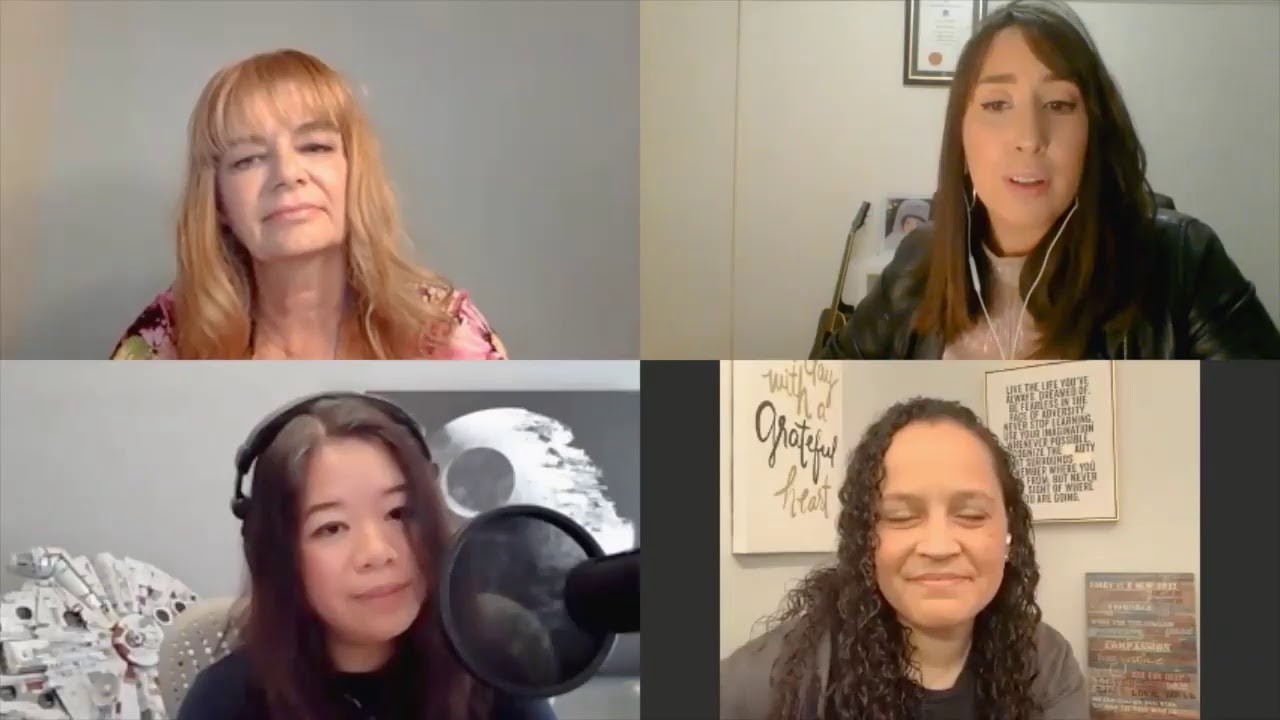
Four women leaders discuss how voice technology can serve everyone. Noelle Russell points to systemic bias in AI trained on non-diverse data and low retention of women engineers. Theo highlights that voice assistants fail in multilingual households and support only a fraction of the world's 7,000 languages. The panel calls for diverse product teams, mentorship programs, and inclusive hiring to fix these gaps.
Chapters
Hello everyone and welcome to Voice for Equality. Thank you for being here. My name is Bianca Phillips and I'll be moderating our panel today. Did you hear that anthem? That is the sound of the community coming together to address equality. Thank you to Audiobrain for producing that memorable anthem of our community spirit in coming together. That's the sound of people, companies, communities, governments around the world coming together to address equality. That roaring electric guitar is the anthem. We're here, like so many from around the world, to continue to discuss what actions we can take to advance equality in tech. And I'm joined today by 3 women whose voices are prolific in the voice industry. Not only are they accomplished in their fields, but they are lovely, kind, and warm people. And they're here to make a difference like so many of us. One voice can be heard and can change the world, but together we can make a lot of noise and we can create a movement. Now let me introduce our panelists for today's event. We have Noelle Russell. Hi, Noelle. Noelle is Head of Instruction, Data Science and Analytics at HackerU. She is an ambassador for responsible and ethical use of AI and is passionate about mindful leadership. She delivers keynote sessions and hackathons worldwide and has spent decades as a trainer, architect, and evangelist for IBM, Red Hat, EMC, Amazon, and Microsoft. Thank you so much, Noelle, for being here today. She is also top 44 leader in voice, top 3 in the influencer category by Voicebot AI, and recipient of the VentureBeat AI Mentorship Award.
Thank you so much for having me.
Thank you. And Audrey Albini. Audrey is— hi, Audrey. Hi, Bianca. Hi. Audrey is an Emmy Award-winning, globally recognized sonic branding expert with over 25 years experience and has developed audio DNA and sonic identities for many of the world's most iconic and prestigious brands. From the Xbox 360 to sound and voice branding for the most prolific iconic products of recent years, her sonic imprints are heard hundreds of millions of times a day throughout the world. It's amazing to have you here. Thank you again.
Thank you for having me.
And Theo. Theo is the founder. Hi, Theo. The founder of Unconventional Ventures, which focuses on developing and growing an ecosystem of financial institutions, corporations, startups, entrepreneurs, venture capitalists, and accelerators to address the unmet needs of consumers with keen interest in women and minority founders. As part of her work, she regularly mentors and advises startups in both financial services and healthcare. Caregiving Spaces. She ranked number 1 woman in voice by, um, Annelle Whitaker, was named, uh, one of 44 2017 innovators to watch by Bank Innovation. Incredible lineup. So I'm really excited to have you here. This is very exciting. Let's get this panel going. Um, so Noelle, my first question for you is, having worked in coding and AI for many years at some of the most influential tech companies in the world. What actions do we need to take to increase diversity and reduce bias in coding? Who's being left out?
Yeah, well, I think, you know, it's interesting. Theo and I have both kind of talked on this topic that we're now seeing the results of our current situation and kind of economy as far as engineering is concerned. Because companies like Facebook and IBM are shutting down their facial recognition programs. Amazon recently said, oh, we'll just stop doing that. And the reality is, is, you know, we've— as some of us have looked at this problem and said, is really when you find out that you don't have diverse enough data to have a good operating model, is really the solution to just quit? Like, we just won't do that anymore? So that question to me says, like, we have a systemic problem in the types of resources and the process that we use to build software. And so there are many ways to try it. I've had some— a wonderful mentor of mine say to me, which I almost was like, it can't be true, say to me, you know what? The only way that this will change is if an entire generation of leaders retire, you know, die, like, move on generationally. Like that generation will keep us from changing. And I can't believe that that's true. So what I did, what I'm now passionate about, which is why I joined HackerU, is like, how do we infuse the workforce with people that think differently about technology, with people that think— I mean, we are unfortunately an anomaly where this is a concern for us and we're willing to stand up and even lose our jobs over mentioning that bias is a problem and that a model shouldn't go to market. But not a lot of people are willing to do that. So how do we create a whole army, a generation of engineers that are willing to stand up and say, no, you can't continue? Because now, I mean, these problems were found after we went to market. They've been in development for years, some decades. And we're only realizing after we went to market that they were broken? No, we have to empower engineers and create, you know, a more diverse workforce so So that at the table, someone's like, I'm, you know, I'm someone with physical disabilities. That thing you just built isn't going to serve me. How do we make sure that that table is full of those diverse voices? And so in my mind, I feel like the place I start is education and training new people and letting know that that area is open and welcome for anyone to join and that anyone can learn to code.
Yes, absolutely. You know, that point that you raised there about education, I agree that that is really where we need to be focusing a lot of our attention to get this new generation, you know, in place thinking the right ways. And I have a follow-on question, Noelle Russell Russell, as well. Has tech changed much in terms of diversity and so forth from when you first started? Has it been much of a shift or not really?
I guess so. One thing, it's always, of course, my personal feeling is different, or maybe it's actually the same, but I wouldn't necessarily count my personal experience as like the industry experience. But the Gates Foundation recently released a study called Reboot Representation, and they validated my personal concerns with actual data. And the reality is, is that we, we hyperfocused on a certain problem. So when I first got into the workforce, I was one of 3 in my entire— like, there was 1,000 people in my graduating class. There were 3 women in aviation, in avionics engineering. 3. Women in the whole program. And that's true in a lot of different, you know, male-dominated fields. But we had said then, 20 years ago, diversity is important and we want to get more women into the— it wasn't about race at that point or ethnicity, it was just like get more females. And we did open that pipeline and created a bunch of programs and funding, and we got a bunch of people into the pipeline. And so now we can say our hiring pipeline is much better than it used to be. But the reality is, is that once someone gets there and they get into the job, that experience is not amazing. And it's not because people don't— or don't have the capability of staying in tech. It's literally an environment where you look around and go, I think I'd rather be doing something else. Why do I have to fight harder? Why do I have to do more? Why— I just heard an Essence, you know, this Black media company do a panel, and they all agreed that the way to succeed is you fight harder than everybody else. And I just like was like, gosh, that stinks. And so no, there hasn't been much change. And then for specifically Hispanic women, our numbers have actually gone down. And I always kind of make a joke and go, you know, Hispanic women, we just don't put up with that. We just like, if things are bad, we just leave. But it's sad. Because I look for leaders that I can look up to. And the more leadership I gain in companies, the fewer people there are to look up to. And I just find that that's really— it's unfortunate, but it feels worse to me than it was when I started.
I do agree. I remember when I went to undergrad in New York, we're talking about, you know, quite a while ago. Let's not go there.
But I try not to go there too.
But I was— I remember I was in shock because I went to an engineering school in Hefei, and I looked around my class, there were— I was exactly like you, Noelle Russell Russell, 3 women. I'm like, okay, something is wrong. This is really, really weird, especially for me. I came from an all-girls Catholic school for 12 years, so it was a dramatic shift. And I remember going through all those 4 years in college I was constantly reminded, not just physically, I was one of the very few women there, but I was always told by more than a few people, "Oh, the only reason why you got here was because our school needed more women. The only reason why you're here is because the school needed the diversity. So you check both boxes. You're Chinese and you're a woman. So here you go." Nobody ever looked at us as, did you actually get here by merit? They just look and they just assume. And I remember going through this quite a few years, even then, you know, because my background, a lot of the work I did was in engineering and tech, and I was always one of the very, very few women. And I always wonder what is wrong, like, why is it like that? And I think I went through the same experiences, you know, I was— it's just not welcoming, right? When you are one of the very few and people just keep making assumptions, right or wrong, it's just assumptions based on their experience and it just perpetuates. And I remember last— a few months ago when we started the whole remote learning and I started reading more books for the kids as part of their daily activities. And I went through this book and I highly recommend it. I wish I had it right here in front of me. It's about amazing women in science. My daughter flipped through one of the pages and I tweeted it out. And she was like, "Oh my God, Mommy, this woman, she was born in Hong Kong. And she has her name right here. It's like one of the 50." The look on her face, it touched me because it's representation. Representation matters. Role models matters. And if you look around us, I can't really see, especially in banking, I don't really see many people like me in the space. I walked in one of a really big prominent conference in LA last year, and someone DM'd me and said, "Oh, you know, Thea, I want to meet you. Where can I find you?" And I said, "Just walk out to the networking area. There are exactly 2 women that are Asians. I'm one of the 2." So—
And I think everybody has— Everybody has similar stories, and for me, there were times where— there was a time where I was the only woman in the company I was working with. The only woman. And it's also a very male-dominated industry that I'm in, which is audio production. And there were times where people would address things to my male counterparts. I would be heading a project and I still would get things addressed to them. And, you know, I also felt that at that time that women weren't as supportive of other women. I'm older than you are, but they weren't because it was so competitive that it was almost as if, you know, you had to kind of fight to succeed. And there was not the camaraderie of— there would never be something like what we're doing right now. Never. And when I turned down a project because I didn't like the way that the RFP was going, lack of response, it wasn't courteous, I had an email back saying, "I would like to know why you've declined this when you already said you would submit. Could you please send me the name of your senior manager?" because I would like to speak to him and find out more details about why you withdrew. And I sent back, um, I own the company, so I guess that would consider me the senior manager.
Um, and she— I love that.
Oh, I have the email.
I'll share it with you.
Audrey, well, thank you for sharing that, and thank you all for sharing your stories so far. So Audrey, I'm interested in your thoughts for how voice companies can take steps to engage with disadvantaged communities for the benefit of those communities, but also to help educate their staff on diversity and inclusion. Do you have any suggestions for how we can get disadvantaged communities involved and interested in voice?
Sure, and I'll go a little further, so I'll go like voice and sound since I do sonic branding, which also includes voice branding. So for me, it's always been my path, and I've heard it from this entire panel. My path is in educating, in mentoring, in going to the community itself, in bringing people from the community in. And that I always found has been most effective because that's my sure bet that I'm making a difference. I can control that. So I'll give you an example. The FUSE conference, which we sponsor, has a program in Chicago. It's based in Chicago, the conference. Called Osmosis, and I, I would recommend that you all look up Osmosis. So Vernon Lockhart, um, and I didn't want to get Emery's name wrong, Vernon Lockhart and Emery Brown are the most amazing guys you ever want to meet. And this program is for— it's a design program for minority communities. And these kids are phenomenal, and they're learning, you know, app design, and they're learning graphic design, industrial design. And 100% of the money goes to this program if you donate. So we're at Fuse, and Fuse asked me would I teach them a workshop on sonic branding the Sunday before the conference began. And Fuse had them actively involved in the entire conference. So these kids came in and they did not seem entirely enthusiastic to be there on a Sunday morning sitting in this workshop. So what I did is I wanted to meet them where they were at and try to understand, you know, something that would really engage them. So obviously Xbox 360 would be one thing. I brought two of my younger composers with me for two reasons, and it cost me some bucks because I had more plane tickets, had to go into Chicago two days early, stay there for four days and set everything up for this presentation. But we put the work in. So one of them was the Xbox 360 and one was another brand that had voice sound. And what we did was we started talking about the importance of sound to their design and what they would be working on in the future. And then they started to kind of listen a little bit, and then I had my guys speak, each one of them speak about kind of what we do, and they're composers and they're talking about what they do. But what we did was we built out on kind of a keyboard synthesizer. We played them the Xbox 360. Now suddenly they all perked up. Now we're in the zone. And then what we did is we showed them on this keyboard, we had different sounds, different beats, different rhythms, different instruments. To the two things that we showed them that they could literally come up and change the sound, change the rhythm, and see what a difference it made to the end product. So by the end of this workshop, and you can find this somewhere on our Twitter or our website, they were so into it. It was unbelievable. Everybody's up there. Everybody's dancing. Everybody's getting it. They loved it. By the end of the workshop, the whole room was talking, and they were so engaged, and they all said thank you. And, you know, Vernon and Emery were just thrilled, and they stayed through the conference, which was important. So they listened to all the different speakers, and they were engaging. Every time they would see us, they were like, "Hi, Audrey. Hi, Greg." The reason I brought my guys was I felt that it would be good to have them kind of experience explain their own work and make it a little bit more interesting, but also to educate my team who weren't exactly so thrilled to be giving up their weekend. But I wanted to show them that this is important to give back. You're really lucky to be working on the type of projects we work on, and we work really hard, but we work on some of the coolest projects you could want to work on. But it takes a lot of work., but I wanted them to give back, and these kids really needed it. This program is fantastic. And the best part was at the end of the conference, they all went up on stage, and some of them were talking about what their next steps were, what colleges they were admitted to, and they were all like standing tall and were polished just from being at this conference. I saw a change. And that they, they said, they mentioned the Sonic Branding workshop of what they learned from the conference and what they enjoyed. And now they're doing a film. I'm not— I just got this asked recently, a film. It's either— I don't know whether it's for fundraising or it's about their their program, and they're called that, you know, this is their Explorers Program, and we're going to score the film for them, and we are also going to do their sonic branding, and the students who are about high school age in this particular program will all be involved in the initiative. So my guys will be writing for this which gives them insights, deep insights into what this particular minority program is doing that is making tremendous strides for these kids. And that's my kind of way of doing things is mentoring, teaching. I have one other example. I teach at the Masters in Branding program. I guest lecture. And, uh, which is Debbie Millman's master's program at SVA. And every spring I mentor one student. So I mentored this one student, and she— they have to do the same thing for 100 days. They have what's called the 100-day project, and many successful people have come out of those 100-day projects. And what she did was she did a podcast. And she called it The B-Sides with Boogie and Bone. That's their, their nicknames. Now she is a Black woman from Atlanta and he is a blonde white guy from Montana, and they call it The B-Sides. And this podcast, they're so different from each other on the surface, but they bonded in this program. So they did their 100-day project together, and it was fantastic. And I had my team— she would come to my studio every week, or we'd have our sessions every week to do their sonic branding and find out what she was all about, what he was all about, and to make a sound for this podcast. That would reflect both of their personalities and attributes. And it was a wonderful project. They did a fantastic job. And some of the things they talk about are kind of, you know, pretty, pretty interesting and heavy to hear both their perspectives on certain topics. So that's always been my thing. And that's how I educate my team. And I bring to communities things that I feel can advance them.
I love that. That's so— that's just amazing that you've been involved in those projects. And you know, what we've heard so far from Noelle around education and Audrey around mentorship and teaching and leadership, it's really exciting. We talk about changes that we need to be making. And already we're hearing such proactive measures that you're taking to address those issues, which is fantastic. Theo, it would be wonderful to hear from you. There's a lot of work that needs to be done in terms of giving greater accessibility of voice tech to people from non-English speaking backgrounds and non— other languages. And I know that you've spoken about this in your podcast recently. So my question to you is, what can voice communities do about language barriers? And is it good business to reach more people from around the world? Is there a business case for it?
Well, it depends on how much time you have. Noelle and I actually had an episode about that, didn't we? Like maybe 2 months ago. So I think it's a really, really interesting question to ponder, and it goes— there are so many facets to it, right? A little bit of background on why it got really interesting. We have all three devices in our house, and I obviously, I was born and raised in Hong Kong. I do speak English, despite the fact that people always ask, "Oh, where did you learn how to speak English?" I am bilingual, obviously Chinese and English, but my English has an accent. As the day goes, as I get more and more tired, my British accent creeps out. My husband is Turkish, born in Germany. So there you already have two more accents right there. So my kids speak Chinese, English, Turkish. I'm teaching them French. They learned a little bit of German from their dad. And so in our household of 4 people, at any given point in time with any given sentence, there are multiple languages, multiple accents creeping out. And none of the devices can pick it up, although they do seem to work much better with my kids who are obviously born and raised here. And so that was actually what piqued my interest is Why is it that Siri never understands me? Why is it that Alexa always misunderstands what I'm saying? Why is it that Google always ignores me? And it just bothers me to the extent when I started talking to people, I realized it wasn't just me, right? It was, and a lot of that, and everyone in the voice community probably know, it has to do with what do you use to train the data? But it's more than that. Take a step back and look at the people that work in the industry. How diverse are we, or how diverse are we not? I think that reflects a challenge that we have not just in this particular industry, but everywhere. It starts with the people, and the people will then drive the problem or the challenge you're trying to solve, and then it will be reflected in the products and services that comes out from it. And right now, I would say it's far from being representative of the community is supposed to serve. The promise of voice is supposed to democratize access to information, to education. So people who want to learn something, who want to find out something, they don't always have to go read a book. For older adults, it serves as a gateway to the outside world, especially right now when they're socially isolated and physically isolated. From the outside world. And when you have devices that only serve a fragment of a community, not just even language, it's more than that. It's gender. And it's also more than that. It's also age, right? Because older people, the way we speak— well, apparently according to Singapore, I'm qualified as a senior citizen. Anyone older than 45. So the way older people speak our difference. You use more pauses between sentences. And not even that. Even demography, geographical, also presents a different way of how you speak, right? People in the north and the south, different regions you come from, we all speak differently. So unless whatever it is that you use to build up that product set and the people that you have to bring in together reflect that, We won't get there. I didn't even know until recently that we had 7,000 living languages in the entire world. 7,000 of them. A third of that are African languages. None of these three devices support that. Now think about that. If that's not a bias, I don't know what that is. And I realize and I understand a lot of that is driven by ROI. In the end of the day, you're not doing a charity, right? You have to sell a commercially viable product. We all know that. But how can we do better? To Noelle's point in the podcast that we did together, how can we collaborate better between all of the giants, create a leadership that we can actually help each other out so we're not wasting resources and building up the same thing over and over and over again that serves the same community over and over again. We need to do better.
Absolutely. And I, you know, that's why I'm so excited to be joining the Open Voice Network as an ambassador. This idea that we can create a voice for everyone and maybe through those standards we can start to reach people from all over the world. But some, you know, you've raised some really good points there around the realities of business and But the fact that we can actually do better, and it's those, maybe it's sometimes even those small steps that we take towards improvement, that it's better than nothing, that's for sure. Okay, fantastic. So, my last question for the panel is, do you have any other, this is a broader question, do you have any other ideas for action in voice tech, things that we can do right now? To take that step towards a better future in voice and a better future in tech? Maybe I'll start with Noelle, if that's okay.
Yeah, sure. You know, I think it's interesting. I was just having a conversation with someone yesterday who has a physical disability and is in a wheelchair and, you know, has cerebral palsy, has trouble controlling their physical body. But is a software engineer and brilliant and an entrepreneur and has built— has patents, you know, like, brilliant, but who has struggled and certainly struggles in our industry. And what I found out through some research is that 1 in 5 people have a physical disability. And I'm, you know, one of the premises for Voice was like, oh, I can open the world for people. And this engineer saw promise saw promise in, in Alexa, saw promise in Google, but it was quickly diminished by the lack of real support for, for all these. I mean, very much like what Theo said, like, it's not just about this one thing. Like, it's really about, like, how do we become, like, humankind be both? Like, how do we, like, realize that all of these demographics really just represent— we have to care about everybody's differences and we have to build products that are cognizant and empathetic to all of these different ways that we're going to use technology. Now, we can't just build it. I mean, the fact that we have this term voice-first, right, it instantly segregates, you know, like a whole community of people who are like, wait, but I like that idea, but I want it to be multimodal. So, to answer your question, you know, I just— I say broaden your understanding of the needs of people Globally, I think just, I loved what you just said, Theo, about just think globally. Like, it's not just about us as the 1% of the 1% inside of the United States of America. And that all of our products are like that. And when I look at my tech teams, they are all predominantly white male American teams building these things. And if there is diversity, it is like, you can call it out. Oh, there's one over there, two over there, three over there. I mean, I want to look at a team— I'm on a team right now, granted I got to build it from scratch, but I am on a Zoom call and it's all colors, all sizes, all demographics, north, south, east, west, in different countries, in Africa and Asia. I want to be able to look and see this, you know, pardon the expression, like rainbow of color. You know, like I just, I think it's important that when we look at our teams, that that's the first thing that should come to mind is, is every need represented at least empathetically at the table? And that that self-awareness gives you the empowerment to maybe start calling it out and making different decisions, because it's going to take people in mid-career to start taking leadership positions and putting their foot down. Because without that, we're going to have to wait for the people I'm training in university to get there. But really, it's going to take a mind— a whole paradigm shift, I think, of us building better software teams. Because now we know. We've seen models fail. We know what the cost of not investing in diversity is. So now we just need people, you know, like us on the call to get into leadership positions at companies and start making a difference and putting our foot down for those choices.
I love that. That's really great. And you know, this is one of many, hopefully, webinars and sessions I'm going to see in the voice community, right? Where we can have these discussions and get people involved in projects. And actually, in a moment, I will ask you about ways in which people can potentially get involved in what you're doing as well. Theo, do you have any final thoughts on— not final thoughts, there'll be lots of thoughts— but for today's session, any final ideas on action in voice tech that we can take?
I think I want to echo what Noelle say, and I want to make sure that it needs to be in everything that we do. It's not a check in the box, right? So if you are putting up an event, don't just say, oh, you know, I need a Black and I need a Latino and I need a Chinese and I need— we're not salad dressing. Please don't do that. Right? Be, be more thoughtful on what you're trying to do. You're not just trying to put a face on there just to make yourself look good, and so you don't get backlash. No. It's, it needs to be in every part of everything you do. When you're inviting these people in your events, make sure not just that you have their picture on there, make sure that your event is thoughtful about integrating different subjects into the agenda. About raising different voices. Don't keep going to the same people over and over and over and over again. The joke we always have in banking conferences is, you know, you'll see like 5 people that look exactly the same, that have been every single conference, same age, same gender, same everything. Well, maybe one has a tie, one doesn't. And then they say, this is the future of banking. Okay, no, that is not the future of banking because look outside, people do not look like this, right? So make sure you don't just include the people in there, but actually genuinely be interested in what they're doing. I think it's important. I know that there are a lot of people having knee-jerk reactions right now. And so last minute, they're like, oh, you know, we need to do this, this, this, this. But this is not a check in the box. It needs to be ingrained in our culture. It needs to be ingrained in in our thinking, that needs to be the first thing we do, is to think about how we can include more voices in everything that you're thinking about.
Absolutely. And I love how—
Yeah, I just had this experience yesterday at a conference, and I won't name it, but where I was asked to be a moderator, and my intuition was to say no. And then, you know, the nice Noelle Russell was like, well, I'm sure it's good intention, whatever. And I got on this, you know, as a moderator and realized that I was there because I added color to the screen. Like, and I was— That's some arrogance and talking down that happened.
Yes.
I was like, ew, I felt like taken. And so I, yeah, please be considerate and empathetic.
Like, why?
Don't let this— it's just like the diversity officer, which is a whole nother thing, right? Like, don't just create a space and then stick the brown person the Black person or the Asian person in that space. Like, it should be water in a wave. It should be like, there are so many diverse perspectives in this world. It's impossible for there just to be 5 of the same type of person be the only people who can speak to it. And it's happening right now. This happened yesterday where people think like this. That's why it's like, it's an ingrained and unconscious bias, right? Like they were nice.
They were just, I think thinking about it was a good first step, but it needs to go way more than just sticking the picture in there.
And then I think people like us need to stand up and say it. Like, I didn't. I didn't stand up and go, you know what, this is ridiculous, I'm not doing this. I just took it. But I think, like you said, we're all growing, but we need to grow as advocates and be willing to say, like, enough is enough. At the same time as are, you know, those doing the work and making the choices are increasing in their awareness of the problem. But thank you for saying that, Thea.
What I love about this panel is that, you know, you have all been advocating for equality issues for a very long time, and you know, this is very much part of your careers, very much part of your lives, and we're a very diverse group group of people. So I find it, you know, it's really great to like learn from you as well in terms of your own experiences having worked in voice for such a long time. Okay, thank you. And Audrey, any other ideas for how we could incorporate more equality in voice tech?
Yeah, I think we're on the right path. I think having more discussions like this You know, you have a few people, you have a couple people, then you have more people, and people, you know, start nodding. And we all know, we've been in those situations, and I've seen those situations, and I've been asked that by clients, you know. And I've been in meetings where they say, you know, we have to include somebody, we're giving awards, so we you know, you know, we don't have any of this demographic. I've heard that. It's, you know, how about the person has the merit to get that award? The other thing too is I do a lot of voice branding, and it's like the same. Some of them, like if I'm doing like a live voice, I'll do lots of different languages. It's, it's great. But if I'm doing something that's then going to go text-to-speech, where it's going, whatever it's going to do, you know, it's the same 8 languages, and that's, that's kind of where it ends. And I, it's going to be a challenge to do, but I would love to see like more localization and like we're a global community. That's why I love working with sound. Because people can all understand that. People all get the same response to that. Well, when we work with voice, it's different. So I think just the other thing too is, you know, keep ourselves educated. That's what I try to do. And I'm, I'm working with a team right now on a project in Hong Kong, and you would love this, the entire team is women. I was just like I— when they came on the Zoom, I was just like, oh, I really would love to just take a shot of this team because it was amazing. From the lead to the industrial designer to the branding person, it was just fantastic. And that's just one team. I've never had that before.
But Audrey, I think I can tell you that it's pretty normal. Growing up in Hong Kong, I was used to seeing female leaders. I was used to seeing my mother work. As a matter of fact, it was funny, um, my dad used to be the one cooking dinner because my mom would be really— and for me it's like perfectly normal, like what's wrong with this? And then when, when we moved to the States, I was like, wait a minute, why, why, what is going on in here? Why, why are there not more female leaders? Why is that that people just assume that women are going to be at some point bearing children and staying at home and cooking? That, that's just Odd, odd, very odd. But yeah, you'll love that. Most of my friends, they work and they stay working.
But these are in high positions and qualified people, super talented.
Yes.
But it's not the norm. And so how do we move it to be more commonplace? And I think by having the dialogues, keeping the dialogues going, doing our own work, put the effort in, do the homework, and, you know, build it. But I think it's getting there. We're not there yet though.
No, we're not. I think one of the interesting things too, Bianca, is we don't talk enough about this, is how it is being portrayed in the media. The reason why I say that is because all the time we often and see news articles that says, you know, such and such bank elected the first female executive in X. Or a couple of weeks ago, there was an article that came out that says MIT elected its first Black woman as the student body president. Nowhere in these articles' headlines was the name of the person. Would you ever see that in men being promoted to a CEO? No, you always see the name up there. Now, one would say, well, you know, because it's such a historical achievement that we need to highlight the fact that that's a woman. We do occupy more than half of the world. The fact that it's Black, okay, there are lots of them, is wonderful, but why can't we make space for the name? It's the person. That person, the name is part of her identity. It's not just the gender. It's not just the color of her skin. And when I posted that particular article on LinkedIn, I got 250,000 views.
It—
and it resonates because each one of us is our own individual person. What makes us us is our journey, our upbringing, our values, and our accomplishment and everything. All of that needs to be celebrated as part of us as a person. Don't just look at it as a person of color. We're more than that.
I absolutely love that. And, you know, it's so true. We all, you know, we all have our own journeys and our own experiences about hearing those stories and learning about other people, taking the time to sit down and learn about what they've gone through, what their experience has been, and not making assumptions either about individuals. So, very important. So, I wanted to also talk about access or equality for individuals who are maybe elderly. We talked a little bit about, you know, the work that Heidi is doing, Heidi Culbertson. Yeah, so I just wanted to hear your thoughts on what we could do to create more access for elderly persons in the workspace. Maybe Theo, could we start with you?
Yeah, I think Part of that is bias. I would go back to bias because we've been looking at the space for quite a few years. And every time when we approach VCs, for example, they would say, "Well, we are not interested in old people products." And you go look at, you know, some of the bigger players who said, "Well, yeah, it's interesting, but what about the Gen Zs? What about the Gen Alpha?" What about the younger generation? They're the ones who use all of these products, isn't it? Now, if you care to dig deeper into the data, you realize that's not really the case, right? Because older people normally are the ones who can afford the devices, or they would get gifted these devices by their adult children. They are big users of it. And the bias that older people don't use technology is also, unfortunately, unfortunately wrong because I would always argue, I always use the iPhone as an example. Steve Jobs didn't create the iPhone for old people. He didn't create the iPhone for children. But yet they created a product easy to use enough that young children as well as older people would use it, right? So why can't we use the same approach when we go to designing voice products that can be used for older adults because they need it, that can be used for people with disability because they need it, right? I think we need to approach it from that perspective more and be more empathetic about doing it. What I often got pushback, and I'm sure Heidi can resonate because we exchange notes all the time, is, "Well, yeah, it's a great idea, but—" But what? So let's do it.
Great thoughts. Thank you, Theo.
And Audrey, any thoughts on this? Yeah, absolutely. I mean, this is very, very personal to me. Very, very important to me. I think that there are so many devices that the elderly are using now and so many devices They're using them for— there's devices that monitor different things so that they can stay living in their home. There are things that we put in their house so that we could check on them while they're living in their home. Uh, it's critical that we design for this community. They are living a lot longer and often are homebound, and that's their connection. Just seeing their great-grandchildren, but they can't hear it, you know, because it's not really designed that way. And one thing right now, particularly with the isolation with COVID isolation does terrible things to people. And I had somebody incredibly close to me in the hospital. They did not have COVID, but it was a COVID-restricted hospital. So this very elderly, extremely close to me person was in the hospital alone, went in the ambulance alone, and was alone. And the only time I could talk to him was when somebody would bring an iPhone in and I would go, and half the times his hearing aid wasn't in, and they— it was very random. I just had to wait a day or whenever, at whatever point they decided Somebody could go in with this iPhone, and occasionally I would get like a nurse who would yell, talk loudly back to him what I said. And if I can tell you the difference in the state of his well-being when he had the contact with me through FaceTime and when he didn't have the contact with me through FaceTime. That I am really going to start looking into and advocating for this being a mandatory part of their day, every day. I'm gonna find a hospital to sponsor it and let me do an experiment. Let me do a program because the change in wellness was, I mean, I recorded a lot of it. The change in the state of wellness was like day and night. And like maybe like 2 times a day. It's part of that patient care program that that patient gets that FaceTime with that contact with somebody that they really love, and it's not arbitrary, or we know everyone is really, really, really busy. But you have to give someone medication at a certain time. You should give them that connection also. So there's a lot of work to be done in that area, and I'm, I'm up for it. If anybody wants me to do it, I'll volunteer to do it.
That's amazing. If anyone is listening and they'd like to reach out to Audrey and potentially work together, if you're in that area, please do contact Audrey. No, what I love about this group is that you are leaders who are acting, doing something about it. You feel passionate about these topics and you go out there and you have to try to change the world. And you are changing the world. And that's what I admire so much about each one of you. Noelle, just to wrap up here, what are your thoughts on how we can increase accessibility for elderly persons and others?
Yeah, I think it's, you know, just echoing what's already been said. I also have, you know, my dad lives with me. So, and he suffered a traumatic accident and has kind of some cognitive issues. And Alexa is like his daily dose of medicine, very similar to what Audrey said, like he uses it in the same way that he like gets his meds, he asks these questions that give him this consistency of communication. And I actually love the idea of it being some, you know, someone who cares about you, because I do think people respond so much better to a human, like someone who cares about you. But one thing I noticed in the early days of my dad's illness, before I could take him into my home, because I had a very young baby at the time, We put him in an assisted living facility and the people there, I went to see him multiple times a week, but most of the people in those situations, no one came to see them. No one came, no one called. Like maybe they did at the beginning, but like you said, Audrey, these people are living 20 years longer than they would have lived, you know, 50 years ago, right? 20, 30 years longer. And so us as sandwich generations, right, taking care of littles and then taking care of our parents, it's hard. I will tell you, like, I definitely took, you know, I was like, it would be better for you to live with me so I could talk to you, as opposed to me having to figure out. But no, not everyone can do that, but they end up being forgotten and they deteriorate, right? They like psychologically, mentally, and physically deteriorate in front of your eyes. I watched it happen. My dad started to deteriorate as well, just being in that environment. Even though I was there, his roommates were passing away because of a broken heart, you know, like it was, it was terrible. So I was like, how do I make a difference? Just like you said, Audrey, like there are programs, like we just have to start, A, by educating the caregivers at how meaningful 10 seconds can be. 10 seconds. Like my dad, when he was in the hospital, He didn't even want to talk that long, but just hearing your voice say, "I love you, good night," that's it. What a difference that can make. But if it can't be, and if people are alone and no one will call them every day, how can we leverage devices like Alexa, right? Like now we have Samuel L. Jackson on the Alexa as a canned voice that we can use. Why couldn't that be, you know, a voice of a loved one, or why couldn't that be, Even just an SSML tailored voice of something, someone caring and nurturing, as opposed to Alexa's like, "Today's stats on the coronavirus are blah blah blah blah blah." Like, it creates anxiety just listening to it. So how do we think differently, right, about the experience of the product to serve that community if they don't have the golden egg of what Audrey is talking about, right, as we approach that? And I think One is, you know, like both are achievable immediately. We could start working on that and seeing benefit immediately.
And that brings me to the question of why haven't they done that yet? What's been holding them back from doing that more personalized approach?
Yeah. Develop, you know, like look at our developer community. You know, every time I go to a conference and it is all white men, I'm like, how is it 19— You know, 2000, 1999, 2005, 2010, 2019. It hasn't changed. No, it hasn't changed. It goes— and as a caregiver, right? Yeah, go ahead, Leos.
No, no, no, no, no, no, you're right.
It goes back to the people, right? Most of the caregivers are women. Majority of caregivers are women. And so To be able to develop products that serve different communities, you need, again, go back to people. You need a diverse group of people. It— you need them being represented in the people that build the products. And then they will realize, oh wait, this is an important thing to pursue. The joke that we always have in the startup community, always go back to Juicero. Really? Juicero? Creating a Juicero, sell couple hundred product? $100 for a device just to get Jews? Product market fit, come on, you know. It goes to the people. If the people think this was important, they would have developed it. Then how diverse is that group that's creating the products? Developer community, right? Just— we can't go to a physical conference now, but when you go to a physical conference, look at the line outside the ladies' room versus the line outside the men's room.
I mean, I'm kind of happy about that right now, but I totally know what you're saying. It's not a perk. It's not a perk.
So ladies, how can people get in contact with you and potentially find out about ways to work with you in your various advocacy projects to create greater inclusion and diversity? Inequality. Noelle, let's start with you.
Yeah, I'll go really quick. So I recently, similar to Audrey, like, was like, we have to do something. I have to build a thing, something. I'm very much, you know, I love Mother Teresa, and one of the quotes that she has is, if you can't feed 100, then just feed one. Like, just do the thing for one person and see what you could do to make a difference. And so I started a blog with a couple of colleagues of mine called Teching While Brown. And we created a scholarship program. And you can go to the Teching While Brown website, you can apply, we're obviously going to randomly pick, we're going to start with 5, because we're paying for it out of our own pocket at first. But we're going to build a cohort, and we're going to just get women and minorities educated, we're going to put them through a Cloud Guru's program to learn how to be a cloud practitioner, which is like a first step, you can be a product manager after that, a designer, a technologist, coder. There's lots of ways, but it starts with some just fundamental knowledge about cloud technology and digital transformation. And so that, that's my little, you know, thing that I'm gonna try and do. And it turns out I went to A Cloud Guru, and you know what they said? Oh, we'll sponsor all 5, and we'll pay for the certs.
Oh, that's so good.
Ryan and Sam, they're amazing. Anyway, and like, without even thinking, of course, I'm like, oh good, now we can do 10. But we're going to start with this 5 and then we're going to create some kind of just like you were saying, I'll be like, create some kind of program and then let people fund it. Like, just be like, oh, it's $10,000 to put 5 people through this program and just start with 5. And then hopefully over time that 5 will turn to $500,000 and we'll have a whole new generation of, of people and not just high school grads. Right. This is for someone who might be in a different field like fintech. Or, you know, sales, and go, you know what, I want to be part of the change, and technology is the way we're changing these things. So yeah, so that's how you can get in touch with me, and all my contact information is there, Teching While Brown. And if you know anyone who needs that kind of a program, please forward them that way as well.
That's amazing. Thank you so much, Noelle. Audrey, what about yourself?
How can people get in touch with you? Sure. Well, first of all, thank you everybody who's watching this, and I'm really honored to be with this group of women who I find to be like strong leaders, positive. And, uh, thank you very much for having me on this. You can reach out to me on LinkedIn, Orjura Beanie, on Twitter and Instagram, it's Audiobrain_NY. And if anybody has something they're trying to get voice or sound to, that like Osmosis or any of the other programs or organizations that we do pro bono work for, we're happy to do that. If we feel it's of value, we will do it. And just reach out and we'll continue the conversation. Amazing. Thank you so much, Audrey.
And Finger, what about yourself?
So I'm on social. It's pretty easy to find me. It's on Twitter, @psb_dc, and LinkedIn as well. We also run a podcast called One Vision. So part of what we're trying to do is to promote and bring different voices to the foray so that event organizers can actually have a more diverse group people to pull from. And also people have more role models to look up to. That is, that is always one of the biggest things that we want to do. So hopefully, you know, we will continue the conversation digitally, virtually. Love it.
Thank you so much. So again, thank you for being here. I just have some final thoughts actually for anyone who's listening who is maybe in the legal space. We've been talking a lot about tech, but the law is going to play a big role in all of this because we have issues that really go to the heart of our legal system, unfortunately, when it comes to equality and diversity and other issues. So if anyone's listening in and they're part of a policy team, if they're a lawyer, whether they're in-house or in a private firm or government or at a university, you know, you're going to be advising big tech. You may be the future lawmakers in the future. And there's no doubting that there's big issues around embedded social inequalities. So as part of, as part of addressing this, I would kind of encourage you to think about what steps you can take in addressing these issues. You may recall if you've been in the US and you've you've gone to law school in the US, that there's a movement that was started in the 1930s called the Legal Process Movement. And it created a new way of thinking about lawmaking. It offered many great ideas. It was taught in law schools throughout the US. And it was considered quite an influential school of thought. But unfortunately, even though it was taught and created during the civil rights movement, they didn't actually discuss how their ideas applied to the civil rights movement. And over time, their theories were basically criticized because they weren't actually looking at modern-day issues, even though the ideas themselves were very, very good. So that school of thought was taught to lawyers and people who actually ended up becoming judges and people who are shaping the in society. So I would really encourage anyone who is now creating programs in a law school, who is creating their own movements and their own schools of thought, to really think about incorporating as much as you can around civil rights and issues of equality, therapeutic jurisprudence, legal psychology, and whole range of other issues. And I think it's really education. If you're part of a law school curriculum or if you're teaching tech students, we really need to get to them at that stage because they're going to be the future developers, right? They're going to make that tech of the future. They're going to be the Steve Jobs or whoever. The lawyers are going to be the future lawmakers, the judges, the legislators, the the president, maybe. So we need to, we need to get to them at that, at that stage. So if you're involved in anything like that, maybe you've been doing something for a long time in that field, I would love to speak to you. You can definitely get in contact with me and let's talk about how we can, how we can change the future. Thank you very much. Let's work tech and law together. Let's create a voice for equality, a voice for The future. Thank you very much for being here, everyone, and we'll speak soon.
Thanks for having us. Bye.
Thank you. Bye.
More from Noelle

Take the Unlocking AI Challenge and Get the Keys to Unlocking Time and Revenue for Your Business



Don't Get Left Behind: The AI Executive Challenge #ai #business #fearofmissingout





