0:50

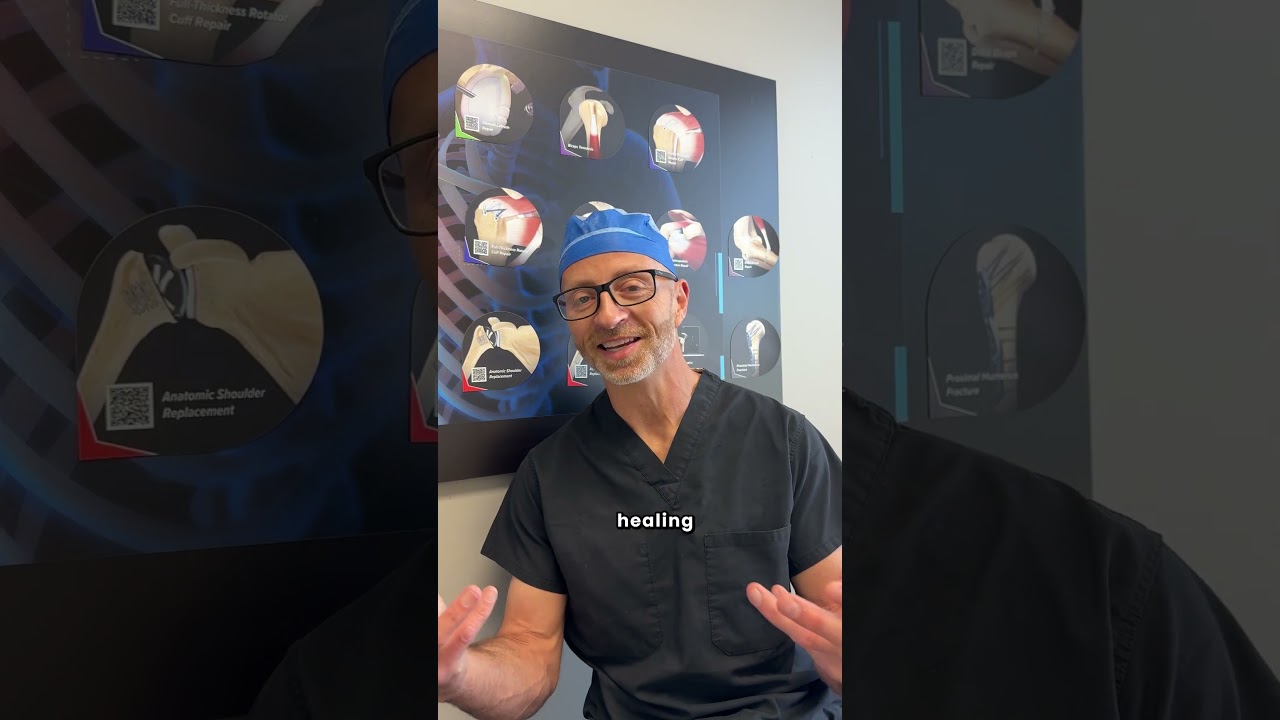
In this video, the clinician explains how to determine whether a rotator cuff repair should be augmented with additional tissue. He outlines three primary risk factors for healing failure—nutritional status, tear size, and muscle quality—and notes that nutritional status may be the most critical. He introduces the Rotator Cuff Healing Index, a scoring system that assigns points for age, tear size, muscle quality, bone density, and activity level. This index facilitates a structured discussion with patients to decide on augmentation. In his practice, about 15–20% of patients receive augmentation alongside the standard rotator cuff repair.


Chapters

More from Patrick

0:24
youtube.com

Why Shoulder Pain Is Worse at Night

2d ago
0:29
youtube.com

PRP for Rotator Cuff Tear: Not Magic, Not Useless

1w ago
19:21
youtube.com

Sleeping With Shoulder Pain: A Shoulder Surgeon's Guide

1w ago
0:26
youtube.com

BPC-157 and Cancer Risk: A Surgeon's Safety Concerns

3w ago
0:27
youtube.com

Ignoring a Rotator Cuff Tear? It Doesn’t Mean Nothing is Happening

3w ago
1:24
youtube.com

What Shoulder Arthritis Is

3w ago
0:39
youtube.com

Why Some Rotator Cuff Tears Never Need Surgery

3w ago
0:59
youtube.com

How well will you function after shoulder replacement?

4w ago
3:13
youtube.com

Scapula Exercises

4w ago
9:42
youtube.com

Does PRP Work for Rotator Cuff Tears?

1mo ago
1:02
youtube.com

Will your shoulder replacement set off a metal detector?

1mo ago
See all content