0:32

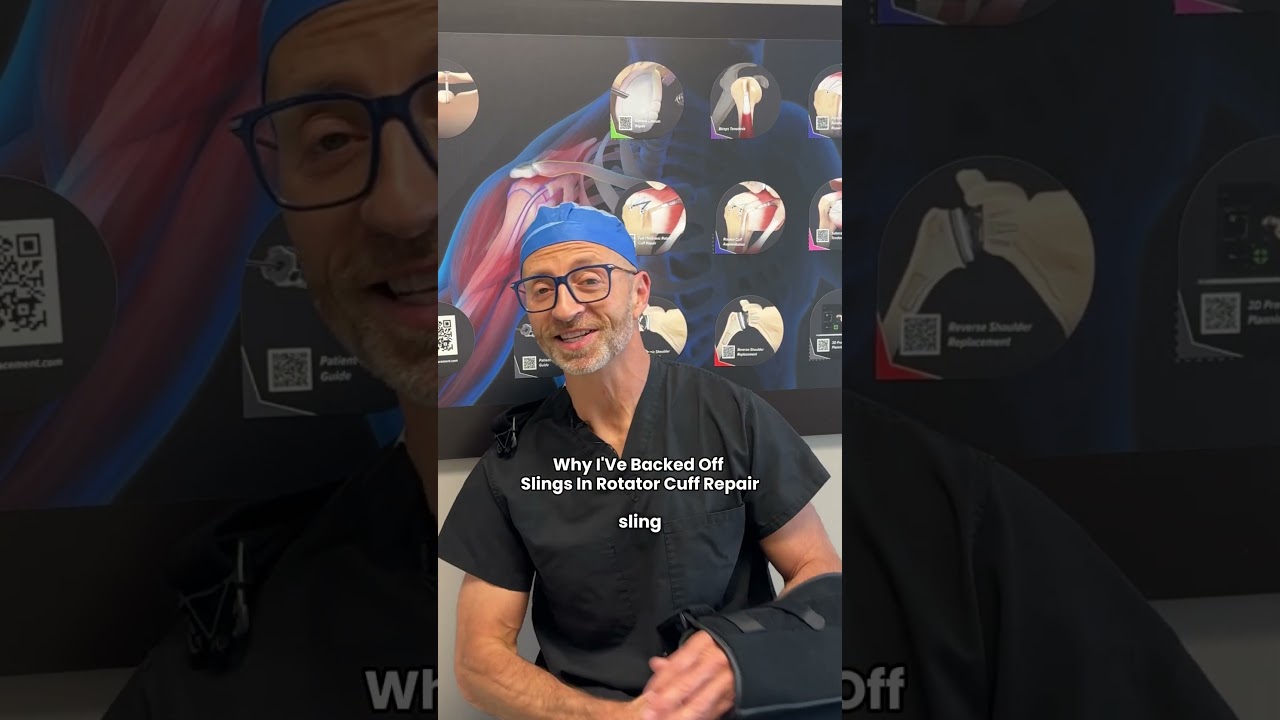
In this brief presentation, the speaker explains why he has moved away from the routine use of postoperative slings after rotator cuff repair. He notes that in specific situations—particularly when a double‑row repair technique is employed—clinical data demonstrate healing rates comparable to traditional sling protocols, allowing for little or no sling use. He further argues that incorporating adjunctive measures such as optimized nutrition, biologic agents, and structural augmentation can accelerate tendon healing, thereby safely reducing the duration patients spend in a sling and improving their overall postoperative experience.


Chapters

More from Patrick

0:24
youtube.com

Why Shoulder Pain Is Worse at Night

2d ago
0:29
youtube.com

PRP for Rotator Cuff Tear: Not Magic, Not Useless

1w ago
19:21
youtube.com

Sleeping With Shoulder Pain: A Shoulder Surgeon's Guide

1w ago
0:26
youtube.com

BPC-157 and Cancer Risk: A Surgeon's Safety Concerns

3w ago
0:27
youtube.com

Ignoring a Rotator Cuff Tear? It Doesn’t Mean Nothing is Happening

3w ago
1:24
youtube.com

What Shoulder Arthritis Is

3w ago
0:39
youtube.com

Why Some Rotator Cuff Tears Never Need Surgery

3w ago
0:59
youtube.com

How well will you function after shoulder replacement?

4w ago
3:13
youtube.com

Scapula Exercises

4w ago
9:42
youtube.com

Does PRP Work for Rotator Cuff Tears?

1mo ago
1:02
youtube.com

Will your shoulder replacement set off a metal detector?

1mo ago
See all content