Clean Blood, Strong Heart: TPE Approach to Cardiovascular Health with Dr. Kahn | TPE Blueprint #4
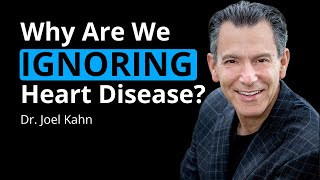
A podcast-style interview with cardiologist Dr. Joel Kahn discussing the role of environmental toxins (plastics, PFAS, heavy metals, endocrine disruptors, microplastics) in cardiovascular disease and prevention strategies. Dr. Kahn outlines a combined approach of avoidance, targeted testing (environmental toxin panels, sleep studies, micronutrients), conventional cardiovascular assessment (carotid ultrasound, heart CT), supportive therapies (chelators, sauna, supplements) and an emerging interest in therapeutic plasma exchange (TPE) — typically a multi-session cleansing protocol — to remove persistent toxins and potentially improve arterial and systemic health. The talk blends practical advice (diet, sleep, exercise, clothing/bedding choices) with clinical observations and recommendations for measuring and tracking toxin burden.
Questions this video answers
35 years.
drjoelkahn.com.
Heart Doc VIP.
About five sessions (a five-month/ five-session program was mentioned).
Chop broccoli and let it sit 30–45 minutes ('chop-and-hold') before cooking (or add mustard powder as a myrosinase source).
Chapters
Heart disease kills someone every three seconds worldwide. But are toxins actually the hidden culprit that no one's talking about? Dr. Joel Kahn is here today to break down exactly what you need to know.
All right, Dr. Joel Kahn, appreciate you joining me today and everyone else watching, listening. You have an interesting backstory. We'll definitely get into that and how you're, I guess, one of the few in your position, but, you know, you're all about heart health. Let's just cut right to it. And you take a different approach. So I guess, how would you introduce yourself as it pertains to what we're talking about here?
Toxicology. Yeah. I've been practicing cardiology for 35 years. University of Michigan Medical School, summa cum laude, university professor, books, papers. But mainly, I just like taking care of people. I like listening to their story. I like knowing what they eat and what their dog's name is and what they do for fun. And then I take them apart in terms of lifestyle, genetics, chronic infections, sleep. Look at their art, see if they're healthy or not. Because a lot of people are walking around playing pickleball and they're in bad shape. They could drop dead one day. And we don't test these people aggressively. I'll throw a statistic at you. Everybody says somebody dies of heart disease every 34 seconds. Maybe people don't know that. That's just in the United States. Actually, in the world, it's every three seconds. Because the population.
I'll tell you a statistic just to shock you, because I'm a shock guy. I'm a Howard Stern when it comes to heart disease, because I think we ignore heart disease. We're cancer, Cancer, cancer, hiv. Covid, Covid. Give me a break. We still die of heart disease. During the peak of COVID we were number one. Heart disease number one. The peak of COVID And I'm glad Covid's largely, you know, resolved since. Listen to this. Since 1775 to present, if you take all the soldiers in the US who have died in military combat, some people estimate it's about 666,000. Over 900,000 people every year in the United States die of heart disease. And where are you hearing about it? Where are you hearing Bobby Kennedy, who I love and I like what he's doing? Where are you hearing people talking about what I just told you? And 20% of those people that are dying are younger than 65. So it's not just Grandma and Grandpa in the nursing home. It's really active, functional men and women and they drop dead all the time. And they're wealthy or they're poor or they're healthy or they're not. You know, I don't care if you play pickleball and you're thin. You're getting tested in my clinic. But because I am an integrative cardiologist, some people substitute the word holistic, some people substitute the word functional. Doesn't matter to me. Plus, you know, I'm a standard cardiologist too. I got big toolbox, you know, I'm looking for a root cause. You know, it's obviously could be your diet and your sleep and your fitness and your stress and your alcohol and your sleep apnea and all that. And we got to do extensive labs, but I'm looking at your environment and that leads to toxins and you know, it's an ignored topic in cardiology. And cardiology is an ignored specialty. You might not think so, but it really is. And we know that heavy metals are very damaging to the heart. I mean it's science, it's in the literature. It can cause a weak heart. That's called a cardiomyopathy. It seems to be involved in atherosclerosis, hardening the arteries, which is the heart attack and drop dead portion of it. We know that this terrible group of chemicals called edc, endocrine disrupting chemicals. I go to a medical meeting and half the people in the room are sucking down ice mountain water they bought at Costco. And I'm saying to myself, you know, we, for 20 years we know that that bottle sat on a pallet, you know, on a dock in 95 degree weather or it's in your car in 85 degree weather and it just, it's just breaking apart. And you know, you got BPA and BPS and phthalates and parabens and those forever chemicals. PFAS. PFAS and PCBs. It's, you know, it's a salad of chemicals. DDT, of course, the new and the latest and the greatest scare and it should is microplastics. Nano microplastics. The fact that you take a person in the operating room and you remove some plaque from their artery to their brain, that's called a carotid endarterectomy. You look at it under microscope, it's full of little shreds of plastic. We don't know if it caused the blockage or it's just there. But it's in the brain and we're finding it in sex organs and probably it's universally through important parts of the body. So I go back, I'm old enough to remember, you know, the movie the Graduate with Dustin Hoffman where the big life advice was plastics. You know, the future.
That's right.
And we've circled around maybe 45, 50 years later. That movie's old. And truly, plastics are the devil, along with a lot of other things. Smoking still bad, but we need a method to. Number one, the best plan for most things is avoidance. So, you know, you know, throw your plastic water bottles into the recycle bin and get yourself stainless steel and glass and do that everywhere with your Saran wraps and just learn how to protect yourself as much as possible from plastics in your life. Even, you know, we've learned now plastic teabags, those beautiful.
I heard that.
Mesh tea bags. No, I mean, I'd gone back. I threw them all out. I'm just back to paper, paper. The issue is maybe loose tea, loose tea and spoon. But that's messy. And number two, we want to stop putting them in and we got to get them out. And that's where tpe, something cardiologists never would have talked about before, but therapeutic plasma exchange comes in and it's the beginning of an era. We need to treat people. We need to do their blood work before and after or urine. We need ultimately to look at their heart arteries before and after. But there's certainly at least a signal that we can take a lot of crap out of the body pretty long term with maybe five sessions of tpe. And for people that are really interested in sort of rejuvenating and all. It's exciting.
Yeah, it's exciting. And also.
Yeah.
The fact that there's something to do with about it now. Right.
Yeah.
Because. Walk me back just to like how you. I've heard you mention testing, of course, I want to hear what tests you recommend or that you do with folks. But diet, sleep, stress environment, that seemed to come up often. So can you just break down some of the elements there that you're looking for for each of those? Mainly diet, sleep and stress, it seems like are the top three.
But, well, you know, in the world of sleep, it's mainly asking questions. But you. What you do nowadays, this is. I don't own stock in this company. You offer a home sleep study. It says right there, home sleep apnea test. Simple, little disposable, low cost, very accurate home sleep study. We didn't have those 15 years ago. We got them now. And.
Anybody slightly overweight, anybody with high blood pressure, anybody with Snoring, obviously, or poor sleep. Anybody with atrial fibrillation, congestive heart failure, that's what you do. No big deal. That's sleep diet. You take a history and then you do your lab work looking at vitamin sufficiency. You can look at things called micronutrients, you know, stress. You could check cortisol levels, of course, by saliva in case Dr. Pam Smith is listening. By saliva for your cortisol, obviously do it by blood. And then.
We do all the standard blood work. I'm a heart doc, I need to see arteries. A European academic doctor, Dr. Ernest Schneider, said 50 years ago, if you want to predict whether somebody's going to develop artery disease, look at their arteries. Forget all this other stuff. It's like, just reminds me of Harrison Ford in those movies, you know, just shoot the guy, you know, look at the carotid artery by ultrasound. Do you have plaque? Do you not? Look at the heart by CT scan, very low dose. Do you have plaque or not? And you know, we don't universally test people for heart disease. We test for cancers. We don't test for heart disease because we are an orphan disease. Nobody cares about heart disease even though I told you those awful statistics. No kidding. But beyond that, now we have tests for these environmental toxins. And again, I don't own stock. This is a non conflicted comment, but a lot of us use a company called Vibrant Wellness and they offer an environmental toxins test. And I have to remind myself, I'm looking at their website. 11 industrial and consumer chemical exposures. You can measure BPA, you know, phthalates, a fancy word. If you're wearing perfume, you're getting phthalates all over your body. Herbicides, pesticides, volatile organic compounds like benzene or xylene. That's why I'm so careful when I pump gas. I try not to get this stuff. I have a boat and I got to fill it with gas. And it's very hard to do that without dump it a little on you. But your boy try, you know, triclosan, that can be in your toothpaste. You know, it's pretty hard to avoid all this stuff. But you got to think about at least perc perk if you dry clean, if you go to certain dry cleaners. That's why you want to seek out a more green dry cleaner. But perc is used in dry cleaning typically, and it's a horrible product. Or you know, maybe you wear flame retardant clothing or you buy it or your sheets or your bed. I Just went to the dermatologist for a yearly checkup and he didn't like I had a suntan. I'd been in Florida. I love the sun because you got to wear those shirts with that protective stuff with, you know, that's basically what they're checking.
I'm doing that. I might wear a shirt, I might wear a hat, but I'm not wearing a chemical shirt. Thank you.
After this whole journey, what I really learned here is, like, there are a lot of health conscious people. I think I'm considering myself one as well. But no, there's a lot of things, no matter what you do, you. How much you pay attention to it, how much you avoid it, and sometimes it just got in. And I think TPE give me a good opportunity to restore my body again.
How do you. How do you find, like, what do you. What are you looking for in shirts? Because that's actually one that's been in my mind, you know, clothing.
We're all wearing it every day. If you're really, really, really, you know, careful. The flip side of careful is to say obsessed. You know, half of the clothes nowadays are all these stretchy, wonderful, athletic clothes. They're all plastics. But polyester is back. You know, polyester was, you know, staying alive and Saturday night fever and it went away. But it's back. It's convenient, it's comfortable, it doesn't wrinkle. You know, everybody's doing that now that we don't dress in suits very often. But that's plastics again, going back to cotton and linen and organic. But, you know, then you got wrinkles everywhere, and a lot of people don't want that. But there really is clothing and bedding and mattress covers and even the mattress itself. I have a family in the furniture business, and I'm not supposed to talk about the fact that, you know, furniture can release gases and new car smell. I mean, new car smell carpets too. Right? The carpets and the glue under the carpet. And, you know, some people actually get sick from this stuff. So it's easy to say, boy, that guy is off his rocker now. I don't practice. I don't practice every one of these perfectly. I have a couple friends that are, you know, they'll buy used cars, so they can't, you know, have that new gas smell around. They'll hunt for a quality used car.
Yeah, well, back to, you know, cardiovascular specifically. And I'm curious of, like, are there any early signs or symptoms that you find that are related to toxins as it pertains to Cardiovascular stress.
There are people that. People that are really intolerant to fragrance. You know, there are people that nobody in the room, nobody on the airplane can be wearing perfume. And, you know, that's actually probably a good policy. Nobody should have it on. But if you, you know, I've seen people over the years really intolerant of smells. It's a sign they may be, you know, very toxic. You know, brain fog.
So toxic already inside.
Yeah, toxic already and brain fog, difficulty losing weight, blood pressure issues. You know, I didn't really stress heavy metals a lot, but mercury, cadmium, arsenic, lead, you know, all can relate to kidney dysfunction, blood pressure elevation. You know, people don't want to take blood pressure medication. Obviously, if they got sleep apnea or if they're really overweight or their diet's really, you know, processed heavily. You know, there's changes to be made, but they may be very heavy metal toxic.
You know, in my field, arrhythmias, you can just go down the list of all heart disease and link it to environmental toxins to some degree. You know, fertility problems. That's not my specialty. But, you know, there's a lot of interaction with, you know, these. Particularly these endocrine disruptors. Thyroid disease and. Thyroid disease and heart disease go together. So it's on and on and on. Oh, man.
So, I mean, from. And you said, you know, you didn't say hopeful, but basically, now that there is, like, we talked about therapeutic plasma exchange, like, I guess. Yeah. Describe it from your stance, like how that's such a great tool now that's available, and maybe break it down for folks that don't really understand.
You know, we've tried lots of things. We've, you know, obviously there's always the avoidance. Stop doing some of the habits you're doing with chemicals and fragrances and plastics. Stop plugging in glade air freshener. That's just putting phthalate chemicals and you're breathing them in and getting them in your body. So avoidance. And then you can measure it. Like I said, there are panels to measure it. We've been using chlorella and spirulina and cilantro and oral chelating agents, maybe with EDTA or glutathione or.
Alpha lipoic acid and others. These are all good ideas.
Eating more organic is a good way to cut down. You can't cut out on your pesticide and herbicide load. Some people have gone for intravenous chelation, particularly in the heavy metal area. There's reasonable. And actually, if it's A clinical disease, it's insurance covered if you can document that there's heavy metal excess and all, and some symptoms, but really Drano, you know, we all want Drano. My heart patients want Drano. What can we do to get the plaque out? And there are strategies to diminish, not to completely drain, but to diminish. Heart disease reversal is a real concept and has been around for decades. It's hard work. Diet, fitness, sleep, weight, blood sugar, blood pressure supplements, prescriptions. But TPE for those that are candidates as a, you know, five month program, five cleansing therapies is, you know, really attractive. Yeah.
And so break it down, I guess in the way, you know, because we've talked about it with Dr. Savage in some previous episodes. But as you said, it's therapeutic. It's actually cleansing. Have you seen like a relation. Have you seen some dramatic effects? I guess we'll say when someone goes through that in terms of the cardiovascular health.
Yeah. In Detroit, we're just launching.
Cool.
So, I mean, I've read the science, I've talked to the patients and I've referred, but I can't give you lots of testimonials. Although I love the biohacker Brian Johnson, that many people are aware of and his blueprint protocol and his use of tpe. You know, I don't know if he's finished five months and he hasn't really lately, you know, given a report. And that's just one human. But it's the science. It's, you know, published data. And our mutual friend Dr. Paul Savage and Dr. Pamela Smith, very, very well credentialed and respected physicians, you know, have accumulated data I've been able to review. I'm not even sure if it's published or in press or what, but very impressive data on the ability to remove toxins. Yeah. The next step is looking at the disease the toxins cause. You're going to see healthier arteries, healthier hearts, long term blood sugar, brain function and the rest. You know, that's the exciting era we're just entering.
Yeah, no, it will be exciting. And I know A big thing, Dr. Savage, it's Data. So as long as we're testing first, then you know what you're dealing with. It'll be interesting to see the data after some of these protocols have gone all the way through. Now before we wrap up, and thank you for your insights because this is really cool to hear the way that you think about things and just from your perspective, what other things that we might have missed during this little chat. Here from your specialty, more the holistic side, more or less. In cardiovascular health, is there anything else that you feel stands out we gotta cover before we wrap?
I didn't give a shout out to infrared sauna in this discussion that's typically been a part of actually managing heart disease. Most people don't know. If you're in Japan and you see a cardiologist, along with discussions of diet, fitness supplements and prescription drugs, It's a Class 1 recommendation to use infrared sauna as a strategy to eliminate toxins from the body.
Would that be over traditional sauna?
Yeah, they use infrared. There's dozens of papers in humans, including some randomized studies taking pretty severe heart patients and using infrared sauna. It's called WA on therapy W aon which stands for warming heat. Warming heat. And they take old frail people and they put them in infrared for about 15 minutes and then they have them hydrate three times. Interesting. So you know, that's available in the States, pretty good data. That's a part of a detoxifying program. I mentioned some supplements and I know MD Lifespan has some plant based protein powder and supplements and intravenous infusions that augment the therapeutic plasma exchange and you know, phase one and phase two detoxification support is the way, you know, integrative doctors talk about it. So eat a lot of broccoli or get a lot of broccoli components like sulforaphane. But yeah, good stuff.
And that's it.
Give me a little tip. You want a cooking tip?
Please hit me.
If you take broccoli, chop it and throw it right in the boiling water, you destroy an enzyme called myrosinase. And myrosinase converts a kind of a pre chemical into the final chemical called sulforaphane. But you destroy it. So it's called chop and hold. You take your broccoli, you chop it up on the cutting board, you let it sit for 30 minutes, 45 minutes, then go ahead and put it in the water. It turns out just the process of chopping breaks some cells and releases that enzyme and it starts a chemical reaction. You can't see it, but you actually create. You know, you can eat broccoli raw, then it's no problem. But if you like it cooked, let it sit for 30, 45 minutes on the chopping board, then cook it. It's called chop and hold. Chop and hold. And it actually does augment the health benefits of broccoli, other cruciferous vegetables. But broccoli is the winner of that. If you don't want to do that if you spray some mustard powder, organic mustard powder. Mustard happens to be a cruciferous vegetable. It has the enzyme in it, myrosinase, and you can actually kind of activate the chemical reaction as you're about to eat it. But chop and hold. There you go. I love it. Cooking recommendations for health on the TPE.
Blueprint podcast from Dr. Joel Kahn. Well, I appreciate your insights and your time. Shout out where someone can follow you. Go follow you around on your podcast as well. I know you have one that's kind of.
Yeah, I'm in Detroit and Boca Raton, Florida. I bounce back and forth. But you can find me at my website, drjoelkhan.com d r j o e l k a h n dot com and I do have a weekly podcast, sometimes twice a week, called Heart Doc V I P. Just named today the number four heart podcast in the world, which I was stunned by because this is a pretty raw, quick podcast that I've been able to do for about eight years. But the recognition was very greatly appreciated, of course.
Well, it's obviously needed and that's I'm sure why. And people want raw and real. So, yeah, congrats to you, sir.
Thank you.
And again, thank you very much. Hope people take action. And definitely we'll link everything up in the show notes and description so you can follow along.
Thank you.
You got it. Appreciate you.
Bye. Bye.
More from Paul


A Woman’s Journey with MTHFR, Chronic Inflammation, and Therapeutic Plasma Exchange

Ask Dr. Paul Savage: A Live AMA on Toxins, Detox & Advanced TPE Your Questions. Answered Live.


A Cardiologists Take on Toxins, Heart Disease, and Therapeutic Plasma Exchange



Advanced Serial TPE: The Science, The Evidence, and The Opportunity for Your Patients

Your Clean Beauty Guide To Avoiding Parabens, Fragrance Loopholes, and Forever Chemicals

