ACE Your Job Interview with These KEY Tips (+ FREE PREP MATERIALS)
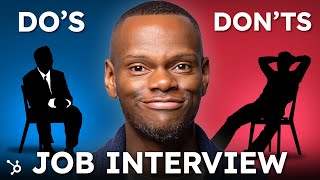
Tory walks through job interview prep: research the company and interviewers, practice a tight pitch, bring specific examples of past wins, ask strategic questions to steer the conversation, and send a tailored thank-you note after. Most hiring decisions happen in the first impression.
Questions this video answers
Roughly 250 applicants.
33% (one-third) within the first 90 seconds.
92% of people.
Chapters
The average corporate job opening receives roughly 250 applicants. If you make it to the next round, it means your resume really stood out. But it also means that the work isn't done yet. One crucial step still stands between you and your dream job. The interview. I'm Tory from HubSpot and I'm going to show you how to have the best job interview ever. From what you can do beforehand to impress the hiring manager to most importantly, what not to do. Number one how to stand out in a good way. While you'll likely come across the standard canned interview questions like what is your greatest weakness? Or where do you see yourself in five years? Don't mistake this as a quiz to just memorize canned answers in return. Remember, this is a conversation, a two way street. You are interviewing them as much as they are interviewing you. Your questions are an opportunity to guide the conversation in a direction that highlights your strengths and gives you a better sense of a company's growth opportunities and and culture. But before you can ask good questions, you must have good questions. Some include what are some challenges you face with projects? Here, can you describe a typical workday for someone in this position and how does the company support employee growth and development? When the light's on you and you're answering questions, be sure to relate how your role and experience applies to the position. Provide answers that cite professional goals and express an eagerness to learn and adapt your skills to their needs, even if it involves training or learning something completely new. To help you get started, HubSpot has a free guide on the 50 most common interview questions. Check out the link in the description down below. Most interview questions can be answered in very general terms both when describing your past experience and what you'd like to accomplish in a new position. Don't do this. Instead, be results oriented and talk about specifics. If they ask about your past work, what was the impact you made? How did you help your previous company save money, time or gain new prospects? You just graduated. Congratulations. And are out there looking for your first job. What prospects or internships did you complete in school? How did you implement your problem solving skills to make things a little easier? And no matter which you go with, be ready to give examples. Now. You may be able to talk for days about why you'd be a perfect fit, but don't forget the importance of nonverbal communication. So much can be said without uttering a single word. In fact, 33% of employers will determine whether they're going to hire you within the first 90 seconds of meeting you. That is crazy. But this is how important first impressions are, so do not, under any circumstances, take them lightly. If you remain aware of these three simple things body language, facial expressions, and eye contact, your chances of a successful first impression increase tremendously. So here's what I mean with all of this. Your posture and gestures can speak volumes about your soft skills and how you interact with others. For example, sitting tall with your shoulders back communicates confidence, while leaning into the conversation expresses curiosity and engagement. Facial expressions should mirror emotions. When listening to the interviewer, nod to show interest, smile when they mention something positive or exciting, and always be sure to keep good, steady eye contact to show that you are actively listening, projecting sincerity, empathy and understanding. But remember, there's a fine balance between enthusiasm and overzealousness. Keep your reactions 100% genuine and not robotic. Use inflection in your voice. Break your gaze from time to time. Don't just sit there and stare. See, that's like uncomfortable, right? Ideally, each interview is an opportunity that will help you feel more comfortable and do better in subsequent interviews, especially if you've done the groundwork. Which takes us to Number two Preparation is key. If the stakes are high and this is a position you really, really want, you may experience more anxiety than usual. No matter what the causes behind your pre interview jitters, know that you are not alone. 92% of people say they get nervous at some point before a job interview. It's completely normal to feel this way. Okay, so with that being said, take a deep breath, hold it and release. That's better. Whether your interview is in person or over a webcam, the steps you take leading up to the interview can transform this typically stressful experience into something manageable or even maybe possibly enjoyable. Let's review. Number one do your research. Go on LinkedIn to learn more about your interviewer. Visit the company's website for the basics and check in on their social media to get an idea of the latest developments, key initiatives, and company culture and values. Number two Practice your pitch. Your pitch should include three to five professional and personal highlights. Consider themes, personality traits and skills that intersect with these experiences and pick those that match the criteria for the job description. Focus on these throughout your pitch and conclude with why you want to work there, along with the value you could provide if put in that position. Number three Know the interviewer's name and use it during the interview. If you don't know their name, just email or call beforehand and ask the recruiter. This is an excellent time to confirm pronunciation as well as any preferred pronouns. There's also a free tool called Name Coach that embeds name pronunciations online and can help you learn to perfectly pronounce even the most unfamiliar names perfectly. Number four Dress the part in general, you should wear clothing that fits well and makes you feel good. Take some time to perform attire research on a company. Observe and ask questions about what's appropriate. Look for photos on social from employees at work, or check out Glassdoor and LinkedIn's company reviews or current company photos. Take a day or two ahead of time to try out some options using your best judgment based on the company research you've done and what you now know about their culture. While doing these things won't always result in you getting the job, you want to stand out for the right reasons, including your skills, personality and experience, not the wrong ones. So let's talk about number three, what not to do. Leaving your phone on Turn your phone completely off at least 10 minutes ahead of the interview or before you even enter the building. Not even vibrate mode. Not even airplane off. Resist any temptation to pull it out while waiting or sneaking a peek in the hallway or bathroom. If you're serious about the job you're going after, you need to give it your first full, undivided attention. All those buzzes, bleeps, honks and quacks could possibly be distracting. Next up, interrupting, bragging and badmouthing. Some quick etiquette. Wait until you've heard the full question, then reply. Be humble so your best qualities don't get lost in you gloating. Show them you're attentive, curious and approachable. And be honest but also diplomatic, regardless of how much truth may be in your words. Bad mouthing a previous employer comes across as complaints and excuses, not justification. Next up, asking about money, benefits and vacation time. Instead, ask questions about the job, the training you'll receive, the company culture. Approach the interview with full confidence that you'll be offered all that you're worth, and save these money questions for the recruiter. Next up, rambling. Elaborate on important details, but don't go off on a tangent or get distracted and talk off point. Give succinct answers. Answer the question as best you can and try to keep it short, because when you confuse people, you lose people. Here are two tools that you can use that can easily help you with this. SpeechPad is a software that analyzes your speech and detects filler words in the conversation that don't add any meaning. You know, like, um, er. Ah. It'll even provide a detailed transcription of your entire speech in including every utterance, even some non verbals like coughs or laughs. Or if having actual human feedback is your preference, check out interviewing IO. This is the place to go for anonymous mock interviews with professionals from top companies. They'll even design a practice plan just for you and the role you're applying for. And lastly, ignoring the opportunity for a follow up, never ever, ever underestimate the importance of a thank you note. Send a tailored message to each interviewer that demonstrates your genuine interest and reiterates your qualifications. This makes your follow up way more memorable as an interview does not end once you leave the room. Is there anything you've witnessed as an interviewee that didn't make the list? Let's turn the table and let us know in the comments. As always, if you like what you heard and you want to learn more, you can download that offer in the description below. Make sure you like and subscribe until next time. I can't find this client info. Have you heard of HubSpot? HubSpot is a CRM platform so it shares its data across every application. Every team can stay aligned. No out of sync spreadsheets or dueling databases. HubSpot grow better.
More from Patrick



A NEW BREED OF PARTNER: The Partnership Ecosystem Model Journey of Patrick Biddiscombe, Part 1








Customer Success Workspace: Never Lose Sight Of What Matters Most | HubSpot Spotlight