Did HubSpot Lose 80% of Blog Traffic? Here’s What Actually Happened
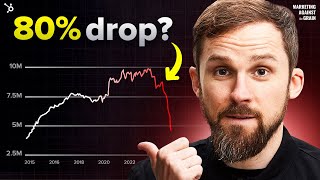
This YouTube discussion (hosts: Speaker A and Kieran) responds to viral claims that HubSpot lost 80% of blog traffic, explaining the context and why the headline numbers are misleading. They outline HubSpot's multi-year pivot from purely informational search-driven content to a diversified media and creator-led approach (acquiring The Hustle, building YouTube/podcast/newsletter networks, HubSpot Academy), diagnose how AI and search engine changes affect topical ‘fit’ and no‑click/LLM-driven results, and give guidance to marketers to prioritize high-fit, high-quality, and influence-driven content for both humans and AI assistants.
Chapters
Hey everyone. Last week the Internet was on fire about us at HubSpot losing 80% of our blog traffic. Well, Kieran and I built that strategy and continue to own that strategy. And so instead of getting all the gossip, we are actually going to tell you the real, real. We're going to break down the truth. Did we actually lose 80% of our blog traffic? What happened? How did we even think about it? But more importantly, what strategies are we using to scale growth today and in the future? And we're going to give you the behind the scenes look. We're going to give you three things you can go and do today to go and grow your search traffic and your overall marketing demand. Let's get to today's show. We're having a unique show today. We went viral on Twitter and LinkedIn this past week for HubSpot because there was some data showed from a couple companies that we lost 80% of our blog traffic. As a marketer, that is like the last. The thing you want to go viral for is like losing all of your traffic, right?
That is not the thing you want to actually have people obsess over. I mean, like every post on my LinkedIn feed was like a, a hot take. Because then I looked at it and I was like, the numbers are not accurate.
And so like these are estimate. This is like panel data. That's an estimate. And I would say, Kieran, this is also just for our English language blog.
General trend accurate, but the actual numbers not accurate. And then like so then, and then it was just like, okay, hot take after hot take. Where, where are we going here? More hot take, hot take. Oh my God. HubSpot, blah, blah, blah, blah.
I can fix it in 10 minutes.
Man, HubSpot, they shouldn't even rank for these keywords to look. They haven't even looked at their conversions. They should stop chasing vanity traffic. I mean, people, have you read anything that we've ever posted ever?
But it's like you think we're chumps because we're not.
But it was, but it was cool.
There was a big conversation about.
One of the things I will say is like, look, we're content creators and so we're actually in the field doing it as well. And so I get it, I get it. Like if it was me, I get.
Why you're making the takes.
You need, you need to have a, you need to have a take. I will say some of them are, were just bad. But there was a lot of, there was a lot of hot takes that were wrong. But were still pretty good, actually. And then I was two days later and I logged on to LinkedIn and it was still going. There was more takes. And I was like, wow, this is incredible.
The best tweet I saw last yesterday was Turner Novak was like, with all the deep seek AI stuff, he was like, LinkedIn is really going to freak out about Deep Sync when they learn about it next week. Right.
We were the talk of the time. There were articles, there were hot takes.
It was all, oh, yeah, like search Engine Land article that. That was up there. We didn't share that. There's all kinds of stuff happening. And it's really like, in the olden days, what would have happened.
Right.
Is that people would have speculated about all of this. You and I wouldn't have said anything.
We would have never said anything. Exactly.
And it would have just been like this, a bunch of just shadow whispering in the background. And instead, one of the reasons we have a sick YouTube channel is, is for days like today when we can say, hey, this is actually how we think about this challenge. This is what we do and this is what we think everybody else should do. Right?
Right. Exactly.
And so that's the setup for the show. We're going to actually break everything down, take you behind the scenes and give you some perspective on what to do going forward. When it comes to search, content, demand gen, all of those fun and important.
Topics today, don't worry for all of the people who like the drama. We are just teeing you up on the story, but we're getting to the SEO good. All right. So don't worry. We are getting to the juicy details that you want. Right. I will say, if you listen to the show, I think what we're going to go through is going to be no surprise when we actually talk about trends on the show, when we actually talk about how marketing is changing, you should take that as like, these are things that we are actually doing because if we believe in them, these are the investments we're making. So hopefully for listeners who have listened to the show lot and have understood, like the things that we've been talking about when we go through this story, you'll recognize, like, a lot of the trends we've talked about, we have been instrumented for some time now.
Yeah, look, I think one of the big things for everybody watching understand is that if you want to know if somebody's good at marketing, talk to them about arbitrage. Can they find inefficiencies and ways to, you know, buy low, sell high, essentially. And I think at HubSpot over the last 15 years, we figured out a lot of ways to buy low and sell high with search traffic. And it was a core part of our growth. But, Kieran, you and I, we started having conversations 2019, 2020, about this exact topic. Right, right. Like, not necessarily the AI impact, because I don't think anybody knew that then. So I'm not gonna pretend that we had that crystal ball. But we talked about, oh, media formats, changing the video. Video is becoming a much bigger part of the Internet. People are getting content in very different ways. We think there's only a certain kind of available market through search engines. What do we need to do differently? And like, do you remember those conversations and kind of what we were talking about?
Yeah. Influence, basically. We believe that for the most part, brands have focused a lot on how do we acquire informational content. Like, how do we create informational content, acquire people trying to learn things. But we actually believe that you would have to start to really double down on influence and these other channels where you acquire people who are trying to, like, think through things. Right. Like, people who are trying to be. Want an influential point of view on things. And actually, when we step back and you and I looked at channels that were growing and back then, yeah, we're going to get into, like, the AI component of this. The AI disruption of Google was not yet in place. Right. We could never have predicted that. No one would have predicted that. But we had seen that most of the channels that were starting to really grow were these kind of influential channels like YouTube or podcasts or social, where you actually had to have a different kind of strategic direction on content. Like, you had to do things much, much differently. And that's why I think the start of this story is probably why we acquired the Hustle, because this is like the very reason that we decided to acquire that company, that team. It was never for how do we generate demand from those assets. It was always, how do we start to how do we create strength in these influential channels? How do we learn to be like, Excel in these influential channels in the same way we did for blogs? And I think that's the thing where I saw when you kind of see a chart and you have a hot take, you don't actually know all of the things that have. That are happening in the background as part of that, like, one that make up that one chart. Right. It's not. We don't think of search in isolation. We think about how to build a large market and distribution engine as a whole.
One of the things we can share with folks, Kieran, is this is a slide I wrote in May of 2021, right? Which is kind of just what you're talking about here, right? Which is I did a presentation of the HubSpot marketing team and I was like, I always have a list of principles about how we're making decisions and this is how we thought about marketing in May of 2021. So we had just bought the Hustle, right? And we had said, hey, we are going to drastically change how we think about doing our marketing. And I said that, hey, a SaaS business has to have a large scale media operation across all content types and channels to drive cost effective influence and demand. That was like one. We bought the Hustle to kind of validate that point, right? A SaaS business has to have deep education that includes certification, credentials, a community. Community and network. That's HubSpot Academy. That's all of the work we did there. And it turned out to be really right. Because now you look at Reddit and all those community sites, they're a huge influence on the world today, Right? Right. And then owned media is a better channel for brand advertising than rented media. The thesis was there like, hey, if we build a YouTube network, if we build a podcast network, it's all vertically integrated and we can have our own ads that are host, read and host integrated, full. Not just like the ad copy, but the what the actual offer is everything. We will get much better engagement and conversion rates than if we were going to go and rent space on somebody else's media. That has also become true. Right? If you look at our ability to monetize our own media assets, it's far better than if we're trying to monetize somebody else's media assets. The big thing that I missed there was around creators. Kieran. Right? Creators and AI doing that today. Creators would be a big part of that because creators are now more effective and more efficient than programmatic advertising. And that would be like the comma, next part of line three. Knowing what we did today, number four was like we had to reduce friction and automation at every part of the marketing process. That's just like, how can you make your conversion rates better? Like, make sure that your site is clean, that the conversion flows make sense, all of those things. That's just like good UX and Croatia. Understanding your unfair advantage in marketing is how you lock up exponential growth. That was basically like, what are we really good at? And we were really good at creating educational and entertaining content for our market and we leaned into that and that's how we were able to grow. And then the last one was the message and how it is delivered. Both have to be remarkable. And that's like, it used to be like you could just write an article and post it on an ugly website. And now it's like, wow, you have to create a great YouTube video, have a perfect thumbnail, perfect description. All of those things, the packaging, the distribution is just as important as the thing that you make. And so those are the things that I think probably root everything we're about to talk about for the next few minutes. Like we're based on those decisions basically.
Exactly. I think we had a line in there about like, hey, we had Excel that you know, the kind of informational content era, but we don't believe that that's what's going to continue to maintain our growth over the next like three to five years. So again, this was a three to five year play and we kind of believed there was a shift that we were seeing where over time informational content gets commoditized and then you actually will start to see much more need to excel in these influential channels where you had to be an every day, you know, you have to be an ever present part of someone's life. And so we kind of use the analogy that informational content, you turn up as a world class brand with someone searching for things, but in influential channels, you're an everyday present part of their life because you're the media that they actually consume. And that part, we were making the pitch that we didn't excel in that part.
Right.
We actually hadn't built the muscles in that part. And we could either build a team over time to do that or we could acquire talent and build the talent from there and actually accelerate, accelerate our growth there. And like the best example of that is when we bought the Hustle, they officially moved over, I think in Feb. I can't Remember was it Feb 2021? Because it was like I didn't get to.
Yeah, it was right before I did that deck that I just presented.
Right. And so within, by July, we had launched the. We had acquired the Hustle. We had embedded them on the team, we had launched, we had taken my first million and launched a podcast network along with that, which I think was about 15 podcasts. We had.
By the way, nobody. If you go back and look at everybody who talked about that Hust acquisition, they're like, HubSpot bought a newsletter for leads.
That's what it is for lead generation for leads.
And what did we do? We bought a newsletter and amazing podcast and they also had a community called Trin. So we bought three core assets and that my first million podcast is now one of the most successful YouTube shows and business podcasts in the world. Right.
And we, and we leveraged that asset to build a podcast network and then we launched the creator program. We had all that done within six months. And that Creator program now is actually a pretty great part of our distribution engine and is actually very different from what any other brand would have because it's a hard thing to set up. And so it's much more of a defensible asset than like a blog today. And so I think that's the start of the story is like the preparation for that chart started four years ago.
And I think what was interesting is that first of all, shout out to Sampar, who started the Hustle and is now good friends of ours and hired a really great team there that really helped us transform how we made that approach. Like our creator program. Steph smith built the V1 and she's incredible. Right. Like so many really amazing people across the Hustle team and so many of them are now off running major media projects now. It's quite a, quite a network of humans. Right? But yeah, so if you look at that chart of the HubSpot blog traffic going down, the plan to prevent that from being an issue for our business started in 2020. Right, right. Like it started five years ahead of anybody sharing that chart. And what we're trying to do is tell you what we did over the last five years and tell you, hey, if you're a business going forward, how should you think about that? And I do want to give you credit, Kieran, I think one of the best slides I've ever seen was that slide you were just talking about a second ago, which was, hey, when people search, they see you kind of in specific parts about their day, but we want to hit them across their day and the emails they read in the ads they hear on podcasts and the videos they watch when they're doing search research, all of those things. And that's what we've been able to do. And I think it's what's interesting, right? It's very easy to get web traffic in these tools. It's much harder to look at the overall influence.
Right.
We were doing no real brand marketing at the time and we have now built a high scale brand marketing machine. If you pull up, if you pull up just even publicly available data on Our branded search traffic. It looks like this, right? It's like just a complete up and to the right, like in a pretty unbelievable way. Look, I want to share a secret with you. There are companies out there, there are brands out there. They're building hundreds of millions of dollars of revenue off of this marketing playbook that I want to share with you today. We've got a special guide. It's available in the link below, but it's going to go through everything you need to know. It's going to give you the new marketing playbook. How do you actually work with creators for more personality led strategies? How do you protect against AI disruption, especially when it comes to how you're getting traffic from search engines? We're going to give you the new ways to think about building and executing your marketing. It's all for free. It's all in the guide. You can find it in the link in the description below.
Yeah, I want, I want to show you what we mean here and what we've been building towards. Okay, so this is a CEO. I think this is like a really good example of what we mean by influence. And so he talks about the fact that there was this like, look, look how long it took him to purchase HubSpot. But let me give you the journey. He was an avid reader of the Hustle and the My First Million podcast. No idea what HubSpot did. HubSpot bought the hustle. They turned off all the ads and amped up investment content. So by the way, we, you know, turned off the ads, right? Counterintuitive to what you would expect we would do and said, hey, we're going to be this media company for entrepreneurs and founders. And then between 2021 and 2023, he was exposed to HubSpot. Every podcast he listened to, every newsletter he read. HubSpot wasn't changing the content, but they were dripping tiny drops of HubSpot as legitimate and growing the business and using them in my ear. So again, kind of integrating HubSpot smartly throughout the content. And then their sales team put together a proposal for a CRM in 2024. HubSpot. Oh, yeah, HubSpot. They're super legit. I consume a bunch of content that they own. This is like part of what we mean by influence. Right? And so it's a harder thing to both build and a harder thing to quantify. But we always believe that actually this is where we are moving towards and the investments we made there are starting to pay off now. Like, you had some really great stats on YouTube. Like demand from our YouTube network that we've created. Demand from User alert is actually rivaling the blog. So look at that number.
That's. But that's the thing people have to understand where most marketers fail is they find one play that works. So a blog, paid ads, whatever. Right. And they get real growth, and they just keep trying to iterate more and more growth from it, and then it eventually flatlines and collapses.
Right.
What your job is is to add multiple little engines. It's the Apple chart. One of the best charts of all time is where Apple had MacBook revenue, then they added the iPhone revenue, then they added iPad revenue, and they started stacking up different lines of revenue growth. The same thing happens in marketing. You have to have a diversified approach and that what that allows you to do is have growth in areas and losses in some areas, but net out to really successful growth and the growth that you need to keep driving and growing the business. Right.
The content engine was like a core part of our distribution engine. It really was like the staple of our distribution engine and how we kind of built that system to create content and then convert you onto these longer form offers. Then we added freemium, and freemium became a bigger part of our distribution engine. We create much more demand through freemium than we do through content. The content side today, then we stacked on YouTube network, a creator program, the newsletter network. These things generate actually more demand today than our blogs. And so we have diversified that engineering a lot. And I think one of the things is hard to do, and I do get this. When you look at that chart and you haven't had to operate at the same sort of scale, and I don't mean that in a condescending way, but maybe for some folks kind of do. I really don't. Like, I just think that when you have it, when you haven't had to, like, like, you. Like we talk about this, you and I, all the time.
Largest the law of large number problems.
Yeah. Like, there's no point doing. There's no point doing a lot of this other stuff because it just is incremental to us. And we actually can't afford to be incremental because of the numbers we need to actually hit over time. And it's hard. It's kind of hard to wrap your head around that, where you look at these things in isolation. But I think that's like. That's like chapter one of this. I think this is a good, like, set the scene in that. Yeah, we were pretty. Pretty deliberate in the decisions we made.
The lesson that we're trying to tell here is have a clear perspective about the future, then shift time and money over, over a long period of time into new areas of investment. In your marketing. We had some theses that we did. Right. And it turns out that those worked very well. They also took a lot of time. Right? Right.
They didn't have an overnight influence is a hard thing.
Took a lot to figure it out. Right.
It is a much harder thing to. To scale and to do and to actually have your executive team be okay with those investments because they don't yield the same type of visible return on investment in the same time frame as something like performance marketing.
But at the same time, I will put up the rate of brand awareness growth we've had over the last five years against any B2B company in the world.
Yeah. And it's because we own our own.
I think I'd be shocked if there were more than a couple of companies that grew their brand awareness faster because we did really good brand marketing and we did all these influence plays and like the compounding effect of them really drove a step function change in brand awareness.
All right, let's give it. Let's give the people, you know, the all in podcasts, they would say the red meat. Let's give them the juicy details that they want on what actually happened. For the search side, I know you want to show something.
Yeah. I think this is an article.
You have Seals five SEO insights about hubspots traffic woes. Oh my God.
I tell you this in such big trouble, man.
This isn't about this exile spotter because she's awesome and her post is there's.
Multiple people in there that are all great. We've worked with them.
There was a lot of people on LinkedIn. Was like I once worked at HubSpot and read a blog post. Let me tell you exactly what is going on in here. One day, you know, I was in HubSpot customer support team. Someone mentioned the blog. Let me tell you everything. I know. It's like, oh, it's wild.
Look, look, I'll never have any hate for creators trying to jump on a trend and do their thing. Right. I get it. But we want to break down the real, real. What I wanted to know is there did you want to go through the actual issues that they call out in this post or not?
Let's kind of go through where we are. And so there's a couple of things we need to make sure people understand. The one that I, the I don't mind any of the hot takes because we are in the hot take game ourself. I understand it. The one that I think is really misguided is to think that we, a team who have built the size of engine, we have chase vanity metrics like traffic. We have literally never looked at the return on any channel based upon a vanity metric like Traffic, other than maybe as a leading indicator for what we actually are measuring against. So we have always looked at conversions into customers. We have actually most of our channels ring fenced against LTV to CAC numbers. And so you may find that some of the traffic that people, some of the keywords that people pulled out that we lost rankings for, you would look at and you would say, hmm, why they're chasing vanity metrics. I can tell you. Like, we have built an engine that is ring fenced to revenue generation. And so they may look odd, but they convert at small rates. But when you, when you add them all up and you are trying to operate at our scale, they do equate to a pretty great return on investment. We've also pruned, we continually prune the site. So I think we've, we've probably done around 30 to 40,000 pages now. The blog is probably like a quarter of a million pages. Do we miss posts now and again? Yes, because we're trying to do other things right, like any, any brand.
Can we give the HubSpot blog team, SEO team, everyone on the team, a huge shout out? Because lost in all the story is that over the last five years they've been able to grow the traffic ROI for HubSpot in a massive way. That has been a big fuel to our business and our growth. And I would like to thank them all right.
And they built.
They do not deserve all the people being jerks. You and I can handle it. We don't care. Right? Like, this is, this is part of our job. It's not part of their job.
Like I would always talk about the engine they built, it's like one of the most dialed in incredible things. And they, they were like, I think one of the, my takeaways here is we probably give away too much. Like we actually taught the course and how to do that and people replicated it. And that's what I'm going to is like one of the problems that happened is that people started replicating exactly what we did. And so I suspect we're going to actually tell people directionally where we're going on things, but we're not going to be as Specific. And we're not going to specifically teach courses and everything we do because it just doesn't. It doesn't favor us. So we built this, like we built this incredible machine. And the machine basically tells us each quarter how much net new traffic we can get within our editorial calendar. The editorial calendar is mapped to keywords that convert. And we look at the whole thing on LTV to cac and then we try to prune the things that don't convert. Do we always get it 100% right? No, we probably miss certain posts. What actually happened is over time, there was people. A lot of people got this right, like, we own a lot of the traffic in our core verticals, and we have to try to keep growing across all of these channels. And so we tested going further up the funnel, did those things convert? Further up the funnel, did those things convert? And if they converted into customers, then we would create the content on it because they are some relevance to the people we're trying to acquire, or else they wouldn't convert. And anything that didn't convert after a certain period of time, we would actually try to prune those things. And what happened is, because of AI, we believe is that people have replicated that at scale. And so now you have a lot of sites creating a lot of content that maybe are, you know, kind of questionable in terms of their core relevance to their customers. And when you get people doing this on scale, Google will react. And so Google are now trying to get people to much more. Be much more dialed in and focused on, like, their core areas of expertise or what they believed are core areas of expertise to be. And those things that they believe that that company does not have relevance for anymore, they kind of have diverted that traffic to places that they think are much more on topic for those. Those. So those topics. And so what we did actually some time ago is we built a fit and intent model across our entire marketing engine, not just across search. And that basically is we're able to categorize everything into different fit cohorts and different intent cohorts. And so we started to look at fit last year before this all happened. We started to actually break out the traffic into different categories of fit, because we ourselves were going to start to heavily prune the low fit categories. And so we already had that done. And so we were already in motion that Google, you know, got ahead of us a little bit in some of its recent updates. But the takeaway on this part is you always have to react to what Google are telling you based upon the way its algorithm is changing what it wants from you and what we see that it wants from you is because of the proliferation of AI and AI's ability to create volume. And even though we think some of that content is like far worse than the amount of time and effort we put into creating our content, Google is telling us, hey, like there's certain topical areas that you should be an expert on, but you shouldn't be the expert for these ones. And we want you to focus on the things that are much more in your kind of high fit category and not so much in your lower fit category. Even if you summarize all those low fat articles and look at the conversion rate and customers, it's still kind of like worth your time doing, but we don't want you doing that anymore. And so that's like number one, right? I'll start with that and I'll let you react. But that's like number one thing. That is one of the things that is, that is happening and one of the core lessons and takeaways I would have for people who want to start to replicate some of this for their business and their sites.
If you're out there trying to build an SEO strategy, do you have unique data, unique insights, unique customer base perspective, feedback on a topic? If so, you can probably own it. Get really good search traffic. If you don't, and in theory, what I would call generic AI, you know, a base level LLM could go out and create a similar type of article that a human could, then you're probably not going to get search traffic on that.
Right?
That's the most basic way. And so as you're thinking about how you want to grow your search strategy, you have to understand now that the total addressable market that any company has out there in terms of search traffic, they could go after, after has shrunk. That is the point, Kieran, I think you're trying to make is that you have to be smart. You have to have differentiated data, point of view, things that make you uniquely qualified to share that information, share that story, share that education. And if you don't, it's gonna be very hard to be successful. Doesn't mean that you might not be successful for a little while, but it's gonna be very hard to be successful. And that success is probably not gonna be long term success, sustained success.
Yeah, it will not equate to long term sustained success. So I, I would say that we were not caught up. We were basically directly, we were directly, we were going in this direction anyway. It's just that like Google had created.
Some updates move faster because the model, the LLMs move faster.
So that's like AI, I think, I think that's like AI disruption that we had not talked about before that I have started to really think about, which is AI actually creates mass volume of things. And so what it really means is the critical part of marketing is the actual core value that you can create, which means the quality. Right. So yes, I do think that we were rewarded for a long time by the algorithms for like quality and quantity together. But actually there's a lot more emphasis on the kind of really dialing in the quality part. Really dialing in your ICP or ideal customer profile. Really dialing into like you're a good fit because AI is going to just create such mass volume.
Hold on, Kieran. What I want everybody to understand is that like if you're a marketer, you should obsess about how markets work and free markets and market dynamics. Go and learn a bunch of that. And I want to just restate what you said for everybody. We got rewarded for a long time because coverage of keywords was very hard. Remember, you would search keywords and there would just be no good answer.
Right.
And we invested so much time and money that we got rewarded for helping increase that coverage. When AI came along, there's no longer the coverage problem. Right. Like that problem is solved. The inefficiency is not in the breadth. The inefficiency is in the depth. Right, right. Which is the argument you're making. And so if you're going to win, you're going to win on depth and quality and community and real human insights versus breadth of coverage. Because AI really solves that breadth of coverage in a way that didn't, wasn't true five years ago.
So I think that covers a lot of what has happened on the search side. The second one that we can talk a little bit that people have brought up, we have brought up is how much we are seeing disruption from no click and these kind of, you know, AI results within the search pageants themselves. And I guess the best way we, we see that more acutely than I think most brands in B2B because we built such a large distribution engine. So I think a lot of B2B companies would say when we talk about this, we're not really seeing that yet. Like you've talked to some folks who are starting to see it, but because we were so large, we could see things happening much sooner than others because we're in all of These different, you know, keyword spaces. And what I would say we've seen is in places where you have like early adopter folks, you are really starting to see some cannibalization there where you see an increase in no click searches. You see AI, you know, you see less people click through to your page because they're able to get the information they need within the AI search itself. And I think that is. We've talked about this. I don't know if we need to spend too long on this because we've talked about this since the very first time ChatGPT was relaunched in that November we very first episode. After that you can go all the way back. We literally talked about the fact that this is the death of blue links or search as we know it. I think it will take some time. We are seeing it in early adopter markets. That is a small part of this that we do see a decrease in traffic because people just get their information they need via these kind of AI assistants search traffic.
Because of AI overviews and perplexity. ChatGPT Claude is going to continue to go down just as you said, Kieran. What we're seeing is that our traffic from LLMs is increasing.
It is increasing.
And you know why it's increasing? Because of this diverse influence playbook. Because now we're not just influencing humans, we're influencing robots. Right? Right. And we are marketing to both. And like we were on a Slack thread the other day with somebody at HubSpot and they were doing some research on Deep seq, the new AI model on ChatGPT. You know what was included in that result? Kieran's YouTube video on Deep Seat.
Yeah.
From our YouTube channel. It wasn't not anybody's crappy blog posts on Deep Seek Your really good 10 minute video on what the heck was going on.
And it went.
And that's what we've been working on building for years.
Years. Right. And it drives real views. That was the thing that surprised me. Like it tripled the number of views in that video because it showed up in ChatGPT search.
Yeah. That video is now one of our most successful videos.
Right.
Because people immediately were like hey, I want. I care a lot about this. This is a good start Chat GPT. But I want to go and hear from somebody who has expertise on this directly. Boom. Kieran's video. Right.
So I think that's number two which is like these AI assistants and being part of those getting surfaced in search from that experience in appearing for a YouTube channel. It's going to drive real volumes, especially for something like Deep Seq that was trending. And so your first is like double down on fit. Second is you have to figure out how to start to appear in these kind of AI search results to show.
Up in those AI search engines. You have to think about your content not just from traffic and clicks, but from influence. And you think, have to think about how you're influencing humans and robots. Right. And that's how you're going to grow your audience, from people using LLMs for search instead of traditional Google search.
The third one we'll leave with and then we can wrap up, which is someone had this as part of their. Which I thought was one of the better takes. I can't remember call or who it was or I'd call them out, which is volume for transactional searches is fine. We've actually grown substantially. And any keywords that are transactional, transactional we talked about before, which is someone searching for a product, someone searching for an action, not informational content. And so that chart showed just informational content, which is blog. But if you actually looked at transactional keywords. But we grew pretty healthily last year. And so there is definitely complexity in how you look at, look at these things. But I think that, I think the summarization is like the fit part, the AI assistance becoming a more prevalent part of search part. And transactional is still pretty fine part. Like that's the three takeaways from what I would give people who really want to know what is happening in search and is. And you know what, how do we feel about it? What are we doing?
My core final takeaway here, Kieran, is in any channel, whether it be search or anything else, you have to obsess about what value humans can provide versus AI robots can provide. Right? And the same thing is like, if I'm trying to influence a human, am I able to. Am I trying to influence a robot? Am I able to. And I think historically we've just been thinking about even Google as humans, not as a true, like really smart, intelligent search engine. And that has changed. And so you have to have this high influence, high AI differentiated playbook to succeed over the next three to five years.
And there you go, that's the reality.
That'S the real talk. Put questions in YouTube and we'll answer them. We don't have anything to hide. As long as we can, we're okay legally to answer them. We will answer them. Hit subscribe and we'll be back with you, back with some fun AI content and all the stuff we really like to do on the next episode. See y' all soon. This data is wrong. Every freaking time. Have you heard of HubSpot? HubSpot is a CRM platform where everything is fully integrated.
Whoa.
I can see the client's whole history. Calls, support tickets, email, emails.
And here's a task from three days ago. I totally missed HubSpot. Grow better.
More from Patrick



A NEW BREED OF PARTNER: The Partnership Ecosystem Model Journey of Patrick Biddiscombe, Part 1








Customer Success Workspace: Never Lose Sight Of What Matters Most | HubSpot Spotlight