Everything You Need To Know To Grow A Startup In 2024 w/ Jason Lemkin
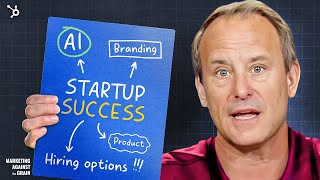
Jason Lemkin on why founders hire the wrong marketers and how AI will reshape SDRs and support roles. Automation is good enough now but needs human oversight. Start brand building when your ideal customers recognize you, and prioritize demand generation over product marketing early.
Chapters
On today's show, we are joined by the king of SaaS himself, Jason Lipkin. And we are breaking down everything. We start with AI and how it's going to change sales and marketing. We go through the biggest marketing mistakes founders and CEOs and CMOs make. And then we're going to talk to you all about brand marketing. When do you need to do it, when do you not need to do it? And how do you win at brand marketing at any stage of the game? Let's get into today's episode. Where I want to go first is Jason, you've talked and tweeted a lot about the disruption that AI is going to cause, especially in support and especially in the SDR BDR function. And I'd love. Kieran and I have a lot of thoughts. We've run a lot of tests there. I'd love to hear where do you think we are today and where do you think this is actually going? And are we going to be to the point where BDR teams don't exist half as big, 10% of what they are now? What is that all?
Here's the meta problem. There's two trends going on. There's a larger trend outside of tech, in and outside tech of efficiency. Everyone wants to get radically more efficient. HubSpot's radically more efficient than 24 months ago. Everyone across the board went from like break even to 20% operating margins. And that's. And that's ripping across everybody. So people are looking to AI for efficiency at the micro level. We talk about sales, BDRs and also marketing. One thing that may be controversial and is less discussed but is true is there aren't any people. There aren't any people. I can't find someone to run my HubSpot campaigns. I can't find someone to do the. There are no. Everyone wants to be a strategist and a boss. I interviewed someone that you like. I know I interviewed someone this week. No, I'm laughing because I agree to help us at Sasser with eight months of experience came highly recommended. The top of her LinkedIn is Strategist. I just want to work on. You've had eight months of experience. Strategist. Strategist. I brought someone I thought I knew to help us on our little team with a few years of experience who said that he would actually run campaigns for us. But after four weeks he never ran a campaign. He said, I'm done. I've got four years of experience. I'm not going to run campaigns myself. Okay. And so we Just can't hire enough AES, SDR. It's not that they're not applying to our LinkedIns. I put one job post up the other day, I got 700 auto things but you know, none of them are anybody that wants to do any work. So we're, we have to like, we're, we're going to become a society in, in SAS where we need robots because there's no one to do the marketing and sales work. So the fact that as soon as AI is just good enough to replace a bdr, an sdr, a marketing manager, a customer success rep, customers all across, it's going to happen as soon as I can go to HubSpot and HubSpot's earlier but as soon as I can turn on a switch that says marketing manager and if I can't find anybody, I'm going to turn that switch on, aren't I? And that, and I think we're almost there for SDRs and BDRs and it's going to be like a two year journey. But as soon as I can turn that on in HubSpot, I'm just going to do it because I can't find anybody. I can't find anybody.
Yes, I'm seeing the same like, look, I know Kieran, you've seen the same thing at Zapier because we've talked about it but like it is very hard to get people to want to do the work and who are focused on like grinding it out. And the best leaders are not strategists by the way. Like the best leaders are deep s experts in the craft and are deep in the craft. Like right before we started recording, Kieran, you're sitting here telling us about all the custom GPTs you're building because like you're deep in the craft. You're not like just that's thinking about stuff.
You want to hire a marketer that's doing custom GPTs at night. You only want to hire hackers for a startup especially. I don't care what they hack, whether it's marketing, sales or product. But what happened was tech, you know, the. Since maybe, I don't know, 2018, something like that. Tech. What mainstream. When you guys joined HubSpot it was still a weird thing to do, wasn't it? You were still. Your parents probably thought you were weird.
My parents thought it was terrible idea, terrible idea.
Now like it's what you do after school. Maybe I'll play to Y Combinator. Maybe I'll go work at, at Zapier. Maybe I'LL go work at HubSpot. It's utterly mainstream and it's good, but we needed to absorb so many humans that we lost the hackers. Right? We went from like, I call them pirates and romantics, but I think you're in right there. Hackers. And it used to be tech companies were like 50%, 80% hackers. Now they might be 5%. Right?
The problem with most companies is what happens is you have really great ICs, you have these really great people who can do work, and then you're like, oh, that person's great. I'll build a team around them. And then you lose that person and you get a bunch of okay people and then that person's not a great manager anyway. And it's that kind of continuous thing that a company does. But I'm actually okay if someone says, okay, well, I really want to move into strategy if you've earned your stripes. What I've found recently is people want to move into strategy and they haven't earned their stripes. So, like, what am I, I. What are you going to go do? Like, go build a pretty subpar strategy because you never did the work in the first place. Like, the, the reason to get into these roles is to do the work. That's the, that's the most enjoyable part.
The.
I think people want to be a manager before they get to be a manager. And then all they're really doing is moving boxes around and playing with budget. Like, to me, I think we. That I see that time and again that we've lost the, the want to do the craft. Like, we've lost the kind of want to do the work and we glorified the manager role. I do wonder if AI flattens the org structure because someone who is a really great person at doing the work can actually just get a bunch of AI agents to do much more work. Right? Like, and so you actually need less managers because a lot of the work, the work that the manager is managing can be managed by an ic because it's not people, it's agents. And this kind of efficiency, like you talked about in your My First Million podcast, that the average SaaS company to get to 100 million needs to do 3, 400,000 in revenue per employee. Like, that is to me the way that tech companies can get there or even beyond that much more rapidly is like, flatten the org structure, have these ICs who are much more capable of doing much more work because they have these AI tools to do it.
It could be, it's so early though, you know.
Before we get back to today's show, here's a quick word from HubSpot. If you're a marketer, one thing I know for sure is you love data. And boy do we have data for you. The 2024 State of Marketing port is chock full of data and insights around the current trends that are shaping the marketing. Things like artificial intelligence. You know, I love AI tools, personalization, influencer marketing, all of the topics that are key to getting a competitive advantage this year. It's going to make sure you're not stuck in old strategies and old tactics. So click that link in the description and go get your free copy of the 2024 State of Marketing report today. Now let's get back to today's show.
I was literally, I had a board meeting this morning of a company that's very enterprise in the contact center where AI has been ripping through their side of the business. Okay, Ripping through it there. I mean for the biggest force of nature, the massive change in accounts and now they're seeing the results. They're seeing the results. Everyone has promised they can reduce their support agents by 50%. That's what every vendor promises. It's on Intercom's website. I don't know if it's on HubSpot, but everyone that maybe is sub public that can get away with promises. It has become a thing in the industry. 50% automation. And there's. It didn't work. And what's interesting, Kieran, and I'm not saying this will won't change near what's happening right now is they are bringing people back. They are bringing o human over. It's not human in the loop. It's human oversight. It's not that the HU1 hallucination is the end of the world, but it's too important when the answer is wrong. So they're not getting AI back. But whether we'll need less management or ICs maybe we need. Maybe it's like engineering where every year engineers get better, right? And the managers have to get better and the ICs have to get better. But I don't know if we'll need less. We'll see. I don't know. But it's just very interesting that everyone's bringing humans back to supervise this enterprise AI.
Well, I think part of it, Jason, is that we were talking earlier and you were like we made this huge move to efficiency and everybody's cared about efficiency and expanding operating margin and all those things. There is a limit to efficiency Right. And it turns out that support AI, that's not doing a good enough job, that's having a real drag on your attention, and your attention is how you grow. And so you're like, well, actually I care way more about growth than efficiency. Yes, I care about efficiency, but I still have to grow. And if I have to throw people at the problem to grow, I'm going to throw people at the problem to grow. And I think that's my hypothesis of what's going on. But let's, let's, let's say that I does get good enough and it does solve some of these problems. Where's the money going to go? Because you still have to grow at the end of the day. Like, our marketing budgets going to get a lot higher, Our IT budgets going to get a lot higher. Like, where's the money going to go if you do need 50% less support reps?
Well, it is interesting. I think, first of all, the money has just always flowed to higher value things. For the entire time that the three of us have been in software sales, LED motions and even hybrid motions have spent about 40% of their 40 to 40% of the revenue on sales. It hasn't changed. I don't know what HubSpot is today, but even with all of its brand and word of mouth, it's probably close to that. It's probably close to 40, 45%. That's the average. So all the tools, the hundreds of tools we've bought and the sales automation and, and all, and rev ops and all of this, we're still spending 40 to 45%. So a meta question is, will any of this make us more efficient? On its own? On its own, or will we just absorb, or we just spend as much as we can and just spend in different places and add more value? Like, if nothing else, like, software is better than when we started in software. Way better.
Way better.
Way better. Way better. Like early versions of HubSpot, early versions of like E Signatures of Me, Echo Sign, DocuSign, Adobe Sign. Like, it looks similar superficially, but like 100 times better, right? So I don't know, support's even gotten 1% better since we've been in software. But maybe AI will let that finally happen. Maybe, maybe it will get better. But it's a, we find a way, it finds a way to spend that money. So I don't know, maybe the sufficient thing. Strange, this. Listen, in the old days, let's step back. In the old days, the old Adobes, the old intuits, the when we sold software on DVD ROMs and CD ROMs and even to some extent today, we had, we had 50% net margins on those products. 50% net margins, net. That's the way software used to be. Microsoft, we would, you know, you bring in a million dollars and $500,000 goes in the bank. You know, these companies never needed venture capital or anything because it wasn't easy. But we don't have any SaaS, companies that are that today. I don't even think Zoom Info. Zoom Info is probably the closest, but they're not there, right? So really the question is how efficient will the markets force us to be? And I think we don't have discipline. It's like the snacks in the cabinet downstate in the kitchen. If you're working from home in the kitchen, like, well, we'll eat as many as we can get away with. So if, if, if next, next year. Listen, I love HubSpot to death. If the Wall street says next year, hey, up spot, you can go, you can go back to 0% break even, right? 0% margins and spend it, spend it on marketing and we'll give the money to Kip. Right. It'll just, we'll just do what we're allowed to do.
You're not wrong that like the constraints matter and that constraints have changed things. Do you think marketers are going to get more power?
The three of us have, have a bit of a breadth of experience and, and HubSpot blends into the small of SMB sometimes. But when we're in B2B we forget what our sisters and brothers in B2C do. In consumer, in consumer, the marketers rule and the sales is a distant second if it exists. Okay. Because marketers are sales. If you drive conversions to the website and they buy that nice flower sweater or that cool black sweater from the website, that is marketing is sales. They have huge budgets and they deploy it. I think that, that if, if I can go into for example HubSpot and turn on my automatic SDR and my automatic marketer automatic, that is empowering the marketer. And I think at a minimum, I hope that marketing takes over more and more of the SDR BDR function through automation.
Me too.
And I hope it goes. Maybe the marketers even take over some level of like small business sales, right, where it's more transactional. Maybe sales doesn't need to do any and it becomes high value, bigger deals only. And that should, I think if AI does nothing else, it should at least incrementally increase the value of marketers, they can own more. Just like in consumer, they own more.
We see, we see a lot of that, we do see some of that in product led growth. Like I think our product led companies, like because they have Touchless or they start at touch list and they move up and into sales and the marketer is usually there before the sales team. And a lot of the demand is coming from the interactions within the product and the marketers kind of own that. You know, it's kind of a split between marketer and growth. And I do think that, that that will be continued with AI because AI is able to just automate a lot of that for even large companies. But there was a tool that I sent to Kip. It's the tool that actually allows you to speak with the AI and the AI can actually provide you of a demo with a product, right?
Oh, HUME H U M E yeah.
And so the thing that's fascinating about that because one of the early companies in AI that I was really fascinated by was with Adept, right? Because Adept was, you know, for someone who works in software. Adept is this company. I think it was eight people maybe from OpenAI or one of the large AI companies who started that company. And they were going to put an AI skin on top of software. And so you could actually control software through natural language, whether it's your Excel, Salesforce or whatever it may be. And to me who works in software, I'm like, boy, that changes everything about the industry that I work in. Because why do you care about the product that you use if you never have to use that interface, right? But this AI tool allows you to say, hey, like, you know, if you're on the, if you're on the call and Kip's a sales rep for HubSpot, hey, show me this or show me that or show me this and that person that. That tool can speak to you like a human, but actually can in real time show you the product as you're asking the questions. And in that, in that case, that marketer can own much more of the customer experience. Like one of the things that really happens at as they scale, as they ship their design work or they ship their org, right? Org structure, and it just becomes such a disjointed, awful experience. I think broadband companies are one of the best examples of this. And I think if you have a marketer who can own much more of that customer journey, it's actually much better for the user as well. And so I'm curious, have you seen any, have you seen this, you're an investor in a lot of different companies. Have you seen this done well anywhere through AI or have you seen any of these AI sales tools start to like, shift a company in that direction?
Well, first of all, let me ask you, let me step back for a minute. I think that's. Those are good observations, but that's pretty inside baseball for very sophisticated companies like, like Zapier. Okay. HubSpot's got 205,000 customers. I don't think most of them can have a growth department. We need a toggle. Yeah, I'm not even sure most like why. I mean, even very. Like we talk about growth, but the best folks, like the split between marketing and growth is the PLG. It is a little B2C ish. But those are rare birds like that. They could run SQL queries and do. Do these incredible multivariate complex analyses and campaigns. I mean, like, I know we live in the world, but it's elite. The world, the regular world can't have a growth department and a marketing department. They can have an app. They can have an app and. Yeah, and so that's where I see the real disruption. There's a startup, I'll tell you at a different Jason exam. There's a startup I'm on the board of called owner.com. yeah, Adam's awesome.
I love that guy.
What? The company's changed a lot since I invested. They just crossed 20 something million in revenue. Growing double digits. And what rest. What? I didn't even know how the restaurants work before. I thought they were restaurants. Restaurants are high churn no time. It's the smallest of the SMBs. They don't, they don't sit in front of a computer. They. They. You can barely text them. Okay. Their businesses are low margin and really tough. Okay. And they're selling a super high growth marketing product. A marketing product, in essence. So that. And you need to do everything for them. They do marketing automation for restaurants. Everything. You need to automate the emails, you need to automate the outreach, you need to automate the SEO. You need to automate the website. Like everything. It's not even one click. It has to just be magic. And so that's where I should take us. Forget about the nerds like us, right. That love marketing. The 200,000, you know, four, it'll be 300,000 HubSpot customers or whatever. The 10 million restaurants, 50 million for. For an owner or someone. It needs to be Matt, like. And it's working. You know, you've seen it. Kip. It is working, it's early and all that you want. So the related point is I think we, we, we talk about AI, but really for the, we should be talking about automation. What can you truly automate? Right. And Zapier so early to automation. It's also, you know, we run out of time. It's watch an automation leader become an AI leader. But if you can, that's what we all need. We need automation because we don't have people. We need automation. So that's the one I've seen in my portfolio, the one I'm personally when I got real, it took me a while to get excited. The one I got excited about is because there's no people is this company called Opus Clip. Okay. And I'll tell you why. Okay. You guys know Opus?
Yeah, we use Opus Clip. Yeah, we love Opus Clip.
So for like two years everyone was telling me to make clips. Harry Stebbins was telling me to make clips. All these people, I'm like, so finally I found this Saster super fan to make us clips. It took them a month and they gave us two and I put them up on TikTok or something. Actually the first one on TikTok is the best TikTok I've ever had. Okay. It was great. It took them a month and then we said, well we'll pay you. Can you get us any other. And two months later they said they're too busy. Okay. So I got two clips in three months and yeah, it was better than anything. And then, and then on Opus I'm like, oh, you know, now we do two a day, so that's 60amonth. So I can do 60amonth instead of two in 60 days. That is unreliable, that needs a vacation, that, that the person quits. That's for me. That's where AI changed my marketing. Right? Because I could do something that I wanted to do that was cheap, that I could not do before. That's the magic. Cheap want to do it, couldn't do it before, right? And you know, I mean HubSpot did it for marketing automation. Zapier did it for making these, these app to app connections which were just too hard to do before, right? I'm not saying there weren't other vendors, but these are two made it magical, right? That's what we want from, really want from AI for SMBs or we just want this magic, this one click automation, that of stuff we couldn't do before. AI right? VCs talk, but that's what we really want. So the Opus and The owners are my learnings. And I think with so many smart people working on it, I'm just. I'm just, you know, I think in 24 months, all of our products are going to be better. Better. Just better, Right? Better.
Could not agree more. Okay, so we've talked a little automation AI. That's. That, that's important. But we're marketers. Kieran and I are. We got you. You are a marketer. Go to Market Expert. My favorite tweet that you've ever done is, and I quote it to everybody all the time, they always laugh. Is a CMO's first job is to understand that the CEO is actually the cmo and that the founder or the CEO, they run marketing. And if we believe that, which I do personally, I'd love to. Like, what mistakes have you seen founders make on the marketing side? Like, you have invested in tons of successful companies. What are the great wins and the great losses of founders?
Yeah, and it's funny, I stole that from Maria Pergolino, who was at our speaker dinner at our first Europa. I would say 2018, 2017. She was sitting next to me at dinner and she'd been like, this was like our fourth cmo. I think she was CMO at Anaplan. And I think the CMO of Anaplan actually was a marketer by training. Like, had. Not all. Most CEOs aren't literally CMOs by training, which is why people get confused by your question. Right. But you can't be a successful founder without being a great marketer one way or the other. Even if it's a quirky, weird way like Wade. Is it zapier? You're still a good, great marketer at some level. And so she said, I've only. The reason I've survived more than 12 months in these roles is because I know that I think it was. What is the name of the Anaplan? Frank Caldeon or something. Do I have that wrong? He's the marketer. We talk, and then when the mission's been set, I go execute, even.
And.
And I carry that with. And then I've watched this again and again, and I'll tell you, I'll answer your question, what the founders make, but I think it's an even bigger issue that the executives make. The executives make. And too many CMOs. CROs, you know, they used to be VPs of marketing and now VP of Sales. Now they're the same people with title inflation, but they'll come into these roles and they'll be like, and the sea. And what worked, what worked it at owner. Worked at owner was like rogue marketing this and that and then hand to mouth text marketing in person. And then someone comes out. Well, I was at HubSpot. I was a director of marketing HubSpot and this is how we did it. And, and they're too rigid, right? And they're, they just. I hate that HubSpot is one of the 10 best SaaS companies of all time, but what are the odds that that playbook is going to work at the next company intact? Zero. Right? Zero. And I wrote that tweet and I, and I say it again and again and so many people get mad, especially in LinkedIn, and they're like, well, that's not what I'm hired for as CMO. I'm hired for my expertise and my 70 years of domain expertise. No, you're hired to do what's working. Do it 2000 hours a week because the CEO doesn't have time. Make it incrementally, improve it and then add layers. Add layers that we're not doing. Because you know, you can't do everything when at that level you got to add stuff, add events, add social, add the podcast. But it's just death for an executive when they ignore what's working. This is what they. I know this sounds silly, But I see 80% of the CROs and CMOs fail, come into a startup, coming out of a great place, a HubSpot is happier, whatever, and they bring, and they want to run their playbook. They don't listen. They don't listen to what's worked. They don't listen.
And Kieran and I have, have argued, I've talked about this so many times, because it's like if you bring your own playbook, you're also not intellectually honest and curious.
You're not intellectually curious and you're not intellectually curious.
I would actually argue that a CMO's job is the same as a CEO. Serve the customer and deeply understand your customer. You know who understands the customer the best? The CEO and the founder of the business. Because like they've had that singular view and if you don't listen to them and you don't build a new playbook for those customers, you are going to fail.
It's also playbooks are not successful because of the tactics only. There's so much nuance. Why what worked for HubSpot worked for HubSpot, right? There's timing, there's like luck, there's a bunch of different things that would work to make a marketing strategy successful and trying to replicate that five years later for a different company, just ad hoc, like not even trying to think about what's different for that customer or different for that market. I don't think it, I don't see. I don't think it really. It rarely ever works. I don't think it, I think it rarely ever works. Like every company, Even though it's B2B and every company kind of looks similar, their marketing looks similar, there is a ton of like nuance to that company and that customer and what works like a zapier customer and how they adopt zapier is actually very different from a HubSpot customer. And how they adopt HubSpot and how.
They research products and just companies have different DNA.
Yeah, just very different.
But to answer. So that's my advice to the, to the, to the revenue and the marketing and revenue leaders like don't like listen and figure out what works and do that better. Then add your brilliant ideas. Okay. Once you've improved the engine, the flip side, you ask what mistakes founders make. And I get it. Most first time founders have never hired a marketing leader or a sales leader. They have no idea. They think marketing, they think marketing is a waste of money and sales is a black box. That's what most founders think. Okay. And they're wrong. And we can talk about that. And, but because they don't actually understand marketing at all and they, they sort of understand founder led sales, but only a piece of it. Here's what they don't do. They don't know how to let the marketer especially do what they're good at and backfill their weaknesses. Okay? So like I'm gonna, I'm gonna pull up this saster blog post of HubSpot at a billion. Okay. HubSpot used to publish in order where, where it got its customers from. Okay. And I'm just going to read it. Word of mouth 33% Google 26% HubSpot blog 13 review sites 3. Social media 3%. Okay? So if I brought in ahead of marketing and all he wanted to do was work on social media, I would fire them because it's only 3%. Okay? But if I brought in somebody that was good at the blog, whatever blog meant there but wasn't great at word of mouth, okay, then that's who you have play with the soldier. You know, the folks you have on the team, the soldiers you have on the field. And so I see founders get frustrated because a marketer, marketing or Sales leader won't do exactly what they know should be done, but you have to figure out what they're good at, what they're good at. So if, if, if it's at the bottom, but you know, and, and, or you know, if, if you like events and your marketer's never done events, they're not going to be any good at it. You're not gonna get any leads if you hate events, but your marketer knows they work. Okay, I, I was the first investor in a company called Revenue Cat, which is an API for managing subscription management. It's now the number one embedded piece of software for subscriptions on all of mobile. Okay? It's on 33% of all mobile devices. They hired their first senior marketer and they had never done an event in life. Now they have a mascot, the CEO. And he's great. The market is great. The CEO's making fun of their mascot on social media last week. But why did they do that? Well, actually he came out of a developer focused environment, but he knew how to build community through events. So they're doing what I call a horizontal event strategy. They're actually not just focused on wwc, they want to just be everywhere so that you get this warm brand connection with this company. Now it works. You know, they're at tens of millions in revenue and more importantly, developers know them. Right? But like, yeah, the CEO, Jacob, he might not love that idea of investing the time in events, but the marketer's great at it and it works, right? So that's the kind of thing founders like. Jacob's a good, so he thought about it, hey, I'm an engineer. I don't really believe in this, but my guy's great at it, right? You got to support them rather than accidentally undermine them when you think these things are stupid, when you think social is stupid, when you think. But if they, if it works, if they have a track record of being really good at it, then back them, right? There's many ways to get leads, aren't there?
There's tons. There are tons.
And asking a marketer to do something they don't know death, right?
Well, that's, that's, that's the theme of the last few minutes of conversation here is that there's magic in the depth of knowledge. If somebody's really good at, they will find a way to make it work. Even if it might not be the perfect fit for that situation, they'll still get some value out of it. Maybe there's something better that could be done but they'll still get the value and, like, live to fight another day. Like, grind it out and make it work.
But find the strength in your hires. If they're good. If they're not good, let them go. Like, there's. There's. You know, don't focus on relative strengths. Well, Jason's pretty bad at everything in marketing, but he's the least bad at podcasting that. You got to let Jason go, but just figure out what he's good at and let him do, like, let them do, like, 40% of their time in marketing on whatever acquisition channel that they're the best at. Just let them do it. Even if it's. As long as it's one of your top three or four. Right. As long as it's top three or four, you got to keep in motion. Right. You got to keep the top of funnel going. You got to keep the engine going. Yeah, the best people will figure it out. But I'll tell you the last one. You know, another example on the revenue side is it's really a flag when a company that is mainly outbound driven hires ahead of sales. That's only done inbound. They die. They die. Okay, now, if you have a hybrid model of inbound and outbound, are you doing a little outbound? Well, the great head of sales, over 6 months, 9 months, 12 months, add up that function, figure out. Absolutely. I've seen it time and time again, But I've seen 100% of CROs fail when they're all in inbound. They come into an outbound thing. They panic. They hire some random director of outbound that doesn't know the product. He doesn't know how to do outbound. And all of a sudden, they're sending 10,000 emails to Kip and Kieran thinking that this. This cadence will magically get them to. They don't know how to do this. This playbook. So you got to back. You got. You know, don't make sure as founders, there's not a total mismatch for skills for what you need. It's not the executive's fault. Here's the last thing I'll say. When you make a bad hire, it's always your fault as the founder or the hiring manager. It's never the hire's fault. Never. And it took me. I didn't. I don't. I don't think I figured this out to, like, a year ago. I mean, I knew it, but I didn't know it for sure that every. Sometimes I would blame the hire for Being lazy or not doing the job or they would make me sa. Or especially if it was a round trip hire, someone that came back that let me down like that really hurts when a round trip lets you down. Right. But I realize it's my fault. I didn't spend the time to know if it was the right role for them. Right. The hire can never spend enough. You can never do enough interviews to really know what you're getting yourself into. It's impossible. You can't spend a hundred hours at the company. Right. You need to work for a company for two months to actually know if it's the right role for you.
Yeah, yeah. You have to match the person to the go to market fit. You have to match the person to the, you know, what stage they are in their life and what the role takes. The other thing, I don't want to put words in your mouth, Jason, but the other thing I. One of the tweets you sent, which was around this topic I thought was really interesting, is you kind of, you know, within, like within three months, if that person's not successful, they're never going to be successful. I think you said that maybe a sales leader, maybe it wasn't that many lengths, but it was a certain amount of peer, it was a certain period of time, and it was like, like I've never seen anyone really turn it around within that period of time. Could you. Could you. Am I right in saying that? And could you maybe speak to that a little bit? Cause I'm curious if that. That's what you feel like for sales. How do we feel? What is that timeframe? And do we feel the same is true for head of marketing or not?
I do think for every functional area and people challenge me. But then when you slow down and think about it, you guys are. Will everyone. Will everyone agrees when they think about it. You have to put points on the board in one sales cycle. Cycle. You have to put points in the sale. And sales is the simplest one. Understand? You come in. Let's say I come into a startup, I come in. It's not easy, but I got 100 leads, okay? I got 100 leads. I wish I had a thousand. I wish it, But I got 100. And right now, each month out of 100 leads, we're closing $10,000 in new bookings. I'm just keeping it simple. If you're good at sales, you should at least turn those hundred leads into 12,000 instead of 10,000. It doesn't matter if times are good. It doesn't Matter if there's a downturn. Like let's say we used to turn 100 leads into 100,000 and now we're turning 100 leads into 10,000. Because times are toug. Still a great sales leader will always turn it into at least 12 or 13,000. Now sometimes the 10,000 will double or triple, but there's a basic playbook. Move out the folks that can't close. Improve the outbound, improve the communication, get smarter with the customers. Understand the competition better. Right? Get more involved with deals. Go visit your customers. Even tiny deals. I mean Adam from owner tiny small businesses. He's out there all the time visiting customers in person. It always works. And so I've never seen. So a lot of sales folks are like, no, I need like six months or nine months or 12 months. No, you may need 12 months to prove to the whole world that you can change the course of humanity in startups. But if you can't make a difference in one, in one thing. And it's true of marketing too, do something your first week. Do a webinar. Do better. Do better. Start drip marketing that's not being done. Do better qualification. I'm not saying you can double or triple or quadruple opportunities in a sales cycle, but you sure can improve the ones you can. Get more SQLs, you can make a.
Chart change if you're a marketer.
We put some stuff in place that always works and I'm only looking for a 20 improvement for any of those things. 20 in customer retention, in NPS, and you can do it in customer success in one quarter, you can make your customers 20 happier. You know how go. No one visits customers. Go visit them. Go ask them their. Don't hide from the problems. Don't hide from the qbr. Like, don't, don't show up and say isn't everything great when you know it's not. Right. We had a call not too long ago. There's a vendor where we're one of their top three customers and I appreciate them, but I don't love them because there's endless problems. It goes down, the integrations don't work, so be it. Like nothing's perfect, right? But we showed up to the, to the, to the, to this QBR meeting and they had the CS person asked. Everything seems great. Like, do you have any feedback for me? And I, I don't usually join, but I do this. I'm like, okay, be honest. You really want my feedback because in 2018 you went down during the middle of Saster Annual. This happened in 2019. You sure you want my feedback in 2024? And the CS leader said, yes, I absolutely want your feedback. And I gave it calmly.
But.
But she left the zoom.
Whoa. Okay.
No, we can laugh, but this is. But like, imagine you come in and you're head of cs. You can do better than that, right? And so. So that's why I know people want more time. And the real truth is, so quantitatively, you should see it in one sales cycle. You know, qualitatively, you'll see it in a couple of weeks. Now you see why it's just a couple of weeks, right?
Can I just add one quick point on this? I. Because I just want to reiterate that. That is. I just want to reiterate that is really great advice for anyone listening to this. Who. Who is going to become a market leader. I think the number one reason a lot of marketing folks fail in their first leadership roles, and I've seen it, because I try to give this advice to people who are taking on new leadership roles is they pack all the grandioso plans in the first, like six to eight months, which is that change the website, change things around on the team structure, change all these things that never change any of the metrics. Right. It's all the kind of. And it's, you know, where it comes from. It comes from the CEO having all this stuff that they want to see happen. And that's the reason maybe the last CMO has had left, because they never really got those things right. And they. They kind of want the marketer to do those things. But I would actually try to spend the first three months just rolling your sleeves up and doing the small things. Things like, like when you actually look at the things to be done, try to package them into like, long term, huge upside, but like, way out there. And then like, short term can make some small inroads to show I know what I'm doing. Like, to show that I actually can do this job. And I would try as a market leader to like, spend most of my time in the first three months on the. Hey, I need to show the CEO.
Yeah. But maybe the first three days I.
Actually can do this job. Yeah, you're actually more. I've always. I thought three months, I've already lost.
You as a founder, given myself three months for the biggest advice is. And you know, in the old days, I used to do this with my engineers and it drove. They didn't get it at first. When we would hire new engineers, I would say first week ship a feature and I would say pick one that's like a headache for the rest of the team, especially the non engineering team. And just give me something I've been waiting two years for that's like easy. Like. And it was often something on the admin console. Okay. That I've been like a sort that just never worked or a feature. Like I've been waiting two years to be able to look up up Kip's thing in the admin console. And I used to do it and then they would come in and the engineer would be a hero. Be like, okay, this was so easy. This took two hours. I know, but I've been waiting two years.
Right.
And so you can do this in marketing to come in and like what. Just figure out what like the niggles are like if the CEOs wanted to do right or wrong. If, if she or he has want to do a podcast for two years and it's too hard and, and you know the team because you did it, just spit spool it up the first week. Do, do something. Not, not that survey. I mean a way a long time ago. We have like 200 something sponsors to P. You know, and, and, and, and making them happy is really hard. Marketers are grouchy. I don't know if you guys knew this.
Yeah.
And so we hired this guy for head of customer success about a month before Saster annual one year and he was everyone, you know, everyone gave him 11 stars and we hired him out four months before Saster annual and then three weeks and then two weeks in one week. And finally I sat down like, what's, what have you learned talking to these sponsors? Like, oh, I haven't talked to anybody yet. I'm just kind of getting the lay of the land. So like that's why three months for him. I think he probably still hates me. I don't know. But like you don't have three months, right. Especially if it's like something like inbounds coming up in 30 days. You definitely don't have three months. But you can see the disconnect from his, from that three months from like the clock ticking down. Right. I don't care. We got 31 days. 20, you know, and I'm kind of trying to be hands off. Like it's cool. Like not. You've talked to nobody. You didn't send an email.
So I feel that way about market new marketers and it's their first month check in and they haven't talked to a customer and you're like, oh, boy.
Yeah. Especially empowering.
They haven't learned one.
I think every executive and an executive, you know, it's a lowercase. It doesn't mean a vp. You want them talking to customers their first week too. Right. I think I can criticize. I'm ultra critical of a VP of product. That never does it. I give an F minus to a VP of sales. Someone on the marketing team below the VP or CMO level. You might need to empower them. They might not know that they're allowed to talk to a customer. You might need to help your team. Right. Because they've never gotten that opportunity their first week. Right. You might have to help give them a boost so they know they can do it, but then give them that opportunity. If they don't take it, I wouldn't want them on my team.
Yeah. Even.
Even if you've got some call recordings, even if it's not a live call, there's a way to do it and.
See if they actually listen. They don't always actually listen to them. Yeah, that.
That is very, very true. All right, I want to talk about brand, because I know there's a bunch of founders who are going to listen to today's show. And the number one question I get from founders when I'm talking with them is, how do I build a brand? When do I think about investing in brand? And you, you had a tweet, which actually you and I were going back on, which is why. Why we're doing the show today. And it was like, oh, you know, a million dollars. No brand. $10 million. Like, I think it was like, start to think about it. 100 million dol it. Once you're at a billion dollars, it's like most of what you're doing was like, is the rough summary. But, like, what do you really. What do you really think and what do you tell people?
I think it. It all ties back to a learning an old canonical Saster post I wrote was about mini brand. And a mini brand is when, you know, Kip and Kieran and Jason off the street haven't heard of you. But in your little industry, right in this niche, maybe. Maybe you guys have heard of. If it's a certain type of AI marketing tool that you're passionate about, everyone starts to hear about you. You. Okay, we all three of us had heard of Opus. Okay? Opus, in the grand scheme of things, doesn't have a brand. Okay? There's a lot. There's a million video tools out there, but it has a mini brand. It has a mini brand. And so as soon as a double digit percent of your core customer, your core ICB has heard of you, you need to do brand marketing. As soon as 10%, 5% of your. Not of the whole world, not of the whole world of marketing automation or integrations, but of your core buyer, when they've heard of you, you got to flip it around. You have a mini brand. Like, it's not Coke or Pepsi or Apple, but if you invest in that brand, that brand equals word of mouth. And on that old HubSpot slide, it didn't say brand marketing was number one, but you know, number one was word of mouth. And, and, and the meta topic is how do you invest in word of mouth? Right? And it'd be nice if your products were 100 viral and it would be nice if everyone blogged about you. But brand is, is. Brand is both a, you know, it. It's a word that, that can, can seem, can frustrate founders because it can seem like a money pit. But that's how you keep that going. You keep word of mouth going through your brand. And you know, we, and, and I, and the, I remember one of my learnings as a founder in the early days, I went to a startup date, Intuit, and one of the founders, I can't remember who, the founder, maybe it was Scott Cook or one of the other guys got up and he said, let me tell you what I've learned about marketing. The first year of intuit, we got 80% of our customers through word of mouth. Last year at intuit, we got 80% of our customers through word of mouth. And all of a sudden I had an aha. Marketing. I'm like, okay, okay. And so brand seem. And now. And the other thing. So that was. And then the other thing we've learned is we've been doing SaaS a long time.
Okay.
If we want to talk about SaaS in particular, and in the old days, we thought it was risky. We didn't, we didn't understand what 100% NRR meant. We didn't understand what these things meant. Now we look at companies now we've got so many of the folks we know are past a billion in revenue, HubSpot's past 2 billion in revenue, right? And now it's clear to us that 80% of buyers buy who they've heard of. We don't have time. Like, there are, there are the nerds, the folks that play with tools, and that's how you get off the ground as a startup. But as you scale. I can't. I can't try out 40 HubSpot competitors. Maybe I'll try one HubSpot and one more and actually, if I like HubSpot, I might not even finish trying the other one. I got like 30 seconds for the HubSpot competitor. If it's not like 10 times better, I'm going to, I'm going to stick with HubSpot. So maybe that's a long answer. Like, I know a brand seems an anathema and don't invest in brand if you don't have one. But be cognizant if you have a mini brand. Brand. Be cognizant if you go to an event and multiple people have heard about you. Be cognizant if your partners start talking about you. Right? Be cognizant if people on the parts of social media that actually matter are talking about you. Triple down. Don't run TV commercials. That's a little expensive until you get bigger, but triple down on brand and just come up with your best ideas within a budget. And the learning is if you trust your head of marketing, if you trust them, then you come up with a pie chart. How much of our money and time are we going to put into marketing? Right? And, and trust them that if it's 30% of the budget and 30% of the time, let them do, let them do what they think is best, right or wrong.
Well, I mean, as a head of marketing, I love that. But no, I mean, the old adage in the early days of HubSpot, Kieran and I would always say is like, oh, we want to win the week. Of all the people out there who might consider this thing that we are selling, like, we want to be the thing they talk about that week. And I think what people get stuck on with brand marketing is like, oh, I gotta do billboards or podcast ads or commercials. And it's like, you don't actually have to do all those things. You have to say, what is a different clever idea that I can afford to do that's gonna get everybody's attention? And by everybody, just like you said in your icp, the people who would buy and consider your product, how can you get their attention that week? And then you start stacking that up over weeks and months and you've built a real, not just mini brand, but a capital B brand. And that's like, where the magic.
Yeah, a lot of this stuff, that is a great insight. A lot of this stuff, whether it's brand or other, or for me, it's the one I always talk about is a weekly webinar. You got to do it every week. That's the thing that founders and new executives don't do they. You got to experiment. That's part of. If you experiment in nowhere else. It's marketing. You got to experiment all the time. And you have to maybe even put 10% of at least. The best marketers always put at least 10% of their budget into experiments. Right. You have to. To. Right. But anything that works remotely, you got to do it every week. And I, you know a thing I say I've said to founders for 10 years, it always works. We do on ourselves is the one thing that always works is a weekly webinar. Build a list and invite all your prospects and your customers to a weekly webinar. It always works. And, and they, they're like the first week only two people came. I'm like, well, were they prospects? Yeah. Would they. You know, okay, well, you got a point. You got points on the board and then they don't. They got busy the next week and then they did it next month. It doesn't work work. But if you do 52 weeks of. I've been doing a, a Wednesday 10am webinar since 2006. It all. It worked. It worked yesterday and it worked in 2006. And. But I mean I did take one break when I wasn't working, but that. That so many things in marketing don't work because we don't do them every. It's not. People say consistency. Right. But that's, that's kind of a. A lame social media ism the answer.
It's.
It's every week.
Yeah. They don't, they don't want to grind and they, and they get, they get distracted by shiny things. Kip and I have talked about this forever, which is if the born thing works, do the boring thing and get over yourself. Right. Like, I think people want to get distracted by something new, but it tends to be like a couple of things works really well and you just have to repeat you do.
But, but Kip's point. I agree with that. But here's the thing. Everyone thinks they're working hard today. Everyone that's working two jobs in a side hustle and working 15 hours a week thinks from home is overworked. Worked. Okay. So you can't be subjective. It's. They think they're grinding it out. Okay. Answering five inbound emails a week and doing six customer calls. If you force people to do it every week for Kip's point, it will get. That's the KPI. One way to do it. It's got to be every week. Not I forgot or I got busy, everyone. And that's why I like, I like Wednesday. I tell everyone, do it Wednesday at 10am but it really doesn't matter when you do it. But it's the middle of the week. It's a specific time. And you. And 52 weeks a year, folks, if you do anything 52 weeks a year at the same time, it will get better or they'll quit.
Literally your reps, literally everything outside of like meta and Google Ads compounds in marketing. If you do almost anything in marketing and you do it every day or every week, it compounds and a year later you're like, holy hell. The results are dramatically different.
The other thing you know, I keep, I keep, keep. Founders forget you guys know this so well, but founders forget it is you're lucky if 10% of your prospects are in market at any given time. You're lucky. You're lucky. And it may even be lower right now, right? It may even be lower right now because there's dislocations in the market and HubSpot has such a great suite. I can just buy more from HubSpot. Like it's actually. And so like, you think it's so frustrating. Why? Not only are sales cycles seem long when you start, but like why, why won't, why won't Kieran buy? Right? But he might buy next year or the year after. These are long. There's a lot going on on Kip's plate. And Kip's got like a hundred things that HubSpot that he wants to fix, but he can't address them all this quarter. Right? So that's why doing this stuff compounds. Because we think founders naively think so many more customers are in market than they are, but you got to market to them. That doesn't mean they're not interested. It doesn't mean that Kip won't open your email. It doesn't mean he won't read your content about how to create great clips or create automate SDRs. He's going to read it. He cares about it. He's passionate about it. It's just this week is not the right time to buy. He has budget. He even has budget if he, if he's got a budget. But. And so if you don't do it every week, you're going to think it doesn't work when actually it's working. You don't realize it's working.
Yeah. And because at that moment when I am in market, that, that email, that webinar, I'm going to act and I'm going to respond and I'm going to be more likely to do. Because I've built you built trust with me.
Me.
Right. Because I've. You've been with me all along the way. Not just.
So do I like your. I'm gonna, I'm gonna write up your advice. Do it every week. This is the cheat code. There's no excuses. There's no subjective. Pick five, at least five or six things to do in marketing that you do every week.
Grinding it out. I. The first year I worked at HubSpot, I wrote three blog articles every day for a year. And you know what? Turns out that was a smart and wise thing to do. I got one question before we go. We haven't talked about product marketing at all. Every founder I talk to, especially technical founders, they love product marketing. They think product marketing is the end all and be all of marketing. And like my first hire is product marketing and I think product marketing is like medium important. And so I want to get your take. Where does product marketing sit and how should people prioritize product marketing?
How does the customer know about the product marketing? Marketing? That's the problem.
Exactly.
You don't. Here's my tip to founders. You don't need product marketing until you're big enough that you don't need to know about it. Because when you need product marketing, Kip or Karen will figure it out for you. So I literally mean 95% of founders don't need to know what product marketing is and are wasting precious energy building assets that no one will ever see and no one will ever read that are too sophisticated and are wrong. Figure out who your target buyer is. Figure out a simple message that you would buy from. Write an email that is so good you would take the meeting. Do a webinar that is so good you're confident it would add value to every marketer on planet Earth. And do that. And then you can figure out all the segmentation and the differentiation and how to compete with Zapier through a tear sheet. And like, or you know, there's exceptions. I think the best growth teams are really good at this stuff really early. Right. But let the people figure it out. I'm fine if founders know nothing about product marketing ever.
That is the best a lot of minute that's ever been said on this podcast. I just like to go on record.
A lot of founders come from product backgrounds. And I think they like the idea of product marketing. They love the, you know, I'll, I'll have an incredible story for the thing that I've created and yeah, I know in world but, but, but no one will read it because no one's coming to your website, no one's reading your emails, no one's clicking on all the things.
If you're first head of market, first head of marketing. And you guys can challenge me on this cause you have a lot of experience. But I would say 98.74% of the time if your first head of marketing was a product marketer, a corporate marketer, a head of communications, a head of brand marketing, anything that does not say in the title, either the title or, or here's the cheat code. The first one or two lines that are LinkedIn. If it doesn't say demand gen or growth or something, they could, their title could be whatever on the it could be VP marketer or cmo. But if, if their first thing they're not proud of of is getting new customers quantitatively, that cannot be your first hire. Never. Never. And you're right. You're right, Kieran. So many founders like they don't know what marketing is and they fall in love with this product marketer they meet and I can't and so many or. And some of the others fall in love with someone with a communications background. Like, like I love, I love Linda. She, you know, she worked at HubSpot in their communications department talking to Wall Street. I'm sure she was great at HubSpot but we don't have a strong need to talk to Wall street at, at the moment. Right. The communications people are often very polished in a different, in an external way, in the way the product people can talk with engineers. Right. And I see it just like listen, hire, hire Linda the year before you go public. Like keep her in the Rolodex. Like HubSpot's a great place. You know, I would definitely hire anyone from their comms team at the growth stage. But, but those titles, that's not your first hire, can't get you cut. The bottom line is anyone with those titles can't get you prospects, can't get you leading, can't get you opportunities, can't get you customers, they can get you other stuff. All your marketer's job, it's going back to Kip's point, you know, zero to one, you don't need to worry about marketing. Right. As you approach 10, it starts to become important you Know, as you approach a billion, it's the entire game. But you don't need anybody with those skills from like 0 to 3 or 4 million in revenue. You just don't need it. You don't need none of those skills.
The savage thing I will say to close us out is if the product was actually that good and that differentiated, you actually wouldn't need comms or product marketing. Yes, you don't, you don't need it because it is going to generate enough interest in word of mouth and be.
Simple enough to understand not a single product marketer. And they have 100 million users because they have incredible product market fit and the product is like simplistic and toxic. I know that's a like sweeping generalization. But there is a reason, like distribution is undefeated because it's the hardest thing to do. And in this, in this market, especially in SAS today, when you have like a hundred products that look very similar in every single category, audience growth distribution is the hardest thing, skill to learn and most important skill to have.
Yeah, it is. Listen, it's not that the concept isn't important, it's just not going to put points on the board, right? It's not, it's not going to be these issues. I've got customers small to enlarge, right. If you're sort of PLG plus slg, if people can use you, you know, HubSpot's largest customers need a different set of messages than its smallest ones, right? The ones that just buy CRM need a different set of messages than by the whole suite.
There's.
And that's complicated, right?
I've got.
Now HubSpot, I've got like five core products. Products, right? Maybe it's more, but it's like five biggies, right? I've got three segments of customers. That's already 15 different messages. I've got half my customers outside of the United States. They might need slightly different message. Now I'm about 30. I could come up with another vector, right? So it's like, you know, I'd love to have 60 or 70 different. But. But does it put points on the board? Like that's I want leads. It doesn't create top of. The problem is none of that creates top of the funnel.
And you know what solves revenue problems? Top of the funnel.
Funnel.
I've never had a time where if you haven't jammed up that top of the funnel, that hasn't fixed all revenue problems. And that is the number one premier skill. If you're out there, you're doing marketing, you're trying to build your career, you're a founder hiring a marketer. That acquisition, distribution, top of the funnel demand generation is.
I will add one last thing to Kieran said something that I think is fundamental today these days, maybe more for founders and marketers, but for anyone, anyone that's a stakeholder, especially at a startup is folks are saying there's a downturn today. You hear this all the time. It's not a downturn, it's just a side turn HubSpot has. You know HubSpot's public like we see some macro headwinds like, like people are managing budgets but they're still doing pretty good at 2.4 billion in revenue and new customer acquisition 23%. What I mean by that is, is not that there aren't challenges in the world. Right. It's even for HubSpot it's harder than 2021. Right. But the question founders are still not being honest about today is do you have the product market fit you used to have in today's world? The world has changed for a lot of reasons and too many folks are blaming saying there's a downturn or macro headwinds. HubSpot added 23% new customers at it has 200,000 customers score new customers 23% HubSpot may have a bunch of challenges, but people want to it has a lot of product market fans it like and so too many founders got an excuse in 2022, 2023 because the markets were down. Right. Just get lean, get profitable. Right. Don't spend too much money. But if you didn't innovate the last two years and this ties to the beginning conversation around AI if you're not, if you're not innovating, maybe HubSpot, you know, maybe three years ago the Hubs HubSpot CRM maybe you weren't sure. Today like every startup I talk to 40, 50, 60, 80 million revenue using HubSpot CRM they're not, they're not switching. HubSpot CRM is so much better than it was two years ago that you, if you competing I'm just picking an example. If you're competing there, you sure better be much better than you were a couple years ago. Much, much better. Right.
So yeah, you have to be much better on the product side and much better on the distribution against any incumbent in any category. In any category.
Do you're. If you, if you're having challenging times go into cares point does the market still need your product as much if not not give yourself a kick in the rear and go build it. Go build it. Because too many founders are hiding in decaying product market fit today. And decaying product market fit too many.
Yeah, I like that. All right, that. I think that's the perfect. That's the perfect note to end on. I got my sound bite on product marketing, which made. Which made me happy. We got to talk. AI. It was all amazing. Jason, thank you so much for coming on. We really appreciate it.
For me. Thank you, guys. This data is wrong every frame. Freaking time. Have you heard of HubSpot?
HubSpot is a CRM platform where everything is fully integrated.
Whoa.
I can see the client's whole history. Calls, support tickets, emails. And here's a task from three days ago.
I totally missed HubSpot grow better.
More from Patrick



A NEW BREED OF PARTNER: The Partnership Ecosystem Model Journey of Patrick Biddiscombe, Part 1








Customer Success Workspace: Never Lose Sight Of What Matters Most | HubSpot Spotlight