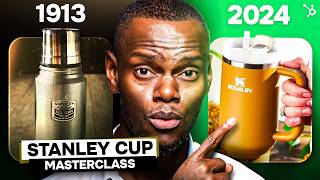
Stanley's Quencher tumbler flopped until the Buy Guide, a fashion blog, bought 5,000 units and sold them to women. A TikTok moment and Starbucks collab followed. By 2023, Stanley hit $750M in sales. The lesson: micro-influencers and affiliate partnerships beat traditional marketing.
Questions this video answers
1913.
2016.
5,000 units.
$73 million.
$94 million.
Chapters
How did a viral product turn Stanley into a 750 million dollar business? Founded in 1913, Stanley initially catered to outdoorsmen and blue collar workers to much success. But that was all about the change. Introduced in 2016, the adventure quencher initially didn't resonate much with their audience. By 2019, they stopped restocking and marketing the product. But as the Quencher struggled with Stanley's usual customers, it it was gaining popularity on social media with a different audience. Enter the Buy Guide. This e commerce blog and Instagram account was started by three women who wanted to share things that they loved. In their second ever Instagram post, the Quencher was one of those things. They featured it as a must buy product in 2017, introducing the brand to a new audience. Women. Every time we linked it, it sold out quickly. We got so many pictures from teachers who all have them in their classrooms and from nurses stations with cups overflowing in different colors, and we knew we were onto something. They knew there was a narrower and more passionate demographic for this product. But with Stanley stopping production due to low sales, availability became scarce. Luckily for the Buy Guide, they sent a quencher to an influencer, hoping to get a mention. They did, and it caught Stanley's attention. Soon after seeing the post, a sales manager for the company reached out to the bloggers and they created a risky deal that would eventually redefine the Quencher's target audience. The Buy Guide would purchase 5,000 quenchers wholesale under the condition that they'd have to cover warehouse and shipping costs, but would be able to retain all sales profits. It was a big risk for it. It took every penny that we had in our business account, plus some personal funds to make that happen. By November of that same year, the Buy Guide launched online sales and sold out in five days. They'd eventually get a meeting with Stanley's parent company where they'd suggest they create a new website and join an affiliate program. When Stanley's new CEO, having previously been one of the minds behind making Crocs go viral, learned about the Buy Guide's success with their product, he knew that.
Kind of influencer opportunity was just the magic that Stanley might need.
So they made a pivot. Stanley decided to officially partner with the Buy Guide through affiliate marketing and re release the Quencher, except this time with colors suited towards the new demographic. By doing so, they transformed it from a utility item to a fashion accessory. Their sales continued to increase, with revenue jumping from 73 million in 2019 to 94 million in 2020, it more than doubled to 194 million in 2021. In 2022, Stanley released a new Quencher model with a streamlined design in more colors. Revenue doubled again that year to 402 million. Everyone was talking about the brand and it caught on fire, literally. In 2023, a TikToker's car burned down, but her Stanley Tumblr still cool with ice. Her video showing the miracle hit 84 million views. Stanley's response? Their savvy president offered to replace her car and send new tumblers in a stitched video that generated 32 million dol million views and massive brand praise. The impact was equivalent to a $1 million advertising spend and garnered over 100 million organic views. Stanley's journey in the world of collaborations was taken to the next level when they entered a partnership with Starbucks. Their joint venture introduced a pink co branded Stanley Starbucks Tumbler. The result was an instant hit at Target. Demand for the limited edition tumblers skyrocketed. Social media blew up with images of fights, overnight lines and hours long waits. This scarcity led to an incredible resale value.
Some of the lucky shoppers who got their hands on one are now reselling them for hundreds of dollars. This one is going for $810. And cherry on top is that the shipping cost $15.48 today.
The quencher sold so well that it replaced the iconic Stanley bottle as the brand's top selling product. The Stanley has received more than 10 million views. As of 2023, the brand's annual sales were projected to top 750 million. While your brand might not be partnering with giants like Starbucks, there are still plenty of ways to brew up success from Stanley's strategies. Here's some quick ways to get started. First off, keep a lookout for micro influencers.
It's a term that's thrown around a lot, but what does it actually mean?
These are accounts with between 1,000 and 10,000 followers. They offer high impact for lower investment. To find them, start by searching hashtags on Instagram and TikTok. Search for terms related to your niche and then scroll through the top performing results. You want to focus on posts from accounts that have smaller followings but great engagement. Their engagement rate is going to tell you how active that influencer's audience is with their posts. If you don't have a tool that'll do this automatically, here's a great way to manually calculate an influencer's engagement rate per post. So for a post that has 250 likes and 100 comments. Together, that equals 350 engagements. Divide that by the number of followers they have, then multiply that number by 100 and you'll have their engagement rate. When you find someone you like, slide into those DMs with a personalized message. Compliment their work, introduce your brand and explain why you think a partnership would be mutually beneficial. Be clear about what you're offering and what you're asking for. When it comes to announcing your affiliate marketing program, reach out to your existing customer base and followers. They're already familiar with and interested in your products, making them great potential affiliates. Create a basic, attractive announcement. Include key details like the commission rate you're offering and how to sign up. Post it on your business, social media pages, website and email newsletter. With 79% of people saying user generated content highly impacts their purchasing decisions if you're an online business, you can't afford to not invest in running a UGC campaign, especially when seeing how amazingly it worked for Stanley. Start by creating a hashtag that captures your brand's spirit. Selling fitness gear? Try something like FitGearInAction. Incentivize them by offering rewards and let them know you'll be featuring the top posts on your channels. When it comes to finding other businesses to collaborate with, make a list of nearby businesses that complement your product. Again, if you're into fitness, think local gyms or health food stores. Take a look at their online presence to ensure it aligns with your brand. Then propose a mutually beneficial collaboration idea like a co branded product. The story of Stanley's Quencher is the story of a company that made an awesome product and the bloggers who helped them see who it was really for. Remember, sometimes you don't need a new product, you just need a new audience. What are your thoughts on Stanley and the strategies they used? If you made it this far, let me know down in the comments. What case study would you like to see next? Until next time, bye bye.