How To Use Experiential Marketing to Grow Your Business (+ Free Planning Kit)
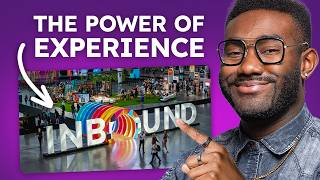
HubSpot explains experiential marketing: creating branded experiences that build emotional connections and drive growth. 74% of consumers are influenced by branded experiences. The video covers planning steps, small-scale examples like pop-ups and product sampling, and includes a free event planning checklist.
Questions this video answers
74%.
11,000 attendees.
Chapters
Telling you this secret might get me fired, but I'm about to let you in on one of the strategies that we've actually used at HubSpot to help us reach $1 billion with a B in annual revenue. This isn't some sort of quick hack, but instead it's a carefully crafted plan that some of the best brands in the world use to create strong emotional bonds with their customers. I'm talking about experiential marketing. In this video I'll tell you exactly what experiential marketing is, how it works, how we use it to generate insane engagement and ways actual ways you can use this in your business, no matter the scale. And if that's not enough for you because you're a real glutton for knowledge, we've also created a comprehensive checklist that covers every step of this process from pre event planning to post event follow up, which you can download for free in the description below. It's my gift to you. I don't want a thing for it, but I do want something for my birthday Experiential marketing uses our feelings to connect us to brands and make us want to stick with them through thick and thin. It places a higher value on meaningful moments than on products, which traditional marketing can't really do. Also known as engagement marketing, it curates positive, tangible experience tailored to a target audience. This connection can take many forms, from interactive installations and events to pop up shops, and often integrates an online dialogue around it. It's and the numbers don't lie. 74% of consumers say they're more likely to purchase a product or service because of branded experiences. Positive experiences create buzz and word of mouth which cultivate brand ambassadors. And these radical customers often understand your business on a deeper, more meaningful level than the people working for your company. What's more, your business can leverage user generated content from excited participants eager to share their experience across social media platforms with with friends and followers. By connecting with customers in an authentic and relatable way, Experiential campaigns engage all five senses, sparking emotions that foster long lasting relationships, which is especially valuable if you're a small or regional business looking to grow your audience. And when customers wholeheartedly subscribe to your shared vision and values, they become brand loyal for life. In fact, events are an excellent way to improve your visibility, celebrate a success and connect with potential customers on a deeper level. So the billion dollar how did experiential marketing help us achieve $1 billion in annual revenue? Drum roll please. We created an event called Inbound for The marketing sales community. There are few events like Inbound. It's a fully immersive in person experience where relationships drive transformative growth, meaningful conversations and actionable insight. This conference draws a who's who of the industry along with can't miss networking moments, celebrity speakers and and a variety of unique breakout sessions. And in 2023 our conference sold out in record breaking time to 11,000 eager attendees. So let's break this down. HubSpot used our deep insight into customer values and decision making to craft an event tailored to views, beliefs and lifestyle. We surprised and delighted our audience with an engaging, colorful environment, Instagrammable moments, collaboration, play and laughter. We created interactive experiences from custom brand activations, up leveled VIP experiences, niche meeting meetups and even a pitch competition for startups. With HubSpot being the fun, inclusive and approachable brand that it is, this was a perfect match between culture, event and audience. But here's the thing, you don't need an event of this caliber for your campaign to be a success. You can do experiential marketing at any scale. For example, not only should brand and event personalities support each other, but also match in size and scope. A small business will see much better ROI activating at a niche event where its target audience will be and costs are much lower. Case in point, at some stage in your own customer journey, you've come across businesses giving away free samples of products like ice cream tasting or taking a car for a test drive. It's a super common strategy and one of the most basic examples of experiential marketing that gets customers thinking about your product and influences purchase decisions. But it's not just the product that motivates you to come back to the brand. Let's say you own a coffee shop and want to attract new customers. A brand activation event is a great way to promote your brand's message, products and services. Invite guests to take part in hands on activities such as a workshop and do it yourself barista station. Let them choose from a variety of roasts using their sense of smell to help inform their decision and include a photo booth to give customers something fun to do while they wait. Encourage social shares for prizes and discounts to create even more buzz. Another fun strategy is a mobile tour. This brings a distinctive brand experience right where your audience works, plays and shops. Let's pretend you own a dog treat bakery. You're location independent and want to turn it into a full time business. Map out a travel itinerary and park a treat truck in places with plenty of foot traffic like festivals parks and anywhere dogs are welcome, like my house. Distribute samples and coupons and capture customer info for a chance to win branded keepsakes and other prizes. Regardless of location or event, don't be afraid to think outside the box. Transform mundane spaces into interactive experiences. Gamify elements. Run contests or challenges that offer exclusive rewards. Launch campaigns that invite customers to share their experiences and stories. You could also partner with local nonprofits to demonstrate your commitment to social responsibility. With the right amount of research, creativity and communication tools, even a small event can have a huge impact, and a peek into the mind of your target audience is the first step in creating a memorable and engaging experience. Develop detailed buyer Personas using market research to understand their needs and desires. Take note of these insights, then use your Persona to guide you through the process. You can find this data by talking to your best customers, sending out surveys, and compiling customer data from your social media analytics. No matter how big or small, you'll need to know the why behind your campaign to make it successful. Everything from the type of experience to the budget will depend on what you're trying to do. Do you want to generate brand awareness, promote a product launch or enter a new market? Define your goals, values and vision to convey a consistent message throughout your campaign. Think of creative opportunities for customers to taste, touch, smell, hear or see characteristics about your brand and develop a budget that aligns with those resources. This will help shape your strategy and make sure your efforts are focused and measurable. Key performance indicators are essential for understanding how successful your efforts are and how you can improve future campaigns. For example, if you're doing a teaser on Facebook, try using social metrics like likes, comments and shares to measure pre event interest. Or if you want to measure engagement, try promoting a branded hashtag in and around the event. Then monitor conversations around it for insights into how people perceived the experience. Just remember, measurement doesn't end when the event does. Send a thank you email or text to follow up with new and existing contacts. Use that opportunity to further engagement and ask for feedback. Unfortunately, and I hate to say this, no campaign is foolproof. But if you do know the roadblocks, you can also plan for how to get around them like low attendance or engagement. When you don't attract and engage your audience, it's time to reevaluate every stage of a planning process. Make it super easy to register right from your social media accounts, share event updates or showcase exclusive behind the scene photos and videos to promote event attendance and build excitement. Use social listening to track mentions and conversations to better understand your audience and create more informed event marketing and allow attendees to sign up for text message updates and reminders. Having no clear idea of who your attendees are or what they're coming from is another big challenge when trying to reach a specific audience or build customer profiles. Data capture tools like Google Forms or even pen and paper surveys that ask specific demographic questions can help you fully understand who attended. As long as you're following privacy best practices, most consumers will share data in exchange for value like loyalty, rewards and promotions. But if you don't have a process for what to do with the data, you can only take your efforts so far. Gathering your data to find trends and building a robust customer profile are all part of this critical step. When we have a positive emotional experience with a brand, we're more likely to remember it, talk about it, and develop a sense of loyalty towards it. And experiential marketing is one of the best ways to connect with customers and leave a lasting impression about your brand. Kind of like an incredible tattoo like this one right here. Just kidding. I so if you can create incredible branded experiences your customers love, they'll be your brand advocates and do the hard work of distributing that experience for you. If you're ready to plan your own experiential campaign, my friend, download HubSpot's Ultimate Event Planning Checklist that covers every step of this process. And be sure to like and subscribe so that you never miss any videos about marketing trends. Now if you'll excuse me, I'm going to go sign up for next year's Inbound that those tickets sell. They sell quick, you know. I'm saying I'm trying to get to it early. Until then, I'll see you next time. I can't find this client info.
Have you heard of HubSpot? HubSpot is a CRM platform so it shares its data across every application. Every team can stay aligned. No out of sync spreadsheets or dueling databases.
HubSpot grow better.
More from Patrick



A NEW BREED OF PARTNER: The Partnership Ecosystem Model Journey of Patrick Biddiscombe, Part 1








Customer Success Workspace: Never Lose Sight Of What Matters Most | HubSpot Spotlight