How To Use Inbound Selling To Increase Revenue
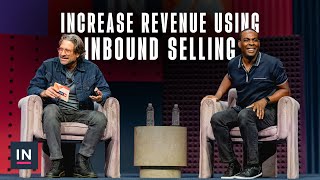
Mark and Donald Kelly walk through three case studies of inbound selling: an Allstate team managing a price increase, a Formlabs rep breaking into medical markets by engaging multiple stakeholders, and a Polish software rep using Sales Navigator for personalized LinkedIn outreach. They show the techniques in action with role-play and diagnostic tools.
Chapters
I'll tell a quick little story about 22 years ago. I was an MBA student at MIT. I took this, like, startup class and I was so excited about it. I sat down next to another student, introduced myself. How you doing? He's like, good. How are you? My name is Dharmesh Shah. That was a pretty important handshake for me in my life and had a great nine year. I was the fourth employee here and had a great nine years running the sales team. Today I run a venture capital firm called Stage 2 Capital. I've been a professor at Harvard Business School for 10 years. But most importantly, I do the science of scaling podcast for HubSpot. We basically go back in time to talk to the first salespeople, the first sales leaders at great companies like OpenAI and Figma and Zoom and that type of thing. What I love today is we're going to do something different because in those podcast sessions, we go deep on one company and oftentimes it's hard to, like, disassociate what was contextually unique to their journey and what is abstract learning for all of us across all sales issues. And that's why we have Donald Kelly here today from the Sales Evangelist. You've probably checked out his podcast as well. He also has a company and we're going to dive through a couple stories of how he's taken teams and sellers from producing 50,000 a year in revenue to producing over a million in revenue. And we're going through some specific examples. Welcome, Donald.
Hey, it's an honor to be here to sit next to you and to be able to do this, and I'm really pumped for it, to share some of these things that work. I'm out of West Palm Beach, South Florida. You heard about me a little bit there. I love selling and I talk a little bit fast. So if I go too fast, don't worry, we'll be here afterwards. And we could go a little bit deeper into it, but we want to have some fun, so if you're excited for that, say yes.
Woo.
If you're pumped for that, say. Oh, yes. I think they're ready, Mark. Love it, dude.
Talk fast. I just am finishing the Lex Friedman episode with Elon Musk who talks about bips per second of the human language. So we got it. We can advance here. All right, what's the first case? Set it up.
Yeah, so the first case is an Allstate company, affiliate company, and they all know Allstate.
Like, sell insurance.
Yeah, they sell everything. And this team in particular, I know their sales leaders. We've done engagements before in the past, but earlier this year, Allstate had an increase in rates and a lot of people across the board with interest rates and so forth that are increased their rates. The challenge that this team was facing, right now they're getting a lot of inbound, but unfortunately their policies that are writing each week was dropping and dipping. So there could be a several things that you could diagnose. And fortunately they had an internal sales enablement team and they did a lot of the fundamental things and so forth. So once they did their internal thing and it wasn't working, they said, all right, let's see what we can talk about and bring an outside view to look at us. And it brought me into the conversation and say, how can we help our team? Is it the price increase that's really causing this problem? And we did some discussion, we worked and we listened to some of the calls and so forth. The other interesting factor was that a portion of their team were new reps as well. New reps being about a year old. So they were used to selling under certain pricing. And all of a sudden they saw this increase. They're writing about 300 policies a week as a team, and that's well below their level. They should be at least 350, but they're writing below.
All right, so let me just take one point that a lot of folks miss here. In proper diagnosis, usually what I see is when a seller is not hitting goal, a non data driven sales manager will say they need to make more calls. And that's like rarely the diagnosis. So one little thing that very few people know is I like to look at the performance of my tenured salespeople as an initial point of my diagnosis. And that's what Donald and the team did here. If you're starting to miss as a team, but your tenured people are constant and hitting. We have something internal to the team, something like onboarding or a particular territory, a particular patch. But if your tenured people have all dropped simultaneously, we have something going on sort of like outside of the team that triggered it. It might be the economy, it might be a new competitor, it might be, you know, something, something different. And that's what we had here. It was sort of self induced through a price change. And they realized that this was like a big deal because even the tenured reps were going down. Now we don't have the full diagnosis. Why and how do we fix it? How did you figure that out?
Yeah, so what we started to do with their team. After you listened to some of the calls, we found out right after they were talking about the price there, everyone was confident going into it. You, you know, your value, so to speak. At least the initial stuff. But usually when they got that price objection on the call, they started to climb up because they felt like it wasn't fair. And that was what we also, when we started talking more of the reps, they felt that the belief that they had was that this is not fair, so to speak. Our company raised the price so much and it's impacting us in our pocketbook and also impacting our clients in a tough economy at this point.
And are you pitching on the phone or is it a zoom and how are you to diagnosing this, like, discomfort?
Yeah, that was on the phone. You're hearing the audio recordings.
Yeah, this is a psychological mindset thing in a way. Okay, dive into that. How'd you get through?
So here's one of the fun part that we went into. I gotta get my phone out of my pocket now. Get excited, you know, closer. Gotta loosen up. So here's what we realize. Most people, when you talk about mindset, they just make it like this ambiguous thing. Like it's ru, ru, rah rah. Just, you know, just, just think different, think positive and life's gonna change. But what I'm.
Maybe I'm a little like Tony Robbins.
Type thing going on here. We didn't have a walk on any fire. But here's the. But here's what happened though. There's a science behind it. When you can put the science, it makes total sense. There's something called the reticular activating system. And what I want to. Just really want to explain that in the simplest terms. Imagine like I'm in Florida and you have a screen door. And the screen door, it prevents the bugs from coming inside of the house, right? So when it comes to reticular activating system with our brain, it's kind of like allow certain things in that are we deem as priority. So like for instance, we talked about it how my wife got a new vehicle, right? And we've all done this. Whether you buy a new whatever car. She got a new Atlas. So because of this new Atlas, all of a sudden we saw Atlas everywhere on the road, which you never saw before. Never saw them before. Like they never paid attention to it. But is it a fact that Volkswagen just retargeted our family in particular and put cars around West Palm Beach? Absolutely not. But our reticular activating system was focused on that because something that we've been thinking about researching and deem as important. So then therefore, let's look back on when it comes to sales. If, for instance, if I tell myself that cold call doesn't work, then automatically all of the gurus on social who say cold call doesn't work are the only ones that I would see in podcasts. Listen to mine. It does work, but you start to focus on the things. So we started looking at helping them to understand the science. You're focusing on the negative outcome of a price increase and because of that, you're validating it over and over, especially in conversation. I told you because the client just told me they're, you know, we're way expensive. So we started helping them to understand and be recognizing that that was happening. Then they were mindful of it. The second component to fix it now was going back to the value side of things. How do I help express the reason why we're more expensive and do I believe that we can offer the value on it? And there was a huge value that Allstate had over their competitors. Fortunately, my wife is okay, but she did have a wreck that led to the fact that she had to get this atlas, but in a previous car wreck. We worked with the company, the previous insurance company of the other person, and it was a nightmare. It was horrible. But Allstate, their focus was that you don't have to go through hoops and jumps if you do business with us. Once you have a policy claim, we're going to take care of it hands down.
Okay. So we have a relatively data driven diagnosis of what's happening here. Unfortunately, this is like a psychology exercise, which is shocking how much overlap there is between the science of psychology and sales. Like I often say to my students, the best salespeople in the world are therapists. I ironically had like a therapy session driving in this morning. I do it over the phone with my guy. And the crazy thing about therapy, right, you go in, you're bothered by something, all the therapist does is ask you nine questions and you feel amazing. That's like the beauty of sales. And we're dealing with a mindset situation. Allstate did all the right things. They did the perfect calculation with McKinsey or whoever on what the price should be. They did the value statements, they trained the reps and all the enablement. They had the scripts, et cetera, but they never addressed the psychology of the rep. Yes, you want to role play it?
Let's do it.
Okay. I'M going to be the all state rep. Let's go. Hey, how you doing? I'm Mark. Hey, Donald.
Hey. So you're the rep?
Yeah, yeah, I'm the rep. You're going to coach me through this.
All right. So, Mark, talk to me. Tell me. I noticed you guys are having some challenges. What's going on?
Well, I made a lot of money last year and I love this company, but they, the executives, you know, that never talk to customers, they increased the prices this year and it's ruined all my sales. And they're all going to the competition because we can't compete on the price.
Yeah, definitely. It's hard to compete on price and we don't want to necessarily do that. Do you know why they increased price?
I don't know. Profits, whatever.
Yeah, just kind of taking stuff out of your. They don't know what's going down, so they're just increasing that. Here's what worked different last year, though. Besides the price, is there anything else that you can think about?
Well, yeah, I mean, I believe in our differentiation. Like, we have the best customer service and I know when people need us, it's in a really tough time in their life.
Yeah.
And that's why I love being here is I know that I've been approached by people who said like, a tragedy happened and we were there for them.
Yeah.
So, like, I've always believed in that, but it's like, I don't know.
Let's go back. What do you have control over in this situation, would you say, Mark?
You know, I obviously can direct the narrative and position Allstate correctly, but, like, I can't discount the price.
Yeah, we can't do that. We're not going to change that beyond the price, everything else the same. Everything will be constant for sure. Yeah.
Okay.
So why don't we address the price straight on with them? Because I think that makes comfortable with your customers whenever they're.
So just like stay it straight up. Like, what do I do? Listen, I've been pitching it.
Yeah.
It's just not closing.
Well, let's go through it. Is that okay? Sure, let's. Let's role play where I'm the rep. Yeah, sure.
So, like, I don't. I love your stuff, but, like, I don't understand. Insurance is insurance. Why are you 15% higher?
You're true. Definitely. Right. The price did increase. And unfortunately, you know, that's part. Is not necessarily what I want to. I can't change that component, Mark. But here's the thing that I Do believe is that our product work. Out of curiosity, Understanding Allstate Progressive and all the other companies are out there. Our prices are a little bit more. Why do you think that they might. Our price is a little bit more.
Well, I mean, from what I understand the people that use you, you have the best service, and that's going to be important for me.
Is there anything else you would think why a company would charge?
Yeah. So boom, right there. All right. That's like the easiest thing that we really. First off, like, he's addressing the mindset of having the confidence that I can actually sell this. He heard the hesitation. The other thing is very simply, he's handling the objection with a question. How simple is that? Like, everybody gets defensive. They feel like they have to say something brilliant. And you do say, like, why does that matter to you? And what it does is it first off, it like, they all of a sudden, like, start to think about it and they're unpacking it and it gives you, as the seller a minute to think about what to do.
Yeah.
It's such a simple thing. So kudos to you. Now tell me a little bit, like, what happened with this team?
So. So the first week we did this, and I'm telling you this is. So now the data comes in. The first week we did this, they wrote 300 policy and they should be above 350.
Nice.
They wrote 300. The next week after that. That's when he called me. The next week after that, they wrote three. Sorry. It went up to 350. So they got back up to par. Then it went to 385. Then it went to 400, and it eventually topped off around 425. And it wasn't anything like revolutionary. We didn't change the price. We didn't bring in some new tactic that we got from Mars. It was just understanding the way that they were thinking about their value offering and then also being willing to ask the question, the confidence to do it. So. And that's what happened with them. Made decent money from it.
I connect with this story. Reminded me like eight months into HubSpot. First off, like, how we came up our pricing in year one was a complete joke. Like, literally. I remember sitting out with Brian and Dharmash and they're like, okay, we're going to build this and it does this and it does this. And I was like, how much does it cost? And they were like, oh, we haven't thought about that. 100 bucks a month. I'm like, all right, sweet. And then so we were selling this thing and I was like, I think I can charge more. I think I can charge 250. And then one time they were like, we should increase it to 750. And our reps sort of freak out. Same thing.
Yeah.
And I went around and I was like, hey John, you're from Monster. How much did the product you sold sell for? 10,000 a year. Is HubSpot better than that? Yeah. So what's the hesitation? I went around to each person, where'd you work before? How much was it? Turned out their price was way more. They believed in HubSpot more and we got through it from mindset standpoint. All right, what's the next one?
So the next one is. You've probably heard of the company, they're 3D printing company called Form Labs. One of our podcast listeners, he was an individual at Form Labs. He was one of the early sales reps there. And they started breaking into the medical division a little bit more. And he reached out to me and he said, I'm having challenges. He got put on a PIP performance improvement plan. If you're below 70%, you're in grounds of danger. So he was right around that grounds of danger. Listened to the pod, decided to reach out, didn't know what he was trying to do, breaking into this new medical market. And he said he needed help. And that's where we started off.
Okay, first off, I think this is set up. Ron, no offense to Form Labs. We do teach the case at hbs. Great company. I think they're Boston founded. Yep. And you know, a pioneer in 3D printing. But like when you are exploiting a new market like medical device, you got to think like a seed funded business. You don't have product market fit yet. In this case, they had product market fit in wherever they were. Maybe it was in manufacturing. I know they did a lot with like Ford motors and GE and stuff like that, but like they're a completely different market. And most entrepreneurs and CN founders are overly optimistic about how they can apply what they learned in this product market combination to a new market. So this rep shouldn't have been on a pip. This should have been like a couple of product managers and some engineers or whatever trying to figure it out, the message in here. But anyway, you saved them anyway. So what was the diagnosis here?
Yeah, so he would get into conversation. The name and the idea of like 3D printing would grab attention. So. But the problem was you're not getting everybody engaged. Anyone who's done anything with a medical world you recognize that, that you need multiple stakeholders. And it's almost in any industry, right? You, you have to have multiple stakeholders. But specifically with theirs, when you try to sell to like try to get to the doctor, God bless you, you're not going to get through. So he had to understand to get to the office managers or those individuals, the gatekeepers in some of these SMB size dental offices. But then also how do I expand and get others engaged? So one of the other people was definitely, what can I say to get the doctors engaged? And then the other part was, what can I do to make sure I get like pretty much the account managers, people working directly with patients to get them engaged early on in that process. And that was one of his biggest mistakes. And then his discos or his discovery calls weren't structured. It was kind of like, I have something interesting. Let me give you a quote. And then let's hope and pray that.
Something comes through, show up and throw up a alligator selling big mouth, little ears.
Yep.
We have two ears for a reason. That's for all the frigging minds out there. Okay, couple of things to break down here. The first off is getting to power. And it's just not easy all the time in this case, getting the doctor. I know we teach this case on like Boston Consulting Group and a great partner that was trying to get into a Fortune 100 company. She did all this research and found an ex client who was a private equity person that was personal friends with the CEO and he, she asked him for an introduction to the CEO. He said, hold your horses. I don't do that for anyone. Fly out to my house next week, let's sit down over dinner and talk through how we're going to like what you're going to do for them. Just to get an intro. But that's $100 million account. So like let's not minimize the act of getting to power.
Yes.
The only thing that's happening here is we have a decision making unit. We have a doctor, we have an office manager, we have potentially a cfo. They all think about different things. The doctor cares about like I gotta get patient care up, I need to do my job easily. The CFO cares about the price. The CTO is like, I don't want to buy anything.
Yep.
Anything I buy is more work for me. But like is it secure? All that kind of stuff. We have to appreciate all these different folks. So how did you get them through that understanding?
When we looked at each of the deals that he was working with and we got a chance to analyze. It was really that they just had that one individual. So then I started asking him who else typically are engaged in this. Fortunately, his wife worked in the medical field as well and she was able to give him some research understanding. Here are some of the decision makers, here's some of the key components. And we came to the table and we did that. I did some stuff in the medical world at one point as well. So we started analyzing how can we get actress access some of these people and start having a conversation. But more importantly, we started talking. The idea was my wife speaks Spanish and she grew up here in the US but so she's fluent Spanish and English. But there's certain situations when I, when we went to the Dominican Republic, I did six years of Spanish and we were going through their equivalent of TSA or whatever, you check in, whatever the airport. And I pulled out my Spanglish and she was behind me and I look more Dominican than she does. So I started doing my Spanglish and then they're like, they started going over my head asking questions that I didn't understand. Then come Christina and she started to speak Spanish. And then all of a sudden they're like, oh my goodness, we can have a conversation with her. Here's what happened. What I realized he was not having the conversations. He was having surface level conversations with the office manager.
I bet he was given the same presentation each and every day.
Exactly. So we started saying, can you speak Spanish? So to speak to the other Spanish speaker, can you speak above her level or his level? And explaining the business challenges that were happening because and how form labs can help them in a business situation. And then also from the medical component, how can this revolutionalize the way that things are working right now in the dental practices? So we started speaking these different languages. And then obviously at this point, office managers were like, huh, this sounds like something that I need to bring this other person in. So we started changing the conversation. And then the other part to that too is you bring it up beforehand. Certain times people go into a disco and they assume that the other person knows how to buy their product. With a new product and a revolutionized product, no one is going to know how to buy it. You have to teach them how to buy that particular product. Right. So in this particular case, we started establishing in the disco, these are the people that usually engage and this is the reason why when they're using or implementing 3D printing in their organization. So we started going through this component with them and he Saw a huge difference where he started getting access to people at different times. It wasn't like, hey, the doctor's going to be jumping on a call right now, but they're going to be free 15 minutes at lunchtime. Let's tackle this component there. But his discos became so much better and instead of doing like the basic spin, we started teaching him more relevant, opportune ways. And one of the ones that he didn't know much about, we started talking to him about bands like you don't know anything about these guys, budgets and so forth. And it's a basic setup. You're going to teach somebody who's new.
And yeah, double click on that one. Because that's always the hardest thing of like most salespeople just want to give the pitch.
Yep.
Like how easy is that? Product management gave me a sales deck. Let me just go out and show the sales deck to as many people as possible. Meeting went great. They listened to every slide and then I left. It's like it's really hard to like ask open ended questions and listen. But that's like thanks to Gone and all these people, like the top performing reps speak less than half the time on the first call.
Yes.
And by the way, I don't understand why I don't see board decks that just show me what percent of sales calls where the rep spoke less than half the time. What an easy summarization of the effectiveness of our sales Org. So think about it as just an analysis that thanks to AI today we can do that. But how do you get this rep? That's just like I like to just give the presentation and teach. Like how did you get them to do discovery?
Same idea, role play. We had to practice. You had to get muscle memory. So during our sessions we help understand the. You have to teach the education side of it. Like this is how you do it and then let's practice it. And we started practicing a lot more and then he started sending me some of the stuff we analyzed. Listen to his calls and whatnot. But it was just practice and that was the biggest difference with him. That muscle memory.
That's awesome.
Now what to do though?
First off, like quick little cheat. If you're getting comfortable with this is like a very, very simple opener is why did you take this meeting?
Yep.
It usually works and it's like not doesn't fall on your face and it's just an easy thing to like most people are just going to go and start talking. I know like someone posted this recently that I Joke with my students is if you want to get good at this, like, this is a great venue to do it. After today's session, okay, walk up to a stranger, introduce yourself and start asking them questions and see how long you can ask them questions before they get pissed off. Like, that is awesome. And great salespeople, they're grabbing beers with them after. They love it. Like, I know when I go to like a wedding and I walk up to someone and I ask them questions, I don't say anything but my name. I ask them questions for 30 minutes. Sometimes they're like, that's a great question. No one's ever asked me that before. I know. I've reframed their perspective. Wow, that's an advanced level. And then they go over to their spouse, like, oh, I just get this guy Mark. He's amazing. Amazing guy. I, I didn't say anything about myself, but that's really like a, you know, kind of prototype of what we're talking about here. So what happened in that situation?
70% pip. So in three months he came to me and I thought it was like, holy moly, this is going to be tough. We have to get this in three months. So Chaz went up to 100, then he went over to 100. 20% of quota. And it was again, nothing revolutionary. No secret system was just better having conversation and being able to fundamentals.
I think when we were debriefing too, I think the other thing that was really cool that you said is he didn't realize the sale was happening in a room that he wasn't in.
Yes.
When you have a decision making unit is like, he could do his pitches, whatever. At the end of the day, the cfo, the chief medical officer, the doctor and the office manager are going to sit in a room and say, which vendor are we going with? And you know who's going to win. Whoever is the strongest champion.
Yep.
Whoever has the strongest champion. If your competition has the CFO and the CFO is best friends with the CEO and has been there for 12 years, they're winning. If you have the champion as chief medical officer and they've been there for 10 years and they have the most political power, they're winning. When you talk about great enterprise sellers, it's not about the best product, it's not about the best price, it's the ability to develop the strongest champion.
One of the secrets that we do too with everyone on, you know, now you can get people's mobile device number. But one of the things that I taught him back then, and I also continue to teach is that you get on text messaging basis with the prospect as quick as possible. So what I would do in a situation like with yours if that office manager is going to be the champ or whatnot and they, they buy into it, I'll say hey, in preparation for the next meeting in case something comes up, here's my cell phone. What's yours that I can get at?
Dude, I love that because like I think sales forecasts suck and they're not accurate because people build sales forecasts by seller activity. Oh, once you give them a demo it's at stage three, it's a 20% close. Once you send them the contract, it's at stage four, it's a 70% close. It's about buyer action. Yes, I want, I bet you if we do analysis of like whether giving them a demo predicts a close versus the buyer gave us their cell phone that would be far more accurate and.
That'S a perfect example because then you have the conversation, post the call. So like even after a demo I would text my, you know, champ and I would say even right now? Yeah, I'll say like hey Melissa, what do you think? How did that go? And then they'll you know, we gotta.
Build that into the CRM Yaminy. We're right breaking things there. Come on, we gotta just get this in there. All right dude, we got three and a half minutes. We gotta do the last one real quick. Gentleman out of Poland, right?
So Jay out of Poland working for a software house. They develop a development house. They develop for most of the, you know, companies here in the States who are developing software. Jay started at the company in 2000 and well 2001 and he came to us at that point he was referred into us and he had challenges with just doing his outbound. He a full cycle selling at that point. You've all received those emails or the inmails on LinkedIn where it's just spamming. Hey, we do software. Would love to set up a call, book a demo. Here's our link. And that doesn't work as we all know but LinkedIn was the first place that he was going and we love LinkedIn. So we started working with Jay. So he was hitting, it wasn't bad. He was doing 99% of his quota attainment and it was good but he recognized that he could be better because he needed to. The way their company is set up, at a certain point you could start getting some more of the bigger deals, enterprise level deals but you have to prove yourself. So he was really, really stressed on. On how can I prove myself, that I can source my own leads, I can bring business in, hit my numbers, so I can start getting some more of the larger deals and get bigger commission. So that was a challenge that Jay had at this point, and he didn't quite.
So people always say, like, dude, first off, can I say the word outbound here?
Yes.
All right, so, like, reaching out to people doesn't work. No, the way you're doing it doesn't work. Okay. So, like, even when we started inbound selling, it didn't necessarily mean that someone's like, DMing you on Twitter. And that's an inbound sale. It's the way you go about it. So tell them how you use LinkedIn and tell them how to do this in a very personalized way.
So the critical component. And I'm big in the camp. There's different philosophies. I'm in the camp. If I send a connection request to someone these days, because of my reputation, I don't have to have a personalized message and I'll get connection because my validation's out there. But most individual rep that I feel, and I've done this with, looked at the data. Most individual reps, if you're reaching out to somebody in an industry and they have no clue who you are, it's a bigger LinkedIn charge more for you to send a personalized message towards that individual. That's why they have that little. You know, you only get five of them now on a basic plan. So look at the data that they have. So that's the first component. So. But we're not talking about dumb personalization. Like, I saw that you went to Stanford, Great mascot, good luck football season. Can we connect? Like, that's garbage.
They get five of those.
So the way that we do it is we use sales Navigator, Not a pitch for them. They do sponsor me, but I'm a fan of Navigator. But what we started to do was we look at the filters, and Navigator has several of those filters. One, you can see who is active on LinkedIn or new people in a role. LinkedIn said it yesterday.
So we know the medium is going to work. Who's active on LinkedIn?
Go somebody who has Linked new in the position who's posting on LinkedIn within the past 30 days.
Perfect.
So we go with that. And then whatever post they're doing on LinkedIn within their demographics of the ICP, we use that in our messaging. But we're not doing a pitch. We're not doing a one two and hit you with it. I might say something to the nature hey Mark, saw that you mentioned inbound was biggest inbound this year. Overall, do you feel that inbound is beneficial for any type of reps or any Type of company? P.S. permission to connect here on LinkedIn I always use that. I know it's not accurate mom but the idea though if you're my mom will get me for my grammar but I say permission to connect but if you use that it just triggers something that it starts engagement. You want engagement. Engagement leads to sorry grab attention attention because this is something that you posted and you're passionate about and it's not something dumb about it. I'm asking a real question relative to your post so a guy grabbed your attention. 2 engagement once I can get you to engage and accept my connection request back, I send a video. And that's why I taught Jay to send a video or a voice message. Especially in a world like his where there's a lot of people who are sketchy, we send a personalized video or audio message. Hey Mark, I just want to put a face with a name or a voice with a name. Appreciate your reply back to that. I'm going to push this to my senior leader, see if inbound is something we can do next year. Thanks for connecting. And then the third step now is conversation. We'll dialogue back and forth. I don't teach you pitch on LinkedIn, but I use that as a vehicle three days later to then send that email that has a high propensity of getting open. If I go back into this, I'll say see you at inbound next year. See you at inbound as my subject line. Hey Mark, it's Donald again. Just wanted to tell you appreciate your insights. I thought about this after looking at whatever value prop that's happening. Saw you guys were increasing in your head count. Have you guys ever thought about outsourcing some of that monotonous labor development at.
A fraction of the What a wonderful way to get down to that filter of like who's actually active. The other one you mentioned was new to the job. So now you're because when people are new to the job, they're going to make changes. They're going to spend. They're going to spend stuff. So he's filtered this down to people who are active on LinkedIn. They're six months into their role. They live in the US they have between 50 and 500 employees and they're in this particular role. It's like you are starting with a gold mine list and you're not going to send a thousand messages that get no responses. You're highly engaged and personalized and that's the worst, dude, you've earned the right to do a little commercial. What do you want to say for 30 seconds here?
So I'll tell you where Jay ended up some from 99% and Jay ended up at a buck 120% of quota. And so for me, I run an organization called the Sales Evangelist. We do a popular sales podcast. You each should download it right now. And I also run a sales training firm, Sales Evangelist. We teach a lot of top of funnel strategies and also help teams to be able to increase the velocity of their deals to get closed. So that could help you. I'd love to be your friend, dude.
It's been great to meet you, great to jam with you. You're doing the real work with real results. We're going to hang out over here. If you have any questions, let's hear it up for Donald. Thanks, everyone.
Thanks, guys.
More from Patrick



A NEW BREED OF PARTNER: The Partnership Ecosystem Model Journey of Patrick Biddiscombe, Part 1








Customer Success Workspace: Never Lose Sight Of What Matters Most | HubSpot Spotlight