INBOUND 2015 HTT: Karen Hartline "Behind the Curtain- 50 Tips for Hosting Badass Events"
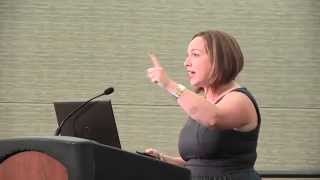
This content was created by Patrick Biddiscombe. This content was uploaded by Patrick Biddiscombe. This is a YouTube video titled "INBOUND 2015 HTT: Karen Hartline 'Behind the Curtain- 50 Tips for Hosting Badass Events'" created on October 6, 2015, featuring a presentation by Karen Hartline offering tips for hosting successful events.
Chapters
All right, great. Thanks. All right, well, first off, thanks everyone for coming. I had this vision that I'd have, like, 50 people, and I would love those 50 people. Just to let you know, there is an encore presentation. Same exact slide. You guys won't want to come, but tell your friends. And tomorrow, 10:30, I think it's room 102. It'll be in the app. So an encore presentation for all the people that were still in line. My name's Karen Hartline. You can find me on Twitter as Hartline. As was mentioned, I have lots of years of experience. In my former life, I was the director of events@mashable two different times, actually did a little stint of work at Porter Novelli PR Agency. I worked with Blurb On Demand book printing as well as InterVarsity Christian Fellowship throughout all of that time. I started my own company three years ago, and I counted the other day. We've done 35 different events over the three years, and we have four events happening in four weeks and two days. So we keep busy, lots of things going on. We do conferences, dinner parties, launch parties, roadshows. I'll actually talk about roadshows. And then we work with clients with budgets of all different sizes. So if you do events, you know, sometimes you have smaller budgets, sometimes you have really big budgets. My agreement is questions. I do have 50 tips to get through, so we're going to, like, bang them out really quick. I'm hoping we have some Q and A time. You can tweet at me with 50 tips. 50 tips. I'll hang out after, too. So if you have questions, come talk to me. You can tweet at me. I'll meet up with you. Whatever. I will share the presentation via email. So if you want the presentation after, just come up and, like, drop your business card on the table before you run out the door to your next session. And I guarantee you will learn at least one new thing. If you don't learn one new thing, I will buy you a drink before we all leave Boston. Okay? So that's my promise and guarantee to you. All right, so we're going to go through kind of the different phases of event planning. And the first phase is pre planning. We all love that phase. That's the longest phase. Tip number one is to set goals from the beginning. So what we do a lot of times is think about the end result and then we work backwards. You want to make sure everything that you're doing touches on those goals and some way shape or form. And we like to ask our clients actually what will make this event the worst event ever? And then we absolutely make sure we avoid that. We get answers like the wi fi can't go down or the bar can't go dry. But that gives us an idea as to what the clients really are focused on and want to make sure happen. Tip number two is plan for unexpected fees. Not just last minute things, but also things like your credit card fees. A lot of times as we're running through budgets with clients, we have like the merchant fee, right. People don't think about that. That's something that you usually have to pay for within your budget or printing on site. At FedEx Kinkos, we like to include a contingency. This is an actual budget from a client. And yes, we rented a panda suit for $307. It actually happened. So maybe that's the one thing you learn right there. Panda suit costs $307 for a rental. Number three, give attendees an opportunity to meet before the event. How many of you tried to conn before you arrived at the convention center via the app or Twitter or dinners or whatever the case may be? It's a great way to give attendees an opportunity to meet up. You can do Facebook events, you can do private Facebook events, you can do mobile apps, you can do a hashtag. There was inbound 15 solo, which was really cool. So if you were attending by yourself, you could like try to meet up with other people, maybe get a date. I don't know, Aziz. So just give them an opportunity to meet up before the event so that they can really maximize the time that they have at at your event. Number four. Speed networking may be cheesy, but it works. Ding. In 2011, we hosted Mashable's very first multi day conference event. It was an invite only event at Walt Disney World, which really was magical. If you've ever done events at Disney World or with Disney, they're awesome. We started the evening on like a Wednesday evening and then had a dinner planned and a keynote opening session. And we scheduled for speed networking, very similar to speed dating. People sat at these tables. We had a triangle that we like rang the bell and everybody shifted to their right. We weren't sure how it would go, but we had alcohol so that helped. And as soon as the speed networking was over, everybody went in and sat at roundtables for dinner and then the keynote. And people sat with groups that they had just met during speed networking. It was great. It really broke the ice. We did a scavenger hunt through Walt Disney World on Gawala. Anyone remember Gawala way back when? It was great. And the people that met on this first night, they formed their teams to do the koala scavenger hunt. So speed networking. Cheesy, but it works. Number five tip is absorb the fees. So this is more about the ticketing platforms that you might use. A lot of times there's that fee that sometimes gets passed on to the person purchasing the ticket. We like to advise our clients that you actually absorb that fee. So if somebody's buying a thousand dollar ticket, the ticketing platform will usually charge 2.5% per ticket plus 99 cents per ticket. Then you get your credit card merchant's fee, which is 3.5%. So instead of having that as a line item for the attendee to pay and they see that I'm buying a thousand dollar ticket plus this extra piece that I'm paying, make your ticket $1,000.25. Right. So you're absorbing the fee. It's an experience thing for them. They're paying one price. They don't need to see that additional $12.58. That's negative for them. Just psychologically from the get go they may start to think, what else am I going to be paying for when I get there? Just absorb it. Bump your price up, make a little bit more. It's all good. Absorb those fees. Customize your order form number six again on your ticketing sites. A lot of times they'll allow you to ask custom question questions, which is really great. This is an actual form from a client that we have in February. The last question says we want to hear from you. What are you looking forward to at Sasser Annual this year? So the person purchasing the tickets fills that in. We're using that information to share with our speakers. For topics, we're gauging the attendees expectations. We're also using that through design and signage at the event and marketing leading up to the event. This is what your peers are saying, this is why they're coming. This is what they're excited about. Super easy. It's not required. So people may answer it, people may not answer it, but we're getting some really great responses there. Number seven, don't expect your community to come to you. Go to them. Hit the road. This is the road show thing that I was talking about in my opening slide. Instead of hosting one large event a year like a conference of this sort and expecting everyone to clear their calendars and come to this, think about it in a different way. Maybe you're Hitting the road. We've done a couple of different road shows. We did a road show actually with. Oh well, this is the Mashable road show. Early on, in the early, early days of mashable, back in 2007, 2008, nobody really knew the faces behind Mashable, right? Everybody knew Pete Cashmore's face. He's fabulous, love him. But nobody really knew the writers. But there was a community starting to be built. People wanted to know Mashable. We did this roadshow where we went out and we met the local communities of tech and startup and they got to meet the faces and the writers behind Mashable as well. I really think that was a turning point for Mashable because people saw that it wasn't just this brand online. There were actual human beings, they were cool. We grabbed a beer together. Specifically this is in Austin and Austin 2008. We reached out to local meetup groups that were tech entrepreneurs, small business and social focused, social network focused. We heard from multiple people about this event and Austin was the first time those different groups came together to one event. And again, it was a turning point for the Austin community because they started to collaborate together a little bit more. We did a road show for Twilio just last summer. We did five US Cities and London. So we went across the pond. Twilio had a huge announcement that they were making or a partnership with Google. And the idea of the tour was to show people how to use cloud based services to run your customer service centers. Every person that attended the Twilio roadshow in the six cities received a Google Chromebook. The tickets to the event were like $199. I mean they were cheap. And then everybody got a Chromebook as well. It was crazy. The stage setup here was actually one that kind of popped down probably similar to Xbox Expo booths. If you do that, it's an expo booth setup. We popped it down, it traveled to the next city, popped it up. We had to iron that thing though. That takes a little while, but, but it's, it's easy. One thing to remember about road shows is that the cost may be similar to doing one large event, but you can really get out and meet your local communities. If you have a global staff team across, they don't all have to travel in. You can go to different cities that you're focused on in that aspect and it cuts down cost a little bit. But be ready to spend some money. Roadshows aren't necessarily cheap. And then woo hoo. I participated in a roadshow that was a karaoke tour across America. Crazy roadshows can be fun. It was part book tour, part karaoke roadshow for Woofie Okie. The book is called the Woofy Factor. Tara the blonde there was the author. She's actually giving her presentation right now, so she's not in the room and. But there were six of us that did this. We went across the US in this old rv. It was branded. You can see kind of the branding across the top and self organized in local communities again. This was back in 2009 I think. So it was very much based on social media and we just karaoke like it was fun. It was a lot of fun. This shows you people actually came out to karaoke and were singing we are the world. So it's fun. Road shows. Road shows are great. Number eight, Turn a negative into a positive. So we had a potential client come to us that wanted to do a conference event and they wanted to do it over the summer months, Northern California. And they really wanted to have a camp kind of theme. They came to me and they said when you prepare this proposal, we're really concerned about doing something over the summer because we don't want to compete with family vacations. Totally makes nobody does anything over the summer because everybody's on vacation. Right. So we decided to turn that around. Let's not make it a negative, let's make it a positive. And what we did was we found the location. It was a ski resort over the summer. They had kids programmings over the winter months. And when we talked to them, they said we can bring in our winter staff, host a kids program over the summer for you. And we pitched it as let's make it a family vacation conference. There's still business content, but there's stuff for the spouse's significant others and kids to be doing. So you're not competing with summer vacations. This conference essentially becomes your summer vacation, which is really cool. Fortunately, they didn't do the event, but if you like that idea, talk to me after another. Turning a negative into a positive is when you come to a multi day show or conference or event, it's really hard to get away from the office and not be doing email. I know some of you are doing emails. I do the same thing. So what we did with one conference specifically in San Francisco was we created a co working space and in our messaging for marketing, for tickets and pushes and to the attendees. We told people, we know it's hard, we know you want to go back to the office for meetings and calls and emails. Don't do that. Stay at the conference. We've got a co working space for you. And people loved it. They like popped out and did that for two hours and then they stayed and they were still present for the rest of the day at the session. So turn that negative into a positive. Add personal touches. If you're hosting an event, it should be about your brand. Don't make it so businessy that people don't get to see your personality and those personal things. This is an example of an event that we did for community management professionals. We had wooden name badges that just had the logo of the conference etched into it and then the attendees names on like a clear label on the wooden badge. And we had all of these fun things so they could decorate their own badges. It was great. They got to add personality. It was a great conversation starter. If you're an introvert, it's really nice not to have to talk to people and you can work on your badge. It went over extremely well. Also, things like even taking your community or your company culture and bleeding it into your event. We had another client that we got the opportunity to work in their office one day a week, every other week. So we really wanted to observe kind of who they were and what was happening throughout their company. And they had this amazing lunch space with picnic tables and you know, the like snack containers that you twist the knobs and the goldfish come out and like those kinds of things. And they had a grab and go beverage fridge. We recreated their kitchen and their snack area at the conference. Instead of doing baggies of goldfish, we had the containers which were really cool. We had the grab and go beverage thing instead of the cans of soda just in an ice bucket. So think about things that play into who you are and what you do in your office and bring those into your events. Add those personal touches. 10 create templates and checklists. This is huge. This cuts down on missed items from event to event to event. It's actually easier to jump into planning, especially when you have shorter lead time. As we all know, we have clients coming to us saying, oh, we need to do a conference in four months and we have nothing. And we're like, sure, we can do that. We can absolutely do that. We'll find your venue and these are all the things that we need to do. When we started the company, actually my former business partner's in the audience over here. Katie and I worked together and we created this master Excel doc where you would enter the date of the event and 150 tasks would auto date input. It's brilliant. I mean it's a lot of like moving things around and she did all of that. But it's awesome if you know that you're doing events over and over and over again. Create that thing. You have to zhuzh it a little bit depending on what your lead time is. But oh my gosh, it's amazing. And that's how we start with each client from the get go. 150 kind of top timeline items and due dates in just entering a date and it's done. Be ready for last minute ideas. This doesn't mean problem solving. This is last minute ideas. This is Jeff Lawson from Twilio. We did their second conference, was our very first event with them. Twiliocon 2012. He came to us about two weeks before the conference. I laugh, I laugh. He came to us two weeks before the conference as he was working on his camera keynote and he said, oh my gosh, I want to share stories of our customers. And I had this vision last night and I want to have their faces on these banners throughout the hall and I want spotlights to come on each one as I'm talking about it. And in my head, if you do events, it's like lighting tech. Okay, we have to hang. Trust. Okay, we're already at budget. Oh my gosh, we're going to go over budget. So we told them, we said it's going to cost to do that and we can absolutely get on the phone with the AV company right now to make that happen. His design team, his internal design team, if any of you work with designers, they were like, there's no way we can do this. There's no way. We're already doing all of the last minute stuff for the conference. And he said, get it done. So everybody busted ass. We got it done and it created this amazing wow factor. You can see all of the banners. The hall was lined with pipe and drape. 800 something people in the venue. The clients did not or the customers didn't know their faces were on these banners. And it was really cool. They actually redid the same concept the following year. And I mean it was amazing. It really made that space pop. And it's such a great story and really integrated into who Twilio is and what they like to focus on. Number 12, use a hashtag, not a new Twitter profile. This may seem counterintuitive, but event specific Twitter profiles usually go dark after the event. So if you don't have a 12 month marketing strategy. Strategy for that Twitter profile. Don't do it. And I'm gonna. Is there any hubspotters in here? I'm sorry, I'm sorry. Inbound has like this many followers and HubSpot has this many followers. So instead create a hashtag. Most people are probably using the hashtag every now and then. They say, oh, like follow nbound. If you have people follow your company brand and use the Twitter hashtag, they'll get updates throughout the rest of the year on things that you're doing, early announcements for your next events, product announcements, et cetera, et cetera. So strategically, it makes more sense to do that now. Speakers. Speakers can make or break your event. Hopefully I'm not breaking this event. Tip number 13, ask speakers to attend the event, not just speak. So attendees want to meet the speakers and engage with them. We work with the clients on setting the expectation from the very get go when they make the ask to the speaker. We work with them on what that wording is. And the phrases that they use are. Actually, we'd love for you to attend the event. These are the dates that we're doing and we'd love to have you join us on the stage. It's not, we want you to come speak at the event. Sometimes you get speakers that just need to fly in and fly out and that's okay, but you really want to make sure that they're participating in the event. The attendees really find huge benefit from that. Number 14, include more Q and A time. I'm breaking this rule today. I'm so sorry. Because there's 50 tips. Attendees want to ask questions, right? You guys have questions that you want to ask and you want to engage with the speakers and do those kinds of things. We had one client that was doing a startup competition over two days and we had 18 judges booked. As we started working on the schedule of these startup pitches and what we were doing, we found that we had 90 minutes of time still available on the second day. So then the question was, okay, out of these 18 judges, who do we ask to start? Because do we just put them all on panels? Well, that's kind of awkward. Okay, do we only ask three of them? Well, then everybody else gets mad. So I pitched an idea to the client that I had actually had for almost three years and had never had the right client to bring it up with. And I said, what if we invite all of these judges to the stage at the same time and let's use that 90 minutes to have a conversation with the audience so 90 minutes of Q and A sounds like a lot. It sounds a little terrifying. And I told them we've never done this before. It could be super awkward, it could be super awesome. We essentially built an Ask the expert panel. It was at Tech Cocktail Celebrate. That's Jermaine Dupree there on the front. Just saying. Jd it was really awesome to see this come to life on the stage. Out of 18 judges, we had 13 that were excited to come to the stage and participate in this Ask the Expert. It really broke down the barrier between speaker and audience. And it was a conversation and questions ranged from what's the biggest barrier to getting VC funding? To what's that one startup that's not around anymore that you really miss? The other really cool thing was the speakers talk to each other and ask questions to each other, which was really awesome. People from different industries. So include more Q and A time. More Q and a time. Number 15 is prep your speakers. Don't allow anyone on stage without knowing what they'll share. What we do with our speakers. Whenever we do speaker management is we'll schedule 2020 minute phone calls with every speaker. The first 10 minutes are for the client to speak with the speaker about the content. We don't touch content. We have a lot of developer companies and I'm like, I don't know a PHP or a Ruby or I don't know that stuff. So we let them talk about the content to make sure that the client can guide what might be presented from the stage, make sure it's appropriate for the audience because the client has that respect for the audience members to make sure that it's the correct content and zhuzh it if maybe it needs to go in a different direction. The last 10 minutes are with my team to talk logistics. It's 20 minutes, we're on, we're off, and then we're ready for the next call 10 minutes later. Speakers thank us for this all the time. It's crazy. They just, they like that personal touch. And it's 20 minutes. It's not 45 minutes. Everybody's busy. 20 minutes in, out, boom, boom. Number 16 is question your sphinx. So if you're marketers, you get this right. As we have a speaker sign on, we have predetermined questions, usually three questions that we'll email them and ask them for responses. It's not required, but we tell them, oh, we're going to use this for some marketing around the event. It's easier to sell tickets when you're showcasing a sponsor versus Buy tickets to my event. Buy tickets to my event. Buy tickets to my event. You have to have some content, right? We're all marketers here. Everybody understands that. All right, number 17, don't make your panel facilitator do all the work. So often with panels, it gets a nice big checkbox next to it that that panel's gonna take care of everything. The facilitator's gonna connect with those speakers. It doesn't always happen. They'll connect. When they're over here getting mic'd up and they're meeting for the first time and talking, what we do is we work with the facilitator to make sure that there are questions and kind of emails back and forth. They're setting up a phone call. We can participate in that call if we need to. The facilitators enjoy it because they're prepped. They know what questions they should be asking and kind of queuing up for the speaker speakers. The speakers enjoy it too, because they know kind of what might be coming on the stage. Just make sure you're assisting your facilitator. Number 18 is don't ask everyone to speak. We essentially create wish lists and divide them into tiers. Tier 1, Tier 2, Tier 3. So that first tier is like, oh, my gosh, we really want these people, and we're going to make the ask. When you make the ask, you need to set a response date so that they actually respond back to you. We did have a speaker after two months of never responding, two weeks before the event was like, what time am I speaking? I'm like, oh, well, you're not. Sorry we never heard from you. Like, what the heck? So just make sure you set a deadline for your response. If somebody turns you down or doesn't reply, then you can move on to whoever's next on your list. Right. You don't have to tell them they were a tier three. I was probably a tier three, but that's okay. Number 19 is make a clear ask again. This is for your speakers. Why do you want them to speak? Don't just say, we want you to come speak to our audience. And it's really great. Yay. Do some research on who your speakers are. Make a reference to maybe something they've written recently or you saw them at another conference. Give them a reason to actually be interested in coming and that they know that you know who they are and what they do. Suggest a topic again. Set that due date for response too. Make a very clear ask. Number 20 is host a VIP reception instead of a dinner, everybody likes to do dinners because they're nice and fancy and you want to treat those VIPs. A lot of people are busy, right? People are busy. So a VIP dinner could mean a two hour or three hour commitment. Quite honestly, you may have somebody say no because they can't commit to that time. A reception allows them to come and go. It also gives them an opportunity to talk to different people instead of the person on their left and their right for the entire evening. It's great. VIP receptions. Invite your speakers, invite your top tier sponsors. I wouldn't invite all of your sponsors and you limit the number of invites that the sponsors get. Usually it's like one, maybe two, depending on how much they're sponsoring for. But also think about past speakers. Invite them. Think about people that aren't able to speak. Still invite them. Think about future speakers. Other people that you're interested in, invite them. Really make it a VIP reception. All right, on site. Now we're getting to the nitty gritty. Here we go. Number 21, start your event outside the venue. This is so awesome. It's a great way to make a first impression. This is an event that we did in San Francisco for Twilio Con actually, where their colors are red. And so we had like the nice red carpet outside. We changed out the flags. Their Twilio flag, you can't see it because it wasn't windy that day. And then we had Twilio employees standing outside and as people came in, they literally high fived people as they came in. So before people get to the registration desk, they're already pumped up about being there. It's great. Number 22, music in between sessions. Helps keep energy up. That's why I had the music jamming in here. It would have been an awkward 20 minutes if we were all sitting in silence. We have a standard playlist that we use on Spotify and we can suggest that to clients. It's like clean and friendly and family friendly and all that good stuff. Or another suggestion is to reach out to your company and ask them, what's your favorite song? And build a playlist that showcases your company and your interests. It's easy to do with online music services and you actually want to make sure that you have your playlist offline. If you're trying to have it on WI fi, you may disconnect from the WI fi, or worse, you may buffer. So make sure that you've got that offline. Number 24 is have employees staff the event. So this is your Event. It's great to have event staff and volunteers, but why not have your own staff being the first impression as people are coming in. We like to put company or our clients employees at the registration desk. We give them two hour shifts and we manage what time they're supposed to be there and who's supposed to be there and all of that. And they love it. They love getting to meet the attendees. But then they can still go participate in the actual conference. Number 25 is get your sales team involved. If you're in sales. I hope you like this slide. You really have to be strategic around the event. A lot of times within especially larger, well, even smaller companies. We've seen everybody thinks a conference is the marketing thing and we're not going to touch it. Your sales team is vital. These are leads for them and these are their customers and they need to be involved in the planning as well. Give them a list of the attendees and companies in advance so they can schedule meetings, whether it's for potential clients or current clients. Also, you as the producer, make sure you have space at the venue for them to do meetings. Whether those are one off rooms, very private, or maybe it's one room with a bunch of like cafe tables with two or three seats at them. So as your sales team are meeting people, they can say, oh, hey, I'd love to chat. More like let's go have a seat and I can show you a little demo. It's nice to have the open demo area as well, but sometimes people want to have a little more private conversation, especially if financials are involved. So it's nice to have that space planned out. Don't let the sales team walk into the event without a plan. It's your plan to make sure they have a plan after the event or on site is way too late. It's a missed opportunity. 26 include a wow factor. I talked about Twilio before with the face banners. This is a client that we worked with. New relic. Again, they're geeky developers. These badges were actually mini computers and they had WI fi and nfc. So what was really cool is you could tap your badge with someone else and you trade information. They had session voting outside with like a smiley face and a and then a sad face and so you could tap your badge to vote on how the session went. Wired. We didn't pitch this story but Wired covered the name badges for this conference because it was so geeky. It was way cool at Mashable Connect because we were at Disney World after everybody went back to Their rooms. On that first night, they all had milk, cookies and Mickey Mouse ears. And so many people showed up the next day with their Mickey Mouse ears on. So think about what those wow factors are. Provide a coat check. Oh, my gosh. I was telling friends about this last night. If you provide a reason for people to stay longer, they'll stay longer. If they're carrying their bags at the end of the day at your reception, they're like, oh, I have to put my bag down or I need to go back to my room. And I'm too tired now. I'm not going to go out. From a producer standpoint, what annoys me the most is that one person with one big backpack is two people. And if I'm in a tight space, I lose getting bodies in the space. I'm also 5:2, so I, like, get hit in the face with backpacks all the time. Provide a coat check. Make it free. Make it super easy. Let people drop their bags and stay a while and enjoy a drink. Offer stress relief at your event. This is my favorite side. It's awesome that they have the five minute massage chairs here. You guys should definitely go to. Everybody's stressed about something or you're just carrying your bag around all day. So offer stress relief. That can even be puppies and kittens. Oh, my gosh, this is crazy. So we worked with Collision, which is the Dublin Web Summit Group. They're based in Dublin, Ireland. They hosted an event in Las Vegas. They had a sponsor, wemo. That's like a smartthings where you plug in and you plug in your light and you control it by an app. Right. I have one at home. It's great. Wemo set up this. They had this brilliant idea of. They set up a display station in the middle of the expo hall where I could come up and I can use their app to distribute treats or blow bubbles at the puppies. And they had video monitors so I could see what was going. I could see the puppies. Right. Super cool. The downside, everybody found the room with the puppies and just wanted to hold the puppies. Like, they weren't interested in giving them treats. They just wanted to hold the puppies. The puppies that were at the event were actually available for adoption. There were seven of them and all of them went to homes. It was great. The picture on see puppies. Aw. So cute. The picture on the left is not from an event that we produced, but an event that I attended. Yes. And yes. Yes. I know we got some. Yes. Anders in the room. It's really an unconference of just hanging out at the pool. Yeah. Yes. And somebody wanted to bring in kittens and host a kitten cafe. There's a big trend right now about kitten cafes. So they organized to have these kittens in. Again, these were available for adoption. There were like hundreds of them. So I don't think they all got adopted. But I'm allergic to kittens and I held a kitten because they were just, they were so freaking cute. So stress relief, puppies and kittens. Wi fi is a must. I'm sure this is a no brainer. We actually figure when we're working up what the bandwidth is that we need at an event, we figure two and a half to three devices per person. So if you have 100 people, you want to make sure you've got bandwidth for 300 devices, which sounds ridiculous. Wi fi is expensive. It's always one of the highest line items in our budget, depending on the size of the production. But we tell the clients we don't know if you need 80 hard lines or if you just need WI Fi. Hard lines cost a lot. So make sure that you plan for WI fi number one and just have it in your budget as a higher priced item until you really know what you need and then hopefully you can back down from that budget. If speakers need WI fi at the stage, you either need a private network for them or if you can afford it, a hard line. So there are no issues with their presentation as well. Number 30 is power it up. Everybody needs power now. Like all of these power outlets over here. There's one back here if anybody needs one. Charging stations are great. We did an event with Gannett at South by Southwest. You can see how popular it is. They can be branded, they can be just power strips on the table. Just make sure you tape them down. Rental companies have furniture now with the chargers in the furniture, which is really cool, like lounge furniture, just tables. You can also use them as giveaways. It's really good, you know, like the branded power packs or whatever. You can suggest that to a sponsor that that's their giveaway, it's going to be a hot item. And that actually leads us into sponsors. Here we go, number 31. This is my biggest pet peeve. Please don't do this. Don't sell your attendee list to your sponsors or just hand it over to them. About seven years ago, I went to an event and I loved the event. It was a great event. And then afterwards I ended up on eight different sponsors mailing list. And me as an attendee, I had not signed up for that. Granted, I give away my rights when I register and like, blah, blah, blah, blah, blah. But I didn't sign up for those lists and I had to go in and unsubscribe from, which makes me feel like a jerk, right? I'm like, oh, unsubscribe, unsubscribe, unsubscribe. But I got more upset at the event producer for giving my information out. Now. Sponsors want contacts. Yes, but be strategic in how you do it. Going back to the slide of asking specific questions. If you have a really high sponsorship, let them ask one required, yes, no question. And that basically becomes their lead gen. Work with them on what that question is so it makes sense. And so people know they are essentially saying, yes, I'm okay. If the sponsor contacts me, it's great. We had a sponsor in a Mashable event at south by that was looking for developers, specifically non iOS. They wanted everything else. And so the question was, are you an Android or Windows developer? Would you like to connect with sponsors? Skifta. And if they clicked yes, they had 600 specific names that clicked yes. That's like out of. I think we had 14,000 people registered for the event. That's huge. That's huge. They found new developers through that. So just be strategic in what you're doing. You can share the list of companies and titles with your sponsors. If you want to try to connect them with certain people, let them go through the list and go, oh, yeah, we've been trying to connect with somebody at that company. Just make sure that you're emailing the attendee on their behalf and say, hey, this company is sponsoring. They wanted to connect with you. Here's a contact info. It's a little more work on your side as the event organizer, but it's so much better from the attendee's perspective. And actually we'll do that for you so you can hire us to do it. Offer creative sponsor activations. This is an actual photo from a sponsorship opportunity, if you can believe this. We had a sponsor at the Community Manager Summit that we did a couple months ago who said, I don't want a table. I just want to do something kind of fun and quirky. Well, we wanted to have a photo booth and so we started talking and we came up with this idea of let's have a green screen photo booth with like, really cheesy, really cheesy yearbook photos. So we did this and the sponsor actually printed out yearbooks with the photos in it and mailed them to the attendees. It was awesome. Think about creative sponsor activations. Okay, so I'm getting Am I really at 10 minutes? 10. 10ish. 10ish. 10ish. Okay, so number 33 is no pay to play. Sponsors want stage time. Yes. I highly suggest that you don't include speaking as a sponsor benefit. If a company is sponsoring and it makes sense that they're also presenting, don't list it as a sponsor benefit. That's pay to play. It's a bad experience. In my personal opinion, what you can do to give sponsors an opportunity to be on the stage is allow them to introduce a speaker. They write up a one minute or two minute intro about who they are, what their company does, and why are they sponsoring the event. They're basically pitching why they're sponsoring, which is great for you as the organizer. And they script that out so we can see what they're actually going to say. They need to stay on script. It's one to two minutes and then we script a two to three minute intro for the speaker so everything is scripted on their stage. They love it. They get to hang out with the speaker in the green room backstage. It's awesome your audience isn't sitting through a 45 minute commercial. 34. Get your swag on. We like to tell sponsors that they have the opportunity to include an approved item in the swag bag so that everybody's not getting notepads and pencils. If somebody wants to do something really cool, we'll ask them for their price point point and we'll do the research on our side and offer suggestions for them. We'll even manage all of the ordering and getting it in the swag bags and all of that. But an approved item is a way to make sure that your attendees are getting some cool stuff. F and B Food and beverage Here we go. 35. Help facilitate lunch discussions with table topics so attendees want to meet like minded people and talk shop. You can easily do that by putting a table stanchion in your lunch table area with the topic. It can be B2B, B2C, whatever, or it can be I'm a Netflix junkie and I binge all the time. Right? It doesn't have to be all business conference related. People will have those conversations as they start to get to know people they're sitting next to. Just help facilitate lunch discussions. Provide a variety of options for food. So as of 2012 the ADA actually covers food related allergies and gluten related diseases, which means that if you're not offering that or have an option available, you're essentially going against the ADA act or ada. Vegetarian's really common. People always think vegetarian, vegan, super popular now too. Gluten free, super popular, kosher, even halal on the east coast. Make sure you're working with your caterers on that and that you have those options. You can also tag your food tags so it says, oh, this is gluten free and vegan so people know what they're getting. You need to make sure that you have those options available. You can always ask for people to let you know if they have an extreme food allergy and have something special for them in the back and tell them to contact you. Otherwise, just make sure things are labeled limited catering budget means getting creative. So we had a client that had a really limited catering budget, which usually means box lunches. They wanted to have a community feel. We deconstructed the boxes, put food for six people into one box. One person picked up the box, grabbed five friends picnic. It was awesome. They actually we did it again for them the following year because it went over so well. So just get creative. And this is that same event. They wanted to have community kind of yard games. So we brought Astroturf in. We had cornholer bags or whatever you call it from wherever you're from. Number 38, make your water fancy. So water's great. Water's a lot better than soda nowadays for everybody health wise. It also, it still gives a big energy perk. You won't have that sugar crash, but just ask your caterers to add cucumber, strawberry or mint or lemon or what. It's super cheap, usually free. They don't charge you for it. Just make it a little fancy. 39 is offer healthy snack options. So again, don't do the cookies in the afternoon and like the heavy snacks because it bogs people down. They get coherent, they want to go home and take a nap. Fruit, yogurt, parfaits, crudite, veggie mix stuff. Granola bar, smoothies, greenies. Greenies are really popular. Popcorn. Make sure you've got some good options. Tip number 40. This is huge. Eat. This is for you guys. Eat. We put this in our production schedule for our team and we take shifts to make sure that we're actually eating. I get hangry. I am like the hangriest person you will ever meet. I have a granola bar in my bag right now and my team will tell you like they specifically make sure that Karen eats or I get Mad. Also plan meals for your vendors. If you have your AV team, I'm sure they're like, yeah, yeah, thanks. We love meals. Yeah. Work with your caterer just to have box stuff that you can have for your vendors. Also, make sure the client eats. We. We usually have a box something set aside for the client in case they don't get to actually eat because they're schmoozing during that time. So after lunch we're like, oh, we saved something for you. Post event. Oh my gosh. Five minutes. Five minutes. Five and a half minutes. Number 41. Say thank you. Writing cards and saying thank you after the event is just like, it's huge. Don't do an email. Come on. These are branded thank you cards that reflect our brand. Like, that's how my logo looks and all of that. These are from moo. They're downstairs. They're fabulous. So say thank you. Send a note to your client if you have clients, or to your venues and vendors that you're using. It will come back to you if you need favors later on. Number 42. Prep your post event emails before the event starts. As soon as the event finishes, you want to sleep for three days. You still have emails to be sending out immediately following the event. Make sure you also have your survey updated and ready to go. You've tested it. All of that is done before you even step foot and start the event. You also want to have content ready to go, so have posts drafted on your websites for the content where you can just embed the video links or the photo links or whatever you need to do. Have that included in your production plan. Have it drafted up as much as possible. Make a plan for uploading content. We usually ask our photographers if they're not doing on site editing and getting photos to us within about an hour of the presentations. Because a lot of our teams have like on site bloggers. We ask for photographs one to three days after the event. We ask for videos within one week. And what we're starting to do because we have so much content is we'll say, okay, give us the keynotes or these things. Three, within a week, and then we filter out through the rest so you have rolling content still coming out after the fact. 44. Do your own debrief. What our team does is we have a Google Doc that we set up before we go on to the event that everyone's invited into and we jot notes there or we jot notes on our phone and then everybody fills into that. You need to do your own Debrief after about what worked, what didn't work, what did we love, what do we definitely not want to do next year? And then when you start planning for your next event, you go back to those debrief notes. 45. Announce your next event tomorrow. We get to find out when inbound 2017 is. Aren't you guys excited? Or Friday, I guess that's. Oh, tomorrow's Friday. Yeah. I don't know. If you know you're doing an event the following year, why not try to get that date so you can announce it before you step off the stage and close out the event? It's great. We actually had a client that wasn't quite ready to announce the dates. They sold pre sell tickets for their next event, knowing it was going to be sometime in October. And they just had a very loose return policy. I think we've had five people return the tickets because they now can't attend the dates that we had. So it's better if you can get your venue locked in and your dates. But if you don't have that, think about just doing pre sale tickets. Ride the wave of the current event you've just done. Make sure you have a really good return policy and honor those. If they can't come. Here are the insider tips. Okay, hang with me. Hang with me. 46. Have an event emergency kit. These are things in my emergency kit. What are those things you need on site all the time? You know, snack bars because I get hangry breath mints, safety pins, zip ties, pain meds, clipboards, energy strips. Ours now actually includes a bullhorn because we had a fire alarm go off at a thousand person event with everyone outside. It was great. They were taking selfies with the fire truck. It was awesome. But the venue did not have a bullhorn and so we couldn't address all thousand people. We didn't want to lose them. So now our event emergency kit has a little bullhorn. Use a safe word. I have a blog post on my website about this, but essentially events are really stressful. If I'm getting stress and I need to take a step back, whether that's in pre planning or on site or anybody on the team is getting stressed and we feel like they just need to go take a break. Our safe word is called Starbucks Run. And at that time there are no questions asked. We take headsets off and interns can tell me I need a Starbucks run. And I'm like, okay, all right, I'm about to blow. Like you feel like I'm getting out of control. And that's okay. That's something that's sacred and honored within our company because we have to work as a team and we have to be able to communicate. If we see somebody shutting down, we can call it on them and say, why don't you go take a Starbucks run? And they're like, okay. Or we can say, I need to step away, I'm going on a Starbucks run. Use a safe word. Have a safe word. 48. Keep details straight with Boomerang. Does anybody use Boomerang on Gmail? Oh my gosh, you guys, this is your one tip that you're learning then. This really is our secret weapon. It's great because if you work out of Gmail, you can't schedule emails to send later. So Boomerang allows you to schedule the time that it will go out. The secret feature that's amazing though is at the very, very top. It says return conversation to inbox check box only if nobody responds. So when we email clients, when we email venues, vendors, and we're waiting for a response, we can check that, send it back to my inbox in two days. If they haven't replied. If they do reply, it doesn't come back. It's great. If they don't reply, we're like, oh, hey, we were just checking up on this. How's it going? It's a lifesaver. If you do events, you know, there are a bajillion details and you can't keep it all straight. You've got post it notes everywhere. Boomerang. It's $10 per user per month and I actually cover this for my entire team. And actually enabling the send it later feature leads me to have a great work life balance. This is hugely important to keep your stress levels down. I actually don't allow my team, that's my full time employees or my contractors, to reply to emails after business hours or on the weekends because I don't want people to think that we're available during those times. We're not. We have our own lives, right? Granted, we're always thinking about the event, but my team needs to know it's okay if an email comes in from a client at 8pm at night, that it can wait until the next day. We tell clients that we'll have a 24 hour turnaround for them to reply to any emails over the weekend. It'll be the next business day. But I expect my team to be. I've actually gotten mad at them when they're replying to vendors. I'm like what are you doing? No, because then they email back and email back and email back. I'm like, stop it. Go take a Starbucks run. And then the big takeaway. This is really what drives everything that we do at Reinventing Events and how we approach events. And the experience is, think about it from the attendee's perspective. If a client comes to me and wants to do something totally outrageous and they have the money and they're paying us and all of this, but it's not right for the attendee, I will tell them I don't think this is right and I really don't feel comfortable doing this. Let's dig deeper. Why do you want to have monkeys running loose through the venue? Because you want it to feel like a jungle. Okay, cool. Let's put palm trees in instead and we'll have fake monkeys or something to that effect. Right. So think about it from the attendees perspective. They don't want monkeys all over the place. Awesome. I'm Karen Hartline, that's part of my team there. Hopefully you got something. If you did not learn anything, please let me know. I owe you a drink. Encore presentation tomorrow at 10:30. If you want the presentation, just come drop your business card and I'm happy to mail that to you. Thank you guys so much.
More from Patrick



A NEW BREED OF PARTNER: The Partnership Ecosystem Model Journey of Patrick Biddiscombe, Part 1








Customer Success Workspace: Never Lose Sight Of What Matters Most | HubSpot Spotlight