Sprint to Success: Maximizing Your Sales Team’s Potential
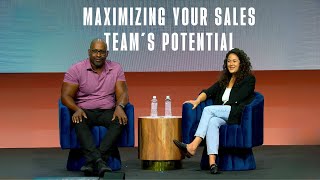
Brian Morris, SVP at Gold's Gym SoCal, took the company from 12 clubs to 24 by switching to HubSpot and cleaning up data. Leads jumped from 750 to 4,000 overnight after implementing Marketing Enterprise. He built automation for abandoned carts and QR-code capture, then emphasized cross-team ownership and rep adoption to make it stick.
Questions this video answers
2015.
From ~750 leads for 12 clubs to ~4,000 leads overnight.
12 clubs when he joined; 24 clubs planned next year.
HubSpot Marketing Enterprise, HubSpot Sales Hub, ClubOS, GymSales.
Solutions 1 and Softbox Solutions.
Chapters
Woo.
Hello, everyone, and welcome. I'm Cass Vetter, senior marketing Manager of Customer Proof at HubSpot. I'm thrilled to be joined by Brian Morris, SVP of marketing and sales at Gold Gym SoCal. So, to get started, we're actually going to do a workout that Brian's going to lead. I hope everyone brought their. No, I'm kidding.
Just kidding.
So today, first of all, Brian is incredibly pivotal in the success and transformation of Gold's Gym SoCal and has really earned the title of the largest group in North America. So that's incredibly exciting. Brian, I'm so happy to have you with us. Thank you for being here.
Yes, thanks for. Thanks for having me. And look, I want to start with the Goldstein SoCal tradition. So some of you put your phones down for a second, because it's Golsten SoCal. Every meeting we start with is someone asks you how you're feeling, you say, unbelievable. So I'm going to ask you in a second, how you feeling? And I want to hear unbelievable. So let's go. All right, inbound 24. How you feeling?
Unbelievable.
I'm feeling unbelievable, Cass.
It's incredible, and it's a great way to start this session. So today, we're going to be talking about how to maximize your sales team's potential. And there's no better example than Gold's Gym SoCal through the journey of Brian building an incredible successful sales team. So for those of you who don't know, Gold's Gym began as a modest facility in the 1960s in Venice Beach, California, bringing together bodybuilders, fitness enthusiasts and celebrities alike. Some of them you may know, like Lou Ferringo and Arnold Schwarzenegger. But before we get into your journey At Gold's Gym SoCal, I'd like to about talk. Take a step back to your journey in the fitness industry. How did you get started?
Well, that's a funny story. I was supposed to be a golf pro, and I decided to get a membership at a gym so I can stay in shape. And I found out that I was better selling memberships than being a golf pro or playing golf. So I found a company, Townsports international, back in 2000. Look, they're great. Great ride. I was a sales consultant in the last four years. I moved from sales consultant to vice president of fitness sales and operations. So I realized that I understood the gym industry at that point. After, you know, my time at Town Sports International, I moved on to California Family Fitness in Sacramento. Great organization there. We, you know, I had to. I was Tasked to bring sales to where it needed to be, bring structure. And it was there. I actually kind of started working not on strategy, but more on understanding the operations, how marketing kind of meshed with sales.
And so Fast forward to 2015. You joined Gold Gym SoCal. What did Willie and Angel Bunyos expectations of you when they brought you on?
Okay, so flat out agent Willie wanted me to sell memberships, make more memberships. At the end of the day, we need more membership. So I came on as vice president of sales and as I basically looked through the landscape, I said, well, we can get definitely get some sales, but we needed a marketing platform. We needed some sort of way to bring in leads or more leads. So that was, that was my goal. So I try to figure out how to get more sales through marketing.
And what made you realize that that was a good decision that, you know, walking in, understanding the landscape. What did you notice when you first joined.
Traditional means of marketing? Direct mail, door hangers and a Facebook page. Come on. We just had a Facebook page. That was it. All right. And then we try to figure out how we're gonna get leads coming in. It can't just have a Facebook page, right? We need a little bit more. So that's when I decided let's actually search out there for a marketing cloud marketing engine to actually drive a lot of the digital.
And that's when you actually became not only the VP of sales, but the VP of marketing. And so bringing in marketing hub and you know, bringing in an integration with the existing CRM that you had, things worked extremely well. And some things didn't. Can you tell us a little bit about that?
Well, yes, I gave myself the title of sales and marketing because that was definitely needed. But you know, it was really important for us to figure out like where the leads are coming from and then how our sales team is going to actually go after them. And so, you know, when we got HubSpot Marketing Enterprise, it changed the game. Like we went from 750 leads for 12 clubs to 4000 leads overnight. And so once we saw that, we said, okay, we don't have to pound the pavement all day to actually. Because that's in the fitness industry. That's the traditional means is pound the pavement, get out there, talk to people. And after a while the sales people just don't want to do that work anymore. So we were just finding ways to drive leads to so they didn't necessarily have to go anywhere. But we want to focus on them closing those leads.
And so what wasn't working well.
So the traditional means in the fitness industry for like we have, we took marketing enterprise for sale for HubSpot, but our CRM at the time was Club OS and then we moved to gym sales. And when you have a marketing enterprise and you have that CRM, you have to work with the integrations. And the integrations are not necessarily your best friends. What happens is that sometimes you lose leads. Right. Think of a tunnel, right, from one end to the other to get from one software to the next. And it was working great. When we first started, trust me, we were like on Cloud nine. But then all of a sudden you get breakthrough in the integration and therefore, you know, we're struggling. We're struggling for some months, like we would. The one lead through Google didn't make it to the actual CRM. And so we're trying to figure out, well, what are we going to do to actually fix that problem?
And I imagine that impacts rep. Adoption, data accuracy. It's.
Yeah, tell us a little bit about that. Well, the fact is that we needed to ensure that the data is, look, the data is only as good as that goes in that use HubSpot with. Right. So we needed to ensure that, like, as it came in, it got clean. We understood who they are, our people are, and then how we're going to actually, like, connect with them on a regular basis. We built buyer Personas. We definitely, you know, put in attributes in there for our sales teams to understand what they're contacting. So that was one of the biggest areas we need to improve on.
And so this couldn't last very long. Right. You had to make a change. So what was it that you did? Realizing that, you know, having everything in disconnected systems wasn't working, what was the next thing that you did after that?
Well, inbound 22 we were here. My marketing director, Nico, he and I decided that we're just going to actually take a look at, like, what's the next step? And we learned at Sales Hub. And look, I've had Sales Hub, I had one seat in Sales Hub and I didn't really utilize it to the degree we needed to also because I didn't think it was customizable for the fitness industry. But we were actually here with our, with the inventor of ClubOS, which is another, the other CRM we talked about, Dan Maxwell, he actually said, hey, we can do this. We can actually customize it. And so Nico and I looked at each other and said, look, do we want to sit back and actually chase leads not making it into the system? No. So that was one of the biggest moves we had to actually make at that time.
And so one of the things that I actually love what you did when I met you is understanding. Before you actually bought into Sales Hub, you did something very specific. You met with somebody. Tell us a little bit about that experience and what really sold you on Sales Hub.
Okay, so first off, moving to Sales Hub was not my sole decision. I had to get help my leadership group. I talked with angel, talked with Willie, and there was some debates. Like, we kind of had some fights here and there. Friendly fights, friendly fire. But what happened was that our friend, a friend of ours in the industry came to visit us, and his name's John Brady, out in Midtown Athletic in Chicago. And he told us that he actually moved to Sales Hub, and he said it was exciting. He was like, one of the best things that he ever did. So when he said that, angel and Willie go, okay, we should look at it. So, like, all right, so we flew to Chicago. Nico and I flew to Chicago. We met with John and his. And his leadership team. Fantastic group. They. You could tell that they actually, you know, did it very, very well with really good structure. But look, we're always trust but verify. Right? Trust but verify. So someone who's. Because sales is my native intelligence. So when selling memberships, I know the difference between what I think is right and what other that the leaders think is right. Right. So what I did was I asked John, I said, hey, do you mind if I spend some time with your sales teams? And he says, of course. Now you can go spend an hour with the sales team. And they could fake it for an hour. Right. But spend three hours and you're going to hear good, the bad, and the ugly. So we spent three hours and we heard more good than bad. And it was like they were really excited about, you know, working with sales Hub, being able to identify the leads coming in, but more importantly for them, it was like working in the same ecosystem.
I think that's so important. So many companies don't really think about the end user. Right. And so just making sure that the system that they're investing in is actually used and loved by the people that are going to be leveraging it on a daily basis is so important, I think, also speaks to the type of leader you are. And, you know, what happened when you adopted it and you started to implement? How did you get the teams involved?
Okay, so when we were in that sales pit working with the sales team, Nico and I said, okay, when we get back. We're going to bring in not just our, that's just our directors, our, our sales managers, our general managers, but we even brought in accounting teams, right? We said, hey, we're going to come into the room and we're going to sit back and we're going to actually really develop this the way we want. But it can't be what I want because I just, you know, I'm just there to help bring an opportunity and a vision. They have to be the ones that own it, right? They're the ones that have to develop the process. So they really got involved and looked at like for example, an abandoned cart cadence, right? Guys know what bandit cart is, right? We know what banded cart, right? So they looked at the cadence of like what those messages would be going back out and to actually make it fun, make it like exciting and, and they loved it because they got to see it themselves when it actually came back and forth. So it was really, it was really eye opening for us to actually have that team, those teams really help drive that actual customization.
It's a huge deal being able to give ownership and autonomy to those teams for them to actually come up with their own ideas. And I love that example. And you know, we talked about easy. So obviously adoption gets really high because the reps feel comfortable using the software now that everything's in one unified place with marketing and sales hubs together. Tell me about the dashboards. How has that been impactful for you and your teams?
They're my best friends, the dashboards. Look, I think, I think you get into a moment where you're always looking to get more data to look at, right? I could find many different things I want to see. Fact is though, the dashboards, our teams, our sales teams see the same things. I see. And we have everything broken out, right? So you, like, the first thing is lead to close conversion. And that's like all the leads coming in and what closes. Everyone should know what that number is. And then break it down from like, okay, all the Internet leads, all the walk in traffic, we have VIP guests. That means like if you're a member, you can bring a friend with you to come to the gym. We track that, we track the trials that we actually do. So we break it down to different categories. And then when you take the Internet leads, you need to understand, obviously, is a Facebook, is it Google, is it cross device display? Like, where is it coming from? And so my team now sees that and instead of me going to them saying we need to do better here and here they come to me and they say, oh, Brian, can you do more in Facebook? Okay, so you saw the dashboard. I got it.
And what are some of the insights, interesting insights that you've learned looking at the dashboards? Any kind of pivotal decisions that you had to sort of switch course on?
Well, every once in a while, like, you know, at the end of the day we, we do know like for walk in traffic, for example, right. In the fitness industry, our walking traffic has decreased where more people are engaging online and actually finding. So, so instead of like looking at it from one prism and saying okay, well what are we doing with the walk ins? We just say, okay, if we're getting more of the Internet, how we're going to actually break that down, how we're going to really go after the different buyer Personas within those people are coming in. So you fill out a landing page. The landing page gives us an idea of what your Persona is like and then we're able to actually really give you relevant content to allow you to actually come on in and with, you know, no hassle, come on in and have a great time working out.
And it's been almost 10 years since you joined Gold's Gym SoCal. It's obviously been a lot of time since you've been in the industry. What's been the, the highlights over the last nine years or so that you've been at Gold Gym SoCal?
Wow, it's been a blur. Tell the truth. When I came in, we had 12 clubs. It was really, it was really great to actually see how we grow, grown in the last 10 years. Now we're going to be 24 clubs next year. It was, you know, the people that came in as sales consultants, fitness consultants are now, you know, general managers, vice presidents, regional directors, like, so it actually brings a little tear to my eye because like, you know, you had a little something to do with like that career path that's, that's been really good, you know. But more importantly, our technology like Stack has actually improved, like bringing on, you know, like I feel we have one of the best technology vice presidents in the industry in Brian Taylor. Like he's, he's, he's incredible for what he's able to do because you know, a lot of things that I don't want to find anymore in the marketing, it because I don't, that I have a day job I don't need to do. He does all that. So that's actually been, been really good for us. But you know, overall like it's Just seeing the growth of our people that. And also look, since bringing on Sales Hub, we've had the best six months of sales the last six months. It's been awesome.
That's amazing. And obviously we have a lot of people here in the fitness industry and also outside of the fitness industry, you've had such incredible success. What advice would you give the audience?
Wow. Yeah. Purpose. I think the first thing is understanding what your purpose is, what the company's purpose is and having it defined. Then looking at the goals. What goals do you want to achieve? Are they measurable? And then look at your skill set. You got to look at your skill set and then the people that you're bringing on, what their skill sets are, you know, can they deliver in one aspect? If they're not there, can you step in right, if you had to. And then, you know, what is the reward at the end of the day you're looking for, what reward are you trying to achieve? And then how do you want that recognized? Sometimes it's not about money. Sometimes people like to be recognized in other different ways. So, so that's, that's pretty much what I, what I'd say from the get go. And then look, you have to have the right partners, the right vendor partners are key. You know, it's, we could not have done anything that we've done without our vendor partners. You know, I, I'll mention a few like one, like our solutions one partners, they're, they've been incredible in helping us in getting rewards and, and referrals coming through sweaty marketing. They do fantastic job in doing, in doing our HubSpot management. Right. They actually do help with the lead generation like that. We also have our another partner, Softbox Solutions. You know, they help us with PPC and SEO. So, you know, having the right partners and then also defining your purpose, also defining your goals, defining your skill sets, rewards and recognition I think is actually the best advice I can give.
I think that's great advice. And I have to say, I mean your decision to bring on marketing, I mean, it's every marketer's dream to have sales say how essential marketing is. So I love that. What are you looking forward to most in the future? And is there any takeaways from inbound that you're going to bring into that future with you?
Well, look, you know, last year I think the buzzword was AI, right? We first walked in here, it was like, AI, AI. And then we all walked away. We were like, what are we going to do with this AI? Then like now it's like, okay, it's evolved so much that, like, we understand that we have to now really plug it into many different elements inside of how people contact us and how we contact them. So we're going to be working on that when we, when we get back, you know, but also like, you know, Adam Jones, earlier today, like, I just learned about the, the LinkedIn connection. I thought that was incredible. Right? So that's something I want to actually, you know, go back with my team and say, hey, let's actually look to actually get that connected. But I look, it's been so far a great two days. Looking forward to the rest of today and tomorrow, so I'm pretty sure I'm going to get a lot more.
That's amazing. It's been such a pleasure having this conversation with you on stage. This was a dream to bring you here, so I'm happy that we got to have this conversation.
Thank you.
We're going to open it up to Q and A, but before that, we just want to let you know that we have a ton of other amazing stories that you can check out on the QR code here. So feel free. And yeah, if you would have any questions, please, there's two mics on either side. Feel free to line up and have your questions and we'll, we'll answer them.
Hello.
Hi there. Okay, do you have tips on getting that sales buy in to put the good data in and not just, you know, rush through it, but actually make sure that good data is getting into HubSpot so that you can use it? Like tips on getting them, I guess, motivated to really help out in that way.
Tips on getting the clean data into HubSpot?
Yeah. From your sales team?
Yeah. Well, for starters, don't have the mentor. I think in a lot of cases what we do is we want to make sure that the user enters the information as much as possible. So, for example, coming on into the club, a new client will actually hit a QR code and they will put in the data themselves. Right. We, even when, even when signing up a membership, we like the, we have a, we call it the fitness Consultant link. And that link allows the user to actually enter their own information as they're signing up and then pick the salesperson. So we try to find many ways to not have them enter the data at first. So that's the first recommendation I would give. Like, set up all the landing pages that allow you to, to actually get that data in without them entering it. And then the data that they do enter which for us, we see referrals, is, like, probably the biggest piece that data. Like, we have to always go back and actually clean that. But get an email verifier on the actual landing page, because what that'll do is to ensure that that lead is probably more legit than not. Great. Thank you. Thank you. Hi. So thank you very much for the presentation. That was amazing. I have a. You know, I'm always asking successful sales leaders, what is the one skill set that you're looking for in a salesperson that is avoidable when you're hiring one? What is that one skill set that you. That you're actually looking for? What is the one skill set you're looking from. From a salesperson? Right. I mean, I can only see what. When I was selling every single day, I had a relentless pursuit to close. It's just a relentless pursuit. I would actually ask you until you told me no. And if you told me no, I'll find a date to ask you next month. Right. So it's really just having. It's just being relentless in the. In the process and. And not being able, like, understanding you're gonna get no's nose is fine. Okay. But the fact is, how do we clarify, like, what we're actually asking you to do today, which is different from what you walked in, what you thought you were going to do? Thank you very much. Thank you.
Any other questions? All right, well, thank you so much. Brian will be around at the side of the stage if you have any other questions. You can rate this session in the app. Thank you again so much for being here, and enjoy the rest of your inbound.
Thank you.
More from Patrick



A NEW BREED OF PARTNER: The Partnership Ecosystem Model Journey of Patrick Biddiscombe, Part 1








Customer Success Workspace: Never Lose Sight Of What Matters Most | HubSpot Spotlight