The Playbook For Building A $1 Billion Creator Business
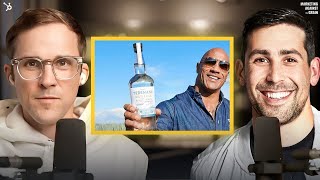
A podcast-style YouTube interview (published Aug 29, 2024) with Alex Lieberman (co-founder of Morning Brew and Story Arb) about building creator-led businesses and the leverage of distribution. Lieberman argues creators with trusted distribution hold outsized leverage; notes tailwinds for creators (democratized tools, longer long-tail audiences) and headwinds for paid acquisition (post-cookie world, increased competition). The episode highlights large inefficiencies in influencer marketing (discovery and manual measurement workflows), examples of creator-driven consumer wins and failures (alcohol brands, Epic Gardening), and the need for product quality and diversified marketing so a brand can survive if the creator steps back. Contains an ad read for a 2024 AI trends in marketing report.
Questions this video answers
August 29, 2024
Alex Lieberman — co-founder of Morning Brew and Story Arb
Approximately $24 billion last year (Instagram ~20+% of that)
Chapters
Hey, everyone. Welcome to today's show. We have a friend of the POD on today, Alex Lieberman. He's the co founder of Morning Brew and Story Arb and is one of the best creators and marketers we know. Alex is on. He's going to talk how you can steal some of the best ideas out there and bring them to your own marketing and bring them online to get an unfair advantage on today's show. Let's get to today's episode.
Every entrepreneur does fantasize about taking a massive swing in their career. And I too have fantasized about taking a massive swing in my career. When I think, first of all, I've, I've settled with the fact that if I don't, I will still be happy, it will be okay. But if I do find that massive swing I want to take, I think about what are the tools that I want to have to make this thing potentially as successful as possible. And what I likely will do in that next business, I find is have a co founder who either is technical or deeply operational. And so then it makes me think about what, what do I need to bring to the table? And again, I think sales and marketing is going to be a big piece of it.
This is actually a really good topic because Kip and I talked about this a lot, which is this kind of new category of creator led founders. Right. And you see it all the time in B2C. We've seen the Kim Kardashian, we've seen all of the kind of creators in there really usurp brands. Because marketing channels are set up today to reward personalities and to reward individuals, not brands. Right. The channels that are growing are all the kind of personality led channels. The ones that are actually declining are the performance marketing that usually brands are much better at because they have budget, they have the resources. And so could you speak a little bit to that? Right. Because we've said that we see that come into business and that's kind of what you're talking about, right? Is that I can create all of these business because me, I'm a creator and I have an audience that I can actually point in these different directions.
Yeah. So I mean, I just think about this all the time. It's like no matter what industry you think about, it's like the, the holders of distribution are the one of quality and trusted distribution are the ones that have all the leverage. So you think about that like in media, obviously a creator who has a deeply engaged business audience has a shit ton of leverage. But then I take it to a totally different industry which is like you look at like Target or, or Walmart. It's like every DTC brand who wants to get into retail will do, will bend over backwards, do anything possible to get access to their trusted distribution as well. It's like there's just this immense power of distribution. I think basically what you're describing is like the tailwinds. There's both tailwinds for creators and headwinds for marketing. The headwinds for marketing are that paid acquisition is getting less efficient partially driven by you know like the post cookie world that we live in. There's also just more competition like as big brands are allocating from traditional channels to digital. Like simply the, the demand supply imbalance is going to shift at the same time. You know, Influence has been around forever. Like an amazing book I'm reading right now is who is Michael Ovitz?
Oh, he's a fascinating character.
Yeah, he's out of his goddamn mind. But he's crazy. But, but this book is incredible partially because a business I've thought a lot about building is what would, what would a modern day endeavor or CAA look like? Like if you had to build like a talent business or what endeavor now is not even a talent business. It's like an entertainment holdco where what would that look like if you were to start it today? But like influence has existed forever. Like and for a while it was athletes and celebrities in la. The tailwind that exists is just now tools have democratized the ability for more people to create. And so what I actually think is like distribution. It's this weird thing where like social platforms centralize distribution. But there's this weird thing happening where actually I'd argue like a weird dynamic is happening where distribution is actually becoming more fragmented than ever before because more because the long tail of building audience is just getting longer and longer and longer every single day. And that's why I think like even a big challenge that I've talked to a lot of marketers about is as they try to pull back paid as they try to find efficient channels. One of those being like influencer and I know a ton of brands are starting to pour money, more money into like direct buys on YouTube. A big challenge they have is like hey, I want to spend $500,000 a month on a very specific demographic of creator on the Internet. I don't know how to spend $500,000 a month on it because I can't. How do I find all these people and how do I know if they're good and how do I know if they drive engagement? And so I think that that is what has partially driven the emergence of creator co founded brands. I think the other thing is creating creator driven which is being a creator is a slog like we just talked about. Like Lenny's done it for six years. Mr. Beast has done it for 14 years. Marques Brownlee, you know his first video when he was, when he was 11, playing golf on a golf course like it's a slog. And you, there's no way to get off the slog if you're just making money from brand deals. Yeah. And so I just think there's also more desire than ever before from creators and to build equity in something so that they have a possibility of retiring from content at some point in the next 20 years. Now what I will say is as that has happened, you've had some really good creator led businesses created and you've had some really horrible ones created which is just what happens anytime a market gets any time a market gets commercialized. You've seen the same thing in the newsletter space as you've seen Beehive get Big Substack, Convertkit. It's the same thing. It's no different from any other market where money is to be made.
Okay, I got a couple follow up things here. I just last night I did a show because Kieran, you were asleep and in bed but with the Wix CMO Omer and he's easily one of the best CMOs in technology. And I asked him what's been the single biggest change in his marketing mix over the last 12 to 24 months. He said influencers. He's like, man, you know, I've done Super bowl ads, I've done all of these things. We are all on influencers. It's all indirect, you know, measurement. It's fascinating. And he is somebody who's at the pulse and is and is better at finding arbitrage than most people. So it's like a really good strong signal point.
Yeah. And no, it's also just crazy is how much inefficiency there still is in the space. Not just in terms of finding influencers, but I was talking to the person who ran influencer marketing at Klarna last week and still in the space if say you say you're a, especially a consumer business who a lot of your influencer marketing is focused on Instagram, which still Instagram is the largest platform for influencer marketing. Do you know how they like do analytics and reporting for Instagram influencers, every influencer that works with them has to send a screenshot of their analytics of their impressions and then someone on the back end has to create a spreadsheet of it. Like the fact that that's how an account like the influence influencer marketing economy was 24 billion last year. I can't. I think Instagram was 20 something percent of it. Like that's how the this marketplace operates. So imagine when it does get more efficient what things can look like. It's pretty interesting.
Yeah, it's still pretty nice. I'm trying my. I'll let you. I'm just. I'm gonna pass through you kept. I'm trying my best not to talk my book here and insert my latest seed investment.
I was gonna let you get to the influencer marketplace.
I have to like shout out the guys passionate. I did a Q A for great, great company, good investment. So user perfectly set it up so I have to like mention them. So carry on.
At some point I actually do want to know what passion fruit is. But what I will say is in the B2B space, so. So I think there's an interesting question which is like creator businesses or creator marketing? First of all, it always does feel generally in B2B like B2B is late to things. And I'm curious of why that I have that feeling or like there is that reputation. Is it a fact or is it.
Feeling it's a fact.
And okay, so one I'm curious like why is that a fact? Like are B2B marketers on average less creative and innovative marketers than B2C or like. Or is it just because you have to worry about like performance way more significantly because it's all about demand gen, whatever it is. Like I'm interested in that. But what's interesting is I think what happened was the initial creator deals were in the alcohol space and you saw some huge wins, right? You saw taremana tequila, you saw proper Irish whiskey, you saw aviation gin. And I think a lot of people saw this and they were like, oh this is easy. You just attach a big name and you freaking crush it. I think then what you saw was some other celebrities launched alcohol brands and they didn't do nearly as well. And I think there's a big reason for it is like the. The best quality creator was skimmed first and then like there's a huge drop off from there in terms of engagement, interest in the creator, etc. The other thing is, is the alcohol market is like the exception, not the rule. Is the definition of a commoditized product that has repeat purchases for literally decades on end. So it truly all that matters is brand and marketing as you start working into other products. So the next stage was like consumer where it was like apparel and other consumer beauty product different differentiation actually starts to matter a little bit more. And I think what you saw was a lot of creators joining up with operators and on both ends they were like let's just buy the same exact product from the manufacturer in China. Let's slap our marketing and your, our brand and your marketing on it and it will work. And I think that just didn't prove to be the case.
Hey everyone, quick stat for you. AI usage has increased 53% since last year. And you know how I know that? Because I just read our brand new 2024 AI trends in marketing report. This report is packed with original data. That data not only highlights the latest in AI trends, but also shows how businesses today they are using AI to grow their business. You'll learn the top five AI tools for marketers, exactly how teams are investing in AI and where they're seeing the return on their investment. And you get a data backed answer to the big question, is AI helping or hurting my marketing career? I invite you to steal and take all of our hours of research for free. Grab your copy from the link in the description below. Now back to today's show.
And so I and so I think unfortunately building a creator business that can long term be a great business is a business where the creator is the best first marketing channel and then like if hypothetically they disappear two years in the future, you have to have confidence that the product is good enough to stand on its own two feet and you have a robust marketing program outside of the creator. The best analogy that I think of is like Kevin Espiritu who started Epic Gardening, which again shows the value of niches on the Internet. The guy has 3 million subscribers on YouTube around gardening. The way he always referred to it is if you look at like a rocket that shot up from Cape Canaveral. It has the, the boosters on the side. The boosters fall off. Fall off when they get to the outer atmosphere of earth. That is how a creator should operate as part of a business.
The data is wrong every freaking time.
Have you heard of HubSpot?
HubSpot is a CRM platform where everything is fully integrated.
Whoa. I can see the client's whole history. Calls, support, tickets, emails, and here's a task from three days ago. I totally missed HubSpot Grow better.
More from Patrick



A NEW BREED OF PARTNER: The Partnership Ecosystem Model Journey of Patrick Biddiscombe, Part 1








Customer Success Workspace: Never Lose Sight Of What Matters Most | HubSpot Spotlight