Tips on Growing YOUR Personal Brand On & Offline (2024)
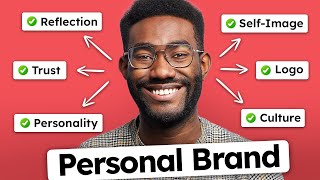
Patrick Biddiscombe breaks down personal branding across online and offline channels. Focus on consistent value for a specific audience, use authentic stories and real conversations to build trust, keep your visual style and voice the same everywhere, and build a website that turns interest into customers.
Chapters
What is it about someone's personality that makes a brand so compelling? We love to buy from people who we can relate to and who we trust. In this video, I'll be showing you how to tap into that part of our fascination with personalized brands and influencers. Truth is, building your personal brand isn't about you, your product, or your service. And it's definitely not about chasing the spotlight, despite what some influencers might lead you to believe. I'm not going to say any names, but it's me. I've been part of the problem. So what is personal branding really about? It's pretty simple. Consistently delivering value to your audience over time until you become an authority. When you do that for long enough, you become someone people trust. And that starts by shining the spotlight on the things that they value and not on yourself. Then and only then, can you start to share how your product or service can help them. But you need to earn the right to do that. So let's talk about how. First, couple of things you need to figure out. Who are you and who's your audience? Let's start with your audience. If you want to build a reputation as someone who cares about their customers, then you better know those customers inside and out. I'm not talking that Pixar movie, although that is a banger. Where do they buy? What do they care about? Who do they hang out with? Where do they hang out? If you can't answer these questions, you're going to struggle to consistently connect with your core audience. Every piece of content you put out, whether it's written, a video, a podcast, or any other format, you need to have a compelling hook that's going to grab your target viewers attention. And one of the biggest ways to do that consistently is to know what they care about. Once you know what topics and themes truly speak to your audience, you need to feed their hunger for information on those particular topics. Which means you've gotta be playing the long game. This is the difference between a game of Monopoly versus a game of Risk. One of those. You go through multiple generations to get there. That's the kind of investment we're talking about. Because unfortunately, one great post doesn't mean one new client or 100 new followers. In fact, when you get started, you're gonna see very little engagement. You may even have some content that gets no engagement at all. Hmm. Not a fun feeling. But it's a natural part of the process. No one goes from zero to 100 overnight. It might feel like they do, but take a look into every influencer's early viewings and readership figures, and I guarantee they'll be a fraction of the numbers they pull in today. Don't believe me? Check out all your favorite influencer and scroll all the way back to their earliest content. Take someone like YouTuber KSI. He started out recording himself playing games in 2012, getting in the low tens of thousands reviews. Fast forward to today. He's the star of an Amazon documentary and drawing in millions of viewers each time he posts content. KSI may look like an overnight success, but he spent over a decade growing his brand and it'll be the same for you. You're building value, and like any architect, you have to lay the foundations first. Rome wasn't built in a day, my friend. So focus first on growing a deck of useful insights. You can't just talk about services and products. You're building a community and that takes time. Think of every piece of content you create as planting a nice little seed. You can't grow a mahogany oak overnight. Takes years of watering and lots of sunshine. Maybe a little mycelium root in the ground to really get that boy to germinate. So don't get discouraged if people don't immediately respond to you. The Internet's a competitive place, but a long term value will always win out eventually. Okay, so those are the principles for building content that matters. Now let's talk about you. I know I said it's not all about you, but it is probably about you. If you've got the insights, then you need to deliver them in a way that connects with people on a personal level. One of the best ways to connect with your audience is to tell your story and embrace your own uniqueness. You're probably not a professor giving a lecture. Talk to people as though you were speaking to a close friend or a close colleague. And remember, open and honest storytelling resonates with other people. We're built to tell stories and to receive them. Find parts of your life to share with other people that are lessons you've learned. Think about every person who taught you a lesson. Tell their story and how it impacted you. People can tell if you're being disingenuous. Bring authenticity and vulnerability. Talk about mistakes you've made. People with big profiles can look like they have everything figured out and there are no issues in their lives. Show your audience that that you're no different than them and that they can do everything that you have. The other thing to keep in mind is that people buy from people more than they buy from brands. If you're running a business, your face can do more for your brand than you think. After all, people like to think that they're buying from another person, whether that's a store in a clerk, an assistant in a clothing shop, rather than some giant conglomerate. We're all very social creatures, and there's evidence that using faces in marketing is better at capturing people's attention. When you look at your own face or someone else's, your brain literally fires up. We're designed to want to interact with other people. Think of a company like Tesla. One of the most talked about brands on the planet. Tesla has just under 20 million Twitter followers. Elon Musk has over 133 million Twitter followers. People don't just buy from Tesla because they make cool cars. They buy from Elon Musk. They're buying his car. It's the same story with Apple and Tim Cook, Microsoft and Bill Gates. The list goes on. People want to hear from the person behind the brand to let people know who you are and what you stand for. What I stand for personally? A nice little glass of milk and a chocolate chip cookie. That's my platform, that's my brand and I'm sticking to it. Be prolific with your content. Amplify your message wherever your audience is. Even being present at events and putting yourself forward for awards is a great way to make new connections and build your credibility. I know people can be sniffy about awards, but deep down we all inherently respect folks up on a stage to some degree. And more exposure for you means more exposure for your brand. But remember, you're not about the spotlight. You're the person who shines the spotlight on things that are interesting to your audience. That's a key difference that leads me to another great tool for building influence. Meeting people I know influencing is normally thought about as something that happens in the online world, but people still live and work in the real world and you should be there too. There's nothing better than face to face connection. It's way more impactful and memorable. Here are a few ways you can be present. Have coffee dates Offer to take people out who can be your mentor who you can mentor. Take them to your favorite cafe. Connect over things that matter to the both of you. Attend events, shake hands, get a better understanding of people's needs and priorities and figure out ways you can help. Then offer to help and attend courses online or offline. Connect with fellow learners. Share advice and lessons and online learning. You can also share content from people that you admire. This does a few things. It puts you in their good graces and means that they're more likely to return the favor, and it also associates that content to you in the minds of your audience. LinkedIn in particular is great for this. Check out how to grow your network and generate leads here. This is all about sharing knowledge and reciprocating value with other people in your domain. And while it's important to build relationships, you also need to develop your own unique brand. This is all about how you present your content to the world. When people see your content, aside from the title of the publisher, they'll probably go, oh, this came from Jerome. I'm going to assume that your name is Jerome. If it's not, hopefully we can find a Jerome to watch this video. Here's some of the things you need to decide about the makeup of your brand. What colors, footage and style do you use? Is your content humorous? Serious, deep dive research, short snappy articles, or something in between? Consistently posting content is one thing. Consistently posting consistent content is another. People should be able to recognize your content from how it's presented, not just who's presenting it. We've got a ton more about brand style guides in this video here. Everything we've talked about today is about credibility, about you selling your value. We've already spoken about the need to become a prolific content publisher. You also need to build a product ecosystem to attract people to your world and your products and services. The best way to do that is through a website, a one stop shop for everything you present and can offer. It doesn't need to be super sophisticated, but it should reinforce who you are by gelling with the content you've been sharing. Oh, and that content should definitely drive people to your site because that's where your product or service lives. A few tips to keep your website consistent with all the content that you've been putting out there. Use the same design tree. Use the same colors, design choices and similar imagery to ensure your whole brand looks like a cohesive single entity. If your content and website look nothing alike, people will suspect your credibility. There are going to be some questions. Let's not give them that chance. You also want to use the same tone of voice. Remember, you're the face behind the brand. People want to feel like they're interacting with the same person. Just like with your design, you want everything you produce to feel like part of a unified brand. If you have a super casual and friendly writing style on social media and then your website copy sounds like you've been written by a college professor, it's going to throw some people off. Don't let wonky copy fracture your brand experience. And people also need to be able to buy from you. No money's pretty nice, to be honest. Seriously, we've spoken about the importance of deprioritizing sales when you're building an online presence. But of course people need to be able to buy whatever it is you're offering. If you want to know more about building a website that turns visitors into customers, check out our video on Web Conversion tips. If people are heading to your website via your content, it's because they want to know more than what you've given them. That's why you need an easy to access and clearly labeled hub for all your content. And would you look at that? A strong library of content, loads of valuable insights, a constant focus on your audience, a website with all of your offerings, strong relationships around your industry. You're starting to look like someone with a very serious profile, my friend. Great job. So let's sum up. The best influencers strike a balance between focusing everything they do on creating value for their audiences or bringing their own brand of secret sauce to the table. Through their personality, enthusiasm and creativity, you bring something to the table that nobody else does. Combine your own uniqueness with a cause people care about and you'll have foundations of a great brand. If you want to build your profile, your job isn't to make it all about you. It's a bridge between your audience and the things they care about. You need to build a brand that's familiar, that's infused with your own tone of voice and unique personality. Be prolific. Share your content consistently and over time you become a curator of insights that nobody else can copy. Be present. Let people see your face online and offline. We're social creatures. Find real life opportunities. Opportunities to connect with people. Step out of your comfort zone and say Shalom or Sakpase as they say in my country. Bring people around to your way of thinking and you'll be an authority. Could take months, could take years, but if you have something meaningful to offer, people will come to you. So get started. I want to see what you've got. And if you've already started one, I want to know how are you growing your brand? How are you connecting with people? Let me know in the comments below. If you're looking for a great way to get started, check out our free guide on how to build a brand in the video description and don't forget to like and subscribe to the channel. Now, if you'll excuse me me and Elon Musk gotta go touch base. Since we're both influencers, we got some big influencer stuff to talk about. You. You guys know how it is. You know what I'm saying? Until then, I'll see you next time. I can find this client info. Have you heard of HubSpot? HubSpot is a CRM platform, so it shares its data across every application. Every team can stay aligned. No out of sync spreadsheets or dueling databases. HubSpot grow better.
More from Patrick



A NEW BREED OF PARTNER: The Partnership Ecosystem Model Journey of Patrick Biddiscombe, Part 1








Customer Success Workspace: Never Lose Sight Of What Matters Most | HubSpot Spotlight