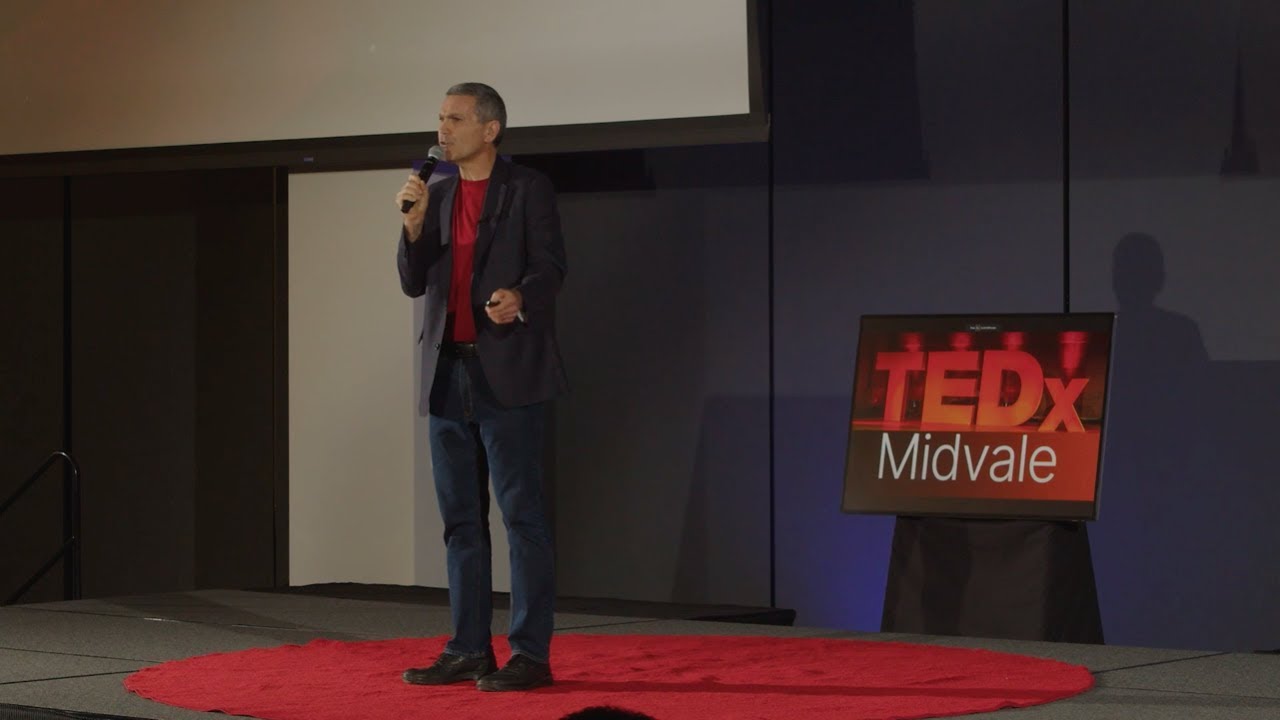
In this TEDx talk, Pete Alexander shares his personal journey of facing 89 TEDx rejections, a dysfunctional family background, and a stress‑induced diabetes crisis that nearly cost him his life. He explains how chronic rejection triggered hormonal spikes, insulin resistance, and a severe ketoacidosis episode. Drawing on research from Psychology Today, the Cleveland Clinic, the National Library of Medicine, and the Mayo Clinic, he presents three practical ways to cope with rejection: (1) become your own loving parent, (2) reframe rejection as a signal to change direction, and (3) use laughter to neutralize the stress response. He demonstrates a forced‑laugh exercise, cites the “emotion‑creates‑emotion” theory, and shows how laughter can physiologically reduce stress. Alexander concludes by describing his post‑crisis achievements—a bestselling Amazon book, certification as a laughter‑yoga teacher, and work as an improv performer—illustrating how he transformed rejection into purpose and community impact.
Chapters
Loser, loser, loser. No, seriously, that's how I felt after getting 89 rejections by TEDx organizers. Rejection is one of the worst feelings. It doesn't matter if it comes from a close friend, a family member, a coworker, or the person who you asked out on a date and they looked you right in the eye and said, "No!" Rejection sucks! It makes us feel worthless. However, I'm here to give you a different perspective on this dirty word. According to a study published in Psychology Today, recalling a recent rejection experience causes people to score significantly less on their IQ tests. And recalling 89 rejections by TEDx organizers would basically make my IQ test zero because they don't allow for negative numbers. I grew up in an extremely dysfunctional family, one where I never felt good enough, especially as it related to my dad. I remember being in 6th grade, and I was living with him and his 4th of 5 wives. Told you, extreme dysfunctionality. And I got a grade of a D on my midterm report in geography, and my dad was livid with me. So I worked really hard, and by the end of the semester, I had raised my grade up to an A-, and I was so proud of myself. When I showed my dad, he shrugged and said, "Why didn't you get an A?" I could write a book on all of the occasions where I didn't live up to my dad's expectations. However, I've made peace with it ever since he was in hospice back in 2008. I know now that he was only trying to help with his comments, but the words he used when I was young reduced my self-esteem and diminished my self-worth. All through my childhood, I tried to get my dad's approval. And this led me to become a toxic perfectionist, something that the Cleveland Clinic describes as feeling not good enough and never really taking satisfaction or joy over one's own accomplishments. As an adult, anytime something didn't go perfectly, it caused me enormous stress. And unbeknownst to me, until I researched this at the National Library of Medicine. Every time I experienced rejection, my blood sugars rose dramatically as hormones were being released into my body in response to my stress. This led me to become insulin resistant, and in 2008, a diagnosis of stress-induced diabetes, even though diabetes does not run in my family. Some believe that stress alone does not cause diabetes. I beg to differ. About 10 years after my initial diagnosis, I ended up in the emergency room, one hour from being comatose and an extended stay in ICU with a severe case of diabetic ketoacidosis. My body was eating itself alive because of my stress. Gratefully, I've discovered 3 ways to overcome rejection that I'd like to share with you tonight so that you don't end up in a hospital bed like me. My first suggestion is to become your own loving parent. I learned this in my 33 years as a fellow traveler in the 12-step program Adult Children of Alcoholics, and dysfunctional families. Maybe someone, or yourself, installed the false belief in you that every time you're told "no," that automatically means you're a loser. Instead, re-parent yourself with love and understanding, and redefine the word "no" as it has nothing to do with your personal character. Because it doesn't. My second suggestion is to reframe rejection as the universe letting you know you need to do something different. Whenever we extend ourselves beyond our comfort zone, like giving your first TEDx talk, we inevitably run into roadblocks because we're in uncharted territory that we've never been before. Another example: let's say you dream about being a surgeon, and you go to your local hospital, walk into the OR, and beg a doctor to let you make just one cut because you saw how it's done on a YouTube video, right? Of course you're going to get a resounding no, but that's not defeat. That's the universe letting you know you need to do something different, like go to medical school, get surgical training, get your medical license, etc. And my third suggestion comes directly from my 89 rejections by TEDx events. Don't ask the TEDx organizer if clothing is optional. That's an immediate rejection. But seriously, rejection is a temporary feeling according to Psychology Today. And the fastest way to overcome that negative feeling is to laugh it off. My hospital bed example shows that stress has the power to make you very sick. However, clinical research from all over the world indicates that laughter has the power to do just the opposite. The Mayo Clinic says that laughter relieves our stress response, increases our personal satisfaction, and improves our mood. So I'd like to do a quick demonstration with all of you on the power of laughter. Go ahead and hold out your hand as if you were holding your phone and imagine you just received a rejection text or email message from a person or organization that you respect. And think about how that rejection message would make you feel. Now with your other hand, go ahead and point at your imaginary rejection message. And together we're going to do a forced laugh for 5 seconds. For about 10 seconds, like this.
Hahaha!
Come on!
Hahaha!
Now, how do you feel? Lighter and more energized? Yeah. As smart as our bodies are, they don't know the difference between a real and a forced laugh. It only knows that we're actually feeling good, and it's according to the emotion-creates-emotion theory. And laughter is the great equalizer that I used to overcome all of those rejections by TEDx organizers. Instead of taking it personally, I turned it into a fun game, and I laughed off Every rejection. I continued to apply to different TEDx events because I wanted to figure out how best to frame a talk so that it would get accepted. And my 90th application, TEDxMidvale— spoiler alert— I got it!
Thank you.
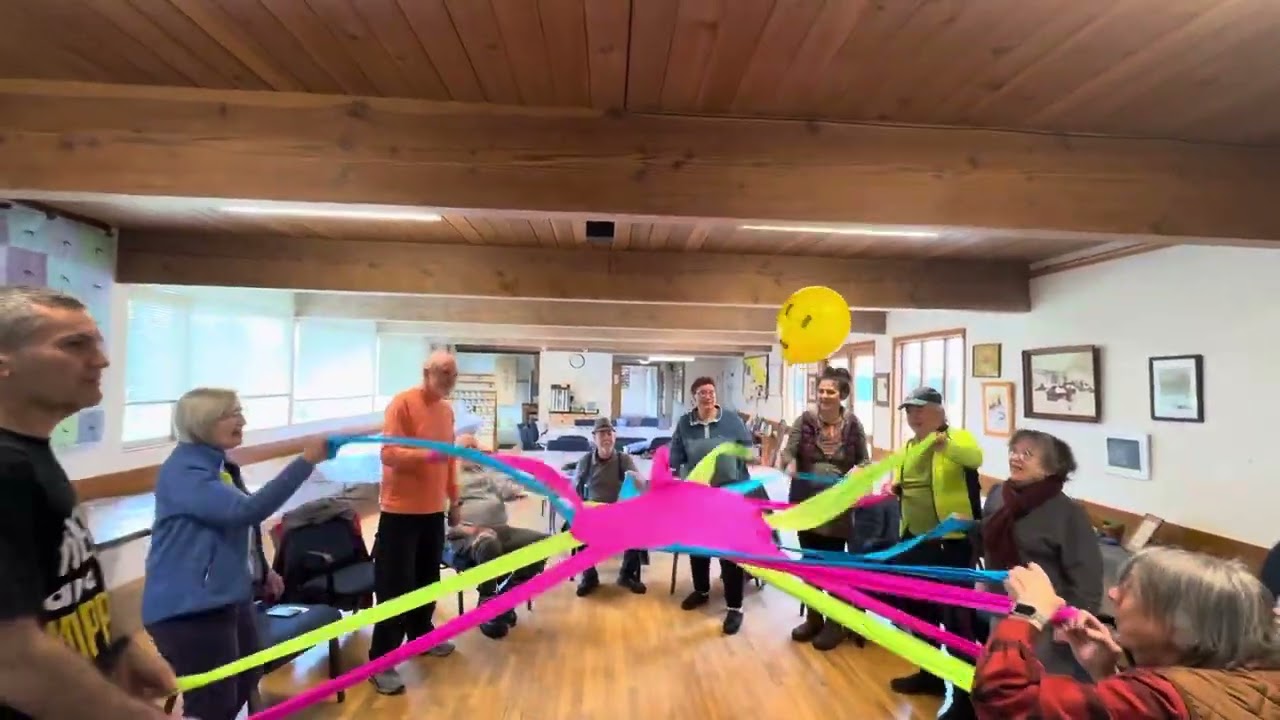
Stress and rejection nearly cost me my life. And after my health scare, I decided to write a book about my experience, and it became an Amazon bestseller. And now I get to spread laughter throughout my community as a certified laughter yoga teacher and as an improv comedy performer. Laughter has become a wonderful part of my life. So the next time you experience rejection from a person or or organization that you respect? Ask yourself whether or not this level of self-torturing is worth it. Instead, become your own loving parent. Remember that the universe is giving you signals on your way to success, and replace rejection with laughter.