The Technology Measurement Masterclass: A framework to measure & navigate engineering performance
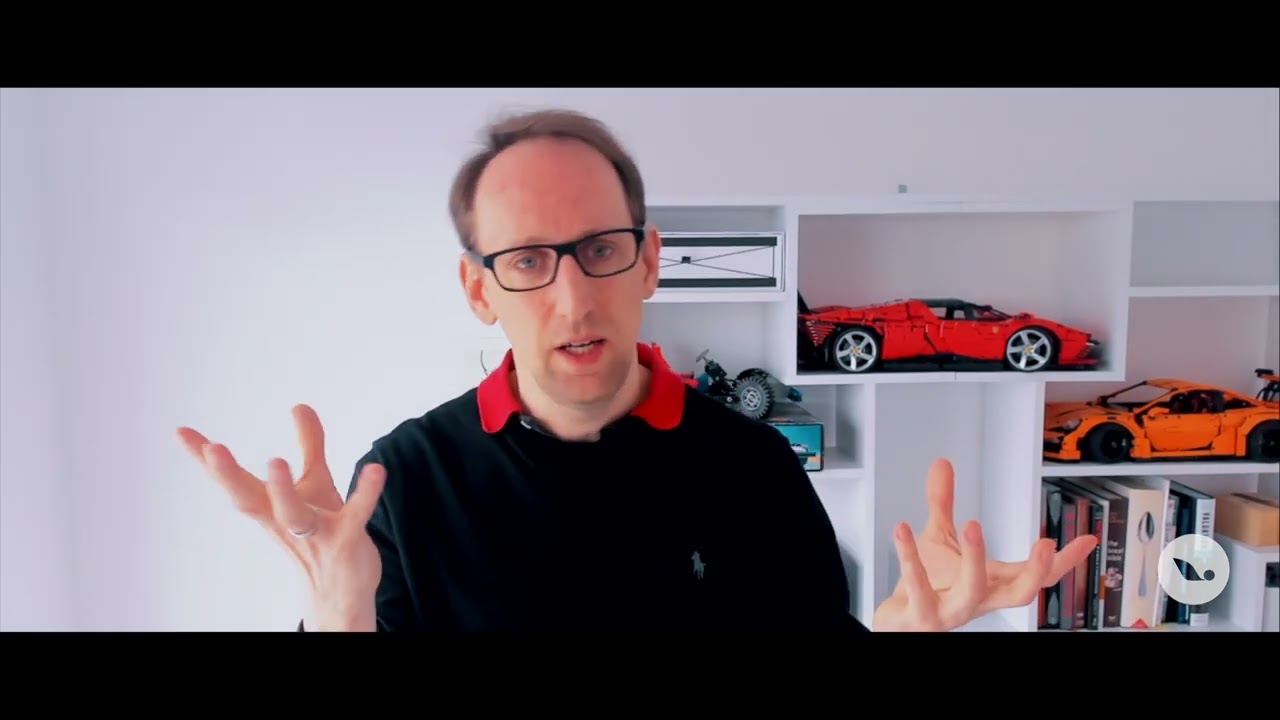
Klaas, a technology advisor, argues that engineering is treated as a black box where companies invest resources but can't see how that translates to products. Story points and velocity only show input-output correlation, not cause and effect. He proposes measuring engineering through four pillars: operational needs, delivery, financials, and team health.
Chapters
More from Pete


Why culture will be the biggest strategic driver for B2B SaaS and AI-native businesses in 2027.

How to Make Your SaaS Indispensable: Criticality & Rarity Talk with Pete Crosby, CEO at Revelesco


Whole Revenue Strategy: Why Revenue Isn't a Sales Problem | Pete Crosby, CEO at Revelesco



Revelesco helped me sleep better at night. The reassurance every scaling SaaS CEO actually wants



Inputs vs Outputs: Charlie Casey on LoyaltyLion's 2x ROI Growth Audit | Revelesco Case Study