Building A Culture Of Success In Your Home Service Business With Mick Carbo
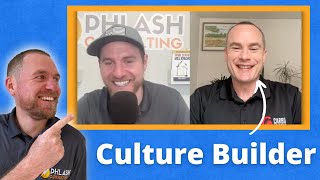
A YouTube interview (host Phil Risher with coach Mick Carbo) about creating a culture of success in home‑service businesses. Mick shares his personal backstory (lost a business around Oct 2007–2008), explains his ontological coach training, and discusses practical coaching for common issues in $1M–$10M home‑service firms: firefighting general managers, hub‑and‑spoke owners, lack of clear expectations, conflict avoidance, and weak communication of strategy. He emphasizes coaching cadence (weekly/quarterly/annual meetings), setting clear agreements, building trust/empathy, and patience when shifting culture.
Questions this video answers
April 29, 2024
carbocoaching.com (spoken as 'Carbo coaching dot com')
Search for 'Mick Carbo' on LinkedIn.
End of October 2007, going into 2008
Chapters
Welcome back to the show. I'm your host, Phil Risher. And on today's episode, we're going to be discussing how to create a culture where you and your team thrive. We have Mick Carbo with us today. Thanks so much for joining us, Mick.
It's a pleasure, Phil. Thanks for having me, man.
Yeah, absolutely. Mick and I, we, we actually live not too far from each other, surprisingly. But somehow we crossed paths on LinkedIn and then we realized that we were, you know, kissing cousins in Maryland and we're like, we hopped on it on a zoom just to like get to know each other and see if we could potentially work together in some capacity. I was like, man, you have a lot of great information, so come on the show and share that wisdom with us. So could you give us a little background? How did you get into coaching for home services? I think you owned a couple companies and stuff. Can you tell us a little about that?
Yeah, sure, man. I've, I've, you know, I jumped right out of high school thinking that I knew everything and I didn't need to go to college and just went and started a business, my wife and I. And so I went to work for actually her brother in law for a couple of years and learned the flooring installation. Basically lost everything, man. Like, you know, I was, I was young, I was arrogant, like I said, I thought I knew it, knew how to do everything. And, and we kind of failed, man, to be honest with you, and ended up having to move my wife and three kids into my mother's basement. Lost our home and everything. And so it was, it was kind of terrible, man. That was back at, in October, end of October 2007, going into 2008, when everything kind of went crazy. And so, you know, you might be, you might imagine, like that was a terrible time for me. I got super down on myself, super depressed, you know, called myself every horrible name under the sun and, but looking back, a profound journey of personal development. And I really like, you know, through the work that I did on myself, I was able to really reinvent myself and transform my relationship to, you know, myself as a man, a husband, a father. And I share that because in a businessman, right? And I share that because part of that journey, part of what was integral to that journey to me was hiring a coach. And I had started another company. It was a jewelry business actually. We bought and sold people's unwinding up and, and lose it all. So I might as well see if I can get some help and, and really trained and really Only to, to become a better coach and a better acting is I really fell in love with this idea of, you know, supporting, supporting people and supporting businesses to really grow and thrive. And so, you know, starting out as a coach, you kind of attract people that are similar to you acting as. I really fell in love with this idea of, you know, supporting, supporting people and supporting businesses to really grow and thrive. And so, you know, starting out as a coach, you kind of attract people that are similar to you. So I started attracting a lot of, you know, contractors and blue collar type of businesses.
Yeah, one of the things that stuck out to me when we talked before, you know, to the audience, I come across a lot of coaches or EOS implementers and these types of people, which are great and good people and EOS is a great system. The thing that stuck out about when I was talking with you is that you don't prescribe necessarily to a specific type of solution. It's more so about fixing the current problems that you have in your business when it relates to like a home service business. You mentioned going through some training though. I'm curious.
Like what type?
Like, you know, the coaches. Like what type of training do coaches actually go through to become coaches?
Yeah, that's a great question, by the way. And we can talk about this later if you want. I actually do work with pretty closely with an EOS implementer. We, we actually refer business back and forth to each other, which is super cool. So that, that could be something interesting to talk about. But, and I bring that up now because he and I actually got our coach training through the same organization. That's how we know each other.
Okay.
I've known him for a dozen years now, plus. And so the organization that I got trained through is called accomplishment coaching. And it's, this word is gonna maybe throw people for a loop, but it's, it's an ontological coach training program. Ontology is the study of being, right? Like the study of the nature of being and in particular the nature of being a human being. And so, you know, I was, I was essentially trained how to coach anybody around anything when it comes to like relationships or you know, money or time or leadership, you know, all these different things. So that, you know, people who take this program that they'll go out and they'll, they'll call themselves either a life coach or a leadership coach, or a business coach, health and wellness coach, because it's applicable to pretty much any situation. And so that's where the coaching skills training came from. And, and then in order to be a coach, I really feel like you've got to be, you know, you've got to be really leaned into personal development. You got to kind of stay a step or two ahead of where your clients are at in terms of their own personal growth and development. So, you know, other additional training comes from just like I'm a super avid reader, I love leadership, I love business, I love, you know, learning about that stuff. So I read a lot, listen a lot, and I've taken a bunch of different training programs that are on more like nuanced kind of specifics to the field, if you will.
Yeah, so I'm glad you brought up the EOS implementer and I want to sit there a little bit. So yeah, if there's can, most of the audience is going to be around 1 million, 10 million in revenue and their home service business owners of some sort. Those types of people are trying to implement EOs. They need an integrator, they're trying to build out their executive team. Are there common issues that you see that you get given problems to solve? If you could maybe list off one or two that you typically run into, Are there typical ones that you run into and then solutions that you would recommend?
Well, I, I, you know, I really, I really feel like the, you know, it's the, it's the people, like putting people, the right people in the right seats and then when do you move them around? When do you invest in coaching and, and, and growth and development for that person and when is it time for them to go? Right. And so there's no, I feel like there's no black and white, like super easy answer to that question. That, that is a one size fits all, if you will. And so, you know what, what we do is we come in and we. Good.
I was going to say, let me throw out an instance to you. Someone has a general manager and they're a firefighter. They're running at all the problems. They're not delegating, they're not co, they're not coaching their team. They're. That business owner is like, what, what coaching do I sign them up for, Mick? Like, what do I even do for this person? Because they're just naturally running to all the problems and they're not actually managing anything.
Yeah, well, I think that one of the, an EOS is great for this because it's very system and process oriented. So either, either way, regardless of whether or not a company is, is using, is, you know, using the EOS system, you know, part of that is a step above that general manager, you know, meaning, like, you got to be doing performance appraisals. You got to be doing them regularly. Regularly, at least once a year, if not twice a year. You've got to be sitting down with this person and giving them feedback, you know, setting very clear expectations, making very clear agreements and, and you know, pointing out when they are not living up to the standard. Right. And so the type of coaching that that person needs is they need, you know, somebody to sit down with them, somebody to take an assessment of, you know, what their strengths are, where they're falling short, what the, what their goals are and making sure that those goals are aligning with the company's vision and mission and strategic plan for the year and all of that. Right. And then, you know, coaching is a very. It's not magic. You know, a lot of people think they're going to hire a coach and the coach is going to say these magical things. You know, it's going to be like a Tony Robbins experience. And, you know, all of a sudden they're going like, you know, all pumped up and ready to take over the world. Right. But I, what I like to say is that, you know, motivational speeches are like fast food. You burp once and you're hungry again. Right. You know, so coaching is very methodical. It's a very, you know, step by step process. We're gonna, we're gonna look at all those things that I said, all those goals, make sure everything is aligned. You know, take a look at this person's attitude, their mindset, you know, how they, how they are with people. That's the kind of, the being piece of it was alluding to before. And we make a plan, and those plans are usually chunked down by quarter and by month. And you know, there are some actions to take week to week. And then it's the process of sitting down with a coach and talking about, hey, what worked, what didn't work, what got in the way. And, you know, the coach's ability to be very direct and give that, you know, bold, you know, sort of hit them between the eyes kind of feedback to make sure that they are. Sorry, I just got distracted by that. Thumbs up.
Yeah. Hit you with a thumbs up.
Yeah, yeah, yeah. Oh, thanks, man. I appreciate that. But, but, but, yeah, it's like, you know, the, the kind of coaching they need is maybe not the question as much as it is the coach that they need. You know, coaching is very relationship driven and the coach has got to be willing to be, you Know, like I said, very direct and kind of hit people between the eyes, but also have like a. I've got to be able to have rapport with you and a relationship with you such that you trust me and you're actually willing to, you know, let me kind of knock you around a little bit. But from, you know, I'll use the word love like it's my job to care about you and care about your success and care about your team success and the company's success. And from that place and. And with that agreement intact, then I'm able to, you know, be really challenging to a person.
And so, yeah, yeah, I can appreciate that. That was something that I had a lot of struggle with in the. In the beginning of running a business. And I think a lot of business owners have that is you want to be the nice guy or the friendly person. And when you think about all the great coaches on the sports team, they're not best friends with their players. They are pulling out all of those things because they know that they can be great, and this is what they need to do to be great. And I just want you to be great and live to your fullest potential. And I think to your point, when you look at it that way, it's like, I'm here to coach you so that we can be the best that we can be and you can be the best version of yourself.
Yeah, yeah, yeah. And you're not, you know, you're not paying me to be your friend. And, you know, you've got. You've got a lot of those people out in your life. Go hang out with them when you want to.
That's right.
You know, when you want to hang out and have a beer or whatever and just chill out. But, you know, talk to me. If you really want a difference to be made for you and you want, you want. You want different results.
That's right. So. So going back to that firefighting situation, the. The resolution that you would recommend is that clearly this person does not have defined roles. And also, maybe you haven't provided the feedback to them that says, hey, you need to stop running to these fires. You need to go do this, and I'm going to be here every single week, and we're going to outline this stuff. And maybe it's more of having some structure to it, because a lot of business owners, they're running around, they just see this guy running to fires all the time, and they're just, like, getting so annoyed and frustrated. But what you're saying is, yeah, you're going to be annoyed, but you got to meet with them on a weekly basis and hold them accountable and coach them on that and not just get frustrated and blow up on them every quarter or something.
The Navy SEALs have a, their slogan, I believe, is slow is smooth and smooth is fast. Right. All like. But so typically in that situation, it's not just this general manager who is the firefighter. It's often the business owner or whoever that general manager reports to. Like, it's a, it's a contextual thing. It's not just this one person doing that. We got to take a look at the entire business. So oftentimes somebody will hire me to work with this general manager and I'll be working with them on, you know, not being a firefighter and, you know, being more growth oriented and, and looking at, you know, creating versus reacting. And then I find out, oh, they're just modeling what's, you know, what they see from the top. And so then we'll start talking to the business owner about, you know, hey, maybe you need some work, maybe we can do some training for the, for the company and include you in it so that we're all, you know, sort of on the, on the same page and, you know, marching to the same drum.
That's really good, Mick. And I never thought of it that way. And I think I know businesses that face that exact problem. And when you just said that, I'm like, oh yeah, makes complete sense.
Yeah, I mean, it's easy to point the finger and say, hey, it's, it's, it's these folks over here that are not doing their, the right thing or they're not doing their job. And, and that may be true and it's not always the case in the, the point that I'm bringing up. But you know, it's a, it's a very valuable place to look at. My opinion is that, you know, leadership is ownership and it's, it starts at the top, you know, so, yeah, all of that stuff trickles down.
Yeah, I got another one for you. Yeah, yeah. Good and bad. I got another one for you. So let's say someone is the hub and spoke business owner, that everything flows through them. Maybe they're around a million dollars or a little below that. They do the sales, they're the operations director. They're, they're, maybe they're 1 to 2 million in sales and they're trying to get to that point, but they're the, they are the go to person. They can't take time off people are blowing up their phones, their emails. How would you. What would you say? Like, someone comes to you like that?
What do you start?
What do you. What do you tell them? What do you talk to them about?
I'm gonna tell them that they're gonna be upset with me a lot. And mostly, mostly because I'm gonna be standing for them to slow down, that they've gotta. They've got a really. Look that I've been there, I've been that guy. And, you know, there's usually, usually several places to look there. Their leadership, you know, the way that they, the way that they lead, right? How they, how they relate to themselves as a leader, are they. Are they actually willing to be the person who is leading and not doing? There's, you know, there are sort of interpersonal dynamics going on that, you know, create the context for people to want to be the one doing all the things the hub and spoke person like, you're talking about. Right. But then there's also like a sort of like a, you know, I'll call it a shotgun approach to things. They want to take care of everything, and they want to take care of everything right now. So part of the work that we're going to do with them is we're going to really work to chunk things down. You know, create like the. In the EOS system, they call them the quarterly rocks, right? They need those. They need those quarterly rocks. They need milestones that they can know what if they're on the. On the right path, hitting those goals? And they need to. They need to know what the action plans are to reach all of those milestones. And they're going to be different in all of these different places. So that's where we start. And then by going through that sort of process, I feel like, you know, again, after the business owner has slowed down a bit and they've seen all of these things and they've seen the impact of them being that hub and spoke leader, because the impact is. Is vast. Right? Like, them doing all the things is impossible. Like, I. If you're listening to this podcast right now and you're that guy or you're that gal, and, and you're out there and you think that you can do it all. And, you know, you're. You're like, you've got that superpower. I hate to burst your bubble, but, you know, you're going to find out soon that you just. You can't. There'll be a ceiling to your growth. Right?
Yeah. Yeah, go ahead. Oh, I was just going to say the thing that stuck out to me when. When I was. I was in that position as well, and what ended up happening was I was 30% sales manager, 30 manager, 30 operations person. And imagine if you had someone that was 100 in all those roles. They're going to do better than you. Even if they can't do better than you at it 100%, they're still going to do better than your 30%.
Yeah. Oh, yeah. I mean, if they're. If they're doing, you know, 60 or 75%, they're doing much better. That's. That's a really great way to say it. Yeah. And so, like I said, when they start seeing the impact of them, you know, doing all the things and, you know, keeping all the plates spinning by themselves, then they'll be like, oh, man, I need to do something about this. And. And then we can start looking at who are the right people for each one of those seats.
That's right. You never see the head coach of a football team running out and strapping on the helmet and calling the plays in the huddle. They have a quarterback for that, or they have a wide receiver to catch the ball. And you definitely never see the business owner coming out of the suite, going down on the sidelines and calling the plays.
No, definitely not.
Because there's so many different roles, and you got to put the right people into place. You can't do everything. Yeah, right. Yeah, you can't.
You can't be the. The, you know, the genius at everything.
Yep. All right, cool. So what are some. Let's say someone has a team, maybe they have five, 10 technicians. They're all remote, you know, going to different job sites and stuff like that. What are some, like, team building or cultural building exercises or things that they could do to help build the camaraderie, maybe the core values in their team. Because I think that's a part of what you do with. With companies is kind of help them build that.
Yeah. Having a thriving sort of community environment is. Is 100% necessary in order to, you know, in order for, you know, to create retention and also to create the results that companies want. Right. Or. Or owners want. It's more of a cadence thing, in my opinion. You know, like, they're like, for instance, the, the whole, you know, the performance review process goes into this question. The, you know, the coaching process internally. And I don't mean just, you know, you know, hire me as your coach or hire a coach to come in there and do that for you, like, there's got to be a coaching cadence between managers and direct reports that's created. There's. You, you know, usually got to be, you know, a quarterly meeting. There's got to be an annual meeting. There's got to be, you know, sometimes when people bring everybody together just for fun, right? Like, hey, you know, get everybod together for. Get everybody and their families together. You know, once or twice a year for a celebration, you know, just to let everybody know that they're doing a great job to acknowledge them, these sorts of things.
So I hear you on that loud and clear. Most business owners, as you know, they're running, they love chaos. They love the pressure. They love being all over the place.
So how.
How do they organize that type of a program? I mean, obviously they. They would hire a coach, and the coach could hold them accountable. Like, hey, this is coming up. This is happening. Is that something that they plan out, like, on their calendar? Do they have their office manager like, hey, we want to do this every single quarter. It's. Maybe it's all variable, but I'm just throwing out some ideas. What do you. What have you seen?
Oh, yeah, you know, if they're. Well, first of all, the. What you. What you said is 100% accurate. You know, like, and this is me, too, still, even now, you know, I've got to. I have to have a coach, too. Like, I'm not, you know, I'm not sitting on top of a mountain somewhere, like, feeling like I know it all and I'm perfect or anything. Like, I need support with this too, because. But I would. I would say, like, it's. It's almost an addiction. Like, it's a habit. It's an addiction. You know, it's an addiction to chaos and all the. You know, it's an adrenaline rush, right, to have all that stuff going on. And. And so we. We would look at that as part of this. But. But, yeah, you got to have somebody in place, the general manager, an office manager, a coach you're working with or a consultant that you're working with to help you create that and then hold you accountable to actually sticking to it. Because the worst thing that you can do is let everybody know, hey, we're going to do this, or just do it one time and set an expectation that we're going to do this ongoing. And then people are. It's going to drop into that bucket of like, oh, yeah, that's just what so and so says. And it may or may not ever happen or it likely Won't happen. Then you're, you know, then you're, you know, poisoning the culture.
Yeah, that's right. We see this in marketing, too. Like, you got to do the same things over and over again. Your newsletter has to look the same because people see it and they resonate with you. And the branding, it has to be on point every time. Where a lot of times business is like, well, can't we just switch this up? It's been the same thing for the past year. It's like, no, you have great numbers and people love it, and you don't want to switch it up because it's good. And you got to keep that repetition. And to your point, if you drop the ball, like, if. If everyone listens to a podcast or reads a book and they go in on Monday morning, they say, okay, now we're doing eos. And it's like, your, your team's gonna be like, okay, wait till Wednesday. He'll forget about it.
Oh, yeah, I have a. Yeah. I mean, there's a client that we work with to this day. We've been with them for five years, and we work with in some way, our work touches almost everybody in the company. I remember the first event that we held with them, and there was this guy, and now, now he and I are, like, super tight, and I work with him closely. And there was this one guy in the room around the table, and, you know, he was kind an eye roll, if you can imagine that, right? Like, he's rolling her eyes like, oh, yeah, this guy, he brings in these consultants every once in a while, and nothing ever changes here, right? And so I think the reason for that is the bouncing around like, we're gonna do this, and it's like the. It's like the, you know, like the, the flavor of the day, right? We're gonna do this this year and then we're gonna try this. That you've got to stick to something and you've got to be patient. I think that's the key. And you can't hold one team building event or like one, you know, quarterly meeting to, you know, set intentions for the year and, you know, get everybody on the same page and then think your culture is going to immediately shift in a moment. Right? I like to, I like to kind of relate it to like, shifting. Shifting a culture and creating culture inside of your company. It's almost like. It's almost like taking a, you know, like a. Like a freight ship in the middle of the ocean and turning it 360 degrees like, it's, it's, it's challenging and takes some time.
Yeah. I think there's a big part of building the trust amongst everyone on the team where, like, if, if someone messes up, it's not my job, you know, it's not on me. But it's more so about what's the big picture here and how are we working together as a team. If we go back to the sports analogy, it's like we're trying to win a championship. So, dude, I need you to pass me the ball here and run this play. You can't be over here doing this thing and building that culture that they can go and manage each other to a certain degree to be the best that they can be. It takes a long time to build that trust. Oh, yeah, I think that's what, that's what you're saying. But once you get there, it's very, very powerful.
Yeah, it's. It's trust and empathy too, right? Like, you know, the, the business owner has to have some empathy for the, for the firefighter, right? Like.
Yep.
And innate and, and trust that the relationship is the thing that's actually gonna. To create some change there. But also too, like, what happens when that general manager is being given a directive by, you know, their senior leader and they don't actually agree with that, Then what? So that's where empathy comes in, right? Like, you've got to really understand, hey, this is. This is the boss, right? Like, this is. This is the leader who's above me. And you've got to have empathy for that person in their point of view, right? Like, they clearly, they've been thinking about this, you know, directive or, you know, this new way of going about the business or whatever. They've, you know, from their vantage point, they've made this decision for good reason. And you've got to, You've got to trust that and you've got to have some empathy for it even if it doesn't work out, right? And then you can go back and, you know, practice managing up and being like, hey, boss, I told you I thought we should have done it a different way, and here's why. And can we talk about this and maybe we can come to an agreement? So, yeah, trust and empathy all day.
Awesome. One of the things, when you start working with a client, you do some type of, I would imagine, like some performance or needs assessment of some sort to, like, figure out what's going on in their business, what are some of the questions or things that you ask them to Uncover problems or what to fix next or how does, what do you usually talk about?
Oh, man. Well, so we do this in a couple of different ways. There are some, you know, there are some standard questions that we ask people, but oftentimes we interview, like, we'll interview several senior leaders before we go and do that assessment, because I want to find out what, what's going on from their perspective, and that's going to help me actually craft the questions to answer the other people that we're going to survey. Right. So it's. A lot of the work that we do is very custom. You know, that's why we, you know, we work well with the, alongside of EOS implementers and people like that. You know, we just come at it from a different angle. And so, you know, some of the standard questions are, would be like, hey, what are, do you have, do you have somebody at work that you are, that you relate to as a friend? Do you, do you have, do you, do you feel like you've gotten praise in the last couple of weeks from your manager? Do you feel like you matter at work? Do you have all the, you know, all the tools and the, you know, you know, whatever you need in order to do the job the best way that you, you possibly can? Right. So, like, these are, these are some of the standard things that we're gonna, we're gonna find out to assess the, you know, the sort of overarching culture. And based on people's answers, we always come up with other questions to ask them to sort of get into the, the nitty gritty of it.
Yeah. So I think for some people, if they've never met with any of their team, then some things that they could do, some good takeaways would be, well, first set up a meeting with them. And this could just be like, hey, let's have a quarterly call or something like that, or just like, let's meet and just talk about what's going on. And some of the questions that I've seen and maybe you have some thoughts on this would be like, you know, how do you feel like you're doing in the role? What, do you have any feedback for me? Is there anything I can do better to support you? Do you have any issues with processes? Those types of questions, I think is what you're getting at as a coach, because then you're going to uncover like, okay, here's a big issue over here, that kind of stuff.
Oh, yeah, yeah. And then we'll be able to hear themes too. Right. Like, oftentimes oftentimes we're gonna, you know, we're gonna hear similar things from, you know, all the different people and we're going to be able to, you know, kind of chunk down the work that is, chunk down and prioritize the work that's most important.
Yeah. Well, this has been great. I have a couple other questions for you. The first one would be, are there, is there like a common issue that is holding people back that you're like, if you guys could just break through this big thing, this is going to solve the problem. And it might not be like every single person but one that you commonly come across that's like, yeah, this is definitely clearly holding you back. And think like that one to ten million dollar range.
Most. Most. So in that, yeah, in that range, I would feel like most business owners have a plan. Like they, you know, most, most leaders at least are sitting down at the beginning of the year and being like, hey, these are, this is what I want to accomplish this year. And they make some version of, we'll call it a strategic plan. Right. Just to sound fancy. Even if it's, even if it's just like on, on a napkin or on a piece of paper that somebody wrote down or on a, you know, a Google Doc or whatever, right? There's a plan. The problem is that they're the only one who know the plan or them and like one other people. One other person. And then all the technicians are out, you know, doing their, and they just think it's like monotonous to them. It's a grind. Right. Like their job is just to go and do the day to day work, but they're not connected to the leader's vision and the mission of the organization and how their job today affects all of that. Right. And so we are always wanting to know from the team, do you actually know what the strategic plan is? And do you see, you know, how you fit in and you know, how you make a difference there?
Yeah. And I think a lot of people, in their minds, they say, oh, I'm at 3 million, I want to go to 5 million, so I need to get 2 million more dollars. So. And then they're like, okay, what do I do? And it's, it's like if you go down to your technicians and look at your average ticket, your, your lead to close ratio and like start holding those numbers accountable, well then you can build into that 5 million and it all kind of clicks.
Oh yeah, absolutely. And then the other one that I'll, you know, that I'll throw out there, too, is conflict avoidance. I talk to so many people like, this happens every week, man. Every week I get on the phone with a client and they're complaining about this person. You know, they're just not doing what they're supposed to do. And they did this and they said that, and I said, well, hey, have you talked to them about it? No, what do you mean? I can just talk to them like, dude, you've got to sit down to this person and like, address this thing head on and say, hey, you know, and that, you know, sometimes these things are happening outside of an agreement, right? So, hey, if there's not an agreement in place, they don't know your expectation. There's some sort of ambiguity there. You've got to make that clear. And if they don't know that they're operating outside of the standard that you're setting for them, how are the. How is anything ever going to change? And so I think that, you know, again, this is some interpersonal stuff with people. They don't want to, you know, they don't want to piss people off or they don't want to, you know, they don't want to get upset and like, fly off the handle or whatever it is. Right.
But, yeah, I think you hit something there that I wanted to just uncover again was that a lot of times the business owners, from what I've seen, they. They will go to those people and say, like, hey, man, you're messing up. You need to stop running through these fires. You need to solve the problem. You need to. And they're like giving them this constant feedback. But I think what you said is the biggest thing is that you haven't laid out the expectations of that position. So they're just doing whatever they think that they're just trying to figure out the problem when you need to go in and set the expectation and what is. And even if it's just, hey, this year, here's what I really want you to focus on is this thing. That way you can hold them accountable to that when you're sitting down with them on your. On your weekly calls or whatever.
Well, it's, it's. It's the expectation and an agreement. Like, a lot of times people step over that part too. They'll be like, hey, here's what I expect. And, you know, you don't know that. That what that person is thinking and that, like, you've got to literally say, here's what I expect. You know, this by this date or whatever. You know, just as an example. Are you willing to do that? Do we agree that this is your role and what you're going to be held accountable to a week from today? Yes.
Yeah.
Now we have a very, very clear pathway forward and something to be held accountable to.
Yeah. And I think this goes back to building the trust that you're not going to forget tomorrow.
Yeah, yeah, yeah, yeah, yeah. Exactly.
Like we have a SEC meeting every week we're going to get on here. It's going to get uncomfortable if you don't stick to this agreement, so.
Exactly. And you know, oftentimes I would, I would. I feel like most people, you know, they don't want to show up and they don't want to show up and have that conversation every week and constantly be falling short. Right.
Yeah.
So does something to a person. Right. And it's simple stuff, but man, does it work?
Yeah, man, I completely agree. This has been really great, Mick. Where should people go to connect with you, learn more about your business? Where should they go?
Yeah, so our website is Carbo coaching dot com. So that's Carbo, like carbohydrate without the hydrate and the word coaching.com and I guess the, the best place to find me other than that would be LinkedIn. So LinkedIn, you can just look me up. Mick Carbo. I'm sure, I'm sure there's other mix and other carbos, but I don't think there's another Mick Carbo out there.
M I C K. Right?
Yeah, yeah, yeah, you got it. Just like Mick Jagger.
Cool. And who's a good company for you? Like if you could build your ideal client, who would that look like?
Yeah, man. So I, you know, I, we do have several clients that are in the range of your audience, you know, between 1 and 10 million. And, and you know, we want to work with people that they want to grow. And when I say grow, like everybody wants to grow their business, but I want, we, our ideal client is a business owner who wants to grow as a human being. You know, they are cognizant of becoming more right. Like they are growth oriented people and they want to grow into something greater than they are today and they want that for their people. They want to invest in people. People, they want to see people thrive and, and have a, you know, have a fulfilling experience of work and life and they want to be a part of that. And so, yeah, that's what I would say.
Awesome. Well, thanks so much, Mick. It's great getting to know a little bit more about your story and sharing all this great wisdom with us. Look forward to talking with you more.
Yeah. Thanks, Phil. Appreciate it, man.
You got it.
More from Phil




The companies that win the next five years won't be the ones gaming the system.


