Commercial Real Estate Advice For Local Service Businesses
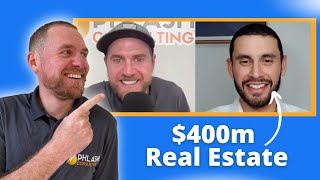
A recorded interview (YouTube) where host Phil Risher speaks with commercial real estate advisor Otto Sevilla about practical real-estate decisions for local service businesses. They cover lease vs. buy tradeoffs, commercial-condo vs whole-property purchase, owner-occupant vs investment underwriting, leasing terms and concessions (post-COVID office market), industrial/retail/office dynamics, property-management fee ranges, and guidance on selecting a commercial broker and content/marketing for brokers.
Questions this video answers
January 29, 2024
He has helped with over $400 million worth of real estate assets and over a million square feet of commercial space.
seviproperties.com
Start searching 6–12 months minimum before purchase.
Average lease terms are typically around five years; build-outs often require 10–15 year terms with options.
Chapters
Welcome back to the show. I'm your host, Phil Risher. And on today's episode, we have Otto Sevilla. Otto and I know each other. I was on his podcast at DMV Business Show. He is a commercial real estate advisor, and he's also, as I mentioned, the host of the DMV Business Show. He has helped with over $400 million worth of real estate assets and over a million square feet of commercial space. So I said, hey, man, you got to come on the show because a lot of our audience owns so small businesses, and real estate is a big part of that. And so with that being said, Otto, thanks, man, for joining the show today.
Of course, the pleasure is all mine. Thank you. It's an honor to, to be on the other side of the table. I'm not used to it. So as I mentioned offline, you're, you're, you're popping my cherry today, man.
Yeah, I know. I love it. You know, we've been friends for a couple years now, and I really value your opinion on things, and I'm just so excited because I feel like you're at the point in your career where you're really, like, taking it to the next level and you're going for it with, you know, your own company. And so can you tell me, like, a little bit about your background, like, real estate, how you got into it, why you liked it, what. What kind of got you going?
Definitely. I mean, I can go back as far as you want. I, I grew up in the area somewhere. I was not born here. I immigrated to this area at a very young age. Grew up in dc, Washington, DC all through probably high school, then high school, moved to Maryland. And as far as real estate is concerned, I've always had an interest, if I can remember, a very young age, you know, walking in the city, looking at these tall buildings in D.C. they're not that tall compared to New York City or other cities. But, you know, and just being a young kid looking at all this, I'm like, you know, it's. You can feel it, you can touch it. You felt this power. And it always interest me, that and business and, you know, commercial real estate is just a perfect mix between both the business side of things and the commercial real estate side of things. Great marriage. And that's what I've been doing. Been in the commercial real estate finance industry for almost close to 20 years and, and my former firm for almost 13 years, and as you just mentioned, just went off on my own just recently. This year. Informed Sevy. So really pumped about getting that going.
Yeah, that's awesome. And, and I know you've been in the game for a long time, so you've, you've been through some, some crazy stuff. So as I mentioned, a lot of our audience are local service business owners. And so they're, you know, either renting, buying commercial space. But what are some common misconceptions you see with real estate, like with those types of people in mind?
So it depends. So for commercial real estate, you can either go one or two routes. You can either lease the space, meaning that you're leasing from a landlord, or you can purchase the property, the commercial real estate asset. So there's different misconceptions to each one. But for example, just on the purchase side of things, if you were to think, hey, I have my own service business here in the area and I'm looking to purchase my first property, maybe it's an industrial, maybe you're H vac or a plumber, whatever it may be, and you need an industrial bay. Some people get shocked because they're like, whoa, can I afford it? And you know, you're thinking of this big sticker price. That's not always the case unless you're purchasing the entire property with multiple units. Now if you're just purchasing one unit, that's a condo, a commercial condo. And for those, obviously the starting price point is much less than if you were to purchase, purchase an entire property for multiple units. Plus there's financing in place and there's other avenues that you can, you know, purchase the property with.
Yeah. Would you say people should purchase commercial property or at least, or how do they make that distinction of like the decision?
Yeah, that's a great question. It depends on the business plan of the business. I mean, if you're in growth stage, maybe you're seeking flexibility because you may need a certain size today, but maybe a couple years down the road you're thinking you may need something larger. Or now if you're a well established business and you already been in this size space for a certain number of years and you don't see needing more, then that's a perfect time to purchase. I mean, there are many benefits to purchasing commercial real estate, such as you can write off your mortgage interest just like you can of your home, you can depreciate it, which is a huge plus for any business looking to purchase.
Yeah, so I, I know some of my clients that we work with, they, they have their business and then they're leasing space and they're like, okay, well Couldn't I just buy a space, like, with a separate entity and then, like, rent it back to myself?
Exactly.
And so I think a lot of times business owners, that seems all great, but is there, like. I mean, you're taking on more risk, obviously. How does that underwriting. I know, you know, you might not be in the lending space, but has that underwriting process go? Is there something that people can start doing to prepare for that if that's the decision that they want to make?
Yeah, definitely. Say, the nice thing with purchasing commercial real estate, it all depends. Because if you're looking at, from an investment standpoint, meaning that maybe you're occupying one of the units and you're looking to lease out, that's the ideal scenario. I always try to tell people, look, ideal scenario is you're leasing your unit, but then you also have other renters and they're helping you pay that mortgage there. You qualify for a different mortgage, as you were owner, occupant, owner, user, and you're the only occupant of that property, because then the lender is looking at the income that the property is bringing in. It's not just your business, it's the other businesses there that you're renting to. Therefore, your personal credit will not be that big of a focus because the focus is going to be on the cash flow of that property. So basically, that property is its own business, and you'll have your own business plan for it. There are obviously income and expenses with the property. I always recommend that if that's possible. But if not, they can just start off with sort of a condo and you're the. It is you. And then you can qualify that way as well.
Yeah, that makes sense. So in. So would you say, like, a lot of times, like, when people are starting out, leasing maybe makes the most sense for people?
Definitely.
And then. And then kind of. Yeah. And then once you get established, maybe a couple years, in five, 10 years, you have a solid, like, balance sheet, you have more predictable cash flow coming in. It's like, okay, I could see myself actually buying a place and, like, getting more established. Go ahead.
It also depends on the business too, Phil, because, for example, I have a client who has many Japanese sushi restaurants, Right. And what they started doing, all that money was they started saving it, and then just. They started buying shopping centers. So now they own a good portfolio in this area of shopping centers, multiple tenants. And some of the centers, they're the tenant, and some of them, they're not just a sort of investment, but it just all started with one sushi Japanese restaurant. If you are a carpet cleaner, you want to be more than likely typically in an industrial space or maybe office. For there you have a high probability of actually finding an industrial or office condo compared to if you are a restaurant or a nail salon, flying a retail condo. In this area, retail condos really don't exist much. It's the whole shopping center you would have to purchase there. So it just depends on the business you're in.
Yeah, I think a lot of people read Rich dad, poor dad and they're like, you know, oh, I'm going to own all this commercial real estate. It's like, well, it's a completely separate business. It's not like, you know, it's. You are now running a commercial real estate business and you're buying properties, this kind of thing. It's, you have to kind of separate things. And I think it's like the McDonald's mindset of like they're a real estate company and they're holding this real estate on their business. And that's kind of what you're saying with that, with that sushi restaurant place. Like they're buying real estate, they're occupying it, but they're also running a whole separate business almost too.
Correct. And then it depends on the size of your business too. I mean especially the early stages, your focus may just want to be in growing your existing business, not growing this commercial real estate portfolio because then your time and attention is going to go there instead of your, your main income. Right.
So yeah, exactly. So when people are starting out and they're going through the leasing process, what are some things that, because I'm sure you can get hosed on your leasing agreements and stuff like you, you help consult with that process for people.
Oh yeah. I start from the very initial stages, from getting an idea as far as first of all, the area, the geographic area where you want to be located, maybe where most of your customers or clients are or your team members so they can sort of, they live nearby. From then the size of the space, what type of space again are we looking for? Industrial, retail, office, maybe your healthcare practice. You want to be in a medical office building. What type of other tenants, their co tenancies as far as in the medical office building. And then the size to the term average lease terms, depending on the landlord is typically five years. Now I've done many deals that are shorter than that and deals longer than that, especially longer term deals. Phil, we see mostly in bigger build outs, meaning you're a restaurant and there is nothing there as far as former infrastructure. So you have to build out the whole commercial kitchen. You're investing hundreds of thousands if not millions of dollars into the space. Similar to a dental practice. Same thing, big build out. So for tenants who are investing a lot of their build out, typically the leases are longer term, 10, 15 years with options. So if you're a new business though, you can definitely find at least under five years again, just depending how flexible the landlord is.
Yeah. Are there any like lease to own options or something or is that more residential?
Yeah, that's all residential. You don't that much in commercial at all.
Okay, if someone was going to go about buying a commercial property, what is the typical like process look like? Does it take a long time to get underwritten and that was like a residential type of thing or you can kind of like what does it look like?
Yeah, for purchasing commercial it actually takes a little longer than if you were to lease commercial just because there are less options. So for commercial you have obviously there's properties for sale that are on market and then a lot of these professional commercial landlords like purchasing properties off market, they're not actively being listed. So if you're looking to purchase, I definitely recommend starting 6 to 12 months minimum, minimum to start looking because it does take time just because there's not again the inventory is not there. If you're looking to purchase commercial real estate.
Yeah, so changing a little bit. So obviously we have business owners that are looking for properties but also maybe they're just looking to invest in real estate. Like the guy that owns the business, he has a lot of cash and he's like, okay, do I want to do residential commercial? I have read like residential, yeah. Your tenants are going to crush your stuff and you're going to have to redo all stuff. But in commercial going to take great care of it because people are coming to work every day and they want it to be nice. Can you speak to a little bit of like if someone wants to be a commercial real estate investor, it sounds great, you know, on TikTok. But like what does it actually like take to get to that point? And what would you say are some of those things that people need to be doing to set themselves up for that?
Yeah, definitely. I personally like commercial better than residential. That's one of the reasons I've always done commercial. I've not done not even one, even my own personal residential transaction. I give that to a residential realtor. So I don't touch residential at all so I love commercial. And as far as investing in commercial, I mean there are many benefits. I mean the economies of scale. So you have one roof, you have one tax bill, one landscaping bill, typically. Right. If you were to invest in a home, a house or a condo, you have multiple roofs, multiple units to take care of and all this and all that. Also the nice thing with commercial is if it's for investment purposes, not that you are the owner of the business and occupying the property, there's leverage, meaning that you have multiple tenants paying the rent. Right. And therefore you can go under a certain level of occupancy. And as far as your break even point for residential, if a home is vacant, you're 100% vacant, there's no income coming in. For commercial, you can go 80, 70, 60, 50 maybe, depending on what leverage you have, you can even go dip below that and you're still either cash flowing positive or breaking even. So that's the nice thing with commercial is you have multiple flows because you have several units being rented that are coming in, not just one. If it could become vacant.
Yeah, that makes sense. And with residential, obviously you have, you could hire like a landlord or like property management company. Similar with commercial, you could hire a property management company. And then is it typically like the 7 to 10% of the, the rental in the commercial space or how does that work?
So for commercial, it depends on the size of the property. So for example, for commercial, if you have, let's say a small multifamily unit property, which is apartments, small under 30 or 50 units, then typically the property management fee may be anywhere from eight, 10 or a little bit more. Now for commercial, let's say a shopping center, right. Maybe it's 10, 20, 30, 000 square feet or an industrial, whatever it may be, that fee gets compressed, it gets much lower. It can be single digits, low single digits, under 5%, maybe 3 to 5%. As far as property management fee.
Wow, okay. So is there like, you know, in residential it's like, okay, winter there you could find deals. In the summer, everyone's competing. How, how does that play out in.
The commercial space to finding deals to purchase? We don't, we don't have that. What happens is of course during winter, especially heading into holidays, it does slow down a little bit. But I mean there's still deals to be done just during the holidays. A couple weeks ago, I think during that Christmas to New Year's, I close. Right. So with leasing, there's more volume, there's more velocity compared slower Longer period because there's a lot of more due diligence to be done in studies when you're purchasing commercial.
Yeah, that makes sense. So most of our audiences, carbon cleaners, H Vac, those types of people, obviously with the whole Covid thing, people working from home and maybe less space, but it's still super competitive out there. Right. Or what are you seeing with like commercial space for those types of businesses?
If you are looking for office, perfect timing. I mean, it cannot get any better. Since COVID started, there's landlords that are more aggressive in getting deals done. You can get more concessions from the landlord. Concessions meaning that whether it's free rent, they're building out the space to you. Obviously the economics have to make sense to both parties. So if you're looking for a short term lease, let's say under three years, it's highly unlikely you can get the landlord to do any work for you if you were to lease the space compared to if you were willing to commit to something longer than the lander is going to say, okay, it's worth my investment in building this space out for this business because they're committing to me longer term. So for office, great deals right now, great, great deals. For industrial, it is tight. I'm working with many clients in industrial that there are options, but they're not a lot of options. Especially you know, with Amazon, everything's online now. People want to be closer to residential homes for delivery and for retail, it's pretty much state stable. For retail space.
Yeah. Okay. I had this idea that I wanted to run by you which was like micro, not necessarily like we work, but like an H Vac contractor. They have an industrial space and Maybe there's like 10 of these industrial H VAC contractors that all are in this one. How like, like unit, I guess. And then in there is also like office space where you have like an accountant, a bookkeeper, a marketing person, all kind of like in one hub of a business, like we work mixed with industrial. What do you think is like, is that feasible? Are people, you think we would be interested in that or is it like kind of. No.
So there's, there's only, there's one unit and all these businesses are under one unit.
Yeah, like, like it might be a big warehouse facility that has like 10 different units that each person can rent. And then there's also like office space where you also have the kind of back end team to support these people. But it's like, you know, fractional people for all these different tenants.
Okay, I Get it? So for, for co working, for example, what we work, they have, typically it's just one huge space or multiple floors. Right. And then they start doing little offices in that large space. So are you thinking something like that just for the industrial?
Yeah. What would you, what would you say about that idea?
I mean, I think it's great. Again, when we work with starting out, their problem was getting landlords to sort of pitch them the concept because they weren't used to it. So I think something like that would definitely work. In industrial, you just have to. The landlord has to buy into that very vision.
Yeah. Do they have like micro leases? Like you can just rent a bay or something or like those types of things? Or is it are usually like renting like a full on space?
No, I mean as far as industrial space, the smallest. Just because the way the property was developed is typically 10001200 square feet. With 1200 square feet, obviously the floor plans change depending on the unit, but most of them are just all your raw down and dirty industrial and may have a little office. And typically that little office or two is not air conditioned. Or maybe it just has one of those window units you may see in apartments or houses that are older.
Okay.
And then the warehouse is heated.
Yeah. So what would you say is some of the bigger changes that are coming? Obviously Covid kind of threw a wrench and stuff, but like in commercial space, what do you see coming down the pipe in like three, five, ten years?
Well, as you know with COVID it's definitely affected many, especially the office sector. I mean, there are a lot of office spaces all throughout this area, especially in the central business district like D.C. that are 50% vacant, less or more. Yeah, I mean a lot of landlords already have been losing some of these office buildings. Now this area, which is the nice thing, dc, the DC metro areas, the number one area in the whole country, leading with the conversion from office to multifamily. So that's definitely a possibility. But a lot of these older office buildings don't have either their floor plate or the way they were developed to make it conducive for multifamily. So you won't be able to do that for all of the offices, which is why we're seeing that a lot of the landlords are losing their buildings.
Yeah. So that makes it a lot more. A lot of opportunity out there for people to buy space. Have you ever seen any like H Vac contractors that may get a smaller warehouse space but then rent a whole separate office space at A discounted rate for their internal team and not have.
It all under one roof in a different property. Yeah, yeah, yeah, yeah, definitely that, that happens. I mean there are some properties again that already have the office, but if they wanted to have it located somewhere else. A roofer, I remember I did a deal that already had industrial space and he just needed back office admin space for his sales team for admin and very different properties. He has his office space somewhere else and a couple blocks away he has industrial, but they are at least within 1 mile proximity of each other.
Yeah, that makes sense because I'm thinking like, oh hey, you get 50 off with this office space. Like instead of trying to really grow into a new space, maybe just leverage that ability to take advantage of it for now.
Yeah, definitely. And also besides getting deals in office depends where it's located. If the office is walk up second floor without an elevator, you can probably get a better deal because it's not ADA accessible. So this roofer contractor went into a second floor walk up office. He didn't care because he's like, all I have here is basically sales and admin and they're all fine because they need to go knock on doors anyway. They need to. So it worked out perfectly and you got a great deal.
Yeah. What would you say are some things that people should look for if they're looking for a commercial real estate advisor or broker? Like here's a red flag, but here are some questions you can ask to like say like are these people legit? Are they really going to help me? What are some things that the audience can look for for that?
Number one, that they actually specialize in commercial real estate. Many times I come across residential agents and you know, not all, but some of them are unfortunately just chasing the commission in that check and they're doing a disservice to their clients just because you sold them that house. Yes, you can go ahead and help them lease that industrial bay or office space. But you don't know. It's a totally different world. Commercial real estate in that situation, I always recommend that agent is better off just referring that business to, to a commercial agent who actually does this every day. And they'll, yes, the fee will be much less if they were to do it. But you're not getting the best deal for your clients then that's, that's, that's number one. And just promptness, just. You don't understand how much business I've gotten throughout my career, Phil, that people are like, you actually return my call, you Actually, follow up, I've called residential people. Sorry, not residential, commercial agents. Two, three weeks ago. Right now, I'm working on a deal that you're like, you know what? You were the only one who actually called us back. And the people who did were very rude on the phone. And I, I was like, I wish I should have recorded that.
Yeah, yeah, that's a good plug for you.
Yeah. Because a lot of times with, especially with some commercial advisors who might be with a global brand or brokerage, you know, they look at sort of the big fee and they might not pay attention to sort of the small local mom and pop business owner. And that's great for me. Yeah.
So for what I'm hearing you say is like, ask them, do you do residential or. And commercial, or are you just strictly commercial? See what they say? And then over that, just from that one conversation, see how they're treating you. If you're not the big fish, do they still take the time to educate you and to treat you in the right manner and not just jump to conclusions and say, you're too small for me?
Correct.
Yeah.
If they're not responding to your emails or text messages or voicemails and that, that's a huge red flag there.
Yeah. And that speaks to just building relationships. Because you never know. That could be, you know, your big fish. But if you don't do the right thing for the person at the time, you're. That's just, you know, business 101 is treating people as if they're the big guy.
100. Because, I mean, first of all, it's just number one. Right. Business. And you never know. You know, all these whales at one point started off at minnows, little fishes, and then they grew up to whales. So that can very well be the case, or it may not be the case, but it's just right, right business. Just being nice and being responsive to everyone.
Yeah. So what's your goal with Seville? Like, are you. Do you want to build like a team or are you looking to go and just do your thing and be like the, you know, the big shot guy or what's the deal?
Well, with Savvy, with the whole thought was, when people think of commercial real estate, I want Savvy to be sort of the first thing they think of. And that's why when I started the company just recently, just this year, was I see a lot of people in commercial real estate sort of old school. Because as. As you'll see, most of the people in commercial real estate may not look like me, my colleagues are different, sort of set on their old ways, and some have sort of embraced technology. And I think you have to, because the world changes and you have to see what's out there. And I'm doing business differently as you. As you said. You know, I have this video podcast that I started a couple years ago, and it's great. I love it. When I started it, many of my colleagues sort of frown on me. They're like, what are you doing wasting your time with this? And I'm just like, okay, just. Just let them talk. Okay. I just continue to chug along. And now it's been almost three years, three seasons in, and is just great, you know, to teach their own. Teach their own. But to answer your original question, yeah, so savvy. Just commercial real estate, dmv. That's why when I started it, I said, okay, I want to be the first commercial real estate company committed to the four Cs. And the four Cs for us is number one, of course, is commercial real estate. Community building community in the area. Again, the reason for this show, which is building community, the business community. Content, that's number one. I believe every business, doesn't matter what you do, what widget, what product or service, you need content. That's the number one thing. And then culture, just about the culture. And a lot of these businesses can use the content, for sure.
Yeah, we run into a lot of those problems, especially with content, because it'll be like an H Vac contractor, and, you know, the guy's an older guy or the woman's an older woman, and she's like, well, am I going to sit on here and, you know, record this stuff? And I think there's a part of empowering your team to create content out in the field. When they're out there and they're doing something cool, they say, hey, share something on this or send it into us and we'll share it and you'll get likes. And maybe there's a competition for the team. But I think content, if no one knows about you, then you know you're not gonna get any business because people don't know. So if you're moving the ball forward with content, I think that's. That's what it's all about. And I think you've done an excellent job of that because you tell. You've told me before. You get inquiries on DMs not about followers, right. It's about, like, people actually seeing your stuff and saying, hey, could you help.
Me with this 100%. Yeah. And again, it's just being the first of mine is whatever business you're in, you know, and it can be related to business. Like you said, Phil, maybe you're out on the field. I record myself or take pictures on tours of properties. Or it could just be. If you want, you don't have to. I do share some of my personal things with my family. I have three boys. You know, when we go and do things, people want to get to know you because at the end of the day, people want to do business with someone that they know, that they like and they trust. And just having just a corporate brand above you and not sharing your personal side, they might not feel that affection or. Or that knowingness towards you. And it's helped tremendously in business.
Yeah, absolutely. Well, if people want to get to know you or learn more about you, what. Where can they go to to get to know you, to maybe touch base with you or even inquire about working with you?
Yeah, definitely. So the website is Sevy S E V I Properties seviproperties.com youm can find me in all social media platforms. I'm everywhere. I'm in LinkedIn, Instagram, Facebook, Twitter, TikTok. Just search my name. I'm the only one. Oto o t t O Sevilla S E V I L L A awesome.
And I think you do a really great job of creating content that even if they're not in the DMV area, it's answering questions and providing answers to common questions for people that if you're looking to get into real estate or purchase real estate or lease real estate, just in general, it's good to that to follow you, in my opinion, because I learned stuff from your content and I'm not. I don't even own real estate.
Yeah. Thank you, Phil. Yeah. You know what? What I decided to do is like, I always would get certain questions when I'm with people with clients. I'm like, they say, what does this mean? What does this do? And then I just created content. You can create it, video, audio, written form, whatever suits your needs. And for example, one of them, one of the many questions I would always get was the triple nets. So when you're seeing industrial space or retail space, you might see, for example, they're quoting a rent of $20 a square foot triple net. You see three ends. So people do the math and they say, okay, it's $20. The space is 5,000 square feet. This is. I'm like, no, there's two triple nets. The triple nets mean something. So then I just did a quick video of what are the triple nets and the breakdown. What does each end stand for? So yeah, just providing information and value to the people.
Yeah. Well, I appreciate that and I really appreciate your friendship because I feel like it's just nice to know other good people that have that stand behind their work. They create content but more importantly, like they're just good business people. It's, it's hard to find people that are actually like, you know, genuine people. So I really, I value your friendship and I thank you for sharing this today.
Thank you, Phil. I value yours. And if if you haven't heard Phil's episode, he is on my show. Episode 78. Awesome.
80. Thanks. All right, well, thanks so much. I appreciate it.
Thank you, Phil. Take care, buddy.
All right, later.
More from Phil




The companies that win the next five years won't be the ones gaming the system.


