The Power of Niche Marketing in Business #automation
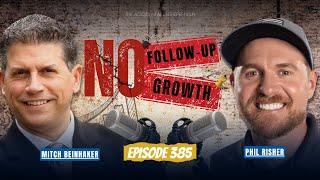
A conversational interview (podcast/YouTube) with Phil Risher about niche digital marketing and growth strategies for home‑service businesses. Phil describes his background, how he founded Flash Consulting, concrete lead‑management and CRM practices, tracking/attribution for ads, content/SEO tactics for AI, and case studies showing revenue and profit growth from process and automation improvements.
One of the biggest issues that most home service companies face is that they're working with these traditional digital marketing companies that are doing cookie cutter things out here. So we work with people, CRMs, jobber, house call pro service titan, like the big ones for home service because that's.
Really what they need.
If you're paying for marketing, you need to know your customer acquisition costs. That's how you would know how many new customers you got year over year. And that's going to help grow that flywheel of customers coming in and returning.
How can you help us though, continue to help you?
First, please subscribe to the channel like us.
If you listen to the audio version.
Leave us a five star review wherever you can.
If you see our posts, please share those posts, share the content, and link.
Back to our law firm website, which.
Helps us to continue our SEO marketing and grow our firm and help small business owners. All right, everybody, welcome back to another episode of the show. If you are listening to us on your favorite audio directory, maybe you're driving in your car, so don't do this while you're driving, but leave us a five star review whenever you can because it supports the show. If you're watching us on YouTube, we've been transferring more onto a video platform because that's where all the actions at. So please subscribe to the show and like us and I don't know, ring bells or whatever you can do to get more eyeballs on the show and get more subscribers and then we can hopefully do a little bit of monetization in the future and have more resources for our listeners. So just to remind everybody that the information we share in these episodes is for entertainment purposes only. It's not a guarantee of success or should be construed as advice of any kind. And if you're ever making decisions from anything you hear that I discuss or my guests discuss, please consult with licensed professionals in your area before making those decisions because we are not your advisors. So Phil, welcome to the show. Phil from Flash Consulting. Now, Phil is a, is a marketing guy, but he works in a very specific industry and we're going to talk maybe during the show a little bit about niche marketing. I think a lot of people don't do that. You know, they should be stick to the lane, get really good at it and actually your business goes up, not down when you narrow down your focus. So Phil, thanks for coming on the show. Can we go back with your background a little bit ways back and you know how you got into what you're doing because I know you're, you know, you went to school, you didn't go to school, it wasn't for you. And you did different types of things. So I'll let you take it from there.
Yeah, for sure. So I came out of, I went to college and I studied international business. And it was because mostly I wanted to study abroad and, and I didn't really know what I was going to do. And I got an internship at Enterprise. Rent a car. Renting cars. My tie got sucked up in vacuums as I'm cleaning cars and trying to, you know, sell insurance or coverage and that kind of stuff. And I, I was really big debt free person, like pay off student loans, you know, try to like do all this. So I paid off my student loans and then I started working at Enterprise as a branch manager running a local service business, getting.
While you were in school or after you graduated.
When I graduated, I went directly into to Enterprise and I was working there, getting paid off the bottom line. So I was analyzing the profit and loss, making adjustments, training my sales team. And I learned how to run a local service business through their management trainee program. Like a $2 million business. And I read a book, rich dad, poor dad. And he said the number one skill you can learn is how to sell. And at this point it was a little bit of sales, but a lot more management heavy.
Right.
Well, I decided I was going to go into their corporate office at Enterprise and sell fleet management services to home service companies that have large fleets. So these would be like 20 million dollar business, $100 million businesses that have 20, 50 car trucks out on the road and they're not managing their fleet. Correct. So I went into the corporate office, I started selling.
Well, so, so Phil, this was different than the way we think of enterprises renting cars. This was a different side of the business where they would literally manage the fleet for the business, the company.
That's right. They would get a better buying proposition because they buy tons of vehicles from the manufacturer. Then they have a disc maintenance of the vehicles because they have all these connections with ASC certified technicians.
Right.
And then they would also sell them a lot better on the back end because they have a large distribution network.
And the company didn't have to deal with it. Worried about disposing of the vehicles or whatever.
Exactly. So I go in and talk with these H Vac, plumbing, you know, whatever businesses, talk with them about what they're doing. At the same time, I started a blog about personal finance and about me paying off my student loans. I Actually bought my condo with cash when I was 25. And I was doing a lot of cool things with finances, and my wife is a kindergarten teacher.
Okay.
And a lot of. And her friends were like, how did you do this? Because we have all this debt and like, what do we do? So I started this blog. I learned how to build a WordPress website. I learned backlinking and SEO and email marketing and all the digital marketing stuff. I just basically did it myself for four years, right? And I would go to these meetings with these. These owners of these businesses and ask them, like, what are you doing for marketing? And kind of tell them what I did. I ended up getting featured in Forbes and CNBC and Yahoo Finance and all these things through this blog. And I was at the point where I didn't, like, necessarily what I was doing as corporate, you know, blah, blah. So I quit my job. I wanted to say I was going to focus on my blog full time. And I bought a tiny school bus and I made a little tiny home, and I traveled around the country making content, doing news interviews.
Nice and all. That's like tiny homes. You see that stuff on tv?
Literally like that. Literally like that. So then. Then I was doing that. I was like, okay, maybe Phil, do.
You have any, like, YouTube videos of you, like, renovating the.
The bus? I have all this stuff.
So we got to put some links in the show notes. I watch all those videos all the time. Both restoration stuff, like antique restoration stuff, and the conversions of all these vans and school buses. So, yeah, we got to put some links in the show. So.
Phil, Phil Richer, my YouTube channel. I think that video probably has like 30 or 40, 000 views of like, my. My. My bus transformation.
Okay?
So when I came back from that trip, I was. I was thinking to myself, like, okay, my blog's gonna take off. All this stuff's gonna take off. But it never really got to the point. And one of my clients that I was selling fleet management services to was a $3 million home service business, okay. And he was like, hey, like an.
AJ Perry type of company. Like, they were big.
Yeah, well, he was $3 million. So he had, you know, maybe like 30, 40 employees, like a decent size.
That's like. But that's a local. That's not a national company. That's a local.
Local home for that size.
Right?
Yeah.
And.
And he was, you know, been in business for 20 some years. He's like, hey, I need someone to come in and.
Okay.
He's like, I need someone to come in and like, really kick it. So I went to work there as his director of business development, and in the first month, all my worlds collided. My enterprise experience of running a local service business and then my digital marketing experience, everything was, like, ready to roll. So in the first year, he went from 3 million to 4 million in revenue, from 300,000 to 900,000 in profit.
Okay.
And he was basically like, hey, man, you need to go help other people do this. And that was how I got started with Flash Consulting.
And that was how. What period of time did you triple his revenue?
That was in one year. I took him from 3 million to 4 million in revenue in one year. From 300,000 to 900,000 in profit in one year? Yep.
Oh, pro. Oh, got it. So you tripled his profit?
Yeah, yeah.
Basically you tripled his business coming in is what you did. I mean, right?
Yeah. Well, what. What happened was he was built a lot on Commercial and B2B partnerships, and he was giving a cut to those partners. And we. And he had 36 Google reviews for just nothing. And when I went to work there, I'm like, okay, we need to focus on the retail residential side. And that's the part that we were able to fit.
Yeah, yeah. He didn't need to pay this quote, unquote salesforce when you can be getting the leads coming in and doing it directly.
Right, exactly. But the accidental entrepreneur part is funny because I did the blog for four years, and I made probably $4,000 over those four years.
Thousand dollars a year.
Yeah, exactly. And, you know, it's like I was doing all this stuff, but I didn't know how it was all going to kind of translate. Then when I got to work at the Duck at the Duckling company home service business, it was all like, all these skills from enterprise and then the sales, and then my marketing experience kind of came together. Yeah. And that was like, oh, this is what I'm supposed to do with all this stuff.
Yeah, exactly. Well, you. So you couldn't make a living running the blog, but you knew so much that people wanted to pay you for to help their business.
It. That's exactly what happened. And so the first year I was working there, he, you know, was making $900,000. And he's like, I'm like, man, we're just hitting the precipice of, like, we gotta go for it. And he was like, hey, dude, chill out.
Like, Yeah, I got 900 grand in my pocket. I'm fine. I'm a millionaire. I'm making a million dollars. A year, basically.
Exactly. And we had, like, this, you know, kind of points of contention because I'm like, let's get after it.
Let's go to 3 million. Right, exactly, exactly.
So he was like, hey, you should start a consulting company. Call it Flash Consulting.
Why Flash?
So my name's Phil. My wife's name is Ashley, and I call her Ash.
I love that. Okay, great. Perfect.
And then he's like, I made two connections for you. He referred me to two other businesses in the local area that he had been telling them about all the stuff we're doing.
Right.
And he's like, you can work for. For me. Charge me $50 an hour, and then you can work with these two people. 50 an hour, for 40 hours a week. You'll make a hundred thousand dollars and, like, everyone will be good. That was the precipice of, like, how we started this thing.
So he basically found you leads to get you off his back. So you weren't like, you know, pushing him too much, you working too hard. That's basically what he said. I'll put you in business, Phil, so you don't stop pushing me to work so hard.
Exactly. You can work with me for like, 20 hours, and then these guys for, like 10 hours. And then, like, you're good. You'll make some money. And, like, it was all perfect. It was great when I.
Right. And your wife's a teacher, so you don't have to worry about benefits. Right. She gets that through the school system. So you're all good there.
Exactly. It was.
Well, you weren't when you had the bus, though. You weren't. Were you married then?
So my wife and I met in high school and we dated for a while, but I wanted to do this stuff. And she's, you know, working and stuff. She's more like.
She can't travel with you in the bus and work, do school via Zoom. Right. So.
Exactly. And she's. She's more of a bed and breakfast person. I'm more of like a, you know.
Live in the bus and shower once a month guy. Yeah, exactly, Exactly. All right, cool. So, yeah, so that. I mean, that is a good accidental entrepreneur story because you're. You're doing. And, you know, the funny thing is you can have a blog and you can get some following and you can teach people all this stuff. They're not going to do it themselves. They just don't. They can't get out of their own way. Their whole life's going on. I have clients with, like, they got all the parts, you know, they got great vision and, and, and unless we bring in a consultant to help them with these different things, it never really gets together because there's always like another fire that happens in the middle that they got to deal with. It's, that's like the entrepreneurial myth. You know, you can't, as an entrepreneur, I think, Right. You have to work as hard as you can to get all the, off your desk as fast as you possibly can. So you can just focus on, you know, growing the business and let everyone else deal with, keep everything going and have this machine going, which you now are. Right. Yes, this marketing machine, because they're going to drop the ball themselves for sure.
Yeah. There's a really good book called buy back your time from Dan Martel and he has this five rung. He has this five rung replacement ladder and most people skip the, most of these steps. And I was, I was one of these people about a year ago I read this book and I read it four times and it has transformed my business and my life. The first rung on that ladder is an admin person. And in home service in particular, they always skip this step. They go right to let me get another technician to help me and I'll still do all the admin stuff. But the admin is so important because they got to answer the phones, they got to do all your invoicing, do your dispatching, answer your emails, all the little things that are $10 tasks that you as a business owner shouldn't be doing. Most people skip this, me included. So I had to hire an admin about 12 months ago because you should.
Be getting $100 an hour and you're doing 10, 20 hour work. It's crazy if you think about it.
And most people will just say, oh, well, it takes.
Nobody values their time. That's the problem, Phil. Right? Nobody values their time.
Yeah, exactly. They're like, oh, it takes me five minutes to do it.
Hey, can you hear me? We have a little bit of connection issues.
Yeah, yeah, I can hear you. Can you hear me?
Are you back?
Yeah.
Okay, I think you're. Are you on a wireless connection?
Yeah.
Can you hear me now?
Yeah, I can hear.
Yeah.
Okay.
I think Riverside will take care of the back and forth, but yeah, go ahead.
So the admin, most people miss that. The second one is delivery, which most people, they hire another technician. So they get that. The third one is marketing, which is kind of what you're saying. Like a lot of people, they are all over the place or they're the visionary, but they have all these fractional things that they're doing that they're still the marketing point person trying to like make all this stuff happen. The fourth rung is sales. They're usually the number one salesperson trying to do all the sales. And then the fifth one is management. And when you start to work up the ladder and replace yourself, you got to take these things off your seat, which I've been focusing on in my business. But that's what a lot of people have to do, right?
I'm definitely going to recommend that book. I'm going to read it myself. Yeah, it's exactly what I say to everybody. You got to be able to be the guy who can move down the street for a month, right. And you know, man and manage your business and the business keeps running. Like if you can do that, then you really, truly have, you know, or you know, built a company that can support what you do. Look, I'm a solo practitioner, right. As a lawyer, I can't just like outsource all of my legal services. People want me to do the services, but. And a lot of lawyers do this too. Just like in home services, right? Is that you focus on developing business, then you get real busy, then you stop focusing on the business development because you're busy. And it's, it's, it's an up and down yo yo type of thing. So if you have the systems in place and the people in place to keep that engine running, then as you do the work, it just keep, it just keeps coming through. Right. It's just a conveyor belt of. I'm sure that's what happened with your first client. Right? That was his problem. And then once you got the flow going on a regular basis, they just kept doing the business, doing the business, doing the business. Next thing you know, they tripled their profits.
Yeah.
Magic.
Yeah. There's a big problem most home service business have is that they don't have a lead problem, they have a lead management problem.
Yeah, good point.
Yeah. And so when we fixed the lead management problem in his business, that was when he really started to grow. And yeah, the lead management system is like you need to have leads coming in and then a follow up process for all your leads.
100%.
Yeah.
I say if you don't call people back within. I don't know how, I don't know how it is in the home services business. But in my business if you don't call, reach out to somebody within a couple of hours, at least let Them know you're alive and you'll get back to them soon. They go to another lawyer. I mean I literally got back to somebody in two hours ago. We hired somebody else. I'm like, in two hours, okay. You know, like so that's the way people are. So you have to get back to them so they know that you're still in business. You got time for them, whatever. Even if you just tell them, listen, we're running really busy, we'll call you back tomorrow morning and set up an appointment. That's all right.
Well we, yeah, what we do is we set up an automatic text and email back. So someone fills out a form, it says, hey Mitch, can you send over some more information, maybe even some pictures of your project? That way we can get a little bit more information on it. And it's like an automatic thing so it kind of starts the conversation right away to speed up that process instead of.
But it's automated, it doesn't not have to be sent by a human being.
Exactly. But it feels like it's something that's taking the next step in the relationship to get some pictures in or some more information.
Right. It pulls them into your funnel and says, okay, here's the next step. Send this information. And then. Yeah, no, I. And then do the same thing.
The big one that happens is when you call them on Monday morning and they don't answer, then the lead is gone. This is what happened with us. And so this is why we need to have a lead management plan, which is you call them, they don't answer. Now you put them into a bucket where you text them, you email them, you nurture the lead because maybe they're at work, maybe they didn't, couldn't answer, but you don't just give it a one. You know, most people are one hit wonders, One night stand type people just do one time and then it's gone. You gotta have a plus.
Maybe they reached out to three companies and one of the other ones got back to them and you didn't. It's gonna be gone.
Exactly, exactly, Absolutely, yes. So when we look at it, there was, there's three main things that we focus on in our marketing plan. There's, there's visibility, so getting new customers to know about you to come in the door. The second one is conversions, which is lead to sale. And then the third one is retargeting all your prospects and customers, retargeting them to bring them back into your funnel.
Right. The ones that either you didn't do business with or you can do other services for.
Right? That's right.
So because you already got that lead, you already spent the money to get that lead, and people don't understand the cost of acquisition, right?
Yeah, exactly. Like retargeting. We have a client there in Philadelphia, and they had a client come in in October, a lead come in October. They gave her an estimate. She ghosted them. Then she was on the monthly newsletter that we send out. And then in April, so like four or five months later, she got an email from us. It's like, cool, I'm ready to go. Sign me up.
Because you stayed in touch.
She responded to that email directly and said, cool, sign me up. I'm ready to roll right now.
You know, many clients I keep in touch with, and, you know, they're like. And you think they just disappeared and they're like, no, no, we just didn't make the deal. We put it off. And. And then they reach back in a week and say, oh, yeah, no, we're ready to go. But if you didn't reach out to them, they might think, I guess Mitch is too busy for me. I'm not going to bother. I'll go with another lawyer. You know.
Exactly. We have a saying. You can't get lifetime value without a lifetime relationship. And a lot of people say, oh, they'll call me when they need me. They'll let me know. But that's not how it works. You got to stay.
Yeah. Because we are bombarded. Think about the information that we are bombarded with into our brains on a daily basis. Right. We get hundreds of emails. If you're looking at social media, it's flying by your face. You got this going on, this going on. You expect them to, on their own, remember you.
Exactly.
And you know, when they remember the plumber, when the pipe bursts, or, you know, when it's an emergency. But beyond that, if it's home improvement and something they're looking to do, they got to deal with all their own stuff every day. Their stuff at work, the stuff with their kids. People don't. I don't know why it is. It's like, intuitive. But people don't. People don't take that into effect. That if you look at your own life, think about all the stuff that you deal with, and you can't even keep up with the. I mean, I'm making. You're probably like me, right? I'm always making lists and this. And running reminders on my calendar and tasks and. Because I don't even want the burden of trying to remember all this stuff. So my kids make fun of me. I say, listen, if you don't send me an email and ask me to do it, it's never going to happen because I'm going to walk into the office, I got all these things I do, and the way I run my business, I got no room for that unless it's on the conveyor belt. So, you know. Yeah, just so to speak. Yeah, exactly.
Yeah, yeah.
Have you ever read Referral of a Lifetime?
No, I never read it.
Okay, so it's like a rich dad, poor dead book. It's a, it's a, it's a parable story about a woman who's struggling in business. It's like 100 pages, very short, but it's like, what are the ones? The, There's a series of books. Anyway, I forget the author's name, but the, the author that wrote this with the guy who promotes these series of different types of books, who, who did this, who did that? Is Tim Templeton. That's the, that's the author. So it's a story of a woman who like goes into a coffee shop. She's struggling in business. I think she's in sales. She talks to the guy and said, yeah, I've been having trouble. She knows the guy. He says, listen, I'm going to help you. Come back tomorrow at 11 o', clock, we'll have a cup of coffee and talk about. She gets back in there and there's a different person who says, hey, I'm Phil. John told me to meet with you. And each person she meets along the way does one or two different things about how they nurture clients. And it's about lead generation and keeping in touch. And when I first read the book, we didn't have email. You had to like send postcards to people, you know, to keep in touch. It was a nightmare. And then it's all been updated now. But now with email you could, you know, you can set up these automatic systems to keep in touch, to remind people of their birthday or thank them for a holiday or you know what, or do an annual review. I mean, you could settle this stuff up to be automated. And it doesn't take rocket science to understand it and to hire someone like you to do it. You know, the best day of my life was when I hired a VA to do all the admin that I was doing for the podcast, my blogs and my crazy.
Yeah, I think a lot of people get stuck in the ten dollar tasks and they don't realize that you can outsource that to other people to help you take things off your plate at a fraction of the cost of what you might think.
Especially if you use like one of these services that I use that where they hire either a sponsor, the podcast, I'm I employee, they use people out of the Philippines. They're all great English speakers, they're educated college graduates, they have tons of background and they can do any admin test that you want.
Yeah, the first VA that I hired, she still works with us to this day. That was five years ago. Her name's Christine. She has her mba.
Yeah, there you go. And she wants to work from home. Right. And it's perfect for her.
Yeah, she's awesome. She's amazing.
Yeah, yeah, right, exactly. And it changed your life probably the day you said, I'm going to do this.
Of course.
Yeah, yeah. And even, even spending the money, probably within a couple of months, you're ahead of, way ahead of where the money you're spending because your time is better, is better spent. So how many, over the years, how many different service businesses have you, different industries are you working with? Like if you take plumbing and electrical and.
Yeah, industries at least like 15 or 20 different ones.
Yeah, but all home like services business, right?
Yeah, home services are bread and butter because it's more like B2C style. Residential is like everything that we do.
Right.
Much different than B2B. But like. Yeah, gutter cleaning companies, basement waterproofing companies, custom closet companies, like restoration companies, air duct cleaning, There's a bunch of different, you know, verticals.
Yeah, Window cleaning. Right, exactly.
Pressure washing, power washing. Right, of course, yeah, yeah. So I do a lot of work. I do a lot of work which is they're a CRM for home service businesses and they have a lot of pressure washing, gutter cleaning type clients. H vac, plumbing, electrical. And it's just a wide range of people that do a lot of cool things.
So you're not, you're not using Jobber, you mean you're working for Jobber.
We. So the biggest, one of the biggest issues that most home service companies face is that they're working with these traditional digital marketing companies that are doing cookie cutter things out here, but they have a CRM with a bunch of data in it that they're not using or pulling return on ad spend or like tracking results. And then they have automations where the automations can tie all the stuff together in their, with their CRM. Right. Like a lead comes in, well, it needs to go to your CRM. Then you send them an estimate in your CRM. It needs to go into an automation nurture sequence. Right. It kind of like makes this. This whole flywheel. So we work with people. CRMs, jobber, house call, pro service titan, like the big ones for home service. Because that's really what they need. They need to know that they spent $2,000 on Google Ads and they made $20,000. So let's do more of that.
Got it. And you set up that whole system for them. Like they're. They might be using Jobber or whatever, but they're not using it effectively.
Yeah. This. I experienced this too. In most companies, they're using about like, maybe 50, 60% of it. And what they're not doing is. This is the biggest one is the reporting in your CRM is gold for your marketing.
Yeah. Because you track things people don't. You can't. You just shoot from the hip if you don't know what's working, what's not working.
Exactly. We have like four or five big numbers that we look at. The first one is leads year over year. So if you're paying for marketing, you want to see, I got 100 leads last year and I got 110, so I'm growing my leads by 10%.
Right.
Then you want to know how many jobs that you ran because. Just because you got more leads, they might be.
Terrible conversion ratio. Right?
Exactly. So you want to make sure that they're good leads. So how many jobs did I run year over year? Then you want to know how many quotes that you generated. Because just because you went on a job doesn't mean you generated an estimate or a quote.
Right. Okay. Because that's staged. That's like step two. Right. You get the lead first, then you. Then you get the appointment, and then you go out, and if you don't get a quote, you miss step three.
Exactly. And then you want to track your total sales, obviously, year over year.
Yeah.
And then the last one is new customers, which is so important because if you just rely on all your past customers, great. But if you're paying for marketing, you need to know your customer acquisition costs. So that's how you would know how many new customers you got year over year. And that's going to help grow that flywheel of customers coming in and returning.
Right. Yeah. And that's why you have to stay in touch with your old customers, because your acquisition costs are already in them.
Exactly.
You don't have more acquisition costs for existing customers, so you need to keep working Them.
Exactly. And this is. If you're a home service listening to this, this is the main issue is that you have a digital market that doesn't care about any of those numbers. They're not looking at anything. They're not. They're not going into the data. And this was the issue that I had, which is why I started the company. Because once I fixed this in that home service business, then they started to grow. And every single time when we look at the numbers, it's like, it's just the numbers game, but you need someone to tie it all together. And most of the time the home service business is trying. The owner's trying to figure all the stuff out.
Right. He's trying to make decisions with no information.
Exactly.
So how do you track, like when. When, you know, one things work with certain kind of ads or verticals working versus not. How do you. How do you figure that out?
Yeah, I'll give you a perfect example of this. So we have another home service business that we're working with, and they were running about $3,000 in Google Ads when we started working together. So what we do is the Google Ads, we set up a custom tracking phone number and a landing page. So the ads go to a specific page and the only way that someone's going to get to that page is through the ads.
Got it.
On that page, we have the tracking phone number and a tracking form. So it's a form that's specific to that page and a tracking number for that page. Anytime someone calls that phone number or fills out that form, it goes into a spreadsheet. So now we know all the leads that came from that, that automatically when they.
Automatically.
Automatically.
It's an automated system.
Yeah, it goes right into a spreadsheet. Then at the end of the month, we have API integrations on this, but we used to do this manually. At the end of the month, we take all the leads, we go to their CRM, put the phone numbers in and see what happened.
So you could track what happened to the lead. Did it become anything or not? Okay.
And then what we. Then what we do at the end of the month is we give them a report that says you spent $3,000 on ads.
Right.
You got 10 leads. So your cost per lead is 300. That turned into $10,000. So our return on ad spend is 3x and. Got it. This is like the company that I just mentioned. An interesting story with them was their ads were performing terrible. And again, a lot of time when you talk to digital marketways, they're just going to say, spend more on ads. Spend more on ads.
We need more ads.
Yeah. When it's like, okay, we can spend more on ads, but not on this channel because this channel was not working for us in your market.
Right.
This is why a lot of business owners just have a gut feeling that things are working when they really need the data to know that this data is working and it's right.
Yeah, because you're putting good money after bad.
Maybe you're getting your calendaring from one software and you're invoicing from another. Even it was a platform that we use as one of our sponsors to run our entire business. And there's other features like auto payments and integrations with QuickBooks. Visit evanu.comev o n u e.com to learn more. There's also a link in the Show Notes and be sure to tell them.
That the accident launch provides referred you.
This podcast is brought to you by our affiliate sponsor, iEmployee. IEmployee is a virtual assistant service that hires almost anyone for any role in your company. Right out of the Philippines. Most roles range from seven to nine bucks an hour for highly skilled and experienced VAs. And whether you need an executive assistant, social media manager, video editor, customer service sales, you name it, they have it. We use I employee for our VA services. From editing and promoting the podcast to all the PR and promotion of our law firm. Iemployee acts as a virtual field supervisor on the back end with live video monitoring and reports on a daily basis with screenshots of your VA's workday and along with complete HR and payroll duties, no more paying for overpriced and underqualified workers. There's a link in the Show Notes to get a one week free trial and I encourage you to take advantage of it.
Exactly.
This is like the old days when you'd have to put an ad in a trade journal or a newspaper and you'd have a phone number and then they would call the phone number. But it all had to be done by hand, Right? It was all manual.
Yeah. So like with Jobber House Call, Pro Service Titan, we have it all automated so that. But most businesses, they don't. They can't piece it all together or figure out how to do it.
All right?
Right. Because that's why we have to. We already built it. And that's why every single month you get a report, we sit down, go through what's working, what's not. Should we change something? Should we do something? Different. And it's. It's a very smart way to grow your business.
Now, where do all the phone numbers come from? You constantly.
Yeah, no, it's not a constant change. So, like, let's say we set up a Google Ads campaign. Then we just set up one tracking number for Google Ads.
Okay.
So then it's just like this, our Google Ads phone number, Facebook meta ads.
So it might be a couple of different channels. So it's a couple different phones. You keep those phone numbers.
Exactly, yeah.
Because I thought every time you put a new ad, you have a new phone number and then it gets crazy, right? You don't need that granular stuff. Decisions.
Yeah, you can't. You can. Like, let's say we work with some H VAC contractors. They do H vac, plumbing and electrical, and they want three different campaigns.
Right.
Then you would have three separate landing pages and three different tracking phone numbers and tracking forms.
Right.
So that way it's an easy way to keep it clean. Separate and then campaign counties.
Like in New Jersey, you might be doing Union county for one and Essex county for another and Middlesex. Right. Because you want to know your areas or.
No, what I'm explaining right now is like a much more manual process just so someone might be able to do it. There is ways to use like UTM parameters and other things to fully track everything all the way through and not have all these phone numbers all over the place. But for someone who's just trying to do this themselves or a basic game plan, this is what will work.
Yeah, Yeah. I think. I think a lot of small business owners don't realize that you don't need to be a large corporation to be able to do this stuff and track it properly nowadays because of all these systems.
And yeah, what you can do. Here's a very simple way. You go to Google forms, okay. Set up a Google form and you connect it with a Google Sheet.
Yeah, Right. And every time they fill out the form, it adds it to the sheet. I do that for certain things. Yeah.
Okay. So you put that on a landing page, a separate page on your website, flash consulting.com Google Ad. You put that form on there. And then now you have this form to spreadsheet situation.
Right.
You use a tool like CallRail is one where you can get phone numbers. Put the tracking phone number, and now you're all good. Call rail to the Google sheet.
It finds their phone number.
Basically, CallRail is a way that you can get tracking numbers for your business.
Ah, okay. Yep, Got it, Got it. Okay. That Makes sense. Yeah. I think that a lot of the stuff that people do is, well, let me get rid of this guy is. I forget what I was going to say. I lost my train of thought. It was something you just said that I wanted to ask you a question about. But I'll come back to it.
So.
No, tell me because you work with a lot of business owners. So tell me, do you have some stories about, you know, we were talking about some of the things they do, people do wrong. But can we talk about some more turnaround stories about just, they're just struggling and then.
Yeah. So we have an H VAC contractor we work with, they were doing 1.5 million in revenue.
Okay.
They were spending, they had a ads budget of around like $6,000. Some on Yelp, some on Google Ads. And then they didn't have a good process for estimates. They would generate estimates but they didn't have any follow up process and then they weren't doing any retargeting to their past customers. So it's pretty much the typical home.
Service business, like not keeping in touch, not following up.
Yeah, exactly. So what we did was he came in, we set up the Google Ads tracking parameters and we figured out okay, how are we going to track this stuff, what's working, what's not, what do we need to ramp up, ramp down. Then we set up the numbers, leads, jobs, quotes so we could track how many estimates they're generating. And we set up an estimate nurture sequence. So when they send out an estimate for a new H Vac unit, they didn't have a process to follow up, they just relied on the salesperson to follow up on that. Well, what we did was we put it into a 14 day estimate follow up process and we put an expiration date on their estimates. So they went from 46% close rate to 58 close rate. So they closed 12% more estimates by following up with an estimate in their sequence.
Got it. And, and if the thing exp. So what would happen if the estimate expired?
If the estimate expire, the goal is to get them to a yes or no.
Right. You want to get call to action and get it closed one way or the other.
So if it expires then it would go into the next step, which is our monthly email that we would send out a newsletter to follow up on. Got it. So the email newsletter, they weren't sending out any email newsletters. And we set one up for one per month. And that estimate newslet that, that email newsletter generated $253,000 in additional revenue over 12 months. And overall they went from 1.5 million to 3 million in 12 months. Just by doing these things. Those.
Yeah, just by keeping in touch. Because they weren't doing any of the, they weren't keeping in touch with anybody.
Yeah, they were tracking any of their ad spend on the front end so we could easily dial up or dial down what was working. They weren't nurturing their estimates and they weren't following up with their past customers. And we put these pieces in place and then they grew their doubled revenue.
I think it's interesting, a lot of guys in your business, you know, on the marketing side of it, they, they like figured it out for themselves. And then something happened where somebody said, hey, can you do that for me? And then next thing you know, they got, you know, 20 people that want to work with them because whatever they were doing, they figured like you did, you figured it out. And people were like, well, I'm never going to figure this out.
And.
But it just amazes me though how many people are in your business that really don't they? I don't, I don't think they do it intentionally, but they, they, they're selling a lot of services that aren't really doing for the business owner what I completely could be doing. You know, I, maybe it's a pretty. Website law is basically huge for this, by the way. You can find tons of beautiful websites that do nothing for the law firms except being a, a billboard on a highway that nobody's driving down, you know, type of thing.
Exactly. That's why when I called the company Flash Consulting, I didn't call Flash Digital because there's a big issue with this, what you're saying, like, that's why when people talk to us, they're like, oh my gosh, where have you been my whole life? Because I've been talking to these cookie cutter companies that are just building me a website and doing some SEO, black magic, voodoo. And hopefully it generates leads for me. And I have no idea right when, when like, you know, we do SEO, we build websites, but there's conversion tools on the websites that we track. For example, like a website should convert website traffic into leads at 10%. So if, if 100 people come to your website, you should get 10 leads. And the way that you do that is you set up a chat widget on your website, you set up a pop up. Just like if you go to an e commerce website, you need to pop up on your website and there's a lot of there's other tools that you can add to your website to help it convert better. But most companies are just doing pretty things. They're not tracking actual leads or results.
Right, right. Because you want to ask the client to buy. You want to ask them do they want your information you want. And you know, free, free book about how to, you know, get water out of your basement. I don't know what it is. And then they'll give you an email and then they're like, okay, keep it. It's like saying, okay, keep in touch with me.
Yeah, well, what we found was that 87% of people do their research off of websites. So they're reading Google Reviews. Right. They're going on Facebook also. When they go to the website, you got about 30 seconds to convert them into a lead. Or they're leaving and, or they're leaving and what they're looking for is professional pictures of people in a logo. They don't want stock photos. They want to see that this doesn't look like a janky website, that it looks like something professional.
Maybe nowadays. Right. There's no excuse for having a crappy website. None.
Exactly. Maybe like a truck or something. And then they're looking for one call to action, like what you're saying, like something to educate me. Maybe a chat widget, maybe a simple form or a call now button. If you have those three things you're going to convert. So the off site side of things is a whole nother story. But once they get to your website, it's just about getting them to feel warm and fuzzy about you and then convert them into a lead.
Right? Yeah. Okay, that makes sense. I like when I go to a site where I don't have to like make a phone, I find it laborious to dial a phone number, wait for somebody to answer, talk to them, explain. No, I want to put it into a form and say, hey, you know, we're looking to get our windows cleaned up. We were given your name by Phil and you know, can you send me some information?
Exactly.
Next thing you know, I'm getting phone calls all the time. And I'm like, just respond to me. Just send me information, Keep me in your system.
Yeah, there's three channels and the calls is the one that's the most diminishing. People don't want to be called. They want to be texted and emailed. That's why I, at the, at the beginning, I was saying you should text them, email them and call them and they're going to do whatever they prefer to communicate. Right. And then you go with that channel. But you need to make sure those channels are open for, for business, for you.
You can even put it on your form, couldn't you? How would you like to be communicated with? And people can choose, right?
Yeah, exactly.
Yeah.
Now there's a really big important piece that you just said which is most home service business owners are not looking at their mobile website and about 50 to 60% of website traffic is going to be mobile. People are scrolling through that need stuff. They're not on their desktop or whatever.
No.
And again, you only hit 30 seconds. So if you were to open up your mobile phone. Phone and go on your website, if it takes you longer than 30 seconds to become a customer, which usually on mobile it's harder to find what to do.
Right.
This is why what we recommend is have a sticky header right at the top that says call. Now another sticky header that says get an estimate and then a chat widget. So that way, on mobile specifically, it's easy to convert because it's even harder than a desktop to make your way around websites, right?
Yeah, well, most are most websites now mobile ready compatible.
Yeah, of course they're all going to be mobile friendly. The problem is that you don't have the right call to actions on mobile in particular.
Right. You still got to go to the bottom and contact us or something like that. Normally you'd see it on a.
Right. On a desktop you'd see it, right?
Yeah, yeah.
On a desktop you'd see it at the top, but on mobile you want it to be sticky header right at the top, you know?
Got it. That involves different, different kinds of programming. Yeah.
You have to build it differently on mobile than on desktop. That's got it.
Okay. Okay. Yeah. I, what I was saying before was when I think the, the biggest thing that people miss, and you brought this up before, right. Was that they don't keep in touch with people that have already agreed to do business, have paid you money, understand your service, you don't have to like convince them of anything and they don't get regular. I mean, I use all kinds of service providers. Okay. I mean, there's some I get things from, but other ones I don't. I don't get it. You ever go into a restaurant, like a local restaurant, they got like a fishbowl and you like put your little business card in and win a lunch? No, you never win the lunch. Right. But you also never hear from the restaurant again. They don't take all those names, which is like Gold. Right. People walking in saying, hey, I'm here. Putting it on a spreadsheet somewhere and putting it into some sort of a, a keep in touch program. And, and then they go out of business. Then, you know, people like, surprise. I can't believe they closed so fast. Well, nobody went there.
That's right. We, we had a company actually, it just is ending in June. It's an H VAC contractor in South Florida. We did a oldest AC contest where you could submit an old H VAC unit and if yours was the oldest, then you would win a new H Vac unit.
Nice.
So on a new H Vac unit, you know, lead is worth like $20,000, $30,000 to a business.
Yeah.
So what we did was we took all their database and we, we ran, you know, Facebook ads and stuff, but not too much. But we sent out email newsletters, encourage people to share it. They got 30 leads that came in from the AC contest, which the 30 leads for like $30,000 stuff is, you know, $90,000, whatever.
Right. So to give one unit away to the one person they do business hopefully with 29 others, because they all have systems that are going to crap out soon. It's a no brainer.
Exactly. And what we did, this is what I was hitting on was what you said was that you pick one winner, but then you pick 28 second place winners.
Right.
And you say, hey, you didn't win the big system, but what we'll give you a discount.
Right. Or something.
But you did win is this.
Yeah.
And then now you have a whole bunch of leads that are also going to be, you know, incentivized to be second place winners with something to offer.
Plus, you know, they're qualified.
Exactly.
You know, because they all have the same problem.
Exactly.
So what was the deal they had? It had to be working. Right. So they have the oldest system that's still operating. It's not like its last leg. Right.
Yeah. To be honest, we don't even care because it's just, it's a lead. Like it's a lead.
Yeah. You didn't care what, what the business.
Owner is going to do is he's just going to enroll all of them into a service contract. Like, hey, your thing's old. It's probably going to break down this year or the next.
We'll service it until it does and then we'll replace it. Yeah, perfect.
It's money. Yeah.
I love contract subscription based models. Right. Because first of all, it keeps you in touch with the customer. Home improvement is Great. Like this. Right. And a lot of people don't do it. The guys that do are like, landscapers and things like that. But, you know, for the most part, your plumber, your. They should have, like, a small fee. And every year they just come and do a checklist or send you a checklist. They check off anything that's going on in the house, and then it develops business. And even if it doesn't, it's just a nice service for the customer. Keeps them not, you know, sticking with you.
Yeah. A lot of people want to do this, and we have a really good framework for this because a lot of people sell it at the wrong time. You want to sell it when your customer has the problem. A lot of people try to, like, pitch it to people when they don't have the problem.
Right.
And a lot of people think, oh, the customer has a problem when my technician is out at the job to fix a leak, and that's false. The customer has a problem when they call your. Your company and they talk to your customer service representative.
Right.
And this is when you want to sell the contract. You want to tell them, like, hey, we have the service contract to prevent this from happening to you ever again.
Right.
And it gives you specific discounts on this service that you're about to have. What I can do is sign you up and this service is going to be free, and now you're going to be ready to go and will be proactive on your next services.
Right. It syncs it up with the problem.
With the problem.
And.
And the.
Right. Because you're selling at the wrong point in the process.
Exactly. So we recommend have the customer service representative roll it out and then have the technician don't worry about selling it, but give your customer service representative a spiff or something initially. And most people get this wrong, but this is. This is what actually works. Another H VAC contractor we work with, they went from 250 service contracts to 3,000 service contracts by doing this. And that was in two years.
Right. Just by moving it to the right point in the process. Yep. Yeah, yeah. No, no, I. I do the same thing. I have ongoing, you know, contracts with clients. And I say, listen, if you could do it this way, but if you go this way, it's basically the same amount of money in this first year. A little. Save a little bit of money, but ongoing, you're, you know, you're better off. We keep in touch. We'll stay on top of everything, make sure it's all good. Now, I know that reviews could be Google. Could be different. Right. Different reviews are very valuable to customers. Like, people Google me and they see I have more reviews than anybody in the area, and they're good reviews and whatever.
Yeah.
How do you set up a system that gets reviews on a regular basis?
Yeah, people get this one wrong, too, about the point of. The point of review. So I started working at. Yeah, I started working at the home service business. $3 million. They had 36 Google reviews, like I mentioned. Right. In the first year. Yeah, in the first year, they went to a thousand Google reviews. Now this has been seven years later, they're at 4,636 reviews. Right.
But people didn't just give them a review because they did a good job. So how do they. How do you get them to do it?
A lot of. A lot of business owners say, oh, I just have an automation set up that's going to text these people like, that's okay. But that's not the process. The process is you just fix their home. And they are so happy that you fixed their home. You've been in their home for two hours now. They trust you because you've been walking around the house. You didn't steal anything. Can you fix their stuff? And they're so happy that Mitch came to my house and gave me this great service. That's when you ask for a review, Right. And this is when you incentivize your technician to get a review. You make a QR code thing like this, put it on their iPad, have them screenshot it, whatever, and then say, hey, Mitch, I got two things for you. First, how was everything with my service? I hope that I was able to solve your problem and give you excellent service. Yeah, it was great. Do you mind leaving me a review? It lets my boss know that I'm doing a good job. You can just scan this QR code. It takes two seconds.
Point of sale, right?
Exactly. Then, hey, I got it. How did you want to take care of this? Invoice, whatever. But most people get this wrong. They just default to the automation, which is not bad. But you don't hit them at the point of.
Right. It's like they're afraid to ask.
Right, exactly. And another piece of this Mitch. People will leave reviews for Mitch, not necessarily for your company.
Right.
They want to say, Mitch did a great job. They don't want to just say the company. It's the relationship piece that they.
Right. Mitch, the technician, he's great. You ought to get him.
Right, exactly. And that's why people miss this so the process is, after the service, you need to ingrain reviews inside of your culture and you need to have a process for it to get reviews. Another layer to this would be like have a technician scoreboard back at the office to whoever gets the most reviews, they're on a scoreboard. And then once you get 100 views, you get something, maybe a plaque or something like that. All these things we did. But the first thing is just start with getting reviews for your business.
Right. Then it becomes like a sales contest. It's a review contest.
Exactly.
Yeah. Right, Exactly. Yeah. I think it's. It does so much for your SEO, for, you know, people finding you and stuff.
So when we talk about SEO, there's a big shift going on in AI search. And like Google just rolled out AI mode, ChatGPT, Perplexity, Grok, all these other platforms that people are starting to utilize for home service search. And we did a lot of studies on this. I had Neil Patel on my show, who's like the OG SEO person. I had Marcus Sheridan, who's another OG SEO person, and I asked him a lot about this and we've done a lot of studies and what I would recommend, if you're a business, any business owner listening to this, go to ChatGPT, AI mode and search for your service in your area and see the results that it gives. And then ask this qualifying question, how did you come up with these results? It's going to tell you how it came up with results and then ask, how can I rank higher on these results for my business? And if you didn't show up, why didn't you show my business?
Oh, that's very good. So you're asking, you know, what are the top 20, you know, plumbing companies? I'm a plumbing company in my area. And then you're going to ask them, how did you come up with that? How do you get higher? And why am I not on the list?
Exactly. And usually what it's going to say. Yeah, usually it's going to say something about reviews. So it's still pulling reviews, which is why they're important. But there's a really, really small thing that most home service business owners and business owners in general are missing, and that is content. Yeah, content for AI search is going to be king. And here's why. AI search is built on these large language models. So they're trained by the content that's out there that's getting fed in. So if you can create unique content as a subject matter expert, that's going to train These large language models and build authority for your brand. It's going to recognize that in the search engine results.
Yeah.
And what happens is a lot of people right now, specifically home service businesses, they're just saying, oh, I have 4,000 reviews, I'm good. And a company that has 400 reviews or 40 reviews is going to go and dominate on content, and then they're going to be the kings in the next layer because they're the authority in the space. And it's a big land grab that's happening.
Yeah, I think, I think when I started doing a blog, which I, you know, dropped off and then started putting an article out every week about different business topics, different legal topics, whatever, it definitely improved. I mean, I saw an improvement, people, because you're right. These, these, these models, these algorithms, they just want to eat up content, you know, just. Yeah, and it's. And, you know, it's. But, but that's, that's hard too. So how do you, you know, not the words not automate, but how do you continue to create content?
Yeah, we solve this for a customer. So here's the game plan. So remember those tracking numbers I told you?
Yeah.
Tracking numbers. They're recorded, okay. They have transcripts, those calls have transcripts.
Okay.
First, take any transcript or call that's over five minutes, go to ChatGPT and turn it into a blog post because it's unique content.
Meaning you saying, you're saying, here's my content. It's like, I've done that before too, with, I wrote an article. I'm not a great writer, but I write really good contracts and I put it in ChatGPT. I said, Write this into an article and does a great job.
Exactly. So that's the first thing. Second, take that call transcript and go to ChatGPT and say, turn this into 10 hooks for video content. So now you're getting your real customer questions that customers are really asking, and you're going to turn this into video. So what we do, we get on a call actually on Riverside with our customers and we say, hey, Mitch, here's your first hook. Most people don't know this, but there's one reason why their H vac unit's going to break this summer. That's a hook.
Okay?
Then we say, mitch, what is that reason? What would you say it's going to be because they didn't get a spring tune up or whatever it is. So then, Mitch, you're going to, you're going to give the solution and solve the problem, Right? Then you're going to agitate. You're going to say, don't let your H Vac unit go out this summer. So agitate the problem. Then the solution. Send us a message. We're doing free spring tune ups or discounted or $59 spring tune ups in your area. Send us a message and we'll get you on the schedule in 24 hours. So we walk them through that process and it's usually like a one hour call like this. We walk them through this process and they get 10 to 15 social media content pieces out of it. Then we take the social media content, the, the videos, we take those transcripts and turn those into blog posts. Right.
Meaning you just re, you just rewashing and redoing because you're creating really good content. Right?
Exactly. It's a flywheel. And here's a summarize this all together. The monthly newsletter that I told you about. You take your greatest hits for the month, your best blog post, your best social media posts, your number one client reviews, testimonials, and you put that into your newsletter. And now you have a newsletter to send out every month.
And then you and the newsletter can have like links to read more. It doesn't have to have the whole article, right? Just boom, boom, boom, and then you're feeding them back to your. Yeah, but Phil, let's be honest. This is what keeps you in business, right? Because a business owner is not going to do it. He thinks it's great, but he's like, phil, that is fantastic. You do this like, I can't. This is why I don't practice law. I'll just be doing marketing all the time.
This is why I get on podcasts and I give the recipe and then I sell the cooking.
Yeah, they're not going to use the recipe, make it themselves. No way.
They might piece things together. They might do some of the stuff, which is great, go for it. But if you want someone that's done it and has a predictable outcome and a, and a recipe that's going to work, then that's why they work.
Call us. Yeah. And if you really want to jump ahead and get things really moving.
Exactly.
You know, like if you don't want to be the guy who's making 900,000 now, it's enough for him. He's good. Phil, I'm going to find some other people to work, but that's fine. Look, that's a choice, right? Yeah, yeah, absolutely. No, I think it's really good. I think actually I'm going to talk to my VA because I could take the transcripts from all the podcasts and we've never done this before, throw it in chat GPT and create articles about like, this would be a great episode because gives so much, really good, you know, usable advice for people that need to jump start their business.
I'll give you, I'll give you one more, Mitch. This one is butter Gold. Gold, yes. All right, so there's a tool called Delphi D, E, L, P, H I. Okay, we have this. So I have over 800 videos on my YouTube channel of things that I've made and podcast interviews and stuff that I've been on. You sync your deli, it's like 30, it's like 30, 40 bucks a month. You sync it with your YouTube, your Google Drive, your LinkedIn, whatever, whatever you have. This platform's on and it trains an AI on you. Everything you ever said, everything you've ever done. And then we use this internally with my team. They can ask it any question and it's like talking to me.
So. Meaning it, it takes everything from Word documents to videos, to stuff on YouTube, to posts that you have on, just everything, Everything.
And it doesn't. There's no layer of ChatGPT. It's just whatever I've ever said, it's going to only pull that information and.
So create a personal database.
Exactly.
Yeah.
And, and you can, you can interact with it via text, you can interact with it via a call. So you can call it and talk to it. And what you can do as a, as a business, I can give it to my team, obviously, but then I could sell this to people and say, hey, you have an instant consultant in your pocket. Just ask it any question you want. It's going to tell you what to do.
Right.
This is the part that most businesses miss, because when I share this with the home service business owners, they're like, I want that because all my team asked me these million questions.
Right.
But if you're not doing content now, you're not going to be able to train anything.
Yeah. You had nothing to put in there.
Exactly.
Yeah.
This is where everything's shifting to. And people are going to be left behind because they're not going to have AI avatars of themselves. They're not going to be able to train their team. They're going to still be in the same mundane thing that they're doing because.
They didn't create the content or put. So people should be appearing on podcasts, writing articles, having company, but it must be a huge tool for you. Because if you want to get to know a client and they have enough information for you to start putting things together. Right, right. So what do you have, like a corporate account and then you could just plug into it anybody you want.
So each of our clients, we have a GPT we create, we train these. My GPTs that are trained on each client.
Right.
So then when in our. And our SOPs have a GPT, so we put them in together and we say, this client, this sop, do this.
So, so what? So you just have robots working for you and there's no people you don't need. It just does it for you.
We have a team of 14, you know, we have a lot of automation and AI because everyone wants to use AI and how can we use this to automate processes? But at the end of the day, when it comes to, like. Because people might hear this and they're like, oh, well, does this actually work with SEO in particular? Like, kind of the content that we're talking about. If you work with an SEO company, you want to ask them this question. How are you going to track performance? And this was the biggest issue that I had too, because everyone. It's all Blackmagic and Vudu, and then everyone's just using ChatGPT fluff. So we track keywords every single week to know if we're ranking higher or not. And then we put that and we share that with the client to say, this is working or it's not working. So don't just do all this stuff and ask ChatGPT to write a million things for you. And it's not actually helping you rank higher and get more leads for your business. So you got to have that qualifier.
Yeah. You got to know why you're doing it and how you're doing it if you're doing it right.
Exactly. It all comes back to data.
Oh, yeah. Well, everything is data, right? That's how chat. That's all these things work. The more information you have, the better decision you can make. All right, so, Phil, I can't thank you enough for joining me. I guess you're not only can they go to your website, you're on LinkedIn, Facebook. Yeah, obviously YouTube. We're definitely gonna put a link to the bus transformation. I definitely want to. You still have the bus?
Yeah, we ended up donating it because, like I said, my wife is more of a bed and breakfast type person. So it's like, when am I going to get out there?
Yeah, yeah, yeah. I. You know, it's funny because I. I assume all your employees are virtual, right? They're not. You don't like having somewhere. Yeah. So you could have been in your bus, like, traveling around and just doing.
What you're doing now. You know, I have an email newsletter. We have affiliate partnerships with Jobber and all this stuff. It's like if I, you know, 10, 12 years in the making from when I had this vision back at the blog.
Yeah.
But, you know, it all comes together. But, yes, I could be living in a bus right now.
Right. Well, I guess if you do it again, you do a nice RV instead of a school bus.
Yeah, exactly.
A little bit better. All right, so I can't thank you enough again. We will put all these links in the show notes. I will definitely take this transcript and let's see what. What we get out of it. I'm going to talk to my VA about it because, yeah, we're always driving for content. My content is always about the law practice and, you know, for business owners and legal stuff. But if we could take all of this content and then eventually, I guess I could tell chat GPT. Hey, you made all these articles. Let's make a book out of it. Like a coffee, you know, I'm telling you, like, why am I doing all this work myself? I was. I was like, oh, I got to write this book. And then I was like, oh, I can have someone else write the book. There's actually a guy I'm giving a little bit of a Bit of a plug. He was on the show and he does memoirs. Right. So if you have your grandfathers in World War II, you want to capture story. He would do it, but it's expensive. He spends, you know, 15, 20 grand. He's meeting with him all the time, writing all the stuff. He just created this website. It's called nara. I think it's in beta version. N A, R, R A. And it's an AI tool where literally you can call up and say, hi, Nara, this is Mitch, and I want to add to my content today. I was out doing this, this, and then they sent it back to you as a story or as a book. You can add photos. Yeah. So you're seeing all that AI kind of stuff. Like, you mentioned Delphi, where we're gonna. Yeah.
If you wanted to write a book, you could take all the podcasts that you've ever been a guest on, all the stories, all. Everything that you've ever shared. Right. And then that can be a book.
Yeah, no, I'm gonna. Are you kidding me? It's a. There was a. There was a podcast, a fictional podcast, you know, like a. A dramatic thing I was listening to. And in the show, there's all these crazy things going on. And one of the thing was they were living past this thing called the Great Deletion. And what happened was AI people had so much material in the cloud that they developed an AI chat that would get rid of stuff that wasn't relevant, but it went down a rabbit hole by saying, well, if it got rid of this for Phil, now, we don't need this. And it started deleting everything, and the whole world went back to analog because all the data got deleted.
I mean, that's a very true thing.
You got to think about it, right? Because eventually the AI starts saying, well, we don't need this, or that's too old, or we got to.
It's very true.
Yeah, well, you know, you, me, and the Terminator. So. Okay, yeah, so I will. This will be in the fall coming out when people are listening to it. And I. That. I mean, really, really great content, really great advice for people. So check out the book. Check out Phil. Listen to his advice, I guess. Read the blog article that's coming out from the web from the show.
There you go.
And, you know, change your business and make your life better. That's the problem. Right. You want to change your business, do the work, but you don't want to, like, overwhelm yourself with running an organization on your own, which is stupid.
Yeah.
So, yeah, I don't want to say that word, stupid, but I will. All right. Thanks, Phil. I appreciate it.
You got it, man. Thanks.
In addition to being a podcast host, I'm also a small business attorney, mostly providing legal services in New York and New Jersey. With over three decades of experience, we can handle most transactional issues. So if you're watching the show and you encounter some sort of legal issue, reach out to us and Visit our website, einhackerlaw.com thanks for tuning into the show and for continuing to support us.
More from Phil




The companies that win the next five years won't be the ones gaming the system.


