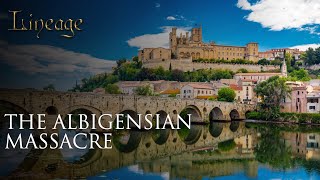
This YouTube video (Pocket Pastor, narrator Sam) explains the history of the Albigensians — a bible-centred religious movement across southern France — and the brutal crusade called against them in the early 13th century. It attributes authorization to Pope Innocent III, states the crusade ran from 1209–1229 and describes the massacre at Béziers (reports suggest the city population was ~15,000 but up to ~60,000 people were present seeking refuge). The narrator warns against religious extremism and defends freedom of worship.
Questions this video answers
1209–1229
40 days
Population ~15,000; estimated ~60,000 people present seeking refuge
March 15, 2017
Chapters
Whilst the Waldensians lived on the Italian side of the Alps, a group with similar faith lived on the front side, stretching across southern France from the Alps in the east to the Pyrenees in the west. They had the Bible in their own language and they were a freedom loving, industrious and prosperous people. They were known as the Albigensians, and like other groups scattered around Europe, they remained true to God's word and resisted attempts to come under the banner of Rome. Some historians note that had this movement been allowed to grow unhindered, that the Reformation would have started in the 13th century and not the 16th, and the base of it would have been in southern France and not Germany.
In the early 13th century, Pope Innocent III was reigning, though he was anything but innocent. He surveyed the landscape of Europe at the time and determined that these groups, however small, needed to be exterminated in order to preserve the Church. He issued an edict that authorized the killing of all such believers.
A crusade was launched that became immensely popular with the warriors from northern France, as they no longer had to travel all the way to Palestine, but right here in in their own country, they could attain all the same benefits. They were told that by killing they would wash away their sins, that they were entitled to the property of those whom they killed, and that when they died, they would immediately go to heaven. All of this was promised in return for just 40 days of service. One can only imagine the type of people who made up the armies that came down here to southern France. Year after year, from 1209 to 1229. For 20 years, this crusade was waged against the Albigensians by Pope Innocent iii.
During the first season, the Crusaders attacked and conquered the city of Toulouse. They then made their way south in July of 1209 to the city of Beziers. As the forces were gathering around the city in large numbers, the men made a rush to attack them before they had a chance to fortify the camp. It was in vain though, and the assault was repelled. As they hurried back to the city, the Crusaders mingled with the citizens and made their way into the city before they had a chance to close the gates. There was now a problem. What would they do? There were Catholic Crusaders in the city of alongside the Albigensians. Upon consulting the papal legate, the reply was given. Kill all. Kill all. The Lord will know his own.
History records that blood flowed like water as everyone in the city was brutally murdered. No one was spared. Even those who sought refuge in the church were cut down. The population of the city at the time was around 15,000, but on that fateful day, historians estimate that around 60,000 people were here, as people from the neighboring villages and towns had come here seeking refuge after the killing. Before they left, they set fire to the city, burning everything to the ground. Not one house was left standing. Not one person was left alive. Other towns and cities in the area would fall as well, suffering the same gruesome fate.
Even though they were not a race of people, but rather a group who shared the same faith. The destruction and systematic killing has been compared in some circles to genocide. The prestige of the papacy suffered greatly during this time, as news of the slaughter spread throughout Europe. The Albigensians were not totally wiped out, though, and small pockets of them did remain over the centuries.
Perhaps most tragic was how the propagators linked divine salvation with murder, a dangerous combination then and still today. We should never allow religious extremism to take away freedom of worship. We must never impose our beliefs on others, nor allow others to impose their beliefs on us. No matter how true one thinks they are, no one has the right to force their beliefs on anyone else. One thing that God has given to us is the freedom of choice, the freedom to love God in return for the love that he has given to us. May we be gracious in how we share our faith and our beliefs, giving other people the room to make their own decisions as they are led individually.