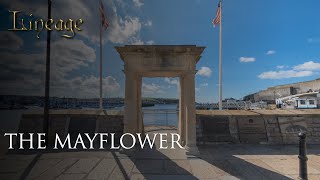
The Separatists from Scrooby fled England to Holland, then sailed the Mayflower in 1620. They landed at Cape Cod on November 9 and anchored at Provincetown eleven days later. Nearly half died in the first winter.
Questions this video answers
1620
130
Rotherhites, South London (by the Mayflower pub)
53
43
Chapters
In 1620, a boat laden with 130 passengers set sail for the New World, a frontier that had been breached by only a few other Europeans and and would eventually come to be known as the United States of America. They would land on the east coast in Cape Cod before finally settling in Plymouth, Massachusetts. Their journey, however, begins in a small English village.
Scrooby lies in Nottinghamshire. And whilst it appears calm and humble, the residents who came from this village over 380 years ago were in belief and strong in conviction. The principal members of the Scrooby Separatists were Clifton as pastor, Robinson as teacher, and Brewster as ruling elder. 30 residents left Scrooby and headed for the Netherlands, where they joined John Smith, who had previously left England with another group of separatists. Though this would not be their permanent home.
Further meetings would take place, and those in Holland decided that they would head to the Americas on the English side of the Channel. There were people who were unhappy with the religious restrictions being imposed by the Church, and they also decided that England was ceasing to be a habitable place.
The Mayflower set sail from this exact spot here on the Thames in Rotherhites, South London. Above me, the Mayflower pub marks this spot where 53 people set sail for America. Its sister ship, the Speedwell, left from the Netherlands, but when it was 200 miles off the coast of Cornwall, it had to turn back because it had developed a leak. Those on board the Speedwell then disembarked and got on board the Mayflower, swelling its numbers from 53 to 130. 43 of those people on the Mayflower were Separatists, Puritans who did not believe in the union of church and state and were unhappy at how the Anglican Church was treating those who disagreed with her.
Those on board had to put up with cramped living conditions, food shortages, little fresh meat, little water, severe seasickness and violent storms, making it an incredibly arduous journey. They finally sighted land on 9 November, 1620 in Cape Cod and would eventually anchor in Provincetown on the 21st of November. Of those who made the journey, over half would die that first winter due to the harsh weather, illness and the poor diet available to them.
Little did these people realize the impact that this journey would have on history and the legacy that they would leave that in just 150 years, the land that they arrived in would fight and win its independence. And just 200 years past its independence would rank as the most powerful nation in the world. For those on board the ship, I'M sure their actions did not seem so heroic and brave, but history remembers them well. Never underestimate the impact that your life can have on future successive generations. The decisions that you make, the sacrifices you enjoy, and the principles that you live by can have a profound impact on your children. And it can have a profound impact on the successive generations of young people that come after you. Our life that we live, however small they may seem, can have an impact that will be reflected only in eternity.